Orthodontics runs for months and years. Along the way you discuss risks, hygiene, elastics, wire changes, retention, and what happens if the plan slips. If those words arrive in a language you use for email but not for fear, part of the meaning stays outside the room. Dental and orthodontic studies show that patients with limited command of the clinician’s language miss consent details more often, feel less involved in shared decisions, and nod instead of asking. In the UAE, consent forms often sit in Arabic and English; for many expats that paperwork is a legal frame, not a full conversation. I practise in Dubai as a specialist orthodontist and work in English, Russian, Turkish, Azerbaijani, and Czech: a practical fact of the chair, not a slogan. Language shapes consent, fear, adherence, and life after a move; it also separates a patient search from a job listing.
What people mean when they search for a multilingual orthodontist in Dubai
People type short lines into search: multilingual orthodontist dubai, orthodontist speaks russian dubai, arabic speaking dentist, filipino dentist dubai, french speaking orthodontist. Behind those phrases sits a daily worry: I will not finish my question in time, the doctor will miss a nuance, I will sign something I only half understood. Dubai is a city of arrivals. People bring treatment started elsewhere, partial records, and English that covers the mall and the office but not a talk about root resorption. The clinician’s language here is a safety tool for decisions: on it you hear risks and confirm a plan. Patient pages sit next to vacancies and salary ads; I write for people who need a doctor for themselves or a child.
Patient search versus job listings
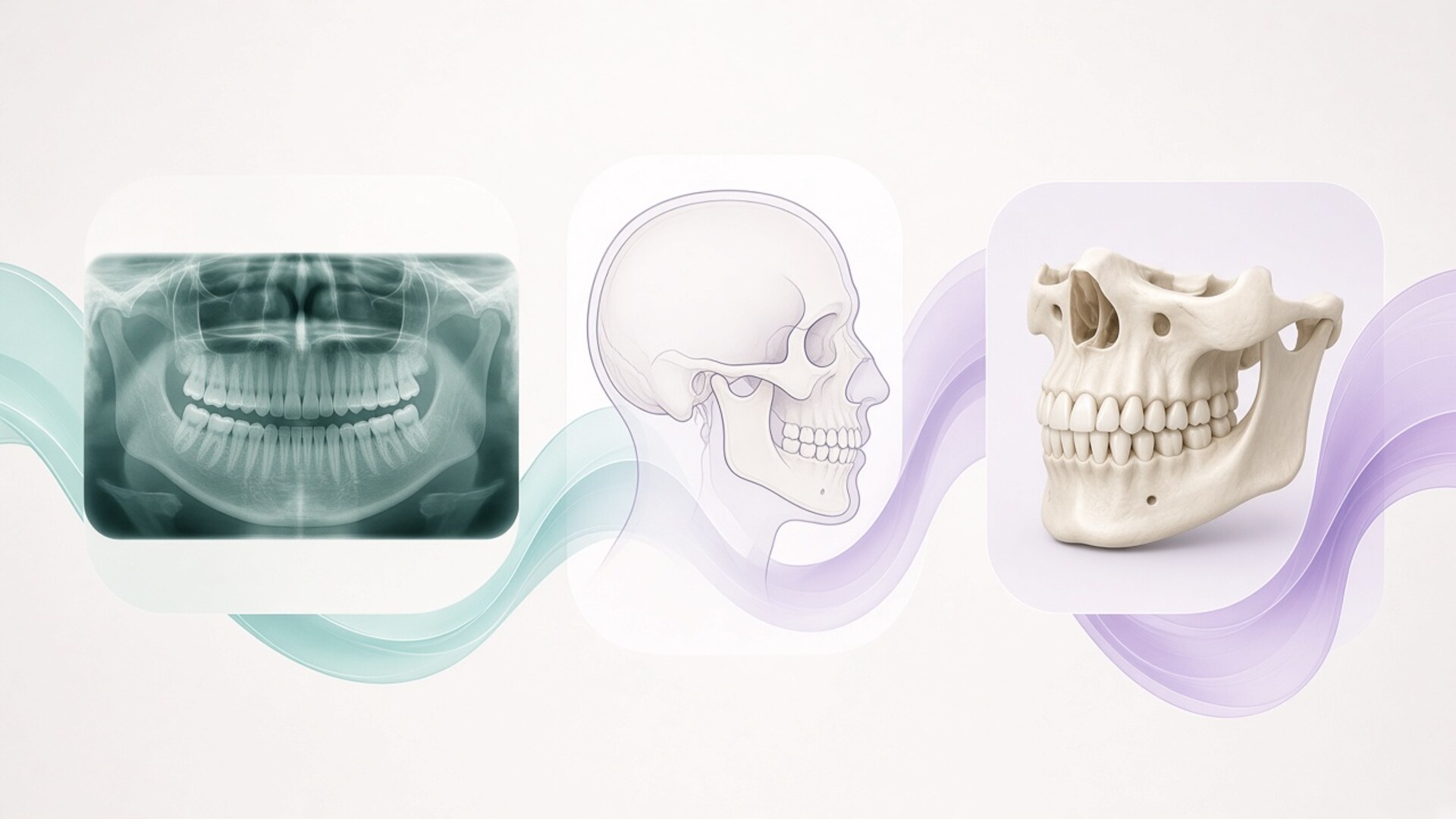
A patient search needs clinic hours, specialty, licence, consultation language, and a plan you can restate. A job search needs a visa package and an employer. Mixing those intents hurts the patient: a vacancy page looks medical, while a clinic ad for “Russian dentist” or “Tagalog-speaking staff” may describe a hygienist or aesthetic dentist, not orthodontics. The filter is simple. If the snippet mentions salary, vacancy, or recruitment, leave that result. If the doctor’s page never mentions braces, aligners, bite, retention, or a lateral cephalometric film for bite analysis, you have likely reached another specialty.
I recommend narrowing the query to the role: orthodontist, specialist orthodontist, braces, aligners. Phrases such as orthodontist speaks russian dubai or bilingual orthodontist dubai often come from people already comparing doctors and ready to book, so check language and specialty before the first visit.
Orthodontist and general dentist who share a language
A “dentist who speaks Hindi” or “Filipino dentist in Dubai” in advertising often means a clinician who shares your language for fillings, hygiene, or cosmetics. That comfort matters. Orthodontics is a separate specialty: bite diagnosis, tooth-movement planning, biomechanics control, and risk management over a long course. A specialist orthodontist looks at occlusion, skeletal relations, periodontium, hygiene under appliances, and retention after removal. A general dentist may refer to an orthodontist; an orthodontist does not replace a restorative dentist for acute pain.
On consultation I first clarify the goal: smile aesthetics, function, preparation for prosthetics, a child’s treatment, or continuation after a move. Language saves time here. You describe the complaint in your own words (“it clicks,” “it rubs,” “I forget the elastics,” “after the tray the tooth feels loose”) and I hear clinical meaning without a two-step translation through reception.
Language on the checklist for choosing a doctor
Clinic websites list languages in the footer. For you, the useful question is who speaks during the plan talk. If Arabic or Tagalog sits at reception and the doctor explains only in English, you gain booking comfort and consent stress. If an assistant shares your language and the diagnosis arrives in a third tongue, nuances drop. The stronger option is a direct talk with the treating orthodontist in the language you use to think about risk.
I switch between languages in one appointment when a family mixes them. One partner prefers English, the other prefers Russian or Turkish, the child answers briefly in both: a common Dubai room. My job is that every adult leaves with the same picture of the plan. Before you book, send one line: “Can the orthodontist consultation run with the treating doctor in [your language]?” “Yes, reception will help” and “Yes, the doctor speaks your language” are different products.
Informed consent when English is not the language you think in
Informed consent is a process, not a stylus mark on a tablet. The clinician names the diagnosis in plain terms, offers options, explains benefits, risks, alternatives, and the cost of doing nothing, answers questions, and records the decision. In orthodontics the list is long: caries and demineralisation with weak hygiene, root resorption, periodontal problems, discomfort, breakages, duration, retention, possible extractions or surgery in selected cases. Reviews on risk communication note that patients forget instructions and underrate their role.
Dubai’s regulatory frame leans on Arabic and English for clinical paperwork. That protects the clinic’s legal contour. For a patient whose first language is French, Hindi, Tagalog, Russian, or another tongue, that contour is thin. You can read a form translation at home; the live talk about your risk happens in the chair. Shared language turns consent into a conversation.
What you sign in a Dubai clinic
A typical pack includes treatment consent, medical history, cancellation policy, and sometimes separate consent for anaesthesia or imaging. Research among patients with limited clinic-language proficiency shows that translated forms help, yet people with lower health literacy still need spoken explanation. An English form full of legal turns creates the feeling “I understood because I signed.” In practice many people grasp the tone (“treatment is needed”) and skip details (“white spots appear with poor hygiene,” “we wear retainers at night for years”).
I speak the key points aloud in the language that works for the patient, even when the paper pack is bilingual Arabic–English. I ask you to restate in your own words: what we treat, how long we roughly attend, what to do if it hurts, what follows after removal. If you cannot retell it, consent has not finished.
Orthodontic risks that slip past on a second language
On a second language the brain saves effort. It grabs familiar words (braces, aligners, months) and drops rarer ones: root resorption, enamel decalcification, black triangles, relapse. Consensus materials on orthodontic risks ask for calm, repeatable explanation of exactly those topics. You need to know that tooth movement loads root and periodontium; that hygiene under braces is part of treatment, not a tip for later; that after removal, without retention, teeth tend to drift back.
In a shared first language I pick household anchors: “chalky white spots,” “a tooth may feel a little mobile at a stage,” “after braces we wear a wire behind / a night tray.” The medical term stays in the chart. In your head remains a picture you can act on at home.
Questions you ask only in your first language
Some questions people avoid in English. “What if I smoke?” “What if I plan a pregnancy?” “What if I already have veneers?” “Can we start if I leave in six months?” “What happens to my speech at work?” In a first language, shame drops and wording sharpens. The clinician gets an honest map of limits and does not build a plan on false discipline.
On an orthodontist consultation I leave a pause after the plan: “Which question did you want to ask and put aside?” That pause, in the language you think in, often brings the main risk of the case: a move, a wedding, sport, bruxism, old periodontitis.
Fear, silence, and the nod that looks like agreement
Dental fear lives apart from IQ and apart from office English. You may negotiate contracts at work and fall quiet in the chair. A language barrier widens that pause: you doubt you will pronounce the symptom, you fear looking like a “difficult patient,” you agree with a nod to end the talk sooner.
In shared decision-making research, language barriers lower the sense that the clinician involves the patient. You feel distance even when the doctor is kind. For orthodontics that distance is costly: the course is long, visits are many, and elastic and hygiene discipline rests on trust. If you “quietly agreed” at the start, three months later you are more likely to skip a visit or “forget” an awkward instruction.
I notice fear in short answers, in glances at a phone translator, in how someone re-asks reception after the doctor. Then I slow speech, cut spare terms, and point on a model or a radiograph. Sometimes one sentence is enough: “We can run this visit fully in your language.” After that, people usually give a fuller history.
Fear also ties to control. Orthodontics takes part of the familiar smile for months. Patients want to understand what changes at each stage. A first-language explanation returns that control: you see the logic of wires, you understand why a stage looks “worse” before it looks better. That lowers the impulse to stop mid-course.
Children’s fear deserves its own line. A child reads a parent’s anxiety faster than any consent text. If a parent whispers to an interpreter and nods at the doctor, the child sees role chaos. I speak with the parent in their language and address the child briefly in a language the child understands, so the room becomes predictable. Predictability lowers resistance to impressions, photos, and first wires.
Adults often fear judgment for past breaks: “I removed braces myself,” “I skipped the retainer for half a year,” “I smoke and feel awkward saying so.” In a first language those facts sound simpler. The clinician gets truth earlier and builds a plan with margin, not a heroic scheme that collapses in month two.
Adherence: instructions that survive the commute home
Adherence in orthodontics is homework. Clean around brackets, wear elastics for set hours, change aligners on schedule, attend activations, report a breakage the same day, wear a retainer after. The clinician sets biomechanics; the result depends on what you do between visits. Language is the instruction channel. If the channel is noisy, the instruction warps.
Medical literature links language barriers to weaker plan understanding and weaker adherence. In orthodontics that looks ordinary: elastics worn “when I remember,” trays removed for a long dinner “only once,” interdental brushes bought and left in the pack. At review the clinician sees no progress and thinks about changing tactics, while the problem was communication.
I measure understanding by action: the patient shows the brush; names elastic wear hours; explains where to write when a bracket detaches. In a shared language the check takes minutes. On shaky English it often collapses into “yes, doctor,” then a surprise six weeks later.
Short English phrases sound easy: “wear elastics full time,” “change trays every 7–10 days,” “floss daily.” In practice patients hear “full time” as “more often,” “7–10 days” as “about once a week when convenient.” In a first language I make the rule concrete: “take elastics off only to eat and clean,” “change the tray Sunday evening,” “use the brush after each main meal.” A weekday anchor beats an abstract interval. Pain wording works the same way. “Mild discomfort is normal” without a time frame frightens. I say: “the first week after activation may pull for two or three days; if pain rises or stops sleep, write the same day.” One sentence decides whether someone messages on time or endures a week.
An orthodontic visit is often short: exam, wire change, photos, next booking. In a compressed window on a second language, patients manage to say “everything is fine” even when something rubbed for a week at home. In a first language people name details faster: “it rubs the upper right canine from the inside in the evening,” “the elastic flies off when I yawn.” I get a precise complaint and a precise fix: wax, smoothing, a mechanics change. For families with children, language cuts deeper. The child answers briefly. The parent interprets. If parent and doctor speak different languages, the child becomes a silent object between two adult translations. I try to address the child directly in a language they understand and separately check the picture with the parent.
A spouse, a teenage son, a colleague on WhatsApp: a common “interpreter” in Dubai. That beats total silence, yet research on language resources in clinics warns that an ad-hoc interpreter may soften risks, avoid topics, or add their own view. The patient loses autonomy: adults discuss the case through them. In orthodontic surveys of patients and providers, bilingual staff ranked higher in preference for both groups than friends, family, or apps. Someone inside the clinic knows medical context and does not filter hard facts out of politeness. If a family member translates, I still ask the patient to confirm key lines themselves: “Do you agree with this plan? Restate what you understood about the retainer.”
Family interpreters versus a bilingual clinician
At a visit you usually face three paths: speak with the doctor directly, bring an interpreter, or open a phone translator. All three appear in Dubai. They differ in feedback speed, term accuracy, and safety. Below is a practical comparison for an orthodontic scenario.
Orthodontic research records that patients and doctors prefer bilingual staff as the best resource against a language barrier. Family and apps appear often, yet preference shifts toward someone inside the clinic. Translated forms support reading; they do not replace a spoken risk talk. I do not ban phones in the chair. I ask you not to base extraction, surgery, or a long course start on a phone alone. The price of a communication error is months in appliances and risk to enamel and periodontium. The table matches channel to task: booking, review, or consent.
Comparing communication channels on an orthodontic visit
| Channel | Medical-term accuracy | Dialogue speed | Confidentiality | Risk of plan distortion | Best used for |
|---|---|---|---|---|---|
| Direct talk with the orthodontist in your language | High: the clinician chooses clinical and household wording | High: question to answer with no middle step | High: no third party | Low | Consent and complex decisions |
| Professional medical interpreter | High with specialty training | Medium: doubled phrases | Medium: a third person in the room | Low to medium | Hard decisions when no shared doctor language exists |
| Bilingual receptionist / assistant | Medium: strong for booking, weaker for biomechanics | Medium | Medium | Medium: may simplify risk | Logistics, reminders, basic navigation |
| Family member / friend | Unstable: depends on language and courage | Medium | Low: private topics via a relative | High: softening, pressure, added opinions | Short daily phrases, not consent for extraction/surgery |
| Phone translator app | Low to medium: breaks “resorption,” “retention,” pain shades | Low: typing, waiting, edits | Formally high, yet the screen distracts | High on fine instructions | Emergency help on the road, not a treatment plan |
| Clinic English at a medium level | Medium: daily words work, risk nuances drop | Medium | High | Medium to high | Simple review visits after a clear start |
What patients and clinicians prefer in study samples
In surveys of orthodontic providers and patients, a bilingual clinic staff member sat at the top of preference for both groups (around six in ten in some samples). Friends and family were used often but ranked lower in preference. Apps appeared on both sides; phone interpreter services more often stayed a clinic-side tool. For Dubai practice the takeaway is direct: look for a doctor or a stable “doctor + regular clinical interpreter” pair, not a one-day relative for the signature.
Separate work on translated dental forms (including several community languages) shows patients rate readability and usefulness high, yet many still need extra spoken explanation. Paper supports memory. Talk confirms understanding.
A practical consultation scenario
Picture an aligner start. In mid-level English you catch “change every week.” At home you have reflux, night snacks, and trips every fortnight. Without a detailed talk in your first language, the clinician misses discipline limits, and you skip night snacks out of shame. A month later trackers lag, you feel disappointed, the clinician reads non-compliance as character. In fact communication broke on day one.
On a shared-language consultation I walk through the day by hours: breakfast, coffee, snacks, sport, flights. Together we decide where trays come out, how to count wear hours, when to send progress photos. That costs more time on day one and saves months later.
After relocation: history Google Translate cannot carry
A move to Dubai breaks treatment continuity. Some people arrive with braces, some with aligners mid-course, some with a USB of radiographs and a letter saying “continue as planned.” An English translation of that letter does not carry why the previous clinician chose that mechanics, which compromises you already discussed, or which fear you refuse to repeat.
I read the materials you send and then gather history by voice. In a first language people recall detail: “they said extraction was controversial,” “lower incisors crowded again after the first retention,” “I stopped trays for two months because of the move.” Those details change the plan. Without them a new clinician starts from a blank page and may repeat old errors or break a working logic.
After a move, daily life shifts: new work, heat, a different meal rhythm, different access to hygiene products, travel between countries. The instruction “wear elastics full time” meets long flights and meetings. In a shared language we adapt a realistic regime and fix what you must not sacrifice. A translator app will not run that talk: it lacks clinical responsibility.
Another group lived in Türkiye, India, the Philippines, Europe, or elsewhere and expects a different style of doctor talk. Some want directives; some want long discussion. I state my approach plainly: I explain the plan, name options, we fix the decision together, and discipline control stays firm. Language lets us align expectations without cultural guessing.
Insurance and money expectations form another layer. People arrive used to different orthodontic coverage shares. In Dubai you check policy terms with the insurer and the clinic separately; I do not replace the insurance desk. In a first language it is easier to ask early what the clinic plan includes, what you pay in stages, and which radiographs you already hold. That cuts surprises after the first invoice.
If you still plan the move and already wear an appliance, request a pack before departure: fresh photos, mechanics description, time estimate, contacts. On arrival, a shared-language review of that pack saves repeat imaging where old data still hold. An exam is still required: a move changes hygiene, stress, and visit access.
More on my background and languages sits on the about page. In short: practice in Dubai, previously Istanbul; specialty orthodontics; consultation languages English, Russian, Turkish, Azerbaijani, and Czech.
How to choose without marketing noise
Results for multilingual orthodontist dubai and related language queries fill with doctor cards and clinic pages tagged “speaks Arabic / Russian / Hindi / Tagalog.” That market is normal. Your job is to check specialty, licence, consent format, and who speaks in the chair. Language without orthodontic qualification does not move teeth. Qualification without clear language raises the chance of mistaken consent.
Below is a working checklist I use when patients ask what to look at. It is not about rankings or naming clinics. It is about facts you can verify in one evening and on visit one.
In Google for Dubai English, next to language-specific dentist queries you often see “best” blocks and People Also Ask lines. Ranking words help little without a criterion. Look at licence, orthodontist profile, plan clarity, and the language of the live talk.
Licence and specialty first
In Dubai the clinician must hold a licence from the relevant regulator (for many clinics, DHA) in the matching category. Orthodontics is a separate profile; confirm the title specialist orthodontist, not only dentist. On the clinic site check education, years in specialty, and whether the doctor works with braces and aligners for the tasks you need. If a page shouts a community language and never mentions orthodontics, keep searching.
Licensing exams in the UAE run in English; that concerns the doctor’s right to practise, not the language of your consent. For you, the useful fact is which language the doctor uses to explain the plan after that licence.
What to test on the first consultation
Ask for the diagnosis in plain words and repeat the plan back. Ask about hygiene risks, retention, a time guide, what happens if you relocate, how to contact after a breakage. Confirm which language review visits will use. Watch whether anyone pressures a same-day signature. Orthodontics rarely needs “sign right now”; you usually have time for imaging, hygiene, and questions.
On my consultation you get a situation review, options, and a clear next step. Method and timing depend on examination and diagnostics; online guesses do not replace treatment.
When clinic English is enough
If you discuss medical topics in English with ease, ask follow-ups, and restate risks without strain, a separate first-language orthodontist is optional. The criterion is consent quality, not the doctor’s passport. A shared first language helps people who lose nuance in English, hesitate to disagree, treat a child, or continue a course after a move with medical memory stored in another language.
Clinician multilingualism also helps mixed families: one partner stronger in English, another in Arabic or Russian, a child answering in Turkish or Tagalog at school. I use languages as tools for the room’s mix, without a display of a language collection.
Frequently asked questions
Do I need a first-language orthodontist if I use English at work?
Office English and medical English carry different loads. If you discuss risks, timing, hygiene, and retention calmly and can restate the plan in your own words, an English-speaking orthodontist is enough. If you nod faster than you ask in the chair, book in the language you think in. The test is consent quality, not the feeling “I already live in Dubai.”
How does a multilingual orthodontist differ from a “dentist who speaks my language” ad?
Ads often mean any clinician sharing your language: general dentist, hygienist, aesthetic dentist. An orthodontist specialises in bite and tooth movement. For braces and aligners, check specialty and orthodontic experience first, then language. Language without that profile does not replace a treatment plan.
Can I rely on a family interpreter or Google Translate on consultation?
For booking and daily phrases, yes. For informed consent, risk review, and fine elastic or aligner instructions, prefer a direct talk with the doctor or a professional medical interpreter. Family and apps often distort uncomfortable details. Orthodontic surveys show preference for bilingual clinic staff over ad-hoc help.
In which languages are consent forms written in Dubai clinics?
Documents are usually prepared in Arabic and English (the regulatory frame). Spoken explanation in your first language does not cancel the paper pack; it makes the pack usable. Get an oral review of key risks in the language you think in, then sign.
I moved with braces. How do I hand history to a new orthodontist?
Gather panoramic and cephalometric films or CBCT if available, photos, notes, and a list of what you already discussed: extractions, surgical options, wear gaps. In your first language say what you fear repeating. The new clinician rebuilds the plan for the current status; “continue as before” without an exam is not a promise anyone should make.
Which languages do you use in consultation?
I work in English and also in Russian, Turkish, Azerbaijani, and Czech, matching the family’s mix and the patient’s comfort. That is the working mode for consultations and reviews, not a marketing line. Background detail sits on the about page.
Does the doctor’s language change treatment duration?
Language itself does not move teeth. It affects how precisely you receive instructions and how steadily you follow them. Clearer understanding of elastics, hygiene, and aligner wear reduces idle months. Duration in each case depends on diagnosis, biology, and discipline; examination and progress set it, not a website claim.
How do I book a consultation?
Leave a request on the orthodontist consultation page or use a contact channel on the site. At the visit we review your situation, any radiographs you bring, and options. Method and timing decisions follow in-person diagnostics only.