A parent hears “we’ll fit a plate — it will straighten the teeth” and expects a braces-level smile. In practice a removable orthodontic plate is a narrow tool in the mixed dentition: tip a few teeth, hold space, support limited expansion, back a habit plan. It does not replace a full course in the permanent dentition and does not “fix inheritance” in three months. Reviews and meta-analyses on removable appliances and compliance from 2017–2025 agree: results track hours in the mouth, and family self-reports often overstate wear. I see children in Dubai after years in Istanbul, and on a pediatric consultation I spend much of the visit on the gap between plate advertising and the job on the film. Below is what a removable plate for a child can do, where it stops, how wear routines fail, and which questions belong in the contract before the lab starts.
Removable plates: parts and how they work
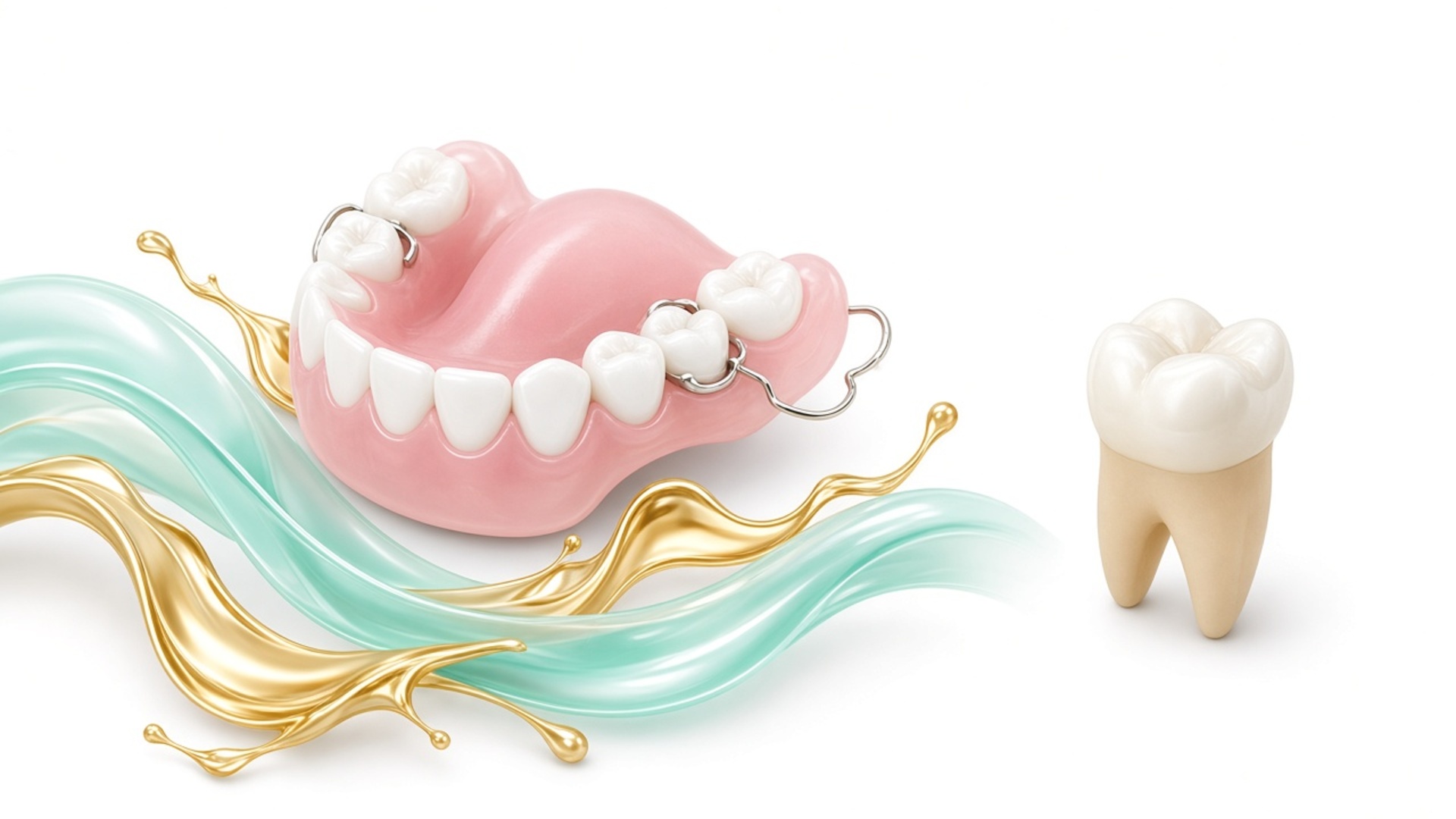
A removable orthodontic plate is an acrylic base with clasps on teeth and, often, a screw or springs. The child takes it out for meals and cleaning. A parent or the doctor turns the screw on a schedule when the plan calls for expansion or a targeted move. A classic Schwarz plate, a sectoral-screw plate, a plate with a labial bow — different builds for different micro-jobs. They share one limit: force is lighter and shorter-levered than a fixed brace system, and success sits almost entirely on discipline.
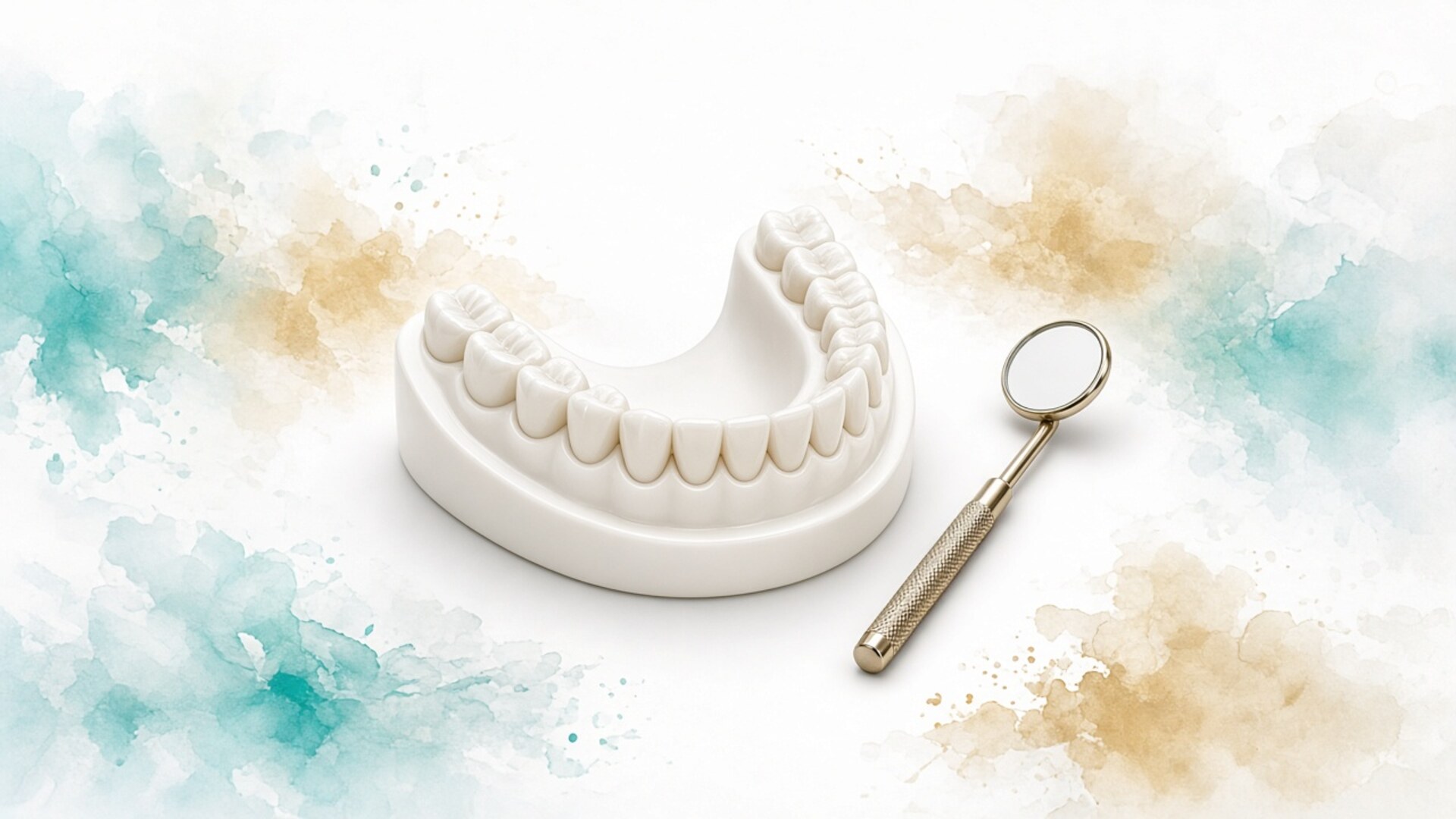
In the chair I show the family a model: where the screw pushes, which teeth hold the clasps, where the base rests on the palate. Parents often assume an “upper plate” will “pull the jaw forward” like a face mask or a functional block. Many simple plates do dental work: tipping, mild arch widening, space holding after early loss of a baby molar. Skeletal change is bounded by age, appliance type, and hours of wear. If a contract says “we will fix the facial profile with a night plate,” I ask for measurable goals before impressions.
Among orthodontic plates in the broad sense, a child’s removable plate lives in a different context: mixed dentition, growth, habits, school. An adult plate is often retention or a small refinement. Mixing a child’s active plate course with a post-braces retainer is a common language error. For a child the plate is an active phase with reviews and adjustments. A retainer holds what you already gained. I write that difference in one line in the chart so six months later nobody asks why teeth “moved again even though we wore it.”
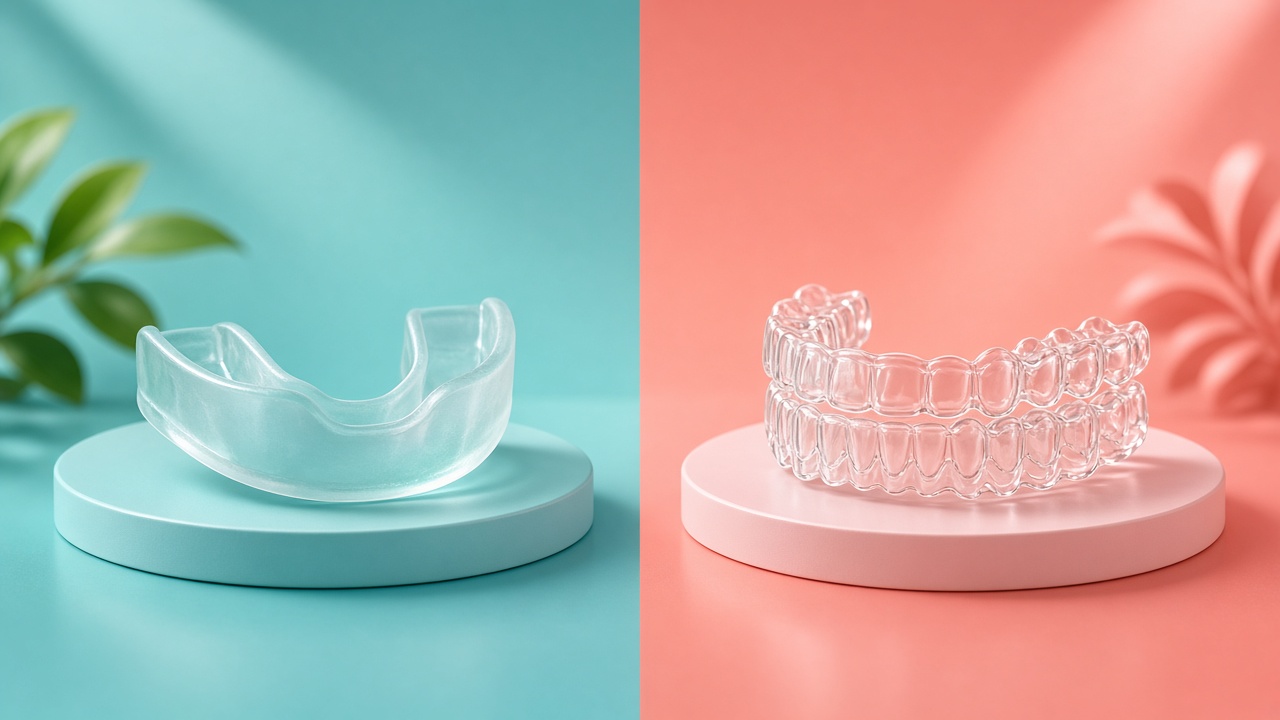
A plate is not fitted “by eye” on the first visit without a plan. You need an exam, photos, sometimes a panoramic film, and a scan or impression. The lab builds the base for that mouth. Off-the-shelf silicone “trainers from a pharmacy” are another category; their marketing often promises what an honest plate refuses to promise. If the family already bought a universal silicone and waits for a miracle, I start with diagnosis, then decide whether a custom plate still makes sense.
Base color and a star sticker help a child accept the appliance; they do not change biomechanics. I let the child pick a color only after the goal and wear hours are clear. Otherwise color shopping hides the missing plan. The same for “a plate in one visit”: lab work and fit take time; rushing for a parent calendar raises sore spots and refusal to wear.
Jobs a plate can handle
A plate works when the job is narrow, growth helps, the child wears enough hours, and hygiene allows it. I prescribe it because the model and film show a mechanism that light force can move over months — not because “every seven-year-old gets one.” Parents ask to “straighten the smile.” I translate that into a list: which tooth, which millimetre, which review date, which plan B if wear collapses. Without that list the plate becomes a symbol of care, not treatment. Growth sometimes helps and sometimes wrecks a pretty photo in six months, so I score success on photos and models at named dates. Three zones where a removable course often fits follow. The removable plates page follows the same order: one-sentence goal, then design. If the goal will not fit in one sentence, we are not ready for impressions.
Local alignment and mild tipping
In the mixed dentition you sometimes need to tip one or two teeth, ease a light crossbite without marked skeletal narrowing, or open a path for eruption. A spring, a sectoral screw, a labial bow — tools for that micro-job. The parent sees a “crooked incisor” and wants a school-photo smile. I set a smaller goal: improve contact and path, knowing permanent canines and premolars will still change the picture. If in six months the plate shows a measurable shift on photo and model, the course earns its keep. If the child wears two night hours “when we remember,” the tooth barely moves — the screw is rarely the villain; the hours are.
Mild upper-arch expansion with a plate screw is possible in a limited range, especially while the midpalatal suture is more responsive. That is not a substitute for a fixed expander when narrowing is marked and the lower jaw shifts on closing. I separate those scenarios on consultation: where a removable screw can work with good wear, and where a fixed appliance fits better because discipline or task size will not carry a removable format. I will not promise “jaw expansion like the ad in eight weeks of night wear alone.”
Space holding after early tooth loss
After early loss of a baby molar, neighbours often close the corridor for the permanent tooth. A space maintainer may be fixed; sometimes a well-fitted plate with blocking elements does the holding job. Here the plate “can” preserve a path — it does not straighten the whole smile. The family must hear that this is space insurance, not cosmetic treatment. Reviews every few months are mandatory: the child grows, the base gets tight, clasps loosen.
If space is already badly lost, one plate rarely “pulls millimetres from thin air.” Then we discuss other mechanics: selective disking, limited fixed appliances, later a full course. An honest talk saves a year of false hope. I show on the panoramic where the permanent bud sits and how much room remains between neighbours — numbers beat slogans.
Habit support and simple myofunctional help
A plate with a tongue crib or elements that interfere with thumb sucking helps when the habit is still active and the child accepts the routine. An appliance without family work on the habit gives a short rebound. Open-bite and habit literature has said this for years: while a thumb or tongue between the teeth outruns light orthodontic force, the gap returns. I link the plan to a speech therapist or ENT when breathing or speech is clearly primary. The plate is part of a package, not a “quit in a week” button.
Dubai school days and after-school clubs make daytime wear hard. For habits an evening-plus-night block with firm parent checks often beats a fantasy of “fourteen invisible school hours.” I write the routine on one sheet. If the family already failed a trainer from a previous clinic, I am careful with another removable course “on trust” and more often ask whether discipline can carry one more removable plan.
Honest limits of a plate
Ads love lines like “fix the bite without braces,” “replace all orthodontics,” “while baby teeth are in — lock it forever.” Clinic language is shorter: a plate solves part of mixed-dentition work and often prepares the ground; it does not close the life story of a smile. I see families after years of plate swaps with no written goal: a large bill, a permanent dentition that still needs a full course, and trust near zero. The method limit is not a “bad child” or a “weak screw.” The limit sits in force physics, wear hours, and unfinished eruption. An honest talk before impressions costs less than a year of disappointment. Below are three borders I name out loud. If a doctor promises to close all three with one night plate, I would seek a second opinion before paying the lab.
Full alignment of the permanent dentition and dense crowding
When all permanent teeth are in, the arch is narrow, canines sit high, and torque and jaw relationships need precise control, a removable plate is usually the wrong tool. Braces or aligners hold control day and night and move teeth in three planes with more predictability. A plate may soften a growth-stage picture; it rarely delivers adult-level final occlusion. Families who pay for years of plates hoping “never to bond metal” often still reach a permanent-dentition phase — and that path is normal if the early phase was honest.
I do not call braces “punishment for a failed plate.” They are different chapters. If a child is already in the permanent dentition with marked crowding, it is cleaner to discuss a full course than to turn a screw “just in case” for a year.
Marked skeletal Class II/III and a “model profile”
A distal or mesial skeletal pattern, a strong jaw discrepancy, growth asymmetry — that zone belongs to functional appliances, face masks, surgery in some adult cases, and selective early orthopaedics when indicated. A simple screw plate does not rewrite jaw genetics. It may help dental tipping and local contact. A promise to “bring the lower jaw forward with a night plate and remake the face” without growth records is a red flag.
A useful parent question: which exact measure will change in six months, and how will we measure it? If the only answer is “a prettier phone smile,” the goal is fog. On a pediatric consultation I prefer a simple grid: dental job / skeletal job / habit. The plate lives in the first column and partly in the third.
Results without wear: “leave it under the pillow”
Microsensor studies of removable appliances show real wear well below prescription, while family reports inflate hours. If the plan needs 12–14 hours and the mouth sees 4–5, the tooth barely moves. A plate cannot buy back empty hours with marketing. I say this to child and adult together: an appliance outside the mouth equals a pause in treatment, even if someone turned the screw on schedule.
Breakage, loss in a school locker, “left at a weekend house in another emirate” — Dubai logistics. Without a repair path and a lab contact, the course snaps. That is a method limit, not a character flaw. Sometimes I therefore choose a fixed option for the same clinical goal when the family admits weak wear control.
When a plate fits and when it does not
It fits a child in the mixed dentition with a narrow, measurable job, acceptable hygiene, and an adult who will run the routine. Age often falls around six to ten, but the dental map and growth decide, not the birthday cake. If baby teeth still hold space, permanent incisors are arriving, and a crossbite is light without a hard lower-jaw shift, we discuss a removable course. If the child is nearly in the permanent dentition, crowding is dense, hygiene is near zero, and anxiety about any “metal” is high — we stabilise the mouth and motivation first, then pick an appliance.
It fails as a solo plan with active cavities and bleeding gums: the base collects plaque and acid hits enamel. Treat and clean first. It fails when a parent wants “perfect for graduation in eight weeks” on a job that needs a year and maybe a second phase. It fails when the contract claims to cancel all future orthodontics — medicine does not sell that promise. It also fails as “fit it just in case”: spare months of acrylic with no goal teach a child that orthodontics is background noise without results.
In Dubai’s mixed families, relative pressure is strong: “back home everyone got a plate at seven.” I offer a short reply: is there job A on the film or not. If not — observation with a date. If yes — a plate or another appliance by job, not by country tradition. Cultural debate rarely moves a tooth; wear hours do. The same for school chats: a classmate’s plate is not your child’s diagnosis. Bring a panoramic and a complaint list, not a screenshot of someone else’s contract.
Parents sometimes call fixed expanders a “non-removable plate.” In the room I translate into exact words: removable plate, fixed expander, limited braces. Name confusion becomes expectation confusion about cleaning and food. A child promised “you can take it out whenever you want” who then gets a fixed palatal screw loses trust for the whole course. I state removable versus fixed before the lab, with the child present, without a chair surprise.
Speech and instruments are another filter. Wind band, drama club, and reading aloud suffer in the first two weeks of adaptation. If a music exam sits ten days away, start the plate after the holiday. Orthodontics can wait two weeks more often than a child can absorb a stage failure from a new lisp. I write that life filter next to the medical indication: both decide whether we start this month.
Wear, screw turns, and daily life: where results break
A removable course is a contract on hours, food, sport, school, and an evening ritual. Without that layer, orthodontics becomes home arguments and “the appliance does nothing” at review. Compliance meta-analyses on removable appliances repeat the same finding: real wear sits below the prescription; family diaries paint a prettier picture than a microsensor. Dubai practice adds two homes in shared custody, long bus rides, clubs until 9 p.m., and holidays in another country. I do not romanticise “willpower in a seven-year-old.” I build the routine with adults before the plate leaves the clinic and write it in the chart. Below are three blocks without which even a perfect lab cannot save the plan. If the family says “we’re busy but we’ll somehow wear it,” it is cleaner to choose another format or a later start date.
How many hours and who checks
Prescription depends on design and goal: often night plus daytime blocks, commonly around 12–14 hours total, sometimes different by plan. A number in the chart is useless without a responsible adult. In Dubai a child may live in two homes — then both addresses get the routine. The school nurse will not hunt a plate in a backpack. An evening parent check: is it in the mouth before sleep, is the base clean, is a clasp cracked.
I compare “we almost always wear it” with movement on the model. If three to four months show zero change under “perfect wear,” either the plan is wrong or the hours are inflated. Microsensors in research catch that gap. I do not blame the child for everything; I rebuild the routine or change appliance type.
Screw activation and visits
The screw turns on a schedule — often fractions of a turn on named days. “Turn more often for faster results” brings pain, soft-tissue trauma, and wear collapse. “Forgot for two months” freezes progress. I give a calendar and a short phone video for the parent. At review I check palate hygiene, base fit marks, occlusion, and speech or sleep complaints.
Visits cannot stretch “until it hurts.” The base lags growth, clasps loosen, a tooth hits the wrong stop. A family on holiday outside the UAE agrees a return date or a temporary contact; otherwise the course becomes an expensive souvenir in a case.
Food, speech, sport, breakage
The plate stays out during meals. Chewing with acrylic “to get used to it” breaks clasps and feeds cavities around them. Speech lisps in the first days; Dubai schools notice — starting near a holiday or briefing the teacher for a short adaptation helps. Contact sport: case in the bag, a mouthguard when incisors need protection; a plate is not impact armour.
Breakage and loss are normal childhood statistics. The agreement should say how fast the lab repairs, what to do on a weekend, and when a new impression is needed. Without that, a parent googles at midnight and hears “use super glue.” Super glue and acrylic in a child’s mouth make a bad pair.
| Job in a child aged 6–11 | Removable plate often fits | Another appliance / plan often fits | Key success condition | Typical failed expectation | Ask before you sign |
|---|---|---|---|---|---|
| Mild tip of 1–2 teeth, local contact | Yes | Dense whole-arch crowding | 12+ hours wear as prescribed | “It will look like after braces” | Which tooth moves and when we review |
| Space holding after early baby-tooth loss | Sometimes | Fixed maintainer if discipline is weak | Reviews every 2–4 months | “Space will keep itself” | How much space on the film and replacement criteria |
| Mild upper-arch expansion | Selective | Marked narrowing, functional shift | Screw schedule + wear | “The jaw will grow like the ad” | Removable screw vs fixed expander and why |
| Thumb / tongue habit | As part of a package | Appliance alone without habit work | Honest hours of the habit per day | “The crib will stop it in a week” | Speech therapy / ENT in parallel? |
| Marked crowding in permanent teeth | Rarely as the finale | Braces / aligners | Hygiene and phase plan | “Plate instead of braces forever” | Likelihood of a second course |
| Skeletal Class II/III by profile | Limited (dental part) | Functional / orthopaedic options when indicated | Growth diagnosis | “A night plate will fix the profile” | Are we changing teeth or skeleton? |
| “A neighbour said everyone gets a plate at 7” | No as the only reason | Screening and observation | Measurable goal | Appliance “just in case” | Which red flags exist on exam |
The table guides conversation. An exam and films decide the prescription, not a blog row.
Marketing versus clinic: promises worth unpacking
The children’s plate and trainer market feeds on parent anxiety and “before/after” photos without age or wear context. Here are lines I hear after ads.
“Fit a plate — you will never need braces.” Sometimes an early narrow job eases entry into the permanent dentition. Often a second course is still needed. Honest wording: we solve job A now; we discuss phase-2 probability separately, without a cancellation guarantee.
“While baby teeth are in — lock it forever.” The mixed dentition changes. Permanent teeth are larger. Space and growth rebuild the arch. Early success on baby teeth is not a finish line at fifteen. Observation after a plate is part of the plan.
“A night plate equals a full daytime course.” For some designs night is the main block, but many plans still need daytime hours. Night alone rarely meets a 12–14 hour prescription. If a doctor said “sleep only,” clarify total hours and the goal.
“Turn the screw faster for a straighter smile.” Screw speed is limited by periodontal biology. Aggressive turns wreck wear. The doctor writes the schedule.
“An online silicone trainer equals a custom plate.” Different materials, fit, force, and supervision. A universal size does not read your panoramic. I do not ban questions about trainers; I require a diagnosis before any appliance enters the mouth.
“If you don’t wear it, teeth will get used to the right place anyway.” Without force and time the tooth stays where it was, while growth continues on its own path. Passive “the plate is at home” is not treatment.
In Dubai, families also compare fees with the country they left. A plate here is a course with visits and a lab, not a shelf product. I give a fee range after a plan, with a price-list date. UAE insurance covers orthodontics unevenly; the policy administrator confirms cover before you sign.
A Dubai consultation: decide without the rush
On a pediatric consultation I speak with the child first: what bothers the mouth, whether chewing hurts, whether another appliance is already in play. Then facial and oral exam, photos, panoramic film when indicated. If a plate is indicated, the goal is spoken in one sentence before the impression. The parent leaves with written wear hours, a “when to call” list, and a review date.
Questions I expect. What happens in a year without an appliance? How many wear hours are real? What counts as success at six months? How likely are braces later? How do we combine swimming, rugby, or a wind instrument? Who in the family owns the evening check? If answers stay foggy, I would not sign the same day.
For an anxious child the first visit may end with introductions only — no impressions. Pressure to “take the mould today” sits poorly with months of wear. A scan or impression makes sense when the family understands goal and routine.
Expat families often compare with home-country habit: there a plate at seven is almost ritual; here selection is tighter. I lean on exam findings and removable-appliance compliance literature, not market custom. A second opinion is welcome: a good plan survives another orthodontist’s eye.
If night panic whispers “we’ll miss the window,” the answer is criteria and a review date, not an impulsive start with no new information. A plate is a tool. A tool without a job and without wear hours remains acrylic in a case.
FAQ
At what age do children get a removable orthodontic plate?
Most often in the mixed dentition, roughly six to ten, but the dental map and the job decide — not a round birthday. Earlier only with clear findings after exam. Later, near a full permanent dentition, other systems usually fit better. Age is not prescribed from a messenger photo.
Will a plate straighten teeth like braces?
Usually no. A plate handles narrow jobs and controls three-plane movement less firmly. Braces or aligners in the permanent dentition offer a different precision level. Sometimes a plate is a stage before a full course, not a replacement. “Which is better” without a diagnosis is empty: you match the tool to the job.
How many hours a day should a child wear the plate?
Often about 12–14 hours total, but the doctor sets the number for that design. Night alone rarely covers the whole plan. Family self-reports often inflate time — use progress at review and an honest home routine. If wear will not happen, change appliance type.
Should parents turn the screw themselves?
Only on the doctor’s schedule: a fraction of a turn on named days. DIY “acceleration” hurts soft tissue and wrecks wear. Missed weeks stall the plan. At the visit we show key direction again if anything is unclear.
Can a child eat with the plate in?
No for a classic acrylic plate: food without the appliance, then clean teeth and base, then back in. Chewing with the plate breaks clasps and feeds plaque. Sweet drinks with the plate in also hit enamel around anchor teeth.
Does a plate cancel future braces?
It does not guarantee that. An early job may simplify the path. The permanent dentition often still needs a full course. An honest contract separates the phase now from later review. “Never metal again” is a marketing risk, not an evidence standard.
What if the child refuses to wear it?
First check pain, sore spots, school embarrassment, and dual-home routines. Adjust the base, shift start to holidays, tighten the evening ritual. If refusal is systemic, discuss a fixed option for the same goal or a pause when red flags are absent. Forcing discipline by shouting rarely lasts months.
Why book a consultation instead of buying a trainer online?
An exam separates a real job from anxiety. A custom plate and a ready silicone are different tools; without a diagnosis you can buy months of useless wear. On a pediatric consultation you leave with a goal, a routine, and alternatives — including watchful waiting with no appliance. That costs less than a year of random acrylic and is kinder to the child.