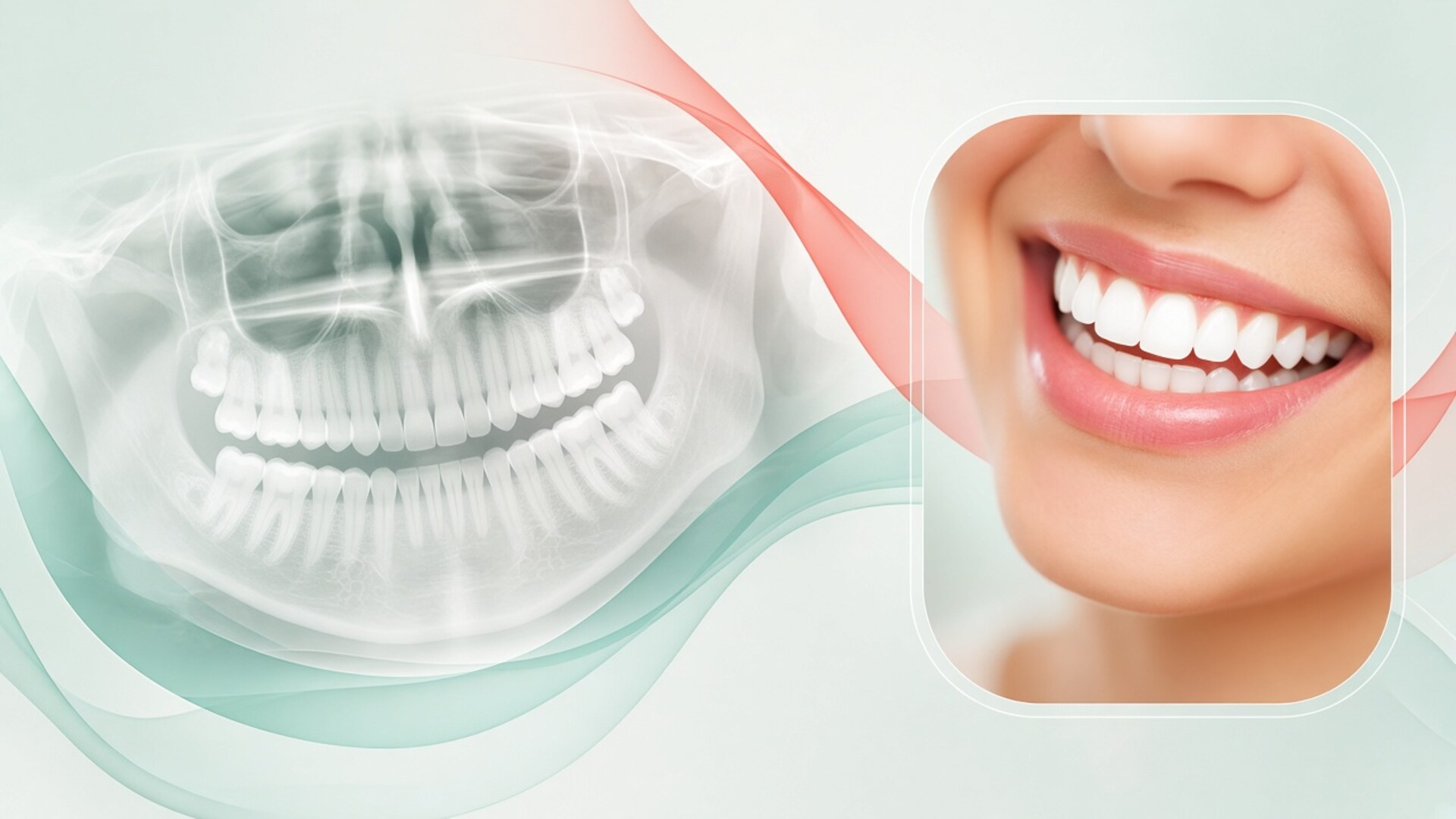
A parent hears “we need to expand the upper jaw” and pictures torture with a key every evening. In practice a palatal expander is a standard pediatric tool for a narrow maxilla, posterior crossbite, and space shortage while the mid-palatal suture still responds. The appliance pushes the two halves of the upper jaw through tooth anchors or a tooth–palate design; a parent turns the screw on the doctor’s schedule; a temporary gap often appears between the central incisors — a sign the suture is answering. Most children describe pressure and heaviness in the first activation days, not surgical pain; rapid palatal expansion studies show discomfort is usually strongest early and tracks activation pace. I see children in Dubai after years in Istanbul, and on a pediatric consultation I unpack why a palatal expander for a child is indicated, how it feels at home, and how the phase ends. Below: mechanics, indications, sensations, care, and questions before bonding.
What maxillary expansion is and how the appliance works
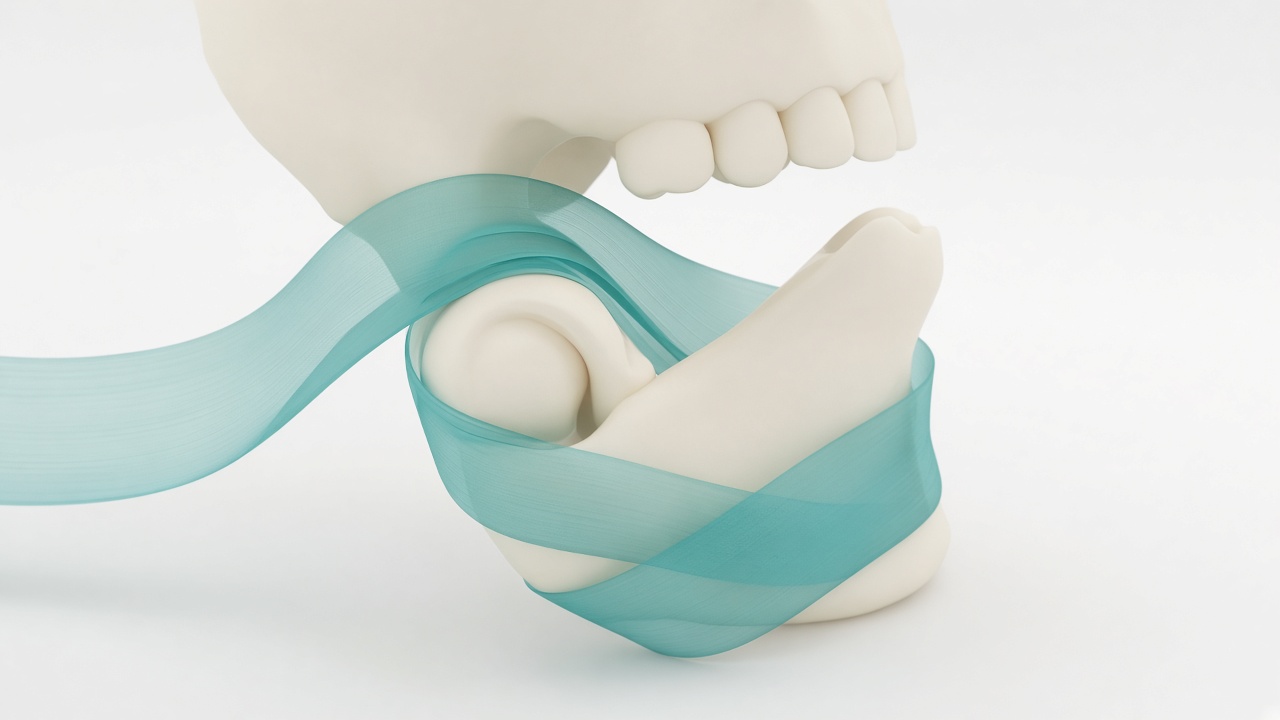
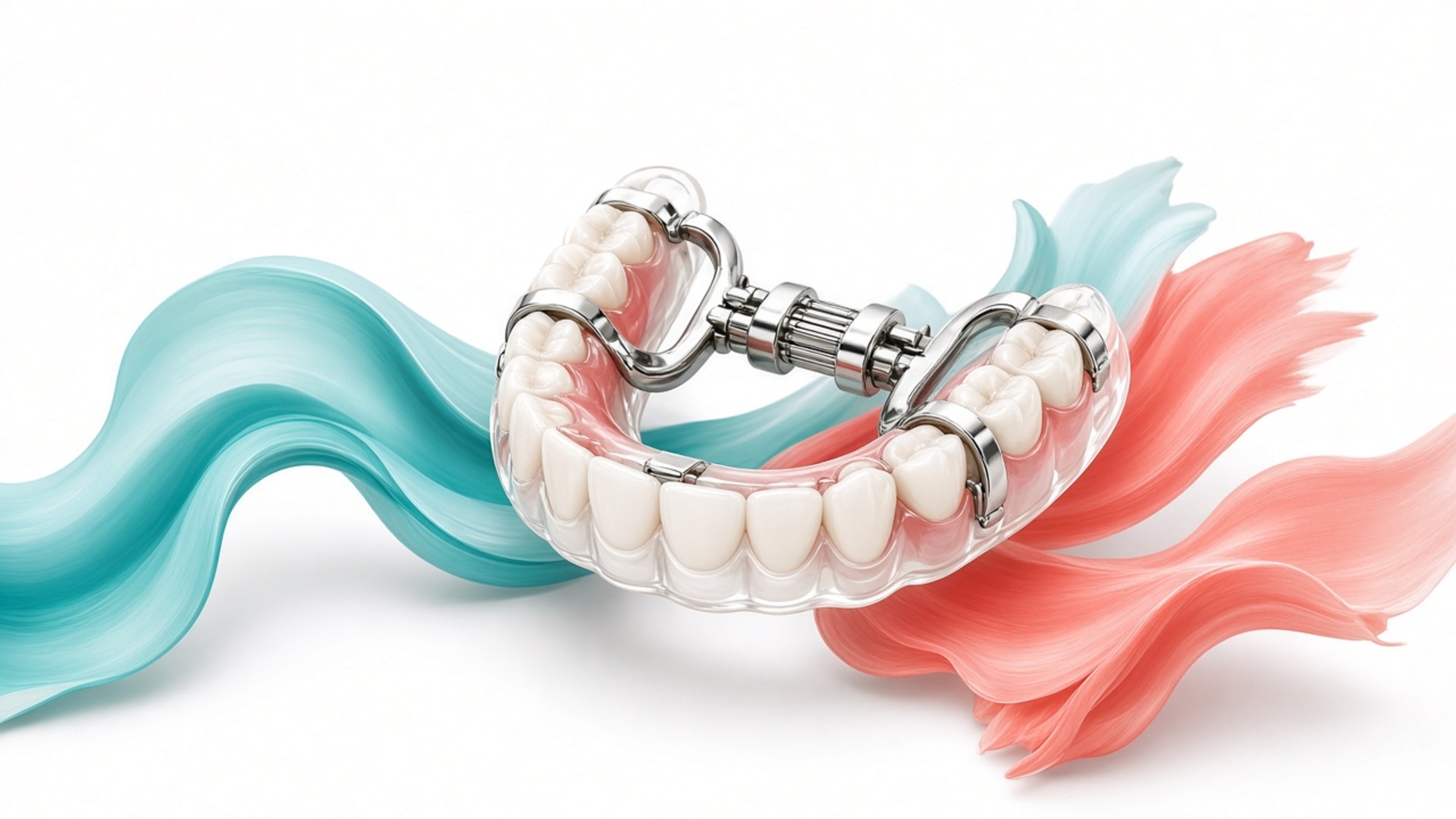
A child’s upper jaw has two halves joined by the mid-palatal suture. While that suture is not fully ossified, an orthodontist can separate the halves with a screw appliance — orthopedic expansion, not only tipping teeth outward. A classic fixed expander (Hyrax, Haas, and related designs) anchors to side teeth with bands or bonded pads; a central screw is activated with a key. A removable plate with a screw handles milder jobs and depends on wear; for clear narrowing with a functional mandibular shift, a fixed design is often more predictable.
In the chair I show the family where supports sit, which way the arrow faces, why a “pop” toward the nose can appear when the diastema opens. Parents mix a palatal expander for a child with “smile widening on adult aligners.” In a child the goal is suture and basal width; in an adult without surgery you more often get dental tipping with less skeletal gain. If a contract says “we’ll key-expand in a week to a Hollywood smile,” I ask for millimetres and a stop criterion before the lab starts.
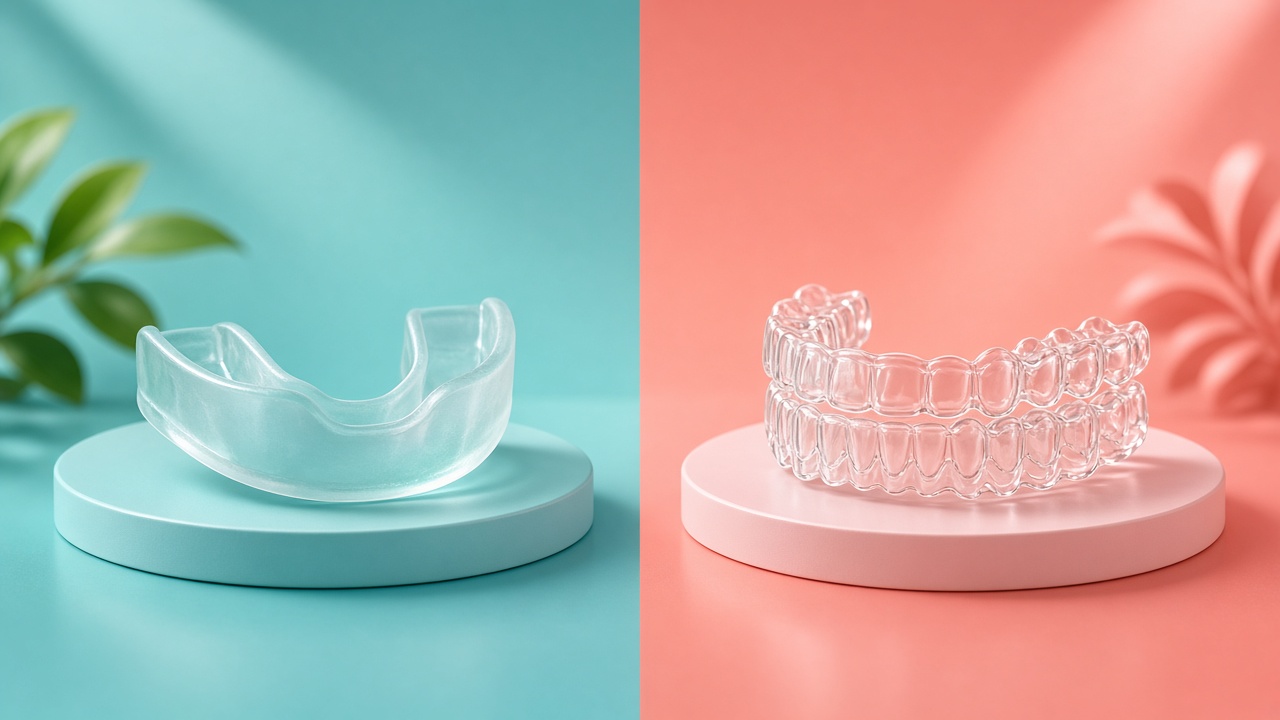
Among fixed pediatric appliances, the expander is a frequent player: it stays in 24/7, does not rely on night willpower, needs hygiene around bands, and follows an activation map. Confusing it with a removable plate is costly: the child was promised “take it out in class,” then gets a fixed screw — trust drops for the whole course. I name fixed versus removable before impressions, with the child present.
We do not place an expander “because a neighbour said so.” Exam, transverse contacts, sometimes scans or impressions, a panoramic film, and further imaging when the picture is complex belong first. A functional shift of the lower jaw driven by a narrow upper is a classic reason to act earlier than “maybe it will self-correct.” The American Association of Orthodontists (AAO) recommends a first screen around age seven so transverse jobs are not missed in a responsive window. I lean on your child’s exam and films, not on “every classmate’s age.”
Band colours, when the design allows them, help mood; they do not change screw biomechanics. I allow small choices after goal, turn count, and retention length are clear. Otherwise colour talk hides fear of the key.
Names get mixed. Parents say “expander,” “palate plate,” “Haas,” “screw,” and expect different things. In the chart I write the exact build: tooth-borne, tooth–tissue borne, primary or permanent molar anchors, activation protocol. Confusion breeds unfair price comparisons with a neighbour’s child who may have worn a removable screw plate for a milder job. I ask families to compare goals and millimetres, not chat brands.
Why expansion is done: real indications
A palatal expander for a child is prescribed when a measured transverse deficit harms bite contact, a stable mandibular path, or space for teeth — not because “every eight-year-old turns a key.” I translate parent complaints (“crooked smile,” “chews on one side,” “jaw slides”) into mechanics on models and bite photos. If the upper is narrow with posterior crossbite, or the child shifts the jaw sideways to find a comfortable chew, a fixed expander often removes the cause of the shift. If the job is only cosmetic tipping of one incisor without transverse shortage, another tool fits and a palatal key is surplus. Three zones where I most often see value follow. The palatal expander page follows the same order: transverse diagnosis first, then design and key protocol.
Posterior crossbite and functional shift
Lateral crossbite plus a sideways mandibular shift is classic early transverse care. While a child grows into that skew, muscles and joints learn a crooked path. Widening the upper removes the obstacle; the lower jaw often returns nearer the midline without a separate “miracle pull.” Parents want an instantly even front smile; I set a smaller goal: symmetric contacts and loss of the forced shift, scored at review.
If the crossbite is dental and the suture already stiffer, the plan changes. Age and suture stage decide more than a school photo deadline. A selfie does not prescribe transverse care online.
Parents sometimes arrive after a year of “watching at the dentist” with a progressive shift. I do not spend the visit blaming colleagues. I map current mechanics and explain why waiting another year with a forced asymmetric chew is a decision with risks, not a neutral zero option. Observation without criteria is still a plan; it should sound aloud with a review date, not as endless pause from fear of the key.
Crowding and a narrow upper arch
A narrow upper arch steals millimetres for permanent incisors and canines. Expansion buys transverse space in the base; it does not guarantee canines will erupt perfectly without a later phase. Honest wording: we solve transverse deficit now; permanent alignment is scored separately. Families who hear only “expand — braces never needed” often feel cheated years later even when the transverse job was done well.
I show on the model how much space the screw “buys” and what remains a dental job. Numbers beat the slogan “the jaw will grow.”
In the mixed dentition, eruption still changes space. Expansion does not permanently reserve an ideal arch without follow-up. After the transverse phase I set a review date for the rows: where canines head, whether the arch is enough, whether a space holder is needed. Families need that calendar or a year later they say “we expanded and the canine is still high” — while the transverse goal may already be met.
Preparing the next orthodontic chapter
Sometimes the expander is chapter one before partial or full appliances: set the transverse foundation, hold it, then move teeth finer. In early intervention that phase logic is normal. Parents ask why metal on the palate first and braces later. Answer: different planes and different growth windows. Crushing everything into one marketing appliance is rarely honest.
If there is no transverse deficit and the family asks to “expand just in case,” I decline. Extra weeks of screw without a job load anchors and hygiene for nothing.
Another Dubai request: “expand so the nose breathes better.” Transverse expansion sometimes enters airway conversations and palate shape, but it does not replace ENT diagnosis. If adenoids, allergy, or a septal deviation keep the mouth open, we sort the airway first. An orthodontic screw is not prescribed as a sole “snoring course” from a parent-chat screenshot. I link the plan with ENT when snoring, apnea, or chronic blockage show in the history. Clear border: transverse orthodontics solves a transverse job; breathing is assessed separately and in parallel.
Does it hurt: what children actually report
The word “pain” inflates in parent chats more than in patient diaries. After bonding and in the first activation days most children describe palate pressure, heaviness around the nose and cheekbones, sometimes a mild headache; sharp surgical pain is not the protocol goal. Clinical series on rapid maxillary expansion, including child self-report studies, note that discomfort often peaks early; activation pace changes intensity; some children use age-appropriate pain relief agreed with the doctor, others need none. I tell families before the key: the first evenings are the most noticeable; later usually eases if the schedule is followed and the child understands why the screw turns. Three sensation layers follow so fear does not mix with normal findings and families do not stop the plan because of an expected midline gap.
The first days after bonding
After placement the child adapts to bulk on the palate: speech lisps, saliva increases, the tongue searches for space. That is adaptation to a foreign body, not proof the jaw was “broken.” Soft food for a day or two helps. If an edge rubs cheek or tongue, we place wax or adjust; silent endurance of a sore is unnecessary.
Classroom embarrassment in Dubai is real: classmates ask. I give the child a short line: “they turn a screw so my upper jaw gets wider” — no medical lecture. Starting near a school break lowers stress.
Feelings on activation days
A parent turns the key on schedule — often fractions of a turn per day or another map from the doctor. Right after a turn many feel pressure along the midline and between the incisors; it usually fades over hours. Needleman and colleagues’ work on RPE pain linked more frequent early activation with more discomfort; I do not encourage home “let’s turn faster to finish sooner.” Pace is limited by suture biology and the child’s tolerance.
A gap between the central incisors scares families more than pain. The diastema is a common expected sign of suture response; it later shrinks as teeth and fibres remodel, often during retention or the next phase. I warn about it before the first turn; otherwise a midnight call — “teeth split, we stop” — breaks the plan on emotion.
When to call off-schedule
Persistent sharp pain, one-sided facial swelling, a screw that will not turn at all, a loose band, a child who will not eat for days because of a wound — reasons to contact us, not to “turn once more for bravery.” Rare complications appear in the literature; they do not demonise the method, and they do not justify ignoring red flags. I give families a one-page “normal / call” list.
For an anxious child the first turn sometimes happens in the clinic so the family sees the reaction and key technique. Parental confidence at home lowers the child’s distress more than any slogan.
How the phase runs: key, timelines, gap, retention
A palatal expander for a child is not one visit with a key memorised from a video. It is activation, retention with the appliance still in, hygiene checks, and a decision on what next: watching, partial appliances, later a full course. I write the calendar before bonding: roughly how many activation days, when review sits, when the screw is locked, how many months we hold. Timelines depend on deficit size, age, anchorage, and suture response; a stranger’s “two weeks for us” online is not your protocol. In Dubai I add holidays and flights: better not start activation the day before a long trip without clinic access. Families should understand early that key turns are the short part; months of retention are the long part. Three practical blocks without which the home phase fails follow, even with perfect lab work.
Activation protocol and the parent’s role
The key enters the screw hole and turns along the arrow to the next hole — as shown by the doctor, not “as on a blogger video.” Wrong direction compresses the appliance back. Skipping five days then “catching up” with a triple dose adds pain and risk of dropout. I write the map in the chart and film a short phone video for the parent on bonding day.
In two-home Dubai families both addresses get the key and the map. Otherwise one adult turns, the other does not know, and review looks chaotic.
How long activation and retention last
Active expansion often spans days to a few weeks by screw millimetres — exact length follows the plan. Then the appliance stays for months as transverse retention while bone fills the suture zone. Removing it “as soon as the gap appears” is a path to transverse relapse. Parents want metal off the palate sooner for food and speech; I price early removal before bonding, not after a meltdown in month three.
Hygiene of anchor teeth runs in parallel: bands collect plaque. Without cleaning, expansion “wins” millimetres and loses enamel.
At review I watch more than screw millimetres. I check symmetry, anchor mobility, palate mucosa, hygiene, chewing and sleep complaints. If one side runs ahead, we adjust; extra home turns do not fix that. Families keep a simple activation diary: date and turns. The diary saves two-home households when adults forget who turned yesterday.
After the screw is locked, the boring important part begins — retention. The child already adapted; the parent wants removal “because the goal is done.” Bone in the suture zone is still maturing. I name retention length before start so boredom is not a surprise. Sometimes during retention we already plan the next chapter: watching, partial braces, space for canines. A palatal expander for a child is rarely the final chord of all orthodontics; more often it is the transverse foundation.
Food, speech, sport
Sticky sweets, chewy candy, hard crackers, and pen-chewing loosen and break. Speech adapts over days or a couple of weeks. Swimming and ordinary sport usually fit; contact combat sports need separate protection talk — an expander is not a mouthguard. Wind instruments are harder the first days; I weigh activity calendars when picking a start date. In Dubai heat children drink more sugary iced drinks — chewing ice with an expander is out; a straw drink after meals plus cleaning is kinder to anchors.
| Parent question | Typical chair frame | Often normal | When to worry | Clarify before bonding | Expectation risk |
|---|---|---|---|---|---|
| Why a palatal expander child needs | Transverse deficit / crossbite / space | Measurable transverse goal | “Just in case” with no deficit | Which mm and stop criteria | Cosmetics without mechanics |
| Does turning hurt | Pressure stronger 1–3 days | Eases after adaptation | Persistent sharp pain, swelling | Turn pace and pain relief | “Torture every day for a year” |
| Gap between front teeth | Often appears | Temporary suture-response sign | Sudden facial asymmetry | Will we warn before the key | Panic and self-stop |
| How often to turn at home | Doctor’s map only | Days–weeks of activation | DIY acceleration | Who turns in two homes | “Catch up with triple dose” |
| When it comes off | After retention | Months with appliance in | Removal right after the gap | Retention length in the plan | Transverse relapse |
| Braces later? | Often a separate phase | Phase 2 in permanent bite | Promise of “never” | Likelihood of phase 2 | Disappointment in 3–5 years |
| Removable screw or fixed | By job and discipline | Fixed for marked narrowing | Name confusion | Removable vs fixed before impressions | Expecting “out for maths class” |
The table is a talk frame. Exact numbers come from your plan after exam.
Care, breakage, and Dubai daily life
A fixed expander lives with air-conditioning, school canteens, and holiday suitcases. Hygiene around bands is a daily caries risk zone. I demonstrate brushes and how to clean around the screw before the family goes home to “figure it out later.” Household traps that break a good transverse result more often than a “weak screw” follow.
A water flosser helps some families; it does not replace brushing at the gum edge. Age-appropriate rinses are advice, not a substitute for cleaning. If the child already has active caries, treat first: expanding over open lesions is a bad enamel trade.
Lost keys, broken keys, a band that loosens on a weekend — we build clinic contact into the plan. Super glue on metal in a child’s mouth is not an option. On holidays outside the UAE the family either sits in a non-activation window (if already in retention) or agrees on contact; otherwise the course becomes an expensive souvenir with relapse risk.
In Dubai bilingual schools children often mind the front gap more than screw pressure. I prepare parents for class photos: the gap is temporary; classmates get a short line. Shame, not pain, more often breaks cooperation mid-activation.
Canteen and birthday food matter. Chewy candy, toffee, hard popcorn kernels, ice chewing in the heat — typical band enemies. I give two clear “stop” rules on the fridge rather than a twenty-item sermon. Children keep two bans better than a lecture. After sweets — clean; otherwise anchor molars pay for transverse success with white spots and cavities.
If a band feels loose, do not keep turning “until next month’s visit.” Call sooner: lost anchorage changes force direction. Same for a broken key handle — a spare key belongs in the plan, especially when families fly between emirates and home countries.
Hygiene in retention is not lighter than in activation. Families relax when “we’re not turning anymore,” and plaque grows around the screw. I keep review visits on the calendar for that phase: check anchors, mucosa, hygiene, transverse stability. Removing early because “we’re tired of it” is a common path to partial return of narrowing.
Marketing and fears to unpack before the contract
“Expand — braces will not be needed.” A transverse job can simplify the path. Permanent alignment is often still a separate chapter. Honest wording separates phases.
“Turn more often for a better result.” Suture biology and the child’s comfort limit pace. The doctor writes the map.
“The gap means a clinical error.” Often the opposite: a response sign. Stopping without exam is a talk with the doctor, not with a chat group.
“Adults turn the same key.” Adult sutures are stiffer; other protocols, sometimes surgically assisted, apply. A child’s window does not transfer one-to-one to a parent.
“A removable screw is always gentler and therefore better.” For marked narrowing and weak wear discipline, a fixed expander is more predictable. “Gentler” does not mean “righter for this job.” I do not brand one legitimate method as worse; I match transverse diagnosis and family life.
In Dubai people compare fees with the country of origin. An expander is a course with lab work, bonding, reviews, and retention — not a shelf product. I name cost after a plan with a price date. UAE insurance covers orthodontics unevenly; the policy administrator confirms cover.
Three more lines worth unpacking.
“Adults expand too — so a child can wait until the teens.” Sometimes waiting fits a mild picture with a stable bite. With a functional shift and a progressive crossbite, years of waiting lock in asymmetric chewing. Exam decides, not the myth that later is always wiser.
“After expansion the face becomes model-like.” Transverse upper width changes smile breadth and sometimes soft-tissue support at the cheeks. Promising a “new profile like surgery” from one screw oversells. I show before/after transverse contacts and a frontal smile, not ad fantasy.
“One painful evening means the method is harmful.” Early activation pressure is expected. Harm is ignoring red flags or DIY pace. A method with decades of clinical use is not cancelled by one hard evening without calling the doctor.
Consultation: decide without panic
On a pediatric consultation I check transverse contacts, mandibular shift, hygiene, and family readiness for a fixed phase. If a palatal expander fits, the goal is one sentence: which contacts we change, why the key, roughly how long we keep the appliance. The parent leaves with an activation map, a “normal / call” list, and food and cleaning advice. Context from fixed appliances clarifies why the screw cannot come out for maths class.
Questions I expect. What happens in a year without expansion? How do the first days feel and what helps? When should we expect a front gap? How long is retention? How likely are braces later? Who turns the screw if the child lives in two homes? If answers stay vague, bonding can wait a week — orthodontics rarely needs “today at any cost.”
An anxious child benefits from a short meet-and-greet without impressions. Pressure to band the same day fits poorly with months of metal on the palate.
I also ask families to bring medication lists, allergies, and ENT notes if they exist. That saves a week of messages after bonding. If the child competes in contact sport, we align the start with the tournament calendar: two weeks of delay beats unprotected incisors at peak activation. Orthodontics in Dubai lives inside dense school and activity schedules; a good plan weighs that as seriously as millimetres on the model.
If fear of “missing the suture window” hits at night after the consult, the answer is age-stage assessment and a review date, not a marketplace key. A palatal expander for a child is a precise tool. A tool without a transverse job and without retention stays metal with a pain story in the family chat.
FAQ
What age suits a palatal expander for a child?
Most often in the mixed dentition while the suture still responds — roughly early school ages, but exam and transverse deficit decide, not a round birthday. Earlier when a clear crossbite with shift is present. Later, nearer suture fusion, skeletal predictability falls and other protocols may enter. Age is not set online.
Does wearing a palatal expander hurt?
More often pressure and heaviness — especially the first bonding days and early activation — than constant sharp pain. Turn pace changes sensation; DIY acceleration worsens tolerance. Persistent, one-sided pain with swelling means call the doctor. Age-appropriate pain relief only with clinician agreement and age instructions.
Why does a gap appear between the front teeth?
When the mid-palatal suture responds, central incisors often separate temporarily. That is an expected sign in many children, not an automatic error. The gap usually reduces during retention or the next phase. Do not stop activation on your own because of the gap without contacting the clinic — exam first.
How many times a day should we turn the screw?
Only on your doctor’s map: turns and days are written in the chart. Do not copy a stranger’s internet schedule. Missed days are not “caught up” with a triple dose. At review we re-teach key technique if doubt remains.
Can a child eat anything with the expander?
Limit sticky, very hard, and chewy foods: debond and breakage risk rises. Soft food helps the first days after bonding. Cleaning after meals around bands and the screw is mandatory. Sugar plaque on anchors damages the result more than one extra activation day.
Does expansion cancel future braces?
It does not guarantee that. A transverse job can simplify the path. The permanent bite often needs separate alignment. An honest plan separates expansion now from later review. “Never any metal again” is a marketing risk.
Removable screw or fixed expander?
For marked narrowing, functional shift, and weak wear discipline, a fixed appliance is discussed more often. A removable screw plate fits milder scenarios with strong wear. Diagnosis and family life choose — not an ad that “gentler equals better.” Clear the name confusion before impressions.
Why is a consult better than a parent-chat tip?
Exam measures transverse deficit, shift, and readiness for a fixed phase. A chat shows other children’s gaps and pain without your films. On a pediatric consultation you leave with a goal, key map, retention length, and call criteria. That is calmer for the child and more precise for the suture. If doubts remain after the visit, a second opinion is welcome: a good transverse plan survives another orthodontist’s check without rush to bond the same day.