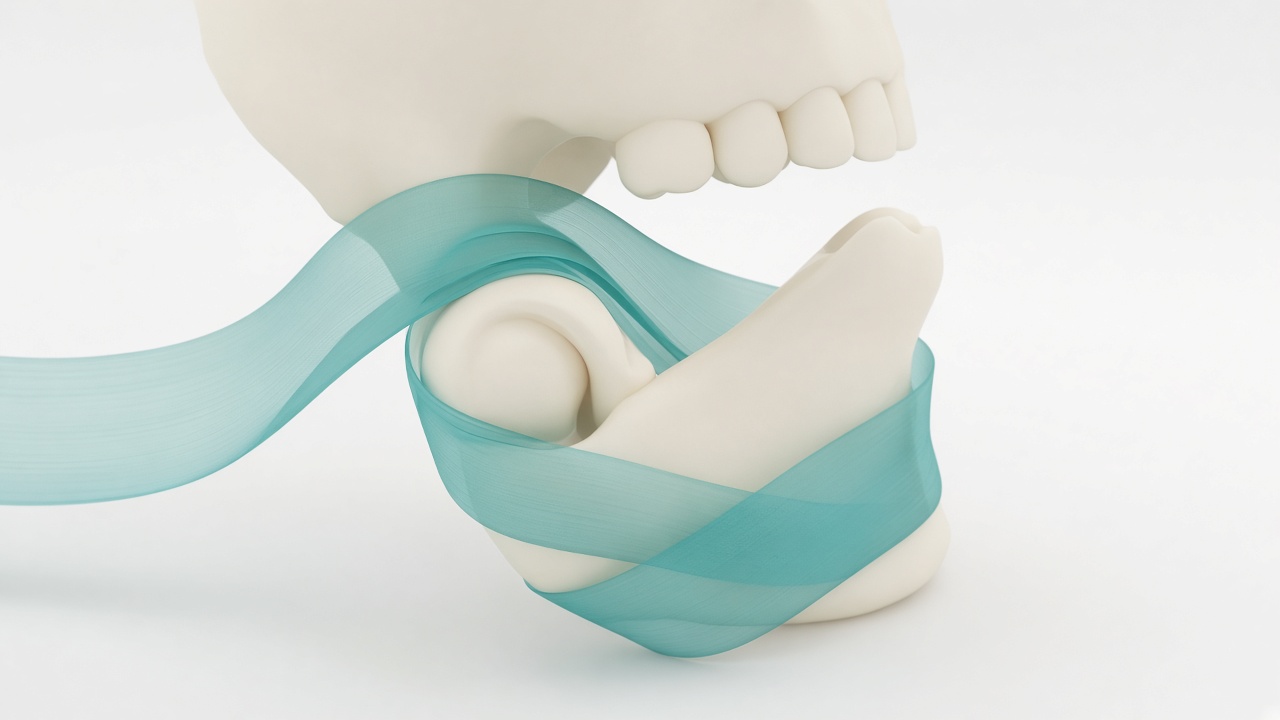
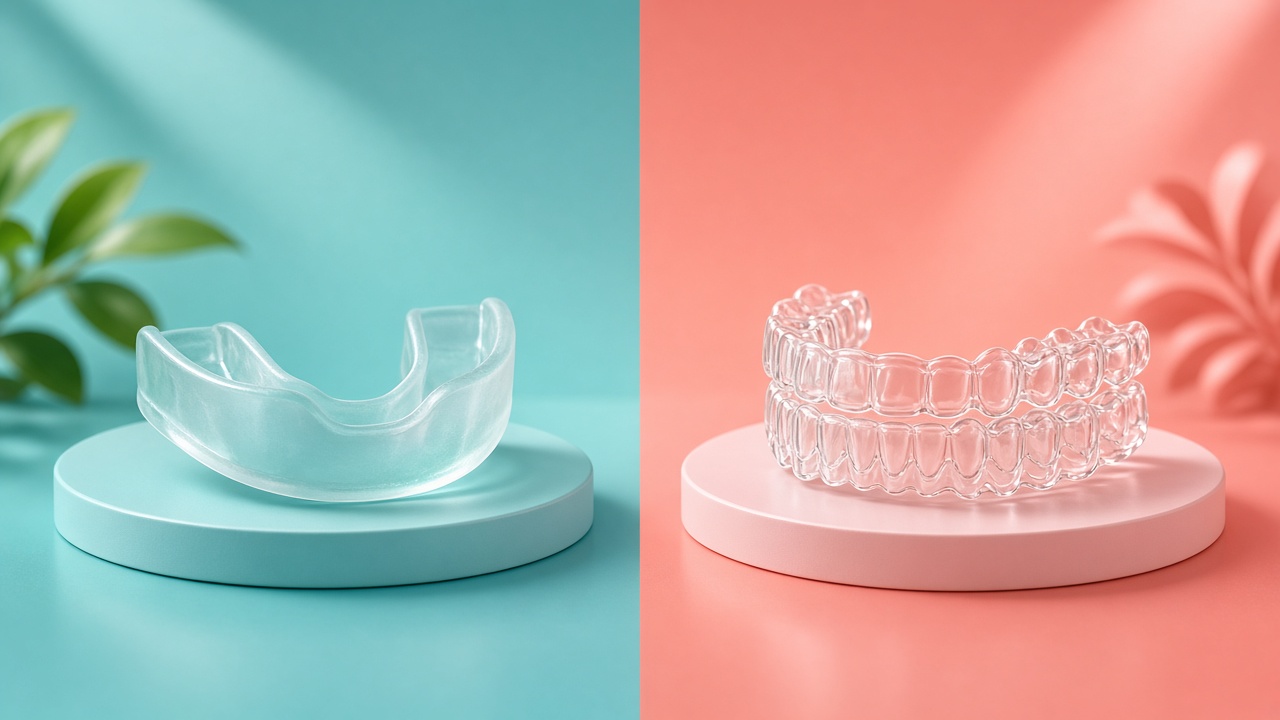
Stopping braces mid-course is technically possible: brackets come off, active movement stops. Teeth rarely stay “as pretty as the mid-treatment selfie.” Bone around the roots is still soft, fibres pull toward the old pattern, and the bite is often unfinished. Without a retention plan, part of the result rebounds over weeks and months. I treat braces in Dubai and at consultation I separate “remove now” from “pause for a while.” Planned braces removal and early removal are different procedures with different retention. Below: why people stop, what happens to teeth and bone, how a pause differs from quitting, what to do if you already self-removed, and how to exit with a plan instead of a six-month surprise. Your relapse risk belongs to an exam with radiographs; I do not promise stability from one “teeth look straight” selfie.
Why people stop braces mid-treatment
A request to stop almost never means pure “I’m bored of metal.” Behind it sit money, relocation, a wedding, activation fatigue, conflict with a doctor, fear of pain, family pressure, and the feeling that “the front is already straight — enough.” In Dubai, expat rotation adds fuel: contract ended, ticket booked, calendar slots gone. I do not lecture. I price the stop: what bone time already bought, what rebounds without retention, what a pause or format change can save. An honest chair talk costs less than pliers at home. Sometimes a schedule change or temporary elastic simplification softens the urge to strip everything. I ask you to bring radiographs and the contract to that talk so numbers and biology share one chair. Three common motives below map your scenario — people do not quit for identical reasons.
Money, insurance, and “pretty enough”
Front teeth align before the bite settles and spaces close in the back. The patient watches the smile in the mirror and decides to save the remaining months. A policy lifetime limit is spent, the third-party administrator (TPA) stalls pre-approval, the family decides the photo is ready. On models and films I show that a straight incisor row is not a stable bite. Saving the finale often becomes a later retreatment — longer and costlier than the original tail. Dubai expats sometimes learn coverage was denied after bonding: an honest shortened plan with retention beats silence and a sudden “take it all off tomorrow.”
Relocation, school, changing doctors
Leaving for another emirate or country is a frequent “remove and forget” trigger. The sane path: transfer records, agree retention or continuation with a colleague — not zero the appliance at the airport. If a new orthodontist is months away, we discuss a controlled pause with a retainer on the current position, not bare teeth. Self-removal “so I don’t have to find a doctor there” leaves the mouth unsupported at its least stable moment. I give a written file list for transfer: films, photos, plan, bracket brand, last wire.
Fatigue, pain, expectation conflict
Chronic rubs, repeat debonds, the feeling that “the ad timeline already expired,” fights about elastics — all push toward “take them off.” Sometimes hygiene tactics, wire height, or visit frequency need a change. Sometimes a pause for gum care. Full refusal without retention is rarely the first fix. I ask you to name one main reason aloud: that answer decides whether we repair the course or truly plan an exit. Silent irritation at home builds until it explodes in the chair — early chat complaints work better.
What happens to teeth after early removal
When the appliance leaves before finale criteria, teeth sit in an intermediate position. Periodontal fibres pull toward the original pattern. Tongue, lips, and chewing keep loading. New bone at the root has not matured to adult density — that takes months after stabilisation at a final point, and early removal never reached a final point. Clinically, patients notice a gap, an incisor twist, or lower-front crowding return within weeks. Months later the picture can drift far from the “almost done” frame that justified removal. The American Association of Orthodontists (AAO) separates active treatment and retention for patients: the second does not cancel the first. On an early exit, retention is still required — otherwise rebound runs faster. I repeat this before pliers, not after the corridor mirror. Below — what the mirror shows, roots and bone, and rebound speed.
What the mirror shows in the first weeks
Some people enjoy smooth enamel and “freedom” for a few days. Then contacts feel rough, one tooth feels “higher,” a space reopens where elastics closed it. Lower incisors often crowd first: space is tight, tongue and lip pressure never sleep. Upper centrals can drift if a diastema closed recently. I ask for weekly photos on any early-exit path — movement shows earlier than “suddenly everything came back.” Same light and same angle beat a beauty filter: otherwise you compare mood, not geometry.
Roots, bone, and mobility
A tooth under active movement sits in remodeling bone. Removing appliance force suddenly does not instantly create firm support. Mild physiologic mobility after removal happens even at a planned finale; after early removal it meets an unfinished movement vector. Hard “freedom food” on day one raises microtrauma risk. I prescribe soft meals for several days and a ban on caramel hero bites with smile teeth. If one tooth hurts more than the others or visibly “leaves” — book sooner than the planned check.
How fast results fade
Rebound is not a universal “day 14 for everyone” schedule. It depends on starting crowding, age, unfinished stages, and whether a retainer was worn after early removal. Without retention, noticeable shifts appear within weeks for some patients. With a retainer on an intermediate position, rebound slows, yet the position stays intermediate: chewing can feel awkward for years. “Off for the wedding for a month with no retainer” is a common path to a honeymoon gap. Teens with heavy starting crowding rebound more visibly than adults after a small correction — biology plus jaw growth.
Bone, fibres, and positional “memory”
Orthodontic movement is dosed bone and fibre remodeling, not sliding a tooth into a ready slot. While a tooth travels, bone resorbs on one root side and deposits on the other. Maturation of that bone into stable support takes months after the tooth reaches its goal. Elastic periodontal and periosteal fibres long “remember” the old geometry and pull back — hence retainers even after an ideal finale. Without a finale, fibre memory works against an unfinished result harder: pull exists, stable target does not. I explain this at consultation without “teeth will crumble” scare stories and without the fairy tale “front is straight so we can remove.” Understanding biology lowers anger at “the doctor stretching timelines.” Three practical consequences below help decide pause versus exit.
Why “almost done” misleads
A smile photo shows crowns. An orthodontist reads roots, crown tip (torque), cusp contacts, midline, gums. Incisor crowns can look straight while roots are still tipped and a lateral bite sits open. The patient sees a social post; I see a stage. Early removal by crowns leaves roots mid-journey — relapse follows. Radiographs settle that argument calmer than a mirror fight.
Retainers on an unfinished course
A retainer holds what exists now. It does not finish the bite by itself. On early exit we discuss bonded wire, a removable tray, or both — by hygiene and risk. Night wear “when I remember” is weak for an unstable mouth. If someone will not wear a tray, say so before removal: otherwise they return in six months with the same complaints and a sense of betrayal. A lost tray on travel means message the clinic the day you notice, not three weeks after landing.
Retreatment later
Retreatment after rebound is often possible, yet the start point differs: wear, new fillings, age, budget, trust. Sometimes finishing three more months would have been easier than returning two years later for a full course. I cost both paths after exam, without “stay or you’ll regret it” as manipulation — only as a risk map. Restarting after a year without retention almost always runs longer than the tail you left.
Bite and function: what stays unfinished
A straight front row is not a healthy bite. In the final months of braces we gather chewing contacts, close spaces, finish incisor tip, check left–right jaw shifts. Early exit often leaves open lateral contacts, a traumatic deep bite, a one-sided crossbite, overload on single teeth. Patients chew on the “easy” side for years and never link it to unfinished orthodontics until chips or pain arrive. Smile aesthetics can still look fine on a selfie. At early-removal consultation I always check chewing and joint complaints, not only the incisor line. A stretched-smile selfie does not show this layer — the chair does. Three zones below — chewing, muscles and joint, hygiene after metal — show what those final months buy.
Chewing and single-tooth overload
Overload on one tooth accelerates wear and raises the risk of chipping a filling or crown edge. Uneven contacts can feel like the jaw “searches for a place” at night. That is not an automatic joint diagnosis from a photo — it is a reason not to ignore an unfinished bite. If the appliance is already off and biting feels wrong, do not wait a year: early exam allows retention and a short finishing stage before rebound runs far. Pharmacy trays without an orthodontic plan often lock a random position, not the needed one.
Joint, muscles, and morning fatigue
An unfinished bite does not have to click the joint — and clicking is not always from orthodontics. A link is possible when someone chews one-sided for years and clenches at night on unstable contacts. I ask about morning muscle fatigue, one-sided pain, limited opening. With complaints I refer to related specialists when indicated and handle the orthodontic tail in parallel. I will not promise “remove braces and the migraine vanishes.”
Hygiene and white spots after early removal
Hygiene after early removal is easier than with brackets — an honest plus for people tired of interdental brushes. The plus does not erase white spots already earned on treatment and does not cancel professional cleaning. I ask to close caries and polish before or right after removal so “freedom” does not meet a cavity under an old bracket invisible in the home mirror. Fluoride paste agreed with your dentist stays. Aggressive whitening “for the wedding tomorrow” is a separate talk: sensitivity and spots behave differently on freshly cleaned enamel.
Pause, changing doctors, and full refusal — the difference
Three scenarios hide in one word: “quit.” Pause: we remove or soften active forces, hold tooth position with a retainer or passive wire by plan, return date known. Changing doctors: the appliance may stay, responsibility and records move. Full refusal: active treatment ends, we discuss removal and holding an intermediate result — or consciously accept rebound. I write each path into the consent and the take-home note — otherwise a month later we learn the patient meant a wedding pause and received full removal with no tray. Dubai wedding calendars and summer leave are common triggers; plan buffer beats emergency removal three days before photos. Word confusion costs teeth and the family calendar. I lock the chosen scenario in the chart before the first bracket comes off. Below — each path in practice, without office jargon.
Controlled pause
A supervised four–eight week pause sometimes saves a season and the course. In the chair we fix what comes off, what stays, which retainer, when the next visit, what to do if the tray cracks in a hotel. A “year pause” with no visits and no retainer is refusal with delayed surprise. The written pause plan goes into the clinic chat so a month later nobody argues memory. For an expat on a three-month posting, a retained pause often beats full removal “just in case.”
Changing doctors and record transfer
Changing doctors needs a panoramic film, photos, wire and elastic list, plan copy. If the prior office will not release records, we document the refusal and start new diagnostics — slower, safer than guessing from memory. The appliance can often stay: removing “to start pretty from zero” without indication only lengthens the path. A new Dubai orthodontist may revise the plan after their own films — that is normal, not an insult to the previous doctor.
Full refusal and money
I document full refusal only after a risk talk and signed informed consent stating: result is intermediate, relapse is likely without retention, retreatment is a separate fee. Financially, early removal does not always “refund” unused months: lab work, bonding, and part of activations already happened. Refund terms live in your clinic contract; this article does not promise a universal cashback. Honest chair math: cost of finishing the tail versus likely retreatment. Sometimes the tail is cheaper. Sometimes life demands an exit — then we buy retention, not the illusion that teeth froze forever in mid-course beauty.
If you already self-removed or another clinic took them off
Home pliers, “a dentist friend without orthodontics,” salon removal “for one evening” — scenarios that leave enamel chips, leftover cement, gum trauma, and teeth with no retention. First job: exam and films, not a lecture. We assess mobility, bite, adhesive remnants, white spots, urgency of retainers. Sometimes we place a tray on the current position within days to slow fast rebound. Sometimes a short rebond stage. Sometimes observation and hygiene only if the person refuses any appliance and accepts risk. Entry via consultation here is protocol safety, not “selling a course from zero again.” The sooner the visit after self-removal, the more retention options without a full new course. Three everyday branches below cover the most common post-self-removal chat messages.
Urgent retention after self-removal
If teeth still feel “soft” and you removed hardware days ago, priority is holding position with a tray or bonded wire after cement cleanup. Waiting a month “to see” means watching rebound live. A neighbour’s tray by size does not fit: their bite will push your teeth into their geometry. Household super glue on enamel is a path to chips and mucosal burn.
“Off for the wedding” with a promise to return
If another clinic removed appliances “for the wedding” with a promise to “put them back after,” ask whether a retainer existed and when the return slot is. A month without retention after active movement is already a different mouth. Bring every summary. I do not continue a stranger’s plan blind: new diagnostics are mandatory. Thread instead of a retainer and a sports-shop tray “for the weekend” do not replace orthodontic retention.
Teens, shame, and adults who “got tired”
Teens after self-removal need a parent talk without corridor shouting: fear and shame hide tooth movement for months. Earlier photos and visits mean a shorter rescue stage. Adults who “got tired and took them off” get the same door — no shame queue. Calmer tone at home brings truth to the chair faster.
How to finish properly — or exit with a plan
A proper finale: readiness criteria in the chair, braces removal with polish, retention the same day or next, instructions, retention checks. A proper early exit: the same steps plus written note that goals were not met, plus retention for the intermediate position, plus a return option. A proper pause: dates, retention form, what to do if the retainer breaks on holiday. I gather this at consultation before pliers touch a bracket. Below — a scenario table I talk through aloud; time figures orient conversation, they do not sentence your mouth. One calendar talk on the table saves a year of mirror disappointment.
| Scenario | What we do with the appliance | Retention | Rebound risk | Typical next step |
|---|---|---|---|---|
| Planned finale | Removal by criteria | Retainer immediately | Lower with discipline | Retention checks |
| Pause 4–8 weeks | Soften/remove active force | Mandatory | Medium without visit | Return to plan |
| Early exit with plan | Removal + consent | Mandatory | High vs full goals | Watch / later finish |
| Removal, no retention | Appliance off | None | Very high | Urgent tray / exam |
| Home self-removal | Trauma risk | Usually none | Very high | Films, hygiene, plan |
| Change of doctor | Often leave on | Per plan | Depends on handover | New diagnostics |
| “Just for the wedding” | Temporary removal | Needed | High within weeks | Replace appliance on time |
If you hesitate between “three more months” and “remove tomorrow,” put life’s calendar on the table: move, budget, wedding, pain, conflict. Together we mark what a regimen change fixes and what needs an exit. A braces course is a contract with biology; biology does not resign by email. You can honestly stop forces and hold position. You can finish the tail. You cannot get a stable final bite by removing mid-course and hoping the mirror works magic. After any exit I ask for check photos at two and six weeks: early rebound signal beats a full restart. If a retainer presses or will not seat — message the same day, do not tough out a week of “I’ll get used to it.” Settling into a correct tray takes hours and days; single-tooth pain and inability to seat the tray already mean movement or breakage, not personality.
In Dubai heat and dry air-con, mucosa after removal feels more sensitive: soft food for a few days stays wise even without brackets. For parents of teens: pressure to “remove because school is hard” is common. Sometimes the hard part is bullying — then school and family support matter, and orthodontics is not the only lever. Sometimes the hard part is hygiene and post-activation pain — we fix the protocol. Removal without retention “to make life easier” often creates new anxiety a month later as teeth drift and the child blames themselves. A short retained pause with a return date beats quiet rebound under a mattress.
Night wear in week one after early removal matters more than “sometimes before sleep.” The tongue loads incisors harder when you sleep without daytime lip control from talking. In the morning remove a removable retainer, clean teeth and tray, replace per instructions. Skipped nights in a row show faster in an unstable mouth than after an ideal finale. If you leave Dubai for two weeks right after removal, pack a spare case and clinic contacts in the phone before boarding.
If you read this after removal and already see a gap or twist — do not panic in group chats until morning. Take a well-lit photo, message the clinic, come for exam. The earlier we catch movement, the more often a tray or short stage suffices instead of a full new year in brackets. In Dubai I treat these cases as ordinary work: no shame for the past choice, a clear plan for now and the next retention visits.
Orthodontic treatment ends with retention; an early exit does not cancel that rule — it makes it stricter. Comparing your mouth to someone else’s finale online misleads: their start may have been simpler, their elastics disciplined. I compare your start to your current stage, not to a stranger’s reel. If the timeline slipped from missed visits and debonds, an honesty talk about habits saves more than early removal “to punish the calendar.” If biology made the case slow, I explain why and roughly how much clinic time remains — without promising “Wednesday everything is finished.”
FAQ
Can I simply ask to have braces removed early?
Yes — after a risk talk. I remove on request with informed consent: intermediate result, retainer needed, rebound and retreatment possible. Refusing removal forever without medical grounds is rare; refusing removal without retention is common and sound. The signature records that you heard about relapse, not that “the doctor is later to blame.”
Will teeth definitely move back?
Not “a millimetre for everyone,” yet relapse risk without retention is high, especially if the course is unfinished. Speed and amount vary. I cannot promise teeth “freeze as they are.” Heavier starting crowding means closer watching in the first weeks without hardware.
How is a pause different from stopping braces?
A pause holds position and sets a return date to active care. Refusal closes the active plan. Confusing them is costly: a year of “pause” without a retainer behaves like refusal. In clinic chat, write “pause” or “removal” clearly so you do not get the wrong protocol.
Do I need a retainer if treatment is unfinished?
Almost always, if you want to slow rebound. A retainer will not finish the bite alone. It holds current geometry while you decide the course’s fate. Without a retainer after early removal I explain the risk in writing — part of consent.
What if I already removed braces at home?
Exam and films as soon as you can. We assess enamel trauma, cement, bite, retention urgency. No neighbour’s tray, no super glue on brackets. Earlier visits more often need retention only, not a full new course.
Can I restart a year after stopping?
Often yes, after new diagnostics. Time and complexity depend on how far rebound ran and what changed in teeth and gums. That is a new plan, not “unpausing.” Bring old films — they speed the talk about what was lost.
Will I get money back for unused months?
Check your clinic contract. Bonding, diagnostics, and part of activations are usually already delivered. This article does not replace your contract or promise a refund. Front desk prices your contract; I price risks for teeth.
How do I protect a wedding or a move?
Name the date early at consultation. Sometimes we shift activations, plan a short retained pause, or accelerate the tail within biologic limits. Emergency removal three days out with no retention is among the worst common options. A photoshoot and a flight do not cancel bone biology: an honest intermediate result with a tray beats a pretty evening and a gap a month later.