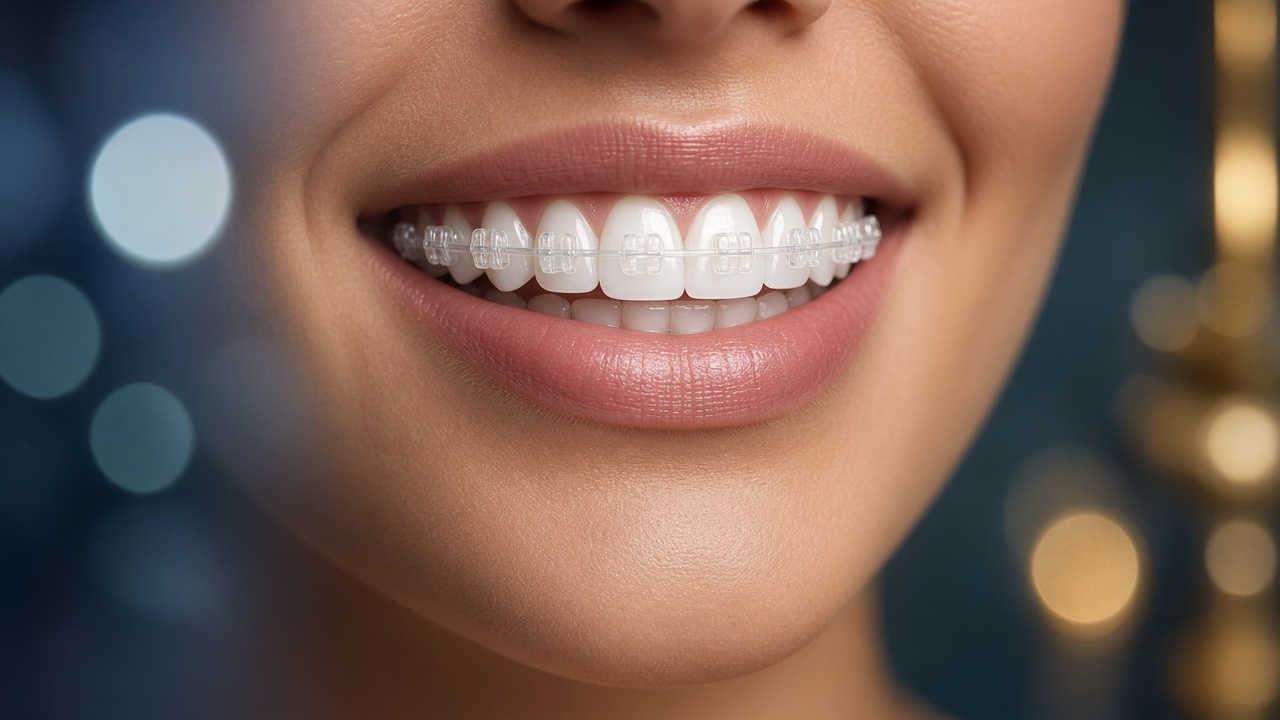
People search “braces at work” when the alignment plan is already real and the calendar holds camera meetings, client dinners in DIFC, and the hard white light of an open-plan floor. I am Dr. Maksut Behruzoglu, a specialist orthodontist in Dubai; in ceramic braces, adult aligners, and when indicated lingual braces visits I separate appliance visibility from biomechanics. Metal, ceramic, trays, lingual technique — different ways to close one orthodontic job under different office rules. “Professional” here means short factual communication, hygiene without chalky marks at the brackets, and a visit calendar that does not break the project. Below — a practical guide for corporate Dubai without shame for an adult course and without promising “nobody will notice” where a wire still shows. I do not approve a “for negotiations” system from a selfie. If you read this before bonus season, an IPO sprint, or your first board slot — start with diagnosis and your real camera load, not with someone else’s line that they “never felt awkward.”
What bothers adults at work more than biomechanics
Fear of braces at work is rarely about wire force. It is about the first Zoom after bonding, a client handshake, a joke at the coffee machine, a portrait for the company website. I hear it in English and Russian in the same chair: the shame mechanism is one. Job title becomes a label faster than a periodontal chart. I remove the label with facts: the mouth’s job, the periodontium, wear discipline, how many hours a week you sit on camera, whether you will carry wax and accept activation slots among deadlines.
Dubai is harder than “just an office.” Banking, audit, consulting, law, hospitality front desk, aviation, sales in Sheikh Zayed Road towers — different visibility norms. Somewhere metal on teeth is ordinary. Somewhere dress-code politics are unwritten and live in glances. I do not promise invisibility to everyone. I match a system after diagnosis and after your honest weekly map: how many meetings, how many flights, how many client dinners, where Ramadan changes hygiene windows.
Another layer is comparing yourself with the teen in the next chair. Adults think “they can; I should feel ashamed.” Teens feel shame at school. You feel shame on camera. Different stages, same human reaction. A plan treats shame better than a motivational poster: you see a timeline, hygiene rules, and a breakage protocol for a business trip. At consultation I ask for one work goal in your words: “do not flash metal in board meetings,” “a little visibility is fine if I can chew,” “remove trays for client dinner,” “finish before a role change.” Without a goal, the ceramic-versus-metal argument is decoration.
Fees come after a plan with a price-list date. Insurance covers orthodontics differently — the policy administrator confirms. Second opinions are welcome.
Expat colleagues often compare “back home braces at work are embarrassing” with “here everyone wears trays.” Both lines describe other offices. In your building on Sheikh Zayed Road or in JLT the norm may differ. I lean on your mouth and your weekly map. Someone else’s corporate myth does not move a tooth or cancel periodontium.
Another daily fear is “the client will not renew after seeing a wire.” In practice missed project deadlines and breath odour break deals more often than neat ceramic on clean teeth. The professional risk of a course is missed visits and weak hygiene, not the fact of treatment itself. Dull and useful to hold before the impulse to cancel a plan because of one look in a lift.
Which systems actually change camera visibility
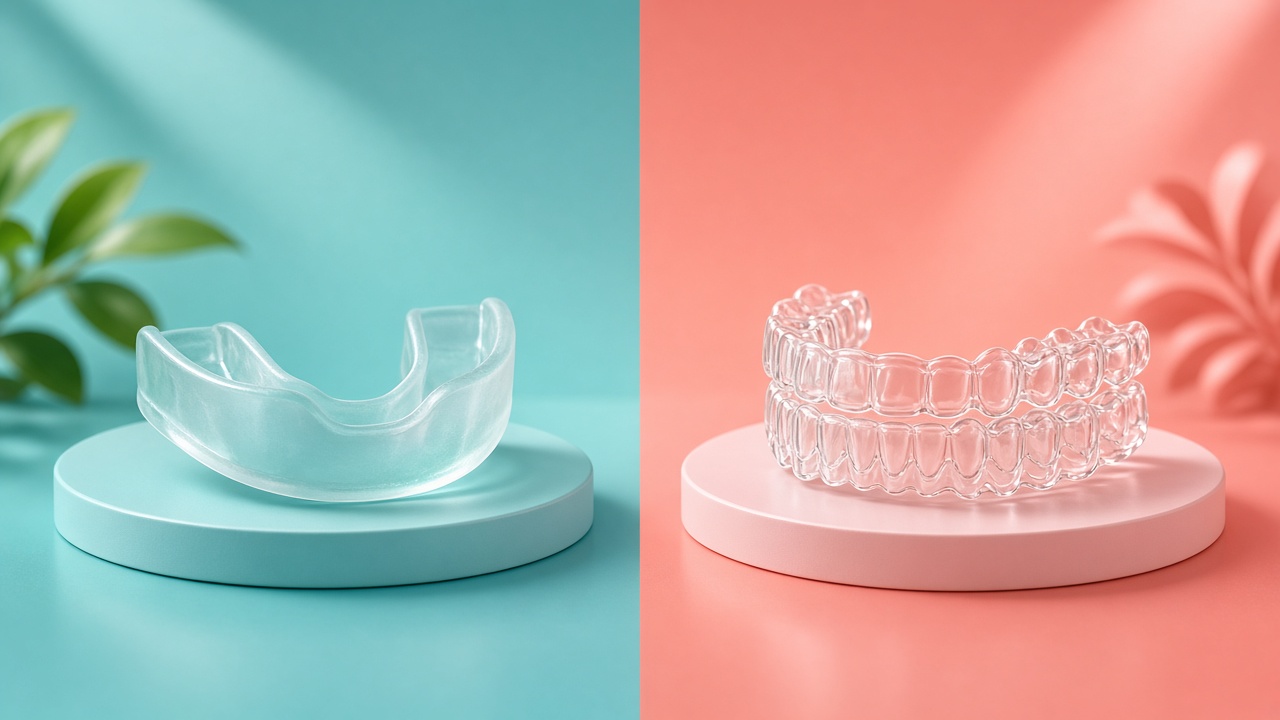
Visibility is geometry, not marketing: where the bracket sits, what colour it is, whether a wire runs in front, whether you can remove the appliance for a meeting. Metal on the facial side reads in open-space white light. Ceramic sits closer to enamel shade and often calms a photo. Aligners almost disappear at a distance, yet they demand wear hours and sometimes composite buttons on teeth. Lingual technique hides brackets on the tongue side; speech and hygiene need habit. System choice follows diagnosis and your work map, not a ranking of “prettiest braces.” Adults often ask for “the most invisible” before films; I reset the order: mouth job first, then office visibility. If biomechanics needs fixed appliances and the role is public, honest ceramic beats trays worn ten hours. If trays fit the job and discipline — office rhythm often wins. Below — three work portraits on visibility.
Ceramic on the facial side
Ceramic braces keep a wire in front, but the bracket sits closer to tooth colour. On a mid-resolution Zoom frame they often read softer than metal. At a close handshake the wire is still there — I do not sell the illusion of “as if no braces.” Work upside: you do not remove the appliance before a presentation. Downside: debonds, wax, hard-food limits, activation visits. For roles where on-and-off trays will wreck discipline, ceramic is often calmer than aligners.
Ligature colour, if the system uses ties, changes the frame. Lighter tones shout less on a corporate portrait. I treat that as daily detail, not as the main plan criterion.
Aligners and the office rhythm
Adult aligners fit days built around meetings when you can remove trays for food and a key dinner. They need honest wear hours. Ten hours instead of twenty stretches the course more than any colleague joke. On camera trays are nearly background; composite buttons (attachments) can catch side light — I warn before start. For people who leave trays in the airport and on midnight calls, aligners are a poor deal even with perfect advert aesthetics.
A spare set in the bag and a timer after coffee in DIFC are dull strong habits. I prefer dullness to a lost month of the plan.
Lingual technique when indicated
Lingual braces hide brackets on the tongue side. For some public roles that is a strong argument. Speech shifts in the first weeks, the tongue tires, hygiene is harder. Not every job and not every periodontium fits a lingual plan. I offer it after diagnosis, not as a “VIP package.” If speech is your work tool (teaching, court, voice sales), we budget adaptation time before hard presentations.
Front invisibility does not cancel visits and does not speed biology. It changes a colleague’s angle of view, not the law of tooth movement.
Metal remains an honest option. In some Dubai teams it is ordinary and often tougher under hard daily habits. If metal shame outweighs its value for your job, we move to ceramic or aligners after diagnosis — without the label “metal for people who do not care.” Labels hurt plans. A weekly map helps.
Corporate Dubai: camera, dress codes, and a short script
A Dubai office often mixes international teams and hard boardroom light. A laptop camera from below draws the wire more than you think in the morning mirror. I suggest one home test: open the camera as on a Monday standup, smile as for a client greeting, record five seconds. Watch the frame as a colleague, not as a patient in the chair. Repeat the same test on day three after bonding — the eye adapts faster than it feels on the first evening. Below — how I turn shame into work rules without cancelling treatment.
Light and angle. Overhead light and a front-facing camera are calmer. A laptop on hotel-sofa knees enlarges metal and ceramic show. Before a key call, raise the camera to eye level. That is not orthodontics — it is office habit that lowers noise around the course. In glass boardrooms reflection also shows the wire; meet your own reflection before the client handshake, not in the first second of it.
A line for colleagues. Long apologies (“sorry about my teeth, I know it looks odd…”) draw more eyes. A short factual line works better: “I’m aligning my bite; the course is planned.” If they ask for a date — “range after reviews; I’ll update nearer debond.” You do not owe wire reports on standup.
Company website photos. If HR asks for an updated portrait mid-course, decide: ceramic or aligners in frame, a light smile without a wide “cheese,” or delay the shoot until an aesthetic priority in the plan. I can shift visibility priority in the course without cancelling biomechanics.
Client dinners. Aligners come out for food and go back on after. Braces need a softer menu in the first week and a discreet clean after. Wax and an interdental brush in an opaque case belong in the business kit next to a phone charger.
Ramadan. A long day without water changes hygiene windows and mucosal comfort. We plan activations and tray changes around your real schedule, not “as in the brochure.”
HR and corporate events. Family day, website shoot, awards night — reasons to decide early whether you smile wide on camera, wear trays in frame, or need wax. I do not ban living. I ask you not to learn about a shoot one hour before stage time with no buffer for comfort.
Onboarding in a new job mid-course. A new team notices the wire in week one more than an old team that has adapted. A short script in week one saves a month of private apology rehearsals. If you move into a harder public role — write me before the contract change; sometimes we can adjust visibility in the plan.
Hygiene as part of a professional look
White spots at brackets after a course hit self-image harder than metal during treatment. You aligned for the camera and got chalky zones — a common source of anger. A professional look at work includes clean brackets without heavy plaque and without coffee breath at an 11:00 meeting. In corporate Dubai cleaning windows are shorter than at home: call, taxi, client, call again. I put hygiene into the plan the same way I put the bracket system. Without that, “professional” at the end becomes an even arch with chalk marks where braces sat — a poor deal for a work profile. Floss in the desk drawer matters more than a new ligature colour. Hygienist reviews sit next to activations, not “when the project allows.” Below — three daily layers for adults in a corporate rhythm.
Plaque, coffee, and dates on the road
Office Dubai feeds coffee, dates, snacks in taxis between towers. Plaque at brackets builds faster than at home on a calm schedule. A hard brush “as I rush” on thin gums gives blood and more camera shame. I show a minimum kit: soft brush, interdental brush, floss or superfloss, travel irrigator if you want. Five minutes after lunch in the office washroom is not luxury; it is part of the course. Perfume does not mask plaque.
Whitening pastes with harsh abrasives do not solve plaque at the bracket and sometimes irritate gums. Cleaning mechanics first, enamel shade talk later.
Wax, sores, and high-stakes days
In the first days after bonding or a wire change the mucosa can rub. Wax on a sharp edge saves a meeting better than heroics of “I’ll endure.” I ask you to keep wax in hand luggage and in the desk drawer. If a bracket fails the night before a board — photo to me, not pliers in a hotel. Temporary protection and the next slot are calmer than DIY.
An aligner patient on a key day checks that trays are clear and uncracked. A cracked tray catches light differently on camera. A spare set in the bag is a work standard.
Breath and speech
Breath odour in a negotiation sticks in memory more than a wire. Tongue cleaning, water, tray change after food, skipping “garlic then straight to the client” — daily life. Lingual technique and the first weeks of any braces change diction: before a key pitch we budget adaptation days and read the presentation aloud at home. I do not promise “speech as before from hour one.” I promise an adaptation plan.
If the role is voice and stage, we say so before choosing a system. Sometimes aligners or facial ceramic are calmer than lingual technique because of speech, even if lingual is “more invisible.”
Visit calendars, flights, and project deadlines
Courses break from missed visits, not from colleagues. A six-week project without activation stretches orthodontics more than any joke. An aligner adult who “wore less because of a negotiation series” gets the same maths. I set a realistic calendar before start: hard windows, Ramadan, home leave, conferences. Below — how to join work and force without the illusion of “we’ll place a heavier wire and you leave for a quarter.”
Flights. Wax, spare elastics, spare trays, a breakage photo, knowing where to write at night. Pliers in a hotel room do not replace a clinician. If your Emirates life horizon is three months, a short stage or a delayed full-course start beats a broken contract.
Deadlines. Before an IPO sprint or audit I can shift bonding to a calmer week. Speeding biology “because of bonus” is not honest. We can choose a less visible system and careful activation timing around peak weeks.
Role changes. Promotion, move to client front, a conference stage mid-course — reasons to review appliance visibility, not reasons to drop the plan. Sometimes we shift aesthetic priority in the remaining months. Sometimes we keep the system and strengthen script and hygiene.
Attendance. Skipping “because of the project” almost always costs more than one Outlook slot. I ask you or an assistant to book activations like external client meetings — with buffer, not squeezed between two calls.
Night calls across time zones. After midnight adults forget trays and cleaning more often than they admit in the chair. A phone timer after the last call is a simple tool. An aligner course in a global company lives or dies on honesty about night hours.
A leader’s shame. Sometimes the patient is not you, but a report you want to “allow” as a manager. Permission is simple: normalise adult treatment with one line in a team meeting. A culture where adult orthodontics is ordinary lowers pain for the next employee with a wire.
Emirates contract horizon. If visa and role last a year, a full course may not fit. Then an honest stage, retention, and film handoff to the next clinician beat a pretty promise that “we’ll finish everything.” I ask for horizon clarity before bonding.
Shame, status, and honest promise limits
Adult braces shame in corporate Dubai often hides behind “not professional.” Professional means keeping agreements, hygiene, and the calendar. An appliance on teeth with a clear plan does not cancel competence. I have seen firm partners in metal, managers in aligners, physicians from other fields in ceramic. Jokes last about two weeks. The course lasts longer than the joke. Shame fades faster with a script and clean teeth; it sticks when the appliance is there without hygiene and attendance plans. I give levers: a system for your weekly map, a calendar around peak projects, a short line for colleagues, wax and spare trays in the bag. Shame without levers becomes a cancelled booking. Shame with levers becomes two awkward weeks, then work background. Below — limits I name aloud so “professional look” does not cancel needed treatment.
What I do not promise
“Nobody will notice” with facial braces. Some people will. “Aligners are always invisible” — buttons and tray edges sometimes show up close. “Lingual is perfect for every public role” — speech and hygiene filter. “We’ll finish by bonus at any cost” — biology and periodontium hold a veto.
A result date without diagnosis is a poor service to a career. I give a range after a plan.
What helps faster than shame
A short script, clean teeth, wax in the bag, a realistic system for your weekly map, a second opinion when you doubt. “Before” photos for yourself, not for a feed, so in six months the eye remembers why you sat through Zoom with a wire. Home support matters more than coffee-machine approval.
If at night after consultation the impulse is “better leave a crooked arch forever for the career” with healthy periodontium and a clear goal — that is a lawful choice; I do not push. If the impulse is “leave everything” with drifting teeth and inflammation — another talk: orthodontics can be part of keeping teeth, not only LinkedIn aesthetics.
When shame signals a system change, and when it signals a script
If biomechanics needs fixed appliances and the role is tightly public — we discuss ceramic or a lingual option when indicated. If biomechanics runs well on aligners with your discipline — that is often the best office compromise. If you are already in metal and shame blocks eating and speaking — do not tear brackets off yourself; come in, we rebuild visibility and expectations. Quiet drift of “I’ll remove them myself this weekend” breaks the plan and enamel.
Comparing yourself with a colleague “without braces but with veneers” is a separate trap. Their mouth closed a different job. We compare your plan with your tissues and camera, not with someone else’s smile package.
Another status layer is “I can’t; I’m too visible.” A visible role more often needs a visibility plan, not a ban on treatment. A partner who leads pitches and an analyst off camera solve one orthodontic job with different systems. Status changes appliance and script. Status does not cancel periodontium and does not speed bone.
Employees’ children and “example.” An adult in braces at home normalises a child’s course better than a slogan. If you lead family and office at once, your calm script works for two audiences.
A practical choice table for the workday
The table below is consultation talk, not a better/worse ranking and not a price list. Your case may sit in the aligner column for camera and the metal column for biomechanics: then an honest priority talk. I have seen auditors in lingual technique and teachers in classic metal — both looked professional because hygiene and script were in place.
| Work situation | We often discuss | What you do yourself | Risk to the course | Honest limit without exam |
|---|---|---|---|---|
| Daily Zoom / Teams | Ceramic or aligners | Camera angle, short script | Shame → missed visits | “Nobody will see” with facial braces |
| Client dinners | Aligners with discipline | Out–eat–in, cleaning | Wear hours drop | Night-only trays do not treat |
| Stage / voice / court | Not always lingual | Speech adaptation before pitch | Diction mid-course | “Lingual = perfect for all” |
| Hard glance dress code | Less visible system by plan | Website photo with intent | Mid-course system change without plan | Shame instead of diagnosis |
| Frequent flights | Spare trays / wax / breakage protocol | Hand luggage, photo to clinician | DIY with pliers | “Heavier wire and leave for a quarter” |
| Ramadan + long day | Shift activations to real life | Evening hygiene windows | Plaque, sores, anger | Ignoring the “brochure” calendar |
| Project peak 4–8 weeks | Delay start / sparse activations | Book slots like client meetings | Skips “we’ll catch up later” | Speeding biology for a bonus |
Three reading rules. First: the “we often discuss” column is not an automatic choice. Second: your discipline beats invisibility marketing. Third: a professional look is hygiene plus a calm line plus attendance, not only bracket colour.
Metal separately. Classic metal braces remain a strong biomechanical tool and often a budget tool. In some Dubai offices they are ordinary. If shame outweighs metal’s value for your job, we discuss ceramic or aligners after diagnosis — not “metal is bad.” I do not make metal bad. I make visibility a plan topic.
Pharmacy “temporary” fixes separately. Snap-on trays “for photos” and home veneer strips do not replace an orthodontic plan and sometimes injure gums. Before a corporate shoot, wax, hygiene, and an honest smile angle beat random plastic on teeth.
Bag habits. An opaque case for interdental brushes, wax, spare trays, a mini brush — next to the badge and power bank. When the kit is in the bag, shame less often breaks hygiene “because it feels awkward to take out near colleagues.”
If at night after consultation the thought is “not allowed at work,” the answer is a weekly map, a system after diagnosis, script, and hygiene. The impulse to bond everything tomorrow without films for the camera — I slow. The impulse “never, because of colleagues” with healthy gums and a clear job — also. Between those poles sits adult orthodontics in corporate Dubai: visibility is manageable; biology does not cancel Outlook. Booking an exam for ceramic braces, aligners, or lingual technique when indicated costs less than a year of arguing with the mirror before Monday call.
FAQ
Will colleagues notice ceramic braces on Zoom?
Some will, especially up close and with a low laptop camera. On a mid frame ceramic often reads softer than metal. I do not promise full invisibility with a facial wire. Camera angle and hygiene matter more than shame.
Are aligners better for negotiations?
Often easier to remove for dinner and almost hide on camera. They need honest wear hours. If discipline is weak, “best for negotiations” trays stretch the course. Choice after diagnosis and your weekly map.
Can I start mid-project?
Sometimes it is better to shift bonding to a calmer week. Sometimes we start with sparse activations understood. Speeding biology for a deadline is not possible. A calendar plan before start saves mid-course anger.
Are lingual braces the answer for every public role?
No. They hide brackets in front, but they change speech and harden hygiene. Not every job and not every periodontium fits. Decision after exam, not after the word “VIP.”
What should I say at work if people ask?
A short fact line: you are aligning your bite; the course is planned. Long apologies draw eyes. Give a date range if you want; wire details on standup are optional.
Do braces ruin a “professional” look forever?
During the course the appliance shows to different degrees. After removal with good hygiene and retention the talk is about the arch, not brackets. White spots from poor care hurt the look more than temporary metal. Hygiene is part of the professional plan.
What if a bracket fails before a board meeting?
Photo to the clinician, wax if needed, do not bend the wire yourself. Next slot or temporary-protection advice. Hotel DIY hurts more often than it saves a presentation.
Can you choose a “work” system from a photo?
No. Photos help read the aesthetic request. Biomechanics, periodontium, speech, and visit calendar need an exam. I treat sent frames as a consultation filter, not as a contract for an “invisible package.” If mid-course shame blocks eating and speaking — come in; we rebuild visibility and script without cancelling needed tooth movement.
Weekends and “home mode” separately. Some adults remove aligners all weekend “to rest” and then wonder about timeline. Rest from trays is rest from the plan. If discipline holds at work and collapses at home, the course still stretches. Home hours count like office hours. I ask for honesty at start: if night streaming without trays is your ritual, aligners may be a poor system even with a perfect Monday-call camera.
Retention after removal is also part of “look at work.” A night tray or fixed retainer holds the arch you endured Zoom for. Losing a retainer on a trip without a spare plan returns crowding to the camera fast. I give the post-removal protocol before the “freedom” party, not after the first missed work deadline.