Jaw clicking while chewing frightens people more than most “ordinary” dental complaints. You hear the sound yourself; sometimes people next to you hear it; the mind jumps to the worst script: “the joint is destroying itself,” “I need surgery,” “braces will ruin everything.” I am Dr. Maksut Behruzoglu, a specialist orthodontist in Dubai; in visits for TMJ symptoms and TMJ treatment I treat a click as a clinical sign, not as a diagnosis on its own. For some people it stays for years without pain and without limited opening. For others it travels with morning stiffness, muscle pain, locking, temple headaches, or an ear that feels full with a clear ENT exam. I do not diagnose a joint from a phone recording. Below — what a click usually means, when calm observation is reasonable, which red flags call for an exam, where “it will pass” ends and a doctor’s work begins. There are no promises here that “we will cure the joint in one course”: the joint needs diagnosis, not marketing.
What a click during chewing usually means
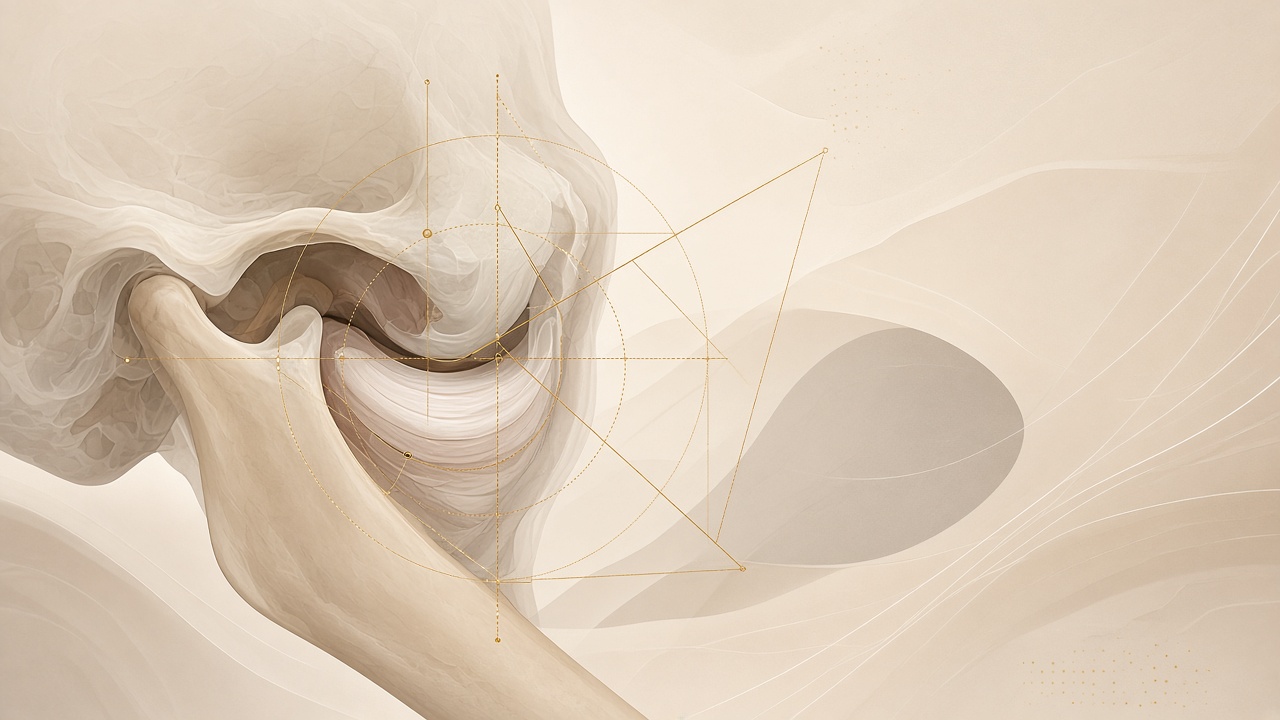
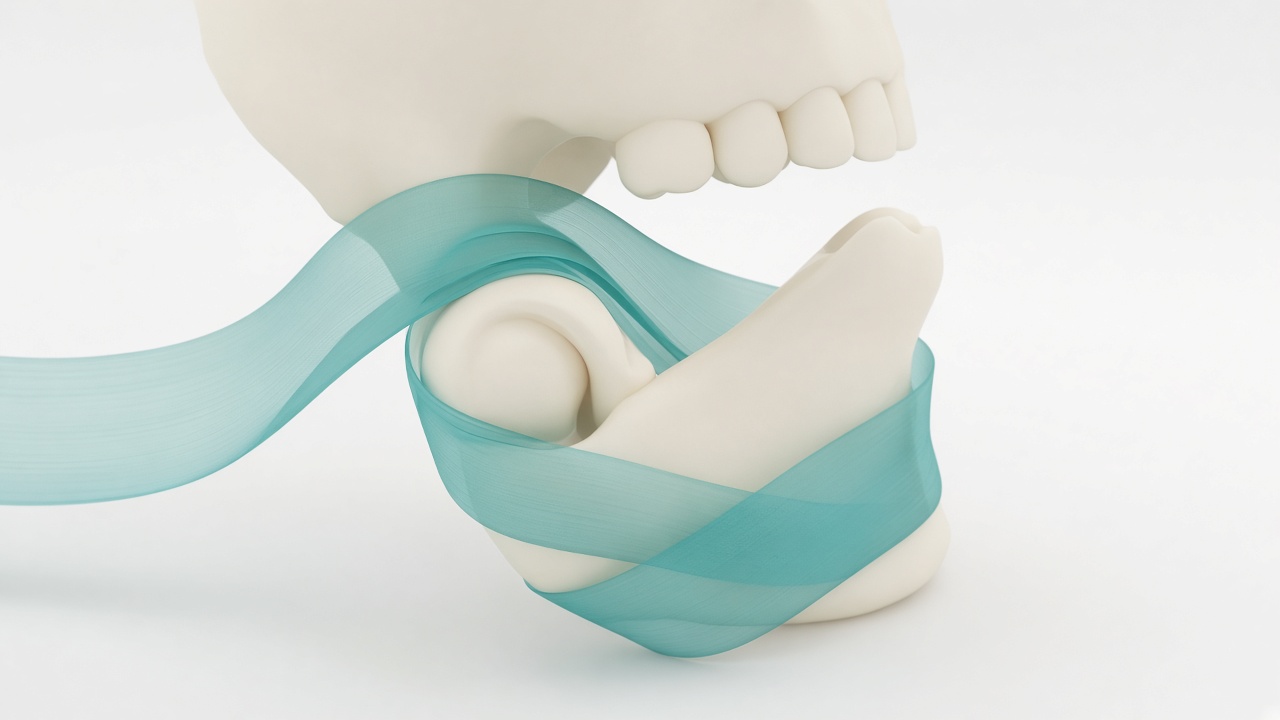
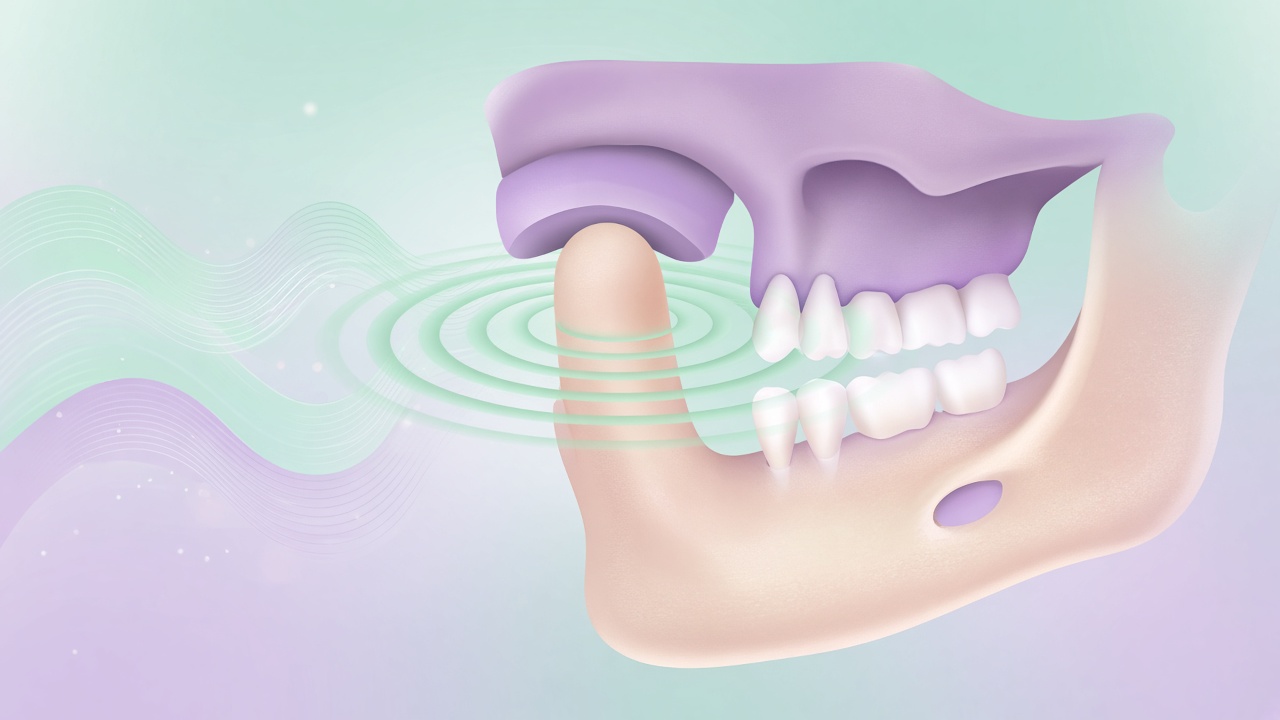
A click is a sound. It can appear on opening, closing, chewing on one side, yawning, speaking, or when the jaw crosses a certain point in its range. In the temporomandibular joint (TMJ), a disc sits between the condyle of the lower jaw and the fossa of the temporal bone. When disc and condyle briefly lose and regain a coordinated path, you hear a click or a short crack. That model is simplified, yet it separates sound from catastrophe.
I hear clicks in teens after a growth spurt, in adults who clench through laptop weeks, after facial trauma, and after long dental sessions with the mouth held wide. The sound itself is not “stage-three arthritis” and not “braces tomorrow.” It means joint kinematics changed enough to make an acoustic signal. Drivers can sit in muscles, in the disc, in tooth contacts, in one-sided chewing, in night clenching, in stress, or in a mix.
Patients often mix three different pictures. First — a painless click at wide opening. Second — a click with pain or a feeling that something “jumps.” Third — crepitus, a coarser “sandy” noise across the movement. Those pictures lead to different exam questions. I do not calm everyone with the same line “this is normal.” I collect context: when it started, whether pain exists, whether opening changed, whether morning locks happen, whether muscles tire by evening, whether trauma, splints, wisdom-tooth removal, or past orthodontics sit in the history.
Dubai adds a lifestyle layer. Long flights, time-zone shifts, open-plan offices, phone-on-shoulder habits, coffee and jaw clenching on deadlines — all raise the muscle background. A click that almost disappears on holiday returns on a work week. That is not proof the joint “fell apart.” It is a reason to describe the rhythm of the complaint, not only one loud day.
I explain it in plain words: sound is a signal to look, not a signal to panic. Exam, palpation, opening measurement, contact analysis, and imaging when needed decide the next step. Without that, any “exact internet diagnosis” stays a guess.
I also unpack asymmetry of sound. A right click while chewing left, a click only in the morning, a click only after coffee and inbox triage — different daily markers. I ask for a short seven-day diary: day, food, stress, sleep, loudness 0–10, pain yes/no. A diary saves chair time better than “well, it clicks.” In multilingual Dubai homes a partner may keep the diary in English while you describe sensation in another language — fine; I merge both into one clinical line.
Another common myth: “if others hear it, the joint must be severe.” Loudness depends on anatomy, joint fluid in the moment, muscle tone, and how quiet the room is. At a business lunch the click feels catastrophic. In a noisy café nobody notices. I weigh function and pain, not the embarrassment ranking at the table.
When calm observation is reasonable
There are scenarios where I offer observation with clear return rules, not an immediate “full package” of appliances and scans “just in case.” Observation is not neglect. It is a deliberate interval with criteria for coming back earlier. I state those criteria aloud so you do not sit alone with anxiety and forums.
A calmer profile: a click exists; pain is absent or rare; opening matches your usual range; no lasting lock; no swelling; no night waking from joint pain; chewing stays usable. Even then I ask about bruxism, gum, and one-sided chewing — not to label every habit as disease, but to decide on a softer load and a revisit. Return criteria go into the chart with a control date.
Below — three layers I unpack before I say “for now we watch.”
No pain, no lock, no progression
If a click has been stable for years, does not worsen, brings no pain, and does not limit life, the chance of an urgent pathology is lower than the patient’s fear. I still do a basic exam: symmetry, muscle palpation, opening, jaw deviation, contacts. Sometimes I find a muscle trigger or a habit worth softening. Sometimes I find only sound. Then I say plainly: there is no clinical picture that needs aggressive intervention now. Control by calendar, or earlier if pain, lock, or limitation appears.
Patients fear “missing the moment.” I give a concrete return list: pain that blocks chewing; a morning lock lasting more than a few minutes; opening that became noticeably smaller; a click that turned into constant painful crepitus; swelling; trauma. A list clears fog better than “come if it gets worse.”
Click only at extreme opening
Many people hear sound only when they yawn “to the limit” or open maximally for a dentist. Everyday chewing stays quiet. That pattern often links to the end range of disc travel and does not equal a constant joint catastrophe. I still check muscles and habits: someone clenches hard at night and compensates with wide yawns by day. An end-range click without pain rarely becomes the sole reason for complex intervention.
In Dubai, patients after long dental sessions sometimes describe a temporary click for a few days. Muscles and joint took unusual opening time. If the sound fades quickly and pain stays away, that talk differs from a chronic painful click on every chewing cycle.
A trigger you can reduce
All-day gum, hard nuts “for stress,” pen chewing, stomach sleep with a fist under the cheek, one-sided chewing “because it feels easier” — triggers you can soften without an appliance. I do not promise that quitting gum “cures the joint.” I say: we reduce extra load and watch the complaint for two to four weeks. If sound remains and life stays free, we return to calm watching. If pain appears, we do not wait.
I do not recommend observation without an exam when someone already ordered a hard marketplace night guard or started “relocating the jaw” from videos. Self-help changes the baseline and hides what was primary.
Calm observation goes into the chart with the next contact date. You leave not with empty “okay then,” but with a clear window: gum rules, sleep positions that feel easier for the jaw, when to message the assistant, which symptom accelerates the visit. That frame lowers anxiety more than a lecture on disc Latin names.
Red flags: when you should see a doctor
Some signs mean I ask you not to wait “another month of forums.” They do not always equal severe joint disease. They mean you need a live exam, sometimes exclusion of neighbouring causes, sometimes fast unloading. The TMJ symptoms page exists to separate noise without pain from a picture where joint and muscles need help.
Pain that blocks eating and work; limited opening; locking; a climb after trauma; swelling; night pain at the temple or in front of the ear — the visit threshold is low. Orthodontics in an acute phase does not start “so the smile calms the joint.” We stabilise first. Describe the last two weeks of change, not only the loudest day.
Below — three flag groups I state in plain language at consultation.
Pain, limitation, lock
Pain without sound matters more than sound without pain. If it clicks and hurts — come. If it hurts and barely clicks — come too. Pain can sit in muscle and refer to the joint; the joint can hurt on its own; a tooth can masquerade as “the joint.” Only an exam sorts that. I measure opening with a ruler in the chair: numbers beat “feels smaller.” For locks we record frequency, duration, how it releases, and any trauma.
I do not teach home “relocation” from videos. Failed self-help can raise inflammation and fear. Repeating locks need a plan, not another reel.
After trauma, long opening, acute dentistry
Facial trauma, a ball impact, a fall on the chin, a car accident even without a fracture — reasons to examine the joint even if teeth look “fine.” Long opening for endodontics or implants can give a temporary muscle reaction; if pain and limitation climb over days, we do not write it off as “just wait.” After wisdom-tooth removal some people switch chewing sides and overload one joint path. We unpack that instead of waiting for “it will adapt” while pain rises.
Dubai patients often arrive after care abroad and describe a click that “was not there before.” Without old records, causality is hard to prove. I collect timeline and today’s status rather than hunt a guilty colleague in a chat thread.
Neurological and ear–nose–throat masks
Not every ear pain is TMJ. Not every headache is “from the bite.” Dizziness, lasting one-sided hearing loss, rash, fever, strong night pain with swelling — first exclude acute neighbouring states with the right specialists. I am an orthodontist: I can assess joint and bite, but I do not replace a neurologist or ENT. Honest specialty borders protect you better than a universal label “it is all from the jaw.”
When neighbouring causes are cleared and a painful click remains, we return to a joint-and-muscle plan without promising a miracle from one guard.
I also ask for “small” details people hide: a partner heard grinding, marks on an old guard, a scalloped tongue, cheek biting in the morning. Those details often explain night load better than a loud lunch click. A phone recording of sleep sound can come with you; diagnosis still happens in the chair, not through a bedroom microphone.
What I check before any scan
First layer — conversation. When it started, what changed this month, what intensifies, what eases, stress, a new mattress, a new sport, a new laptop posture, night waking, gum, one-sided chewing. Then face at rest and in motion: symmetry, chin deviation on opening, jaw path. Muscle and joint-area palpation with your pain feedback, not “for protocol.”
I measure opening, check lateral moves, ask you to chew on cotton or name the more comfortable side. I look at teeth: wear, chips, mobility, restorations, missing teeth, prematurities. Sometimes a click sits next to an obvious occlusal interference; sometimes occlusion looks even while muscles sit in hypertonus from bruxism. Both pictures appear.
I order imaging for a question, not for “everyone with a click.” Panoramic, periapicals, sometimes CBCT or referral for MRI — when clinic fails to explain the complaint or when we plan care where anatomy is critical. Patient fear from social media does not order a disc MRI. A clinical question does. More on the care pathway sits on the TMJ treatment page and in the diagnostic talk at the visit.
I note what you already tried: soft diet, pharmacy guard, massage, analgesics, osteopathy, “exercises from a reel.” That is not judgment. It is a map so we do not repeat the useless and do not break what already helped a little.
I do not diagnose from a voice note of a click. Sound without palpation and without measured opening is a weak base for a plan.
At consultation I also glance at neck and posture in the chair: a head-forward laptop habit changes jaw and neck muscle work. I do not promise that “fixing posture erases the click.” I note posture’s contribution to the muscle background and refer when needed. An orthodontist does not replace a physiotherapist and does not treat the whole skeleton with one archwire.
Face photos at rest and smile help over weeks if you agree. They are not for social media. They compare opening path and asymmetry you may miss in a morning mirror. Photo consent is always voluntary.
Click, bite, and orthodontics: where the borders sit
The most common chair fear: “if I get braces, the joint will die” or the opposite “braces will cure the joint.” Both extremes are risky. Orthodontics moves teeth and changes contacts. Joint and muscles live in their own biomechanics. Sometimes aligning the arch reduces traumatic contacts and eases the background. Sometimes any force is early during acute joint pain. Sometimes a click remains after an excellent occlusion because disc and muscles had a history before orthodontics.
I do not sell alignment as universal TMJ therapy. I do not ban orthodontics for everyone who ever clicked without pain. The decision follows phase: acute pain and locks first get stabilised; a calm non-progressing click can run in parallel with honest information; doubtful cases get deeper work before active arches.
Below — three borders I draw before agreement.
Orthodontics is not “click treatment”
The goal of braces or aligners is tooth and bite position under an agreed plan. If muscle fatigue falls along the way — good; that is an observed bonus, not a contract guarantee. If the click remains while teeth meet the plan — that is not automatic orthodontic failure. It is a reason to manage the joint question separately. Patients need that sentence before start, not at the end in disappointment.
Acute phase is not the time to accelerate force
Pain, lock, sharp limitation — first a gentler regime, sometimes a splint when indicated, muscle work, inflammation control, sleep, habits. I do not place active orthodontic force at the peak of acute joint pain “to finish faster.” We leave the acute phase first. Then we discuss whether an orthodontic stage is needed and which one.
A calm click is not an automatic ban
A painless stable click alone is rarely an absolute contraindication to orthodontics. I document it before start, explain that sound may change while teeth move, and agree on monitoring. If pain or lock appears mid-treatment, we pause the “pretty arch” talk and return to the joint. That protocol is more honest than silence until a complaint.
Patients after a past “failed” course sometimes insist every orthodontist must “fully cure TMJ to perfect silence” before touching teeth. Perfect silence is not always reachable and not always the only goal. The goal is safe function, manageable pain, a clear plan. If a past course coincided with joint worsening, we unpack the timeline without putting a colleague on trial: what existed before, what changed, which forces ran, whether a splint existed, whether trauma occurred. Only then can we decide whether to repeat an orthodontic path and in which mode.
What not to do at home “just in case”
Home chaos around a click often hurts more than the sound. A hard sports-style marketplace guard without a fit can wedge the bite and raise muscle chaos. Forceful “relocations” from videos can injure an already irritated joint. Endless gum “to loosen it” overloads muscles. Harsh massage at the pain point until tears is not therapy. Filing your own teeth at home is a nightmare I have seen and that takes years to repair.
A short soft regime is fine as a bridge: less gum, less very hard food at a pain peak, warmth on muscles if agreed and if there is no acute swelling, usual analgesics only if your GP allows them. That is a bridge to exam, not joint treatment by chat.
I welcome second opinions. I dislike five appliances in a row without a diagnosis. Guard, then another guard, then “just a little equilibration,” then “urgent braces” — a chain where the original picture disappears. One calm exam with a plan beats a method fair.
AED figures come after we understand volume: exam, imaging when indicated, splint if needed, orthodontics separately. Price depends on date and clinic. Insurance cover is confirmed by the policy administrator, not by a blog promise.
How a first Dubai consultation runs
You arrive with the complaint in your words: “clicks when I chew,” “afraid to open,” “worse after a flight,” “the dentist said joint.” I listen to the timeline. I examine. I measure. I explain what is already clear without scans and which question a scan would close. If habit hygiene and control are enough — I say so. If I see an acute picture — I offer near steps without drama and without “forever” promises.
Useful papers: old radiographs, notes, description of a past guard, medication list, ENT report if any. A suitcase of paper is not mandatory. An honest story about night grinding, stress, and prior tries is.
In multilingual Dubai I work in English, Russian, and Turkish — joint mechanics stay one. Cultural layers differ: some people dread a sound at a business lunch, some fear surgery from family stories, some want “MRI today.” I return the talk to clinic: symptoms, function, phased plan. If you arrived from another country with a folder of reports — bring it; I do not erase prior work without reason; I compare it with what I see today in the mouth and joint.
How I explain “what happens inside”
On paper I draw the joint as a moving joint with a disc pad. The condyle slides; the disc should travel with it. If accompaniment fails at a segment, a click appears. Surrounding muscles may hold the jaw in constant half-clench — then you notice sound more often even if disc anatomy did not “collapse.” The sketch is rough, yet it removes the fantasy that every click equals irreversible destruction.
I add a habit layer: chewing side, gum, night grinding, long dental opening, laptop posture. Habits do not cancel a joint contribution. They explain why sound softens on holiday and returns on a deadline. Changing a habit is often easier than waiting for a magical scan that “cures everything alone.”
If the sketch leaves the question “is it exactly my disc?” — I answer honestly: without exam and without an imaging question I do not guess. Sometimes clinic is enough. Sometimes a scan with a question is needed. A live review of pain and function is always needed. That keeps the click talk in medicine, not in feed-driven fear.
The table below is a self-check map before a visit. It does not replace an exam and does not set a diagnosis.
| Sign | More often “watch after exam” | More often “visit soon” | What we clarify in the chair | What to avoid at home | Link to orthodontics |
|---|---|---|---|---|---|
| Click without pain | Stable for months/years | Sudden after trauma | Side, range, triggers | Forceful self-relocation | Rarely a stop signal alone |
| Pain on chewing | Rare, mild | Blocks eating / night pain | Muscle vs joint vs tooth | Hard “guess” guard | Pain phase first |
| Limited opening | No | Yes, noticeable | Millimetres, trend | “Stretching” into pain | Delay active force |
| Jaw lock | No | Yes, repeating | Duration, release | DIY relocation videos | Urgent review |
| Morning stiffness | Mild, fades fast | Long, painful | Bruxism, sleep, stress | Gum “to warm up” | Note before any plan |
| Sandy crepitus | Rare, painless | With pain / climbing | Crepitus, imaging if needed | Ignoring progression | Case by case |
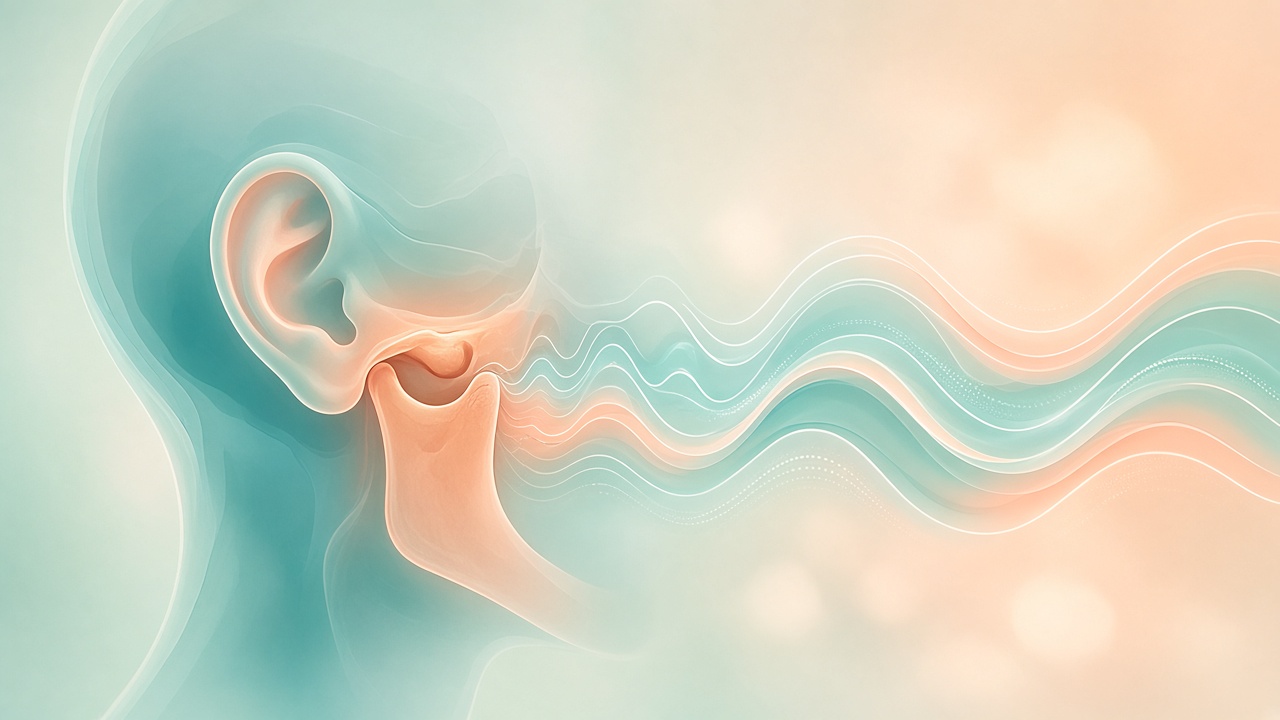
| Ear pain | With otitis per ENT | Clear ENT, pain at joint | Differential | Heating “blindly” with swelling | Do not equate with “fix the bite” |
| After dentistry | 1–3 days, fading | Climbing by one week | Opening time, side | Hard food immediately | Buffer before activations |
Frequently asked questions
Below — answers I give most often after the complaint “jaw clicking when chewing.” This is not a substitute for an exam and not an online diagnosis. If your case matches a red flag above, book before you finish every item. If sound is calm and painless, use the questions as a visit checklist: what to bring, what not to do at home, which expectations are realistic. I leave room for doubt: joints behave differently, and an honest answer sometimes sounds like “you need an exam, not a final label from an article.” If anxiety remains, that is a normal reason for a visit. Anxiety after reading is a fair reason to book, not to spend another hour comparing yourself with chat stories.
Is it dangerous if the jaw clicks only sometimes?
Sometimes does not automatically equal safe, and it does not automatically equal catastrophe. Rarity plus no pain and no limitation often allows watching after a basic exam. If rarity turns into daily sound with pain, the visit threshold drops. I follow function and trend, not only how loud the click is in a quiet office.
Can a click go away on its own?
Sometimes the muscle background settles, a habit leaves, and sound becomes rarer. Sometimes it stays for years without harming daily life. I do not promise spontaneous cure and I do not threaten inevitable destruction. Checkpoints and exam decide better than a search-bar forecast.
Do I need an MRI of the joint immediately?
Not for every click. MRI answers a specific soft-tissue question when clinic requires it. Exam and basic data come first. Ordering MRI from anxiety without a question adds load without clear plan benefit.
Will braces remove the click?
Sometimes contact change lowers traumatic load. Sometimes the click remains. I do not sell orthodontics as a guarantee of joint silence. In acute pain we stabilise first, then discuss alignment.
Is a pharmacy night guard a fair first step?
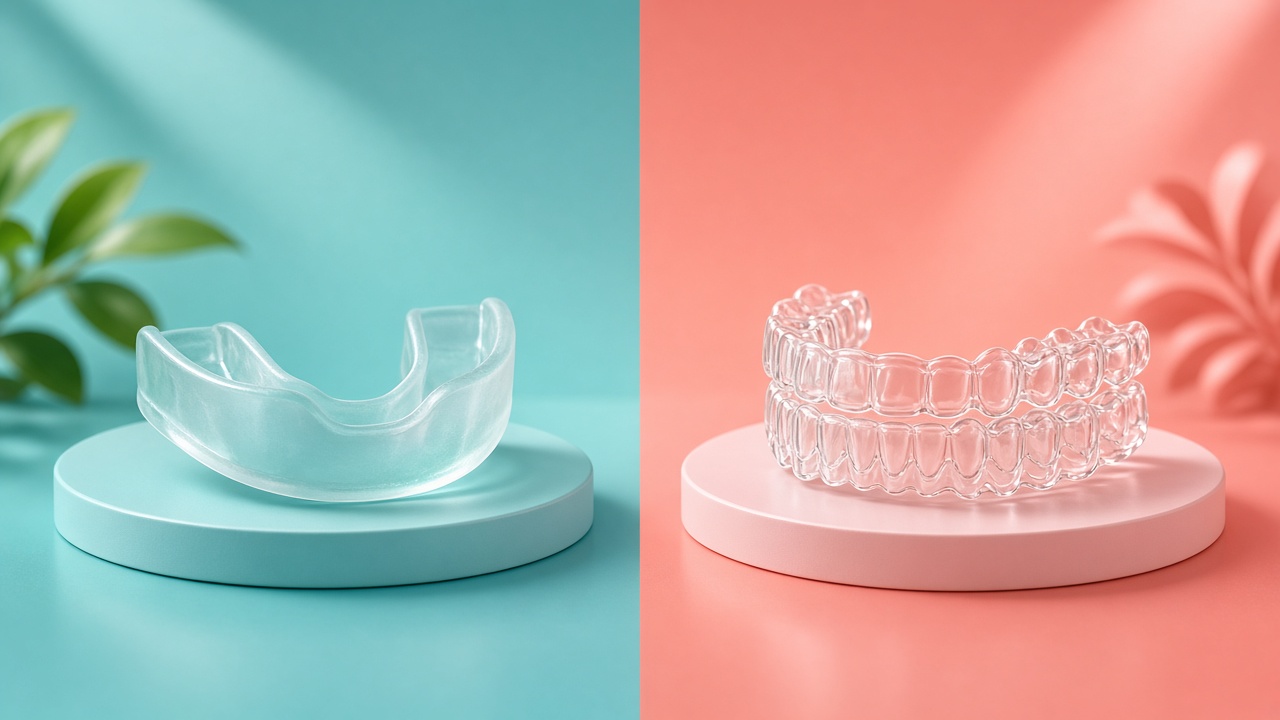
Briefly as a bridge it can be acceptable if it does not raise pain and does not wedge the bite. A hard ill-fitting guard for a long stretch often creates new complaints. An individual splint is discussed after exam, when the problem type is clearer.
Why is the click louder under stress?
Tooth clenching and muscle tone rise. The joint receives another load pattern; you notice sound more. That does not prove “stress broke the disc,” but it is a usable lever: sleep, jaw pauses, less gum, a bruxism talk.
When is a click urgent?
After trauma with climbing pain, with locking, with a sharp drop in opening, with swelling, with night pain that breaks life. Then do not wait for a convenient holiday in two months. Book an exam and describe the trend honestly.
Can I keep sports if it clicks?
Often yes, with judgment: a sport-appropriate mouthguard, no jaw hits at a pain peak, no “I train through a lock.” Clearance depends on symptoms. With pain and limitation, clinic first, gym later.