Stress and a “locked” jaw often share one search. Sometimes the link is real: you clench through meetings, shoulders creep toward the ears by evening, and by morning the joint or chewing muscles hurt. Sometimes TMJ-area pain has its own drivers — disc issues, trauma, acute lock, a dental cause — and stress only colours how loud the symptoms feel. I am Dr. Maksut Behruzoglu, a specialist orthodontist in Dubai; in TMJ symptom and TMJ treatment visits I handle this trio carefully: stress can raise muscle tone and joint load in some people; neck and shoulder posture changes head position and can increase chewing-muscle work; neither stress nor “bad posture” equals a diagnosis that the joint is broken. I do not sell pseudoscience schemes that promise perfect posture will heal the joint forever. I do not assign a cause from a profile selfie. Below — how tension reaches the jaw, where posture participates, what I check in the chair, and what I refuse to promise.
How stress reaches the jaw
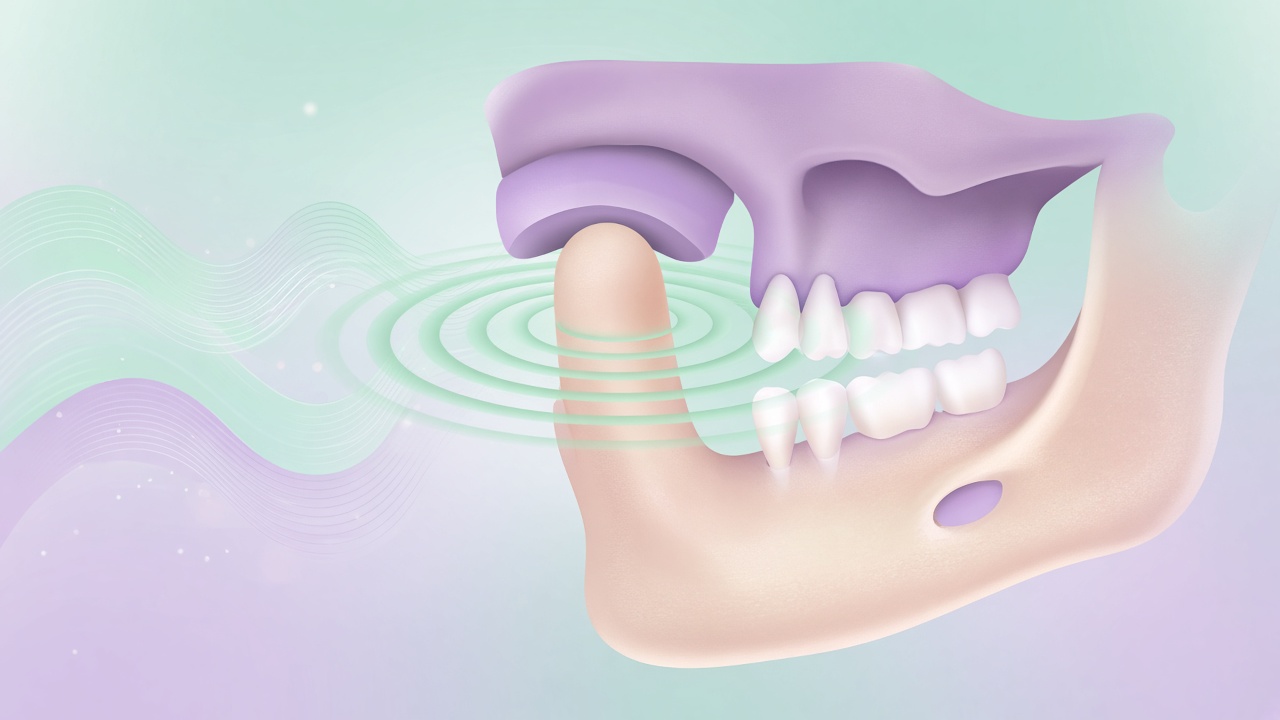
Stress does not “break” the temporomandibular joint the way a bone breaks. It raises general muscle tone and amplifies habits: clenching, chin-propping, pressing the tongue hard to the palate, mouth-breathing with anxiety. Masseter and temporalis work longer than a meal requires. Ligaments and joint surfaces take load outside the chewing cycle. In sensitive people that yields pain, fatigue, clicking on top of existing instability. In others the same deadline passes with no joint complaint — thresholds differ. I fix the timeline: did pain rise in weeks of reports and flights, or live for years and only get painted by stress? Without that ribbon it is easy to prescribe a tray “for nerves” to someone with an acute internal joint episode. Below — three everyday channels that carry tension to the jaw in Dubai as often as they did in Istanbul.
Daytime clenching at work and in traffic
By day the teeth should rest apart: tongue quiet, lips together, light contact only for fractions of a second. In practice people clench through email, on Sheikh Zayed Road, on Zoom with the camera on. A partner hears night grinding; by day you do not hear the clench until the temple or jaw angle hums by evening. I ask patients to mark three moments when the jaw goes stone-hard. One sticky note on the laptop frame sometimes lowers tone more than a lecture on stress.
Clenching is not weak character. It is parafunction: muscles work outside a chewing job. An orthodontist can protect teeth with a splint and remove clear contact interferences; psychology, sleep, and schedule stay in the picture when anxiety or short sleep drive tone. I name both roles before we make a tray.
Night grinding and morning stiffness
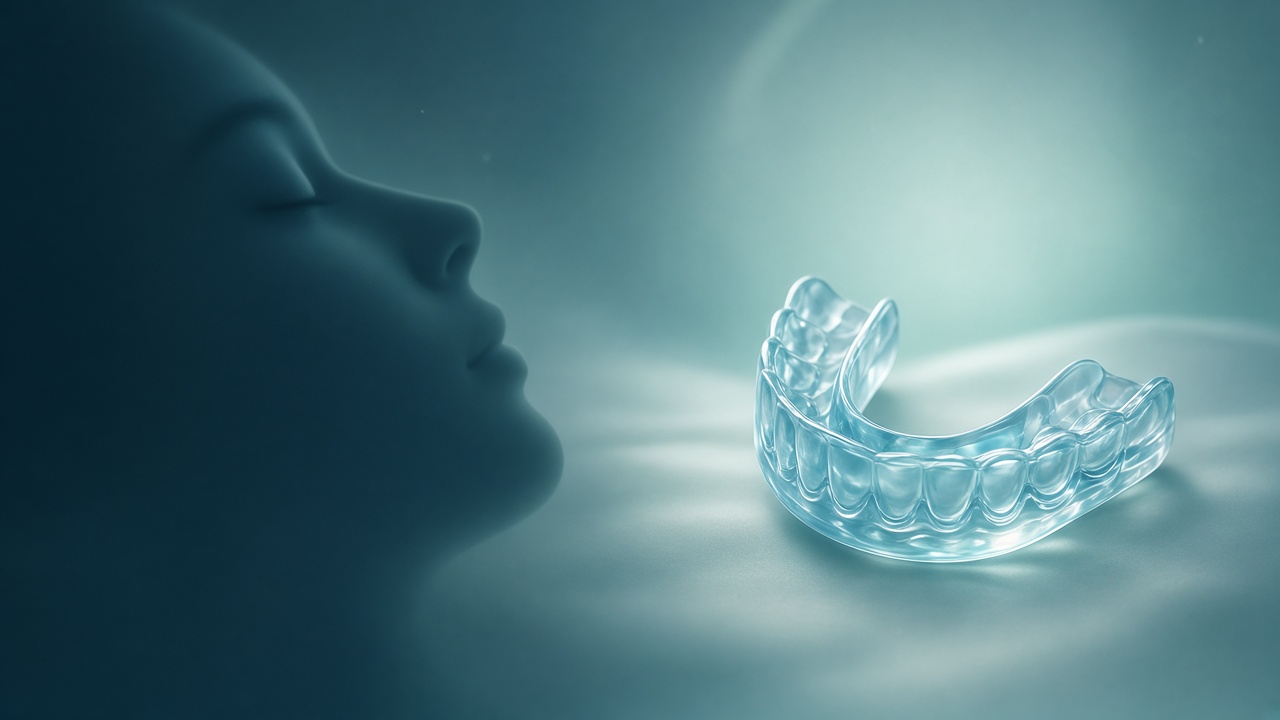
Sleep bruxism links to sleep stages and central regulation more than to “uneven teeth” as a sole cause. Stress and fragmented sleep raise episode frequency in some people. Morning jaw feels wooden, temples heavy, a partner reports grinding. A splint protects enamel and lowers peak load; it does not cancel sleep work and does not treat anxiety. If morning pain is joint-led — limited opening, ear-side pain on chewing — I deepen the joint exam rather than stop at “it is stress.”
Patients after long flights into Dubai often describe a week of “stone jaw.” Time-zone shift, dry cabin air, short hotel sleep — background I write next to tooth contacts.
Anxiety, hyper-control, and click counting
An anxious patient counts every click and every “it cracked.” Clicking without pain is common and often needs no aggressive treatment. Constant monitoring raises tone: the jaw never rests. I recognise anxiety as a symptom amplifier and do not shame it. The plan still rests on clinic: what palpation reproduces, what links to chewing, where imaging belongs. A seven-to-ten-day diary beats an hour of night searching.
Hyper-control of posture “from a reel” sometimes adds shoulder and neck stiffness. Then another tension layer arrives at the jaw. I separate useful posture hygiene from a ritual that feeds pain.
Posture, neck, and lower-jaw position
Head forward, rounded shoulders, screen below eye level — a typical office picture. Resting jaw position depends on head and neck posture: with a forward head, posterior neck chain and chewing muscles often work differently than in a neutral set. That is mechanics and muscle coordination, not magic that “straighten the spine and the joint heals.” Recent reviews link cervical load and temporomandibular symptoms in some patients without making posture the universal cause of TMJ disorders. I read neck and shoulders as load context, not as a substitute for a joint exam. Inside TMJ treatment posture enters the talk beside muscles and contacts, without promising one physio course will fix a disc. Patients sometimes bring an app posture photo; I match the complaint to palpation. Below — three layers patients often fuse into one phrase: “my posture.”
Forward head and chewing-muscle work
In a long forward-head posture, temporalis and masseter can raise tone, especially if the person also clenches. Pain travels to temples, the jaw angle, sometimes the ear area as referral. Muscle palpation reproduces the familiar pain more than joint palpation — the muscle hypothesis strengthens. I compare sides and opening range. If opening is free, the joint is quiet, and muscles burn after eight laptop hours — we start with habit unloading and posture breaks, not immediate orthodontics.
Raising the monitor and short standing pauses often beat an expensive “ergonomic” chair with no habit change. I do not specify furniture; I name a link you can test for a week.
Shoulders, scapulae, and chin-propping
Chin in the palm, sleep on a very high pillow, phone clamped by the shoulder — small habits with large hour totals. One side takes more load. Years of one-sided chewing amplify the picture. Retraining takes weeks; instant effect is naïve to expect. Orthodontics does not cancel chin-propping in meetings.
In Dubai people often work from a sofa or café. Semi-reclined with the screen on the knees lifts neck and jaw together. I record work place in the history the same way I record new crowns.
Neck, referred pain, and the neurology border
Pain from cervical structures refers to the head, temple, sometimes the ear area. The patient is sure “the joint hurts.” Neck exam, neurological screening for red flags, and referral to physiotherapy or neurology stay on the route. An orthodontist does not close cervical pathology with a splint. If after unloading the chewing muscles pain migrates to the neck and rises with head turns — the hypothesis shifts. Honest routing is faster than another tray “just in case.”
Red flags (sudden worst pain, neurological deficit, fever with neck stiffness, progressive facial asymmetry) go to urgent care, not an aesthetic talk about posture.
When joint pain may link to tension
The link is plausible when a chain exists: rising stress or posture shift → daytime clench or night grind → pain in chewing muscles and/or the joint, worse evenings or mornings, reproduced by muscle palpation, without acute-lock red flags. Timeline beats a photo of “crooked teeth.” Testing often starts with unloading: clench hygiene, a soft-food window for a few days, a splint when indicated, short screen breaks. If pain falls as muscle tone falls — the hypothesis strengthens. If pain stays with quiet muscles, limited opening, swelling, fever — we look for joint, dental, ENT, or other paths. “Remove stress and the joint heals” is not a law. Some people gain from lower tone; some keep an internal joint task. I name that fork before promises. In TMJ symptom consults that fork takes as long as palpation.
Acute lock (“I cannot open,” pain on attempt), trauma, swelling, fever — not a “breathe and drop your shoulders” script. Stabilisation and diagnosis first; posture is secondary.
Patients after orthodontic activation sometimes blame only course stress. Sometimes forces and contact shifts truly participate; sometimes clenching on aligners rises with deadlines. I unpack the activation calendar and the habit of biting trays as stress relief. Both mechanisms appear; blaming only “nerves” or only “the wire” is rarely complete.
I also fix the role of sleep. Four hours a night in a closing-deal week raises tone as reliably as the deadline itself. Patients hesitate to say they sleep four hours; I ask them to say it plainly. Without that number the plan looks tidy on paper and breaks by Wednesday morning. A sleep clinician when indicated sits beside a splint, not instead of it.
Sport with a clenched jaw is another everyday channel. Heavy lifts, CrossFit, diving with a clenched mouthpiece, long brass practice for musicians — load I ask about separately from “office stress.” Sometimes changing the clench-on-effort habit is enough; sometimes a protective regime and a joint exam are needed. I do not give a universal “quit sport” tip.
When tension is not the main author
Internal disc change, joint inflammation, osteoarthritis, trauma, acute tooth infection, neuralgia, ENT pathology — separate roads. Stress can amplify pain perception on any of them; it does not replace the diagnosis. I do not argue with a patient who “knows it is stress” when clinic points elsewhere. I add exam facts. Sometimes a patient has spent a month “treating nerves” with breathing apps while opening range shrinks: I stop the self-plan and move to a joint protocol. Stress stays background; the lead mechanism is different.
A new high crown, a bridge with an early contact, a sudden height change after full-mouth restorations — timelines where I test occlusal contribution before a posture lecture. Restorative adjustment often gives a fast answer. I do not start orthodontics “along for the ride” in the acute phase.
Primary headache, migraine, cervical radiculopathy — neighbouring rooms again. A straight arch and calm posture do not cancel migraine criteria. An orthodontist can lower a muscle background when it exists; I do not sell “migraine treatment by posture.”
Medications, caffeine withdrawal, dehydration in UAE heat, skipped meals on a deadline — everyday amplifiers patients forget to name. I ask without moralising. Sometimes “joint from stress” is temples from three espressos and five hours without water with a clenched jaw.
Children and teens: school stress, screens, growth, ENT. I do not copy the adult “deadlines and office” script one-to-one. Parents get routing without panic and without jaw-cracking reels.
What I check when pain sits on stress and posture
History takes as long as hands. When pain started, links to work and sleep, daytime clench, night grind, new crowns, orthodontics, trauma, ENT, neurology, medicines, work place (office, home, car). Then face, range, joints, muscles, contacts, wear, a brief look at head and shoulder set in the chair and — when possible — how the person sits with a phone in the waiting area. When indicated — dental films, panoramic radiograph, referral for joint MRI, physiotherapy, neurology, sleep medicine. I ask for the pain in your words: point by the ear, chewing fatigue, click, limited opening. If the description is acute joint — priority differs from evening muscle fatigue after Zoom. Your case is decided only after this contour. AED fees come after a plan with a price-list date. Below — three blocks before promises about “stress guilt.”
Timeline beats a posture selfie
Pain that rose across two report weeks and pain of ten years with rare clicks are different stories. I draw a ribbon on paper or in the chart. Without it every slumped mirror shot looks guilty. With it you see coincidence and contribution.
Patients after moving to Dubai link pain to “local climate.” Sometimes sleep, load, and driving hours change, not the joint as an organ. I add clinical anchors; I do not fight a household theory head-on.
Palpation, range, contacts — one visit
In one visit I gather a muscle map, joint sounds, opening range, contact paper or a scan. Fragmented rooms — one dentist for teeth only, one for “posture” only, one for a tray only — leave holes. I close the orthodontic contour and name who else to call.
No response to unloading and a splint is a signal to change the hypothesis, not a “tray failure.” A response proves load and tone participate; it does not automatically prove “two years of braces.”
When I postpone orthodontics and hard posture “fixes”
Acute severe pain, unclear neurological pattern, red flags, unstable joint block — a poor moment to start forces or a bruise-level self-correction of posture. Stabilisation and routing first. Orthodontics remains a tool for dental and skeletal tasks once the acute phase is controlled. I do not sell alignment as a medicine for deadlines.
What helps and what I do not promise
What helps is what addresses the mechanism found: daytime clench hygiene; a splint for bruxism and muscle overload when indicated; correction of a clear occlusal interference; a soft-food window in the acute phase; screen pauses and neutral monitor height; physiotherapy for neck and chewing muscles when referred; sleep and anxiety work with the right specialists; orthodontics when there is a freestanding dental task and occlusal contribution is confirmed. Combinations are common. One method “for stress and posture” is rare.
I do not promise: that meditation will heal a disc; that perfect posture cancels internal joint pathology; guaranteed pain gone in a week; diagnosis from a photo; that every slumped person gets TMJ disorder and every upright person does not. I promise: an honest fork of hypotheses, response checks, and referral when my specialty border is reached.
The table below is consult talk, not self-diagnosis.
| Complaint pattern | What I check first | Role of stress / posture | Who else I call | What I refuse to promise |
|---|---|---|---|---|
| Evening jaw fatigue after Zoom | Muscles, daytime clench | High contribution possible | Habits, sometimes physio | “Just rest” as sole plan |
| Morning stiffness + grinding | Bruxism, splint trial | Sleep and stress as background | Sleep clinician when indicated | Tray cures anxiety |
| Ear-side pain on chewing + click | Joint, opening range | May amplify | MRI when indicated | “Only nerves” |
| Temples + shoulders at ears | Muscles, neck, posture | Often a multiplier | Physio / neurologist | Orthodontics alone |
| Pain after a new crown | Height, contact | Stress secondary | Restorative dentist | Posture lecture instead of adjustment |
| Acute limited opening | Joint protocol | Not the main author now | Urgent routing | Home “jaw resets” |
| Pain on aligners in a deadline week | Tray clench, contacts, forces | Mixed | Plan review | “Aligners always guilty” |
| Years of pain + perfect arch | Muscles, joint, neck, neurology | Background possible | Adjacent specialists | “Straight teeth = only stress” |
Rows are guides, not a home test. Two rows often coexist: deadline plus a high crown, grinding plus neck pain. Then the plan is mixed. I write the first-step priority.
Borders of orthodontics, habits, and “treating stress”
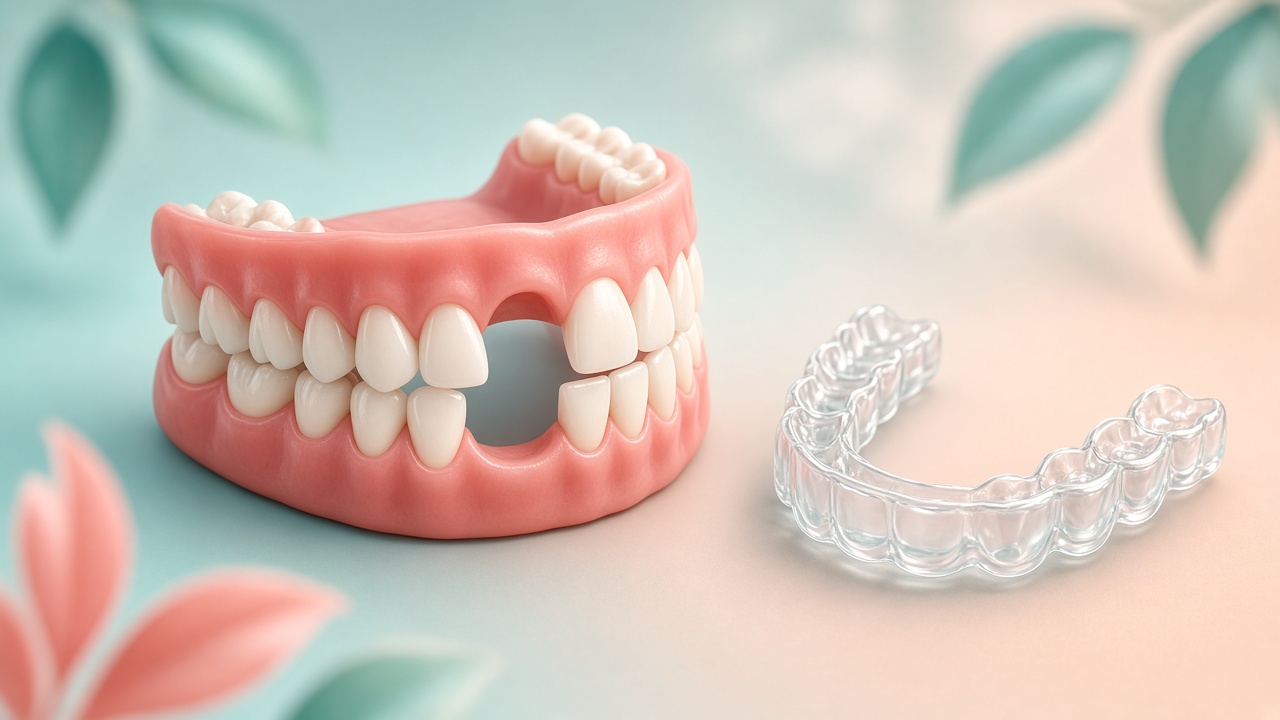
Orthodontics moves teeth and contacts. In some patients with a stabilised joint and confirmed occlusal contribution, that lowers muscle background. In others the lead mechanism is tone, sleep, neck — and a straight arch does not cancel pain. I build that uncertainty into consent before forces start. A beautiful arch remains a value for a dental or aesthetic goal; it must not replace anxiety or cervical care.
Patients ask: “If a splint and screen pauses quiet the jaw, why braces?” Sometimes unloading is enough. Sometimes a dental task (crowding, palate trauma, prosthetic prep) still stands on its own — without a promise that it will “finish treating stress.” Decision follows tissue response.
Inside TMJ treatment I hold this border every day. Marketing that “fix posture, relax, and the joint is new” is loud in feeds. In the chair, history and palpation speak louder.
Aligners and braces both change contacts. System choice follows the dental task and discipline, not a slogan that trays treat stress better than brackets. If pain rises in treatment, I do not shame “you wear them badly.” I rebuild the hypothesis: clench, height, joint, sleep, posture, neurology.
Retention also changes contacts. A broken retainer, a lost night tray, relapse shift the bite map. Pain a year after debond is a reason for exam, not an instant verdict of “only stress at the new job.”
Everyday steps before appliances sound plain. By day catch the clench: teeth apart, lips together. In meetings — a sticky note on the screen frame. Replace all-day hard gum with pauses. Night grinding rarely dies by willpower alone; a splint and a sleep talk fit when a partner hears grinding or the morning jaw is stone.
Food in the acute phase: softer, fewer wide burger yawns, fewer seeds that work the jaw for hours. That is a cooling window, not a forever diet. Caffeine and alcohol in Dubai heat amplify dehydration and sometimes episode frequency — we record the fact without a lecture.
Physiotherapy and gentle techniques by referral belong when the muscle and neck component is clear. Hard self-massage to bruises and “jaw resets” from video I do not support. If pain rises after a home session, stop and come in.
Pain medicines belong to a GP or the relevant specialist. I do not write an analgesic scheme by eye in the orthodontic chair or cancel a colleague’s prescription.
UAE insurance views splints, MRI, and orthodontics differently. I write medical necessity; coverage is confirmed by the policy admin or third-party administrator (TPA). If you self-pay, we rank what lowers pain now and what can wait without risk.
A review in two to four weeks after unloading starts shows whether the hypothesis moves. If muscles soften and range is stable — we record it and decide whether orthodontics stands alone. If the picture is the same or worse — we do not raise tray height at random or bond brackets “to start something.” We change the route.
Anxious patients monitor every click. I recognise anxiety as a tone factor. The plan still rests on what the clinician’s hands reproduce and what links to chewing. A symptom diary for seven to ten days helps more than night searching.
Foreign reports in Turkish, Arabic, Russian, and English I read to the extent films and text are readable. Bring DICOM and PDF, not only a chat screenshot.
Speed expectation: muscle background in some people answers in days to weeks of unloading. A joint pattern keeps its own calendar. Orthodontics changes contacts over months. Glueing three calendars into one promised week breeds disappointment. I draw the calendars separately.
I also fix the language of the complaint. “Stones by evening,” “shoots by the ear on a yawn,” “clicks without pain but I count them,” “after the flight I cannot chew steak for a week” — different maps. If the vocabulary shifts from muscle to acute joint, the route shifts too. Patients from Business Bay and Dubai Marina often describe one evening pattern: six hours of video, shoulders at ears, jaw clenched, lower-jaw angle humming. Bite and “crooked teeth” may be quiet background; tone and posture lead. In another story the same office day lands on a fresh crown — then background and acute contact work together.
Second opinions are welcome if you already heard opposite advice: “just relax,” “braces now,” “only neck massage.” I rebuild the base on exam without offence to prior rooms. A poor translation of a report is worse than an honest “data are thin.”
AED fees for the joint stage and for orthodontics I name separately, with a price-list date. Mixing “stress treatment” and “smile alignment” into one promised package without diagnosis is not something I do. An honest estimate keeps trust longer than any posture ad.
Finally, gadget teens and deadline adults in one family. A teen clenching through exams and a parent with Zoom-jaw sometimes arrive in the same week. Plans differ: growth, ENT, school rhythm for one; sleep, restorations, retention for the other. A cute family tip to “fix everyone’s posture” rarely closes clinic. I take each person on their own contour.
I practise in Dubai after Istanbul and see one glue line in several languages: stress plus slump plus ear-side pain plus a ready culprit from a feed. The unpack takes time. Chair time costs less than months of an appliance aimed at the wrong task. Exam decides more than another reel about posture and the jaw.
FAQ: stress, posture, and jaw pain
Can stress cause jaw joint pain?
Stress can raise muscle tone and amplify clenching, so some people get muscle pain and joint load. It is not the automatic cause of every TMJ pain. Timeline, palpation, and response to unloading matter more than the word “stress.” Decision only after exam.
Does posture alone break the TMJ?
A long forward-head posture and cervical load can raise chewing-muscle work and amplify symptoms in sensitive people. That is not a universal law and not a substitute for joint diagnosis. Perfect posture does not guarantee a quiet joint.
Does a splint help a “stress jaw”?
A splint can lower load and protect teeth, and sometimes ease muscle pain. It does not treat anxiety and does not replace sleep and habits. Response is individual; there is no guarantee.
Do I need a psychologist if I already see an orthodontist?
If anxiety, panic episodes, or stubborn symptom hyper-control drive tone, specialist help in parallel is appropriate. The orthodontist covers muscles, contacts, and the joint contour; the specialists should not compete.
Should I get braces for stress and posture?
I do not place orthodontics “for stress.” If there is a dental task and occlusal contribution is confirmed — we discuss orthodontics as part of a plan. Timing and system follow teeth and tissues, not a promise that deadlines will stop hurting.
Can home posture exercises cure the joint?
Gentle pauses and a neutral set sometimes lower muscle background. Hard schemes and video “resets” can harm. If pain rises, stop and see a clinician. Exercises do not replace exam for acute limited opening.
How do I know it is a new crown, not posture?
Timeline: pain soon after seating, height and contact check, palpation. Restorative adjustment often helps. A posture selfie does not solve that task.
Can this be solved online?
No. Online helps gather history and urgency. Palpation, contacts, and imaging decisions are in person. I do not assign “stress and posture” on a video call without a chair.