The abbreviation TMJ scares people more than the complaint itself. A patient hears “temporomandibular joint dysfunction” and pictures surgery, disability, a ban on apples, and the end of orthodontics. I am Dr. Maksut Behruzoglu, a specialist orthodontist in Dubai; in TMJ treatment and TMJ diagnosis visits I translate the term into human language. The TMJ is the joint that connects the lower jaw to the skull base on each side. Dysfunction — often labelled TMD in English — is an umbrella word: joint, disc, muscles, ligaments, chewing habits, and tooth contacts work out of sync and produce symptoms. It is not one diagnosis with one pill and not a life sentence. I do not approve a plan from a selfie and the line “I have TMJ.” Below — structure in plain words, how dysfunction differs from a click, which symptoms appear most often, how I assemble the picture at exam, where orthodontic borders sit, and what to expect from diagnosis without promises that “we will cure it forever.”
TMJ in plain words: where it is and what it does
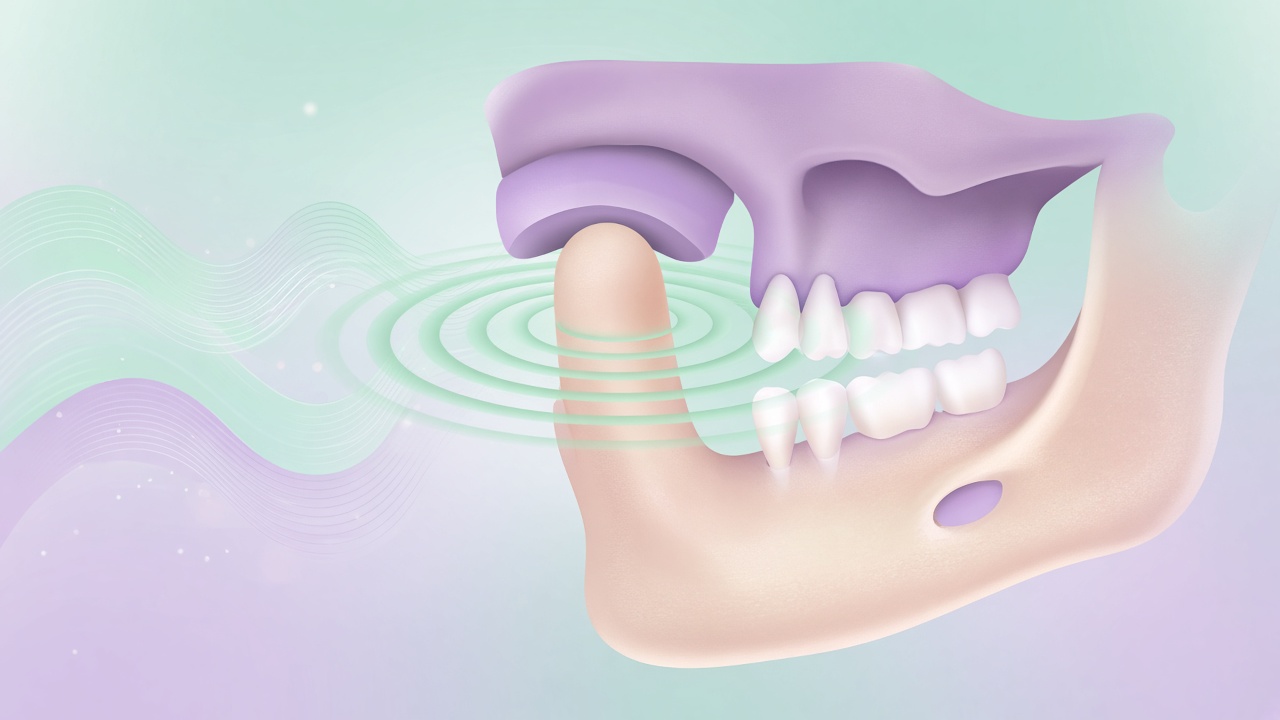
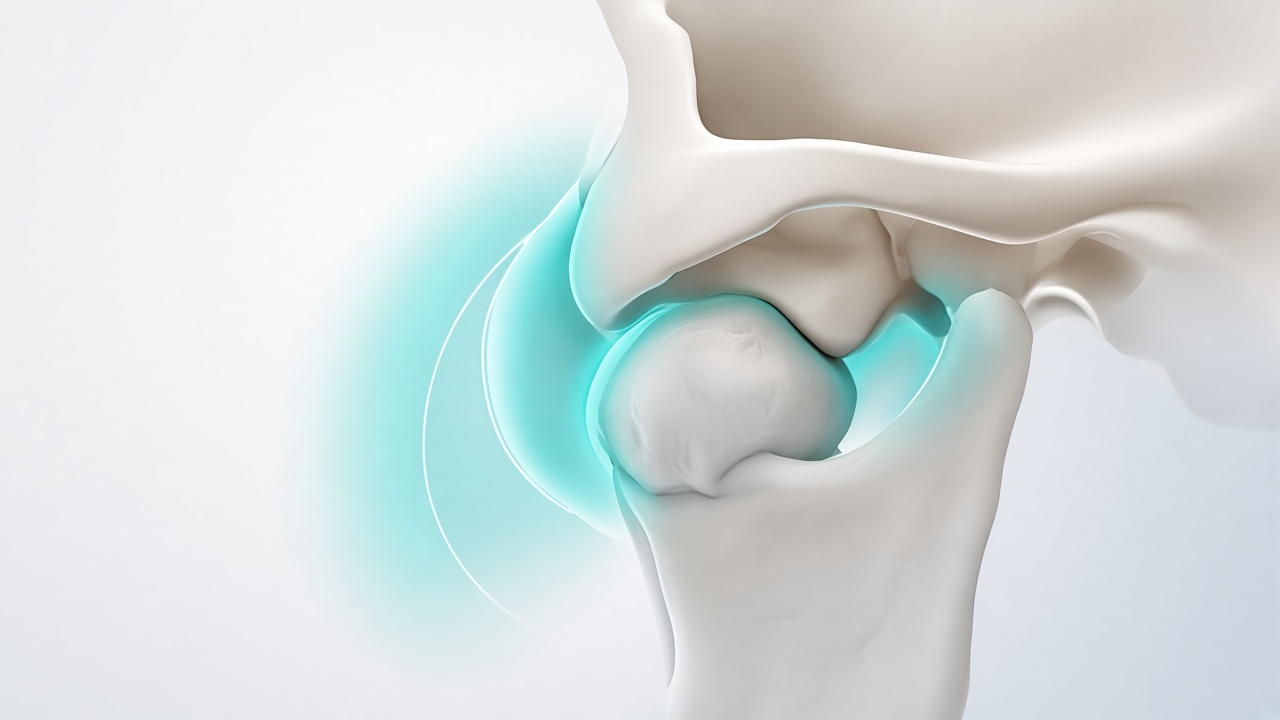
The temporomandibular joint sits just in front of the ear. Place your fingers there and open — you feel the condyles move. Right and left work together: the jaw is one bone, so a problem on one side often changes load on the other. Between the condyle and the temporal fossa sits the articular disc — a cartilage pad that cushions and guides motion. Around it — capsule, ligaments, synovial fluid. Chewing muscles raise, protrude, and return the jaw. Teeth close the system with contacts: how you bite sets the daily and nightly workload for muscles and joints.
When coordination holds, you chew, speak, and yawn without thinking about the joint. When coordination fails, sound, pain, muscle fatigue, limited opening, or a sense of instability appear. Failure can sit at different levels: the disc shifts relative to the condyle, a muscle enters hypertonus, a tooth contact creates interference, night clenching keeps the joint under constant tension, trauma changes anatomy. Often several factors work together.
I draw a simple sketch: skull — fossa — disc — condyle — muscles — teeth. Latin stays in the chart. You need a behaviour map: what to eat this week, when to return, which symptoms are urgent, which studies truly help.
In Dubai the Russian abbreviation ВНЧС meets English TMJ/TMD from expat chats. Strictly, TMJ is the joint; TMD is the disorder group. Everyday talk mixes them. At the visit I ask what bothers you: sound, pain, lock, headache, ear, bite aesthetics. Otherwise we treat a word, not a person.
Another confusion: “I have TMJ arthritis” when a scan shows age change without clinic, or strong pain with a “clean” image. Clinic outweighs the label. Labels help doctors talk. Function and a phased plan help patients.
I sometimes compare the TMJ to a door hinge used thousands of times a day. If the hinge clicks without pain and the door opens fully — one talk. If the door jams, hurts, and squeaks louder — another. Analogies limp, yet they strip magic from the abbreviation. The joint is living tissue: fluid, cartilage, muscle, nerves. It tires, inflames, adapts. Adaptation is not always disease. Sometimes it is a new way to work with a click and without pain.
Children and teens also ask what TMJ means, usually after a school dentist heard a click. A growing patient differs from an adult with twenty years of bruxism. I do not copy an adult plan onto a teen and I do not frighten parents with adult surgery stories from a feed. Age, growth, gum habits, mouth breathing, and desk posture enter the talk separately.
Dysfunction is not one diagnosis and not a verdict
The word “dysfunction” sounds like a final verdict. In practice it is an umbrella over different states: muscle pain, disc displacement with a click, limitation without loud sound, bruxism with wear, contribution from a tooth or ENT pain. One scheme cannot cover everyone.
I avoid “you have TMJ” as a fracture-level label. I speak more concretely: today’s symptoms, exam findings, working hypothesis, first steps. Prognosis depends on phase and response. I work on pain reduction, function return, and clear control — without promising total silence to everyone. The plan starts with your goal in your words.
Below — three layers I separate in conversation so the umbrella does not turn into fog. Different goals — eat without pain, sleep through the night, decide on orthodontics — lead to different first steps under the same umbrella.
Muscle layer
Chewing muscles tire from clenching, gum, one-sided chewing, long dental opening, stress. Pain often sits at the temple or jaw angle and refers to ear or head. A click may be absent. Palpation that reproduces familiar pain is a key clue. The muscle layer often responds to load regime, sleep, sometimes a splint when indicated, and habit work. This is not “imagined pain.” It is the biomechanics of an overloaded muscle.
Joint layer
Here we talk disc, condyle, capsule, fluid, sometimes degenerative change. Click, crepitus, lock, pain precisely in front of the ear on motion — common markers. Not every click needs complex care. Not every “clean” panoramic rules out soft-tissue trouble. Imaging and care type follow clinic. I do not frighten with age-related arthritis on a scan if function is good and pain is absent. I also do not soothe with “scans are fine” when clinic is heavy — we dig further when indicated.
Occlusal and behavioural layer
Tooth contacts, missing teeth, prematurities, the habit of holding the jaw in “combat readiness,” fist sleep, night grinding — all change input for joint and muscles. Orthodontics works in this layer when it moves teeth. So the bite–TMJ link exists as a topic, not as the slogan “fix the arch — cure the joint.” We unpack the link by case, not by slogan.
Behaviour is underrated. A person keeps teeth lightly together all day “to stay focused” without noticing. By evening muscles burn, the temple aches, the joint “complains” with sound. In the chair the arch looks even, scans look calm — and the patient hears “nothing is wrong” while pain is real. I hunt muscle and behavioural contribution as seriously as joint contribution. Otherwise people leave feeling the pain was invented.
Stress in Dubai has a local colour: moves, visas, children’s school calendars, night calls to another time zone. I am not a psychotherapist and I do not replace one. I name jaw clenching as a body skill you can notice and soften while we work the joint. Sometimes a parallel specialist helps — that strengthens the team; it is not patient weakness.
Symptoms you hear most often
TMD symptoms cross daily life: chewing, talking, yawning, sleep, laptop work. People most often name a click or crackle, joint or muscle pain, morning stiffness, limited opening, fatigue on firm food, temple headaches, a “floating” bite feel, ear pain or fullness without otitis, less often a lock.
One symptom rarely equals one diagnosis. Ear pain needs ENT logic in parallel. Headache needs neurological common sense. In Dubai I often hear “worse after a flight” or “locked again on a deadline” — waves of muscle background. A 7–14 day diary shows rhythm better than one loud day. A painless click and a lock with swelling never get the same “one size for all” advice from me.
Below — three complaint groups I unpack separately so the mix stays clear.
Sounds: click, crackle, crepitus
A click is short. Crackle or crepitus lasts longer and feels “sandier.” Patients mix words, so I ask you to show the motion and say whether sound rides opening or closing, with pain or without. Sound without pain and without limitation often allows a calmer path. Sound with pain and progression lowers the exam threshold. Loudness for bystanders is about social discomfort, not automatic disease severity.
Pain and muscle fatigue
Pain may be sharp or dull, local or diffuse, morning or evening. Fatigue chewing steak or dense bread often marks muscle overload. Night pain that wakes you is a red flag for a sooner visit. Analgesics “mask” the picture: tell me what you took and whether it helped. I do not judge. I need the true background.
Limitation, lock, “floating bite”
I measure limitation in millimetres. “Feels smaller” without a number compares poorly a month later. A lock means the jaw stuck; patients sometimes help with their hands. A “floating bite” means teeth meet differently at different moments; it can come from spasm, contact change, or hunting for a “comfortable” position. Causes separate only in the chair.
I also ask about speech and singing, wind instruments, diving masks, long dental sessions. Not because each is “guilty,” but because unusual opening time often triggers a wave in people with a sensitive joint. If you are a musician or athlete — say so early. Daily plans then stay realistic.
Another symptom people hide: sound on a date or in a meeting. Social shame is real. I do not treat shame with an appliance. I help weigh the medical meaning of the sound so shame does not push toward needless surgery or keep you ignoring real pain.
How I unpack the complaint at the visit
First — your words without forced medical jargon. Then timeline: when it started, what changed, what you tried. Face and opening path. Muscle and joint palpation. Range measurements. Teeth and contacts. Questions on sleep, grinding, gum, sport, stress, trauma, long dental sessions, past orthodontics, guards.
At TMJ diagnosis I decide whether clinic is enough or a scan must answer a specific question. Panoramic, periapicals, sometimes CBCT, referral for MRI — tools, not a ritual for everyone. I do not assemble universal “TMJ lab panels.” If I suspect a systemic background — I say so openly with colleagues and with you.
First steps are often modest: reduce load, drop harmful habits, soft diet at a pain peak, sleep, sometimes a splint, control at a clear interval. Acute pictures move faster. Calm pictures do not inflate volume. Care pathways sit on the TMJ treatment page.
I record your goal. “I want silence,” “I want to eat without pain,” and “I want to know if aligners are allowed” are different routes. Without a goal an appliance becomes decoration for fear.
An online consult from a wide-open mouth photo does not replace palpation. It may help decide how soon to travel. Diagnosis needs an exam.
On follow-ups I compare not only “feels better,” but opening numbers, palpation, diary, and splint wear if any. Vague “better” fools doctor and patient. If worse — we change the step earlier, not wait for the end of an internet “course.” If stable and good with a residual click — we discuss honestly whether more care is needed or control is enough.
Sometimes I involve a restorative dentist, periodontist, oral surgeon, ENT, or physiotherapist. A team is not a life sentence of severity. A team is a way not to treat another specialty with my tools. I explain each role so you do not feel bounced.
Where orthodontics meets TMJ — and where it does not
Orthodontics changes tooth position and contacts. Joint and muscles answer the new regime. Sometimes the answer helps: fewer traumatic contacts, easier chewing. Sometimes force is early and harmful during acute dysfunction as “let’s align in parallel.” Sometimes a click remains after an ideal arch because the disc had its own history. I say this before agreement so “braces will cure TMJ” does not become the only success metric.
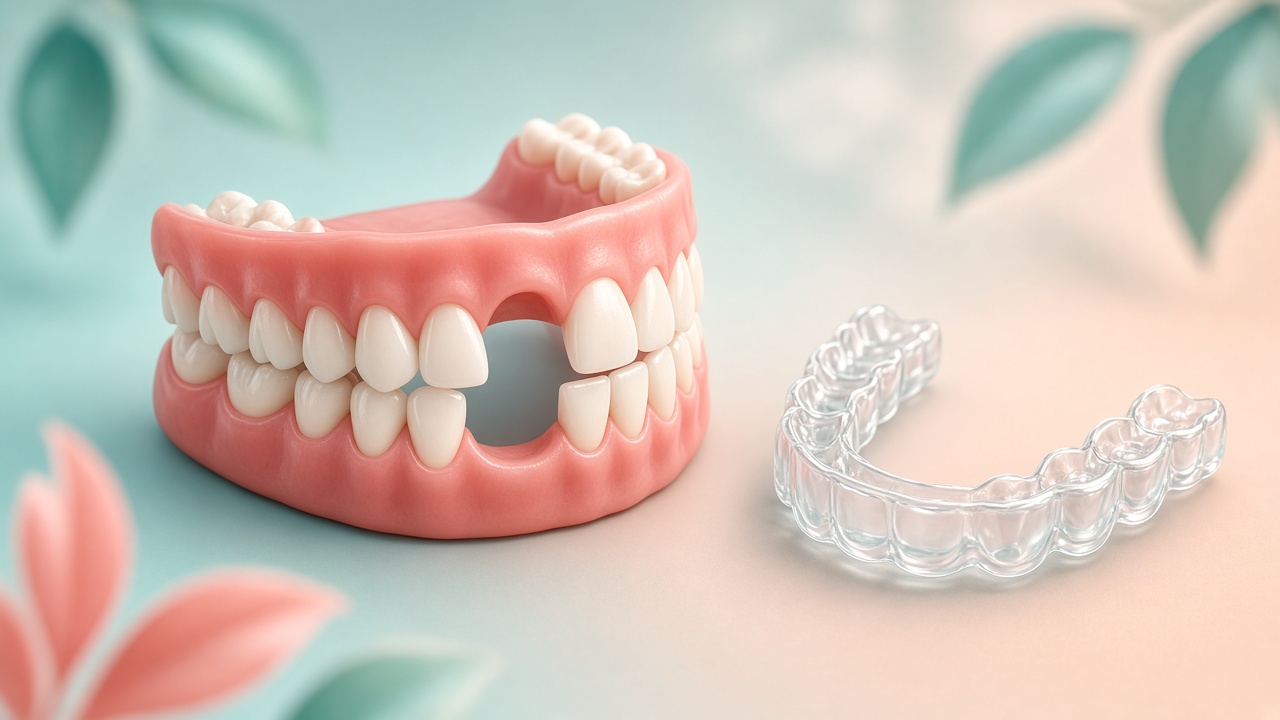
Some cases need an orthodontic stage after stabilisation: restoring support, spreading load, preparing prosthetics, removing a clear occlusal interference. Some cases need splint, muscle work, time, and neighbouring specialists as the main tools. Choice follows diagnosis, not an advert for “guard + aligners as a combo.” Honest expectation agreements save months of disappointment better than any pretty appliance in a window.
Below — three chair rules I use.
Phase first, force later
Acute pain, lock, sharp limitation — stabilise first. I do not place active orthodontic force at the peak of joint pain to hit a wedding calendar. I respect calendars; I respect joint biology more.
Document the joint before orthodontics
If it clicked before start — we record it. If it hurts mid-course — we compare with baseline instead of guessing. Documentation protects both patient and honest review.
Do not sell joint silence as a “smile package”
Arch aesthetics and joint health can travel together. They do not replace each other in a contract. If goals mix — we write both goals and control criteria.
Patients after forum reading sometimes demand “fully cure TMJ, then any braces.” Perfect joint silence as an absolute pre-op criterion is not always reachable and not always clinically mandatory. More important: leave acute pain and locks, understand stability, agree on risks. A calm non-progressing click with good function is often compatible with orthodontics under honest information. Acute dysfunction is not. I set the border at exam, not a headline.
The reverse myth also harms: “TMJ means orthodontics is banned forever.” A ban without exam is fear marketing too. After stabilisation many patients complete an orthodontic stage with joint monitoring. The decision stays individual.
Myths that get in the way before the joint does
Before the chair, patients already finish a school of chats. There, arthritis, neuralgia, “pinched nerve,” “must relocate now,” “marketplace guard will save you,” and “braces always kill the joint” mix together. I spend part of consultation unpacking myths because myth drives expectation harder than anatomy.
A myth is not cured by argument. It is cured by exam and a clear plan: opening measurement, palpation, a scan when needed, a second opinion. I do not mock what you read. Sometimes a chat correctly suggests less gum. Sometimes it suggests filing canines at home. The difference is critical. Below — three durable stories I meet in Dubai almost every week. After each myth I offer one concrete action for this week: softer load, an exam booking, or calm watching with a dated control.
“If it clicks, it is already arthritis”
A click more often speaks to disc–condyle kinematics than to a final stage of cartilage destruction. Arthritic scan changes can exist without a loud click. Clinic and image are read together. I do not label “arthritis” from a cafeteria sound and I do not promise “cartilage will regenerate by miracle.” I talk today’s function and trend watching.
“One guard cures every TMJ problem”
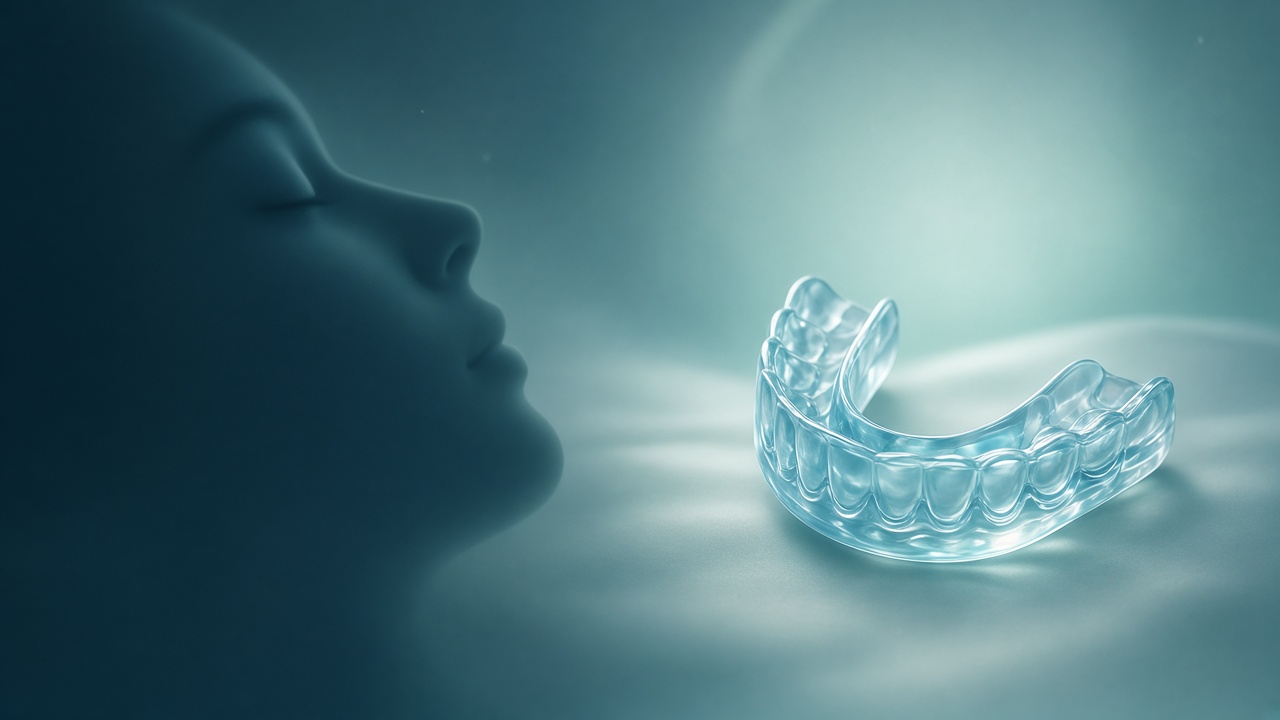
A splint is a tool with indications, type, fit, and control. A universal box guard may help briefly or harm for long. Prescription follows exam, not advertising. If a guard raises pain or wedges the bite — we stop and revise, not “endure the course.”
“Everyone needs an MRI”
MRI is powerful for soft tissues when a question exists. Ordering it for every person who typed “TMJ” into a complaint breeds spare labels and anxiety. Clinic first. Then a study that changes a decision. If MRI already exists — bring disc and report; we read them against your symptoms.
Language of reports matters in Dubai. Some papers arrive in English as TMD; some in Russian as “ВНЧС dysfunction.” The umbrella meaning is one. I translate paper into today’s symptoms. An old label without current pain does not inflate today’s plan. Current pain without a pretty label still gets a plan.
What to expect from diagnosis without magic promises
Diagnosis answers: what hurts, what clicks, what limits, how urgent, which first step is safer. It does not issue a certificate “joint perfect forever.” After diagnosis you should understand the working hypothesis, the plan for the coming weeks, improvement criteria, when to revise, which studies were done and why, and what we do not promise.
I speak honestly about uncertainty. Some states run in waves. Some people keep a click with good function. Some need longer management. Surgery is a rare end of a long indicated road, not a start from anxiety after one lunch click. If someone promises full cure of any TMD with one appliance on a fixed deadline — ask about criteria and what happens if sound remains.
In Dubai insurance rules and appliance cover differ. The policy administrator confirms details. I describe clinical need; I do not sign the insurer’s payment guarantee.
Diagnosis takes different time. Sometimes one visit lowers panic and sets a regime. Sometimes we need a series of observations, a splint try-in, clarifying images. I say roughly how many steps I see and where the fork sits. If the picture changes mid-path — we rebuild the plan aloud. Quiet “we’ll see” without criteria irritates more than honest uncertainty with control dates.
AED prices come after volume is clear, with a price-list date caveat. An advert “TMJ diagnosis package” often hides what is included. Ask for the list: exam, which images, guard or not, how many controls. Transparency beats a pretty package name.
While you read, it already helps to note click side, pain presence, and what intensified the complaint over the last fourteen days — that speeds the first consult more than perfectly memorised terms.
The table below is the plain-language dictionary I use at consultation.
| Term you hear | In plain words | What you usually feel | What I check at exam | Common next step | What I do not promise |
|---|---|---|---|---|---|
| TMJ | Jaw joint by the ear | Motion on opening | Palpation, jaw path | By complaint | “Perfect joint” |
| Dysfunction / TMD | Out-of-sync work | Pain, sound, fatigue | Symptom cluster | Regime / deepen | One drug for all |
| Disc | Pad inside the joint | Click, sometimes lock | Clinic ± MRI if needed | When indicated | Relocate by video |
| Bruxism | Clench / grind | Wooden mornings | Wear, muscles, sleep | Splint when indicated | Erase stress with a guard |
| Splint | Individual appliance | Unload / comfort | Type and fit | Control visits | Cure the joint forever |
| Crepitus | Sandy noise | Longer than a click | Pain, range | Imaging if needed | Ignore if climbing |
| Lock | Jaw stuck | Need to “click through” | Frequency, trauma | Urgent review | DIY video self-help |
| Occlusion | How teeth meet | “Floating bite” / hit | Contacts, arch | Orthodontics later sometimes | “Arch = silent joint” |
Life in Dubai and complaints that run in waves
TMD often does not travel in a straight line. One week easier, one week heavier. Dubai adds flights, sleep shifts, hot season with AC and dry air, dense work weeks, children’s school calendars. I do not blame the climate for the joint. I account for a background that amplifies muscles.
Patients sometimes wait for “a perfect day without a click” as the only success metric. For many people a fairer metric is: eat without pain, open enough for dentistry and an apple, sleep without jaw waking, and have a plan for flares. A click may remain as background. If function is good and pain is manageable — that is not automatic treatment failure.
I ask for three markers once a week: pain 0–10, opening “usual / worse / better,” sleep. A short note beats memory of “seemed fine.” At control we read markers with palpation. That turns TMJ treatment into shared work, not waiting for a miracle from one visit.
If you move between countries and already collected reports — bring them. I compare them with today’s clinic. An old “TMD” label without current symptoms does not dictate today’s volume. Current pain without old papers still gets a plan.
Frequently asked questions
Below — short answers to questions that follow “what is TMJ dysfunction.” I keep a cautious tone: joint topics frighten people, and empty promises harm more than honest uncertainty. Use the list to prepare for a TMJ diagnosis visit or a TMJ treatment talk. If pain, lock, or limitation already blocks life — book and describe the trend. I would rather answer an imperfect question in the chair than leave you with perfect text and rising pain without a plan. The cautious tone is deliberate: I do not sell joint guarantees and I do not replace an exam with a blog paragraph. Bring your own wording; clinical meaning beats a perfect title. A dated note of what changed over two weeks helps the first visit more than new jargon.
Is TMJ a disease?
TMJ is a joint. Disease or disorder appears when symptoms and function loss show up. Having a joint is not a diagnosis. Diagnosis grows from complaints and exam, sometimes from imaging when a question exists.
How does TMD differ from a click?
A click is one possible symptom. Dysfunction / TMD is a wider umbrella: pain, limitation, muscle overload, joint changes, and mixes. You can click without clinically meaningful daily dysfunction. You can have dysfunction with almost no click.
Does it get cured completely?
For some people symptoms quiet markedly and function returns. For some a manageable background remains. I do not promise total disappearance of every sound for everyone. I promise an honest plan, control, and clear goals.
Do I need an orthodontist or a “TMJ specialist”?
An orthodontist experienced with joint and occlusion can manage many cases and coordinate colleagues. Complex joint scenarios sometimes need an oral-maxillofacial surgeon or another profile. The route follows findings, not a shopfront title.
Can MRI diagnose without an exam?
A scan without clinic often creates spare labels. Exam comes first. MRI answers a question born in the chair. Exceptions are rare and individual.
Are headaches linked to TMJ?
Sometimes yes through muscles and overload. Sometimes no. Headache cannot be auto-assigned to the bite. Strong, new, one-sided pain with neurological signs needs specialty assessment first.
What can I do before the visit?
Reduce gum and very hard food at a pain peak, note chewing side, sleep and grinding, medication list, old radiographs. Do not relocate the jaw from videos. Do not file teeth at home. Book sooner if pain, lock, or limitation climbs.
When is it urgent?
After trauma with climbing pain, with locking, with a sharp drop in opening, with swelling, with night pain that breaks sleep. Then an exam matters more than a perfectly curated internet folder.
If the main leftover question is “what is TMJ in my case,” only an exam answers. This article explains language and borders. Your joint, muscles, and Dubai daily life I see in the chair. Come with a timeline and without demanding a miracle in one visit: that is how we reach a working plan faster.