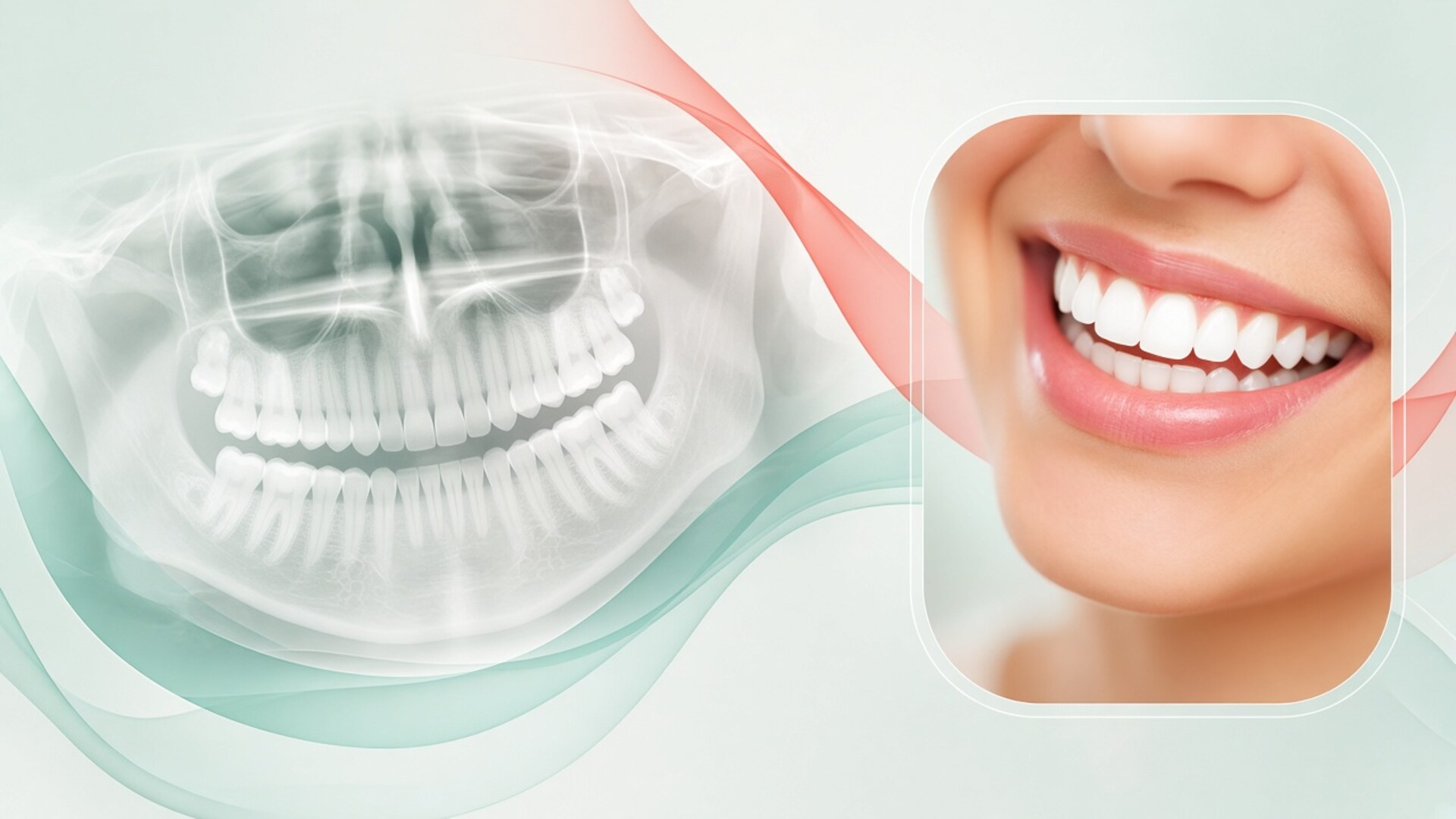
Adults in Dubai often arrive with one sentence: “I just want it straighter.” Under that line sit different requests — a gap on Zoom, lower-incisor crowding, a rotated canine that bothers them in the mirror. Aesthetic bite correction sounds like cosmetics, yet I, Dr. Maksut Behruzoglu, specialist orthodontist, PhD, separate arch beauty from gum health, joint comfort, and chewing load first. A straight front on a photo does not prove calm contacts, roots inside bone, or stable recession. Adult orthodontics reviews from 2022–2025 agree: teeth move in adults, tissue response is slower than in teens, and recession risk rises with a thin biotype and aggressive smile widening. The American Association of Orthodontists (AAO) and recent European reviews stress diagnosis and retention in adult finishes — I bring that into the chair as a required talk, not a slogan. Below: where “I want it prettier” meets “this needs treatment,” what a short aesthetic plan can close inside adult orthodontics, and why I do not sell “front teeth only” without an exam. I do not approve an aesthetic finish from a selfie alone.
What patients mean by aesthetics
A patient says “aesthetics” and shows a filtered phone photo. I hear a concrete list: midline, incisor inclination, gum display on smile, shade, edge shape. Orthodontics closes some of those items. A prosthodontist or bleaching closes others. Some remain a compromise of face and bone that a wire cannot rewrite. Mixing those layers is the main source of disappointment after debond.
In the chair I ask for one main goal in your words before we talk systems: “straighter on camera,” “close the gap after extraction,” “derotate the lateral,” “soften the gum line visually.” Without a goal, the appliance is decoration. In Dubai a second language of the request often sits nearby: “so it does not distract in meetings.” That is aesthetics too — social aesthetics. I write it next to the clinical goal and I do not promise that someone else’s Instagram becomes your finish.
Adult treatment shame muddies the language. People hesitate to say “I care about beauty” and mask the request as “bite health,” even when chewing is calm, gums do not bleed, and the joint is quiet. I allow an aesthetic goal out loud. Honest aesthetics beat fake “medicine for the checkbox.” The reverse is also true: if bleeding and wear already exist, hiding them under “I want it prettier” is risky — the plan must hold both layers.
Start photos in front view, profile, and full smile help memory a year later. The eye adapts to a new arch and forgets the old rotation. I ask for those frames before bonding, especially in a short aesthetic course where millimetre arguments flare at the finish.
Another language layer is “align my teeth,” which patients search next to aesthetics. Under it sit both a light incisor twist and a full-mouth rebuild. At the visit I ask again: align what, for which life scene, with what time and retention budget. Clearer vocabulary means fewer surprises at debond. A relative with an “ideal” smile after a full course is a poor template for your short aesthetic plan: volumes differ, bone differs, restorations differ.
I also ask who else will judge the result: a partner, a manager on camera, a wedding photographer. An outside judge changes finish psychology. If that judge loves a Hollywood-wide arch and you have thin bone at the incisors, name the conflict before start. Otherwise you bring someone else’s taste into the chair at month twelve and demand “a little more expansion.” Aesthetics without a taste agreement becomes endless refinement.
When uneven teeth are beauty — and when they are function
Mild lower-incisor crowding in an adult with healthy gums often sits closer to aesthetics. A deep bite with front wear, a crossbite that wounds the cheek, an open bite that affects speech and chewing — that is function. The border is not “how crooked it looks,” but complaints, contacts, periodontium, and films.
I look for traumatic occlusion: one tooth hits first, enamel chips, you feel a high spot after meals. Then alignment and load redistribution are not a mirror whim. If there are no complaints, gums are calm, chewing is comfortable, and only a light rotation bothers you on photos — we name the plan aesthetic and discuss volume, risk, and retention without dressing it up as “urgent treatment.”
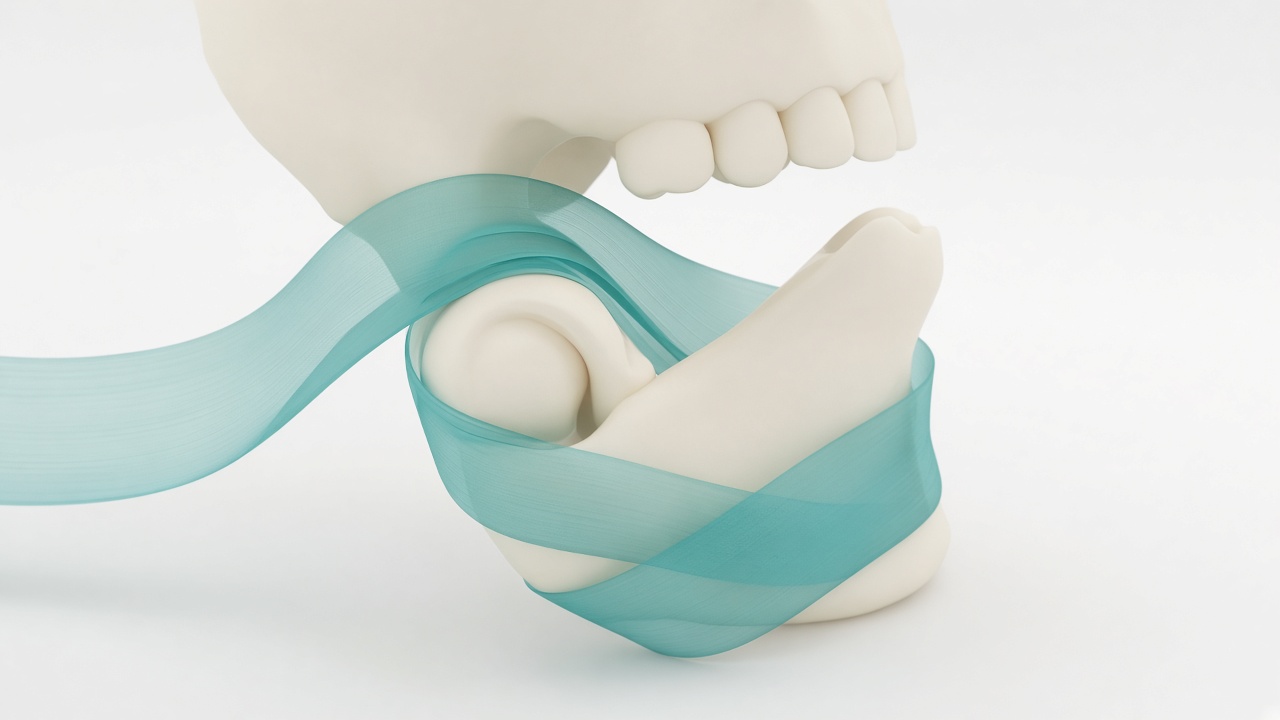
The joint and muscles enter separately. A click without pain and without limited opening is not an automatic ban on an aesthetic course, and not an automatic promise that the arch will “cure TMJ.” Pain, locking, morning muscle fatigue — reasons to widen diagnosis before force. I do not sell alignment as universal joint therapy.
Wear and chips on front teeth often bring adults asking to “make it beautiful.” A prosthodontist may offer veneers. I ask why enamel is leaving: deep bite, bruxism, erosion, old trauma. If the cause is contact and tooth position, ceramic over the old axis can chip again. Sometimes we move first, then restore. Sometimes with a stable bite prosthodontics proceeds without orthodontics. The choice follows examination, not an “smile in a week” ad.
Periodontium draws a border too. Bleeding on brushing, odour, mobility — stabilise first, then any aesthetic force. Moving a tooth for a photo during active inflammation risks support. I delay bonding without arguing about “lost weeks before holiday.” A pretty arch on soft bone is a bad deal.
Speech and tongue habits sometimes hide under “crooked teeth.” An open bite with interdental lisp, immature swallow, constant tongue pressure on incisors — reasons to discuss myofunctional support beside the appliance. Orthodontics without the habit often returns the gap. I do not promise that one wire retrains the tongue; I call in adjacent specialists when the picture points there.
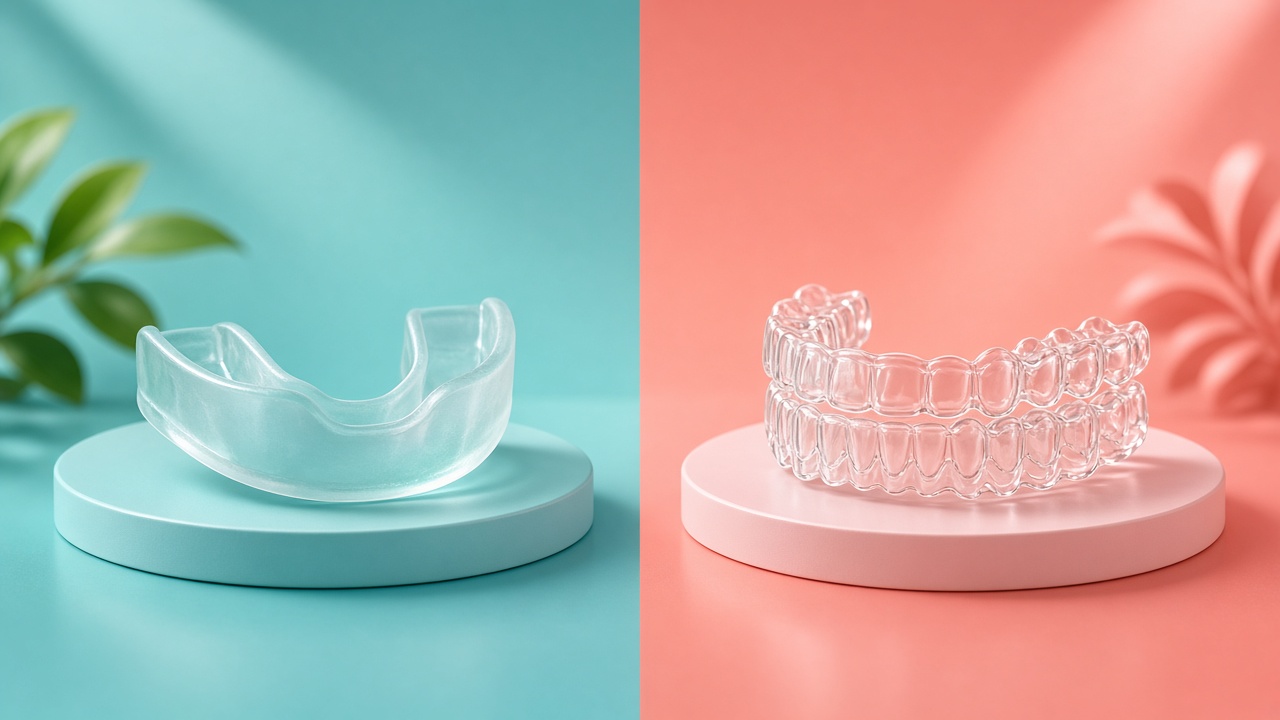
Night grinding changes the aesthetic forecast. Bruxism wears edges, breaks ceramic, and overloads the front after alignment. A night guard in retention or alongside aligners is a separate talk. Ignoring grind and demanding “thin model edges” is a path to chips within a year.
Aesthetic bite correction: goals, limits, trade-offs
Aesthetic bite correction in adults is dosed movement where the main goal sits in the smile zone and force volume respects periodontium and restorations. It is not “lazy lite treatment” and not “a full course with the finish cut off.” It is an agreed horizon: what counts as success, what we leave, what needs stricter retention. In Dubai this request is common after thirty in mouths that already carry crowns or veneers: people want the line improved without rewriting the whole mouth.
I separate three horizons. First — cosmetic micro-shift: millimetres at the front with calm rear contacts. Second — aesthetics plus light function: close a traumatic contact, improve midline within reason. Third — a full adult course where aesthetics is part of a larger job. Patients sometimes ask for the first horizon while the mouth shows the third. Then I draw the fork before payment, not at month six. Below is how I unpack goals so “prettier” does not surprise bone.
What sits inside an aesthetic goal
Midline relative to the face, crown inclination of smile-zone incisors, canine and incisor rotations, visible crowding, a gap after extraction or migration. Sometimes — soft closing of “black triangles” through root position and contact shape, with a caveat: the papilla does not always catch the dream. Enamel shade and edge form are not orthodontics — that is prosthodontics and restorative care.
I name the expected smile at rest and on camera. A Dubai camera smile is often wider than a life smile: patients judge the arch by Zoom and selfie. The plan holds both contexts, or a “bathroom mirror” finish fights an “screen” finish.
Where I draw volume limits
Thin labial bone at incisors, active recession, unstable periodontium, a wish to “widen like a creator” in a narrow alveolus — stop factors for aggressive aesthetic expansion. I show bone reserve on the film. A wide-arch promise at any cost in a thin biotype buys root exposure risk.
Facial skeletal disharmony also limits “teeth-only aesthetics.” If profile and bite need surgery or a large compromise, a short front plan can improve the arch and leave the face as it was. I say that before start. You choose between local arch beauty and expecting “another face.”
The compromise I write aloud
An ideal model arch and gum comfort sometimes fight. Then we lock a compromise: a little less Instagram ideal, more bone reserve. Or the reverse — you accept risk and tighter periodontal control. Without a written compromise the finish becomes an argument that “you promised ideal.” I promise an agreed plan and honest control, not someone else’s filter.
Retention after a short aesthetic course is often psychologically harder: patients think “we moved little — I can skip the retainer.” Biology disagrees. A light shift without retention returns as surely as a large one. Night retainer and month-scale checks belong in the agreement.
Veneers, whitening, and orthodontics in one smile wish
An adult “beautiful smile” request in Dubai almost always compares three doors: aligners or braces, veneers, whitening. The doors solve different jobs. Orthodontics moves roots and changes axes. A veneer changes surface form and shade. Whitening changes shade of natural teeth. Mixing doors means paying twice or getting ceramic on crowded roots.
I do not rank methods as “right” versus “wrong.” I unpack which tool closes your goal without extra bone risk and without promising eternal ceramic. If roots are crowded and you want veneers “instead of alignment,” the prosthodontist removes more enamel and places shells on crooked geometry. Sometimes that is a conscious choice. I name the enamel price and remake outlook. If the arch is nearly straight and shade and edge form bother you — prosthodontics may proceed without orthodontics.
Below are three forks I speak through before a “fast smile” choice.
When orthodontics makes more sense than veneers
Marked crowding, strong root tipping, traumatic contact, a wish to keep enamel. Then we move first, retain, then decide if ceramic is needed. Shell form then matches the new axis. The timeline is longer than “veneers in two weeks.” The chance that a chip repeats on the same axis a year later is lower.
Adults after thirty often fear time more than prep volume. I put both risks on the table: months of force versus irreversible enamel removal. The choice is yours; my job is to name the exchange aloud.
When veneers or composite close the request without movement
A local chip, single-tooth discoloration, mild edge asymmetry with calm axes and a quiet bite. The prosthodontist or restorative dentist closes the picture. Orthodontics here is extra calendar load. I say that even if you came “for aligners.” An honest specialty border protects trust better than a forced course.
If veneers already sit and you want “a bit straighter,” bonding risk to ceramic gets its own talk. Sometimes we choose aligners with minimal volume. Sometimes we leave the arch and refresh form with the prosthodontist only.
Whitening next to the plan
Natural teeth lighten differently from ceramic. Whitening before or after orthodontics follows enamel and restoration status. I do not promise “shade like the neighbour’s veneer.” And I do not place whitening into active gum inflammation. Colour aesthetics is a separate calendar, not a free bonus with the wire.
In Dubai coffee, saffron, smoking, and tea drive re-staining. That is lifestyle, not morality. A shade plan accounts for habits, or the finish looks “yellower than hoped” six months later.
Appliances I discuss for an adult aesthetic plan
The system follows diagnosis and goal, not feed fashion. Metal braces, ceramic, lingual systems, aligners — working tools. For a short aesthetic front, aligners or partial mechanics often suffice when biomechanics allow. For strong crown-inclination control and complex moves, metal or lingual mechanics can be more predictable. I do not call one legitimate method “worse” to sell transparency.
Hygiene and wear discipline decide more than brand. Aligners off the teeth for long hours do not move the plan. Braces without cleaning around brackets buy white spots at an aesthetic finish — bitter irony for people who came for beauty. At adult orthodontics consultation I check protocol readiness as carefully as crowding. Crowns and veneers enter the talk at once. Below are three appliance-choice scenarios before payment.
Aligners in an aesthetic focus
Clear trays suit cameras and flights. They need hour discipline and composite buttons (attachments) where biomechanics ask for grip. Light incisor rotation often closes predictably. Complex root control, strong extrusion, some torque tasks need either plan refinements or an honest switch of mechanics. I build possible extra aligner series into the timeline talk rather than selling the first series as a forever finish.
Removability helps a wedding and hurts the forgetful. A tray in a case on the table does not move a tooth. I ask you to judge your real life: dinners, sport, the habit of “five minutes off.” Five minutes three times a day becomes a hole in the plan.
Braces: metal, ceramic, visibility
Metal remains a working control standard. Ceramic shows less on photos and needs care with ligature staining and hygiene. For an aesthetic request ceramic often sounds like “less visible, enough control.” I warn about bracket bulk and ceramic-bracket fracture risk on careless biting — lifestyle, not drama.
Partial bonding on the front only sounds tempting. Sometimes it works with stable rear contacts. Sometimes molars must enter or the front drifts relative to support. Models decide, not a wish for “minimum metal.”
Lingual systems and public roles
Brackets on the tongue side hide from the smile line. Speech and tongue adapt for weeks. For meetings and stage work this is a common Dubai choice. Visits can run longer; hygiene needs skill. I promise a different comfort trade-off, not “invisible with zero effort.” If speech is critical to your job, we buffer adaptation before key dates.
Switching systems mid-course is possible and costlier in time and money. Better to choose honestly at start than “begin with trays and see” without switch criteria.
Timelines, smile zone, and retention: how to read expectations
Adults ask for one number of months. I give a range after diagnosis. A light rotation and marked crowding with prosthetic prep live on different calendars. Comparing yourself to an ad that promises “a smile in three months” is useless: you do not see periodontium, movement volume, or wear discipline in someone else’s reel.
The table below is consultation language, not a price list and not a guarantee. Your case may sit in the short column by wish and in the middle column by bone.
| Question | Short aesthetic focus | Mid aesthetic + light function | Full adult course | What I check before promising time | Honest limit without exam |
|---|---|---|---|---|---|
| Typical goal | Rotation, gap, mild front crowding | Midline, front contacts, light correction | Full arch, prosthesis, periodontium | Photos, models/scan, complaints | “Three months for everyone” is false |
| Periodontium | Must be stable | Stable + monitoring | Often joint plan | Bleeding, pocket, biotype | Force on inflammation is a bad deal |
| Restorations | Account for veneers/crowns | Prosthodontist link required | Often pre-prosthetic | What moves, what anchors | An implant does not move with the wire |
| Appliance | Often aligners / partial mechanics | By biomechanics | Full mechanics as planned | Hygiene, discipline | Brand ≠ timeline |
| Retention | Night wear + checks; no “we moved little” discount | Removable + fixed as planned | Often long emphasis | What you will wear after | Without retention the arch returns |
| Finish aesthetic risk | White spots if hygiene fails | Recession if force is aggressive | Face/bone compromise | Incisor bone thickness | I do not promise gums “pull themselves up” |
| Dubai work life | Cameras, speech, visibility | Visits vs flights | Team calendar | Activation schedule | Shame does not replace diagnosis |
Read the table with three rules. First: the short column is not a hygiene free pass. Second: the full column is not a ban on looking better. Third: any aesthetic finish without retention is a temporary picture.
Online before-and-afters inspire and mislead: you do not see bone thickness, veneer prep volume, retention, or surgery. Look. Do not put someone else’s timeline in your calendar. At aesthetic bite correction we compare your mouth with your goal.
Another household myth: “front only means no retainer.” You need one. The periodontal ligament remembers the old place. A night tray or fixed retainer as planned is part of the aesthetic result, not an option “for anxious people.”
After debond I schedule denser checks in year one: one, three, six, twelve months — the corridor depends on relapse risk and retainer type. A missed check often matches the first “they moved a bit again.” Adults with lower-incisor crowding history are sensitive to night wear. I write that into the plan as firmly as the appliance brand at start.
White spots after braces spoil an aesthetic finish more than a light leftover rotation. Prevention is hygiene, fluoride when indicated, professional cleans on an agreed rhythm. If spots exist before treatment, we photo them: otherwise any chalky patch at finish is blamed on “braces.” An honest enamel map saves nerves on both sides.
Soft food for a few days after activation or tray change — less biting hard crusts with the front — is a dull tip and a strong way not to debond a bracket before an important shoot. An aesthetic course lives on lifestyle as much as on biomechanics.
Dubai: mirror, camera, and the “ideal” expectation
Camera work, tower meetings, wedding seasons, city hops — the local backdrop of an adult aesthetic request. Patients judge the arch in three mirrors: bathroom, selfie, Zoom. They lie differently. Zoom compresses perspective. Selfies warp the midline. The bathroom gives familiar light. I ask you not to judge the finish on one hard-filtered frame.
Travel and visas break timelines. Aligners travel more easily. Braces need activation visits. We build buffer before start, or “make the date” breaks force biology. I do not race wires for a calendar date if periodontium is thin. A wedding in eight weeks for a fourteen-month job is a reason for an honest temporary compromise (retain what we have, temporary composite aesthetics), not a miracle of faster bone.
Adult orthodontic cover in the UAE is often limited or absent; aesthetic coding is cut even more often. I name AED figures after a dated plan. Policy cover is confirmed by the insurer’s administrator, not a blog post. I do not invent regulator rules or third-party administrator tariffs. Check your benefit table with your broker before promising “the policy covers everything.”
Metal shame in meetings is a common reason to choose aligners or lingual systems. That is a valid comfort criterion. It does not replace diagnosis. A clear tray on inflamed gums does not become “safe aesthetics” because it is invisible. I prefer visible metal on healthy tissue to an invisible tray on bleeding gums — if we choose by health, not by stories.
If the goal is smile prep for veneers as a package, I bring the prosthodontist into one plan at once. Otherwise a straightened arch meets another taste of edge form six months later. Aesthetics likes one team: orthodontist sets axes, prosthodontist sets form and shade, you set budget and calendar. A three-way talk at start is cheaper than ceramic remake at finish.
Climate and habits enter the aesthetic protocol. Dry AC air dries lips and draws attention to the incisor line. Dust and caffeinated drinks stain aligners and ligatures. I give simple lifestyle rules without lectures: rinse trays, watch drinks with ceramic brackets, do not store a tray in a napkin on the meeting table. Small habits protect the “beautiful” frame you started for.
I welcome a second opinion. Aesthetic plans are emotionally charged: ideal promises sell easily. If another orthodontist draws a different volume — compare films, goals, and retention, not only AED price. A cheap short course without a retainer often becomes an expensive restart two years later. I leave the door open to refine the plan after a periodontist or prosthodontist: arch aesthetics rarely lives in one room. Booking an exam is the next step, not arguing with the mirror alone.
FAQ
Can I straighten only the front teeth “for beauty”?
Sometimes yes, if rear contacts are stable and front biomechanics will not break the bite. Sometimes no: the front drifts relative to molars, gaps or trauma appear. Models, photos, and contact exam decide. “Laterals only” without analysis is a lottery for the finish. I prefer to show on the scan which teeth enter force rather than argue in the abstract.
Is aesthetic bite correction always a short course?
No. A short horizon is possible with small volume. Crowding, periodontium, and restorations lengthen the calendar. I name a range after diagnosis, not before. Ignore ad timelines without an exam. Extra aligner series and hygiene pauses also belong in a real adult calendar.
Will orthodontics replace veneers?
Orthodontics changes tooth position. Veneers change surface form and shade. Sometimes ceramic is not needed after alignment. Sometimes edge form still needs finishing. Sometimes veneers proceed without orthodontics when axes are calm. Tools differ; choice follows goal and enamel status. Asking “which is better” without an exam fails: better for which job.
I fear recession from “smile widening.” Is that a common risk?
In adults with thin bone and thin gums — yes, if width is chased at any cost. I limit amplitude to bone reserve and periodontal control. I do not promise a model-wide arch in a narrow alveolus. Part of aesthetics is accepting the honest width of your envelope. Soft-tissue grafting is a separate periodontist talk when indicated.
Do I need X-rays if I only want “a little straighter”?
Yes. Panoramic film, and when needed periapicals or CBCT, to judge bone and roots. “A little” by patient eye can be a large root tip on film. Without imaging I do not prescribe force for the mirror. Bring prior films from another clinic — they can spare repeat exposure if quality and age allow.
Can I combine whitening and aligners?
Often yes on a calendar if enamel and gums allow and there are no active white-spot risks. We agree the protocol separately. Whitening does not speed alignment and does not replace retention. Shade and position are different plan axes. Ceramic restorations will not lighten with trays: we say that before expecting “one even tone.”
What if I stop an aesthetic course mid-way?
Some teeth stay in transit. Aesthetics can look worse than the start. Retention is still needed for what already moved. I discuss pauses early: travel, pregnancy, relocation. A sudden “enough” without locking the result is a bad deal for someone who came for beauty. Retaining what was achieved can save part of the investment.
How do I know my request is health, not only beauty?
Pain, chips from traumatic contact, bleeding, mobility, hard chewing, mucosal trauma — health layer. Dislike of a photo line with a calm mouth — aesthetic layer. Often both sit together. At consultation I unpack them separately so the plan does not mask one with the other. Write your complaints as a list before the visit: the talk gets shorter and sharper.