A first orthodontist consultation in my Dubai practice takes 40 to 60 minutes. In that time I listen to your concerns and goals, examine your face, teeth, gums and bite, check jaw movement and the joints, take a standard photo series and, in most cases, an intraoral scan. X-rays depend on your case: some patients bring recent films, others need a panoramic image or a 3D scan. By the end of the visit you have a clear answer on four points: whether treatment makes sense now, which options fit you, a realistic time range, and what is still missing for a precise plan. I write the final plan with a fee after the full diagnostic records are ready, which sometimes means a second visit. The American Association of Orthodontists (AAO) recommends a first check for children by age 7; adults can come at any age. Below, step by step: how to prepare, what happens in the chair, which questions to ask, and why some consultations end without a treatment plan.
Before the visit: how to prepare in two days
A good consultation starts at home. A patient with a short list of concerns and old X-rays gets more out of one hour than someone recalling their history in the chair. I need three things from you: records of past treatment, your questions written down, and an honest account of your health. Many of my Dubai patients have moved twice or more, and part of their dental file sits abroad. I work with what you have and note the gaps. At booking, the front desk asks about your main concern and any X-rays from the past year, so I can judge whether imaging may be needed on the day. If you are booking for a child, think about habits such as thumb sucking or mouth breathing. Three preparation steps save time for both of us.
Records and old X-rays
Bring anything dental from the last five years: panoramic X-rays (OPG), lateral skull X-rays (cephalograms), 3D scans (CBCT) on a disc or as a download link, dentists' reports, and notes from any extractions. If you have had orthodontic treatment before, before-and-after photos, models or scans, and details of your retainers all help. I read reports in English, Russian and Turkish, and I can work with other languages if you bring the images themselves.
I judge a foreign X-ray by its quality and its date. A clear panoramic image from last year often lets us skip a repeat exposure. A blurry film from five years ago tells me some history but not your current state. I decide on new imaging after the exam, never by routine.
Your medication list belongs in the same folder. Osteoporosis drugs, hormone therapy, blood thinners and diabetes treatment all change timing and tactics. Patients leave them out because "that is not about teeth." For an orthodontist, those drugs are about the teeth and the bone that holds them.
Your questions and goals
Write down what bothers you most. "Crooked lower front teeth." "A gap between my front teeth." "My teeth have shifted since braces in school." "My jaw clicks." "My dentist says I need an orthodontist before an implant." One or two lines give me a better starting point than a general "I want a nice smile."
Write your questions down too. People get nervous in the chair and forget half of them. A typical list: can this be done without braces, how long will it take, will I need extractions, how will it fit around work and travel, what does my insurance cover, how often will I need to come in. I answer each one. If the answer depends on X-rays, I say so.
Think about your calendar. A wedding in eight months, a relocation next year, a planned pregnancy, a long posting abroad. These facts change the choice of appliance and the schedule. I do not talk anyone out of treatment because of a move, but I build the plan around it.
Bringing a child or teenager
A child should come with at least one parent who knows the history: when baby teeth fell out, any injuries, adenoid or tonsil treatment, snoring at night. Teenagers over 13 or 14 often want to speak for themselves. I let them, because a teenager's motivation decides half of the outcome.
I do not put a small child under a bright light in the first minute. We start with introductions, a mirror in their hand, and an explanation in simple words. If a child is scared, we move part of the exam to the next visit. I will not force intraoral photos on a frightened six-year-old; a picture taken through tears shows nothing useful.
An early check ends in observation more often than in treatment. Parents should know that in advance so they do not expect an appliance on day one.
The conversation before the exam: concerns, goals and health
The consultation opens with a conversation, and I do not rush it. I ask you to describe in your own words what brought you in. Many patients start with appearance: "I don't like my smile in photos." Behind that line there is sometimes a functional problem. Biting into a sandwich is awkward, the gum behind the upper front teeth gets sore, or the temples ache in the morning. I ask follow-up questions and write your answers close to the words you use.
Next comes your dental history. Which teeth were removed and why. Any braces or aligners before, how long treatment lasted, and whether you wore a retainer afterwards. Crowns, implants, veneers. Gum treatment. This block takes a few minutes and saves hours at the planning stage. A patient who had braces as a teenager and lost the retainer looks similar in photos to someone who has never seen an orthodontist. Their plans differ.
I discuss general health without hurrying. Diabetes, thyroid disease, autoimmune conditions, bisphosphonates, smoking, pregnancy or plans for one. Some factors need a word with your physician. Others change how fast teeth move or how strict your hygiene has to be. I ask without judgement. I need the facts for the plan.
I also ask about sleep, snoring, grinding at night and clenching during the day. These habits affect the appliance choice and long-term retention. If I see signs of sleep apnea, I suggest an assessment with a sleep specialist. An orthodontist does not diagnose apnea, but we often spot the signs before anyone else does.
The last part of the conversation covers expectations. One person wants perfect symmetry. Another asks me to close a single gap. Some are ready for two years of braces; others look for the shortest option that fits six months. I ask which matters most to you: speed, discretion, long-term stability or budget. An honest answer here helps me offer options you will choose, instead of a plan that stays in a folder.
I consult in English, Russian and Turkish. If you prefer to discuss medical detail in one of those languages, use it. I explain terms in plain words and sketch on a tablet when words fall short.
The chair exam: what I check
After the conversation we move to the chair. An orthodontic exam differs from a general dental check-up: I look at the teeth together with the face, the jaws and function. I note decay and gum health, but my main question is how the upper and lower jaws relate to each other and how that relationship affects your smile, chewing, speech and joints. The exam takes 10 to 15 minutes. I describe out loud what I see so you are not lying there in silence and guessing. If anything feels uncomfortable, raise a hand and we stop. Some patients ask for a mirror to follow along, which helps: you see the area I am talking about. I do no painful procedures at a consultation and start no treatment. I go through three layers in this order.
Face, profile and smile
I start with your face at rest. Symmetry, the balance between the upper and lower thirds, lip position, and whether the lips close without strain. Then the profile: convex, straight or concave, chin position, and the angle between the nose and upper lip. These signs tell me how much of the problem sits in the teeth and how much comes from jaw growth.
Then I ask you to smile naturally and then broadly. How much gum shows, whether the dental midline matches the midline of the face, whether the smile line tilts. Many patients have never noticed an asymmetry until I show it in a photo. I show it without drama: nearly everyone has some asymmetry, and much of it needs no treatment.
For adults I sort out early which part of the goal orthodontics can reach and which part needs a surgeon or a restorative dentist. Straight teeth do not always change a profile. I say this at the first visit so your expectations match what the method can deliver.
Teeth, gums and hygiene
Next I look at the teeth: number, shape, crowding, spacing, rotations, wear, chips, fillings and crowns. I check for obvious decay or inflammation that needs attention before an appliance goes on. Braces or aligners on unhealthy teeth add risk, so I refer you to your dentist first when needed.
In adults I pay close attention to the gums. Bleeding, recession, mobile teeth, deep pockets. Periodontitis does not rule out orthodontics, but inflammation must be under control first, and I work alongside a periodontist. Moving teeth through inflamed bone is dangerous, and I wait for the periodontist's go-ahead.
I assess hygiene without lecturing. Plaque, tartar, marks from brushing too hard. Hygiene demands go up with braces, so I tell you at the start which tools you will need and suggest a professional clean before treatment begins.
Bite, jaw and joints
I ask you to close as you do every day. I check how the upper and lower teeth meet at the front and sides, how deep the front teeth overlap, whether there is an open bite or crossbite, and whether the lower jaw slides as you close. I watch how the teeth contact as you move your jaw forward and to each side.
Then opening: how wide, straight or deviating, and whether there are clicks, grating or pain. I palpate the joints in front of the ears and the chewing muscles. If I find signs of joint dysfunction, I record them before treatment starts. That protects both of us: we share the same starting point.
I also look at the tongue, the frenum attachments, mouth breathing and swallowing. In children, these details can matter more than the position of a single tooth. In adults, they often explain why teeth moved after earlier treatment.
Photos, scan and X-rays: your diagnostic records
The exam gives an impression; records give data. I do not write a treatment plan without them, even when a case looks simple. At a first visit I usually take a standard orthodontic photo series, often an intraoral scan, and decide which X-rays you need. Some records come the same day, others at an imaging centre a day or two later. Together they show what the eye cannot: root position, bone levels, the jaw relationship in millimetres and degrees, and unerupted teeth. Some patients see photos and X-rays as paperwork. I explain the purpose of each record before I take it and order nothing "just in case." If you already have recent films, I use them. The set breaks down into three parts.
The photo series: face and teeth
The standard set includes face photos from the front at rest and smiling, a profile, and sometimes a three-quarter smile. Inside the mouth I photograph the teeth from the front, right and left, plus the biting surfaces of the upper and lower arches with mirrors. Plastic lip retractors hold the cheeks back. They feel odd, not painful, and the session takes about five minutes.
I use the photos to analyse proportions, the smile line, gum display and symmetry. I compare them with photos at every stage and show you the progress. Without baseline photos nobody can judge objectively what changed after a year. Memory fails patients and doctors alike.
Your photos stay in your medical file. I do not use them publicly without separate written consent. If you would rather not have face photos taken, we can discuss which images the plan requires.
An intraoral scan instead of impressions
A scanner records your teeth and gums in 3D within a few minutes. There is no impression putty in your mouth, and the gag reflex reacts far less. The digital model lets me measure crowding, arch width and the jaw relationship, and plan how the teeth will move.
For aligners the scan is required, because the computer plan is built on it. For braces, the model helps me plan bracket positions and judge whether there is enough space without extractions. I rotate the model on screen and show you where teeth are crowded and where they will need to go.
If a scan is not possible at the first visit, for example because of acute pain or heavily inflamed gums, we postpone it until your dentist has treated the problem. A scan of swollen gums produces an inaccurate model.
X-rays: on the day or later
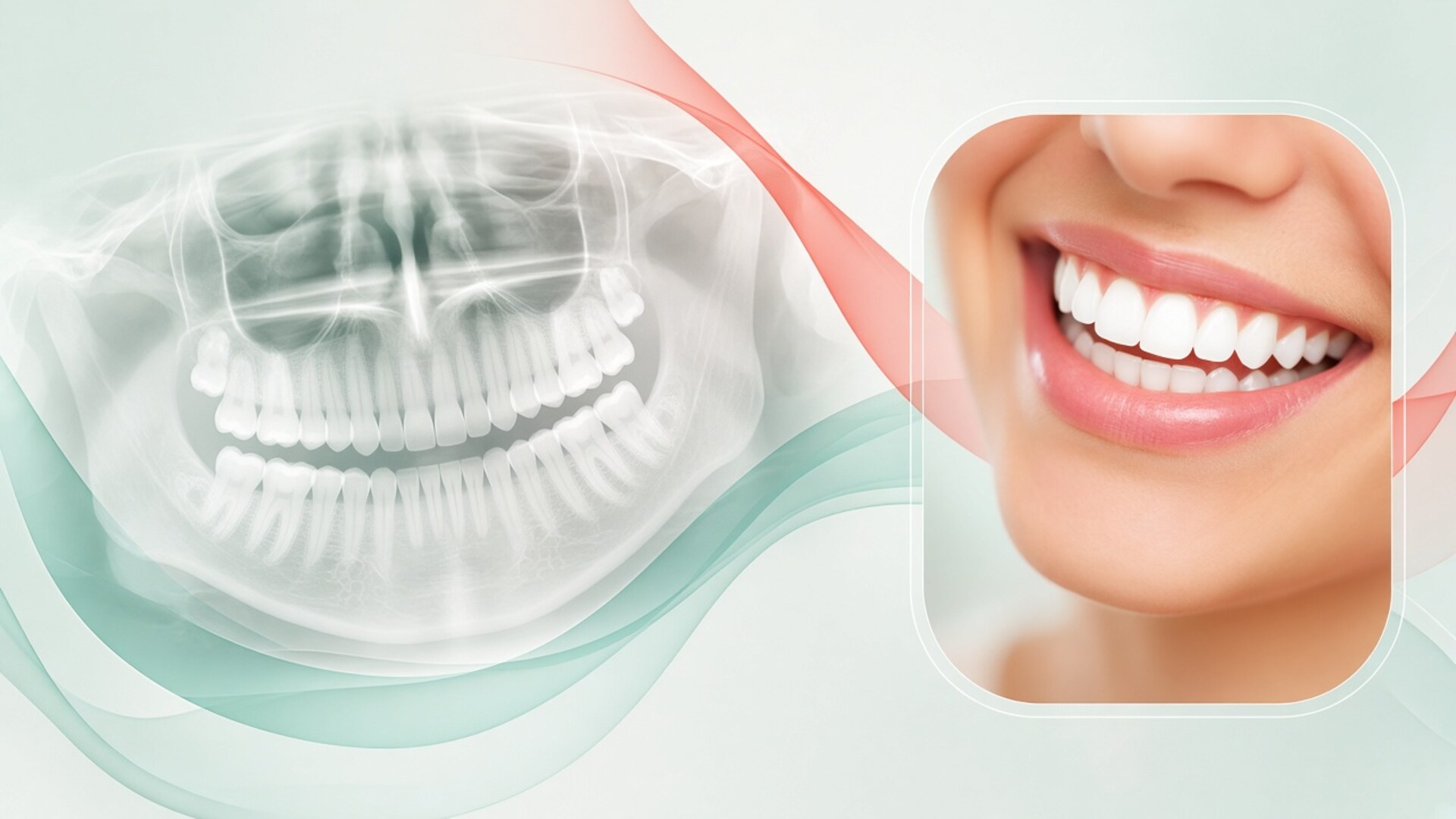
I decide on imaging after the exam. A panoramic X-ray (OPG) shows all teeth, roots, developing teeth and the jawbones. A lateral cephalogram measures the jaw relationship and front tooth angulation. A CBCT scan is for specific questions: impacted teeth, doubts about bone thickness, planning for implants or mini-screws.
If you have a good-quality film under 6 to 12 months old, I will usually work from it. Repeating exposure without a reason goes against the "as low as reasonably achievable" principle that dental radiologists follow. I am more careful still with children.
If the X-rays are taken at a separate centre, I write a referral with a specific question. We review the results at a second visit or over a video call if you are travelling.
Talking through options: what you hear at the end
After the exam and records we return to the desk. For many patients this is the part that matters most: they finally understand what is going on and what can be done. I start with what I see, in plain words, with your photos on screen. Then I list the goals I would set for treatment and the options that fit you. If a final answer needs X-rays, I say so: "Here is the provisional picture; here is what could change after analysis." The decision is yours. I do not push a promotion deadline or ask you to sign on the day. Many patients take time to think, talk it over with family, or book a second opinion. That is a healthy path. I cover three topics with every patient.
Treat now, later, or watch
Not every consultation ends with a treatment plan. A child in the early mixed dentition often does better waiting for permanent teeth to come through, with a review in 6 to 12 months. An adult with mild crowding and a stable bite may not need treatment at all if the appearance does not bother them.
Some situations should not wait. A crossbite with a jaw shift in a child, a deep bite injuring the gum, or teeth drifting fast after gum disease has been treated. In these cases I explain what waiting would mean and help you choose the timing.
Sometimes orthodontics has to follow other care: treating decay, stabilising the gums, removing wisdom teeth. I set the order and share information with your other dentists.
Braces, aligners and other appliances
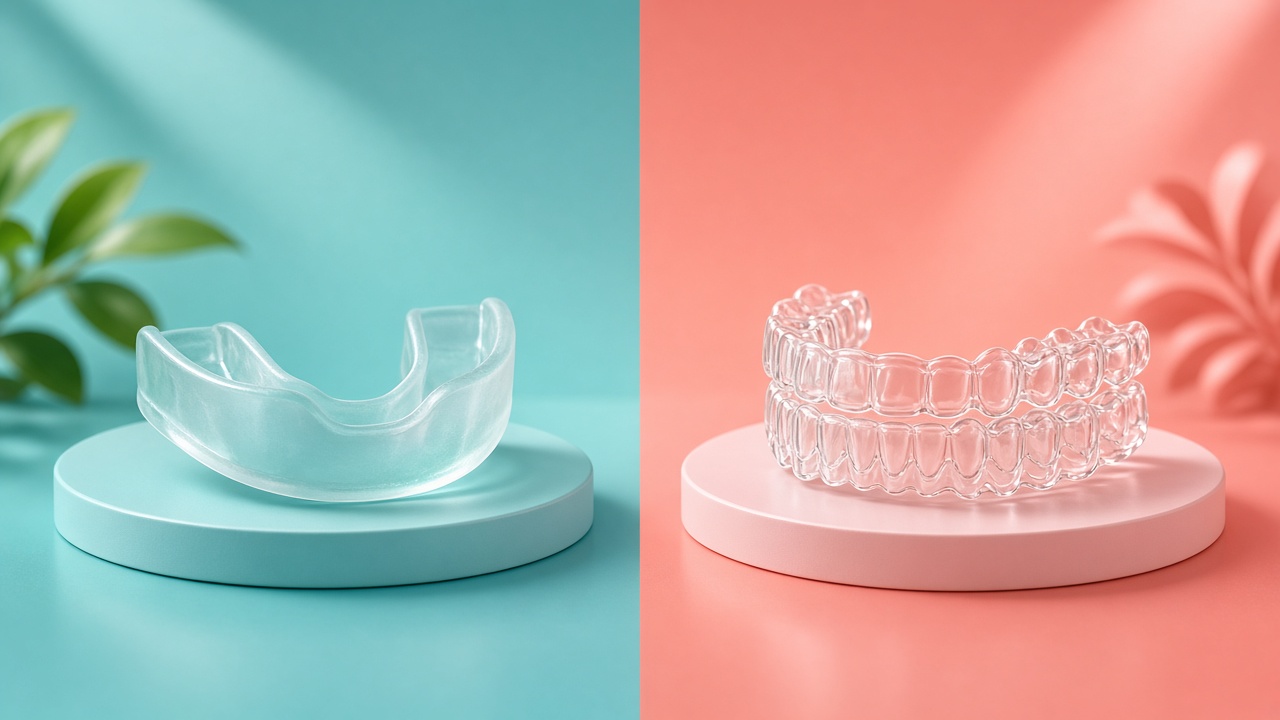
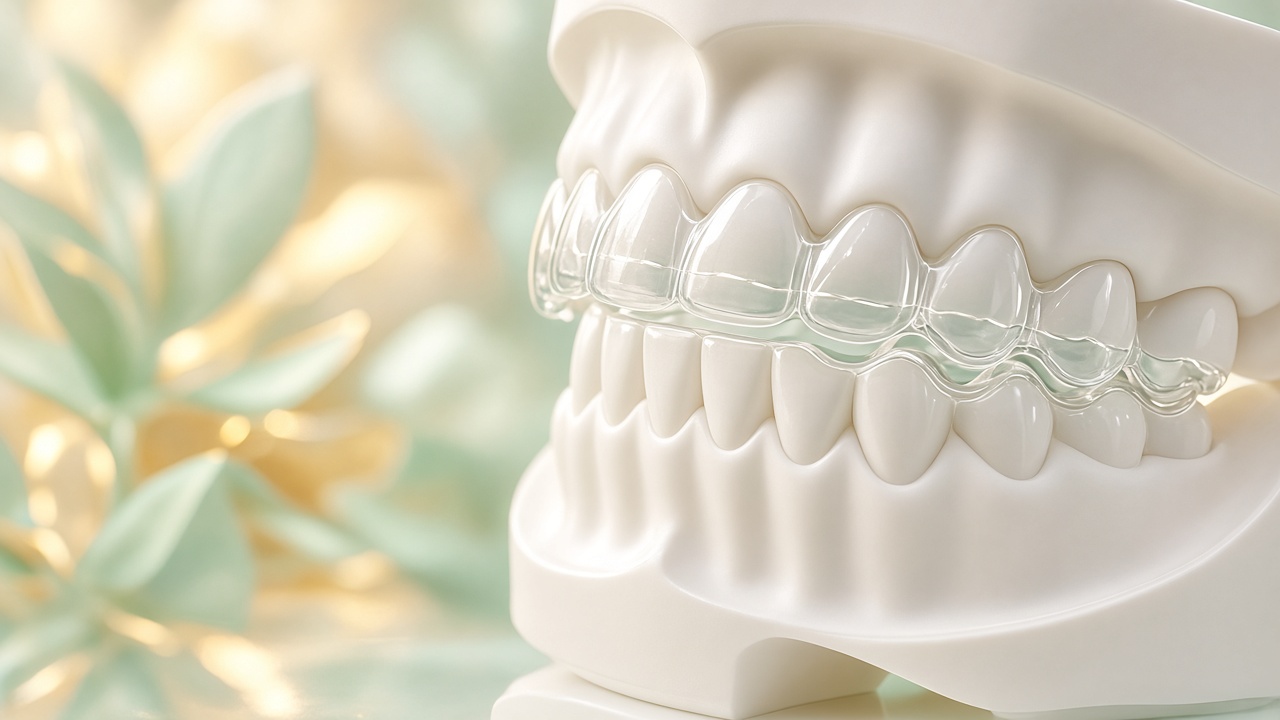
If treatment is indicated, I go through the options. Metal and ceramic braces, lingual braces behind the teeth, clear aligners, removable appliances for children, and expanders for the upper jaw. Each suits particular goals. Most cases can be treated in more than one way, and the choice depends on your priorities.
I do not call any of these methods bad. Aligners suit disciplined adults who wear them 20 to 22 hours a day. Braces work regardless of wear discipline and give more control in complex tooth movements. Lingual braces stay hidden but take time to get used to for speech and need more chair time. I explain how each option would fit your daily life, your job and your travel.
For children the discussion often covers growth appliances, removable plates and partial braces. The choice depends on age, growth stage and how well the child cooperates.
Timelines, risks and retention
I give a time range: for example, 12 to 18 months or 18 to 24. A tighter estimate comes with the plan and depends on biology, following instructions, and keeping appointments. I do not promise "exactly one year," and an honest orthodontist will not.
I go through risks in advance: white spots on the enamel with poor hygiene, mild root shortening, irritated cheeks in the first weeks, soreness after adjustments. Good hygiene and regular visits keep most of these risks under control.
I also talk about retention. After braces come off or the last aligner is done, teeth tend to drift back. Retainers are needed for years, often for life at night. If a patient is not ready for retention, we discuss it before starting.
The first consultation at a glance
For readers who like to see the whole visit at once, I have put the stages in a table. Times are approximate: an adult case with implants and a history of gum disease takes longer, and a six-year-old's check may be shorter. The records are chosen for each patient.
| Stage | Time | What happens | What you bring or do | Outcome |
|---|---|---|---|---|
| Booking and form | 5–10 min before the visit | Health form, main concern, existing X-rays | Medication list, old X-rays, previous dentists' contacts | I know the context in advance |
| Conversation | 10–15 min | Concerns, goals, dental and medical history, habits | Honest answers, your written questions | Clear picture of your goals |
| Chair exam | 10–15 min | Face, profile, smile, teeth, gums, bite, joints | Say if anything hurts or feels uncomfortable | Provisional diagnosis |
| Photo series | 5–10 min | Face and teeth photos with retractors and mirrors | Tolerate the retractors for a few minutes | Baseline for comparison |
| Intraoral scan | 5–10 min | 3D model of teeth and gums without impressions | Keep your mouth open, breathe through the nose | Digital model for analysis |
| X-rays | As indicated, same day or later | OPG, cephalogram, CBCT if needed | Mention pregnancy, bring old films | Data on roots, bone and jaws |
| Discussion | 10–15 min | Findings, options, timelines, risks | Ask everything, name your priorities | Provisional options and next step |
| Plan and fee | Second visit or online | X-ray analysis, measurements, final plan | Decide whether the option suits you | Written plan with a fee estimate |
The table shows the logic of the visit, but it does not replace the conversation. Sometimes the history takes half an hour because a patient has a complicated story, and I do not cut it short to keep to the schedule. Sometimes films from a previous clinic answer the X-ray question and the visit moves faster.
The order of stages is flexible too. If a patient arrives with acute jaw joint pain, I start with the jaw exam and move photos to later. If a teenager feels shy, I take the photos at the end once they have settled in. Complete, accurate data matters more to me than ticking boxes in sequence. At the close of the visit I check that no stage has been skipped and tell you what is still missing.
Fees, insurance and the next visit
Money comes up at almost every orthodontist consultation, and I answer directly. The front desk quotes the consultation fee at booking. I quote treatment fees once I understand the scope: which appliance, how many months, and whether extra stages are needed, such as mini-screws, jaw expansion or work with a surgeon. Without X-rays, any figure I give at the first visit is a broad range with a note on the date of the price list.
Insurance plans in the UAE cover orthodontics in very different ways. Some cover the consultation and X-rays, some include treatment for children up to a set age, and some exclude orthodontics entirely. I write a clinical justification when your insurer needs it for pre-approval. The decision on coverage belongs to the insurer or its third-party administrator (TPA), so I recommend checking your table of benefits before treatment starts.
If you pay yourself, we discuss payment options: in full, in stages, or per visit. I ask you to confirm what the fee includes: retainers, review visits after treatment, replacement of lost parts. Talking about money before starting avoids unpleasant surprises a year later.
The next step depends on your case. If the records are complete, at the second visit I show you the plan: a digital simulation of the final tooth positions for aligners, or a stage-by-stage outline for braces. If you need X-rays at another centre, we book the second visit once the images arrive. If you are travelling, we can review the plan over video and schedule the appliance fitting for a date that suits you.
Some patients come for a second opinion with another doctor's plan in hand. I look at the plan and records and tell you where I agree and where I see things differently. I do not criticise colleagues: two orthodontists can read the same case differently, and both approaches can be sound. My job is to give you the information to decide.
When a consultation ends without a treatment plan
Patients are sometimes surprised to leave without a date for braces. That outcome happens more often than people expect, and it does not mean the visit was wasted.
The first reason is dental work that has to come first. Decay, gum inflammation, or a tooth with a doubtful prognosis needs treatment by your dentist or periodontist before orthodontics. I write down exactly what needs doing and book a follow-up for afterwards.
The second reason is missing data. Without a cephalogram I cannot measure the jaw relationship. Without a CBCT I may not know where an impacted canine sits. I name the images I need and the reason for each, and I do not build a plan on guesswork.
The third reason is timing. A child in the early mixed dentition often needs observation rather than an appliance. A teenager near a growth spurt may wait a few months so we can use that growth. I book a review and tell you what to watch for at home.
The fourth reason is that treatment is not indicated. If the bite works, the teeth are stable, and after our talk you are happy with how they look, I will say so. Orthodontics without an indication adds risk without benefit.
The fifth reason is a goal beyond orthodontics. A marked skeletal asymmetry may need orthognathic surgery. Several missing teeth need a restorative dentist. I explain which part of the job is mine and refer you to colleagues I work with.
The sixth reason is life circumstances. A patient learns at the consultation that treatment will take eighteen months, and a contract abroad starts in four. We discuss whether to start now and continue with a colleague, wait, or pick a limited goal instead of full bite correction. Sometimes the honest conclusion is that now is not the time and we will talk again after the move. I keep your baseline records so we do not start diagnosis from scratch later.
In every case you leave knowing the next step. I ask you to note the conclusions, or I send a short summary after the visit, so you can discuss them with family or another doctor.
FAQ about the first orthodontist consultation
How long does a first orthodontist consultation take?
In my practice a first consultation takes 40 to 60 minutes. That covers the conversation, exam, photos, scan and a discussion of options. If X-rays are taken at a separate centre, we review them at a second visit. Complex adult cases with implants or a history of gum disease sometimes need more time.
Should I brush my teeth before the consultation?
Yes. Brush as usual and, if you can, avoid eating for half an hour before the visit. Clean teeth give a more accurate scan and clearer photos. A professional clean beforehand is not required; if there is heavy plaque, I will suggest one before the planning records.
Will the consultation hurt?
No. The lip retractors used for photos and the scanner feel unusual but do not hurt. Pressing on the joints and muscles can be uncomfortable if they are inflamed, and I warn you before I do it. I do not start treatment at this visit.
Can I come without X-rays?
Yes, many patients do. I examine you, take photos and a scan, then decide which X-rays you need. A panoramic image is often enough; sometimes a cephalogram or CBCT is needed as well. If you have X-rays already, bring them to avoid repeat exposure.
Will you tell me the treatment fee at the first visit?
I can give a broad range after the exam, with a note on the price-list date. The exact fee depends on the plan I write after analysing the X-rays and the model. Please do not decide on a number without a plan: two cases that look alike can differ several times over in the work involved.
At what age should a child have a first orthodontic consultation?
The American Association of Orthodontists (AAO) recommends a first check by age 7. At that age I can assess the jaw relationship and the first permanent teeth. Most seven-year-olds do not need treatment, and I set up observation. Come earlier if you notice a crossbite, mouth breathing, or severe crowding.
Can the first consultation be done online?
Online I can judge urgency, take a history and look at photos you send. A diagnosis and treatment plan need an in-person exam, a scan and X-rays. A video call works as a first step or for reviewing X-rays while you are away. I make treatment decisions after seeing you in the chair.
What if I feel unsure after the consultation?
Take your time and send follow-up questions by email or book a short review visit. A second opinion from another orthodontist is normal practice, and I will share your records on request. Compare plans by goals and timelines, not by price alone. Good decisions are made without pressure.