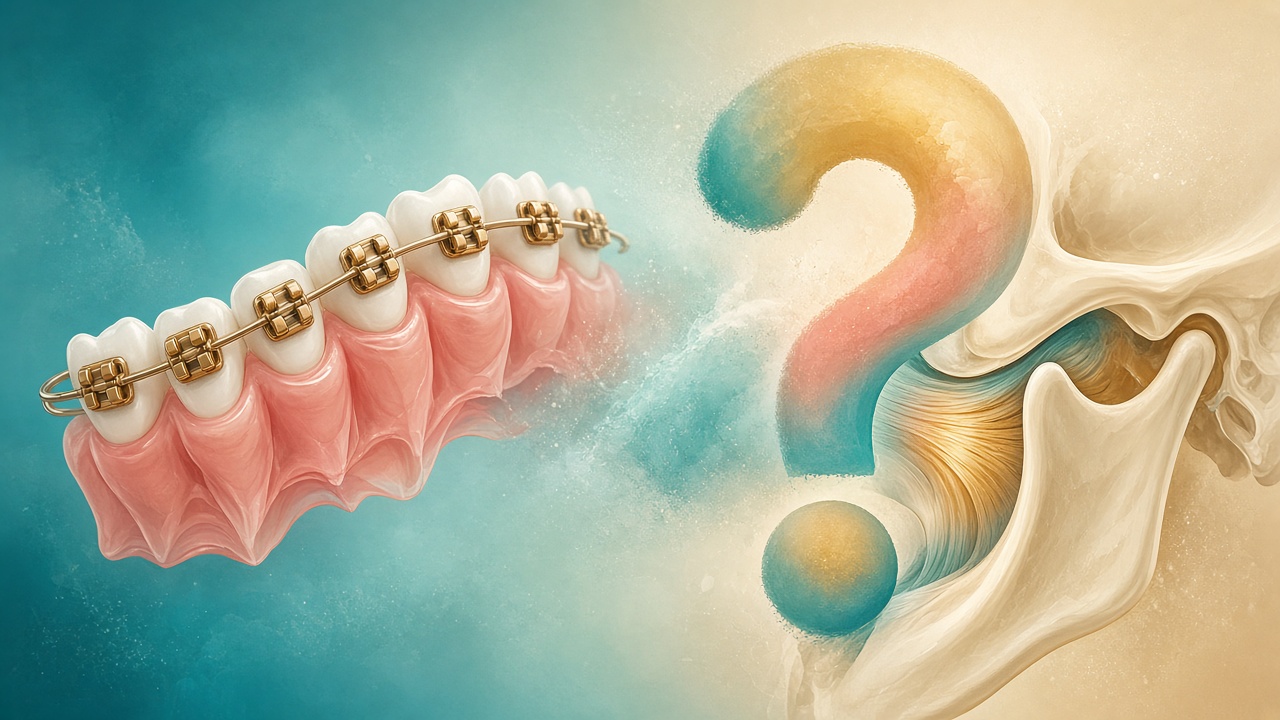
Self-ligating braces hold the archwire with a built-in clip or door instead of elastic rings. Marketing often adds a second claim: less friction means a shorter course. In the chair I separate those ideas. A clip changes friction and how long a wire change takes at a visit; how fast a tooth moves through bone still follows biology, the plan, and whether you keep appointments. Systematic reviews and meta-analyses do not show a reliable cut in total treatment time from self-ligation alone. Damon and similar lines are a useful example of how a brand name became shorthand for “faster braces” in patient talk — the clip itself is a working tool, not a scam. In my Dubai practice the soft floor for self-ligating braces is from AED 17,000, and for metal braces with ligatures from AED 15,000. Below: what the clip really changes, where the speed myth breaks, and how we choose on consultation without selling “six months faster.”
What self-ligating braces actually are
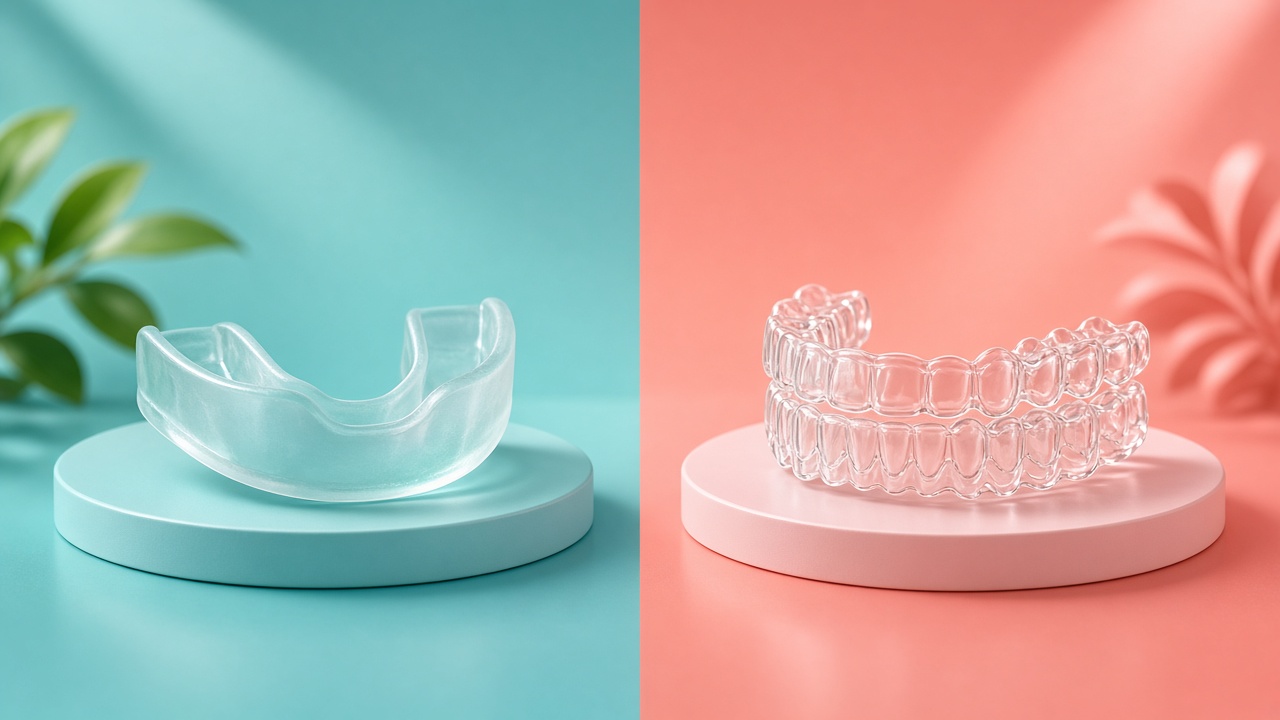
Patients often arrive saying “I want Damon” or “I want self-ligating because they finish faster.” I translate the request into mechanics first. Self-ligation is a way to hold the wire in the bracket slot. Classic brackets use an elastic ring or a thin wire ligature. Self-ligating brackets use a built-in clip, door, or spring lid for the same job. The tooth still moves because the wire loads the bracket and bone around the root remodels. The clip does not replace diagnosis, elastics, anchorage, or hygiene. It changes the “door latch” around the wire. Once that shift is clear, the timing talk gets calmer: we compare tools, not magic boxes. In Dubai I put both samples in your hand on consultation — ligated and clipped — so you see the difference before you pay for a package.
Clip instead of elastic: what changes in the mouth
The clip closes the slot and holds the wire without coloured elastics. At a visit I open the door with an instrument, change the wire, and close it again. There is no long sequence of removing and seating dozens of rings. Many patients feel the appointment is shorter — that is true for chair time, not for the calendar to debond. Friction in the slot can run lower, especially on early round wires. Lower friction does not mean “the tooth flies.” Force still needs to stay light and sustained so bone can remodel without overloading the periodontium. If a clip sticks or a door fails to hold, I lose force control — then I repair the bracket or change protocol. Self-ligation is handy when the system works and matches the job. After the first activation I ask you to notice cleaning without coloured rings and how lips adapt to the door profile — those daily details often matter more than the word “faster” in an ad.
Active and passive clips
Inside self-ligation sits a detail ads skip. Passive clips give the wire more play in the slot early on. Active designs press the wire toward the slot floor and sit closer to classic control on later rectangular wires. For you that sounds technical. For the plan it is a force-timing choice. I do not promise “passive is always faster”: freedom helps some teeth on alignment and gets in the way of others. In finishing I often need firm control of crown tip — then an active mechanism, or even a temporary conventional ligature on a few teeth, stays a valid tool. I record clip type in the chart with prescription and wire size.
Metal, ceramic, and the name on the box
Self-ligation comes in metal and aesthetic versions. A metal clip is tougher day to day and easier to service. Ceramic or clear versions read softer on camera, yet the door chips more easily on hard food. The brand on the box — Damon or another line — sets slot design, instruments, and the doctor’s familiar protocol. It does not set your periodontal biological clock. I choose a system I steer every week: parts available in the UAE, known clip behaviour on wire changes, predictable repair if a bracket debonds. Buying the most famous name without a match to plan and visit rhythm buys calm in the shop window and spends it on the course.
Where the “months faster” myth comes from
The myth rides a simple chain: less friction → teeth slide easier → course shorter. The first link is partly true. The second flattens biology. The third does not hold as a rule in controlled comparisons. Manufacturers and training courses spent years stressing low friction, wider visit intervals, and “physiologic” forces. Patients hear “faster” and move that word onto the debond date. Online reviews and ads amplify the same promise. I do not argue that a clip saves minutes at activation. I argue against the swap: minutes in the chair sold as months on the calendar. In Dubai the talk is common — people compare price lists and slogans in three languages and want one number: “how much shorter is Damon?” While that number hangs without a diagnosis, any brand looks like an accelerator.
How marketing turns friction into “speed”
Slot friction is measurable in a lab. Treatment time is the sum of movements, hygiene pauses, elastics, anchorage, missed visits, and your bone. Ads glue those floors into one slogan. A patient reads “low friction” as “finish early.” On consultation I split the layers: what the clip does to the wire today; what bone does over weeks; what you do at home with elastics and cleaning. While the layers mix, every brand looks like a speed boost. When they separate, the choice is about visit comfort and habits, not a race. Ask the doctor outright: “Are you promising a shorter full course or shorter appointments?” Both answers can be honest — they must be different offers.
Damon as a strong brand in patient conversation
Damon often shows up in the chair as a synonym for self-ligation. The system is well known, the clip design is recognisable, and many doctors trained on its protocols. Some patients saw “no extraction” smile cases and link the brand to a short course and a wide smile. I respect the tool and I do not call the brand a fraud. I separate brand from promise. Damon-class self-ligation is one way to run a wire. Arch development, extraction decisions, and course length follow diagnosis — not the logo on the bracket. If you arrive wanting “Damon only,” I ask what you are buying: the clip, the look, fewer elastic changes, or a guaranteed finish date. Three of those are discussable. A guaranteed finish date is not.
Why “I finished in a year” reviews do not prove the clip
A review without a diagnosis compares unlike cases. Mild crowding finished in twelve months on self-ligation and a deep bite finished in twenty-four on ligatures are different jobs. Add age, periodontium, extractions, temporary anchorage, and elastic discipline — and the “clip win” falls apart. I ask patients to bring records and a clear question: what bite goal, and what visit rhythm fits life in Dubai. Then we pick an appliance for the goal, not for someone else’s Instagram calendar.
What biomechanics and research say about duration
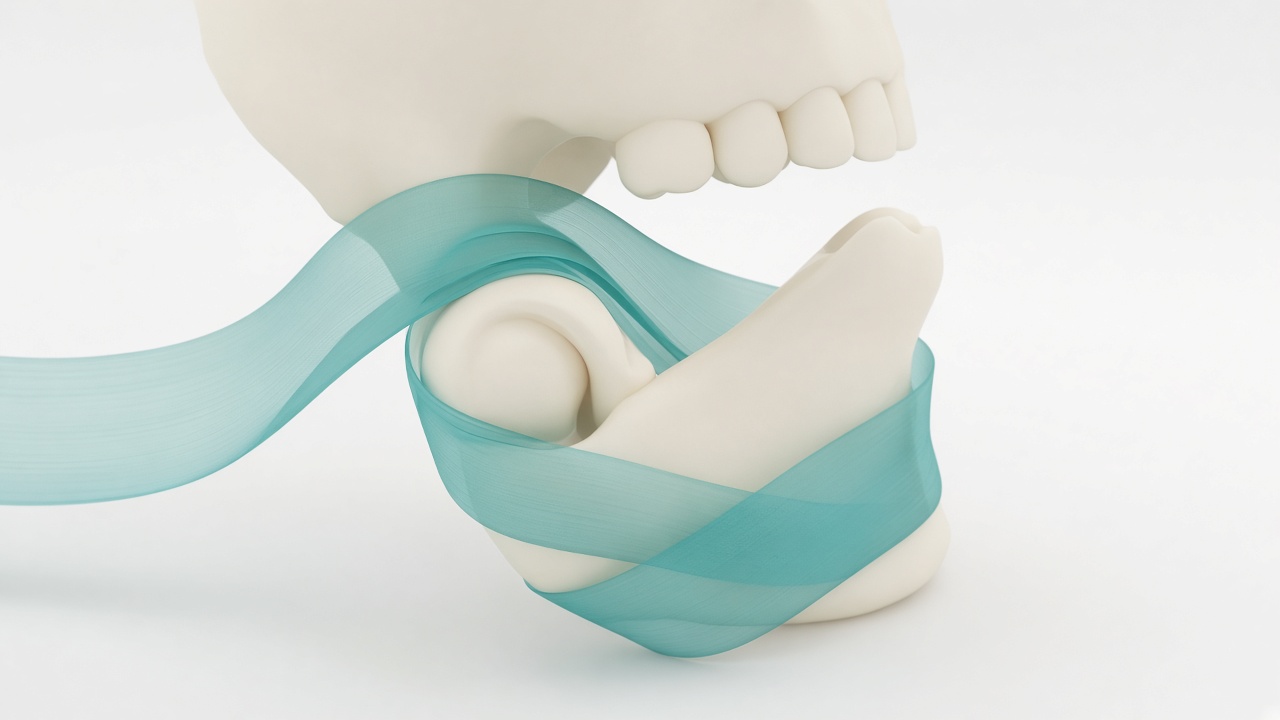
A tooth moves when pressure on the root triggers bone resorption on one side and formation on the other. That cycle runs in weeks, not in the minutes it takes to swap a ligature. The American Association of Orthodontists (AAO) frames tooth movement as a biological response to light, sustained load — the same biology as clear aligners, delivered through wire and bracket. A clip changes how the wire sits in the slot. It does not speed cellular turnover in alveolar bone. An honest duration talk therefore starts with biology and case complexity, then ligation type. Below is what reviews show and what I see in daily Dubai practice, without a “magic months” pitch. I lean on systematic comparisons of self-ligation versus conventional brackets: when study design is tighter, the clip race usually fades.
Full course length: where claims and reviews diverge
Systematic reviews and meta-analyses over roughly the last fifteen years generally find no stable, clinically meaningful gain in total treatment duration from self-ligation. Some analyses even show a slightly longer mean time in the self-ligating group, with wide spread between trials. Other reviews report visit counts and overall time comparable to conventional brackets. Early or industry-close papers sometimes claimed months saved; independent summaries rarely reproduce that as a rule. The patient takeaway is simple. If someone sells self-ligation only with “you will finish six months earlier,” that is a marketing accent, not an evidence rule. I may still recommend a clip for visit rhythm, hygiene without coloured rings, or a protocol I run every day — not as a timer. On consultation I am ready to name which goals in your case eat months: crowding, open bite, space closure after extraction, contact finishing. Those lines outweigh the clip name on the box.
Chair time versus calendar time
One real plus shows up more often in research: wire changes with self-ligation take fewer seconds per arch. On a busy clinic day that adds up for the doctor. For you, the visit can feel shorter and calmer — useful between DIFC meetings or after school pickup. That is comfort and logistics value. It is not the same product as the debond date. I say it plainly: “shorter visit” and “shorter course” are different goods. If your priority is fewer elastic swaps and a quicker activation, a clip fits. If your priority is a wedding in eight months at any cost, I read the diagnosis first, not the bracket catalogue. Sometimes the honest line is: even with a perfect clip, eight months will not close the job — better to move the event date than force biology.
Pain, expansion, and “no extractions”
Another myth layer: self-ligation “hardly hurts,” “expands the jaw without extractions,” “moves teeth more physiologically.” Pain comparisons often find no stable difference versus conventional brackets after a wire change. Arch expansion and extraction decisions are orthodontic strategy, not a property of the clip. Light forces help in any appliance; heavy force harms with rings or doors. I discuss extractions and expansion from radiographs and bite records. In that talk the clip is a wire-retention detail, not a verdict on keeping teeth. If someone promises “self-ligation instead of extraction” without analysing arch space and facial profile, ask for a written plan: what expands, what recession risk exists, and what happens if space still falls short.
What actually changes at visits with a clip
On a self-ligating course I still progress from light round wires to stiffer rectangular ones, check hygiene, prescribe elastics, and reposition individual brackets. The difference shows in the activation ritual: fewer ligature steps, sometimes a slightly wider interval on quiet stages. A wider interval is not “we forgot you.” It is a protocol for that wire and task. If I need frequent bends, anchorage checks, or tight finishing, I recall you sooner — the clip neither blocks nor requires that. Dubai patients often confuse “fewer chair visits” with “faster to the finish.” Fewer is about the meeting calendar. Faster is about biology and workload. Below are three layers I spell out before the contract so clip expectations match what you see at visits two and five.
Activation rhythm and wire changes
During alignment, self-ligation sometimes lets a wire work longer without the stretch and stain of elastomeric rings. During space closure and finishing, rhythm returns to biomechanics: chains, springs, elastics, bends. I do not promise “every ten weeks always.” I write an expected interval for the next two or three wires and revise it if progress stalls. Missing a visit on any system stretches the course more than choosing a clip or a ring. If you travel often, we align the schedule with flights — that affects duration more than bracket branding. Keep a smile photo after each visit on your phone: it helps spot a stall and ask for a mechanics change instead of waiting “just a bit more” for months.
Elastics, anchorage, and TADs still matter
A clip does not cancel intermaxillary elastics. If the bite needs pull, you wear them on the clock — otherwise wire and bracket do only part of the work. Anchorage on neighbouring teeth or temporary anchorage devices is also independent of ligation type. I have seen courses where self-ligation sat perfectly and duration slipped because elastics were “weekends only.” I have also seen conventional ligatures run on plan with iron elastic discipline. When we talk duration, I ask about elastic readiness as seriously as about the clip.
Hygiene and coloured elastics
Without elastomeric rings around the bracket, fewer “pockets” collect plaque from coloured ties. Many adults care about that for camera days and gums. Teens sometimes miss colour changes as a visit ritual — that is a habits talk, not a bone-speed talk. I check gingiva every visit. Inflammation delays force increases on any system. Self-ligation is not a licence for weak cleaning. It only removes one staining source and some ligature plaque.
When I offer a clip — and when I keep conventional ligatures
I do not rank “self-ligation better than metal.” Metal with ligatures and self-ligating systems are neighbouring tools. Choice follows the case, your visit pattern, aesthetics, and which protocol I can steer predictably to retention. In Dubai we also weigh parts availability and your flight calendar. I ask whether I can repair that exact clip a year from now: a rare bracket with no UAE stock breaks rhythm harder than a standard ligated metal. Below are three scenarios where I lean clip, conventional, or “both work — decide after records.” The point is language for consultation, not a brand winner board and not months “out of the box” without your bite on film and a written duration corridor after diagnostic records.
When I propose self-ligation first
A clip fits when you want calmer activations without coloured rings, you are an adult with solid hygiene, the case does not need monthly hand-tying of every tooth with steel ligature, and I run that slot daily. Metal self-ligation often suits patients who need strength and a slightly different visit rhythm. Aesthetic self-ligation suits those who want less metal on camera and accept a more fragile door. I frame the upside as protocol comfort, not a coupon for early removal. If you only compare price to ligated metal, also price your time at visits and readiness to repair a door — then the 15,000 versus 17,000 floors make more sense.
When conventional ligatures stay a strong choice
Classic ligation helps when I need dense control of single teeth with steel ties, when package budget outweighs the clip, when a teen uses colour swaps as visit motivation, or when I plan frequent bends and quick local fixes. A ligature is not an “old method.” It is an adjustable clamp. In tough finishing I sometimes combine: main system self-ligating, plus temporary ligatures on two or three teeth for control. I explain that early so it does not sound like walking back a promised clip.
When we wait for diagnostics
If the bite is unclear without panoramic and lateral films, if periodontal risk is present, or if you sit between braces and clear aligners, I do not sell a clip on the first handshake. Diagnosis and goals first. Then two or three realistic combinations with price and visit rhythm. Sometimes the outcome is ligated metal on both arches. Sometimes self-ligating metal. Sometimes a hybrid by zone. I give a duration corridor after records, with a note that the clip itself does not shrink that corridor by a fixed “six months.”
Money, price floors, and expectations in Dubai
Package price reflects bracket material, lab work when needed, activation volume in the contract, and clinic service. Self-ligation often sits above classic metal because of bracket and instrument cost — not because an accelerator is built in. Soft floors in my open practice range (2025–2026 guide; exact offer after exam): metal from AED 15,000, self-ligating from AED 17,000. Those are package entry points, not a turnkey invoice for every mouth. A complex adult case with temporary anchorage and long finishing will sit above the floor on any system — the clip is neither a discount nor a speed surcharge. UAE insurance looks at codes and policy limits; clip type rarely changes coverage by itself. The table below is the expectation talk I use — to separate visit comfort from the duration myth. Bring the same questions to another clinic and compare answers without slogan pressure.
| Patient question | Self-ligating (clip) | Conventional metal (ligatures) | What actually drives duration | Soft floor in my practice |
|---|---|---|---|---|
| “Will I finish sooner?” | No guaranteed shorter course | No “ligature penalty” on duration | Diagnosis, elastics, attendance, periodontium | — |
| “Shorter appointments?” | Often yes: faster wire changes | Longer on ring changes | Doctor skill, bracket count | — |
| “Fewer visits?” | Sometimes wider intervals on quiet wires | More frequent ligature checks | Treatment phase, not brand | — |
| “Less friction?” | Often on early wires | Ligature adds friction | Not equal to bone speed | — |
| “Look on camera” | Metal or aesthetic with a door | Metal + optional coloured rings | Hygiene beats shine | — |
| “Package floor” | from AED 17,000 | from AED 15,000 | Case volume above the floor | Current offer after exam |
| “Repair after debond” | Clip/door is a specific part | Bracket + ligature | Sport, hard food, bruxism | Per visit price list |
| “What to buy for speed” | Not a clip for months | Not “cheaper = longer” | Written plan and retention | Consultation first |
If another office named self-ligation as the only way to “make a date,” ask them to fill the same columns without the slogan. An honest plan lists a duration corridor by bite complexity and, separately, appliance type. When those two lines are glued, you pay for hope. When they are split, you pay for work.
How I choose the system on consultation
On consultation the order is fixed: complaints and goals, exam, imaging as indicated, appliance options, budget frame. I do not start with a bracket display. First — what must change in the bite and how many activations your Dubai calendar can hold. Then — camera, sport, flights, budget. Only then I name two or three combinations. If self-ligation is on the list, I say the speed myth out loud and retire it before the contract. That cuts disappointment at month six, when bone works at its own pace. You leave knowing: the clip is about wire retention and visit rhythm; duration is about the plan and your part in it.
I also ask you to read what the contract says if the course runs longer than the first forecast. Any system can stall on finishing, periodontium, or missed elastics. Clinics differ in how early they say that. I check insurance separately: clip type rarely moves the policy limit; orthodontic codes and lifetime ceilings do. My self-ligation formula is simple: I offer a clip when it matches protocol and lifestyle; I do not sell it as a short-course ticket; I compare floors to metal honestly — 17,000 versus 15,000 at entry — then we price your case volume.
If you already heard “Damon is faster” and want a calm breakdown without brand trials, book a consultation with any films you have. We will sort mechanics, visits, and money. You may bring a screenshot of another office’s promise: we will check it against your mouth without a public fight of clinic signs. The bracket choice stays yours. The advertising finish date does not. After we choose, you get a written outline: system, expected visit rhythm, elastic rules, and retention — so the speed myth does not return six months later as a complaint about “the wrong clip.”
Frequently asked questions about self-ligating braces and treatment time
Below are questions I hear in the chair and that people search before choosing a system: whether self-ligating braces are faster, how they differ from ligated metal, whether Damon is required, whether pain is lower, whether elastics still matter, how Dubai prices compare, and what to do if someone already promised a short course. Answers are short; a personal plan still needs exam and films. Treat them as a booking guide, not a remote diagnosis. If you still want to “buy speed,” return to the table above: clip and debond calendar are different columns. On consultation we will match your bite to expectations and pick an appliance without an advertising timer — with an honest duration corridor for your case and a clear fee frame.
Do self-ligating braces really finish treatment faster?
As a rule, there is no guarantee of a shorter full course. Reviews do not support a stable multi-month gain from the clip alone. Gains show up more often as easier wire changes at visits. Duration still follows diagnosis, biology, and plan discipline.
How do self-ligating braces differ from ordinary metal braces?
The main difference is how the wire is held: clip versus elastic or steel ligature. Both can be metal. Friction and the activation ritual change; the laws of tooth movement stay the same.
Do I have to choose Damon if I want self-ligation?
No. Damon is a well-known self-ligating example, not the only working option. Match to the doctor’s protocol, parts supply, and your case matters more. The brand alone does not set duration.
Does self-ligation mean almost no appointments?
No. Intervals can be wider on quiet stages, but checks, wire changes, elastics, and hygiene remain. Skipping visits breaks any appliance. We write the schedule to the treatment phase.
Do I still need elastics with self-ligating braces?
Often yes, if the bite needs intermaxillary pull. The clip does not replace elastics. Weak wear stretches duration on any bracket type.
Why are self-ligating packages priced above metal?
Usually because of bracket and protocol cost, not a built-in accelerator. In my practice the self-ligating floor is from AED 17,000 and metal from AED 15,000; the exact sum follows the exam.
Can anyone promise an advertising finish date before seeing me?
No. Without diagnostics any date is a guess. After films I give a corridor and revise it with progress. Brochure months without your bite do not enter the plan.
What if I care about both budget and calmer activations?
We read the case. Sometimes ligated metal solves the job without paying for a clip. Sometimes self-ligation earns its keep in visit comfort. We decide after the exam, with an honest duration talk and no “clip equals earlier finish” myth.