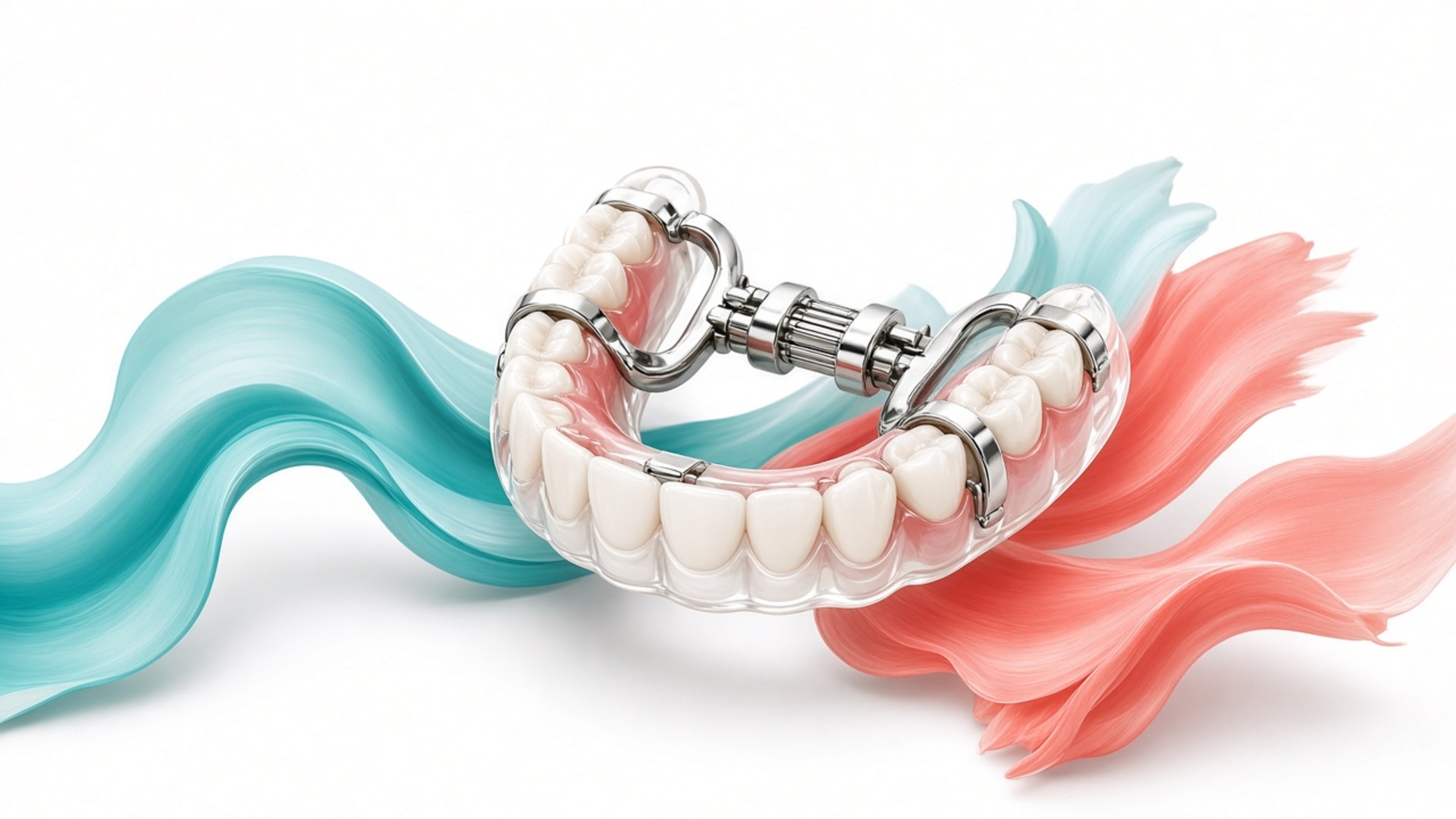
You walk in with one request (“I want straighter teeth”) and leave with two numbers that diverge by thousands of dirhams. English search phrases this as “braces cost in dubai,” “braces price dubai,” and “teeth braces price uae.” Clinics rarely sell the same package under those words. One quote covers both arches, diagnostics, activations, refinements, and the first retainers. Another names appliance start or a monthly instalment. I practise in Dubai as a specialist orthodontist and review “identical” offers with patients every month. Below I break down what drives the gap: scope, diagnostics, brand systems, doctor seniority, retention, refinements, and payment format. Ad figures live on their own timeline; your estimate lives after examination and a written plan. Open market ranges in 2025–2026 often run from a few thousand AED into the tens of thousands. Only a dated commercial proposal with a clear inclusions list fixes the sum for your mouth.
What patients call “the same,” and what doctors sell as different products
Patients compare two numbers by ear: “braces” against “braces.” Doctors compare two contracts: movement volume, timeline, who sits in the chair, and what happens after removal. The gap opens before the price list, in language. A receptionist says “full course.” A doctor elsewhere says “smile-zone aesthetics.” Both look solid on paper. In the chair they name different workloads.
I ask patients to put both estimates on one page and read the lines, not the total. If one column lists CBCT, photos, and a plan, and the other lists only “fitting,” you already compare whole fruit with half a fruit. Search clusters “braces cost in dubai” and “cheapest braces in dubai” around a wish for clarity. Without decoded lines, clarity never arrives. Dubai mixes English websites, WhatsApp screenshots, and verbal promises at reception. Only a written estimate holds the logic.
“Braces” as a word and as a clinical product
In daily speech, “braces” means metal on teeth. In clinic language it may mean a full metal system on both arches with bite control, ceramic on one arch “for photos,” a lingual setup, a hybrid with aligners, or a stage before prosthetics. Duration, visit count, and breakage risk differ across those options. Price follows biomechanical volume, not the ad headline.
Patients who say “they offered me the same thing cheaper” get a short checklist from me: how many arches, which teeth move, whether bite control is included, whether extractions or future surgery sit in the plan. “The same” often turns out shorter in timeline and narrower in goal. A short aesthetic course costs less than a full functional course, and that difference is expected when the goals differ.
“All-inclusive” packages without an inclusions list
People want one number without surprises. Clinics answer with “package” or “all-inclusive.” Inside the package, rules diverge. Some include reasonable rebonding of loose brackets. Others bill every repair as a separate line. Some fold the first retainer set into the course. Others park retention outside the quote.
I read a package as a checklist. Diagnostics. Appliance. Visits. Debond. Retention. Refinements or corrections. Emergency appointments. Pre-treatment work with a restorative dentist or periodontist. Anything missing from the list, you pay later, or you never receive. “All-inclusive” without a list is a marketing label without contract force. Ask reception for inclusions and exclusions on one printed page. If the page is empty or stuffed with phrases like “full smile makeover,” return to the doctor for a clinical list.
Two consultations, two different “identical” plans
On an orthodontist consultation I first write your goal in your words, then translate it into clinical tasks. Another doctor may hear the same complaint and set a different goal: close gaps in the smile zone faster, or build solid contact on the back teeth. Both plans can be legitimate. Prices diverge because the tasks diverge.
If you feel unsure, bring the same radiographs to a second opinion. Comparing plans on one data set beats comparing two website “from AED” banners.
Treatment scope: how many arches, teeth, and tasks hide inside the number
Scope is the main hidden multiplier. Two clinics can name different sums for the same mouth in good faith, because one treats the visible zone and the other treats the full dentition and bite. You see a smile in the mirror. An orthodontist sees jaw relationships, occlusion, periodontal limits, and where teeth will drift after the appliance comes off.
The American Association of Orthodontists (AAO) ties fee ranges to case complexity, treatment length, geography, and appliance type. That matches what I see in Dubai: a long two-arch case needs more visits, materials, and doctor time. A short “aligner smile” of six to eight months is a different product. Comparing them on one Google Ads line wastes your afternoon. Write the scope before you argue about dirhams.
Three scope layers break “identical” prices most often in my chair.
One arch versus two
One-arch treatment costs less in materials and chair time. It fits narrow scenarios: preparation for prosthetics, local correction after trauma, or matching an already well-aligned opposite arch. For a stable smile and a comfortable bite, both arches usually need work. A clinic that places braces on the upper teeth only “for photos” will quote a lower sum. A clinic that builds occlusion will quote a higher one. Each offer answers a different question.
I ask directly: “Are we moving both arches, or only the smile zone?” The answer belongs in the estimate as its own line. A vague answer produces a vague figure.
Crowding, spacing, skeletal issues, and “just a bit straighter”
Mild crowding of the front teeth and a skeletal Class problem with asymmetry are different volumes of work. The second plan may include extractions, interproximal reduction, elastics, and sometimes future orthognathic surgery. Appliance cost is only one slice. Fee rises with the number of stages and specialists around the case.
Patients often bring a stranger’s screenshot: “Invisalign for X.” Without occlusion photos and radiographs, that screenshot says nothing about your case. Complexity sets duration. Duration sets visit count. Visits set the cost of the doctor’s time.
Aesthetic finish versus functional finish
“I want straighter teeth for photos” and “I want to chew without overload” diverge at the finish line. A functional finish needs more contact checks, sometimes a longer active phase, and tighter retention. An aesthetic finish can end earlier on the calendar and cheaper on the estimate if you accept the limits in writing. I lock the goal into the plan document. Then two clinic figures become comparable: both answer the same task.
Diagnostics before the first bracket: what you pay before treatment starts
Before braces installation or the first aligner set, a clinic gathers data. Exam, photo protocol, panoramic radiograph, cephalometric film when indicated, CBCT when needed, 3D scan or impressions, model analysis, written plan. Some clinics fold this into the package. Some bill it separately. Some “gift” the consultation and bury diagnostics in the start invoice.
Dubai residents expect fast services. Orthodontics does not start that way. Without diagnostics, a price is a bet. I have seen “cheap starts” turn into repeat imaging, appliance changes, and lost months. Saving on the plan often costs more than the plan itself.
Solid diagnostics cut arguments later. You see which teeth move, which risks are named, which timeline is realistic. Insurance pre-approval in the UAE also leans on documents: without images and a plan, approval stalls. I do not decode other insurers’ fee schedules; check your own policy. For the doctor, diagnostics set the clinical and consent boundary.
A photo protocol records the starting smile and bite so later disputes rest on facts, not memory. A panoramic film shows roots, impacted teeth, and overall status. A cephalometric film helps when skeletal relationships matter, beyond “straight incisors.” I order CBCT for specific tasks: an impacted canine, bone doubts, complex movement planning. Extra radiation for a “full picture pack” does not belong in the estimate without a clinical question.
On an aligner treatment plan, the digital setup is a separate cost line. Software forecast, tray count, IPR, attachments, checkpoints. A clinic may include one setup in the package. A repeat setup after tracking loss sometimes bills separately. Ads that say “aligners from…” rarely mention that. The setup also shows where the doctor accepts compromise: close spaces at any cost, or protect chewing contacts. Two clinics on one scan can draw different finishes and different course lengths.
Ask three things before you pay for diagnostics: which images are included, whether you keep copies of the files, and whether the diagnostic fee credits toward the course if you start there. Those answers change the economics even when the “braces” headline looks identical. If a clinic holds files and refuses a copy, you stay more tied to that clinic than you think: a second opinion without data becomes a second paid diagnostic round.
Appliance and brand systems: why metal, ceramic, and trays sit in different ranges
Appliance type is the visible part of the fee. Metal braces, ceramic, self-ligating systems, lingual setups, clear aligners from a brand portal or a laboratory pathway. Materials, lab work, software licences, and tray replacement rules create different cost bases. You see “more discreet.” The clinic counts doctor hours, consumables, and supplier warranty rules.
English UAE search places “teeth braces price uae,” “cheapest braces in dubai,” “ceramic braces cost in dubai,” and “invisalign price dubai” next to each other. Commercial intent is high. Website answers often give wide ranges without inclusions. I treat those ranges as market background only: “from a few thousand AED” appears often; complex and lingual cases sit higher. Your dated proposal remains the only precise sum.
Three forks explain most gaps between two “identical” figures.
Metal, ceramic, and self-ligation
Metal usually costs less in materials and repairs more easily. Ceramic costs more and needs tighter hygiene and diet care. Self-ligating systems market lower friction and sometimes fewer visits; reality depends on case biomechanics, not the slogan. Price gaps between these options inside one clinic often stay smaller than the gap between “full package” and “fitting only” across two clinics. Compare scope first, then bracket colour.
Lingual systems (brackets on the tongue side) raise fees more: harder placement, finer lab work, longer speech adaptation for some patients. If one estimate is lingual aesthetics and the other is vestibular metal with a full package, you again compare different products. I name that difference calmly on consultation so patients stop hunting for a “catch” where none exists.
Brand aligners and clinic-lab trays
A brand pathway (known manufacturer, serial protocol, doctor portal) carries licence, lab, and sometimes refinement-limit costs. Laboratory or in-house trays can start cheaper. Compare obligations: who owns tracking, how many sets are included, how fast a lost tray is remade, and what happens if teeth lag the plan.
I explain the difference in obligation language: how many trays in the first shipment, how many refinements are included, who pays for a rescan, how often control visits happen. Two estimates with the word “aligners” and without those lines do not compare.
Hybrids and mid-course appliance changes
Some plans start with aligners and finish with braces, or the reverse. A hybrid can be clinically honest and logistically more expensive: two material sets, two protocols, more checks. If one clinic budgets a hybrid and another promises “trays only to ideal,” figures diverge before the first visit. Confirm whether an appliance change is allowed and how the contract prices it.
Refinements, retainers, and the second estimate after a polished start
The most common Dubai pricing trap is a clean entry figure and silence about the finish. Active treatment ends. Retention begins. Teeth remember their old positions. Without retainers, results drift. Aligners also bring refinements: extra trays when the finish misses the setup or tracking fails.
Orthodontic cost reviews from 2024–2025 regularly list retainers as a separate line: some practices include the first set in the course; others bill separately; replacements for lost trays and broken fixed retainers almost always add cost. Markets in other countries work the same way. In Dubai that tail hits budgets harder because service and lab prices sit higher. Patients who compared only the start get a surprise eighteen months later and feel misled, though the surprise sat in an unread contract.
I pull three blocks out of the estimate before any deposit.
Refinements: how many correction rounds are included
In an aligner plan, refinement is a normal correction tool. Teeth move at different speeds, wear discipline varies, attachments detach. A clear contract names included refinement cycles or a rule such as “during active treatment.” A silent contract leaves every new tray set as a new invoice.
Ask how many refinements are included, what counts as a new cycle, whether you pay for a rescan, and whether a deadline ends included corrections. Get the answers in writing.
Retainers: removable, fixed, and replacements
After braces come off or aligners finish, you need retainers. Options include a fixed wire behind the teeth, removable trays, or both. The first set may sit inside the course. Replacement after loss, breakage, or wear is almost always separate. Adults in Dubai travel often and lose trays in luggage; budget for that early.
I describe wear for years, not for “a month after removal.” Retention is part of treatment. If the estimate omits it, ask why. Confirm whether a retainer check at three to six months is included and who repairs a detached fixed retainer: the orthodontist or a restorative dentist by referral. A small contract line becomes a Saturday invoice before a flight.
Debond, finish hygiene, and emergency visits
Appliance removal, polishing, finish radiographs, and professional cleaning around brackets take chair minutes. Some packages include them. Others add them at the end. Emergency visits for a poking wire or a loose bracket follow clinic rules: a free-repair limit, or payment per visit. In a city of traffic and business trips, that clause shapes real cost more than it seems on signing day.
Who runs the case: doctor seniority, chair time, and visit rhythm
Price reflects more than brackets. It reflects who makes decisions. A specialist or consultant orthodontist with full ownership of the plan costs more than a flow where one doctor fits, another activates, and a third reviews finishing. To the patient that looks like “the same clinic.” For biomechanics those are different hands and different memory of the case.
Dubai Health Authority licensing separates roles. Under DHA scope of practice, malocclusion diagnosis and appliance-driven tooth movement sit with Specialist or Consultant Orthodontics. Checking a licence on DHA’s Sheryan verify tools (via dha.gov.ae) takes minutes. Look for the treating doctor’s name on the estimate and in the chart, not only the clinic brand on the billboard. Letters after a surname matter less to me than category of licence and the doctor’s real role in your case when you compare a “premium” and an “accessible” fee.
Seniority shows up in time. Complex finishing, periodontal coordination, and prosthetic preparation need longer slots and denser checks at certain stages. A visit every three months looks cheaper on the clinic calendar and can weaken control. Frequent short visits cost more in patient logistics and can hold the plan tighter. Compare who leads, how often you see that doctor, and what assistants do alone.
In practice I ask: “Who will change wires or hand out trays in six months?” If the answer is “whoever is free on the shift,” budget for risk of a broken case thread. If the answer is a named specialist plus a cover protocol for leave, the fee often sits higher and clearer. Expat travel and doctor holidays are ordinary Dubai maths: who covers an emergency while you are out of town should be clear before the deposit.
Years of experience alone prove little. A working signal is a transparent plan, named risks, and a doctor ready to explain why their figure sits above a neighbour’s. If the explanation stops at “we are premium,” ask for scope detail. If the explanation is a list of inclusions and clinical tasks, you hold material for comparison.
Doctor personal brand and clinic network brand also sit in the fee: rent in Marina or Downtown, marketing, opening hours, front-desk service. That is business structure. You decide how much service shell to buy with the biomechanics. I separate treatment cost from interior cost in conversation: a chair with a view and a chair near the metro can carry the same clinical plan and different bills for atmosphere.
Instalments, deposits, and advertising “from AED”: how the figure changes shape
English SERP for “braces cost in dubai” and “braces price dubai” places packages “from a few hundred AED” next to articles with ranges in the thousands. The low figure is often a first payment, a monthly instalment, or a promo on part of the course. Full cost hides in the schedule. Patients compare “399” with “12,000” and think they found a market anomaly. They compared a payment with a course. Expat WhatsApp groups repeat the same error: a “from” screenshot travels as proof of the city’s “normal” price.
Zero-percent instalments inside a clinic change payment psychology. Course cost barely depends on the schedule. You pay the same sum in parts, or slightly more if a bank fee applies. A deposit holds a slot. Cancellation penalties and reschedule rules are part of the economics. I ask patients to total the contract sum plus likely add-ons (retention, refinements, restorative work before start), then divide by months. Ask what happens to the deposit if you stop after diagnostics: full refund, partial refund, or forfeit. The answer belongs in the contract, not in a smile at reception.
UAE insurance for orthodontics is fragmented: limits, age rules, waiting periods, pre-approval. I do not quote other insurers’ tariffs. Match your policy and approval letter. Even with partial cover, clinics differ on paperwork help: some assemble the pack; others leave forms to you. Document service sometimes sits inside a higher estimate.
Advertising “from” works as an invitation to consult. It fails as a base for choosing a doctor. The base is a written estimate after diagnostics, with a date, scope, and add-on rules. If a clinic refuses a full sum before start and says “you will see as we go,” I would slow down: orthodontics handles mid-course budget surprises poorly.
What to compare in two commercial proposals
| Line in the estimate | Clinic A (example logic) | Clinic B (example logic) | What you should check |
|---|---|---|---|
| Diagnostics (photos, OPG/ceph, scan, plan) | Inside the package | Separate bill before start | Credit toward course; file copies for you |
| Scope | Both arches, full bite | One arch / smile zone | Goal matches your complaint |
| Appliance | Metal + activations | Ceramic / brand aligners | Material, repair rules, replacements |
| Doctor visits | All activations with one specialist | Some visits in an assistant flow | Who decides at finishing |
| Refinements / corrections | N cycles included | Each cycle at list price | Limit and validity period |
| Retainers | First set in the course | Billed separately | Type, replacements, review window |
| Debond and finish | In the package | Separate line | Polishing, finish radiographs |
| Emergency repairs | Limit included | Each visit billed | Loose brackets / lost tray rules |
| Payment | Full sum + 0% schedule | Low “from” = first payment | Full contract total, not monthly dues |
| Proposal date | Stated | Missing | AED validity at start |
The table intentionally omits other clinics’ numbers: compare structure. Once structures match, an AED gap finally means service, seniority, or margin, and you can choose with open eyes.
How to turn two quotes into one decision without a price war
I give patients a short protocol. First, one diagnostic set or two opinions on the same radiographs. Next, written proposals built on the same line template from the table above. Then a conversation about goal: aesthetics, function, deadline before an event (wedding, relocation), willingness to wear elastics and keep hygiene.
If one clinic refuses to detail the package, that refusal is information. Transparency saves nerves in month twelve. If both clinics are clear and figures still differ, ask each doctor to explain the gap in their own words in five minutes. A doctor who can do that calmly usually understands their product.
For English-speaking residents, the language of the estimate matters as much as the language of the plan. You need to grasp what you pay for in the language you use for risk. I switch between English and another family language in one visit when that helps adults align on numbers and risks.
Practical document minimum before you choose: two PDF estimates, inclusions list, treating doctor’s name, price validity date, deposit cancellation terms, refinement and retention rules. Add a policy screenshot or extract if you hope for insurance. At the doctor visit, open both files side by side and walk the table top to bottom. Ten calm minutes of that review save months of disappointment.
Budget mouth preparation separately. Caries, hygiene, periodontal care, and planned extractions are neighbouring invoices. A clinic can name a low orthodontic figure while expecting restorative work “elsewhere” first. Ask what must be finished before braces installation or before the first aligner set. Otherwise a “cheap orthodontist” becomes an expensive route through three chairs.
Choosing only by “higher / lower” without scope is a lottery. A working strategy is matched goal, specialist licence, readable contract, and a visit schedule you can keep in Dubai life. Price then sits as one parameter beside timeline, risks, and convenience for the next 12–24 months.
FAQ
Patients after two consultations bring a similar set of questions: where the catch sits in a low figure, what a high figure hides, how to read instalments, whether another diagnostic round is needed. Below are answers I give most often in the chair. They do not replace an exam and they do not freeze other clinics’ price lists: Dubai’s market moves, promos change, policies differ. Use the FAQ as a conversation checklist before any deposit. If both clinics still leave a foggy picture, return to the estimate table and to the treatment goal. I prefer you leave with a clear contract and a calm grasp of the full sum. Orthodontics runs long; clarity at the start beats a billboard discount. Keep both PDF estimates nearby so you can match the doctor’s answers to paper before you pay.
Why do braces prices in Dubai diverge so widely?
Under the word “braces,” clinics sell different products: different scope, appliance, package content, doctor level, and service shell. Rent and marketing in the city are expensive, so ranges stay wide. Compare estimate lines after diagnostics, not advertising “from AED” figures.
Can I budget from the “from” price on a clinic website?
Use a website “from” figure as an invitation to consult. Skip it as a treatment budget. “From” often means a first payment, a promo, or the lightest scenario. Full cost appears in a dated commercial proposal with inclusions and add-on rules.
What do “all-inclusive” packages leave out most often?
Retention and retainer replacements, some refinements, restorative preparation, selected radiographs, emergency visits beyond a limit, debond and finish hygiene. The list depends on the clinic. Ask for a written breakdown before the deposit.
Why are aligners at one clinic more expensive than metal at another?
Brand lab work, tray count, included refinements, visit frequency, and arch scope drive the gap more than the word “trays”. Cheap metal on both arches with a full package can be clearer than a pricey one-arch “smile aligner”, or the reverse. Read the plan tasks side by side before you decide which fee fits your mouth.
Do I need new diagnostics if another clinic already took radiographs?
Sometimes you can bring the files to a second opinion. Sometimes you need fresh films or a new scan. The doctor decides after checking quality and age of the data. Blind trust in another plan without an exam carries risk.
How do instalments relate to total cost?
Clinic 0% instalments usually spread the same sum. Bank instalments may add a fee. Total the contract first, then divide by months. A low monthly payment with a high contract total remains a payment schedule, not a discount.
Does clinic location affect treatment price?
Rent and service in Marina, Downtown, or Palm often sit higher, and that shows in the fee. Biomechanics does not change by district. Pay for a workable schedule and a named doctor, not only for the view from reception.
What should I ask at consultation to compare two prices fairly?
Scope (one or two arches), diagnostic contents, who leads every visit, refinement and retainer rules, repair policy, full sum, and proposal date. Put answers in one table. Then the dirham gap reads as a choice, not a puzzle.