Adult braces sit in the same biology as teen braces: force on a tooth, bone remodeling, hygiene control. The differences sit in jaw growth, gum health and old restorations, tissue response time, work and social load, and retention after removal. I treat adults in Dubai after years in Istanbul; at consultation I separate passport age from periodontal age. Below is what changes versus teen treatment, without promises of “like fourteen, only faster” and without a ban after thirty. Your case needs exam and films; I do not approve an adult plan from a chat photo.
Patients arrive saying “too late for me” or “my daughter finished in a year.” Both lines close with facts from your mouth: periodontium, growth, restorations, goal. Sometimes clear aligners cover a work-facing aesthetic request better than metal; sometimes metal is faster and clearer on biomechanics. System choice follows diagnosis, not the age line on a CV.
Bone and periodontal ligament: adult versus teen
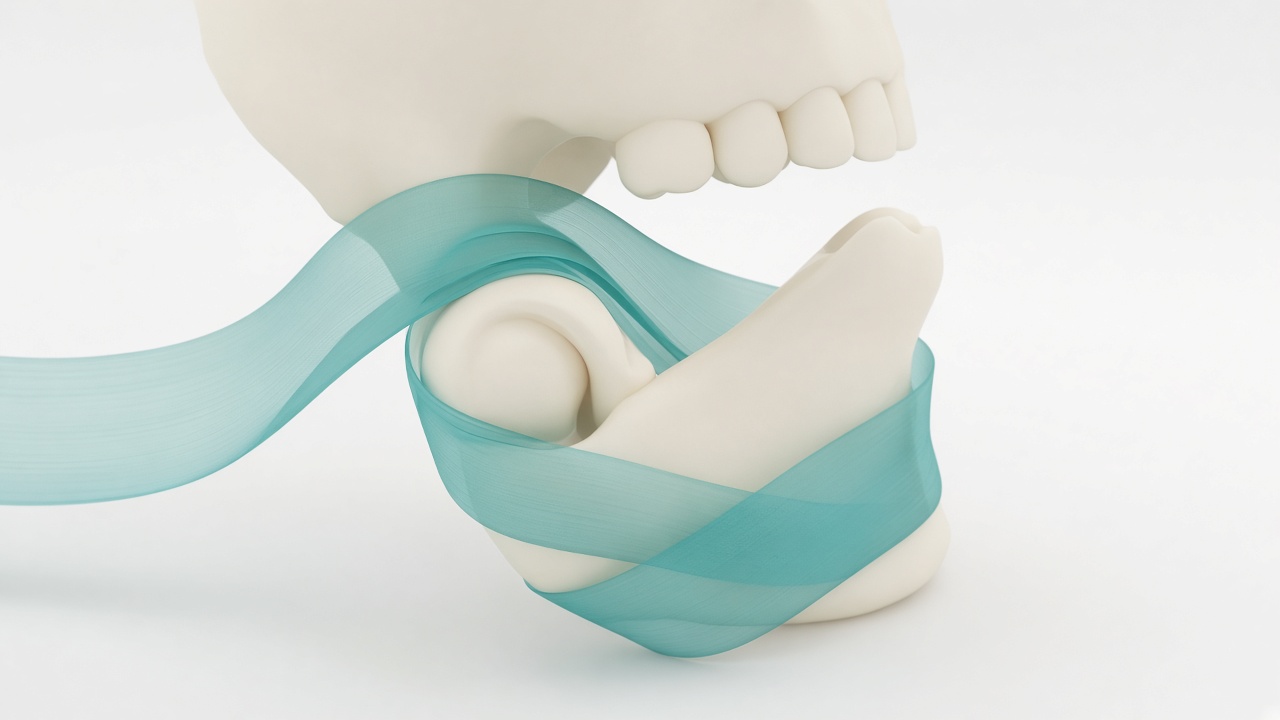
Bone and the periodontal ligament remodel under the same laws in adults and teenagers, yet growth reserve and response speed differ. In a teen, jaw growth can still help close part of a bite discrepancy. In an adult, skeletal growth is largely finished: we move teeth through bone that has already settled. That does not ban adult braces; it changes the math of timelines and expectations next to a school-age course.
At consultation I read skeletal maturity from records and clinic findings, not only the number on an Emirates ID. A seventeen-year-old with little residual growth and a thirty-five-year-old with healthy gums get different accents in the plan talk. Below: what changes in bone, ligament, and how activations feel.
Jaw growth and skeletal reserve
In a teen, part of bite correction can lean on growth. Facemasks, functional appliances, and growth-direction control belong to that age window. In an adult, skeletal growth is largely closed. A large Class II or Class III skeletal mismatch in an adult sometimes needs orthodontics plus surgery, or a dental compromise without a full skeletal “ideal.” I explain that before installation, not mid-course when the hope that “the jaw will catch up” has already failed.
Passport ages sixteen to seventeen in Dubai still show residual growth in some patients; in others films of the hand or clinic signs show growth already minimal. The Emirates ID number is not the plan. We read tissues and prior film series when they exist.
Parents of teens ask whether to wait another year. Adults ask whether it is too late. Diagnosis answers both: if the goal is dental and the periodontium is ready, age alone is not a stop. If the goal is skeletal without surgery in an adult, I draw the limits on paper.
Adults after orthognathic surgery follow a separate timeline protocol: braces often stay before and after the operation. Teens with unfinished growth delay that surgery. If someone offered “braces only” for a marked skeletal class, ask for written boundaries of the compromise.
Remodeling speed in bone
Osteoclasts and osteoblasts work at any age, yet adults more often feel a longer “tight” phase after a wire change. Clinical reviews and specialty association positions agree: movement remains possible for decades when the periodontium is healthy. Speed is individual: smoking, bone density, systemic factors, force dose, medicines. I do not promise an adult the same pace as a nephew in a Dubai school. At review I watch millimeters and gums, not a stranger’s social-media timeline.
After activation adults often describe a dull phase for two to four days; teens may complain shorter or louder, yet biology does not forbid adult movement. Night elastics and thick wires stack sensations; do not copy a teen’s wear chart from the same household without your own handout.
Women in perimenopause sometimes ask about jaw bone density. Orthodontics does not replace whole-skeleton densitometry; with known bone disease we coordinate with the treating physician and reduce force aggression when needed.
How activations feel
Adults often compare with a teen course years ago: “it was easier then.” Pain memory distorts. Some adults, by contrast, tolerate wires more calmly because discipline is higher and school stress is gone. I set force to tissues, not to the myth that adults always hurt more. Message me if pain blocks soft food longer than five to seven days: we check the wire, occlusal interferences, and hygiene.
Short-course analgesics per your general dentist or physician are fine; do not mask a loose bracket or a wire ulcer with a third tablet. Wax and a clinic message fix a sharp edge faster.
Gums and periodontium before braces
Before braces in an adult I judge the gums as carefully as crowding on models and films. Recessions, pockets, bleeding on cleaning, and tooth mobility shape the plan and the clearance for orthodontic force. A teenager with healthy periodontium handles leveling differently from an adult after years of gingivitis, smoking, or skipped hygiene visits in Dubai and between flights.
Orthodontics on inflamed tissues raises the risk of faster bone loss around roots. So some adults see a periodontist first, and only then do I place braces. At consultation we record gum status in writing before bonding day. Below: what we check before start, how hygiene enters the treatment agreement, and when activations pause without arguments about supposedly lost months.
What we check on a gum exam
Bleeding on probing, pocket depths, recessions, biotype thickness, mobility, plaque and calculus. An OPG and, when needed, CBCT add the bone picture around roots. If a periodontist already treated you, bring dates, diagnosis, and maintenance advice. Without stable inflammation I do not start a full force plan on braces.
Smoking and vaping in Dubai adults get a separate talk: vessels and healing suffer. That is prognosis for recession and bone response, not a lecture. Weekend alcohol hits periodontium less than daily plaque at brackets, yet dry mouth plus weak hygiene speeds trouble.
A thin gum biotype on adult incisors raises visible recession risk when teeth move forward. Plans sometimes change: less protrusion, different mechanics, periodontal work first. A teen with a thick biotype hears this talk less often at the same depth.
Hygiene as a condition for further activations
Adults often listen to instructions better than teens without a parent’s check. Office hours in DIFC, night medical shifts, or flights still break the evening ritual. At review I photograph plaque at brackets and compare with the last visit. A worse score pauses activations even if the wire “wants” a change. The same rule applies to teens; adult stakes are higher because recessions and restorations already exist.
Water flossers, interdental brushes, electric brushes are tools; enamel results decide. Shopping lists match your mouth, not an ad. Professional hygiene comes more often than “once a year before braces.”
Periodontal maintenance visits during orthodontics for adults with a pocket history are not optional “if I remember.” I place support on the calendar next to wire changes. A teen with ideal gums rarely needs that parallel schedule.
When orthodontics pauses
Acute periodontitis, abscess, rapidly rising mobility, or refused hygiene after warnings across two or three visits. A pause protects bone; it is not punishment. After periodontal care we return with a recalculated timeline and sometimes simpler mechanics. I cannot promise a finish date that ignores the gums.
Pregnancy: courses often continue with limits on films and force; starting a new course sometimes waits. The call is joint with the obstetrician and gum status — pregnancy gingivitis flares more often.
Crowns, implants, and old fillings in an adult plan
Crowns, veneers, large fillings, and implants in an adult are not rare; they are the background of an orthodontic plan for years ahead. A teenage mouth is more often free of that volume of restorative work and implant junctions. An implant does not travel with the neighboring tooth: orthodontics moves teeth relative to a fixed anchor in jawbone. A crown changes bracket bonding and sometimes the final smile contour after the row levels.
At consultation I collect the general dentist’s work list before we bond. Without that list an adult braces plan has gaps in biomechanics and visit timing. Below: how restorations enter mechanics, what happens to veneers after teeth shift, and how we stage space for a future implant with a Dubai surgeon.
Implants and fixed anchors
An implant in bone does not move with the wire. We move neighboring teeth to open or close space, upright an axis for a future implant crown, or separate roots. If an implant already sits “off” relative to an ideal arch, the plan either works around it with compromise or discusses complex options with the surgeon. Implants are usually early for growing teens; for adults they are a common joint path with a Dubai implantologist.
Temporary prosthetics during orthodontics must not block hygiene around brackets. Agree material and shape with the prosthodontist before a long course.
Crowns, veneers, and bracket bonding
A crown on a tooth moves with that tooth. Bonding a bracket to ceramic or zirconia is harder than to enamel: higher debond risk, especially on molars. We budget extra visits for rebonding. After leveling, the crown margin may no longer match the new gum line — the prosthodontist remakes or polishes after removal.
Veneers on crowded teeth were sometimes placed as “optical” straightening without orthodontics. When you later upright roots, veneer shape fights the new axis. Honest talk before start: who remakes front aesthetics and when. I do not promise old veneers will sit perfectly on a new row without revision.
UAE insurance sometimes covers orthodontics partly and does not cover veneer remakes after leveling. Clarify two budgets early: orthodontic and restorative. Teens need post-braces veneers less often; adults hit the surprise “teeth straight, veneers wrong” harder than an extra month of wire.
Fillings, root canals, and bridges
An overhanging old filling is a plaque pocket for the whole braces course. Better to correct before bonding. Root-canal treated teeth move with careful monitoring of vitality symptoms. A bridge locks teeth as a block: orthodontics either respects the block or the prosthodontist temporarily separates it. Rare in schoolchildren; normal for adults on the adult braces pathway.
Treatment timelines: a straight talk with adults
A timeline “like my nephew in one year” rarely transfers to an adult one-to-one without full chairside diagnosis and films. Bone biology, movement volume, extractions or not, elastics, visit discipline, and hygiene build the calendar step by step. I give a range after scan and analysis, with the caveat that we revise the plan by tissue response at review visits in clinic.
In Dubai adults often ask for an exact wedding, relocation, or visa date. I say plainly: a calendar date does not command osteoclasts and osteoblasts in your jaw right now and tomorrow. Below: what builds the braces timeline, what lengthens adult courses more often, and how I update the forecast without false finish guarantees for a round date.
What builds the timeline range
Crowding volume, sagittal and vertical goals, extractions or expansion, miniscrews, elastics, mid-course doctor changes, flights without visits. An adult with relapse after a teen retainer may level front teeth visually fast yet need longer to stabilize roots and occlusion. A growing teen sometimes “catches up” skeletally; an adult does not use that reserve.
I give typical ranges after scan or impressions and analysis; ignore ads that say “eighteen months for everyone.” Short “front teeth only” packages exist for adults by indication; that is a different task volume, not the same braces with magic speed.
Comparing yourself to a teen friend in the same clinic is useless without the same diagnosis. Different bite class, different extractions, different elastic discipline. I refuse to promise your timeline from someone else’s chart. Ask for your range in writing in the treatment plan. If insurance or a loan presses you to “finish in N months,” say so before start: we align payment stages to biology, not biology to a bank contract.
What lengthens adult courses more often
Skipped elastics around meetings and dinners. Bracket debonds on crowns. Gum pauses. Late occlusal detailing under old restorations. Long work trips without a visit. Dubai summer exits of two months without contact need a remote protocol or a backup visit agreed early. Job and insurance changes shift money and visit rhythm; better to say early than vanish for half a year.
How I update the forecast
At planned reviews we compare photos, models, and complaints. If we lag, I name a new range and the reason out loud. If we lead, we still do not debond before retention and occlusion are ready. A wedding date guides aesthetic staging and temporary solutions; it does not order biology to break two weeks before the event.
Work, social life, and appliance choice in adults
Adults in Dubai often count bracket visibility: client meetings, cameras, court, teaching. Metal, ceramic, sapphire, lingual, aligners trade force control, hygiene, speech, and budget differently. I do not rule that adults must have “invisible only”: metal sometimes solves complex mechanics more reliably. We discuss profession and embarrassment threshold at consultation.
A Dubai school teen often accepts colored ligatures as classroom normal. An adult rarely wants bright elastics on a quarterly review. Self-ligating systems without colored ties remove part of that request. Speech after lingual bonding for adults with public work needs a frank warning about adaptation weeks: do not schedule a key meeting the day after bonding without buffer.
Visit schedules mesh with work trips and children’s school holidays when an adult parent ferries the whole family. Evening slots after office hours go in where the clinic can. Teens more often come daytime with a parent.
Money: adults pay themselves or through insurance with adult orthodontic caps; teens often sit on a parent package. Check UAE policy coverage yourself — rules differ; I do not replace a third-party administrator (TPA). Installments and payment stages sit apart from the medical plan.
Sport and combat sports: adults in Dubai gyms wear mouthguards over braces by agreement; school sport for teens uses the same idea with different parental control. Violin, wind instruments, diving — daily details adults raise themselves at consultation.
Video calls and full-day camera work: Dubai media and sales adults more often choose less visible systems at start even when biomechanics preferred metal. A mix is possible: metal on molars, ceramic on front teeth — we discuss hygiene and force downsides. Teens rarely need a “Zoom mix.”
If braces on every weekend wedding photo bother you, say so at consultation. Sometimes we stage the aesthetic finish around an event season without breaking the whole plan. Sometimes we keep brackets visible and save months on predictable mechanics.
Adults often pair orthodontics with whitening “right after removal.” Whitening over recessions and sensitive necks is a separate talk; teens ask less. Stable hygiene and retention first, then enamel cosmetics per the general dentist when indicated.
Public talks and podcasts: the first two weeks after installation speech and lips adapt. Build calendar buffer before a conference. A student can shift a presentation a week; adult slots are tighter. I lay out two or three realistic appliance scenarios for aesthetics versus speed; you pick for work and budget.
Retention and relapse risk after adult braces
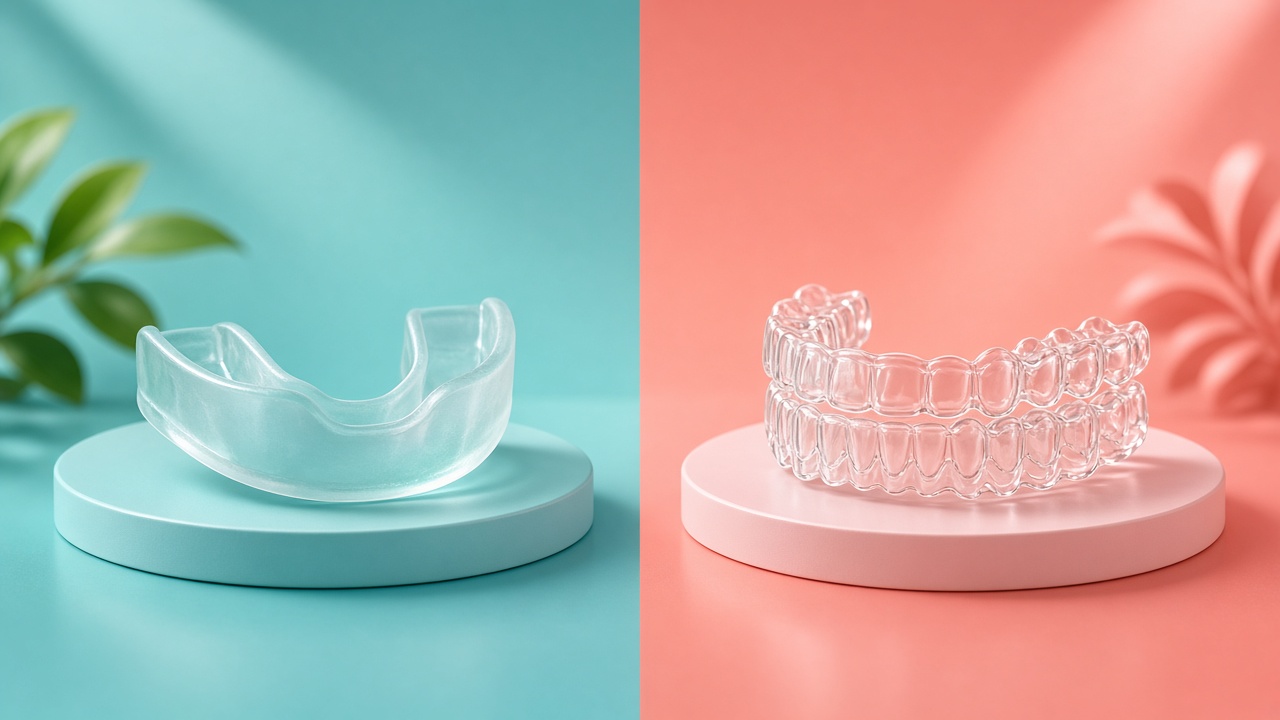
After braces removal bone and ligament fibers stabilize for months. Adult relapse risk links to original crowding, tongue and lip pressure, periodontium, missing retainers, and late bite change from wear. Fixed retainer plus night tray is a common scheme; details are yours only. Teens get retention too; an adult whose tray gathers dust in a travel bag hits the result just as hard.
Relapse years later does not prove adults “cannot” wear braces. More often it is skipped retention, a broken fixed retainer without a visit, or worsening gums. Orthodontist and general dentist reviews after the course follow the schedule I give at removal. A lost tray in a suitcase means order a new one; do not wait until teeth look drifted.
If implants or new crowns follow leveling, we align retention with the prosthodontist so prosthetic space does not vanish. Adults with bruxism get a separate talk on night trays and retainer protection.
Dubai air-conditioning dryness does not break retention by itself; missing wear does. Moisture and cleaning around fixed wire reduce calculus on the tongue side of incisors.
Adults with periodontitis history get retention and hygiene support as one package: a tray does not save you if calculus grows on a fixed retainer for months. A parent may remind a teen about the tray; an adult sets a phone reminder or loses the habit in a quarter.
Moving from Dubai on retention: take tray prescription copies and lab contacts. The new doctor should see what sat on the teeth at removal. “Just make a new tray” from an impression without history raises mismatch risk.
Check the fixed retainer every few months to catch a loose link before incisors shift. Adults skip these visits more than teens with a parent controller. Put a repeating phone event for a year from removal day. If the tray rubs after treatment on a neighboring tooth, do not delay adjustment for months: one night off becomes a week, a week becomes relapse on a smile photo.
What we cover at adult consultation before start
The list I walk with adults more deeply than with school patients: goals (aesthetics, function, prosthetic prep), medical history, medicines (including bone-affecting drugs — only via the treating physician), periodontium, restorations and implants, habits (bruxism, smoking, vaping), budget and visit rhythm, retention for years ahead, alternatives (aligners, reduced scope, surgery). The adult braces page and consultation share this frame; an article does not replace exam and films.
Films: current, not five-year-old films from another country without a report. Translation of Russian, Turkish, or English notes helps, yet a Dubai clinic still runs its own protocol set. If you transfer from another doctor, bring the fullest package: otherwise I rebuild the base and do not guess prior forces on the wire.
Star “before and after” photos get a separate reality check: retouch and different starting bites. Your forecast comes from your models.
I also ask about “front teeth for photos only” versus a full functional plan. An adult with worn canines and old crowns may regret a partial scope a year later. Narrow the goal on purpose rather than wait for a short package to work miracles.
If a teen in the family is in treatment at the same time, do not copy their wires and elastics onto yourself. Two mouths, two plans, two charts. Shared water flosser: fine. Shared elastic scheme: no.
Insurance and personal documents: treatment plan, timeline range, included visits, and what bills separately (lost brackets, professional hygiene). Adults read contracts more carefully than teens; still ask before signing. A vague clause on activations without hygiene conditions needs clarification. I may refuse to start if periodontium is unstable or the goal is unrealistic without surgery you decline. Refusing to protect tissue is normal clinical judgment.
At reviews adults often bring question lists from work and family. Write them down. A teen may stay quiet while a parent speaks; an adult has one voice. If you are tired of the course and want a simpler goal, say so at the visit; we recalculate the remaining plan without scolding.
| Factor | Teen (typical) | Adult (typical) | Plan impact |
|---|---|---|---|
| Skeletal growth | Often still available | Largely finished | Less growth help; more dental or surgical path |
| Periodontium | More often calm at start | More recessions, pockets, gingivitis history | Clearance, pauses, force dose |
| Restorations / implants | Rare | Common | Biomechanics, bonding, prosthodontic handoff |
| Bone response pace | Often looks faster | Individual; often feels longer | Wider timeline range |
| Visit discipline | Depends on parent | Patient plus work | Trip-related skips |
| Appliance aesthetics | Colored ties normal | Prefer less visible | System choice |
| Retention | Mandatory | Mandatory; higher cost of skips | Tray plus fixed checks |
| Social / work | School | Office, clients, camera | Event-linked staging with caveats |
FAQ: adult braces versus teen treatment
Can I get braces after 30, 40, or 50?
Yes if the periodontium allows and goals are realistic. Passport age alone is not a ban. Exam, films, and gum status decide more than a round birthday. In Dubai I treat patients across decades; the plan is always individual after diagnosis. “Too late” usually means “needs an honest tissue check,” not a ban on adult braces.
Why do adult courses often last longer than teen courses?
Jaw growth no longer helps, tissues may respond more slowly, and restorations plus gum pauses get in the way more often. Not every adult runs longer than every teen. Compare only your plan with your diagnosis, not an internet ad timeline. At review I update the range if hygiene or debonds shift the calendar.
Do adults need a periodontist before braces?
If you have bleeding, pockets, recessions, or mobility, assessment belongs before a full force start. Sometimes boosted hygiene and monitoring suffice; sometimes periodontal treatment comes first. I do not start orthodontics over active inflammation.
Do crowns and implants move with the teeth?
An implant in bone does not move with braces. A crown on its own tooth moves with that tooth; bonding to ceramic is harder than to enamel. Bridges and splints limit single-tooth movement. We build that into the plan before bonding.
Which braces are better for adults: metal, ceramic, or aligners?
What fits your biomechanics, hygiene, and daily life. Metal is often more predictable in complex vectors. Ceramic and aligners cover work-facing aesthetic requests. Indications come from consultation, not a smile-shop catalog.
Do activations hurt more in adults?
Some adults feel a longer dull phase; some tolerate better than teens. Force matches tissues. Pain beyond a week with soft-food refusal warrants a message, not waiting for the next planned month.
Is retention mandatory after adult braces?
Yes. Without retention, relapse risk stays high at any age. Fixed retainer, tray, and wear duration follow your plan. Skipping the tray for months in an adult with crowding history often returns front teeth toward the old pattern.
How does an adult consultation differ from a teen visit?
More time on periodontium, restorations, work, and years of retention. Teens often need a parent talk on visit and elastic discipline. Adults decide alone; I give risks and timeline ranges straight, without marketing soft focus. If you leave to compare clinics, take a written list of films and questions so plans stay comparable without losing your mouth’s details.