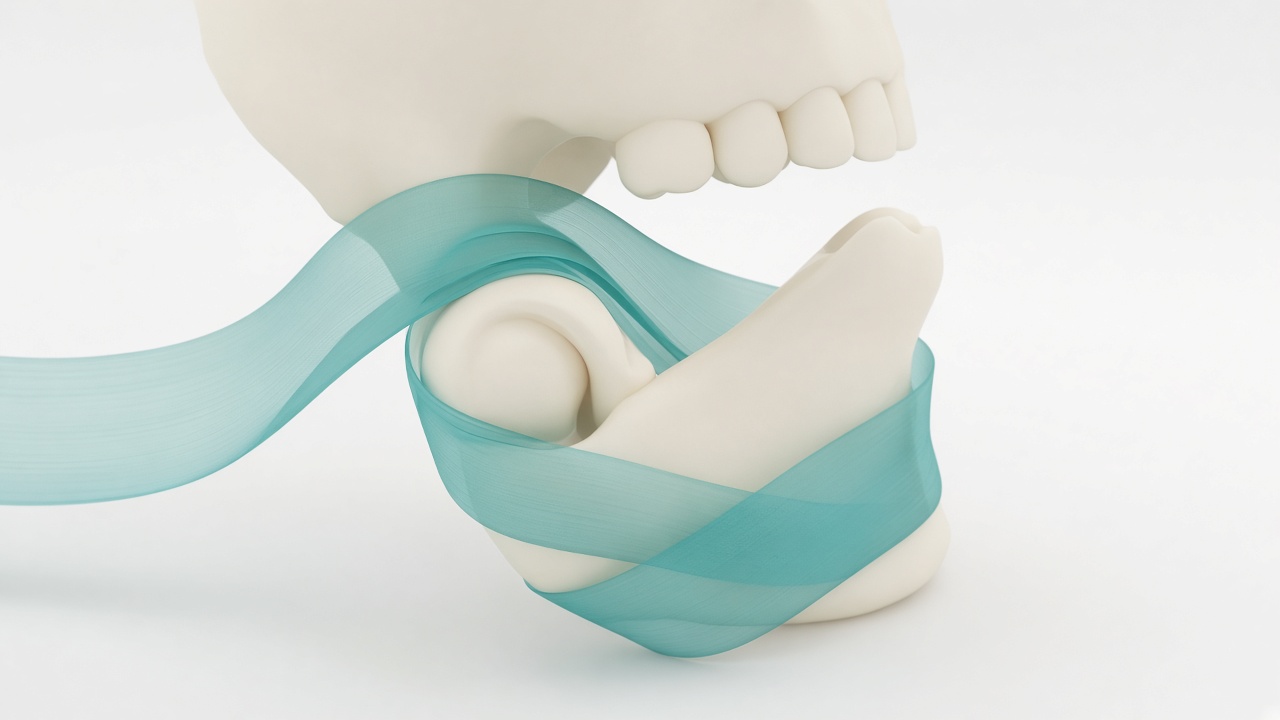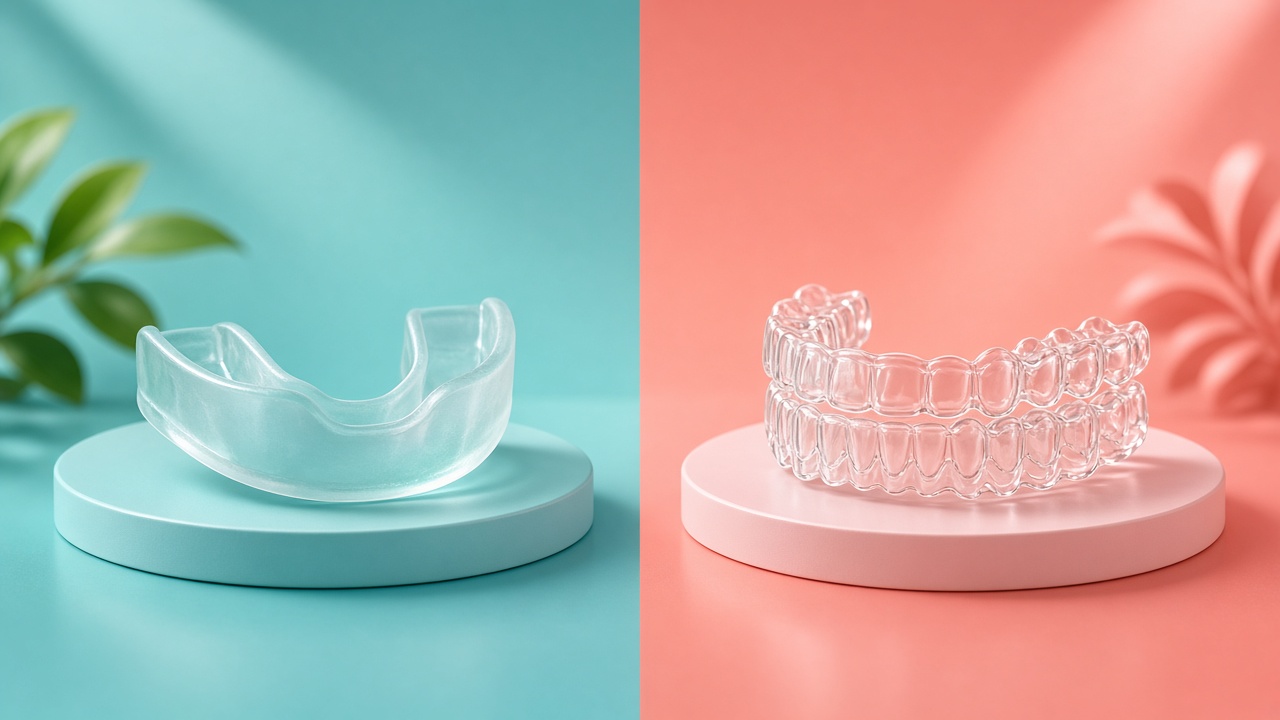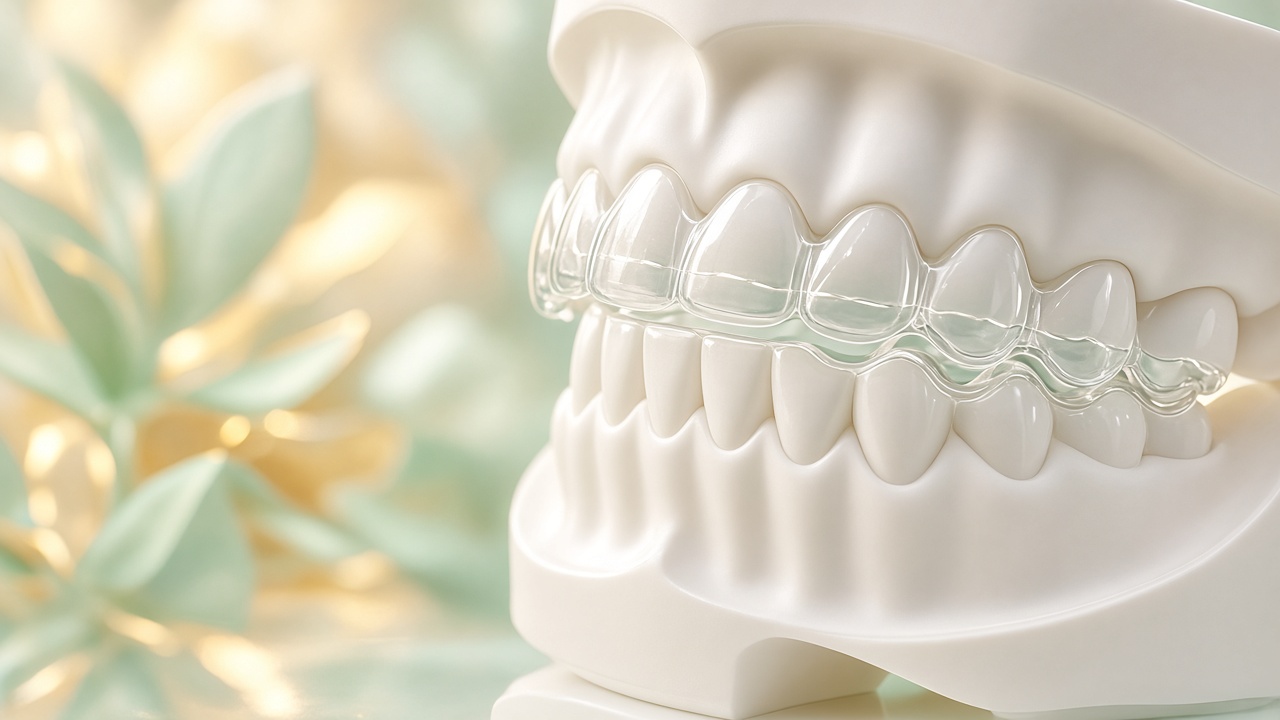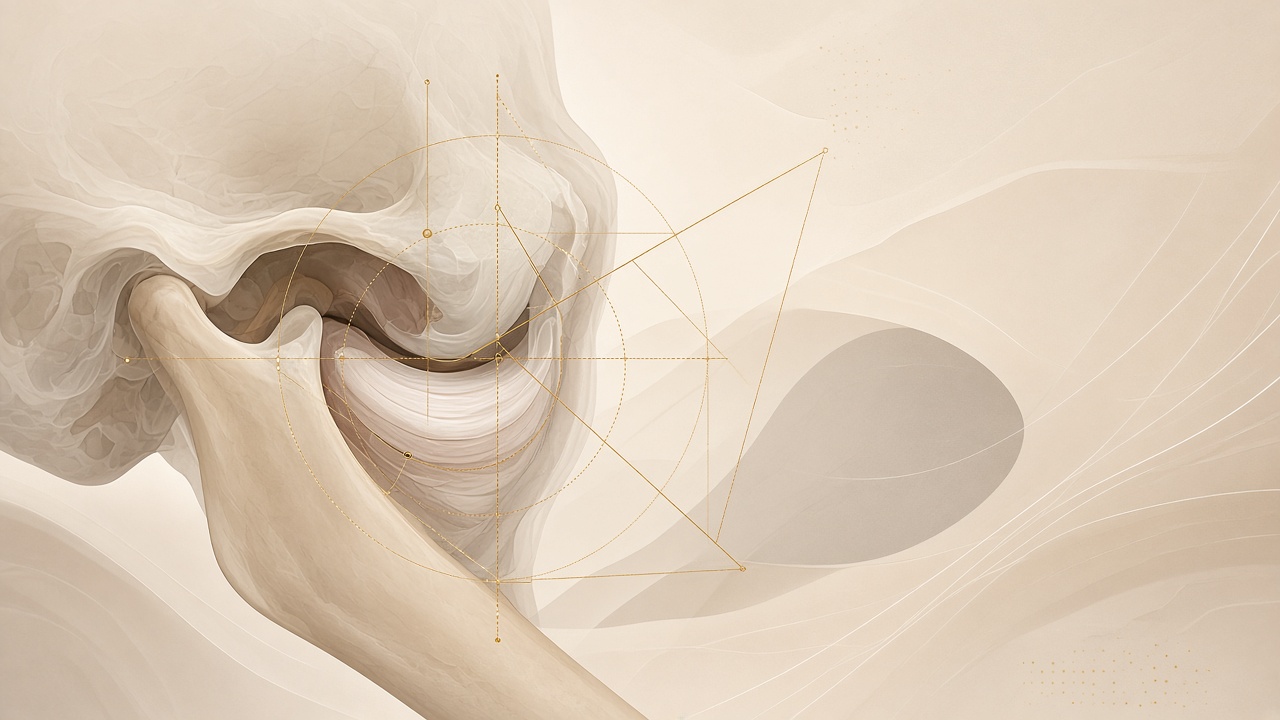
People search “TMJ surgery when needed” long before they finish a calm conservative path. I am Dr. Maksut Behruzoglu, a specialist orthodontist in Dubai. In TMJ treatment and in joint care within surgical orthodontics I see one pattern: most patients need load control, diagnosis, sometimes a splint, and an orthodontic plan—not an operating room in the first week of pain. Joint surgery stays a rare, planned step when disc, capsule, or bony support fails conservative care and when the goal is to restore opening, reduce pain, or stabilize the joint before a long orthodontic route. Orthodontics moves teeth and changes contacts; it does not replace joint surgery when the problem sits in joint anatomy. Below: limits of orthodontics, signs that a surgical talk is due, joint surgery versus orthognathic surgery, typical decision stages, the orthodontist’s role on the team, and honest expectations without scaring every click.
Orthodontics and the joint: what changes in the chair and what braces cannot do
Orthodontics reshapes teeth and contacts; in growing patients it sometimes guides growth. A more even bite often lowers muscle load. Braces and aligners do not sew the capsule, reposition the disc surgically, or remove a condylar defect that already changed biomechanics. At the first visit I separate muscle, joint, and tooth layers so fear does not rush surgery and marketing does not promise joint cure from one arch. Dubai often adds aligners started abroad and old phone scans; today’s clinic decides, not the brand campaign. I do not promise “straight teeth cure the joint” or scare with surgery on the first click. I name which layer dominates and which step order is safe. Below are three limits I state before any surgery talk.
Teeth, contacts, and joint load
Lock, chronic limited opening, or progressive joint pain with structural imaging will not resolve from tightening an arch alone. When one tooth hits early, muscle and joint receive an extra impulse every close. Orthodontics can remove that contact in a plan. If the condyle already works in an altered position because of disc or bone, aligning the arch alone is not enough: the joint keeps its old path until structure is stabilized or rebuilt by indication. I check whether pain matches muscle palpation or motion at the joint itself.
Growth, age, and orthodontic timing
In teens some goals resolve with growth guidance and habit work. In adults the bony base is set, and joint surgery questions differ from a child with a painless click. I do not paste adult surgery stories onto children without indication, and I do not delay an adult joint talk because “straight teeth first.” Timing comes from exam and follow-up trend.
Where the orthodontist stops and calls the team
If pain rises during treatment, opening falls, lock repeats, and conservative steps are exhausted, I pause force activation and gather specialists. That is not orthodontic failure. It is an honest scope line. Next steps live in TMJ treatment broadly and, when indicated, joint treatment in surgical orthodontics.
When TMJ surgery is discussed on merit, not on every click
A painless click with normal opening can live in conservative observation for years. I open a joint surgery talk when symptoms and data form a steady picture. Forums supply fear; I ask for a fact table: locks, opening millimeters, splint response, injections, physiotherapy, imaging answers. Without it, “surgery” sounds like a verdict; with it, surgery is one list item. Dubai’s holiday rush collides with real conservative and healing time. One records folder beats three conflicting stories. I ask how many weeks of routine, splint wear, and opening measures you actually completed—not what you intended. Bring those dates to the consult; memory smooths gaps that matter. Below are three clinical signals I separate at exam before the surgeon joins the talk.
Lock and limited opening
Surgery enters when the timeline shows repeating lock with slow recovery, chronic opening loss, joint pain after fair conservative care, progressive imaging with clinical sense, or structure plus long reconstructive orthodontics. Lock that will not release for hours, or opening that shrinks sharply over days, belongs in urgent clinic—not home reduction. Chronic limitation where someone cuts food for months because of amplitude raises disc or capsule structure questions. Surgery is not line one, but it enters the differential after documented conservative failure.
Joint pain versus muscle pain
Muscle pain often responds to routine, sleep, splint, habits. Joint pain localizes in front of the ear, worsens with motion, sometimes swells. I separate layers at exam. If joint layer stays dominant after months of structured conservative care, surgery joins the discussion.
Imaging: what it proves and what it cannot
Panoramic views help teeth and gross bone. MRI or CBCT with a joint question shows disc, surfaces, sometimes fluid. “Clean” imaging does not erase heavy clinic. Heavy imaging without symptoms does not mandate surgery alone. I order imaging with a question, not a gallery for fear.
Joint surgery and orthognathic surgery: two different routes
Confusion between these two topics drives panic. TMJ surgery targets the joint: disc, ligaments, condyle and fossa surfaces, sometimes arthroscopic or open access. Orthognathic surgery moves jaw bones for bite, airway, profile—often after orthodontic prep. Goals differ even when stages link. Someone asking for “TMJ surgery” may mean bimax orthognathics, and the reverse happens. I define words at the visit: pain site, opening goal, bite goal. In joint treatment with surgical orthodontics we order steps: joint stage when needed, then tooth movement when safe. One “big surgery day” without a team plan is not what I recommend. If an office offers both joint and jaw surgery in one sales sentence, ask who leads each part and what success means in millimeters.
Joint surgery: typical goals
Restore or improve motion, reduce pain from the joint, stabilize disc or bone, prepare the joint for long orthodontic load. The surgeon picks technique from clinic and imaging—not the orthodontist alone.
Orthognathic surgery: typical goals
Move upper or lower jaw for bite, airway when indicated, close open bite by bone. The team tracks condyle position before and after and load risk. Orthodontist prepares teeth; surgeon moves jaws; joint specialist joins if the joint was already a problem.
Why stage order shapes outcome
Starting long orthodontics on an unstable inflamed joint risks losing opening mid-plan. Stabilize the joint conservatively or surgically, then move teeth—a different risk profile. Order is agreed in team discussion, not in chat about who billed first.
Conservative path: what most people complete before any operation
Most patients with pain, click, or chewing fatigue never reach an operating table. I start here even when someone is sure “only surgery will save me.” Conservative care tests muscle and behavior change, splint response, and unload. Dubai home rules—soft food, call breaks, no gum, sleep without a fist under the jaw—give background to read trend. Rising opening and falling pain push surgery back; flat graphs despite compliance document plateau. Missing reviews on this stage hides whether splint and routine truly failed. Patients sometimes stop halfway and report “nothing worked”—I ask what they did daily and for how many consecutive days. Honest gaps help more than a polished story. Below are three pillars I chart as strictly as arch size.
Diagnosis and symptom diary
The route includes diagnosis, load control, splint when indicated, habits, neighbor pain causes, and contact adjustment where appropriate. Timelines range from flare weeks to months of structured TMJ treatment with reviews recording opening, pain, sound, palpation. Conservative care is evidence that soft methods failed or do not fit structure. Without a timeline the doctor guesses. I ask for pain score, triggers, locks, medicines other doctors already prescribed. A diary saves months and protects against premature surgery when a muscle flare already settled.
Splint and unload
An individual splint when indicated changes contacts and night mode. It does not fix every disc, but it often cools muscle fire. I review fit; I do not bless a random pharmacy guard for years. If splint helps, surgery waits. If not—we record that fact.
Muscle and behavioral work
Parafunction, sleep, stress, neck, screen time—all load. I refer when needed. That is mechanics, not “in your head.” Skipping this layer and cutting the joint is a team error.
Joint procedures discussed after indications
I do not operate the joint myself; I am the orthodontist on the team. The surgeon chooses technique; I translate consequences for bite and brace timing. Patients need the family of intervention, not a Latin label. Minimally invasive options fit not everyone; open access is sometimes the precise plan. I do not rank surgeries like a league table. I match goal, risk, rehab, and your Dubai calendar. Arthrocentesis and arthroscopy wash, release, or visualize inside the joint for selected cases. Open disc work needs direct access to disc, ligaments, and surfaces. Reconstructive options appear for condyle or fossa defects. Name matters less than goal: open, reduce pain, stabilize, prepare orthodontics. Risks, anesthesia, and timelines belong with the surgeon. Below are three levels we most often discuss after conservative plateau.
Minimally invasive steps
For selected pictures the surgeon may offer arthrocentesis or arthroscopy. That is not “easy surgery without consequences.” It is a defined intervention with prep and rehab. I align with the surgeon on when orthodontic activation may return.
Open disc and ligament surgery
When disc or ligaments need direct access, open approaches are discussed. Scar, soft diet period, limited opening in rehab—part of honest consent. I plan orthodontics after the healing window, not parallel to acute recovery.
Bone and reconstructive options
Marked condyle or fossa change triggers reconstructive or replacement talk per surgeon protocol. These cases are rare in my practice but real. Orthodontics without a joint stage is often pointless then.
Orthodontics before, between, and after joint surgery
If you already wear braces or aligners, possible joint surgery scares on two tracks: money and time lost. I answer from the chart. Sometimes we slow activation while the joint passes conservative or surgical care. Sometimes orthodontic prep runs parallel to a gentle routine under control. After surgery I wait for surgeon signals on load, opening, healing—then return to tooth movement on a new condyle base. Keep pretreatment records; comparison without a start point wastes years. In Dubai some patients arrive to “finish the bite” after joint surgery abroad—I assess stability, contacts, and symptoms before promising final aesthetics.
Treatment pause is not defeat. Pause with the appliance kept, or temporary retention when needed, beats breaking the joint for an aligner shipping schedule. I write a pause plan: chewing limits, next review, who to call for lock.
If orthodontics has not started and the joint already misbehaves, I may stabilize symptoms and baseline imaging before moving teeth. If treatment runs a year and lock follows a routine activation, we hunt triggers: new contact, missed night guard, stress, tooth infection, trauma. A tooth image sometimes explains “joint” pain better than MRI. I send you to restorative care when indicated.
Patients ask whether surgery will “ruin profile.” It depends on intervention type. Joint surgery should not move jaws like orthognathics, but swelling and limited opening temporarily change face feel. Orthognathics changes profile on purpose. I sketch your case without social media horror stories.
For children and teens, joint surgery in a growing body is a rare branch. Parents panic after a school click. Most kids stay in observation, habits, sometimes growth orthodontics. I do not paste adult surgery tales onto children without context.
Team decision, rehab, and practice in Dubai
TMJ surgery is a team choice: orthodontist, maxillofacial or joint surgeon, sometimes rehab, neurology or ENT for neighbor complaints. I convene facts, not drama. Second opinion on a heavy choice is normal. In the UAE private model, insurance coverage varies; check your schedule of benefits and pre-approval—I do not quote universal fees. After surgery: soft diet, gradual opening return, exercises only as prescribed, reviews. Early pain and swelling are expected; rising pain after day three, fever, numbness—call the team. The table maps roles; it is not a diagnosis calculator.
| Stage | Orthodontist | Joint / maxillofacial surgeon | Patient |
|---|---|---|---|
| First pain or click | Exam, layer split, routine | Consult for red flags or structure | Diary, soft food, no self-reduction |
| Conservative course 3–6 mo | Splint, contacts, ortho pause if flare | Join at pain or lock plateau | Compliance, reviews |
| TMJ surgery decision | Document conservative failure, tooth plan after | Pick procedure, risks, anesthesia | Second opinion if unsure, prep home |
| Orthognathics in same case | Tooth preparation, bite forecast | Jaw movement, condyle check | Long rehab, realistic timelines |
| After joint surgery | Ortho return on surgeon signal | Healing, load control | Soft diet, no gum or wide yawn |
| Stabilization | Retention, contacts, night mode | Close surgical episode | Sleep habits, grinding check |
If breathing or swallowing worsens, do not search the table—seek emergency care.
At Dubai visits bring old MRI discs, op lists, opening photos if you have them. Plan rehab windows: quiet home beats flying next day. I stay in writing with the surgeon: opening millimeters, symptoms, readiness for the next arch. Joint treatment and orthodontics become one story, not two fighting projects.
Write surgeon questions ahead: access type, duration, anesthesia, opening limits week one, return to office, when I may activate again. Chart answers. Early days: soft food, short talks, head elevation if advised. Rising pain after day three, odor, fever—call. Opening exercises follow protocol, not a neighbor’s reel.
Second opinion in the UAE is normal—bring discs and records. I welcome it; I dislike decisions without data. Two aligned opinions after conservative failure calm more than one loud forum.
Fear “they will force surgery for braces” is common. Braces alone are not joint surgery indication. Indication comes from the joint. Orthodontic pause protects you, not my deposit. If a surgeon says no surgery, I am relieved.
MRI helps disc and soft tissue questions. CBCT shows bone and condyle position in 3D. Panoramic views do not replace those but show teeth. I do not MRI every click “just because.” Order with a question.
Before elective surgery I check teeth and gums—caries or abscess is better closed pre-anesthesia. Long orthodontics after joint work needs planned extractions, spaces, implants—not blind tooth movement.
Family pressure “cut because it clicked ten years” returns to function and pain. Ten-year painless click differs from click plus opening drop in three months. Family helps diary and post-op life; family does not vote instead of doctors.
Some patients notice chewing sound change for weeks post-op—review it, do not panic night one. Sharp pain or lock with sound—call. Retention after orthodontics on an operated joint needs stable contacts and sometimes night guard—talk after healing.
Chart stores surgery date, procedure, surgeon, opening limits, date ortho activation allowed. Without that line the next orthodontist abroad starts at zero. Expat Dubai moves clinics; paper saves months.
If conservative care worked, surgery drops off the list but observation stays. I say “function stable now, here is follow-up,” not “cured forever.” Recurrence is not patient failure—honest history speeds the next conservative course.
Orthognathics without joint review can load condyles anew. Joint complaints before jaw surgery need joint assessment, not only a bite model. Screen numbers look pretty; the joint speaks in clinic.
Sport after surgery depends on week and procedure—surgeon clears run and gym. Contact sport waits longer. Wide-yawn yoga waits until opening is controlled.
I do not promise silent joints after surgery. I promise honest goals: less pain, more opening, steadier chewing, orthodontic readiness. We define goals before anesthesia with the surgeon, not after swelling.
Bring a partner or friend to the surgical consult if anxiety spikes; they take notes while you breathe. Ask what “success” means in numbers: opening millimeters, pain score, diet stage. Ask what failure would look like early so you know when to call. Pack soft foods before joint surgery the way you pack before wisdom teeth stories—except timelines differ; follow your team sheet, not a generic blog.
If you already have implants or crowns, tell the surgeon and orthodontist before joint planning; occlusal changes after joint care still need a prosthetic plan. If sleep apnea equipment pulls the jaw forward nightly, mention it; appliances interact with condyle position. If you grind through a guard, show the worn guard; it documents force better than words.
Research papers online use categories you do not need to memorize; you need your timeline and a team who reads imaging with you. Avoid comparing your MRI sentence to someone else’s MRI sentence without radiology context. Avoid signing for elective surgery while acute lock is untreated; stabilize or reduce lock first when that is the urgent problem.
Orthodontic aligner companies sometimes message patients directly; if a flare happens, human clinic beats chatbot. My clinic coordinates pauses with manufacturer steps when you are already my patient. If you are not, still pause force and book exam before the next tight tray.
After joint surgery, plan work-from-home windows if your job demands long calls; jaw rest is part of rehab. Tell your manager you need breaks—not for sympathy, for function. School-age children in braces need the same pause logic when the joint flares; parents call the orthodontist before forcing rubber-band games. Older adults fear “too old for surgery”; age alone is not a veto—comorbidities are, and those are surgeon questions. Young adults fear “too young for surgery”; youth does not forbid joint care when structure demands it. Each age gets its own workup, not a forum average.
If you delayed the joint for years while “finishing the bite,” come without shame—late honesty beats early silence. I route from today’s point, not yesterday’s guilt. Sometimes that means months without activation; sometimes only softer routine. Surgery stays rare, but the talk stops being taboo when facts are ripe. Fear of anesthesia belongs with the team anesthetist, not a comment thread. Fear of “ruined face” belongs on the diagram of your procedure, not a stranger’s post.
Elective joint surgery and emergency lock care are different doors. If you cannot open today, call for urgent assessment before you book cosmetic orthodontics consults alone. If pain is low but opening shrinks every month, document opening weekly and bring the list—trend convinces teams faster than one dramatic day alone.
Frequently asked questions
Answers after searches for TMJ surgery when needed. Rare surgery does not mean your case is imaginary; common clicks do not mean everyone gets cut. Use this to prepare for TMJ treatment or joint surgery within orthodontic care. If lock or severe pain is today, book before you finish reading. I keep replies short; your timeline expands in the chair with dates and opening numbers. Wording can differ; clinical meaning matters more than the headline match. If an answer feels unlike your case, bring your scenario—lock and painless click live on different plan rows. List questions before the visit; we walk them in order. That keeps chair time on your timeline, not on remembering wording you forgot in the lobby.
Does every click lead to surgery?
No. Many clicks live years without progression or pain. Surgery is discussed with combined symptoms, functional loss, and structural findings after conservative care. Click alone means exam, not OR scheduling.
Can braces alone cure TMJ?
Braces change tooth position and contacts. They help some patients with lower muscle load. They do not replace joint surgery when disc, lock, or bone structure drives the problem. Exam and imaging when needed decide.
How is joint surgery different from orthognathic surgery?
Joint surgery works on the joint: disc, ligaments, condyle surfaces. Orthognathics moves jaws for bite and profile. Goals, access, and rehab differ. One patient may need both in sequence by team plan.
How long is conservative care before surgery?
Individual. Acute flare may need weeks of routine. Chronic cases need months with reviews. I track opening and pain numbers, not “feels the same.”
Is orthodontics needed after TMJ surgery?
Often yes if the original goal included bite, spacing, or prosthetic prep. Sometimes the goal is joint function only. Plan before surgery; refine after stability.
Is flying to Dubai for surgery consult OK?
Consult with records works. Surgery and early rehab need local support. I do not promise tourism-window operations without recovery time.
Does UAE insurance cover TMJ surgery?
Depends on policy, network, pre-approval, and medical indication. Verify coverage. I provide clinical letters, not payment guarantees.
When call urgent instead of waiting for elective surgery?
Lock with inability to close, rising swelling, fever, facial numbness, breathing or swallowing trouble, jaw trauma. Do not wait for an elective slot.
If “TMJ surgery when needed for me” remains—the exam with timeline and targeted imaging answers it. I do not sell fear or promise click cure from one arch. I place rare surgery where joint structure needs a team, and orthodontics stays part of a long safe plan.