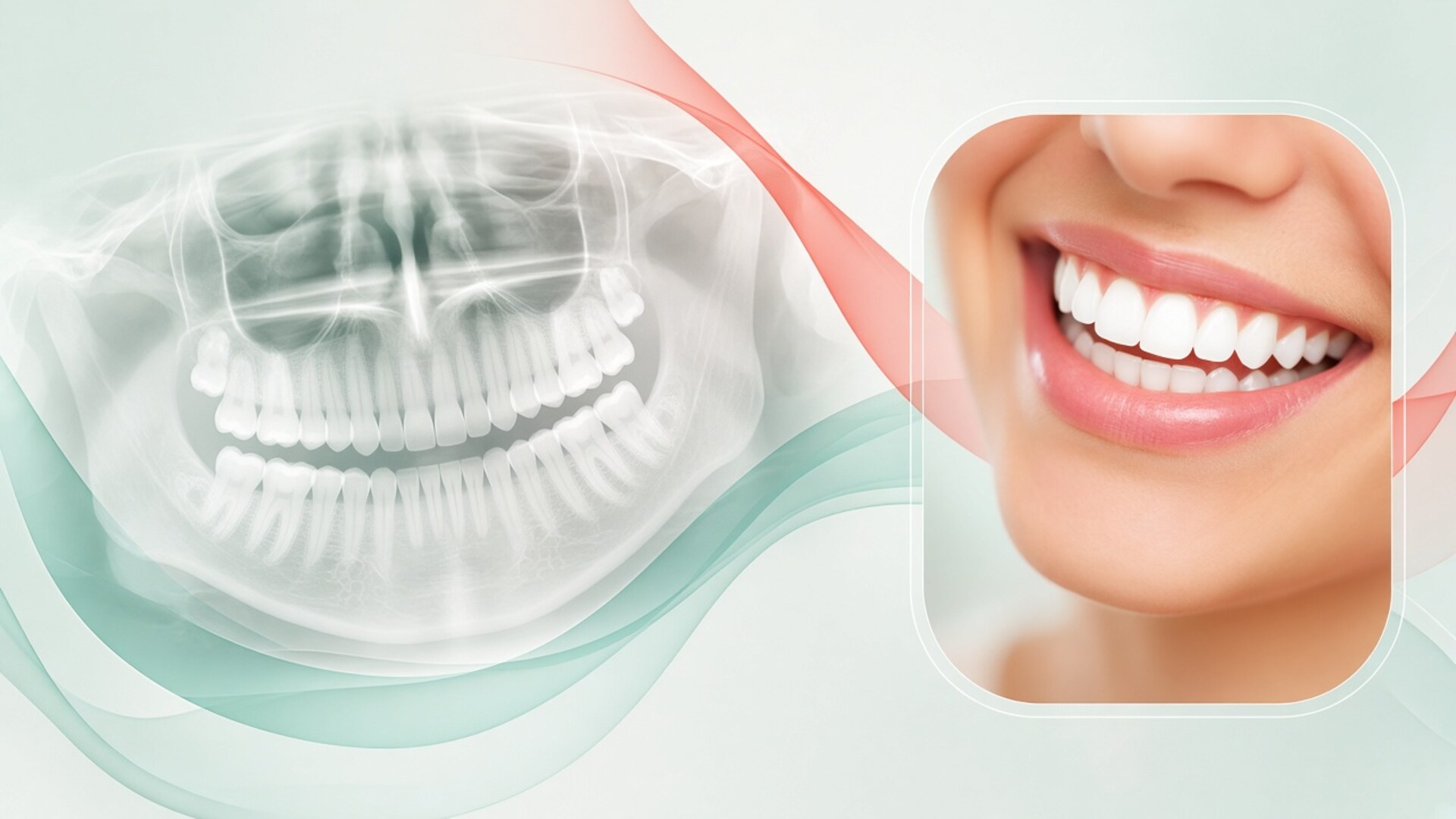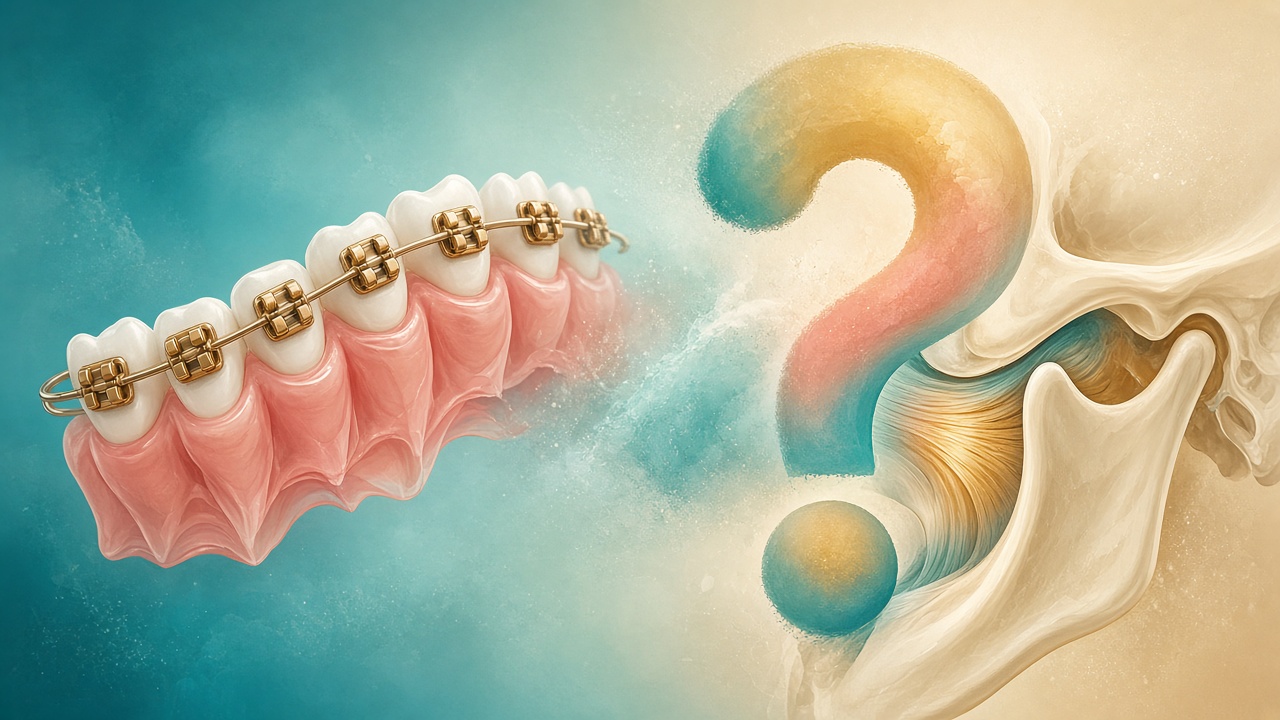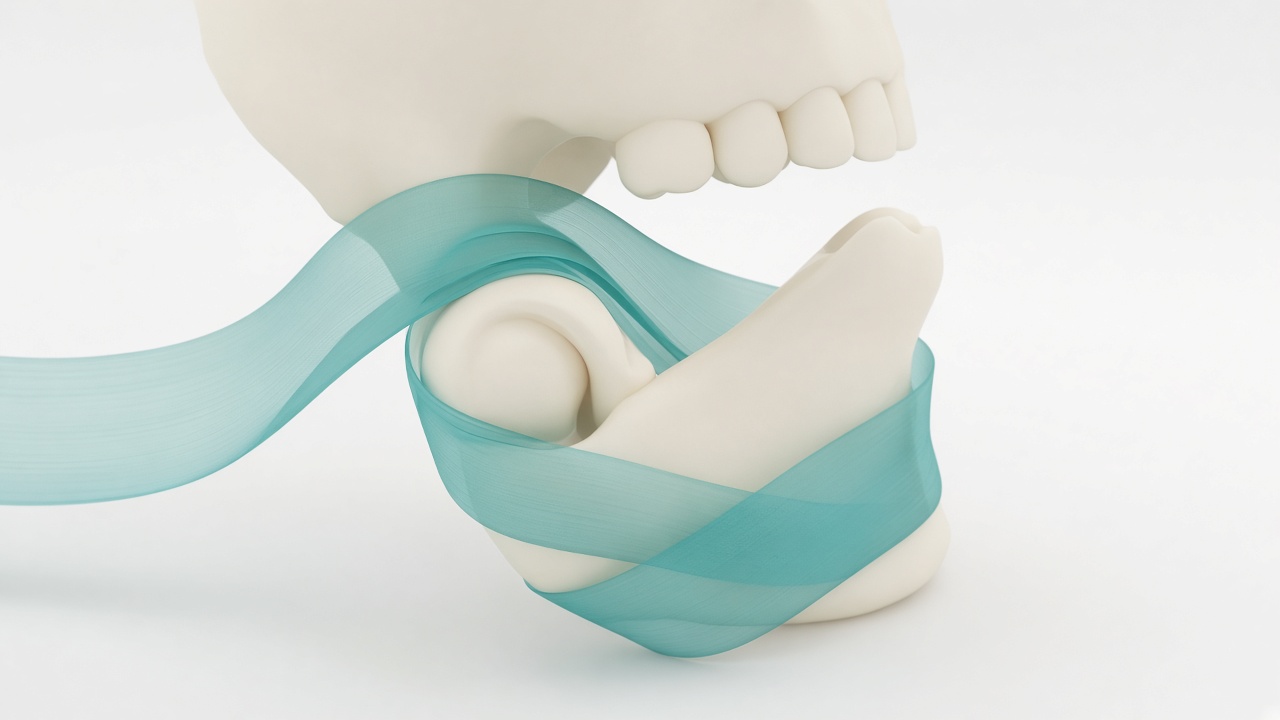
Your braces removal day closes the active phase of treatment and opens retention. In the chair you spend about one to one and a half hours: arches and brackets come off, adhesive is cleared, enamel is polished, the bite is checked, and we plan retainers. Teeth feel smooth and oddly wide, your tongue searches for brackets you no longer have, and speech may sound different for an hour or two. Patients react in different ways: relief, a quiet worry that teeth might shift back, the urge to smile at every mirror. I provide braces treatment in Dubai, after years in Istanbul, and on this visit I give you a handout for the first 24 hours and a retainer schedule. Below is a plain-language map of the day: preparation, the chair, sensations, polishing, bite, food, and when to contact the clinic. Your treatment plan sets the diagnosis and retention timeline; I cannot judge your bite or gums from a single blurry photo in a messaging app.
When your removal date is set and how to prepare
I schedule removal by clinical criteria, not by a calendar milestone. I look at tooth position, bite stability, gum health, and whether planned steps are complete. On visits before the last one we check for tiny movements or a final arch tweak. If teeth still drift on the last wire, I push removal back a few weeks. Early removal without retention rolls results back fast. Two to four weeks before the finish I ask you to keep hygiene appointments, avoid new crowns on moving teeth, and tell me about travel or events so retainers can go in the same day or next. Braces removal at our clinic starts from AED 3000; the final figure depends on bracket type, adhesive work, and same-day procedures. I quote the number in your plan before appointment day.
How many weeks before the end the date is confirmed
Usually one to three visits before removal I say directly: if the gums stay calm and the bite holds on check visits, we aim for a given week. Small corrections may still happen: elastics for another week, a thinner finishing wire, a local bend. If you missed several appointments, the date moves. That is clinical timing, not punishment. Teeth without regular control can shift. I give teenagers and adults the same rule: do not delay the finish because you fear a retainer. Delay only for gum inflammation, sharp pain in one tooth, or dental work we agreed to finish first. The American Association of Orthodontists tells patients that active treatment and retention are two separate chapters. Removal day closes the first; it does not cancel the second.
What to do at home the night before
Eat normally the night before. A hungry mouth tolerates the appointment worse, polishing takes time, and you will eat more easily afterward with the handout in hand. Brush as usual. Skip aggressive whitening for a whiter smile tomorrow. If you plan photos or an event the same evening, expect gums to look slightly red from instrument contact. That fades within a day for most people. Remove lip rings or large earrings that sit near the mouth. Tell the clinic if you take blood thinners or had recent surgery. I factor that into work near the gums but rarely cancel removal without a medical reason. Avoid smoking right before the chair. Irritated mucosa tolerates polishing and cooling poorly.
What to bring and how to plan the day
Bring a pocket mirror if you like studying details, though the chair has one. For a bonded retainer fitted the next day we sometimes need a scan or impression. I confirm that in a message beforehand. Block one and a half to two hours in your calendar for parking, payment, and unhurried conversation. After removal many patients want food they avoided for months: whole apples, nuts, crusty bread. I do not ban that on day one, but chew with care. Teeth and gums still carry memory of the appliance, and a new retainer can feel tender. If we place a fixed retainer behind the front teeth at the same visit, speech and hygiene shift slightly. Read the handout at home, not in the elevator. For children, the adult who came with them should hear the retainer instructions: where the removable one sleeps at night, where the case lives in the morning.
Step by step in the chair: one appointment from start to finish
Braces removal is one continuous visit, not a bracket-only session with polishing booked later. I work arch by arch, top to bottom or the reverse depending on access. The logic stays the same: remove the force first, then brackets, then adhesive, then polish and check the bite. You lie in a standard dental chair under the light with suction running. Standard removal needs no general anaesthesia. Pliers and polishing handpieces sound like hygiene appointments, only louder and longer. Mid-appointment many patients comment on how empty the mouth feels, a normal sensory response. I name each block in short phrases: now the arch, now the bracket, now the adhesive layer. Ask for a rinse break or to sit up if you need one. Below is the typical sequence in my Dubai chair. Your plan may add X-rays or a scan for retainers.
Exam and arch removal
I inspect brackets, ligatures or the self-ligating clip, and elastics. Elastics come off with fingers or a hook. I free the arch from the slots. Metal systems sometimes need the gate squeezed before the wire slides out; self-ligating brackets need the clip opened. You feel brief pressure and a click, rarely pain. A thin finishing wire lifts easily. A thicker wire may need a second of firmer hold on the tooth. Please keep your tongue still. It catches hooks and slows me down. After arches come off, teeth have no wire but brackets remain. Your smile looks odd, dotted with metal or ceramic. That in-between look lasts ten to twenty minutes. It is not the final result.
Bracket removal with pliers
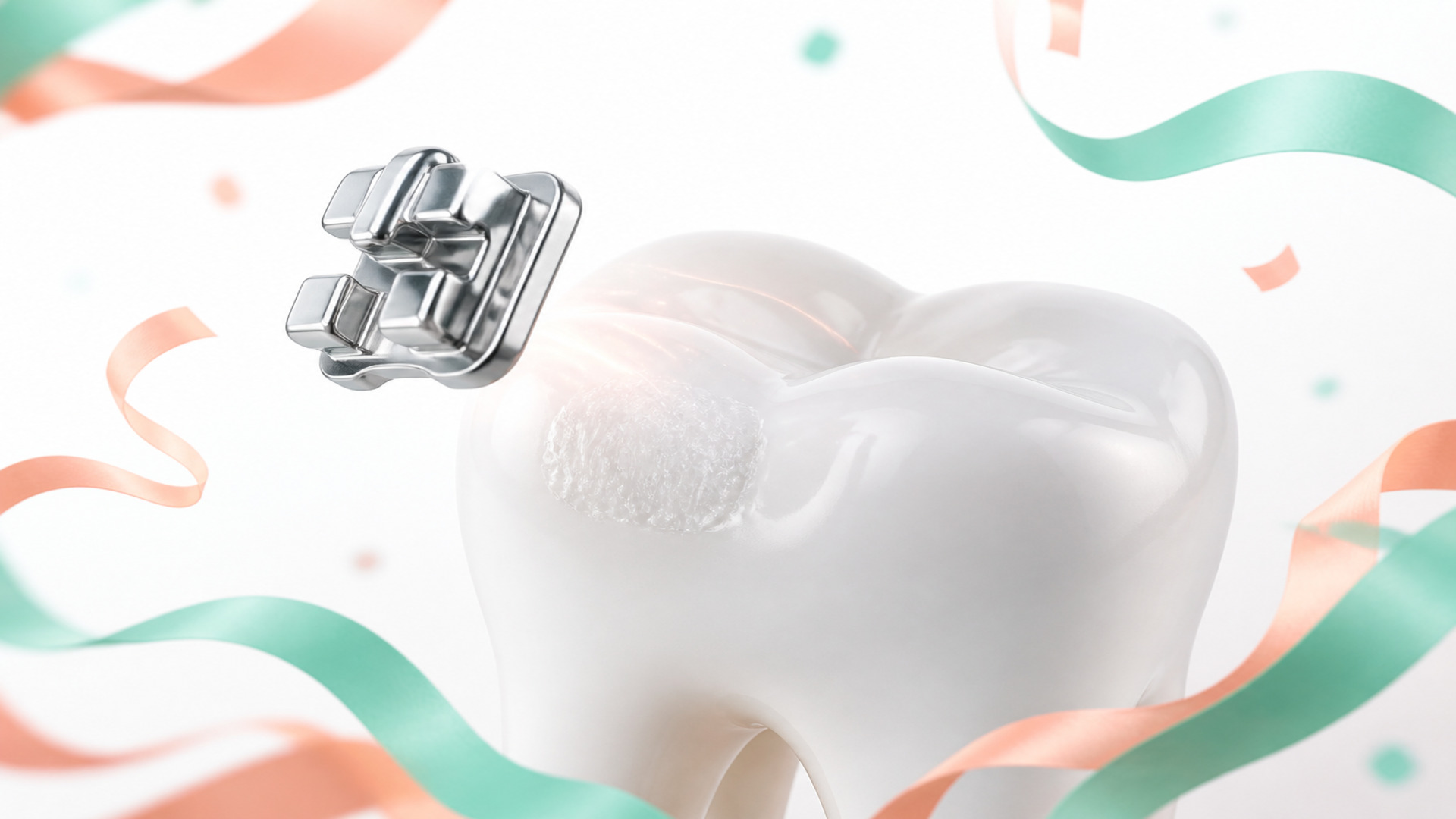
Each bracket sits on the tooth with composite adhesive. I use dedicated debonding pliers, grip the bracket at its base, and apply controlled force to shear the bond. The bracket lifts in one motion. You hear a click and feel a short vibration. Pain is uncommon with proper technique. Surprise at the sound is common. Ceramic brackets need a gentler, sometimes longer approach to protect enamel edges. If one tooth hurt before we started, say so now. Pressure may spike for a second and I adjust my grip. After all brackets are off, a thin adhesive film remains. Matte patches mark where brackets sat. Enamel underneath is intact. That is composite residue, not a broken tooth.
The pause in the middle: what you feel in the chair
Between brackets off and adhesive cleared, most patients run the tongue across the teeth and go quiet. Teeth feel large, slick, and open. Lips no longer find bracket wings. Saliva flows differently with fewer obstacles. I offer water and a mirror so you see the matte adhesive patches before polish changes the picture. Some people laugh. Some stare at the ceiling. Both reactions fit the moment. If lying back made you dizzy, we raise the chair for a minute. Children sometimes fear the polisher noise. I show the tip on my finger without switching it on. Emotionally this beat often outweighs the physics. Months or years with an appliance end in half an hour.
What you feel right after removal: teeth, gums, speech
Once adhesive is gone and enamel is polished, sensations stack in three layers: teeth as a new surface, gums where instruments worked, and tongue and lip muscles remapping the mouth. Pain like the first week after placement rarely returns. The periodontal ligament is no longer under active arch force. More often you get mild cold sensitivity, tender gums when pressed, and odd speech for a few hours. Comparing tooth colour to an advert in the first hour misleads you. Mucosa looks redder, enamel looks wetter, clinic lighting differs from your bathroom mirror. By evening at home the picture calms. Emotions belong on the list too: relief, a hollow feeling, the urge to touch teeth with your tongue again. Below I split teeth, gums, and speech so you know what fits normal and what does not.
Teeth: smoothness, sensitivity, colour
Your tongue notices smooth enamel without bracket slots first. That feels good and strangely bare. Cold water or ice cream may trigger a short sharp response, especially on incisors and canines. That usually fades within hours to a few days. If sensitivity builds or one tooth hurts when you tap it lightly, message the clinic. Colour under brackets often differs slightly from neighbouring enamel. That comes from plaque history and polishing, not from brackets yellowing the tooth. Final polish evens the look, though perfect uniformity sometimes needs professional hygiene later with your hygienist. Tooth mobility should stay minimal. Obvious wobble in one tooth warrants an exam, not a forum thread.
Gums and soft tissue
Removing brackets and adhesive brings instruments to the gum margin. By evening you may see light redness, puffy papillae, or bleeding when brushing for a day or two. That reflects mechanical work, not automatic periodontitis. Warm rinses after the visit and a soft brush at night help. Swelling on one side, pain when chewing, or a bad smell needs an exam. Lips and cheeks that rubbed bracket edges for years may feel extra space on day one. Tongue habits of tracing old bracket sites fade over days. Ulcers from bracket friction usually heal after removal. If a sore grows or stays, write to us.
Speech and familiar tongue movements
Without brackets the tongue sits closer to enamel. Sibilants may sound softer or slightly lisped for an hour or two while muscles learn the new distance. On a same-day video call, start a little slower. Saliva may feel abundant for an hour with fewer barriers in the way. Chewing rhythm changes. You used to route food around brackets; now bites feel more direct. Skip gum and pen caps the first evening while gums settle. If speech still feels far off your pre-braces baseline after a week, come to a retention check. We will look at bite and tongue posture.
Enamel polishing and leftover adhesive
After bracket removal each tooth carries a thin layer of composite adhesive from bonding. Leaving it roughens the surface, speeds plaque buildup, and catches the tongue. Adhesive removal and polishing take me twenty to forty minutes for both arches, depending on tooth count and how neatly brackets were originally bonded. The sound matches professional hygiene, only extended. Composite dust gets suctioned away. Protective glasses or shields are standard in clinic. I work tooth by tooth or in small groups, cooling constantly and checking smoothness with a probe. Patients describe the feeling as scraping that stays tolerable or vibration through the jaw. Most leave the chair with teeth that feel cleaner than they have in months. Below is how adhesive comes off, how we polish, and what happens with white spot lesions.
How composite residue is removed
I clear thick adhesive islands first with a thin tungsten carbide or diamond bur on a handpiece. That removes composite that stands above the enamel surface; it does not shave healthy enamel for sport. The bur tracks the composite-enamel border. Skill lies in staying out of sound tooth structure. You feel vibration and warmth on long strokes. Raise your hand if an area runs hot. After coarse removal a matte film remains. Finer burs or discs take that down before polish. Water and suction run throughout. If one bracket was rebonded several times in treatment, that tooth takes longer. That is treatment history, not patient error.
Polishing: tools and sensations
Final polish uses rubber or silicone cups with polishing paste. The tooth shines again and the tongue glides. Paste taste is neutral and we rinse it away. Some patients feel sensitivity right after polish because microroughness disappeared and nerves respond to air and cold. Skip ice and icy rinses for a few hours if you want less sting. Use a soft brush at home that evening. If a fixed retainer sits behind the incisors, we still polish the visible fronts to a smooth finish. Your mirror smile matters more than saving five chair minutes.
White spots and enamel borders
Matte white zones around bracket sites before polish scare people. Part of that is adhesive and leaves with removal. Part can be demineralisation from weaker hygiene during treatment. After polish some borders stay visible on close inspection. That is a change in enamel translucency, not dirt. Treating those zones belongs to a separate conversation: fluoride paste, hygiene, microabrasion, or cosmetic work with your dentist, not a rushed fix on removal day. I show you in the mirror what only special lighting reveals versus what shows in a normal smile. The goal today is a healthy smooth surface and a stable bite, not a Hollywood whitening result in one sitting.
Bite check, X-rays, and retention
When enamel is smooth I check the bite: how front teeth meet, how back teeth work, whether one tooth still hits early, whether an old filling sits high. Sometimes removal day needs a small adjustment, polishing a contact on a neighbour, not rebuilding the bite from zero. If you chewed on one side because of wire discomfort, muscles may fire unevenly for a few days while they relearn symmetry. That is adaptation, not always treatment error. I order a panoramic or periapical X-ray on the finish when the plan calls for it, not for every patient every time. Long courses, implants, root concerns, or complex retention often need a film. Retention is mandatory the same visit or the next. Without it teeth drift, especially in the first months. The American Association of Orthodontists ranks retention as important as active alignment. I show you in the mirror how teeth sit at rest and on light closure, ask you to chew in place, and note any tooth that meets before the others.
| Final visit element | Why we do it | How it feels | What happens next |
|---|---|---|---|
| Bite check on paper and in motion | Remove a high spot, judge stability | Short tap-tap; grinding can sound loud | High contact gets polished in chair; pain when chewing after three days means write in |
| X-ray when indicated | Record roots, bone, outcome | Same as any clinic radiograph | We discuss on the visit or by message per plan |
| Scan or impression for retainer | Build removable tray or aligner retainer | Paste or intraoral scanner, no pain | Removable retainer often ready in several days; fixed wire same or next visit |
| Fixed retainer 3–3 | Hold front teeth around the clock | Bonded behind, tongue feels wire | Floss threaders and interdental brushes shown in chair |
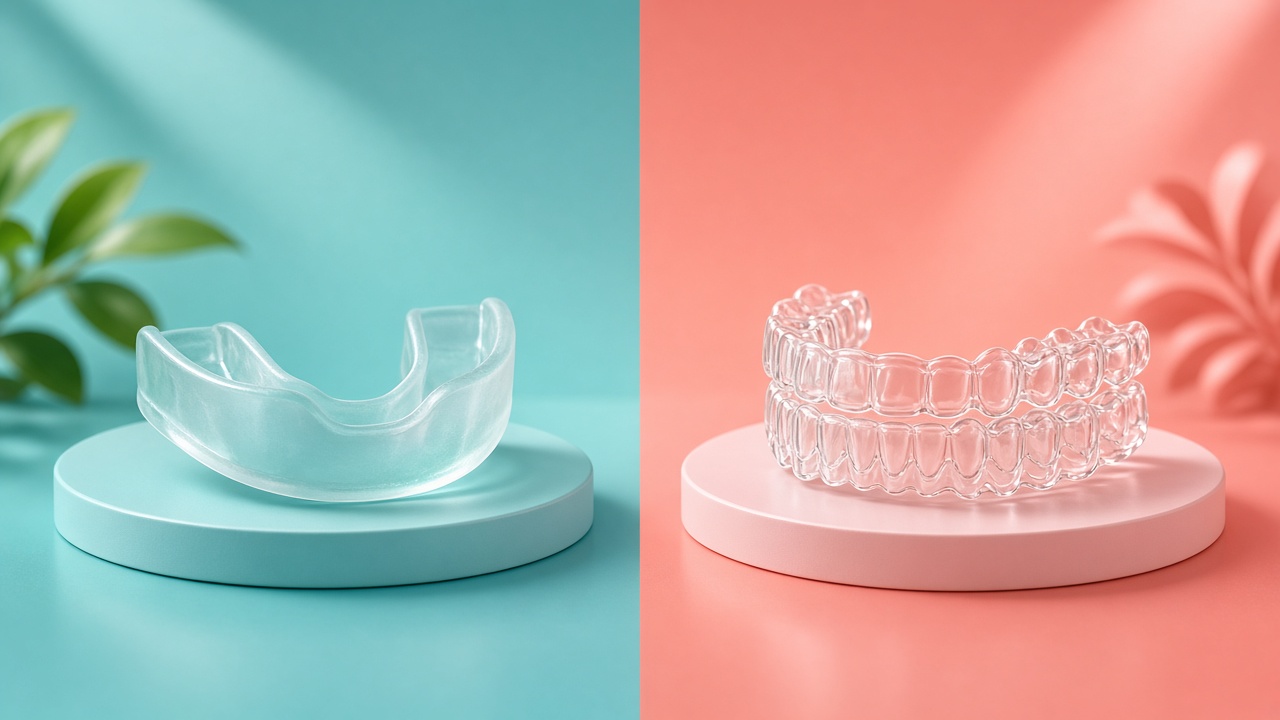
| Removable night tray | Hold full arch, especially back teeth | Issued when ready | Wear the hours I prescribe; do not leave it on a napkin |
I explain retention in plain terms: a fixed wire holds front teeth that relapse fastest; a night tray holds arch width and back teeth. Some patients wear only a tray, others a combination, based on original bite and relapse risk. Retainers are part of treatment, not a cosmetic add-on. If you decline retention I document that and explain shift risk. I cannot promise teeth stay put without wear. Biology and tongue habits work against you when retention stops.
Food, work, and the first 24 hours without braces
The first day after removal is usually gentler than the first day after placement. No new arch presses the ligament. Still, the mouth went through long mechanical work, gums stay tender, and cold may sting. You can eat almost normally if you skip ice-cold soda and a nut feast purely for celebration. That first evening I suggest warm food, normal chewing force, no opening bottles with teeth, no nighttime ice crunching. Many Dubai patients take a half day off or schedule removal before the weekend. Video calls work fine; speech is often clearer than with brackets. Emotionally the first evening mixes joy at smooth teeth with worry that teeth might move without wire. Retention addresses that risk if you follow the schedule I give. Below I split food, office life, and sleep.
Food the first evening and the next day
Celebration menus make emotional sense. Patients order steak, nuts, whole apples. I do not forbid them, but cut hard food and favour back teeth if fronts feel sensitive. Sticky toffee is a poor choice the day we bond a fixed retainer because adhesive still gains strength over hours per instructions. Moderate alcohol does not dissolve orthodontic results, but it irritates polished gums and weakens night-tray discipline. Water is my pick that evening. Coffee and tea are fine; let hot drinks cool if sensitivity flares. After removal I tell children the retainer case matters as much as elastics once did. By day two menus look normal. If one tooth aches on bite, message us instead of testing pain on purpose.
Work, school, and public events
Many Dubai professionals return after lunch the same day. Keep a soft brush in your bag. Cleaning without brackets feels fast and oddly satisfying after the first meal. A wedding or conference two days after removal is a normal timeline. Red gums do not block makeup or photos; just skip expecting catalogue-perfect gum colour. On a removal-day call, pace yourself the first few minutes while your tongue adjusts. A teenager at school can answer classmates with one line: braces off, retainer on per instructions. Sport the first day follows comfort. A blow to the jaw without a sports guard hurts any teeth.
Sleep, hygiene, and the first night with a retainer
You wear a removable night tray on the schedule I give when it is issued. The night right after removal passes without a tray if the lab has not finished it yet. The tongue searches for fixed wire at night and adapts over several sleeps. Brush with a soft brush before bed. Light gum bleeding is not a reason to skip cleaning. Never store a removable tray in a tissue on the nightstand. That is how trays end up in the bin. If the tray is not ready I give interim rules: familiar pillow, no nighttime chewing, try not to probe teeth with your tongue for hours. That limits micro-movement early on. Morning after fixed retainer bonding, floss or brush per the demo in chair. We repeat at the retention review.
When to message the clinic after removal
The first days after removal rarely need an emergency visit when the appointment went as planned. I sort signals into three buckets. Expected: mild cold sensitivity, bleeding when brushing for a day or two, odd tongue sensation, emotional emptiness in the mouth, one tooth that feels rough only to the tongue. Write today or book the next slot: sharp pain in one tooth when tapped, sensitivity that rises instead of falls, a retainer piece that debonded, pain when chewing on a high contact, one-sided swelling with pus or fever, a cracked tooth after biting something hard. Save for the planned retention review: questions about tray hours, interest in professional whitening later, enamel quirks visible only to you in magnification.
When you write, include removal date, what hurts or bothers you, which side, and photos if gum trauma or a broken retainer is involved. I do not diagnose from a blurry image without an exam, but your description tells me whether to reassure, move retention forward, or see you the same day. Do not file high contacts at home with a nail file. Do not remove fixed wire with tweezers because the tongue notices it. Shift and enamel damage follow. I do not prescribe painkillers or antibiotics in chat without knowing your contraindications. If you fly out of Dubai the day after removal, tell me at the visit. I share a contact plan and put the handout on your phone. A lost tray on travel is urgent. The longer early months pass without retention, the higher relapse risk climbs. Some patients feel low mood when the mouth feels empty for several days. That is sensory habit change, not a psychiatric diagnosis by default. If mood stays flat for weeks, talk to your physician separately from orthodontics. At retention reviews I ask about sleep, tray wear, and tongue-check habits. That catches early shift and excess worry.
Removal day ends with smooth teeth, a retention plan, and a first-day handout. Active braces treatment is closed. Responsibility moves to retainer wear and hygiene. Removal opens a long, simple retention chapter. Skip that chapter and the course loses value faster than the first mirror smile suggests.
Braces removal: common questions
Does braces removal hurt?
Standard removal brings pressure, clicks, and vibration during polish, not sharp pain. Ceramic brackets sometimes need slightly more force. Tell me at the start if a tooth already hurt; we adjust technique. After the visit sensitivity outranks pain for most people.
How long does the removal appointment take?
Plan sixty to ninety minutes for both arches with polish and retention talk in my chair. Longer runs happen with heavy adhesive, rebonded brackets in treatment, or bite contact tweaks. Block two hours including checkout.
Can you eat right after braces come off?
Yes, for warm ordinary food. Cool very hot and icy items if teeth sting. Save hard nuts and sticky caramel for a day if we bonded fixed retention that visit. Chew with intent and keep teeth off packaging.
Will white spots stay on the teeth?
Matte adhesive marks go in the chair. White spots from weak hygiene during treatment may stay visible up close after polish. We discuss fluoride, hygiene, or cosmetic options separately. I do not promise every spot vanishes in one day.
Do you get a retainer on removal day?
Fixed wire behind front teeth often goes in the same visit or on a short follow-up. Removable trays need a scan or impression and usually arrive within several days. I explain your timeline before removal so you are not waiting for a tray that cannot exist yet.
When does tooth sensitivity fade?
Many feel relief within hours or two to three days. Cold and acid may linger longer if enamel was sensitive before braces. Rising pain in one tooth deserves a message, not a week of waiting.
Will speech change after braces removal?
The tongue adjusts to smooth teeth for the first hours. Diction may shift slightly, then usually matches or beats your pre-brace speech by the next day. If speech still feels broken after a week, book a retention check.
How much does braces removal cost in Dubai?
Braces removal at our clinic starts from AED 3000. The total depends on appliance type, adhesive work, and same-visit procedures. I quote the figure in your treatment plan before the day. Ask for an itemised estimate after exam, not a vague range with no visit.