Braces and wind instruments can share one season if you plan embouchure, lip protection, and practice blocks before bonding. Brackets change how lips and tongue meet a mouthpiece: brass usually feels pressure first, woodwind and flute shift angle and tongue attack, and singers or speakers rebuild diction for a short window. I treat braces in Dubai, including metal braces, and at consultation I ask about your instrument, weekly hours, and upcoming concerts before we bond. I play trumpet myself — I know how a mouthpiece sits on the lip and how annoying a thin high note feels the week after a wire change. The British Orthodontic Society (BOS) advises clinicians that fixed appliances can temporarily disturb embouchure, especially in brass; most players regain control with structured practice. Below: instrument families, voice, stage speech, wax, and appliance choice. Your plan and adaptation timeline belong to an exam; I do not “fix” embouchure from one rehearsal video alone. If you already wear braces and only now pick up a mouthpiece, write in — we can tune activations and lip protection around your season.
Embouchure and braces: what changes in the mouth
Embouchure is the trained set of lip, cheek, and tongue muscles plus tooth support that feeds air into a mouthpiece or shapes sung tone. Years of practice make that map automatic. Any new landscape in the mouth — brackets, wire, wax — forces the brain to recalculate pressure and angle. Orthodontic tooth movement also moves the support itself: incisors travel, crown tip changes, the lip-to-tooth contact shifts. BOS materials for orthodontists stress that embouchure disruption can appear during treatment and again after debond when the mouth feels empty. That is not a ban on school band and not a ban on orthodontics. It is a reason to build rehearsal buffer and name ABRSM dates, school concerts, and studio sessions before we bond. Three layers start the chairside talk with musicians.
Lips meet metal
On labial braces the lip presses onto bracket wings. Brass mouthpieces transmit force through the lip onto the teeth, so metal sits between mucosa and load. Early days bring rubs, swelling, and fear of “crushing” a high note. Orthodontic wax smooths edges; some players use thin silicone covers over a row of brackets. I show where to place wax before rehearsal and ask you not to chew it from nerves — otherwise the layer vanishes in five minutes. Low-profile brackets and tidy wire ends reduce trauma; zero roughness does not exist.
Tongue, air, and articulation
The tongue drives attack, sung consonants, and stage speech. Wire and brackets change the space the tongue expects. Sibilants often sound softer or “cottony” in the first weeks. A conductor notices sooner than a hall listener. I ask for a short phone recording every few days: the ear adapts faster than mood, and audio is honester than “I ruined everything.” Water between sets is mandatory — dryness increases lip friction on metal.
Teeth as mouthpiece support
Anterior teeth brace the lip cushion for many wind players. Crowding, a prominent incisor, or a deep bite already disturbed embouchure for some patients — reviews link playing comfort to front-tooth position. A braces course can simplify support over time. Mid-treatment the support is unstable: teeth move, bone remodels. I warn that “perfect forever from month one” is fantasy. Realistic: waves of adaptation after bonding and after major activations.
Brass: trumpet, trombone, horn
Brass needs firm mouthpiece contact and steady incisor support. Surveys and clinical reviews agree: brass players report more discomfort and temporary control loss than woodwind players. Trumpet, cornet, trombone, horn, tuba share pressure mechanics with different cup sizes and angles. On trumpet I feel what patients describe: after a new wire, highs break earlier, the lip fatigues sooner, and the urge is to jam the mouthpiece harder — which is exactly wrong when mucosa is already thin. In Dubai I see school brass sections, adult jazz hobbyists, and church ensembles across Marina and older city schools alike. A talk before bonding saves a ruined concert and an extra week of lip anger on the stand. Below — trumpet pressure, high register, and short practice blocks.
Trumpet and mouthpiece pressure
A round trumpet cup concentrates force on a small lip area. Upper-incisor brackets sit under that zone. For the first one–two weeks I advise short sets: 10–15 minutes of playing, pause, water, lip check in a mirror. BOS guidance for orthodontists points to short practice blocks and frequent water breaks. If the lip shows a white mouthpiece dent with a bleeding point at a bracket — stop, wax, a day without pressure, message the clinic if the ulcer grows. Pushing harder “to get the sound back” deepens the wound instead of restoring embouchure.
High register and endurance
Upper brass register needs fine lip tension. With swelling and new metal, that register fails first. I do not promise “by Friday your high B-flat returns.” Corridor I hear most: clear drop for 3–14 days after bonding or a stiff activation; meaningful control return for motivated players by weeks three–six with short-session discipline. Pros and strong amateurs adapt, yet feel louder panic than school players — the stake on sound is higher. If an audition or album session sits in the first two weeks after bonding, shift the bond date rather than hero through torn lips.
Trombone, horn, tuba
A larger cup spreads pressure wider, yet tooth support still rises on long phrases. Horn notices tiny angle changes; tuba needs big airflow and orbicularis endurance. Same rules: wax, short blocks, no chewing the mouthpiece “to warm up,” check for a loose bracket after a heavy rehearsal. Parents of teens in school band: one calm talk with the music teacher before bonding cuts “play like everyone at the concert in three days” pressure.
Woodwind and flute
Woodwind and flute use embouchure differently from brass: less round-cup press into the lip on some instruments, more tongue, reed angle, and air stream. Clarinet and saxophone rest the mouthpiece on teeth through a soft pad; oboe and bassoon work a double reed; flute shapes an air slit across the embouchure hole. Fixed braces still remap the mouth: cheeks and lips catch brackets when you seat the instrument, the tongue hunts a new attack path. In school-band surveys, wax was popular with flute and single-reed players — to stop lip and cheek rubs on wings. Brass suffers pressure; woodwind suffers micro-friction and angle shift. In Dubai school ensembles often mix sax, flute, and clarinet in one class — adaptation differs, shared tools are wax and water. Below — clarinet and sax, double reed, and flute on orchestra night.
Clarinet and saxophone
Upper teeth still support the mouthpiece through the pad. Brackets add bulk and can tip the familiar angle. Early days: tone floats, attack lags, lows need more attention. Wax on the upper arch before a long rehearsal is basic comfort hygiene. Do not park one thick wax lump on a single incisor — you build a bump the tongue trips on. A thin layer along lip and cheek contact works better. If a bracket debonds after you “chewed” the mouthpiece from nerves — photo to clinic, soft food, no household glue.
Oboe, bassoon, double reed
Double reed needs fine lip and air control. Any ulcer changes timbre faster than on saxophone. Sessions run even shorter in week one. A reed teacher often helps more than a generic “tough it out.” At consultation I ask for the teacher’s name: sometimes a short note — “patient in braces, weeks one–two use short blocks” — keeps school from parking a soloist on a high-stakes exam without buffer.
Flute and air-stream angle
Flute does not clamp a mouthpiece like clarinet, yet lip angle to the hole is critical. Lower-lip swelling and a new jaw posture shift the stream. Patients describe hiss instead of clean tone and fast orbicularis fatigue. Short scales at a mirror plus recording rebuild angle. Wax on lower brackets if the lower lip catches on seating — case by case. Piccolo forgives embouchure drift even less.
Singing with braces: resonance and articulation
Singing with labial braces is doable. The tactile map of the mouth changes, and sometimes the “mask” resonance feel: tongue and lips work around metal, saliva behaves differently early on, consonants need more attention. Speech-change research often focuses on lingual appliances, yet labial brackets also give a diction window — especially sibilants. At consultation I ask: classical, pop, choir, musical theatre, weekly hours, recording or premiere in the next month. The answer sets bonding date and how hard we activate before the season. Dubai expats sing in community choirs and studios — everyday request, not exotic. I do not promise “timbre unchanged for a day.” I give a working adaptation corridor and habits that keep the voice usable on treatment. Three pillars below: early sound weeks, solo versus choir, fixed appliance versus aligners for singers.
Early weeks of sound and diction
Days three–seven often feel “cottony” in the front of the mouth with mild lisp on tongue-twisters. By the end of weeks two–four most people regain speech and singing control if they train articulation aloud instead of staying silent from fear. Hall air-con dryness in Dubai plus mouth breathing on long phrases increases lip rub on brackets — water and wax stay in the music bag. Forcing high notes through lip pain is banned the same way I ban it for trumpet: mucosal injury lengthens downtime. If a month after bonding diction still breaks work or class, write in: we check wire ends, bracket height, hygiene, and inflammation that keeps swelling up.
Solo, choir, and studio
Choir and backing vocals usually adapt softer than a soloist on tight camera. Soloists: shift bonding at least two–three weeks off a critical premiere when you can. A wire change two days before a studio session is a poor idea for sensitive lips; better activate after the take. School choir: warn the teacher that week one may need quieter parts. Home-studio takes: budget an extra pass for articulation — the mic hears what the room ear already forgave.
Aligners or fixed braces for singers
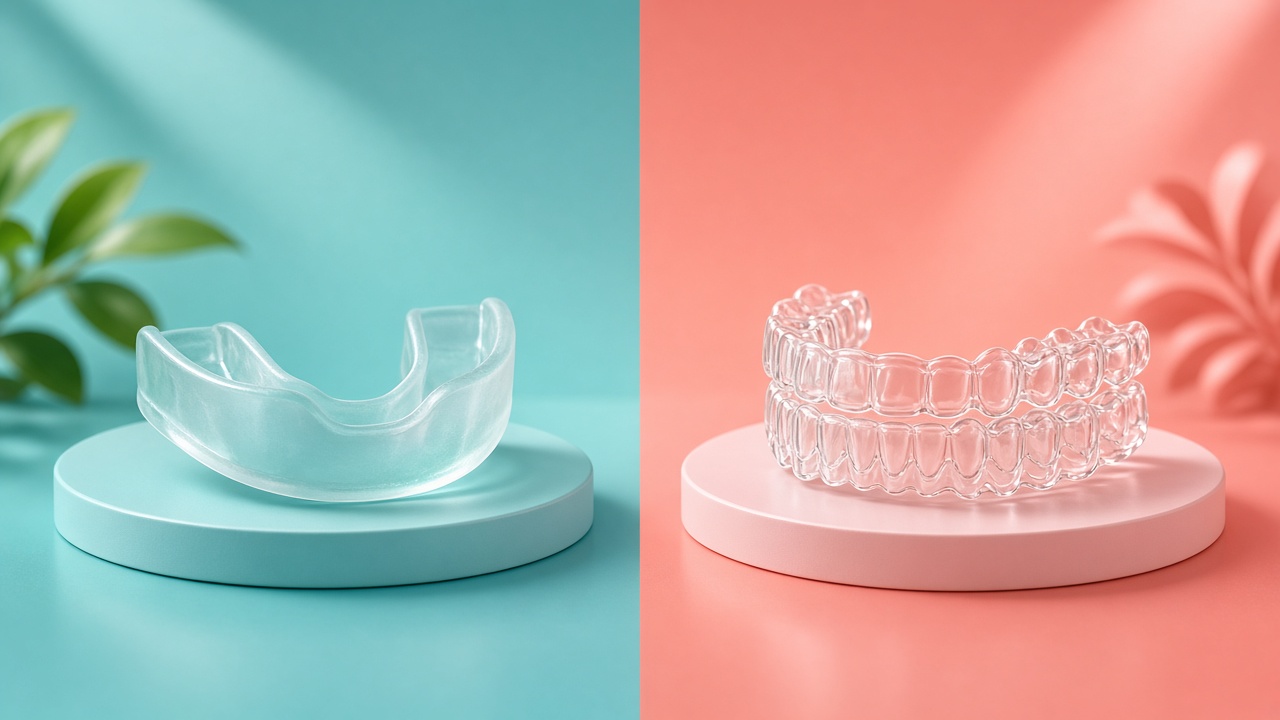
Aligners come out for singing and meals: wear-hour discipline must still hit the plan or teeth stall. Fixed metal braces stay put — more predictable for daytime embouchure, more visible on close-up. Ceramic reads quieter on camera. Lingual hides the smile and loads the tongue — a diction risk for speakers and soloists. We lock the choice after exam and a stage talk, not from a chat review.
Public speaking, speech, and camera
Stage speech with braces is its own fear: pitches, project defence, sermon, standup, webinar, wedding toast. The appliance does not cancel the stage. It asks for a slightly slower pace in week one, mic closer, water nearby, and no max-speed improvisation the day after bonding. At consultation I ask about speaking dates as seriously as instruments. Shifting bonding by ten days often costs less than wrecking a key broadcast. Lingual hits early diction harder; labial shows more metal yet usually spares the tongue. Speaker appliance choice is a visibility–speech trade-off, not a “premium” ranking. Dubai business clusters run pitches and webinars most weeks — build bonding buffer early. Below — camera, live hall, and a morning debond before a talk.
Close-ups and video calls
On tight camera, metal flash reads. Ceramic and sapphire calm the “iron” frame, yet brackets remain; lingual clears the outer picture at the cost of tongue adaptation. I do not push speakers into lingual because an ad looks pretty. I map hours of daily speech, close-up load, and willingness for two–four weeks of slower diction. Zoom pitches need lighting and calm tempo. A phone recording the day before a big call shows whether sibilants hiss louder than usual.
Live hall and microphone
For a hall: a short articulation warm-up before walking out, actor-style. Closer mic removes some “shout to the back” strain. Teens on school debate and adults on investor pitches get one habit: read the text aloud the day before with the same brackets you will wear on stage. The brain handles mucosal surprises poorly live. After a fresh activation, keep one day free of marathon speaking when you can. If you cannot — tell me before the wire change: sometimes we leave a gentler stage for conference week.
Bracket off the morning of a talk
Wax, clinic photo, urgent slot if available. Household glue and “I’ll tough it until evening with a loose wire” wreck the plan and leave a sharp edge in the mouth all day. If the wire pokes — thick wax, soft food, no stress gum. One calm morning call to clinic saves a talk more often than heroics with a bleeding cheek.
First weeks: rehearsals, wax, lip protection
Week one–two after bonding or a major wire change is peak friction and peak anxiety. The job is not “play through pain” — it is to keep skill in short sets without tearing mucosa. I give musicians a note separate from the food sheet: wax in the instrument case, water, minute limits, stop signals. Parents underrate a school concert five days after bonding; teachers underrate lip swelling. One shared chat — teacher, parent, clinic — at course start cuts half the fights. Below: a reference table and chairside rules I repeat. Table numbers orient conversation; they are not an internet diagnosis by instrument.
| Situation | Days 3–7 | Weeks 2–4 | After a major activation | Message the clinic when |
|---|---|---|---|---|
| Trumpet / brass | 10–15 min blocks, plenty of wax | Build time, highs carefully | Shorten again 2–4 days | Ulcer grows, bracket wobbles |
| Woodwind / sax | Wax, watch mouthpiece angle | Normal class + short solos | One day without forcing | Debond after “chewing” mouthpiece |
| Flute | Scales at mirror, record | Return orchestra tuttís | Watch air-stream angle | Persistent single-tooth pain |
| Voice / choir | Articulation aloud, water | Full rehearsals by feel | Do not push through lip pain | Swelling blocks eating and speech |
| Stage speech | Slower pace, mic closer | Usual pace for most | Skip marathon day if you can | Wire cuts, bleeding will not stop |
Apply wax on a dry bracket surface or it flies off on the first phrase. Spare wax sits in the case next to reeds or valve oil. Silicone bumpers over a bracket row are individual: some brass players love them, others lose tooth feel. Do not use household tape or pharmacy plasters on brackets — glue and fibres pack into slots. After rehearsal remove wax, clean, inspect the lip. Overnight wax often gets swallowed in pieces: for sleep cover only the edge that truly cuts, not the whole arch “just in case.”
Food stays soft: soups, eggs, soft rice. Hard crusts and nuts raise debond risk while lips already sit at the edge from the mouthpiece. Isotonics and sweet drinks at rehearsal alternate with water — acid plus plaque around brackets feeds white spots. Dubai heat dries the mouth between metro and hall — a water bottle in the case is kit, not a childish habit. After evening rehearsal do not sleep with sweet tea residue at the brackets: two minutes with interdental brushes protect enamel better than any whitening rinse from an ad.
If the lip is already ulcerated, one–two days without mouthpiece pressure costs less than a week of silence from a deep wound. Tell the teacher early: most Dubai school programmes accept a short eased regime when they hear a concrete window, not “I have braces, I can do nothing.” I can confirm the regime on clinic letterhead after exam on request. Before a long flight to a contest in another emirate or abroad, pack spare wax in hand luggage and a screenshot of recent clinic advice: explaining the problem is easier when your phone shows your wire and the red-flag list.
Which appliance to discuss as a musician
Appliance choice for wind players and singers is a talk about contact surface, visibility, and discipline — not fashion. Labial metal is predictable to repair and common for school orchestra: wings exist, yet supplies are available and rebonds are quick. Low profile and smooth edges matter more than the box brand. Ceramic looks quieter on camera; under hard mouthpiece pressure edges still register. Lingual clears metal from the brass lip zone — useful for some trumpet players — and loads the tongue, which hits speech and sometimes attack. Aligners come out for playing and meals: a pro with six practice hours often breaks 22-hour wear; an evening hobbyist can discuss aligners after diagnostics.
At consultation I ask you to bring the instrument or at least the mouthpiece when practical — pressure zones show better on a model. We review radiographs, hygiene, bite, season calendar. Course cost depends on system and complexity; site figures are package floors, not a final bill for every mouth. I do not promise embouchure “improves itself like an ad” after treatment. Sometimes aligning traumatising front teeth truly eases support — cases exist in pros with painful crowding. Sometimes a familiar “crooked” stop was part of the sound, and post-treatment needs another adaptation without hardware. Honest forecast only after exam.
If you already wear braces and only now join brass section — do not remove the appliance yourself “for the season.” Write the clinic; we plan lip protection and activation timing around concerts. Self-removal without retention lets teeth rebound: losing a month of orthodontics for one concert often costs more than shifting the bond date. Adult expats leaving in six months get a separate timeline talk: finish a stage before departure or start after the move. School players with a December concert need season buffer more than a “perfect” September start at any cost.
After debond, embouchure changes again: the empty mouth redistributes mouthpiece pressure. BOS flags a post-treatment adaptation period too. Keep a few calm rehearsals without exams in the first week metal-free. Retainers bother brass less than labial brackets, yet a bonded lingual wire can tickle the tongue in singing — we discuss that before finale day, not in a rush at debond. Musician hygiene: mouthpiece and reed carry bacterial load while brackets hold plaque. Rinse after rehearsal, full clean at home. Do not leave wax on overnight “for safety” — plaque packs under it. If gums bleed when the mouthpiece touches, we calm inflammation and tidy edges before full practice returns. Orthodontics and orchestra season share one calendar only with honest talk about minutes, ulcers, and activations — otherwise patients blame “braces forever” when the real problem was one torn lip before an exam. Message the clinic before you cancel the whole season. One short wire-trim slot often returns rehearsal faster than any home experiment with scissors and glue.
FAQ
Can you play trumpet with braces?
Yes — most keep playing. Early weeks need short sessions, wax, and no habit of jamming the mouthpiece harder. A full instrument ban for the whole course is rare — usually heavy lip injury or acute infection. Exact practice rules follow exam and your hour load.
How long does embouchure adaptation last?
Common corridor: discomfort and control drop for days and week one–two; clear improvement for many by weeks three–six. After each major activation a short wave of a few days can return. Numbers are not a guarantee: instrument, experience, and mucosa sensitivity move the timeline.
Is wax required every practice?
At the start and after wire changes — yes if the lip meets brackets. Once mucosa settles and edges are quiet, some players thin the layer. Keep spare wax in the case always: one sharp wire end brings the need back instantly.
Will braces ruin my singing forever?
I do not treat lasting “voice destruction” from labial braces as the norm. Temporary articulation blur and lip discomfort — yes. If a month after bonding speech or singing still breaks your job, we examine edges and mucosa rather than waiting “another six months for it to pass.”
Are aligners better for musicians?
Aligners come out for playing — useful for that hour’s embouchure. The cost is daily wear hours or teeth stall. Pros with long rehearsals often hit that conflict. Decision after diagnostics, not from an article.
When should we shift bonding for a concert?
If a critical audition, recording, or solo sits 3–10 days after the planned bond, say so before the scan. Shifting bonding or an activation is often wiser than playing on fresh ulcers. A routine school orchestra class usually survives on short blocks.
What if a bracket comes off at rehearsal?
Bag a free piece in a container; if it hangs on the wire, wax it toward tooth centre. Soft food; skip the mouthpiece until you contact clinic if pain is sharp. A well-lit photo speeds the slot decision. No home glue.
Do I need a letter for music school?
On request I can briefly state that the patient is in orthodontic treatment and needs shortened sessions and lip protection in weeks one–two. That is not a year-long subject waiver. We agree wording at the visit — and sometimes add that bite and appliance affect early practice months so school does not expect “pre-braces sound” by next week.