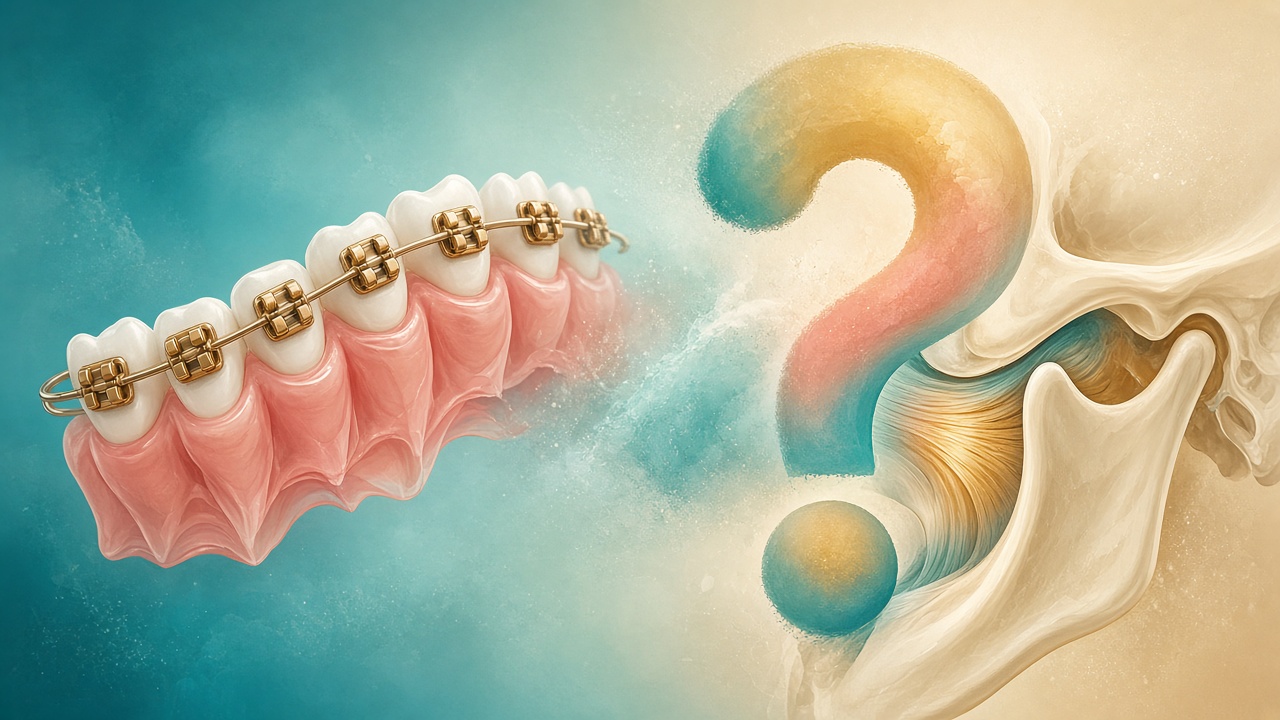
Braces with crowns in one mouth are a common adult picture in Dubai. Veneers, large fillings, bridges, and implants also enter the plan if you want a straighter arch or space for a new prosthesis. I am Dr. Maksut Behruzoglu, specialist orthodontist, PhD; I treat these cases after Istanbul. At consultation I map existing work first, then decide what moves and what stays fixed. An implant does not travel with the wire. A crown on its own root moves with the tooth, yet bonding to ceramic is less predictable than to enamel. Below: a calm guide without promising old veneers will fit a new alignment, and without a ban that “implants mean no braces.” Exam and films decide.
Patients say “everything is done, too late” or “remove the crowns, then braces.” I close both with facts from the mouth. Sometimes pre-prosthetic preparation comes first, then new aesthetics. Sometimes braces work around an implant as a compromise. Sequence beats bracket brand. A list of prior clinics saves a second blind consultation.
Crowns on natural teeth: what moves and how we bond
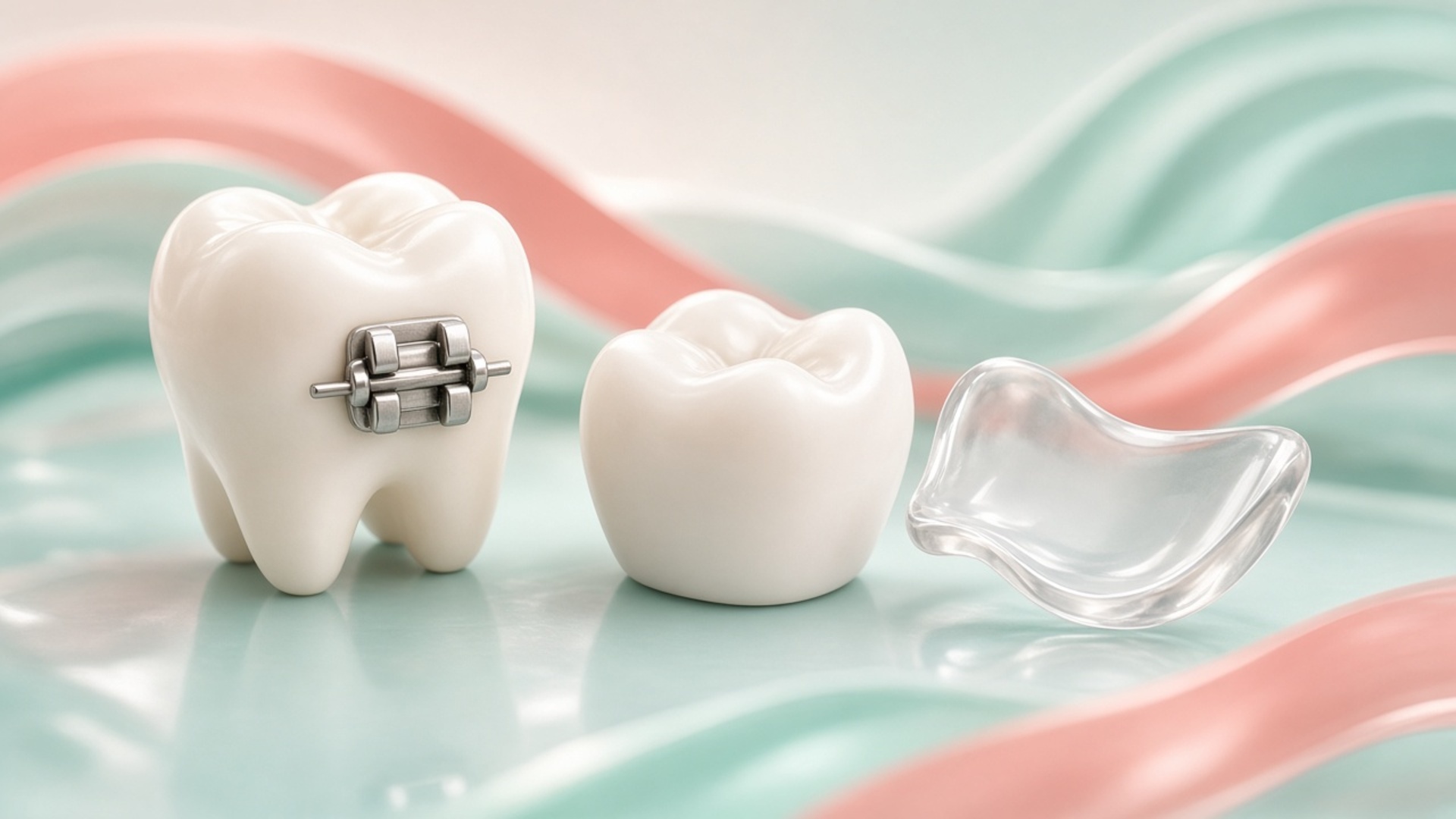
A crown covers the tooth to the gum and sits on its own root. That root system answers orthodontic force like an unrestored tooth: the periodontal ligament responds, bone remodels. So “you cannot put braces on crowns” as an absolute is false. We do — with caveats on adhesion, margin after shift, and the prosthodontist after debond. An adult mouth in Dubai often carries mixed ceramics from different years; I judge margin and seal, not “beauty in the mirror for a minute.”
At consultation I ask for a crown list: material, year, margin complaints, canal films if root-treated. Without that list a braces plan has holes: debonds, a surprise margin at the new gum line, arguments about remake cost. Below are three blocks before bonding day.
Bonding brackets to ceramic and zirconia
Enamel bonding is more predictable. Glazed ceramic and zirconia need surface prep and a different adhesive: debond risk rises, especially on heavy chewing teeth. I build possible rebonding into the timeline talk rather than treating the first fail as a catastrophe. Patients with crowns on sixes often use wax and message about edges earlier than patients with bare enamel molars. That is surface physics, not “weak teeth.”
If the crown is temporary or the margin leaks — see the prosthodontist or restorative dentist first. Bonding onto a loose margin and caries under a crown is a poor start. Pain under a crown before braces needs its own diagnosis; orthodontics does not mask pulpitis.
How a crown travels with the tooth
While the root is yours, the crowned tooth moves. Arch position changes, contacts with neighbours change, and the visible margin at the gum may look different after alignment. After orthodontics the prosthodontist may polish, adjust, or remake — not a “braces failure,” but a consequence of new tooth and soft-tissue position. I warn before start, especially when front crowns are new and expensive. Fresh ceramic plus a large axis change is a reason to budget aesthetics early.
Old crowns with overhanging margins collect plaque at the bracket for the whole course. Fix the margin before bonding rather than treating gum inflammation every two months. Start photos of the margin help the finish talk without “it was always like that.”
When removal or remake before braces makes sense
A failing frame, an open margin with caries, or a planned full smile remake after alignment are reasons to discuss remake before braces or a temporary crown for the course. Not every crown must come off “for orthodontics.” The decision is joint: orthodontist, prosthodontist, you. Count two UAE budgets separately; policies often split prosthodontics and orthodontics under different rules. A temporary crown for the course must tolerate hygiene around the bracket and repair in one visit.
If the crown sits on an implant, mechanics change: that “tooth” does not move. Mixing “crown on root” and “crown on implant” in conversation breaks the whole plan.
Veneers: bonding brackets and when to redo aesthetics
Veneers are thin shells on the front of teeth. They mask colour, chips, and mild shape issues. Orthodontics moves roots and changes axes; a veneer built for the old axis can fight the new smile after alignment. So “braces on veneers” has two layers: can we bond to the surface, and will veneers need remake after. Both close before you pay for the plan — not on debond day.
I do not place veneers “instead of” alignment when roots are crowded: optics do not fix root tip. And I do not promise a year of force with zero risk to old veneers. In Dubai, compare front remake cost with orthodontic cost up front. Below is how I unpack the decision at consultation when front aesthetics are already paid for.
Adhesion and chip risk on veneers
A bracket on a veneer holds less reliably than on enamel, and thin ceramic chips more easily on peel. Sometimes we choose aligners with composite buttons (attachments) on agreed teeth — if biomechanics allow. Sometimes we bond a bracket on a veneer with higher debond risk and a clear warning about possible damage. Material, age of the work, and movement volume decide. Composite veneers and thin ceramic behave differently when a bracket peels — the prosthodontist should know the material before start.
Know this: a loose bracket is not always “just rebond” without checking the veneer edge. Report chips before the next monthly slot. Night grinding raises risk; a night guard over or instead of parts of the appliance is a separate talk when the setup allows.
Veneers as “optical straightening” without orthodontics
Some smiles were leveled with veneers on the surface while roots stayed crowded. When you later seek braces, roots move and veneer shape stays mapped to the old pattern. An honest finish often includes front remake after debond. That is a second budget and a second calendar with the prosthodontist. I write it into the plan before start, especially on the pre-prosthetic preparation path. Photos from before veneers help show how much optics already hid the true tooth axis.
When veneers come after orthodontics
Classic order for heavy crowding: roots and bite first, retention, then new enamel aesthetics or veneers by indication. Shell shape then matches the new axis. If veneers already sit and the goal is light refinement, we discuss minimal orthodontic scope and risk to existing work. I do not demand “remove every veneer just in case” without indication; I also refuse “leave everything and move hard” without a remake talk. Sometimes polish and a little composite after debond are enough — the prosthodontist decides on the new alignment.
Colour and bleaching next to veneers belong with the prosthodontist: natural teeth lighten differently from ceramic. Orthodontics does not replace enamel cosmetics.
Implants: a fixed anchor inside a braces plan
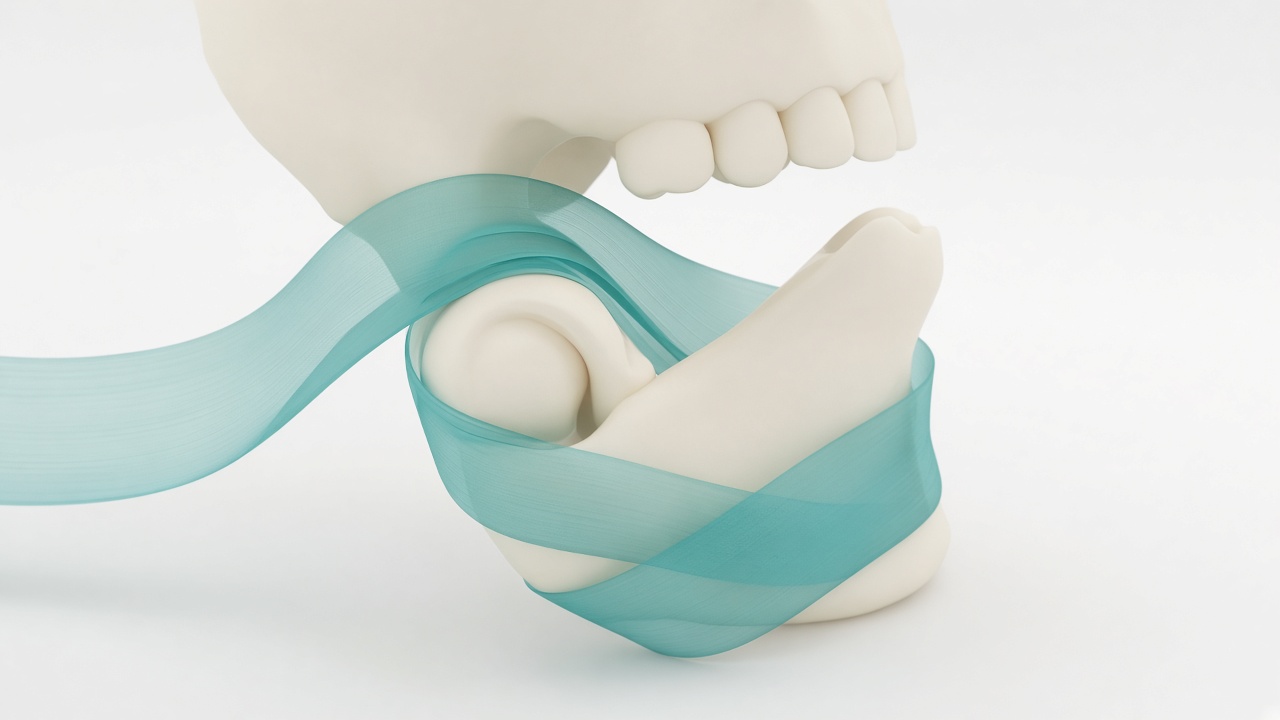
An implant has fused to bone and does not move under orthodontic force. Neighbouring teeth travel relative to that anchor. Main questions: does the implant block an ideal arch, can we use it as anchorage, or must we align space for a future implant first. “Implants mean no braces” as an absolute is false; the true caveat is “the implant itself will not move.” Mixing implant with crown-on-root language breaks the plan vector.
At consultation I read implant position on films, bone and gum around it, the crown on it, and the goal. Sometimes the plan works around the implant as a compromise. Sometimes surgeon and prosthodontist discuss rare replacement — only on hard indications. Below are three typical Dubai adult routes before promising a model smile from social media.
Implant already sits off the ideal arch
If neighbouring teeth must move through a zone where the implant fixes the gap “as is,” the plan either accepts a line compromise or limits movement nearby. I draw that on the scan before promising a model row. You choose between an ideal that ignores the implant and a realistic row with a fixed anchor. Midline and “story ideals” often argue with metal in bone — we choose out loud.
Hygiene around the implant during braces is critical: plaque at neighbouring brackets plus peri-implant inflammation hurts bone prognosis. Professional cleaning and a home protocol sit in the course agreement. Bleeding or odour at the implant — see the implant dentist before a routine wire change.
Braces first, then the implant
A common, logical order when space is short or wide: orthodontics prepares gap width and neighbouring root axes, then the surgeon places the implant in the ready zone. The pre-prosthetic preparation page is exactly that junction. Implant timing after orthodontics is agreed with the surgeon: bone, soft tissue, space retention with a retainer or night aligner. Losing space after debond without retention is a common reason the implant “no longer fits.”
A temporary tooth while waiting must not wreck hygiene or fight the wire. We agree temporary shape early. In Dubai with flights, a temporary tooth should repair without waiting weeks for “the main” prosthodontist.
Implant as anchorage
In some plans an existing implant helps hold a segment while other teeth move. That does not mean we “put braces on the implant like a tooth” in casual language. Mechanics and attachment are agreed separately; DIY elastics to an implant crown break both the prosthesis and the plan.
If several implants lock large segments, orthodontic scope narrows. An honest border talk beats the illusion that “everything will shift.” Orthodontic mini-screws are a different story: temporary anchors for mechanics, removed later — not the same as a prosthetic implant.
Smoking, uncontrolled diabetes, and poor hygiene around implants are stop factors for complex combined plans. I can delay orthodontics until peri-implant tissues stabilise with the implant dentist.
Bridges, splints, and large fillings
A bridge locks abutment teeth as a block. Orthodontics wants teeth to move individually. So we either treat the bridge as a rigid block with limited mechanics, or the prosthodontist temporarily separates it for the course. I do not decide alone: “saw the bridge” as talk without the prosthodontist is not a plan. You should hear one agreed path from two doctors, not different stories in different rooms a week apart.
Resin-bonded (“Maryland”) bridges and thin wings are especially sensitive to differential abutment movement: debond risk is high. Often those frameworks come off before full braces and a temporary closes the gap another way — immediate removable, temporary crown on a neighbour, an agreed pontic. Aesthetics for Dubai work and camera matter; strength and hygiene beat “perfect shine for a month.”
Periodontal splinting of mobile teeth is another block. Orthodontic forces over active bone loss are dangerous: you can accelerate destruction instead of aligning. Stabilise periodontium first, control bleeding and pockets, then dose movement by agreement. I pause orthodontics if gum at the splint inflames again — without a fight about “lost months.”
Large fillings with overhanging margins are plaque shelves at the bracket for the whole course. Correct the margin before bonding. Root-canal treated teeth do move; we monitor vitality symptoms and do not promise “the canal will never surprise you.” A cracked tooth under a large restoration may need a crown before or after orthodontics — restorative judgment, not braces advertising.
Temporary crowns during orthodontics must be repairable and cleanable. A pretty temporary front that cannot be fixed on a work trip creates stress on Dubai flights. Agree a spare visit and a material that repairs in one appointment with the prosthodontist.
If a bridge or splint has been there “since childhood” and you cannot name which teeth are locked — you need a film and probing. A braces plan without a block map is a lottery for abutments.
Separately: temporary partials and “flippers” that close a gap during orthodontics. Useful for work aesthetics and camera days, but a poorly fitting flipper rubs gum and breaks hygiene at brackets. The prosthodontist and I agree fit before a long course; filing acrylic at home with a nail file is not allowed. If the flipper presses after a wire activation — come earlier: the tooth moved, the prosthesis stayed old.
One more layer: retention after debond next to a future implant. Fixed retainer wire must not block surgical access; a night aligner must hold gap width if the implant is delayed. Those details close at the junction of three chairs, not “somehow later.”
Sequencing: orthodontics, prosthodontics, implants
Sequence beats the argument about which braces look nicer. I lay typical paths at consultation against your goal: arch only, arch plus new veneers, arch plus implant, or space prep for a prosthesis only. One page with stages and responsible doctors prevents half the conflicts six months later.
Classic path for crowding plus future prosthesis: disease control and periodontium → orthodontics (pre-prosthetic preparation when needed) → retention and stability → implant/crowns/veneers per prosthodontic plan. Breaking order with “expensive veneers first, then surprise crowded roots” costs more in remakes. I have seen smiles where ceramic is perfect and roots fan: orthodontics still arrived, and ceramic still went to remake.
If an implant already sits, orthodontics builds around it. If a bridge blocks, prosthodontic fate of the bridge comes first. If crowns on natural teeth are sound, we often move with them and plan possible margin work after. If the goal is only to close a gap at an implant without full bite correction, we narrow scope in writing.
UAE insurance rarely pays “veneer remake after alignment” as part of orthodontics. Verify two budgets. I do not replace your third-party administrator (TPA) or invent policy tariffs. A braces payment plan need not include new ceramic — read the contract.
Moving mid-combined plan: take films, implant diagrams, retainer prescription, and prosthodontist contacts. A new doctor abroad must see what is fixed and what still moves. Without an implant passport, “just continue” becomes guessing from an OPG silhouette.
Weddings, shoots, visa changes are dates for aesthetic stages and temporaries — not orders to break biology in two weeks. A temporary veneer or crown on key teeth can cover an event; definitive ceramic waits for stability.
Another Dubai practical: who “owns” the combined plan. The orthodontist moves teeth, the surgeon places the implant, the prosthodontist makes the crown. Without a clear coordinator, dates drift. At start I propose one contact channel and one film folder in the patient’s cloud — a simple fix that saves months of “waiting for the colleague to reply.” If the prosthodontist is in Business Bay and the surgeon in Marina, the calendar still needs to be shared.
When the goal is front aesthetics only and posterior implants are acceptable, orthodontic scope can shrink. A partial plan is named partial: you get straighter incisors and keep a lateral compromise. Promising a full ideal against rigid implant blocks is not honest.
Debonds, visits, and daily life with restorations
Courses with crowns and veneers produce more bracket debonds than courses on intact enamel. That is expected statistics, not personal failure. Use wax, avoid hard biting on front veneers, and report a loose bracket before it flies into food. A chewing crown edge with a bracket does not love nuts “on the run” between Dubai Marina calls.
Visits may be denser when we move teeth with ceramic faces. Build that into a DIFC work calendar or shift roster. Skipping because “it debonded and I am embarrassed” lengthens treatment more than a short rebond visit. I would rather see a photo in the messenger and call you in early than meet a shift six silent weeks later.
Water flosser and interdental brushes around crowns and implants are mandatory: prosthesis margin plus bracket is a double plaque shelf. Professional hygiene on a schedule agreed with the prosthodontist and me. Bleeding at a crown margin means cleaner technique and an exam — not “I’ll endure until braces end.”
Sport: a mouthguard over braces by agreement, especially with front veneers. A hit on thin ceramic with a bracket costs more than a hit on enamel. Combat sports and squash in Dubai without a guard on veneers is a risk talk, not a lecture.
Food: cut hard fruit, be careful with caramel and chewy sweets. Coffee and tea stain ties more than crown ceramic; aesthetic discomfort is fixed at activation, not by quitting drinks without water.
If you leave for a month, agree a protocol: spare wax, photo check-ins, a clinic address on travel cover. Prosthodontist and orthodontist should know about long absence early — otherwise a temporary crown breaks in another city without a blueprint.
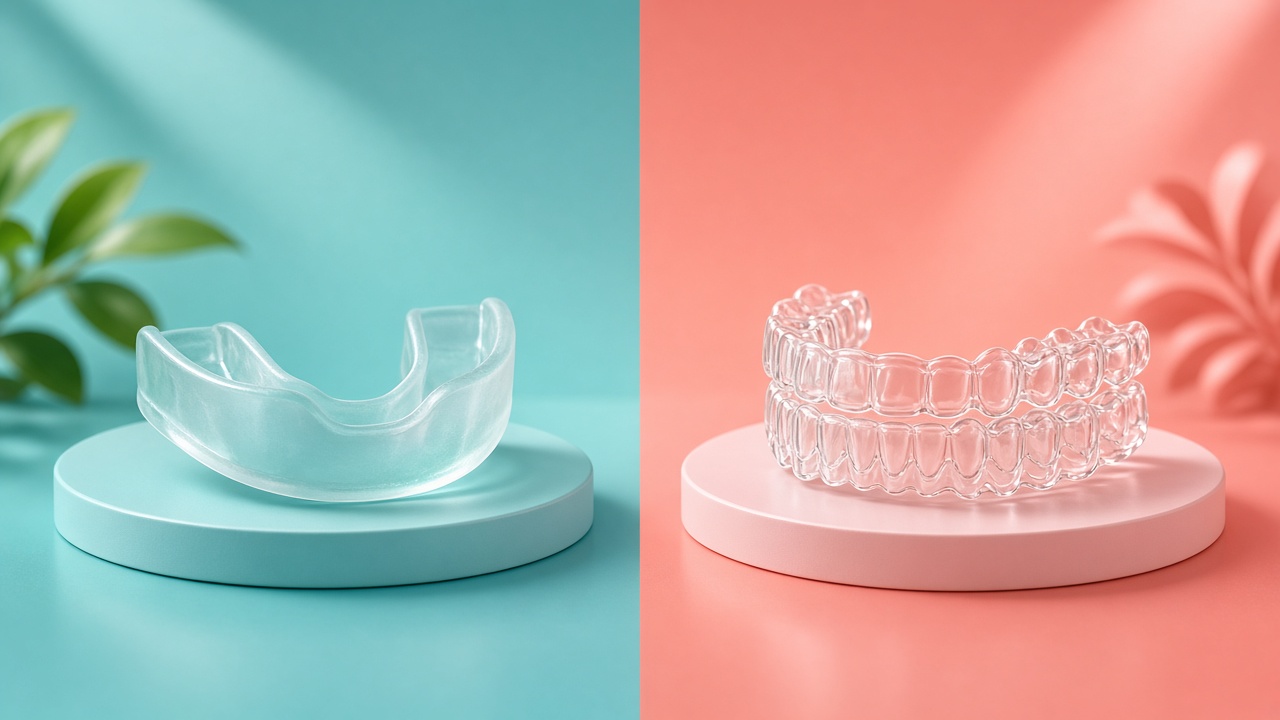
After braces removal, retention next to restorations needs an extra minute: fixed retainer cement on a veneer behaves differently than on enamel; a night aligner must not press a fresh crown margin. The prosthodontist and I review finish together if immediate ceramic remake is planned. Removing a retainer “to make veneers easier” without another retention form is a path to relapse in weeks.
What we cover at consultation when work is already present
The list I walk with adults who have restorations: goal (arch aesthetics, function, prosthetic prep); full map of crowns, veneers, implants, bridges with years; films and implant passports if available; periodontium; caries under margins; sequence with prosthodontist and surgeon; remake risk for aesthetics; separate orthodontic and prosthodontic budgets; retention accounting for future crowns. The consultation and pre-prosthetic preparation pages share this frame; an article does not replace the exam. I write your “do not touch” and “willing to remake” lines separately — memory is selective a year later.
Bring a recent panoramic and periapicals if you have them; a list of clinics that placed implants; smile photos from before veneers if they exist. The fuller the packet, the fewer surprises in month three of the wire. Translation of records from Russian, English, or Turkish helps; a Dubai clinic still owns its exam.
Timeline expectations: restorations often lengthen the calendar through debonds and prosthodontic handoffs. I give a range after the scan, with revision reserved. A stranger’s “exactly one year” without your work map is ignored.
| Work in the mouth | Moves with braces? | Main risk / caveat | Agree before start |
|---|---|---|---|
| Crown on natural tooth | Yes, with the tooth | Bracket adhesion, margin after shift | Material, rebonds, possible remake |
| Veneer | Tooth yes; surface fragile | Chip, debond, remake after | Movement volume, aesthetic budget |
| Implant | No | Arch compromise, peri-implant hygiene | Position on film, anchor or bypass |
| Crown on implant | No (fixed base) | Confusing with natural crown | Anchor type in the plan |
| Bridge | Abutment block | Separation or limited mechanics | Prosthodontist decision |
| Large filling | Tooth yes | Overhang, plaque | Margin fix before bonding |
| Periodontal splint | Limited | Periodontium first | Periodontist clearance |
| Temporary crown | Per plan | Break on travel | Repairability |
I can refuse to start if the prosthodontist has not clarified a bridge or an implant is inflamed. Refusing to protect tissue is a clinical position. If you compare clinics after consultation, take the work map and remake questions: plans compare on substance, not bracket price. Ask the colleague: what is fixed, what moves, who pays for new ceramic, what order with the implant.
Documents: braces plan, restoration risk list, timeline range, what orthodontics excludes (new ceramic, implant). Sign after questions, not before. An unclear “aesthetics after” line is a reason to pause before the first bracket on a veneer.
If you message a prosthodontist in another emirate or country, copy me on key timing emails for ceramic and implants. Broken links between chairs are a common cause of extra months. I would rather spend ten minutes aligning a date than three months waiting for “when the prosthodontist is free” without a booking.
Bring a question list to checks: debond, crown margin, implant odour, veneer chip, implant timing. Adults with restorations stay quieter less often than teens, yet embarrassment about “it debonded again” still happens. Shame lengthens treatment more than a short visit.
Final note before you sign: ask for a mouth diagram marked “moves / fixed / remake risk.” One page saves a dozen anxious messenger threads. If another clinic offers a different sequence without such a diagram, compare paper to paper, not emotion to emotion. I am fine if you leave for a week to think: a combined plan with ceramic and implants rarely needs a same-day close.
FAQ: braces with crowns, veneers, and implants
Can I get braces if I already have crowns?
Yes if the crowns sit on your own roots and tissues allow. Bonding to ceramic is harder; debond risk is higher. After alignment the crown margin may need prosthodontic work. Exam and films decide your details. A crown on an implant is a different story: the base does not move — do not confuse the two.
Can braces go on veneers?
Sometimes yes, with risk to thin ceramic; sometimes we choose another appliance or scope. Strong alignment often still means veneer remake. We discuss before start, not on debond day. Bring veneer material info — it changes bonding protocol and chip forecast.
Can I wear braces with an implant?
Yes, with the caveat that the implant does not move. We move neighbouring teeth relative to it. If the implant blocks an ideal arch, the plan includes compromise or a rare talk with the surgeon about the implant’s fate. Hygiene around the implant during the course matters as much as cleaning brackets.
What comes first — braces or an implant?
Often orthodontics prepares the space, then the implant. If the implant already sits, orthodontics builds around it. We fix order in writing at consultation. Space retention after debond is part of later implant success, not a footnote.
Do I need to remove a bridge before braces?
Bridges often limit movement; the prosthodontist decides whether to separate the framework. Do not saw a bridge yourself. Without a prosthodontic plan I will not start full forces on a locked block. Resin-bonded bridges especially often come off before full mechanics.
Who pays for new veneers after alignment?
Usually a separate prosthodontic budget — not “included in braces automatically.” Verify your UAE policy yourself. I warn early about remake likelihood if veneers already sit on a crowded row. Book cost and timing with the prosthodontist before the first wire.
Do brackets debond more often on crowns?
Yes, ceramic debond rates run higher than enamel. We build that into visits. Report a loose bracket immediately; do not wait for the monthly slot. Repeat fails on the same tooth are a reason to rethink surface, force, and sometimes the crown itself.
Why see an orthodontist for pre-prosthetic preparation?
So roots and gaps sit where a future crown or implant needs them. Without that, the prosthesis repeats an old space error. The path is on the pre-prosthetic preparation page; exam sets your volume. Orthodontist–surgeon–prosthodontist coordination saves remakes that cost more than any bracket.