People search “bruxism treatment” when a partner hears night grinding, temples ache in the morning, and canine enamel looks worn without cavities. I am Dr. Maksut Behruzoglu, a specialist orthodontist in Dubai; I unpack clenching and grinding as parafunction: muscles and joint work outside a chewing job, and teeth take the hit. Bruxism is not weak character and does not yield to the advice “just stop clenching.” In the chair I separate night episodes from daytime clench, check wear, muscles, TMJ, and bite, then decide whether you need enamel protection, splint therapy, sleep colleagues, or a careful orthodontic stage inside TMJ care. Below — why you clench, what an orthodontist actually does, and where honest expectations stop. I do not diagnose from a selfie or a snoring audio clip.
What bruxism is in plain words
Bruxism is repeated clenching or grinding when the mouth should not be chewing. At night that is often sleep episodes; by day it is a meeting clench, a steering-wheel clench, or a screen clench. Recent reviews describe bruxism as behaviour with several pathways: sleep and central nervous arousal, stress, medicines, sleep breathing, and local mouth factors. The orthodontist sees consequences on enamel, restorations, muscles, and the joint. A crooked bite alone rarely explains the whole story; contacts can amplify load without owning the cause.
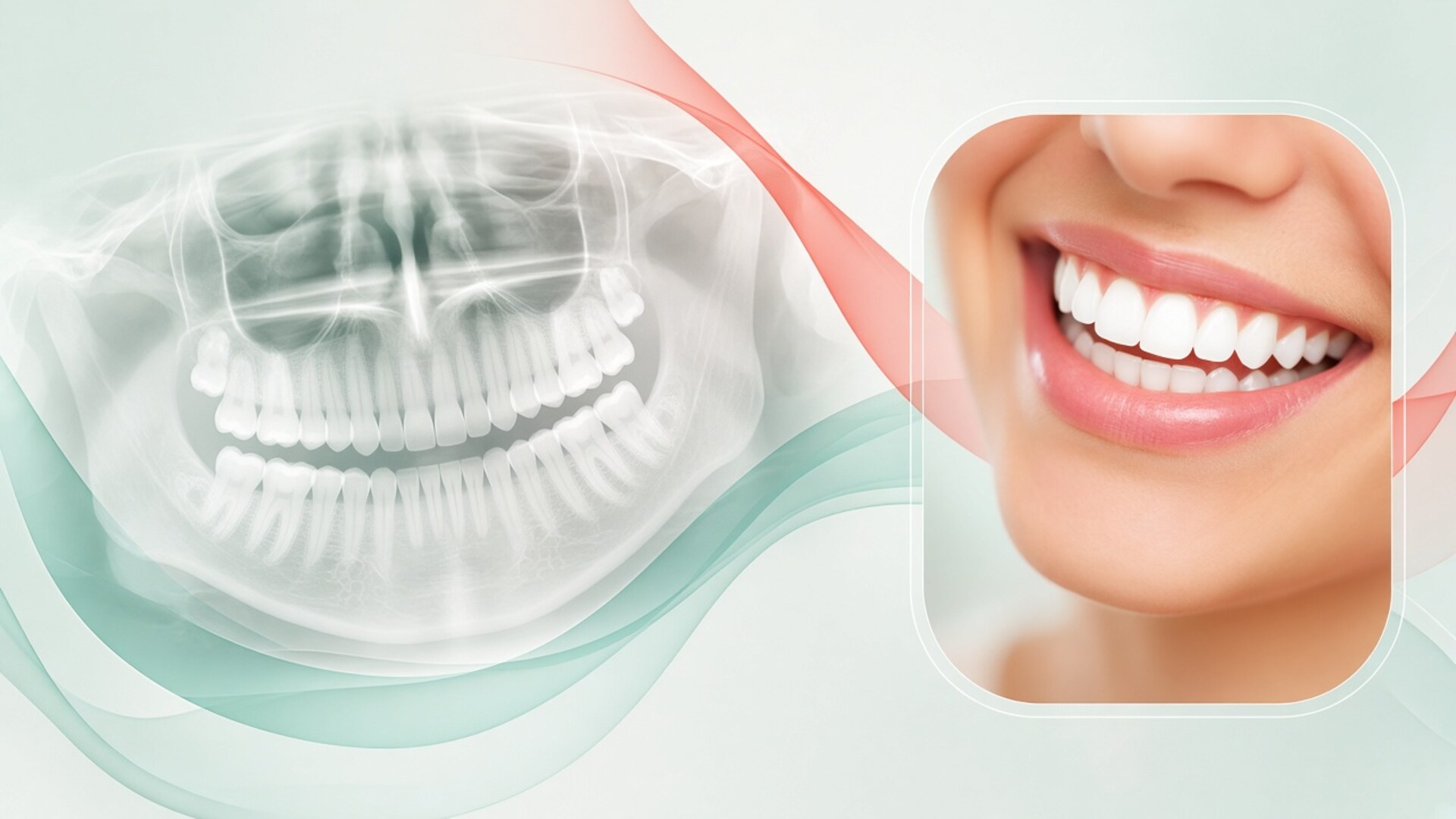
Patients in Dubai often arrive saying “I was told I have bruxism” after a glance at worn canines. Wear also comes from acid, brush abrasion, and old contacts without true grinding. I ask: does a partner hear sound, is there morning muscle fatigue, clicks, limited opening, ceramic chips. Without that grid, bruxism becomes a label, not a plan.
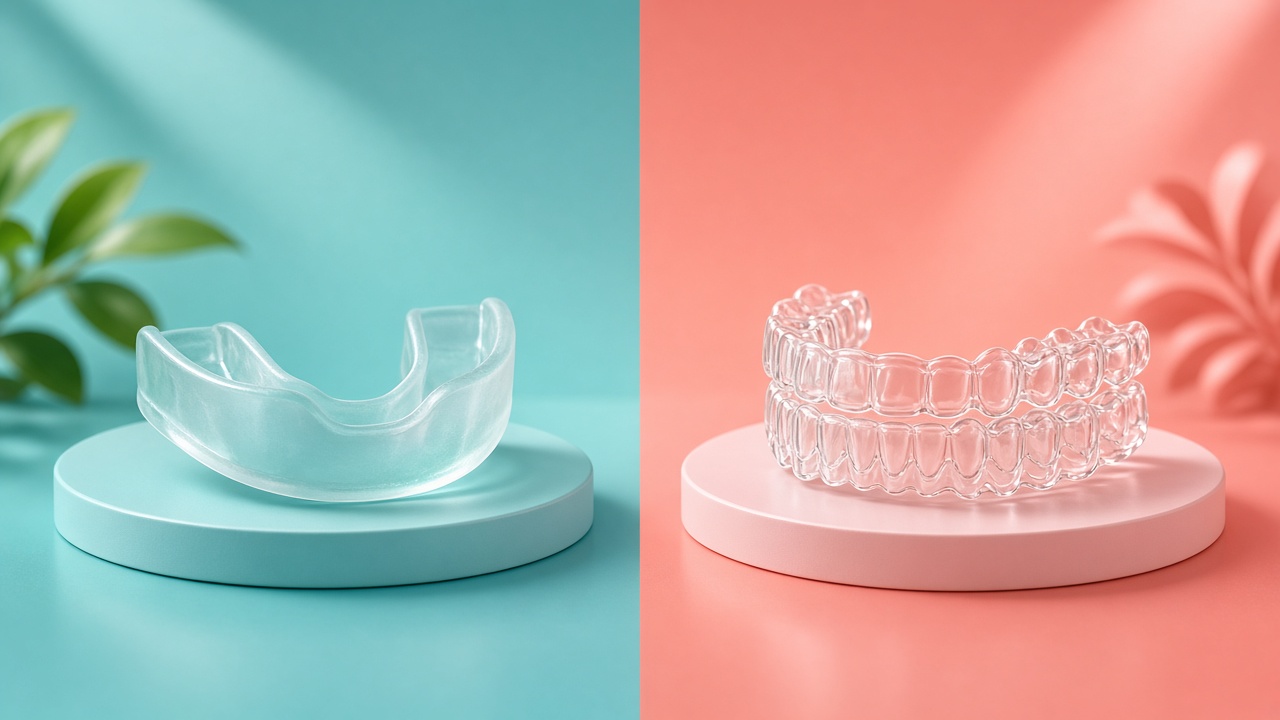
People also mix sports guards, post-braces retainers, and therapeutic splints. All sit on teeth; jobs differ. Sports guards blunt impact. Retainers hold an arch after movement. Splints for bruxism and TMJ dysfunction change contacts and unload muscles under a clinician’s protocol. Mixing them on a pharmacy shelf is a common expensive mistake.
Why you clench: layered causes
One phrase — stress — is handy in talk and too narrow for a plan. I collect layers: sleep and arousal, daytime habits, medicines and substances, breathing, and the local bite picture. Below are three layers I see most often in adults in the Emirates. Order in the conversation is not the same as weight for your mouth; the exam sets the weights. I write the same frame in the chart so we are not arguing with memory a month later. You leave with a short phone note, not a slogan. That makes normal adaptation easier to tell from a signal to come in early. When the case is borderline I book a short review sooner than a chat debate.
Sleep, arousal, and the night episode
Night bruxism links to micro-arousals and jaw-muscle activity in sleep. Patients often forget the episode; a partner reports it, or morning symptoms appear. I ask about snoring, breathing pauses, dry mouth, daytime sleepiness. Suspected sleep apnea is not treated with a random guard — I refer to a sleep clinician when history and findings require it. An orthodontic guard in undiagnosed severe apnea can be the wrong first move without an agreed plan.
Late caffeine, nicotine, and some SSRI antidepressants are linked in literature to increased bruxism in some people. I do not stop medicines myself: I ask you to align timing questions with the prescribing doctor when the timeline fits.
Daytime clench and the office jaw
By day I more often see silent clench: teeth together for concentration, tongue braced, masseters on for hours. Zoom hides it. Patients notice evening fatigue, lateral headaches, a click after a long day. I ask for week triggers: reports, Sheikh Zayed Road traffic, children’s exams. Naming a trigger does not heal enamel; it helps guard hours and muscle pauses.
Children and teens show daytime clench too, often near exams and screens. Parents panic at night sound. Some episodes ease with age; some leave wear and tension. The answer is an exam, not a forum promise that they will outgrow it.
Bite, contacts, and the local background
A single tooth high spot, deep overbite, a missing molar with lost height — all change where force goes when you clench. Orthodontics can move teeth and redistribute contacts. It does not switch off central night bruxism with a button. I separate protection and unloading now from an orthodontic plan when joint and muscles allow and the goal is clear.
Acids — soft drinks, frequent citrus, reflux — thin enamel; grinding then removes weakened tissue faster. The plan puts drink habits, a gastroenterology referral when needed, and a guard when indicated side by side.
Night grinding and daytime clench: two pictures
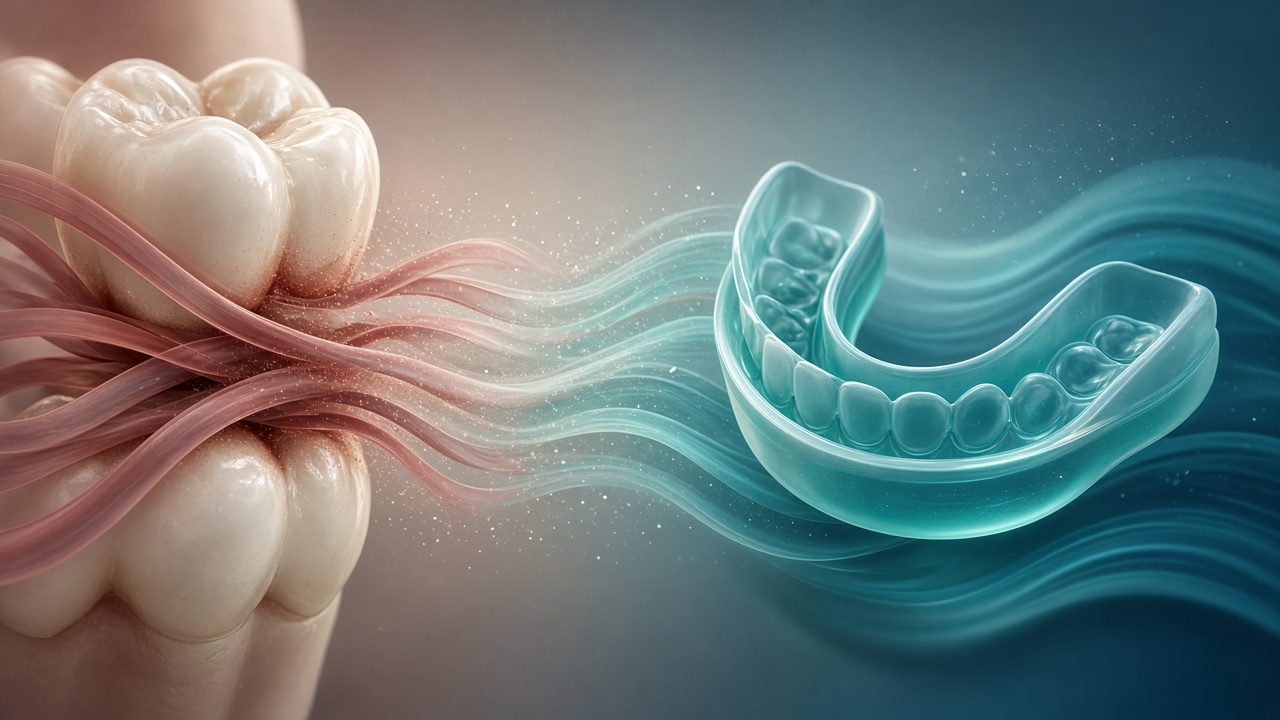
Night grinding more often leaves wear facets, microcracks, partner reports of sound, morning stiffness. Daytime clench more often gives muscle fatigue without loud audio. Mixed types are common: day clench, night episodes. Guard wear schedules and the talk change with that mix.
I may ask for a short partner description when consent allows — for frequency, not shame. A rare monthly episode and nightly grinding carry different risk for restorations. Dubai adds flights and jet lag. Short sleep after Europe or Asia flights raises muscle fatigue for a few days. Patients say “my jaw feels gym-sore” without a new guard. I link that to schedule, not to a bite that ruined itself on one flight.
What bruxism does to teeth, muscles, and the joint
Damage stacks over years and looks different. Someone loses canine height and ages the smile. Someone chips a veneer before a key meeting. Someone arrives with pain by the ear and a click, sure the joint is the only story. The absolute line bruxism equals a ruined joint does not hold. I measure opening, listen to the joint, palpate muscles, and order films when indicated — without an automatic verdict. I write the same frame in the chart so we are not arguing with memory a month later. You leave with a short phone note, not a slogan. That makes normal adaptation easier to tell from a signal to come in early. When the case is borderline I book a short review sooner than a chat debate.
Teeth and restorations
Enamel and dentine wear, especially on guiding canines and chewing cusps. Fillings and ceramics take the hit before neighbouring enamel. Patients after pretty veneers without a night-grind talk return with a chipped margin. Prosthodontist and orthodontist share one logic: understand load before promising thin ceramic.
Cold sensitivity on worn surfaces is a frequent companion. Whitening over active wear without a protection plan is a poor bet: aesthetics on thin enamel do not hold.
Face and neck muscles
Masseters hypertrophy in some people; the mandibular angle looks squarer. Temples hurt in the morning; the neck complains by evening. Patients treat “migraine” for years until someone asks about clenching. I do not make a neurology diagnosis; I link the complaint to palpation of masseter and temporalis and refer when the picture leaves the dental contour.
Massage and heat give short relief. Without load control and, when indicated, a guard, the effect is short-lived. I say so early so massage week is not mistaken for a cure.
The temporomandibular joint
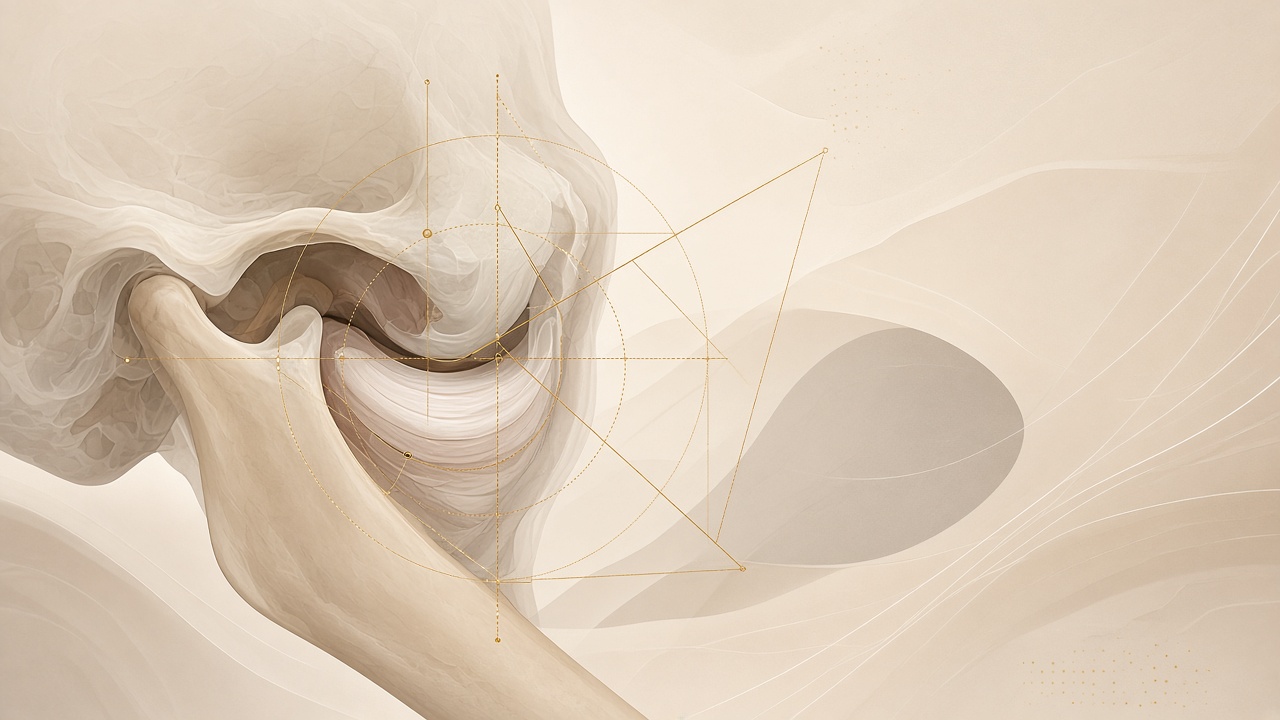
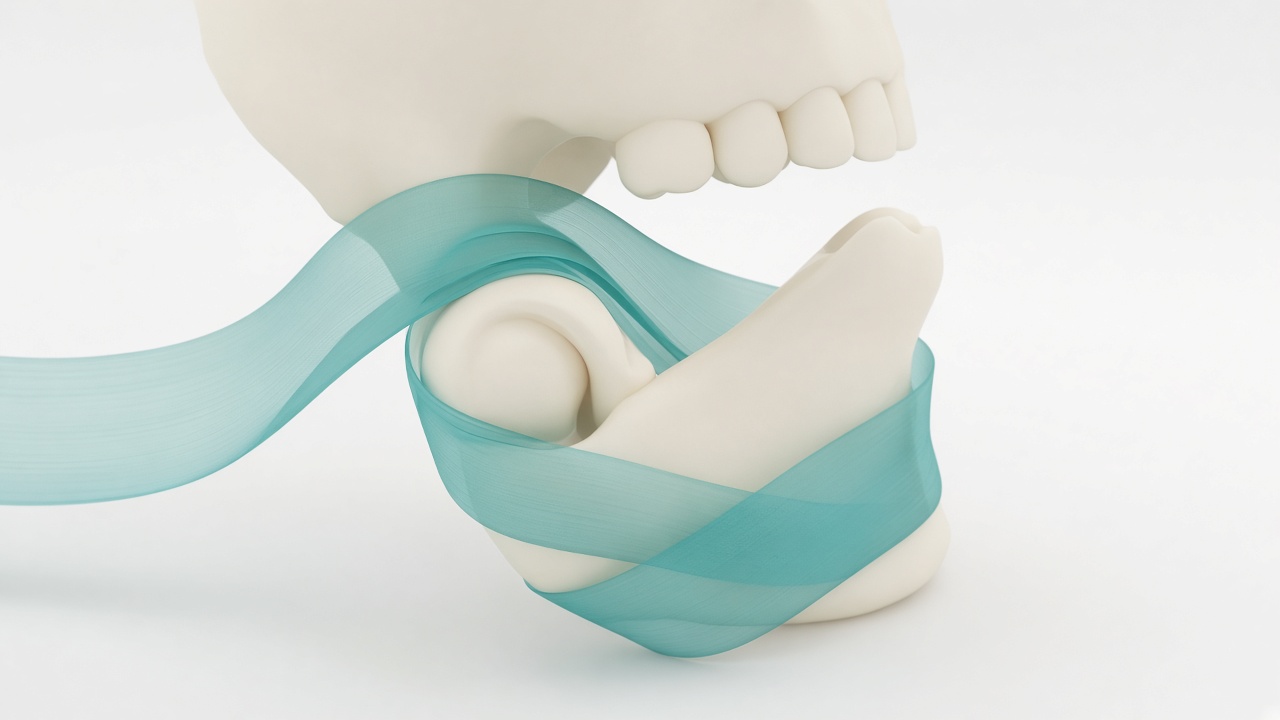
Disc, ligaments, and joint surfaces live next to parafunction. Click, pain on hard chewing, limited opening — reasons for calm, complete TMJ-path assessment. Bruxism can feed muscle lock and overload; “one guard cures the joint forever” is not a line I sell. First-stage goals are less pain, clearer load, and a decision on the next step.
Acute lock is not a DIY video topic. You need an in-person exam in the next available window.
How I look for bruxism on consultation
The visit starts with your words, not a radiograph. I ask for one main complaint: sound, chip, pain, fatigue, or a partner’s worry. Then sleep, stress, medicines, past guards, and brace history. In the mouth I look for facets, chips, mobility, hygiene, restorations. I palpate muscles and the joint, measure opening and path. Films follow indication. Below — history, chairside exam, and when I call colleagues. I write the same frame in the chart so we are not arguing with memory a month later. You leave with a short phone note, not a slogan. That makes normal adaptation easier to tell from a signal to come in early. When the case is borderline I book a short review sooner than a chat debate.
History in your words
I ask duration, link to projects or relocation, medicines, caffeine, nicotine, alcohol before sleep, sports that load the jaw. I ask what you already tried: soft pharmacy trays, botulinum toxin in masseter, osteopathy, a fifty-dirham guard. No scolding — a read of what gave short relief and what raised pain.
Chairside exam and simple tests
I view wear in side light, check guiding movements, ask you to clench and release, note symmetry. I mark at which millimetre of opening a click appears. Face and mouth photos help compare months later. Patients wonder at the photo volume; for bruxism and TMJ, dynamics beat one frame.
When films and colleagues enter
A panoramic film often gives the wide dental picture. Joint CBCT is not for everyone. Soft-tissue MRI follows strict indication, usually through a pathway that does it. Sleep clinician, neurologist, ENT, therapist — by complaint plot. The orthodontist coordinates the dental floor, not all of sleep and pain medicine.
| Complaint / finding | First checks | Typical next step | Common patient trap | Orthodontist role |
|---|---|---|---|---|
| Partner hears night grinding | Facets, morning muscle pain, sleep/snore | Custom protection; sleep screen when indicated | Buy a soft tray “just in case” | Protect enamel + load plan |
| Morning temples, jaw fatigue | Masseter/temporalis, daytime clench | Pause habits; guard/splint when indicated | Blame migraine only | Link muscle and contacts |
| Chipped veneers/crowns | Contacts, bruxism, ceramic thickness | Joint plan with prosthodontist, protection | New veneer “prettier” first | Reduce impact before aesthetics |
| Click and pain by the ear | TMJ protocol, opening range | TMJ care, splint when indicated | “Braces will fix the joint” | Unload before force |
| Worn canines, no sound | Acid, brush, daytime clench | Differential of wear | Whitening only | Find tissue-loss source |
| Child grinds every night | Age, wear, ENT/sleep when indicated | Watch or protect; no panic | Wait forever despite clear wear | Risk and growth read |
| Pharmacy tray hurts | Fit, material, job of tray | Move to custom | Wear through pain “to adapt” | Adjust or change design |
| Wear returns after braces | Retention, new contacts, parafunction | Protection + retainer check | Blame only “bad past course” | Hold + load |
Bruxism treatment: what an orthodontist actually does
The search phrase bruxism treatment sounds like a forever cure button. I set layered goals: keep tooth tissue, lower muscle pain, protect restorations, and when bite and joint link are clear, prepare a safe path. Full disappearance of night episodes in an adult with a central drive is not a promise I make. Less damage is. Below — protection now, splint logic, and when orthodontics enters. I write the same frame in the chart so we are not arguing with memory a month later. You leave with a short phone note, not a slogan. That makes normal adaptation easier to tell from a signal to come in early. When the case is borderline I book a short review sooner than a chat debate.
Protect tissue now
While sleep work or a splint is pending, I ask for simple cuts: no ice chewing, fewer acid habits, notice daytime clench and keep teeth apart at rest (tongue up, lips closed, teeth apart). That is not treatment; it is daily damage control.
Splint and guard as working tools
On the splint therapy page I describe unloading logic. Here the difference matters: a “bruxism night guard” may mainly protect enamel; a therapeutic TMJ splint guides the jaw toward an agreed position and needs regular adjustments. Sometimes one appliance carries both jobs. Material and design follow the exam, not a social-media review.
When orthodontics enters the plan
After acute pain drops, with clear high spots, lost support, or prosthodontic prep — orthodontics becomes a stage, not a slogan. Adult timelines are months, not weeks. In Dubai I discuss visas and flights early: a splint stage with adjustments travels poorly through six months without visits.
Living with bruxism in Dubai: routines, expectations, control
City rhythm adds background: air-conditioning dries mucosa, deadlines run long, flights are frequent, acid drinks sit close. I build the plan into that life. Guards travel in a hard case in cabin baggage, not a jacket pocket. After a flight, the first nights of wear matter when that was the agreed scheme.
Insurance cover for guards and splints in the UAE depends on the policy wording. Patients verify numbers with the administrator and insurer; I describe medical need, not payment. Checking DHA licensing of doctor and clinic is normal choice hygiene.
Control visits are closer at first, then farther if stable. A cracked guard, new pain, lock — reasons for an unscheduled visit. Filing a guard with pliers at home creates a high spot on the neighbour tooth.
Expat children: loud grinding with rising wear does not wait for a mythical school age. A short exam cuts useless fear or starts protection on time. Parental shame about “we stressed them” becomes mouth facts.
Repeat veneer courses without protection when bruxism is clear are an expensive carousel. I say that plainly on joint consults with the prosthodontist.
Myths, stress, money, and a three-month honest plan
Myth one: if you do not hear grinding, there is no bruxism. Daytime clench is often quiet. Wear and morning muscle pain speak louder than a microphone. Myth two: a guard will fix the bite by itself. Guards protect and unload; bites change with orthodontics or prosthodontics on plan. Myth three: relaxing music is enough. Music does not grow dentine. Myth four: braces must erase bruxism. Contacts change; the central sleep pattern may stay — so retention and protection sometimes run together.
Stress raises daytime clench odds and worsens sleep; laptop head posture changes neck muscle background. I accept the life link and do not sell posture correction as bruxism treatment. Chair height, eye-level screen, short unclench pauses — load hygiene. When neck pain dominates, a colleague joins.
Month one: exam, films when indicated, scan or impressions, delivery of guard/splint, early adjustment, a two- or three-line symptom diary. Month two: fit check, wear marks on acrylic as activity markers, surface tweaks, decision on daytime hours. Month three: pain and tissue review, talk about the next layer — watch, keep protection, orthodontics, prosthodontics, sleep path.
Plans fail most often from “I wear it sometimes” and “I travelled two months without the case.” I ask the travel calendar early. An honest start delay beats a shelf appliance in another country.
If pain rises after three months, I do not pile orthodontic force out of stubbornness. I return to diagnosis: joint, muscle, sleep, restoration, appliance intolerance. Changing tactics is medicine, not failure.
I end many first visits with a small drawing: brain and sleep send the impulse, muscles execute, teeth and joint take consequences. The orthodontist works with executors and consequences, not a brain off-switch. That keeps expectations honest and chooses the first step without panic. Russian-speaking and English-speaking patients in Dubai ask the same clinical questions in different words; the mouth answers in facets and muscle tone either way.
I end many first visits with a small drawing: brain and sleep send the impulse, muscles execute, teeth and joint take consequences. The orthodontist works with executors and consequences, not a brain off-switch. That keeps expectations honest and chooses the first step without panic. Russian-speaking and English-speaking patients in Dubai ask the same clinical questions in different words; the mouth answers in facets and muscle tone either way.
I end many first visits with a small drawing: brain and sleep send the impulse, muscles execute, teeth and joint take consequences. The orthodontist works with executors and consequences, not a brain off-switch. That keeps expectations honest and chooses the first step without panic. Russian-speaking and English-speaking patients in Dubai ask the same clinical questions in different words; the mouth answers in facets and muscle tone either way.
AED ranges for custom guards and splints depend on design and visit count; numbers belong to the consultation date, not to a blog post frozen in 2026. Insurance may ask for pre-approval; the clinic administrator helps with wording while you confirm cover with the insurer or TPA. I describe indication. I do not promise payment.
I refuse forever-cure language. I refuse starting braces on a peak of joint pain “so the bite will fix the grind.” I refuse filing your appliance at home between flights. I refuse diagnosing apnea from a single snore story without a proper pathway. Those refusals protect enamel and trust.
Expat life adds a paperwork layer: visa renewals, school calendars, Ramadan meal shifts. Wear schedules bend around real weeks. A plan that ignores your calendar fails in week two. Bring the calendar to visit one.
Partners who record grinding help frequency talks. Partners who shame the sound push the appliance into a drawer. I ask for facts without courtroom tone. Bruxism is not a hobby you chose.
If you already own three trays from three clinics, bring them. Wear marks and fit tell which job each one tried to do. A drawer collection is not a protocol. One clear appliance with adjustments beats a museum of almost-rights.
After orthodontics, a retainer and a protective splint can conflict on height. We write which nights which appliance wins. Two devices at once without a scheme create gum pain and confusion. The bedside table is a poor orthodontist.
When ceramic keeps chipping despite honest night wear, I look for daytime clench, acid, and high spots the splint does not cover. The answer may be more daytime hours, a design change, or a prosthodontic rethink — not a louder promise.
Clinic note from Dubai rooms: patients who keep a two-line morning diary for three weeks give me better adjustment decisions than patients who arrive with a long story and no dates. Pain on Monday after a Sunday flight means something different from pain every dawn. Dates turn anxiety into a pattern we can act on.
I also ask about gum chewing, pen chewing, and nail habits. Small forces add up beside night grinding. Stopping one daytime habit sometimes drops morning temple pain even before the splint design is perfect. That does not retire the guard; it makes the guard’s job clearer.
For musicians with mouthpieces and for divers with regulators, we schedule daytime wear around rehearsal and dive days. A universal “always” rule fails those weeks. Written exceptions keep the plan alive.
FAQ: bruxism and the orthodontist’s role
Can bruxism be fully cured?
In some people episodes ease when a sleep trigger is handled, a medicine is changed with the prescribing doctor, or daytime clench drops. Many adults keep a tendency to night muscle activity. The practical goal is less damage and less pain, not a vow of silence forever. I set that goal in the patient’s words on visit one.
Will a soft pharmacy tray help?
Sometimes it gives short comfort. Often it shifts load, gets chewed through, and disturbs the bite with long unsupervised wear. With joint pain a thick soft tray sometimes invites more clench. A custom appliance under a clear job is the safer strategy even when the start costs more than a tray.
Do I need braces because I grind?
Only if there is an orthodontic job: crowding, high spots, prosthetic prep, an agreed plan after stabilisation. Grinding alone is not a ticket to braces tomorrow. Protection and TMJ work come first when indicated.
Is masseter botulinum toxin bruxism treatment?
It is a symptom tool for some patients with pain and hypertrophy. It does not shield enamel. The decision follows exam, with a temporary effect and parallel tooth protection when wear is active.
My child grinds every night. Is that dangerous?
It is common in growth and stress windows. It is risky for tissues when wear grows, pain appears, chips form, or sleep breaks. An exam ends guessing. I do not remote-fit adult hard trays for children.
Can I play sport with a bruxism guard?
A night therapeutic guard is not a contact sports protector. Combat sports need a sports mouthguard for the sport’s job. Mixing them risks teeth and the appliance.
How long must I wear a guard — months or years?
Protection while bruxism continues is often long-term, like glasses for myopia: while the factor stays, the shield stays. A therapeutic TMJ splint has phases: active months with adjustments, then review. Time comes from the case, not a fourteen-day banner.
When should I go urgently instead of waiting for a slot?
Sudden limited opening, swelling, trauma, acute pain with fever, suspected fracture — urgent in-person care. Chronic grinding without acute pain can wait for a normal consultation window without midnight forum panic.