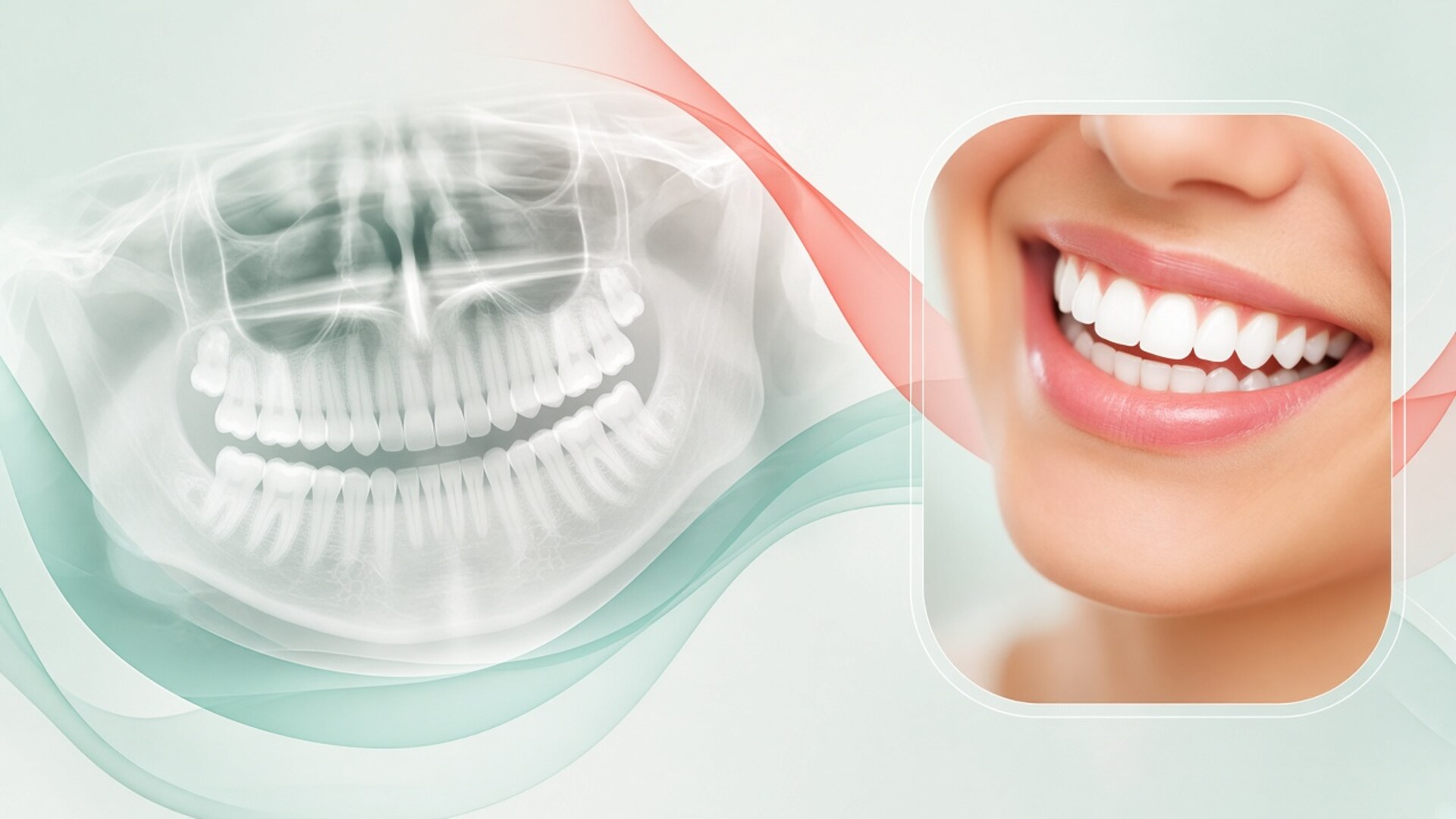
Parents search “braces sports kids” when the coach texts about a tournament and the music teacher reminds them about an ABRSM date, and orthodontics suddenly looks like it will cancel the season. Some families postpone children’s braces “until a quiet summer.” Others bond the appliance and then argue for a week in the family chat: chlorine and swimming, wax under a mouthpiece, whether to drive in after a bracket pops on the pitch. I am Dr. Maksut Behruzoglu, a specialist orthodontist in Dubai; at consultation I collect three calendars at once — school, sport, music. The American Association of Orthodontists (AAO) recommends a mouthguard during contact play with braces: brackets cut soft tissue harder than bare teeth. The ADA and AAPD support a properly fitted mouthguard in sports with facial-impact risk. The British Orthodontic Society warns clinicians that a fixed appliance can temporarily disturb embouchure on wind instruments; with practice, control usually returns. Below — how to keep ordinary life on teen braces: mouthguard, contact, pool, instruments, emergency protocol. I do not finalise trauma from a changing-room photo; bonding timing and activation dates follow an exam.
Ordinary life does not pause for brackets
An orthodontic course for a Dubai schoolchild rarely lands in a year without clubs. One class plays football in Jumeirah, swims at a club pool, rehearses in the school orchestra, and flies to a tournament in another emirate. The appliance changes safety and hygiene rules. It does not cancel the match, the pool, or the concert. I tell families before bonding: life continues; the habit list grows. Without that line, the child hears only bans and the parent hears only fear of breakage. Families after a move often compare notes from home: “take them off for the cup” there, a coach who requires a guard here. I build one plan for your calendar, not for someone else’s chat. Below — three household fears I unpack on the first visit, and how they meet a real treatment calendar.
“The season will be ruined”
A tournament two weeks after bonding is a poor moment for a first wire if the child expects a personal best and sleeps five hours a night. Sliding bonding a week after the final is often kinder than a torn lip and a broken embouchure on match day. The opposite error: waiting years for “all school sport to end.” Sport in Dubai runs almost year-round. I look at the next 4–6 weeks: exams, cups, concerts. Under those dates I place bonding and the first activation. A full children’s braces course still takes months; one tournament does not cancel treatment, and one season need not start it.
“Classmates will laugh”
Metal in the mouth is already common in Dubai’s international schools. Laughter lasts about a week; then interest moves to someone else’s phone. I give the child one short line: “straightening my teeth, mouthguard in the bag.” Long apologies to the class feed shame. If a teen refuses visible brackets because of stage photos, we discuss aesthetic options and timing after an exam, not from a feed ad. Shame alone is not a diagnosis and not a reason to skip hygiene.
“Everything will break on the first practice”
Breakages happen. More often — a loose bracket, a poking wire end, lost elastics. Less often — a tooth injury from a blow without a mouthguard. Risk falls when the guard sits in the sports bag before the first sparring session, not “we’ll buy it after the hit.” I issue a contact protocol before the airport and before the cup: photo, wax, soft food, when to come in, when a message is enough. Super glue, pliers, and “tighten it at home” stay out of the protocol.
Mouthguards over braces: what to choose and when to wear them
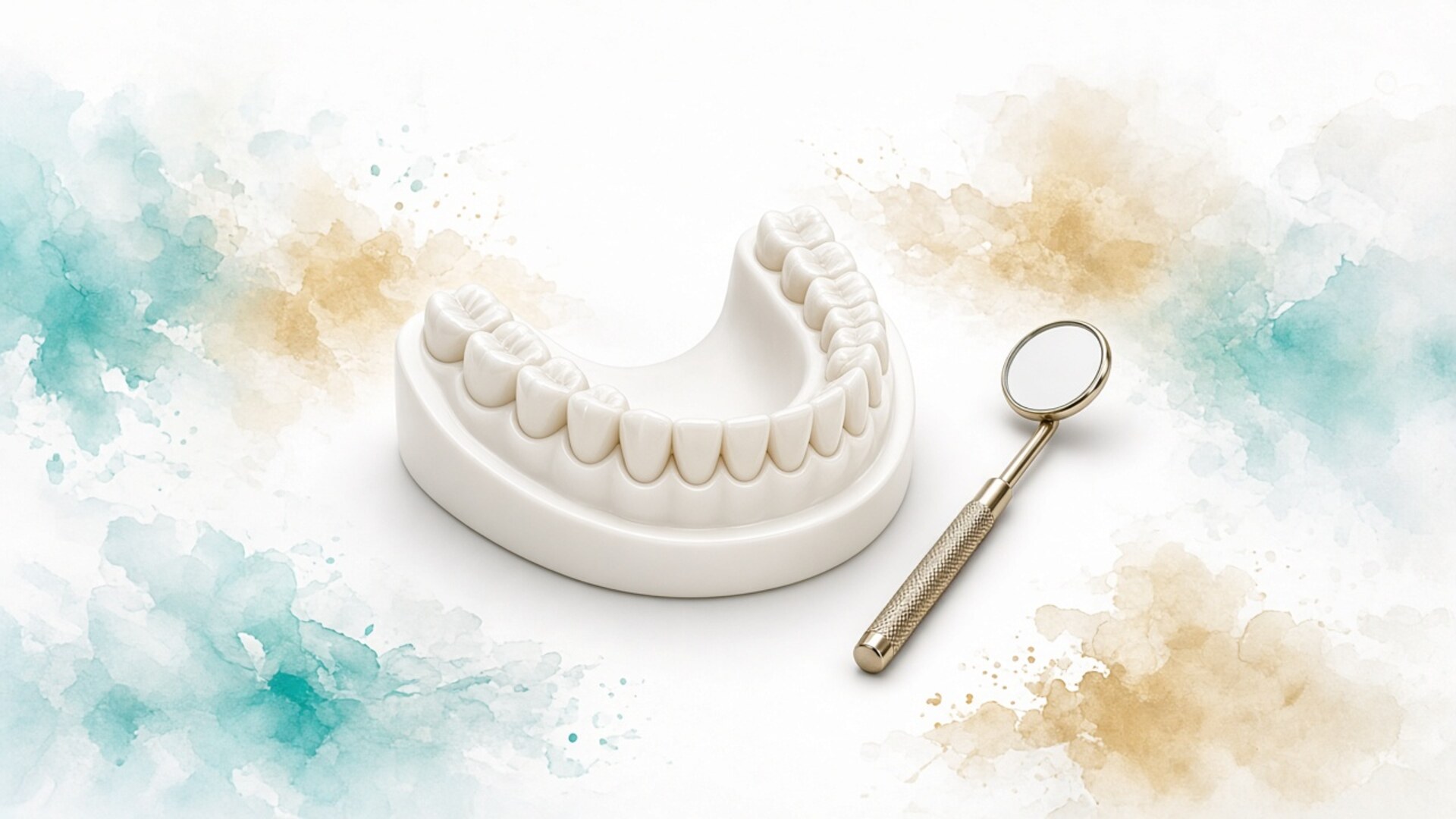
A mouthguard is kit, like shin pads, not “protection for the weak.” The AAO recommends a suitable guard in practice and games while braces are on: lips and cheeks away from metal, teeth away from impact, fewer bent wires. The ADA’s line is simple: the best mouthguard is the one actually worn. The European Association for Sports Dentistry (EA4SD) 2025 position favours custom sports mouthguards for contact and collision sports. In Dubai I see three working options: boil-and-bite shaped for braces, ready orthodontic guards with channels for the wire, and custom guards from a mould. Choice depends on the sport, the child’s age, and how often they will clean the guard. Below — type, fit, and bag habits. Without that fork, families buy a hard guard made for bare teeth, the child refuses it, and on the third practice the lip meets a bracket.
Types kids will actually wear
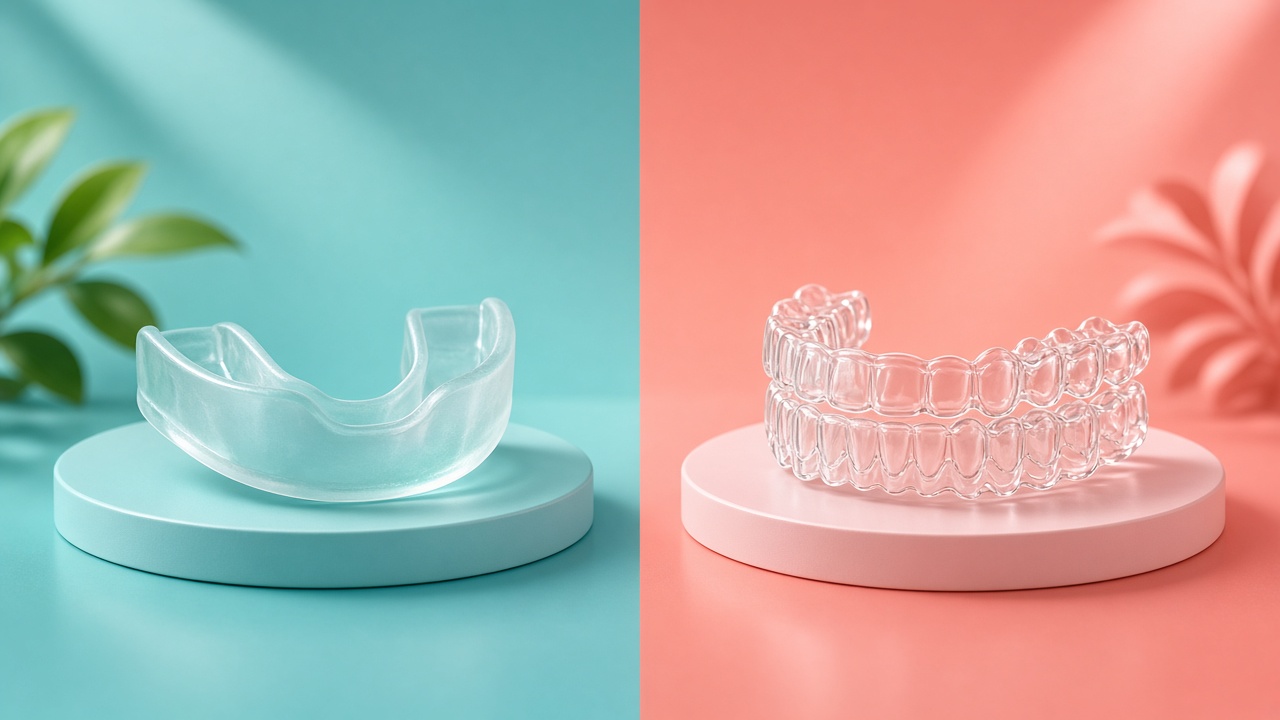
A stock pharmacy guard often floats and blocks breathing — off within ten minutes. Boil-and-bite works better when the blank is made for braces: after softening it wraps the brackets instead of driving the wire into enamel like a nail. A custom guard seats more securely and drops less in a sprint; it needs updating when teeth have moved or the child has grown. I do not promise one guard for the whole course. On teen braces the arch and tooth positions change — fit can loosen after months. Check at review: the guard stays without constant lip gripping, speech is clear within a minute, edges do not cut the gum.
When a guard is mandatory versus a sensible minimum
My practical minimum: football, basketball, rugby, hockey, combat sports, lacrosse, parkour with falls, skate and scooter tricks, partner contact in the gym. US school rules (NFHS) mandate mouthguards in several sports; wrestlers with braces often must wear one by rule. Basketball is not always mandated, yet mouth injury rates sit high — I want the guard in practice and games. For pool lane swimming a guard is usually unnecessary in the water; hygiene after chlorine is necessary. For track running without contact drills a guard rarely saves and rarely hurts — we decide by how often the child falls and whether the session sits next to a weights floor.
Care, storage, replacement
After practice: rinse with water and mild soap or a cleaner agreed in clinic; boiling “for sterility” warps plastic. Air-dry, store in a vented case, not a wet kit bag with the school shirt. Chewing the guard on the bench cracks it and can pop a bracket. Replace for cracks, persistent smell, a loose fit after activation, or a growth spurt. For tournaments I pack spare wax and a spare guard if one exists. An old hard guard worn wrong beats nothing only until it becomes an excuse not to wear any.
A name mark on the case in a Dubai school changing room saves the guard from someone else’s backpack. Once a month I ask the child to bring the guard to review: I check fit on the new wire, look for cracks, remind them about cleaning. Families who buy a guard “just in case” and leave it in a kitchen drawer effectively own zero. A guard works only in the mouth on the pitch.
Contact sports and combat sports with braces
Contact raises the price of a blow: the lip rides onto bracket wings, a wire end can leave the slot, a bracket can debond. A mouthguard spreads force and keeps soft tissue off metal. I do not ban the club. I ban sparring without oral protection “because today is a light day.” In Dubai I see football academies, teen MMA, rugby in British-curriculum schools, basketball in almost every complex. Before bonding I ask sport, position, head-contact drills, whether the team already requires guards. Parents often learn about the guard only after the first match — then we repair the lip and the calendar at once. Below — three layers of one talk: face and soft tissue, appliance breakage without a dramatic hit, return to play after an incident.
Face impact: lip, cheek, tooth
The main difference between braces and bare teeth on impact is cutting relief. Even a “light” elbow in football makes a deeper wound. First: airway, consciousness, heavy bleeding, suspected jaw fracture or dislocation — ER / urgent care, not an orthodontic chair at midnight. Orthodontic repair is step two. If the child is alert, bleeding controlled, tooth in place — photo of the mouth, wax on a sharp edge, soft food, message to clinic. An avulsed tooth is stored moist per dental/ER instructions; I do not replace the emergency protocol.
Breakage without a highlight-reel hit
Debonds come from a hard protein bar after the gym, chewing the guard, a bike chin fall, a ball to the face through the net. The teen runs the tongue along the wire in the changing room: any loose bracket, any poke. Two minutes save a week waiting for a repair slot. A loose bracket — wax, not super glue. A wire end out of the last tube — wax or gently tuck it back with clean fingers if the end is short and reachable; if it is long and cutting — wax and a booking. Elastics lost on match day are not replaced with a stationery rubber from the pencil case.
When to return to sparring
After a deep lip wound I wait for mucosa to settle, or the guard rubs the ulcer. After rebonding several brackets I give soft chewing days before contact. After a blow with tooth trauma signs (darkening, mobility, cold pain) — dental/orthodontic exam before return. The coach gets one family line: “mouthguard required; no guard, no pitch.” Without that line the child hides the guard from older teammates.
Swimming, chlorine, and “wet” sport without a face hit
The pool in Dubai is almost a school ritual. Brackets do not rust in one session; the problem is elsewhere. Chlorinated water dries mucosa, sugary drinks at the deck leave acid around brackets, children keep the mouth open on the lane for an hour. A mouthguard in the water usually gets in the way of breathing. Hygiene after the pool does not. I ask for a water rinse right after training and normal brushing at home, not a perfect brush in the changing room. Families confuse “you may swim” with “you may forget the mouth until evening” — those are different permissions. Below — chlorine and dryness, deck drinks, water polo and synchronised swimming as separate risks.
Chlorine, dryness, plaque
After a long chlorine set lips and cheeks are drier; friction on brackets rises. Wax helps if a wire end pokes. Harsh whitening paste after every swim is unnecessary. Fluoride paste agreed with the dentist stays. If the child mouth-breathes on the lane, I push water between sets — not only isotonic bottles.
Drinks and white spots
Sports drinks sipped for an hour plus plaque around brackets is a working formula for white spots. Water rinse, less “holding the taste,” home brushing beat the brand of the interdental brush. Gels and chewable carbs on a long session stay in a short window, then water. Sticky residue around children’s braces lasts longer than it looks on the deck.
Water polo and synchronised swimming
Water polo is contact plus water: the mouthguard returns on the same logic as the gym if the coach allows contact. Synchronised swimming sits closer to lane swimming: guard less often, dryness and hygiene more often. I ask the exact discipline, not “we just swim.”
Music: winds, voice, school orchestra
A music child with braces meets the same biology as an athlete; the “hit” comes from the mouthpiece and from their own lip. The British Orthodontic Society warns clinicians that a fixed appliance can temporarily disturb embouchure, especially on brass; with practice most regain control. I play trumpet myself and know how annoying it is to lose the top notes in the week after a wire change. At consultation I ask instrument, practice hours, exam or concert date. If the teacher is not warned, week one gets blamed on laziness — wrongly. Below — brass and pressure, woodwind and flute, voice and stage speech. Adult musicians get a deeper separate piece; here — school life and the parent calendar.
School brass
Trumpet, trombone, horn concentrate mouthpiece pressure on the lip over the incisors. Brackets sit between mucosa and force. For the first 1–2 weeks after bonding or a heavy activation I advise short blocks: 10–15 minutes playing, pause, water, lip check. Pushing the mouthpiece harder “to get the sound back” digs an ulcer. Wax or thin silicone covers smooth edges. If a bleeding point sits over a bracket — a day off pressure, message to clinic if the ulcer grows.
Woodwind, flute, saxophone
A reed and a different support map often feel easier than brass, yet articulation and sibilants still “swim” in week one. A short phone recording every few days is more honest than “I ruined everything.” The teacher gets a family heads-up: an adaptation wave is coming, not laziness.
Voice and public speaking
Singing and stage speech depend on tongue and lip space. The wire changes resonance for a short window. Wax before the concert, water, skip hard food an hour before walking on. If an ABRSM date sits three days after a thick wire change — shift the activation rather than panic-shift the exam. I put music dates next to football dates in one treatment calendar.
School, tournaments, and Dubai logistics
The Dubai school year breaks orthodontic slots harder than a textbook. Holidays “back home,” a cup in another emirate, a Friday concert, a nanny who never sat in the chair. I plan around that. School notes follow the real visit. The breakage photo number goes out before the flight. The family packs spare wax and knows: sharp edge — wax, not hotel pliers. If a big start is two weeks away and bonding is today — I separate what will ache from what we can delay. The child needs the task in their words: “guard in the bag,” “water after the pool,” “if it pokes — wax and a photo.” Without those words, home turns into “the doctor banned sport” versus “the coach said ignore it.”
Team travel. Hand luggage — wax, a soft brush, guard in its case, clinic contact. Endless sweet juice on the plane around brackets is a bad idea; water wins. On board, kids chew ice and hard snacks from the travel pack — after a fresh activation that is a common debond story remembered only in the hotel. A temporary dentist at camp: I do not trash a remote repair unseen; I ask for photos and the return date. If camp runs longer than a month, we decide in advance whether a local check is needed or a photo report plus a visit on landing is enough.
Shame in the club. A team-coloured guard sometimes gets worn more than a “medical” clear one. Small detail, higher compliance. I do not fight guard aesthetics if the fit is safe. The same goes for coloured ties under the school kit: the child picks the colour, I watch hygiene and wire ends. Parental fear of “metal on the leavers’ photo” is a separate talk from face-impact risk on the pitch — different tasks, different dates.
Activations under the season. Before a cup and before an instrument exam I prefer not to place the stiffest wire “because a slot opened.” A soft week before the start often beats a perfect paper schedule. After the final we can catch up. Families living between a sports academy and a music school get one date sheet from me, not two contradictory chats.
What to do when practice or rehearsal goes wrong
An emergency protocol saves panic in the parent chat. I issue it in writing before the first activation. It does not replace an exam. It answers the next minutes. Dubai families often meet the first failure on an away tournament or a late rehearsal before an exam — without a protocol the argument becomes “drive to ER” versus “wait until Monday.” I separate the baskets in advance so a nanny and the second parent read one text. Below — three baskets: poke and rub, debond, impact with trauma.
Poking wire, rubbing bracket
Wax on the edge. Soft food. Photo to clinic if the end is long or the wound grows. Do not chew the wax like gum through a whole lesson — the layer vanishes. Refresh wax at night if needed. If a wire end left the last tube and cuts the cheek — booking priority beats “wait for the monthly visit.”
Loose bracket or band
Keep the bracket if it landed in the palm. No super glue. Wax on any sharp remnant. Message with photo: which tooth, when, any blow. Hard food off. Rebond in a slot; repeat debonds on one tooth stretch the timeline — we hunt the habit of chewing the guard or a pen.
Impact, bleeding, mobile tooth
General safety and ER first when indicated. Then orthodontic review. Avulsed tooth — emergency protocol. I do not certify “the tooth is vital” from a blurry gym still. After front-tooth trauma with braces, review may include a film; I decide in the chair.
Activity types and mouth protection: a table I use with parents
The table below is a working conversation map, not a ban on the club. Face-impact risk, need for a guard, and typical breakage depend on the child’s position and the coach’s discipline. “High risk” figures in sports dentistry sit with contact and collision sports; swimming sits apart for hygiene, not for an elbow to the jaw. Your child’s plan follows an exam and an honest account of the club.
| Activity | Face impact | Mouthguard | Typical ortho issue | Do this first | Message the clinic when |
|---|---|---|---|---|---|
| Football / basketball | Medium–high | Yes, practice and games | Lip abrasion, debond | Wax, photo, soft food | Poking edge, loose bracket, growing wound |
| Rugby / hockey / lacrosse | High | Yes, often required by rules | Soft-tissue trauma, bent wire | Head safety first | After ER, or if the appliance is broken |
| Combat / sparring | High | Yes, no “light day” exceptions | Metal cut, debond | No sparring without a guard | Ulcer, mobile tooth, severe pain |
| Skate / BMX / trick scooter | Medium–high | Yes for jumps and park | Chin fall | Guard before the run | Debond, chip, bleeding |
| Lane swimming | Low | Usually no | Dryness, plaque, drinks | Water after, brush at home | Persistent pain, white spots, poking wire |
| Water polo | High | Yes with contact | Gym-like + chlorine | Guard + hygiene | Same as contact |
| Brass winds | Mouthpiece pressure | Wax / covers, not a sports guard | Lip ulcer, embouchure drop | Short blocks, water | Growing ulcer, cannot play > a week |
| Woodwind / flute / voice | Low impact | Wax as needed | “Swimming” articulation | Practice recording, water | Poke during rehearsal |
| Weights, no contact | Low–medium | By fall / partner risk | Debond from hard bars | Soft snack, check the wire | Loose bracket |
I give parents two reading rules. First: “low impact” does not mean “forget hygiene.” Second: a guard at home equals no guard. At review I ask not “do you own a guard” but “was it on at the last practice.” A third Dubai rule: heat and dry mouth on outdoor pitches raise abrasion — water in the bag works with the guard, not instead of it. If the child plays two sports a week plus orchestra, read the whole table: protection for contact, hygiene for the pool, wax for the mouthpiece. I do not sign a blanket ban that says “sit at home until braces come off.”
FAQ
Can a child play sport right after braces go on?
Light activity is often fine the same day if pain and dizziness after the visit are mild. Contact sparring and impact games I usually delay until a mouthguard fits and the lip has met the brackets. Exact timing depends on the sport and how the child feels; we decide in the chair.
Is a mouthguard still needed if “nobody on the team wears one”?
For contact with face-impact risk while braces are on, I insist on a guard regardless of team habit. The AAO recommends protection in practice and games. Club custom does not cancel a bracket edge. If the coach objects — one clear family line and, if needed, a note of the clinical recommendation.
Is chlorine swimming allowed with braces?
Yes. Watch mucosal dryness, deck drinks, and home brushing. A lane guard is usually unnecessary. Water polo brings the guard back because of contact.
Do braces end an ABRSM wind exam?
No. Expect an adaptation wave after bonding and after heavy activations. Short practice blocks, wax, water, and shifting an activation away from the exam date often save the season. I do not guarantee “sound identical to day one”; most school players regain control with practice.
A bracket came off at a tournament in another emirate. What now?
Wax, soft food, photo to me, no super glue. If an edge cuts — find urgent orthodontic cover or wait for return as agreed. Keep the bracket if it is in the palm. We plan rebond from the photo and the flight home.
Are aligners better so the child “can do sport”?
Aligners come out for contact, and in that window the teeth need a mouthguard without trays. Fixed teen braces with a guard over the top are a normal school-sport path. System choice follows diagnosis and daily life, not a slogan that “athletes only use trays.” The exam decides.
What belongs in the sports bag for the season?
Guard in its case, orthodontic wax, a small brush, water, spare elastics if they are in the plan, clinic contact. Sweet gel — short window only, then water. Hard protein bars right after a wire change often cause the next debond.
Can a WhatsApp photo tell us whether to drive in at night?
A photo helps triage urgency: poking edge, bleeding, a shifted tooth. Final trauma assessment and repair planning need an exam, sometimes a film. Suspected head, jaw, or avulsion injury — ER first, orthodontics after.