The Daman, Cigna, AXA (often GIG Gulf today), or BUPA logo on your card names a brand. Your orthodontic package is set by the employer package, the Table of Benefits / Schedule of Benefits (SOB), and TPA rules (Nextcare, Neuron, and other claim administrators). In the UAE, braces and clear aligners sit in full exclusions on many basic plans. Enhanced and international dental modules sometimes add a separate Orthodontics line with a lifetime or annual sub-limit, a waiting period, an age gate, and mandatory pre-authorization. Public tables that pin “typical” AED percentages to a brand go stale and never replace your PDF. Historical DoH/HAAD wording on Thiqa (braces after 18 without medical necessity) and Daman adjudication language (ortho exam payable only when Orthodontic Plan Benefit appears in the SOB) explain market vocabulary, not your personal limit. Patients often expect the card to fund a smile, then meet denial on exclusion or partial payment for diagnostics only. Below: how the four large brands usually organise contours, and which dimensions to check before you start. Only your policy and a written pre-auth give the final answer.
Why the logo on your card is not an orthodontic package
In Dubai and Abu Dhabi, cover usually arrives through an employer. HR buys a group product, picks a clinic network, a dental rider, and the limits. Two colleagues with the same brand on plastic can hold different dental blocks: one gets cleaning and fillings; the other also gets orthodontics with conditions. A retail international policy (common among “global” expats) works differently: dental sits as a module, waiting periods run longer, and age rules bite harder. So “Does Daman / Cigna / AXA / BUPA cover braces?” has no answer without a policy number and Table of Benefits. Bring the card, benefits PDF, HR letters, and TPA contacts to an orthodontist consultation. Without those papers the clinic guesses; guessing costs you once radiographs are already paid.
Schedule of Benefits and Table of Benefits
The Schedule of Benefits (SOB) / Table of Benefits lists limits, co-payments, waiting periods, and exclusions. The card does not carry that table. It shows the brand, the member number, and sometimes a TPA logo. Orthodontics may appear as its own row: Orthodontics, Orthodontic appliances, Orthodontic treatment. Sometimes it hides inside Dental, and only the small print says “excluding orthodontics.” Sometimes the row exists, but the neighbouring cells add age, a lifetime maximum, and a medical-necessity condition.
Read the full row. “Dental covered” does not mean braces are covered. Fillings, extractions, and cleaning live in a different contour from tooth movement. If exclusions list dental prostheses and orthodontic treatments, that pattern matches many regulatory Essential Benefits Plan templates across the emirates; your enhanced package may differ, yet verification is still mandatory.
Employer package versus an international module
A corporate UAE package is often written for staff on the ground: local network, direct billing at in-network clinics, annual limits in AED. An international module (often under Cigna Global, Bupa Global, and similar lines) may price benefits in USD or GBP, impose waiting periods on major dental / orthodontics, and restrict age for ortho. An expat with a “global” card in Dubai can still meet a refusal if the clinic sits outside the network or if the dental rider was never activated.
Ask HR three things: whether orthodontics exists as a separate benefit; who the TPA is; where to download the current SOB for this policy year. The policy year matters. At renewal, limits and exclusions can change without a loud announcement.
“Dentistry” in clinic speech and orthodontics as a separate service
In the chair, “dentistry” sounds like one word. For the insurer it is a set of codes: preventive, restorative, major, orthodontics. An orthodontic course lasts months and years, so underwriters add lifetime limits, age filters, and pre-auth. Diagnostics (OPG, cephalometric film, scan) may pay under different rules from appliance placement. Debond and retention sometimes fall outside the “approved” package.
On examination I separate the clinical plan from the insurance contour. Clinically you may suit adult braces or adult aligners. The insurance contour decides which share of the estimate the company will split, and only after your SOB is checked.
Daman: a large local brand with many products under one name
Daman is a national player with a wide network and a strong Abu Dhabi presence, including administration of programmes such as Thiqa for UAE nationals. For an expat in Dubai, “I have Daman” usually means a corporate or individual product with its own dental block. Orthodontics is not included by default. Public adjudication guidelines link payment for an orthodontic examination to Orthodontic Plan Benefit in that plan’s SOB. If the row is missing, orthodontic examination codes fail even when the clinic sits in network. I meet Daman patients whose fillings and cleanings clear smoothly, and others with the same logo who find orthodontics in exclusions. Shared brand, different package. Before a braces estimate, ask HR or the member portal for the current Table of Benefits and who processes dental claims: Daman itself or an external TPA on your group.
Basic, Essential, and Enhanced: different dental ceilings
Basic constructions close to Essential Benefits Plan templates in the emirates usually exclude dental prostheses and orthodontic treatments entirely, leaving a narrow emergency dental contour. Enhanced and corporate “silver/gold” tiers may add a dental sub-limit and, less often, an orthodontic row with waiting period and age. That is market logic, not a promise about your policy: cheaper group contracts cut orthodontics more often.
Practical step: search the PDF for Orthodontic / Orthodontics / Braces. If those words are absent, read exclusions. If they appear, read the neighbouring columns: limit, coinsurance, waiting, age, pre-authorization required. Without those columns, “covered” is an empty word. Some sample Enhanced SOB PDFs published by Daman list optional dental modules with annual caps for fillings, scaling, and related codes, and still leave orthodontics off the covered list unless a separate orthodontic benefit is written in. Treat any sample as a template for reading, never as your limit. Your group number and policy year decide the cells.
Thiqa and the age contour: a historical frame you still verify
For Thiqa cardholders, public Abu Dhabi regulator messaging (historically HAAD, now DoH) recorded in 2016 that orthodontic braces for people aged 18+ are excluded unless medical necessity is identified. That precedent still shapes how the market talks about adult ortho refusals: age plus “cosmetic” language equals denial on many regional packages. Products have updated since then; networks have changed; the adult-versus-function logic remains common.
If you hold Thiqa or a related Daman product, skip forum cases from 2018. Request current benefit wording and the specialist referral path. Child and adult contours often diverge. Clinical necessity in the doctor’s notes and “medical necessity” in the insurer’s letter are neighbouring texts with different authors; the second is written against plan criteria.
Pre-auth and the orthodontic examination
Open Daman adjudication materials state that orthodontic general examination for plans with Orthodontic Plan Benefit usually requires pre-authorization and pays in a “once per case” logic (exact codes and frequency sit in the current guideline and your SOB). That is a patient signal: even “just checking the bite on insurance” can hit an approval portal. Starting a full appliance course without approval almost guarantees self-pay.
In practice I assemble the pack before submission: diagnosis in plain language, treatment goal, OPG, cephalometric film when indicated, scan or models, estimated duration, appliance type. The clinic files through the portal. I ask patients not to bond until a written approval exists; otherwise the dispute is about a bill already issued.
Cigna: international modules and a firm dental-rider structure
Among Dubai expats, Cigna often means Cigna Global or a corporate international product. Dental frequently travels as a separate module beside medical. Broker descriptions of international tiers sometimes show orthodontics on selected levels with a waiting period (often longer than preventive) and an age emphasis. Exact refund percentages and USD limits depend on Silver/Gold/Platinum class and contract year; you cannot pin them honestly to your employer without your certificate. For a patient in Dubai that means a Cigna card does not promise clear aligners turnkey. It promises a module-verification procedure. Ask member services whether dental is active; whether orthodontics is included; which age limit applies; which waiting period has already counted from the inception date; whether your chosen clinic uses direct billing or reimbursement only.
Dental add-on and the quiet absence of orthodontics
Medical cover can look generous: hospital, outpatient, maternity. Dental may still be empty or preventive-only. Orthodontics sits deeper still: either a separate row or an explicit exclusion inside dental. Patients mix those levels and book aligners “on insurance” after a receptionist says “we accept Cigna.” Accepting the card for an exam and funding an appliance course are different services.
Before you commit to a long plan, ask the clinic insurance desk for an eligibility check on orthodontics, not on “dental in general.” Save the screen or the email. A spoken sentence at reception does not attach to a later TPA dispute. Search interest around “invisalign insurance dubai” and brand dental queries often assumes the premium logo equals appliance funding. In chair I see strong medical benefits, a silent dental rider, and orthodontics excluded. Eligibility language must name the appliance class you want.
Waiting period and age
International modules often set waiting on major restorative and orthodontics apart from cleaning. You bought the policy in January and want to start in March: the waiting calendar may still tick. Age limits on orthodontics in some global products lean toward adolescents; an adult expat meets refusal even with strong medical cover.
If your child changes school and you want braces to start in Dubai, first count the waiting end date and any pediatric orthodontic wording. If you are an adult with a chiefly aesthetic goal, budget for full self-pay even with Cigna on the card.
Dubai network and reclaiming the invoice
Direct billing is convenient: the clinic posts the approved portion; you pay the co-pay. Reimbursement asks you to pay first and reclaim at the insurer’s tariff, often below clinic list price. For orthodontics the gap hurts: the course is expensive, and the company’s “reasonable and customary” figure may sit under a Marina cabinet estimate.
Confirm before diagnostics: is the clinic in-network for your specific Cigna product? Is a referral required? Which documents does each stage need for claim? Orthodontics rarely closes in one payment. Map the limit and stages early, or lifetime maximum will absorb imaging and setup while the appliance budget vanishes.
AXA and GIG Gulf: a corporate builder after rebrand
AXA Gulf in the region moved under the GIG Gulf brand; patients still say both names in documents and conversations. For orthodontics, the contents of the group policy decide cover; the logo on plastic only points to the member portal. GIG / former AXA sells group medical plans where dental and optical often arrive as optional extensions: the employer may buy the rider or leave it out. Handbooks for Smart Health and similar lines often place dental treatment, prostheses, and orthodontics in base exclusions until a rider or enhanced table says otherwise; verify the handbook for your policy year. Bring the current benefits table and an HR letter about the dental add-on. Without the add-on, talk about braces on insurance ends quickly. With the add-on, ask whether orthodontics sits inside it, or only fillings and cleaning.
What changed for the patient after the name swap
A rebrand alone does not widen cover. Portals, member-services numbers, and sometimes the TPA change. Your SOB remains the group contract. If the employer had no orthodontics in 2024, a GIG logo in 2026 does not invent that row. Ask HR at every renewal whether dental was updated; whether an orthodontics line appeared; whether the network list changed. Related-search phrases such as “axa dental insurance dubai” sit next to Daman dental queries in UAE SERP clusters; that proximity tempts brand-versus-brand scorecards. Compare your SOB cells with a colleague’s SOB cells instead.
Clinics refresh lists too. Yesterday’s “AXA network” may need a fresh check in the GIG provider locator. Verify before you pay for a full diagnostic pack.
Dental rider as an employer decision
Small and mid-size firms often buy medical without dental to hold the premium. Large corporates sometimes add dental with an annual cap and still leave orthodontics in exclusions. Less often they include an orthodontic sub-limit for employees’ children. In that scheme an adult staff member self-pays; a child goes through pre-auth.
If you weigh a job offer and treat insurance as a bonus, ask for a sample Table of Benefits before you sign. The phrase “full medical and dental” in an offer without a PDF is marketing copy, not a braces limit.
Coinsurance, network, and fee schedule
Even when orthodontics is eligible, the company pays a share of the approved fee, not of any figure on the clinic price list. Clinic list price for ceramic braces or a branded aligner system can sit above the fee schedule. You pay the difference. A pre-auth letter usually locks approved amount / codes; read it before bonding.
On a second opinion I sometimes see estimates where “insurance will cover half” was calculated from the full cabinet price. Half of fee schedule and half of list price are different sums. Ask the clinic to show the maths from the approved tariff, not from a hoped-for figure.
BUPA: premium expectations and strict paperwork
BUPA in Dubai associates with British expats and premium packages. Local employer plans and Bupa Global are different worlds again. Marketing overviews mention orthodontics on some premium / prestige / global constructions, often with a sub-limit and medical-necessity review. Basic and mid-tier products may fund preventive dental while excluding braces and aligners. The hope “BUPA means Invisalign” breaks on the first eligibility check. Clinic insurance desks report that orthodontic pre-auth with BUPA often needs a dense document pack and more working days than a simple filling. Build calendar buffer: diagnostics, imaging collection, letter of medical necessity, portal filing, written authorisation, then bonding or tray delivery. Wedding and relocation deadlines without that buffer push families toward starting cash and sorting later, a choice that is hard to unwind.
Local group and Global: different limits and currencies
A local plan counts in AED against a local network. Global looks wider geographically yet sets its own waiting periods and age rules on orthodontics. Queries that pair premium brands with aligners (“invisalign insurance dubai,” “bupa dental dubai”) rarely surface your age gate or waiting clock; those sit in footnotes. Read footnotes before you book flights around a bonding date. A family moving London–Dubai can lose continuity if the new UAE group policy does not carry the dental rider across one-to-one.
Before relocation, request written confirmation: whether unused orthodontic benefit transfers; whether waiting restarts; whether your current orthodontist sits in the new network. Changing insurer mid-course almost always means a new pre-auth and a risk of refusal framed as preexisting / ongoing treatment; wording depends on the policy.
Medical necessity and “aesthetics” in the reviewer’s letter
Insurers often split orthodontics into functional and cosmetic. Cases with crowding that traumatises enamel, pathological occlusion, or preparation for jaw surgery sit closer to medical necessity. “I want straighter teeth for photos” sits closer to cosmetic exclusion. The border is grey: the same case can read differently across reviewers. Referral letter wording therefore matters. I write diagnosis, functional complaints, risks without treatment, plan, and alternatives. I cannot promise approval. I can promise an honest document pack.
If the goal is mainly aesthetic, we discuss self-pay and clinic instalments early. That is calmer than building a family budget on a hypothesized approval.
Branded aligners and unbranded trays
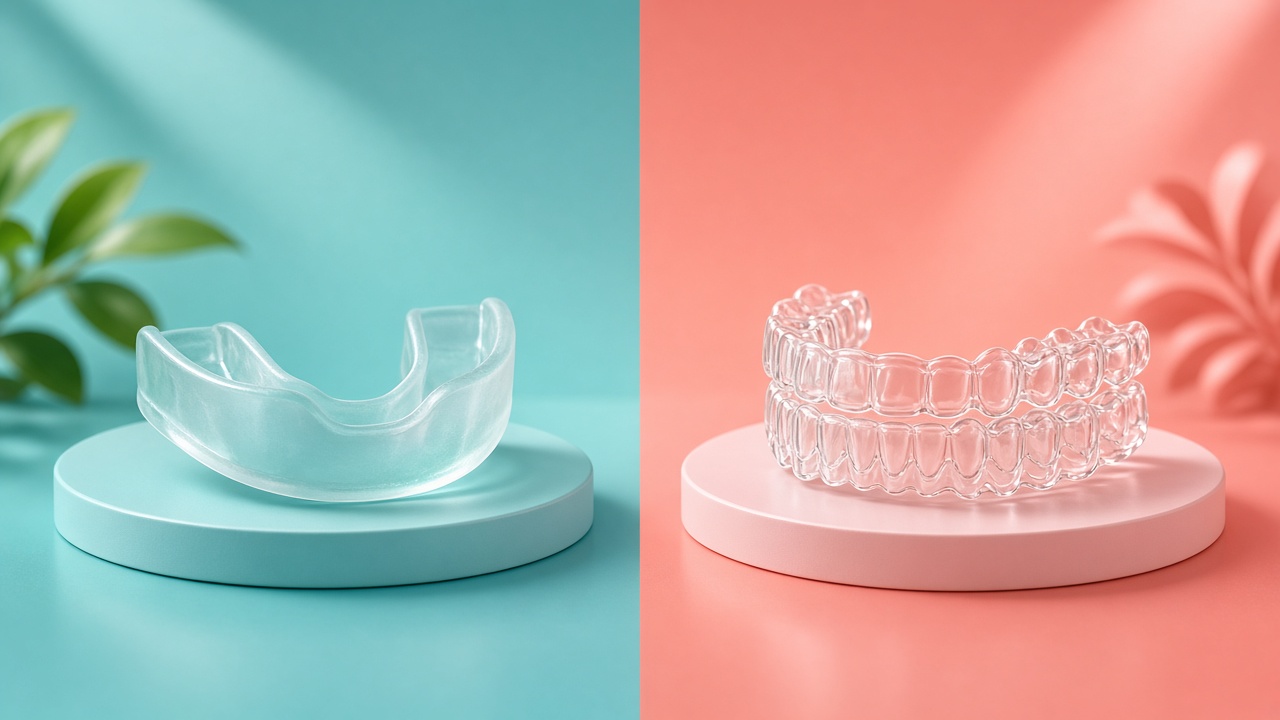
Insurers seldom “prefer” a tray brand. They look at the orthodontic treatment / appliance code. Clear aligners sometimes sit under the same orthodontic benefit as braces; sometimes they are treated as cosmetic. Public reviews that say “Invisalign included” on premium plans describe selected products, not yours. The eligibility check must name aligners explicitly.
Clinically I choose the appliance by biomechanics and patient discipline, not by claim hope. If the policy covers only “conventional appliances” and trays suit you better, we price the top-up. The reverse also happens.
TPA: Nextcare, Neuron, and who answers your claim
Fine print on the card often shows Nextcare, Neuron, MedNet, NAS, or another TPA. The Third Party Administrator processes pre-auth and claims under the insurer’s rules and your group policy. The TPA reads the SOB and fee schedule; it does not rewrite your employer package. Confusing Nextcare with a separate insurance company is a common error. Saying “I have Nextcare” usually means dental/medical administration runs through Nextcare, while underwriting sits with ADNIC, Daman, GIG, or another risk carrier, or with your employer as policyholder. Calling only the TPA without a policy PDF yields generic lines. Calling with a policy number and “Is orthodontics a covered benefit on my SOB?” gets closer. Keep written answers in the same thread you will later use for a denial dispute.
What the TPA does on orthodontics
Patients searching “dental insurance dubai” often stop at brand names and never learn the TPA layer. In practice the TPA is the portal you wait on. Knowing who logs the case shortens the calendar more than knowing the colour of the plastic card.
The TPA receives the clinic pack: codes, imaging, plan letter, estimate. It checks benefits. It issues approval, partial approval, or denial. It calculates co-pay. It watches lifetime/annual orthodontic limits. On denial it cites exclusion or missing documents. Resubmission with additions is possible; pushing verbally rarely works. Response times on major dental / orthodontics vary from a short window to one-and-a-half or two weeks on complex cases. Build buffer into wedding and relocation calendars.
Why a TPA refusal does not cancel the clinical plan
A refusal speaks to the insurer’s share of payment. Clinically the course may still be indicated. Financially you fund it. On consultation I keep those planes apart: plan first, insurance contour second, family decision third. If the refusal is contestable (an orthodontics row exists, yet the reviewer labelled the case cosmetic), an appeal with extra imaging and a tighter letter can make sense. If the row is absent, appeal will not invent a benefit from air.
How to speak to TPA and HR in one language
Keep one fact table: plan name, policy year, member ID, TPA name, whether orthodontics appears in the SOB, waiting status, age limit, clinic network status. Send the same table to the clinic insurance coordinator. Different people answering fragments of the question create the illusion that “it seems covered.” One shared checklist cuts the call circle. If HR promises “dental full” and the TPA answers “orthodontics excluded,” written SOB and portal eligibility outrank the verbal retelling of the offer.
Dimensions to compare for Daman, Cigna, AXA/GIG, and BUPA before you book
The UAE market is fragmented: one brand sells dozens of group constructions. Comparing “Daman versus Cigna” on advertising storefronts wastes time. You compare dimensions inside your documents: the language clinics, TPAs, and HR share. Network status decides direct billing. Pre-authorization for orthodontics on eligible plans is almost always required. Lifetime or annual orthodontic maximum consumes budget faster than patients expect: exam, appliance, and part of the visits often count toward the same cap. Age limit, waiting period, coinsurance, and medical necessity cut adults, early starts, and purely aesthetic wording. I do not put public AED guides or brand percentages into the cells: employer packages differ, policy years renew, TPAs apply fee schedules. Your SOB and a written pre-auth remain the orientir.
One table instead of “tariffs of the year.” Cells describe the dimension and a typical market pattern. I do not insert concrete AED or % for your policy year; only your SOB and TPA supply those figures.
| Dimension | Where to look in documents | Typical market pattern among major UAE brands | What to ask HR / member services / TPA | Risk if you skip it |
|---|---|---|---|---|
| Orthodontics as its own row | Table of Benefits, Dental section, Exclusions | Basic/EBP often full exclusion; enhanced/global sometimes a separate benefit | “Is orthodontic treatment a covered benefit on my current SOB?” | Paying the full course after diagnostics |
| Brand on card vs product | Membership certificate, policy number, plan name | One logo, many group constructions | Plan name, policy year, group number | Comparing yourself to a colleague’s covered case |
| TPA / administrator | Card reverse, portal login | Nextcare, Neuron, MedNet, NAS and others administer someone else’s policy | Who receives dental/ortho pre-auth | Calls to the wrong desk, lost days |
| Network list | Brand/TPA provider directory for the current year | Direct billing only in-network; out-of-network = reimbursement or refusal | Is the orthodontist’s clinic in-network specifically for ortho? | List-price bill without insurer share |
| Pre-authorization | SOB footnotes, dental handbook | Almost always required for orthodontics on eligible plans | Document list and response time in working days | Denial after treatment has started |
| Lifetime vs annual ortho limit | Orthodontics row: maximum / sublimit | Often lifetime or a tight sub-limit for the whole course | What counts toward the limit: exam, x-rays, appliance, retainers? | Limit consumed by diagnostics |
| Coinsurance / co-pay / deductible | Columns beside the limit | Patient share is common even when “covered” | Calculated from fee schedule or clinic price? | Budget hole of tens of percent |
| Waiting period | General dental / orthodontic waiting | International modules often months before ortho | From which date, and has it expired? | “Start tomorrow” becomes next quarter |
| Age limit | Orthodontics eligibility notes | Some global/dental riders emphasise children/teens | Is adult orthodontics included? | Adult refusal despite strong medical cover |
| Medical necessity | Exclusions: cosmetic; clinical guidelines | Aesthetics without function are cut more often | Which wording and images belong in the letter | Cosmetic denial while a benefit row exists |
| Appliance type | Notes: braces / appliances / aligners | Clear aligners sometimes same benefit, sometimes cosmetic | Are clear aligners covered explicitly? | Tray plan without insurer payment |
| Diagnostics vs active treatment | Dental codes / orthodontic examination rules | Exam and imaging may live apart from the appliance | Separate pre-auth for exam/x-rays? | Sudden self-pay for OPG/cephalometric films |
| Retention after debond | End-of-treatment notes | Retainers often outside the ortho package | Do fixed/removable retainers sit inside the limit? | Final bill after an “approved” course |
| Concurrent / ongoing treatment | Pre-existing / continuing treatment clauses | Mid-course insurer change triggers a new review | Will continuation of another doctor’s plan be covered? | Treatment pause and repeat diagnostics |
| Appeal path | Member handbook | Resubmission with extra documents | Where to send appeal and by which deadline | Accepting a refusal without a clarification chance |
You can print this table and walk it with HR in one call. After the answers, you will see whether a financial model of treatment around insurance makes sense, or whether you should price self-pay and instalments from day one.
Practical route: from policy to braces or aligners
I run the insurance contour in parallel with the clinical one. First examination and a plan hypothesis. Then eligibility on your policy number. Then full diagnostics if you choose the next step. Then pre-auth with a complete pack. Then appliance start. Breaking that order is the most common way to collect a denial and a budget hole: imaging already done, brackets already bonded, TPA answering exclusion. Bring to consultation the card, SOB PDF, HR letters, portal screenshots, and the questions from the table above. If another clinic already wrote a plan and you doubt the estimate or the indications, take a second opinion with the same imaging. That separates insurer money from biomechanics and saves paying for a third diagnostic set.
Documents clinics usually place in pre-auth
Families who land in Dubai mid-year often try to accelerate bonding around school calendars. Insurance portals do not share that urgency. Write the approval date into the school diary the way you write exam weeks. The clinical plan can wait a fortnight; a denial after bonding cannot.
A typical UAE orthodontic pack includes member passport details, policy number, clinical notes, OPG, lateral cephalogram when indicated, photo protocol, study models or intraoral scan, an itemised treatment plan with appliance type and duration orientir, and sometimes a medical-necessity rationale. Without a cephalometric film and a clear plan, major orthodontic review often stalls. Your TPA dictates the exact list; ask for the checklist before shooting “everything.” I explain which images the clinic needs clinically and which the insurance contour demands. I do not want duplicate radiation without reason. An empty pack is also pointless.
How not to burn the limit at the start
If the ortho limit is narrow, decide early what must travel through insurance: the active appliance or part of diagnostics. Sometimes it is wiser to self-pay consultation and some imaging, and reserve pre-auth for placement, if plan rules allow that split. No universal scheme exists: watch what posts against the orthodontic maximum.
Ask the clinic insurance coordinator to model two scenarios on paper: full claim attempt and mixed (part cash). Before bonding.
Braces, aligners, and refusal: what next
Refusal does not cancel indications. We fix the plan on braces or aligners, discuss payment stages, retention, and timeline. If appeal is possible, we prepare an extra letter. If the benefit is absent, we move honestly into a personal budget. The worst zone is grey: “start now, insurance will catch up.” Catch-up is rare.
For families with children, check age limit and pediatric wording separately. For adult expats with global cards, check waiting and adult eligibility. For Thiqa / Daman contours in Abu Dhabi, use the current medical-necessity path, not a decade-old forum post.
FAQ
These are the questions patients ask most after they see Daman, Cigna, AXA/GIG, or BUPA on a card and hear a colleague say “ours was covered.” Answers follow UAE market logic for 2025–2026 and open adjudication wording such as Daman’s Orthodontic Plan Benefit or the historical Thiqa age frame: they explain refusal language, they do not replace your Schedule of Benefits. I do not plant concrete AED or brand “typical tariff” percentages here; group packages and policy years differ. Priority always sits with the booklet PDF, portal eligibility, and written pre-auth under your member ID. I prepare the clinical pack and treatment plan; only the insurer or TPA decides payment. Keep screenshots of HR and member-services replies next to the clinic estimate so you are not arguing from memory about waiting period and age limit.
Does UAE insurance cover braces if the card shows Daman, Cigna, AXA, or BUPA?
The logo alone does not create cover. You need an Orthodontics row in your Table of Benefits for the current policy year and no conflicting exclusion. Some enhanced and international products carry that row; basic and many standard employer dental plans do not. Eligibility check on your policy number answers the question, not a brand comparison in an ad.
How do Nextcare or Neuron differ from the insurance company?
They are TPAs: they administer pre-auth and claims under policy rules. Risk and benefit wording sit with the insurer / group policy. A card with a Nextcare logo does not mean a separate “Nextcare tariff for aligners.” Check the SOB of the policy carrier and treat the TPA as the document channel.
Is pre-approval always required for orthodontics?
On plans where orthodontics is eligible, written pre-authorization is the usual rule. Without it, a claim for appliance placement is likely to fail. Even examination and orthodontic examination codes on some products (including Daman guideline logic when Orthodontic Plan Benefit exists) link to authorization. Confirm the checklist with the TPA before you start.
Do insurers cover clear aligners the same way as metal braces?
Not necessarily. Clear aligners sometimes sit in the same orthodontic benefit. Sometimes they are treated as cosmetic or excluded separately. In the eligibility check, ask for an explicit answer on aligners / clear aligner therapy. I choose the appliance clinically by the case; the insurance answer may diverge from that choice.
What is a lifetime limit on orthodontics?
It is a payment ceiling on the orthodontic contour for the life of the policy or for the benefit term; the exact formula lives in your SOB. Diagnostics, appliance, and visits often count toward the same maximum. Courses run long, so the limit ends sooner than patients expect. Ask what posts against the maximum and whether retention still fits.
Why did a colleague with the same brand get cover when I was refused?
Your colleague holds a different plan name, employer package, age, waiting status, or clinical coding. Shared brand. Different package and case. Compare PDF benefits, not cooler-side stories.
Can I start treatment and submit documents later?
For orthodontics that is a poor idea. Retrospective claims on an appliance already placed are cut often. Approval letter first, bonding or tray delivery second. That order protects the family budget. If a clinic rushes you “while the offer lasts,” weigh that against the risk of full cash.
What if the policy has no orthodontics and treatment is still needed?
Build the plan without an insurer share illusion: diagnostics, appliance, review visits, retention, reserve for breakages and refinements. On consultation we map clinical options and payment stages. A second opinion helps when you doubt plan volume, not when you doubt the logo on the card. Missing benefit does not make the bite less important; it only changes the source of money.