Jaw pain at night or after a tough meal usually triggers a search for “jaw pain what to do.” I am Dr. Maksut Behruzoglu, a specialist orthodontist in Dubai. In TMJ treatment and splint therapy visits I see one fork: people either wait until they lock, or they do too much—self-repositioning from a video, copying someone else’s plan without an exam, chewing gum to “warm up” the joint. Home measures during a flare exist. They are modest, temporary, and they do not replace diagnosis. Below are safe steps only: load, food, sleep, cold and heat, what to avoid, urgent flags, and how this connects to a visit. I do not prescribe drug names or doses here. Any medicine is a conversation with a doctor who sees you. I do not approve a plan from a selfie.
What counts as a flare and what to check in the first hour
A flare is usually a wave, not a sentence that the joint is “broken forever.” Pain at the temple or in front of the ear gets louder, opening turns cautious, chewing echoes toward the ear, mornings feel wooden, nights keep teeth together. Triggers may include long dental visits, flights, deadlines, gum. Sometimes none. In the first hour note side, zero-to-ten pain, opening versus usual, swelling, trauma, lock. Those lines beat Latin at the visit. People mix flare with tooth, sinus, nerve, or neck pain—at home you skip labels and cut load. Below are three filters before clinic. I chart like opening millimeters. Dubai adds packed calendars and sleep shifts; I note that without drama. If pain already scares you, still write the three lines—fearful memory at the visit is thinner than notes from hour one.
Pain, sound, and limitation as three axes
Pain may sit in the muscle at the jaw angle, the temple, in front of the ear, or refer to the ear or head. Sound—click, crunch, crepitus—does not equal severity by itself. Limitation compares today with a normal day and with “the apple will not fit.” I ask you to describe the three axes separately. “It hurts and clicks” without detail is hard to compare in two days. “Pain six, opening worse, click unchanged” already gives me trend data.
Triggers in the last forty-eight hours
List what changed: gum, nuts, a long dental session, contact sport, a new pillow, night grinding reported by a partner, stress, a flight. A trigger does not make the diagnosis. It tells us which load to remove first. If you find no trigger, we still cut amplitude and food hardness on the pain peak.
Red flags in one list
Trauma with rising pain, lock, sharp limitation over hours, swelling, fever, pain that wakes you every night, facial numbness, trouble swallowing or breathing—these are not “wait until Monday.” Then urgent care or the emergency route by severity, not a new self-massage clip. Everything else fits a safe routine and a planned visit within a reasonable window.
Safe load control: food, speech, yawning
The joint and chewing muscles load every time you chew, talk for a long stretch, yawn wide, sing, or pin the phone between shoulder and ear. On the pain peak I shift the talk from “what to take” to “what to remove from load for a few days.” It is dull. It works more often than loud tricks from a feed. A soft diet is not starvation and not smoothies forever: temporarily less hard and sticky food. Cut food smaller. Drop gum, toffee, crackers, and nuts in batches. Long calls on a Dubai deadline keep the jaw half-open for hours—take breaks. Below are three daily layers patients underestimate. I chart them as seriously as opening millimeters. Flights, time zones, and sleep debt belong in the same picture.
What to eat and what to skip on the peak
Eat what you can cut with a fork without a long fight. Skip what needs wide opening and strong squeeze. Keep food temperature comfortable. Alcohol to sleep through pain is a poor joint strategy: sleep turns shallow and night clenching often rises. Water and calm rhythm beat a heroic steak. Chew on both sides; if one side screams, shift load, but do not lock the other side out for weeks without a doctor. Soups, stewed vegetables, fish, eggs, soft rice, yogurt—guides, not a year-long menu.
How to speak and yawn with less amplitude
Short phrases. Pauses. Headset instead of shoulder-clamping the phone. Yawn with the palm as a gentle stop under the chin, not a forceful lock. In a meeting with a nagging jaw, take two minutes, drink water, relax the teeth so a gap sits between the rows. By day the teeth rest in light separation. Pause wind instruments and loud singing on the peak when you can. Diving with a tight mask and contact sport without protection belong in a separate talk with your doctor.
Gum, nails, pen, pencil
Daytime parafunctions feed muscles like night grinding. Gum is a common flare accelerator. Chewing a pen, biting the cheek, holding a bottle cap in the teeth—same family. For a flare week switch these habits off on purpose. Set a phone reminder: teeth apart. After three days many people notice lower evening temple pain without a new appliance.
Cold, heat, and jaw rest without drug schemes
Cold and heat are simple physical tools. They do not treat the cause. They may lower pain sensation and muscle tone for some people. I describe the principle, not minute-by-minute rules for everyone. Facial skin is thin: cloth between compress and skin, no direct ice, no burn from a hot pack. Jaw rest means no loud clicking tests and no forceful deep self-massage. I do not list drug names or doses here: contraindications and masked trends need a doctor who reads the chart. Below are three safety rules for physical care at home. I apply the same seriousness as opening measures in the clinic. Dubai adds dry air from AC and irregular sleep; I note that without blaming the climate alone.
Cold: when it makes sense
After an acute spike, if the zone feels hot or you just overloaded chewing, cold through cloth in short rounds may dull the signal. Do not sleep with ice on the face. Do not aim to freeze the joint. The goal is to take the peak down so you can sleep and reach care without panic. Worsening or skin burning means stop at once.
Heat: when it makes sense
With muscle stiffness and no obvious acute swelling, a warm compress or warm shower on the neck and jaw angle sometimes lowers tone. Too hot risks burn. Heat plus aggressive self-massage is a common mistake. Heat plus awareness “teeth apart” is safer. If you are unsure where to start, brief cold and reassess in an hour.
Rest without forcing the joint
Do not prop the jaw with a fist for hours. Do not open maximally to see if it will click. Do not reposition the head with fingers from a video or ask a colleague to pull. Do not stretch the jaw sideways on the peak. If lock already happened—urgent contact with a doctor, not home reduction. Light warmth of the hands at the jaw angle without heavy pressure sometimes calms; deep strong massage on the peak is not what I send home.
Sleep, pillow, and daytime clenching
Night often beats daytime compresses. Bruxism and daytime clenching keep the joint on alert. Dubai adds flights, time zones, deadlines, dry AC air. I track what feeds muscles, not “climate” alone. Use a neutral pillow; swap stomach sleep with twisted neck for side or back on the peak. Remove the fist under the jaw. Partner-reported grinding belongs in notes for splint therapy. Below are three levers before appliances. I chart sleep and clenching like opening numbers. Even one quiet night without clench sometimes drops the morning score—track that link on your flare week before you buy gadgets online. A cheap timer on the desk beats an expensive pillow if the real driver is daytime clench. Try it for three days before you reorder sleep gear.
Sleep posture for a flare week
Back or side, neutral neck, no fist under the jaw. If one side hurts more, avoid lying on it all night without need. Posture change does not heal the disc. It removes extra load. Alcohol to sleep through pain often gives shallow sleep and morning stiffness. Late caffeine does the same for some people. Track the link on your flare week.
Daytime “gap between the teeth”
Teeth together for focus in a meeting is a habit you can notice. Set a timer three times a day. Sticker on the monitor. When you catch clenching, relax the face, tongue at rest, lips together, teeth apart. Laptop height that keeps you from jutting the head forward for hours lowers neck input. This is a skill, not an hour of yoga.
Grinding and the splint conversation
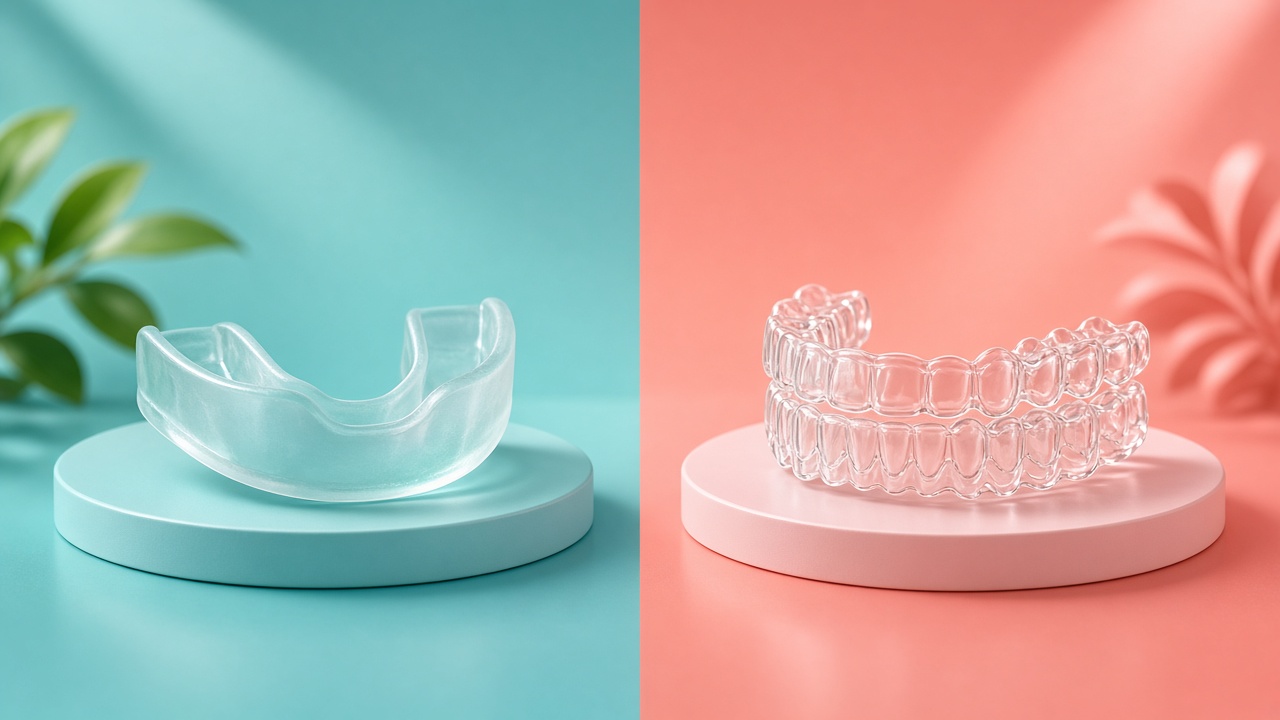
If grinding is confirmed, home routine still matters, and the decision on an individual splint belongs to an exam. A pharmacy guard without a plan can rub the gum and change bite feel. On the pain peak I often stabilize load and book an exam before blessing a supermarket guard.
What not to do at home with jaw pain
The forbidden list is shorter than the allowed list, and people remember it worse because forbiddens feel boring. I repeat them plainly. Do not reposition the jaw from a video. Do not file teeth with a nail file. Do not start orthodontics to “fix the joint” on an acute pain peak without stabilization. Do not treat the joint with gum for mobilization or open wide on a dare. Do not confuse tooth pain with joint pain: gum swelling around one tooth needs a dentist. Do not map chest pain or shortness of breath onto TMJ. Below are three zones of DIY that most often break the week. I do not close this stage online from photos; I need a live clinic and your words at your pace.
Self “reduction” and force exercises
Lock and pain belong with a doctor, not a home lever. Force routines from reels wait for a calm phase and a prescribed plan. On the peak—guard amplitude. Resistance on an inflamed background often worsens symptoms. Internet self-mobilization breaks plans more often than it helps.
Random guards and borrowed appliances
A borrowed guard that “sort of fits” can create a new heavy contact. A pharmacy guard without control is a narrow bridge only with clear rules from your doctor. A mail-order guard from a home impression without a joint exam is a lottery. I discuss guards inside TMJ treatment, not as a shipment with a promise. On joint pain peak I do not call the pharmacy shelf TMJ care.
Self grinding and “filing at home”
Any enamel grinding without a plan is irreversible. Pain after it can rise. Contacts belong in the chair by indication, not a nail file. Normal scans from another country do not replace today’s clinic or today’s exam.
Urgent visit versus planned visit
Urgency is about risk to function and systemic red flags. A planned visit is for pain that disrupts life but lets you reach care in the next days with a safe routine already running.
Go urgent or emergency by severity for: jaw or face trauma with rising pain, lock when the jaw will not open or close, sharp opening loss over hours, marked swelling, fever, pus signs in the mouth near the zone, pain that denies sleep for several nights, numbness, breathing or swallowing trouble, suspicion of another acute condition. In those cases this article is not your route. Go.
Plan soon without endless delay if: pain four–seven persists more than two–three days despite soft routine, normal food feels impossible, morning temples burn every week, a click turned painful, you wear aligners or braces and the joint flared, you face a long dental session and already fear opening. Then book TMJ treatment with a timeline and trigger list. Until the visit, keep the routine from the sections above.
Sometimes it passes on its own. “On its own” while chewing gum and self-repositioning is less common. I do not end every sleepless night with surgery talk. Most muscle–joint spectrum flares start with conservative care and an exam. Surgery is a rare separate conversation, not the default end of every flare.
Below is a priority map table. It orients; it does not calculate a diagnosis.
| Situation | At home now | When to contact care | Avoid | Goal for 48 hours |
|---|---|---|---|---|
| Muscle pain 3–5, opening nearly normal | Soft food, teeth apart, sleep | Planned in 3–7 days | Gum, wide yawn | Pain not above yesterday |
| Pain 6–8, hard to chew | Cold or heat by feel, rest amplitude | 24–72 hours | Deep self-massage, force exercises | Sleep in stretches |
| Painful click, no lock | Load control, diary | Planned | Clicking on purpose | Name the trigger |
| Lock or sharp limitation | Do not reposition | Urgent | Levers and videos | Reach help |
| After trauma, swelling | Cold through cloth, rest | Urgent or ER | Waiting it out | Rule out injury |
| Braces or aligners plus flare | Soft routine, do not change plan alone | Contact orthodontist | DIY activation | Agree force pause |
| Tooth pain with gum swelling | Soft jaw routine | Dentist urgent for tooth | Heating a pus focus | Separate tooth and joint |
| Night grinding, morning stiffness | Routine, note grinding | Planned, splint talk | Random guard without exam | Lower morning pain score |
If breathing scares you or the face goes numb, do not hunt for a row—call for help.
Link home care to the visit and splint
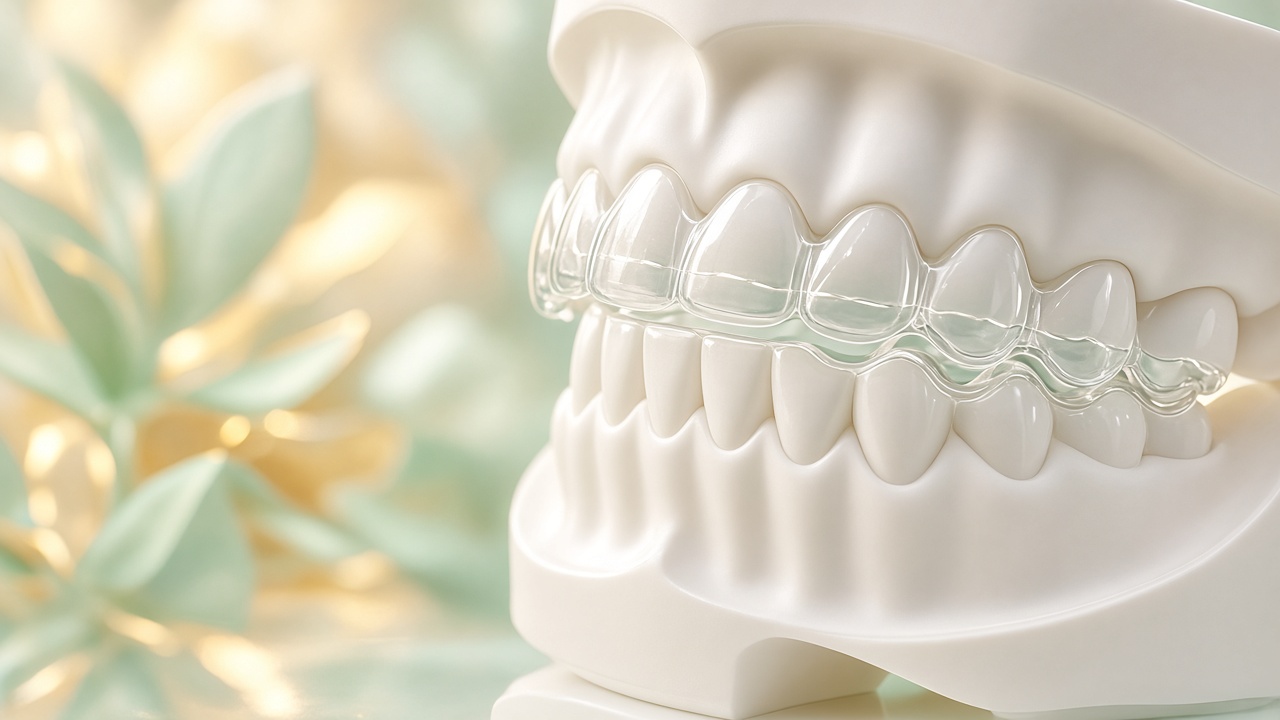
Home routine is chapter one. Exam is chapter two. Splint or other help is chapter three when indicated. In splint therapy I explain the appliance as a plan tool: it changes contacts and muscle mode for an agreed period, fitted and reviewed. It does not cancel soft diet in the first flare week and it does not license gum by the pack because a guard exists.
Bring to the visit: flare timeline, triggers, what you tried from safe measures, medicines other doctors prescribed, old imaging if you have it, partner report on grinding, questions as a list. In the chair I palpate muscles and the joint zone, measure opening, review teeth and contacts, decide if imaging answers a specific question. Sometimes clinic and unload are enough. Sometimes a splint fits. Sometimes another specialist joins. The exam writes the decision.
If you already wear braces or aligners, a joint flare is a reason to message me before the next activation. We may keep forces quieter while muscle and joint pass the peak. Breaking the arch at home or skipping review without a message is a bad idea. Message and align—that is the good one.
I do not sell the idea that home care cures a disc forever. I do sell the idea that home care helps you reach a plan with less harm. If pain rises after two careful weeks, we do not double the same compress forever. We revisit diagnosis and route inside TMJ treatment.
Expat life in Dubai adds delivery instead of a tough restaurant on the peak, shifting a call fifteen minutes so you are not chewing a sandwich while walking, asking family not to offer nuts “for mood.” Small items stack into lower daily load. Keep a short diary three evenings: bedtime pain score, hardest food, grinding yes/no, sleep hours. Three lines save ten minutes of confused memory at the visit.
Stock soft food before the peak, agree family help with cooking for two–three days, postpone a stiff restaurant dinner. At work, warn colleagues that long meetings will include breaks. In taxi or metro, skip boredom gum. On a plane, drink water and do not test the joint with a wide yawn. These items do not heal the disc. They preserve nerves until the exam and make the first consult concrete. I see the difference between a diary and “everything kind of hurts” in the first five minutes.
Three evening lines are enough: pain, hardest food, sleep. Boundary again: no tablet names or doses here—routine, urgent flags, visit logic. If you read this at three a.m. with a burning temple, do one thing now: drop gum and nuts from tomorrow, rest teeth apart, cold or heat through cloth by feel, write the pain score. In the morning, red flags mean urgent route; without them, book an exam and keep the safe routine until the chair.
At follow-up we compare not only “better” in words but opening numbers, palpation, and diary lines. That makes care shared work, not a miracle expectation from one visit.
If you wear aligners, message your orthodontist before changing trays on your own when pain spikes. A pause in force beats a heroic switch “because the app says so.” If you had recent dental work, tell us which tooth was treated; referred pain mimics joint pain. If neck pain dominates, soft jaw routine still helps, but a musculoskeletal check may run in parallel. None of this replaces exam; it keeps harm low while you arrange care.
In Dubai, same-day grocery delivery helps soft-diet weeks. Keep a cup and straw for water if opening is small—sip without forcing width. Avoid propping the mouth open for beauty treatments or long dental hygiene sessions at home with multiple tools stacked at once. Break hygiene into short rounds. If children in the house shout and you clench, notice it; noise stress is real load. Partners can remind you gently when they see jaw clench at dinner—agree on a word, not a lecture.
Pain that eases by morning but returns every evening often tracks daytime clench and screen posture. Pain constant day and night with fever belongs elsewhere urgently. Ear fullness with normal hearing tests still needs ENT logic when indicated; I coordinate, I do not guess otology. Sinus season can amplify face pressure; soft routine helps while you treat sinuses per your physician. Document whether decongestants changed jaw pain; that detail matters on the visit.
When pain drops from eight to five on soft routine, do not celebrate with nuts and steak the same day. Step food hardness up slowly over a week while watching opening. When pain plateaus at five for ten days despite routine, move the appointment closer. When pain jumps to nine, skip the table debate and choose urgent or emergency by the red-flag list. Your past flare that passed in three days does not guarantee this flare; compare this flare only to its own yesterday.
Record opening at home with clean fingers: three fingers stacked vertically is a rough personal ruler some people use between incisors—only if your doctor showed you how; do not force width to measure. A photo of the mouth slightly open in the mirror daily is crude but sometimes shows trend when words fail. Avoid flash photos sent to random chats for diagnosis; bring them to the visit if you took them calmly.
Hydration matters in air-conditioned offices: dry mouth can make you chew gum for saliva—that reloads the joint. Sips of water through the day beat gum. Caffeine on an empty stomach can tighten muscles for some people; notice your pattern, do not copy a influencer “detox.” Light walk breaks help global tension; they do not replace joint exam.
If you take prescribed medicines from another doctor, continue unless that doctor told you to stop; do not add new pills from a pharmacy shelf based on this article. If pain medicine masked symptoms before, tell us; we need the true baseline after washout when safe. Pregnancy and breastfeeding change what doctors can offer; mention it early at booking.
Frequently asked questions
Short answers to “jaw pain what to do.” Joint topics scare people; empty promises hurt more than honest uncertainty. Prepare for TMJ treatment or splint therapy. If pain, lock, or limitation disrupts life, book early. Wording can differ; clinical meaning beats headline match. I chart opening millimeters; Dubai adds flights and sleep shifts. I do not close care from photos alone. Bring diary lines to the visit. If a question here matches your search loosely, that is enough to start the conversation in the chair. Write your top three worries on paper; we address them in order, not from memory. That keeps the visit focused on your story, not on guessing the question you meant to ask aloud here today.
Can jaw pain go away with home care only?
Sometimes a muscle flare settles on soft routine in a few days. Sometimes you need an exam and plan. At home you reduce harm and collect facts. Diagnosis and splint or next steps belong after an exam.
Cold or heat—which first?
On an acute peak with a hot feel, cold through cloth in short rounds is a common try. With dull stiffness and no swelling, some people respond better to heat. Worsening means stop. There is no universal minute count for everyone.
TMJ exercises during a flare?
Force and amplitude routines from the internet often worsen symptoms on the pain peak. Rest amplitude is safer. Exercises belong in a calm phase and after prescription from an exam.
Buy a pharmacy guard tonight?
A random guard without an exam can rub and change contacts. On joint pain peak, soft routine and booking care is safer. Individual guard or splint decisions follow assessment inside the plan.
When is jaw pain urgent?
Lock, trauma with rise, sharp limitation, swelling, fever, nights destroyed by pain, numbness, breathing or swallowing trouble. Then go—do not collect clips.
What should I tell the doctor first visit?
Side and pain score, opening, forty-eight-hour triggers, what you tried, grinding, medicines prescribed elsewhere, old imaging, your goal in plain words: eat without pain, sleep, understand orthodontics.
Can I fly during a flare?
Short flights with soft routine are often possible without red flags. Long flights, dry cabin, and poor sleep sometimes amplify muscles. With lock or severe pain, exam before the ticket.
Does severe pain mean surgery?
Severe pain alone does not equal surgery. Most routes start with conservative care and diagnosis. Joint surgery is a rare separate talk after facts, not the default end of every flare.
If the main question left is “jaw pain what to do for me,” the exam answers it. This article gives a safe frame for hours and days until the chair. Come with a timeline without demanding a one-visit miracle: that is how we reach a working plan in TMJ treatment and, when needed, splint therapy.