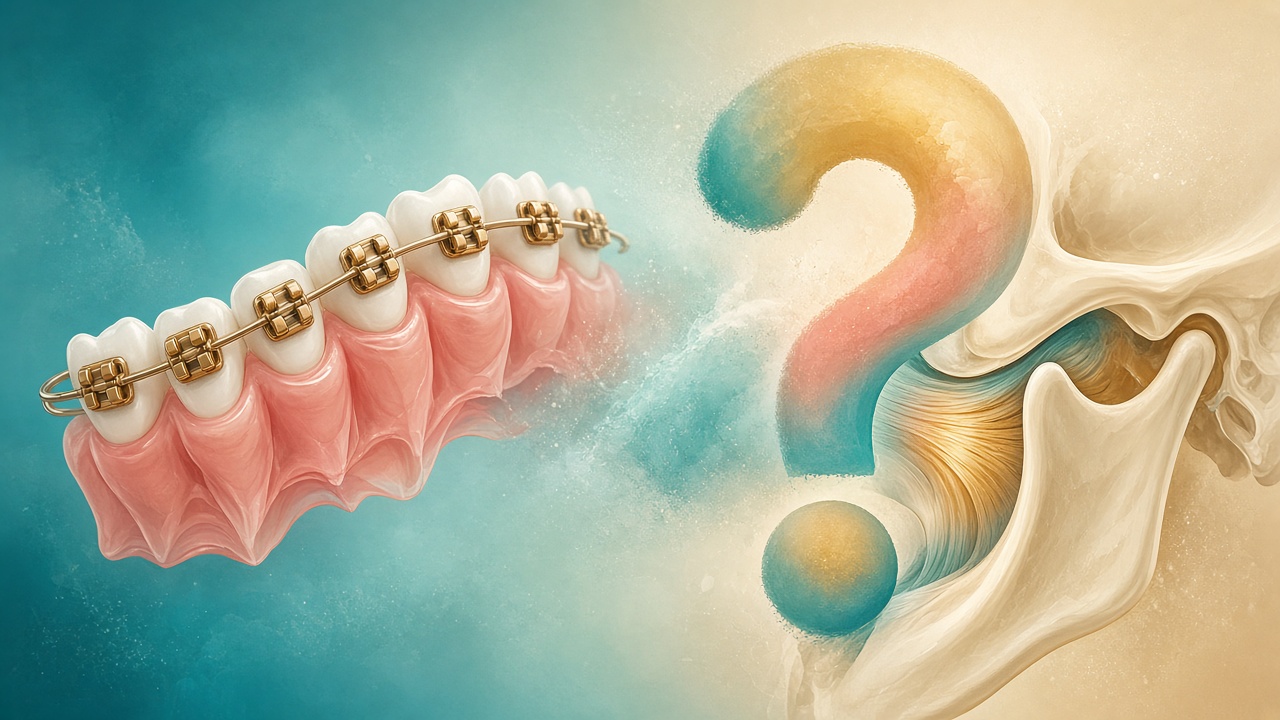
When the mouth will not open fully, people often wait until Monday or start “stretching” the jaw from social videos. I am Dr. Maksut Behruzoglu, a specialist orthodontist in Dubai; in visits for TMJ symptoms and TMJ treatment I see both extremes: panic over a minute of morning stiffness, and weeks of lockjaw managed with liquids only. Limited opening is a clinical sign. It can come from muscles, from the joint, from inflammation after a long dental session, from trauma, or from a mix. I do not diagnose from a phone photo with a ruler. Below — how to separate soft morning stiffness from a visit you should not delay, what to do at home without forceful experiments, what I measure in the chair, and why lockjaw is a reason to see a doctor sooner rather than “work it open” yourself. There are no promises here that “we will restore full opening in one course”: safety and diagnosis first, then a plan.
What “mouth won't open fully” usually means
Patients use one phrase for different pictures. Someone cannot bite an apple though speech and a small yawn still work. Someone cannot fit two fingers between the front teeth. Someone opens, but only along a curved path with temple pain. I translate the complaint into measurable items: range in millimetres, pain yes/no, side, morning only or all day, whether a click came before the limit, whether a full lock happened.
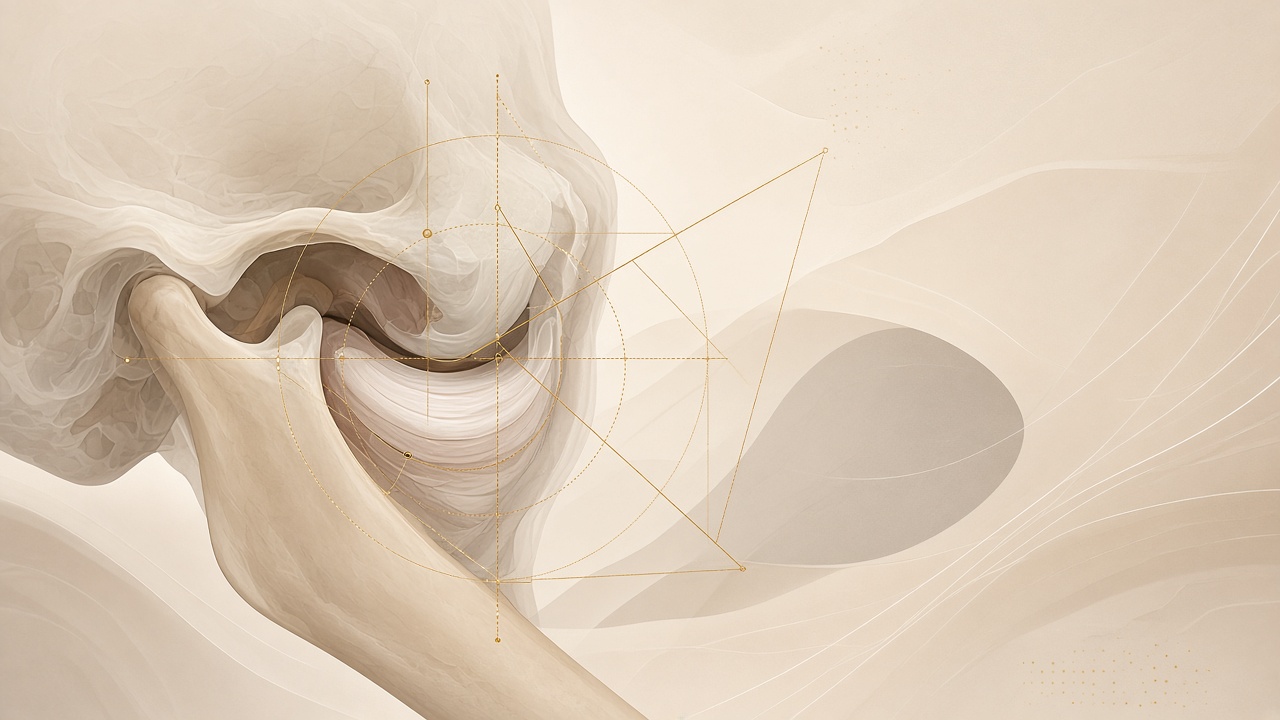
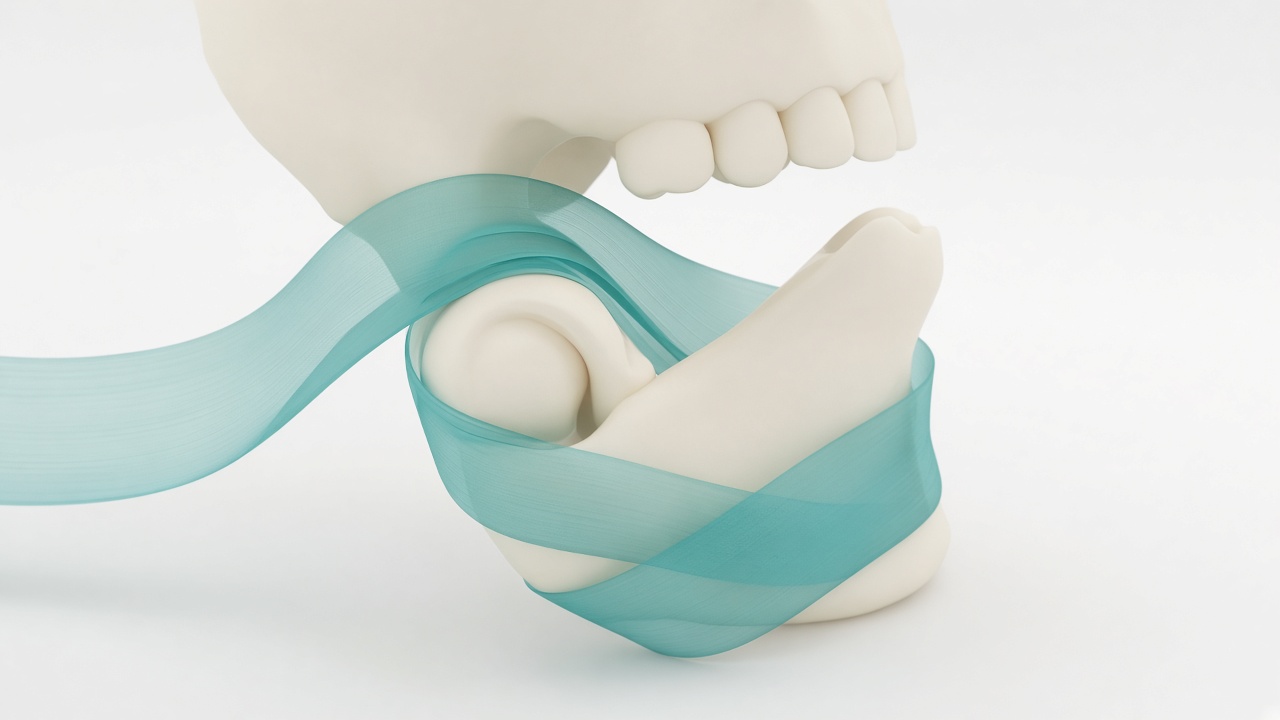
In the temporomandibular joint (TMJ), the condyle of the lower jaw moves against the fossa, and the articular disc should travel with that motion. Muscles raise and lower the jaw and hold posture through the day and night. When muscles sit in high tone, range falls even if the joint itself is relatively quiet. When disc and condyle lose a coordinated path, a click, pain, or a feeling that the jaw “will not pass a point” appears. When acute locking arrives, opening stops abruptly and the next movement feels unsafe.
I ask separately about “cannot open” and “cannot close.” Those are different scenarios. Locking wide open after a yawn or a dental visit frightens in another way than a morning “catch” that releases in minutes. Both deserve an exam if they repeat or come with pain. I do not recommend forceful self-reduction from videos: you can irritate the joint further and blur the picture before a clinician sees it.
In Dubai the complaint often follows a long flight, a night of clenching on a deadline, two-hour endodontics with the mouth held wide, or a gym impact. Context does not replace diagnosis, but it narrows hypotheses. I ask for a timeline: when you first noticed it, what changed in the last two weeks, what aggravates, what eases, which medicines you already took, whether facial trauma happened.
I also unpack “false” limitation from fear. After one painful click, a person starts opening in tiny sips, eats small pieces, avoids yawning — and a week later range has fallen from guarding plus muscle tone. The task is not to shame caution. It is to rebuild a safe range under guidance once acute pain settles. Fear of movement becomes part of the clinical picture.
One-sided chewing “because of a filling” or “because a wisdom tooth hurt last month” shifts load. Muscles and joint answer with asymmetry. You may feel the mouth “opens better on the left.” I check both sides and do not conclude from dinner-table sensation alone.
Adult resting opening is often discussed around a rough landmark near 40 mm or more between the incisors, yet “normal” is individual. Comparison with your usual opening and the trend matter more than a stranger’s internet table. If you used to manage a large burger and now barely clear one finger’s width, that is a signal regardless of forum averages.
I also watch whether the chin deviates on opening, whether side-to-side motion hurts, whether soft food is possible on both sides. Limited opening without pain and limited opening with night pain near the ear carry different urgency; both deserve a live exam, not a chat poll.
When short observation is reasonable — and when it is not
There is a soft profile: morning jaw feels wooden for a few minutes, then range nearly returns; pain is rare; eating continues; no lock; no trauma. Even then I prefer at least one exam to record a baseline number and catch silent progression. Observation without return criteria turns into months of anxiety and self-treatment.
There is a hard profile: the mouth barely opens; pain blocks eating and speech; the jaw locks; swelling appears in front of the ear; limitation follows a blow or accident; the symptom worsens day by day. Here I ask you not to wait three weeks. You need an exam sooner. If the lock is complete, seek urgent care rather than a home experiment with a spoon.
Below — three layers I use when deciding how low the booking threshold should sit.
I speak return criteria aloud and often write them in the chart: pain, lock, falling opening, swelling, fever, trauma.
Morning stiffness without locking
Light stiffness after sleep often links to night clenching and muscle tone. A partner heard grinding, wear facets exist, cheeks show tooth marks — daily markers. I do not diagnose bruxism from one morning alone. I connect the complaint with sleep, stress, caffeine, sport, and any guards already tried. If stiffness fades in minutes and the day stays open — the plan may be gentle: load hygiene, follow-up, discussion of night protection after exam. If stiffness lasts hours and opening never returns — the visit threshold drops.
Limitation after long dental opening
A long session with the mouth held wide loads joint and muscles for an unusual time. One or two days of discomfort happen. If by the end of the week range falls, locking appears, or night pain rises — do not write it off as “it will adapt.” You need an exam: sometimes a protective regime and review suffice; sometimes the joint background was already unstable before the procedure.
Repeated or complete jaw lock
Repeated locking is a red flag. A complete lock, when the mouth feels stuck and motion is nearly impossible, even more so. I ask you to see a clinician rather than keep forcing motion at home. Reduction and the next plan belong to a professional after assessment. Social-media self-help sometimes ends in more pain and fear of opening even in the chair. If lock happens at night or on a weekend, seek urgent dental or oral-maxillofacial help available in your Dubai area; delaying for a “routine consult next month” is not advice I give in that setting.
Between soft and hard poles sits a grey zone: opening is clearly smaller but life continues; a click turned into stiffness; five days after dentistry things are worse. In the grey zone I still lean toward a visit: one calm review costs less than two weeks of videos and new pain.
Red flags: when you should not wait
A red flag does not always equal surgery. It equals low tolerance for delay. The page on TMJ symptoms helps separate noise without pain from a picture where function already suffers. Limited opening with pain, locking, trauma, swelling, night waking from joint pain — I ask you to book earlier.
I speak separately about “my jaw locked.” People feel silly calling “about a mouth” and wait for it to release. Sometimes it does. Sometimes inflammation and spasm set the limit. The longer someone eats only through a straw and fears a yawn, the harder it becomes later to trust movement — even when anatomy allows it.
Below — three groups of signs I name in plain language on consult.
I ask for a 7–14 day trend: that separates a flare after one hard meal from a stable decline.
Pain, falling opening, inability to eat
If pain blocks soft food, if opening is clearly less than usual, if you move to purées and soups from fear rather than preference — the visit threshold is low. I will take millimetres in the chair; at home it is enough to say “a finger less” or “a sandwich no longer fits.” You do not need a blog table diagnosis. You need a timeline.
Lock, swelling, fever, trauma
Repeated or complete lock — see a doctor. Swelling in front of the ear, facial asymmetry, fever, sharp worsening after a ball impact, a fall on the chin, or a road accident — also. Even if teeth “look fine” and an emergency film shows “no fracture,” the joint may have taken load. I manage planned TMJ and bite questions as an orthodontist; acute trauma with fracture concern belongs first where urgent care can exclude serious injury.
Neurologic and ear masks next to limited opening
Not every ear pain is TMJ. Not every headache is “from the bite.” Persistent one-sided hearing loss, rash, severe night pain with swelling, dizziness with neurologic signs — reasons to involve other specialties rather than only “adjust a contact.” I keep specialty borders: I attend to joint and occlusion, but I do not replace ENT or neurology with a universal jaw label.
When neighbouring causes are cleared and the mouth still will not open fully — we return to a muscle and joint plan without promising a miracle overnight.
What you can do at home before the exam — without force
The home job before a visit is not to “cure the joint.” It is to avoid making the background worse and to arrive in a readable state. Soft diet for a short time: less very hard food, fewer huge bites, less gum “to stretch.” Heat on muscles sometimes helps muscular stiffness if there is no acute swelling and a clinician has allowed similar measures before. Cold in acute inflammation is individual; I do not ask you to heat “just in case” over swelling.
Sleep: when possible, avoid a fist pressed into the jaw all night and avoid face-down postures that shove the lower jaw sideways. Daytime jaw pauses: tongue at rest, teeth apart, lips closed without force. That is load hygiene, not disc therapy.
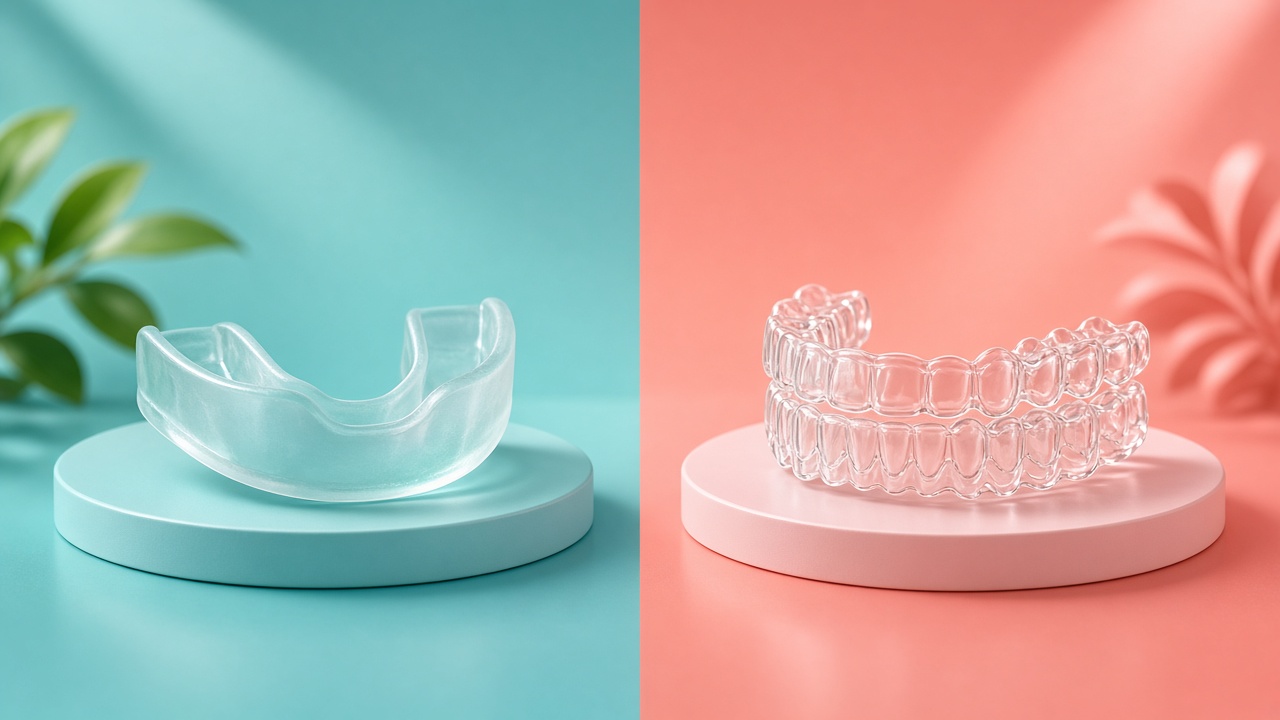
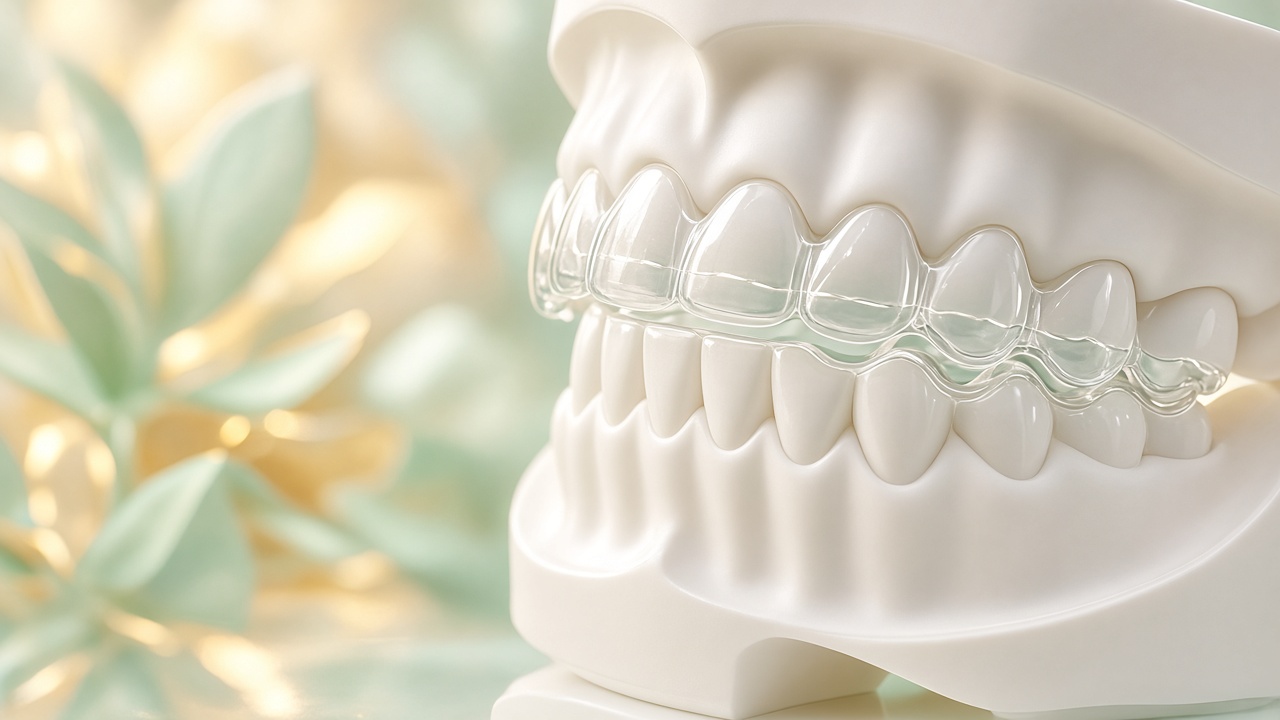
What I ask you not to do: forceful “reductions” from videos; endless yawning “until it clicks”; a hard sports mouthguard from a marketplace for two weeks “just in case”; filing your own teeth; bruising massage into the pain point; alcohol “to relax” instead of an exam. A soft pharmacy guard as a short bridge sometimes enters the talk if it does not raise pain or pry the bite — but with lock and sharp limitation, see a clinician first, not a shelf.
Pain medicines — only those a physician or dentist already cleared for you, in usual doses, with ulcer, asthma, pregnancy, and other limits in mind. This article does not prescribe drugs. If pain needs higher doses every day, that is another reason to speed the visit rather than escalate self-treatment.
In Dubai logistics are part of the plan: heat, traffic, flights. If lock hits before travel, I favour at least a short exam before a long flight when access to your usual clinician falls. If you are already abroad, seek local dental help for acute complaints rather than wait two weeks with a closed mouth.
A short three-to-five-day diary helps: time of day, roughly how far you opened (one finger / two / “usual”), pain 0–10, food, stress, sleep. You do not need a lab log. You need anchors so I do not plan only from the worst hour last night. If a partner noticed night grinding — mark yes/no without recording the bedroom.
I welcome second opinions. I dislike five appliances in a row without a diagnosis while opening shrinks. Understand phase and the muscle versus joint share first, then choose a tool. Guard, then another guard, then “braces tomorrow,” then “surgery soon” — a chain where the original picture disappears. One calm exam with a phased plan usually beats a method fair.
What I check on exam for limited opening
First layer — conversation. When it started, what you ate yesterday, stress, new sport, new pillow, long dentistry, impact, night grinding, one-sided chewing. Then facial exam at rest and on attempted opening: symmetry, deviation, the point where motion stops. Palpation of chewing muscles and the joint area — with your pain feedback.
I measure opening with a ruler or caliper between the incisors and record side movements if available. I look at teeth: wear, chips, missing supports, heavy contacts, mobility. Sometimes limitation sits next to acute tooth pain and the person “protects” a side until muscles and joint answer secondarily. Sometimes teeth are quiet and muscles spasm after bruxism.
Below — three exam blocks patients usually notice in the chair.
Before measurements I explain why each number exists: the ruler is a baseline for the next visit, not a sentence.
Muscles, joint, opening path
I palpate temporal and masseter regions, and pterygoid areas through an intraoral approach when opening allows. I look for triggers, tone asymmetry, pain over the joint. I watch whether motion ends softly or against a “stop,” and whether a click appears when you try to pass a point. Muscle and joint shares often sit together; the job is to see what dominates today, not hang one lifelong label.
Occlusion and load habits
Tooth contacts, restoration height, missing molars, a habit of chewing only on the left “because it feels easier” — all change load vectors. I do not promise that “smoothing one filling will open the mouth.” I look for occlusion’s share in the current complaint and separate it from an acute joint phase where irreversible grinding is early.
When images and other specialists are needed
If clinic is clear and we are dealing with muscle tone after stress — sometimes a plan without complex imaging is enough. If I suspect an internal joint picture, trauma, or pathology exam cannot exclude — I refer for imaging or another specialty. A honest border beats a universal “it is all from the bite” over someone else’s disease.
Imaging follows a question. Panoramic films, periapicals, sometimes CBCT or an MRI referral — when clinic does not explain the complaint or when anatomy matters before intervention. Disc MRI is not ordered by social fear. A clinical question orders it. I also discuss diagnostic logic on the TMJ treatment page. I record what you already tried: soft diet, pharmacy guard, massage, video exercises, osteopathy, analgesics. That map stops useless repetition. I do not diagnose from a voice note that says “I have 25 mm” without palpation: millimetres without pain and path context are a weak base for a plan.
Limited opening, bite, and orthodontics: the borders
A common fear: “braces will make this worse” or “braces will open the joint themselves.” Both extremes are unsafe. Orthodontics moves teeth and changes contacts. Joint and muscles live their own biomechanics. At the peak of acute limitation and locking I do not ramp active forces “to go faster.” We stabilise function and pain as far as the situation allows, then talk about alignment if tooth goals still exist.
Mild limitation without progression sometimes coexists with orthodontics under honest information and monitoring. A sharp drop in opening is a stop signal for an aesthetic start. The longer talk on whether orthodontics “treats TMJ by itself” belongs in a separate honest conversation without marketing promises.
Below — three borders before any agreement.
I document baseline opening before any wires so we do not later argue from memory about whether things worsened.
Acute phase — not the time for active forces
Pain, lock, sharp limitation — first a protective regime, sometimes a splint when indicated, muscle work, inflammation control, sleep, habits. I do not schedule active orthodontic activations at the peak for a faster smile. We leave the acute ditch first. Then we discuss whether an orthodontic stage is needed.
Orthodontics is not “mouth opening therapy”
The goal of braces or aligners is tooth position and occlusion by plan. If muscles feel easier along the way — a welcome observation, not a contract guarantee. If opening stays limited after an ideal occlusion — that is not automatic orthodontic failure. It is a reason to manage the joint question separately.
Calm morning stiffness is not a ban by itself
Light morning stiffness without lock rarely is an absolute contraindication to orthodontics. I record it before start, explain the risk that the complaint may change while teeth move, and agree pause criteria. Pain or lock appears — we return to the joint rather than argue about elastics colour.
Patients after a past course sometimes insist any orthodontist must first “open the mouth to ideal” before touching teeth. Ideal range is not always reachable in one stage and is not always the only goal. In the acute phase the goal is safe function and manageable pain. If a past course coincided with worse opening, we unpack the timeline without putting a colleague on trial: what existed before, what changed, which forces ran, whether a splint existed, whether trauma happened. Only then do we decide whether to repeat an orthodontic path and in which mode.
How a first Dubai consult looks for “I cannot open fully”
You arrive in your words: “mouth won't open fully,” “worse after a filling,” “morning lock,” “stuck after a yawn.” I listen to the timeline. I examine. I measure. I explain what is already clear without imaging and which question a scan would close if needed. If I see acute lock — I talk nearest steps without drama and without promising “forever in one visit.”
Documents help: old films, notes, splint description, medicine list. A suitcase is not required. An honest story about night grinding, forceful attempts already tried, and fear of opening at the dentist is required. In multilingual Dubai I work in English, Russian, and Turkish — joint mechanics stay the same. Cultural layers differ: someone is embarrassed to eat small pieces at a business lunch; someone fears surgery from family stories. I return the talk to clinic: range, pain, phased plan.
I quote AED fees after I understand volume: exam, imaging when indicated, splint if needed, orthodontics separately if it even sits on the horizon. Price depends on date and clinic. Insurance is confirmed by the policy administrator, not by a blog promise. I do not sell a “mouth opening package” as a guaranteed product.
If you arrived from another country with a folder of reports — bring it. I do not erase prior work without reason. I compare it with what I see today: current opening, pain, muscles, contacts. Sometimes the old report described another phase. Sometimes it still holds. Without an exam, this article still does not replace the chair.
The table below is a self-check map before a visit. It does not diagnose and does not replace an exam.
| Sign | Softer scenario more often | Visit sooner more often | Clarify on exam | Avoid at home | Orthodontic link |
|---|---|---|---|---|---|
| Morning stiffness | Fades in minutes | Lasts hours | Bruxism, sleep, stress | Gum “to loosen” | Note before activations |
| Opening less than usual | Slight, no pain | Clear / blocks eating | mm, 2-week trend | Forceful “stretching” | Delay forces if progressing |
| Jaw lock | None | Repeated or complete | Duration, how it released | Self-reduction | Urgent review, not wire start |
| Joint-area pain | Rare | Night / constant | Muscle vs joint vs tooth | Hard random guard | Pain phase first |
| After dentistry | 1–3 days, fading | Rising by one week | Open time, side | Very hard food at once | Buffer before activations |
| After trauma | None | Yes | Impact, swelling, films | Ignoring “teeth intact” | Individual after urgent exclusion |
| Swelling / fever | None | Yes | Neighbouring causes | Heating over swelling blindly | Do not mask as “bite” |
| Eating | Usual | Liquids from fear | Function, weight loss | Starving instead of a visit | Function first |
Frequently asked questions
Below — answers I give most often after “mouth won't open fully.” This is not an online diagnosis and not a substitute for an exam. If you have lock, a sharp drop in opening, or pain after trauma — book before you finish every item. Use the rest as a visit checklist: what to tell the assistant, what not to do at home, which expectations are realistic before the chair.
The questions mirror chair talk; answers stay short on purpose, and details follow your timeline and opening number. I leave room for doubt: joints behave differently, and an honest reply sometimes means “you need an exam, not a final label from an article.”
If anxiety remains after the answers — that is a normal reason for an exam, not another hour of comparing yourself to strangers in chats.
How soon should I go if I can open, but not fully?
If range fell clearly, pain exists, or eating scares you — do not wait weeks. If it is only light morning stiffness for minutes without progression — a baseline exam with a recorded number still helps. Grey zones resolve faster in a live review than in a group chat vote.
What should I do if my jaw locks right now?
Do not force a video reduction. Limit load, keep calm breathing, seek urgent dental or oral-maxillofacial help. Complete lock belongs to a clinician, not a home experiment. Earlier assessment lowers the chance that fear of motion becomes fixed.
Can I measure opening myself with a ruler?
You can for a rough diary if you do not provoke pain by forcing wide. A home number is not a diagnosis. In the chair I measure in a standard posture and link it to palpation. A diary of morning / evening / after meals beats one selfie with a ruler.
Will a pharmacy night guard open my mouth?
Sometimes a soft short bridge lowers muscle overload. A hard unfitted guard during lock and acute limitation often worsens the picture. With locking, exam first, shelf second. A custom splint enters the talk when the problem type is clearer.
Do I need a TMJ MRI immediately?
Not everyone with stiffness. MRI answers a disc and soft-tissue question when clinic requires it. Exam and basic data come first. Ordering MRI from anxiety without a question adds load without clear plan value.
Can I start braces while opening is limited?
At the peak of acute limitation and lock — usually we do not ramp forces. Stabilise function first. Light stiffness without progression is individual, with documentation and pause criteria. I do not sell orthodontics as a way to “open the joint.”
Why is it worse in the morning and under stress?
Night clenching and daytime muscle tone rise. Joint and muscles receive another load mode; range feels smaller. That is a lever for sleep and jaw pauses, not proof that “stress destroyed the disc” without an exam.
How long should I wait if limitation after dentistry does not fade?
One or two days of discomfort happen. If over several days pain and limitation rise or lock appears — do not wait another two weeks for it to “adapt.” Book and describe how long the mouth stayed open on the procedure and the day-by-day trend.
If anxiety remains after reading — that is a reason for an exam, not endless comparison with other people’s stories. In the chair I review your range, your pain, and your Dubai routines. The article gives a map. Diagnosis and plan appear only in person. With jaw lock and sharp limitation, I ask you not to delay a visit for another attempt to “stretch” the mouth at home.