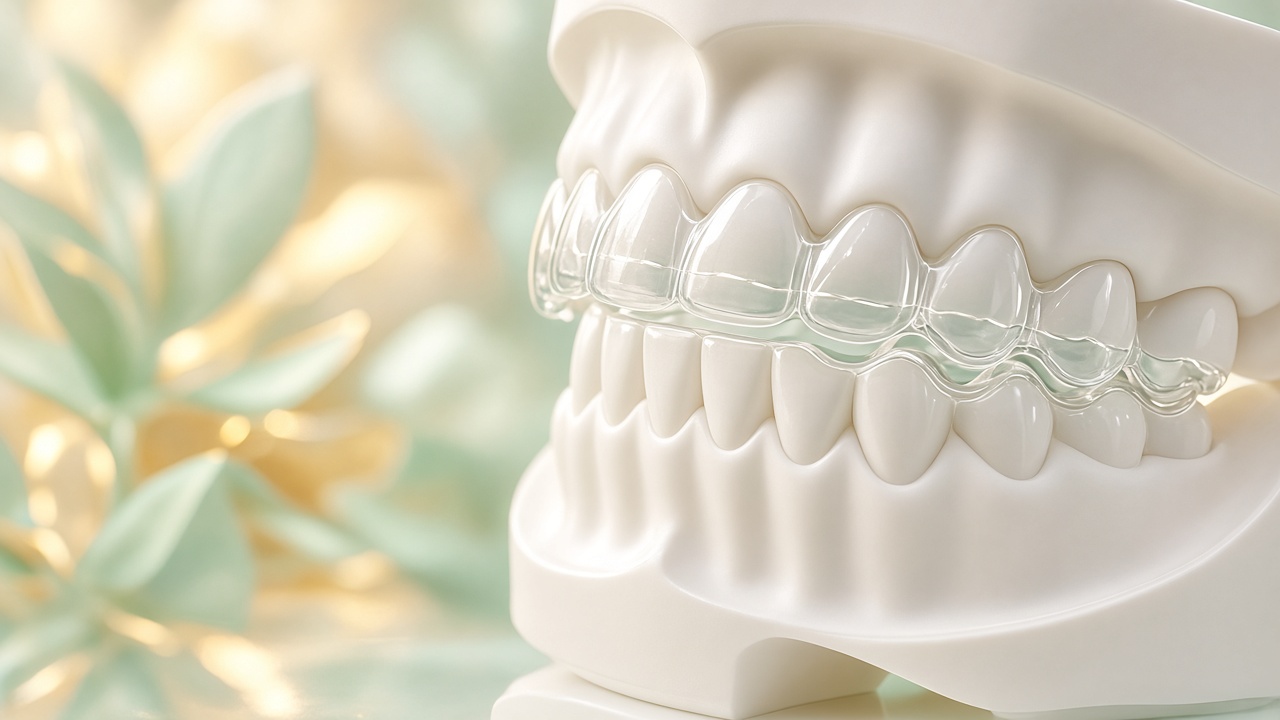
People search “splint therapy TMJ” when joint pain already spoils chewing, a pharmacy tray rubs, and clinic messages drop the word “splint” without translating it into daily life. I am Dr. Maksut Behruzoglu, a specialist orthodontist in Dubai; I explain splint therapy as a first unloading stage: a custom occlusal appliance changes tooth contacts, eases muscle hypertonicity, and gives the joint a quieter position while we diagnose and stabilise. It is not a shelf night tray and not a promise to cure TMJ dysfunction in two weeks. On splint therapy and TMJ treatment I keep the same order: understand, unload, then decide whether orthodontics belongs. Below — what a splint is, how it works, how long it takes, and how life with it looks in Dubai. Your mouth writes the schedule, not a banner.
What a splint is — and how it differs from “just a tray”
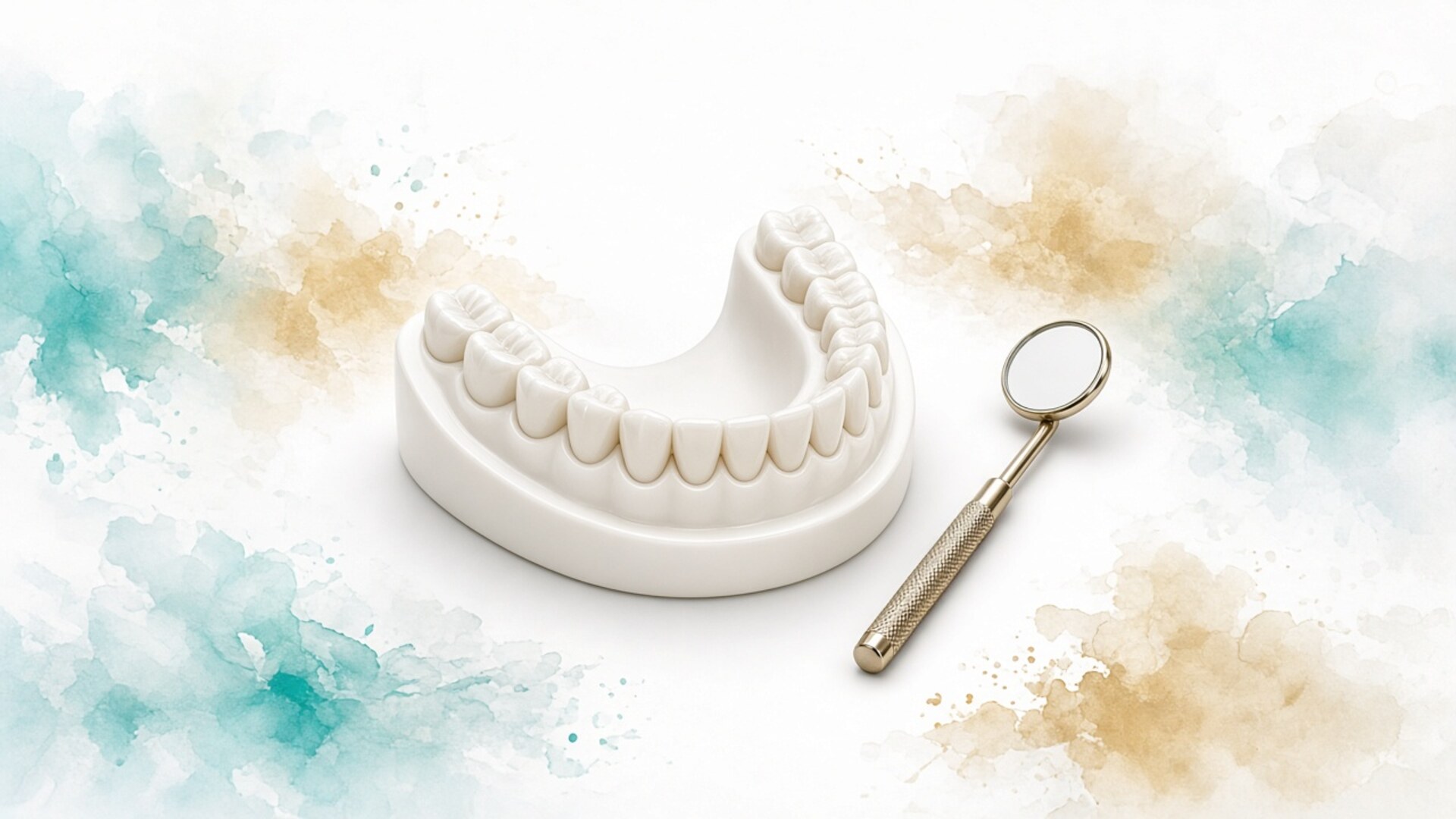
In dentistry a splint is a custom occlusal appliance, often hard smooth acrylic, worn on one arch. The clinician sets and adjusts the contact surface for the opposing teeth. The job depends on diagnosis: protect enamel in bruxism, relax muscles, hold a therapeutic jaw position in TMJ dysfunction, or hold height after tooth loss during prep. Everyday “tray” language covers sports, whitening, retention, and therapy; the mix costs pain and money.
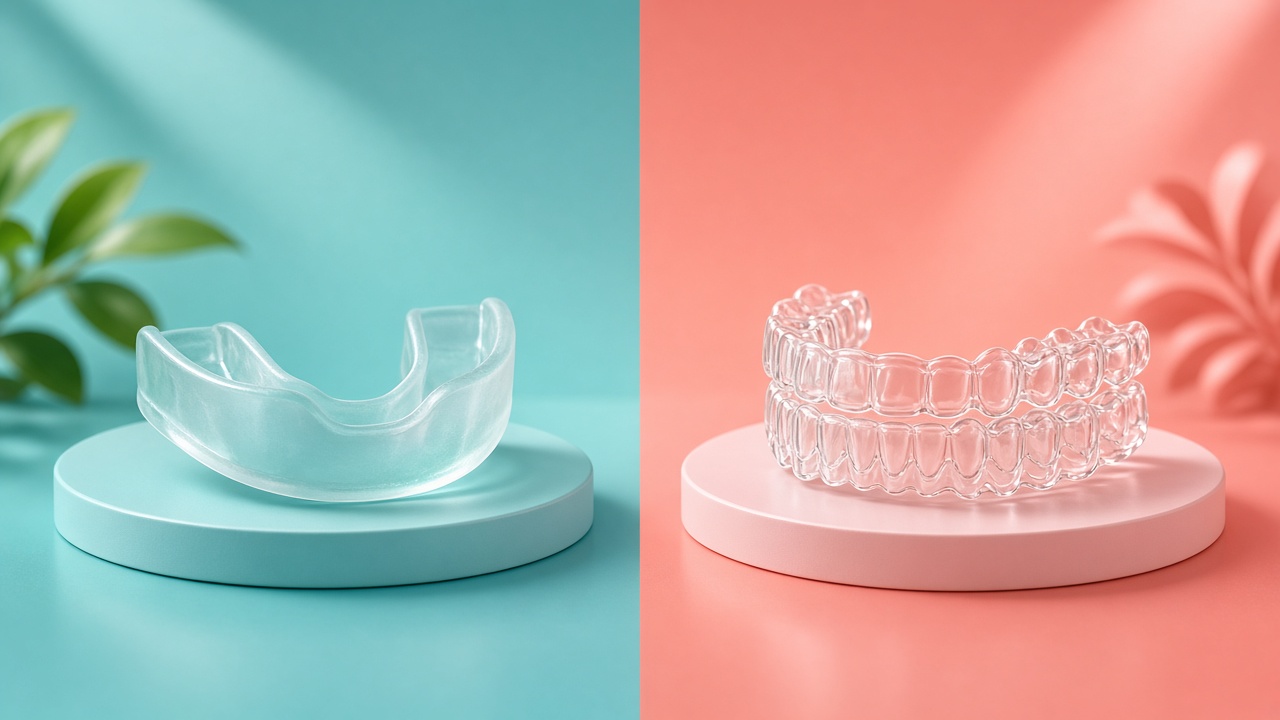
Soft pharmacy blanks are often randomly thick and chew through. A hard custom splint holds form and lets me spot-reduce high spots with a handpiece on the visit. Hybrids exist; choice follows the exam. I look at the mouth’s job, not a material religion.
Retainers after braces hold the arch. Sports guards blunt impact. Whitening trays carry gel. Therapeutic splints guide bite and joint under protocol. Wearing everything at once “just in case” is a common expat mistake after three consults in three Dubai districts.
Patients bring three appliances and ask which to keep. I read each job and the wear marks. Sometimes we keep one; sometimes we restart. A drawer collection is not treatment. I may put three devices on the table so fingers feel hardness and relief differences — confusion drops after that.
Terms also confuse: occlusal splint, muscle-relaxation appliance, stabilisation splint, repositioning splint — accents inside one family. I translate the label into your mouth’s task. If another clinician used a different name, bring the appliance; we argue about surface and symptoms, not the invoice word.
How a splint works: muscles, teeth, joint
Patients ask why weeks of adjustments if a tray already covers the teeth. Covering is not enough. You need a managed surface: where the canine guides, where a molar must not hit early, what height unloads the joint. A splint is a clinician’s tool, not a shelf product. Below — three working mechanisms I explain on a model or on the splint in hand. I write the same frame in the chart so month-later memory arguments shrink. You leave with a short phone note, not a slogan. That split helps tell normal adaptation from a reason to come in early. Borderline cases get a short review sooner than a chat debate. Dubai flight calendars sit on these steps from day one.
Unloading the chewing muscles
When teeth meet on a smooth prescribed plane, the jaw stops hunting a “comfortable” high spot. In many patients muscles leave long hypertonicity; morning temple pain eases. The effect is not instant for everyone and is not anaesthesia. The first days can feel “high,” with mild fatigue from a new pattern. I warn before delivery so night two does not become the night the splint enters a drawer.
Massage and heat can help as background. Without managed occlusion the effect is often short. I do not compete with massage therapists; I close the dental load floor they cannot close.
Protecting enamel and restorations
Night grinding hits acrylic instead of a veneer or your own canine. Facets on the splint surface mark force. I use them to decide where to adjust and whether wear hours are enough. Without that shield, prosthodontic beauty under active bruxism lives briefly. Patients after “urgent veneers” without a grind talk return with a chipped margin before a key trip.
Sensitivity on worn cusps enters the talk too: whitening over active wear without a shield is a weak plan.
Jaw position and the joint
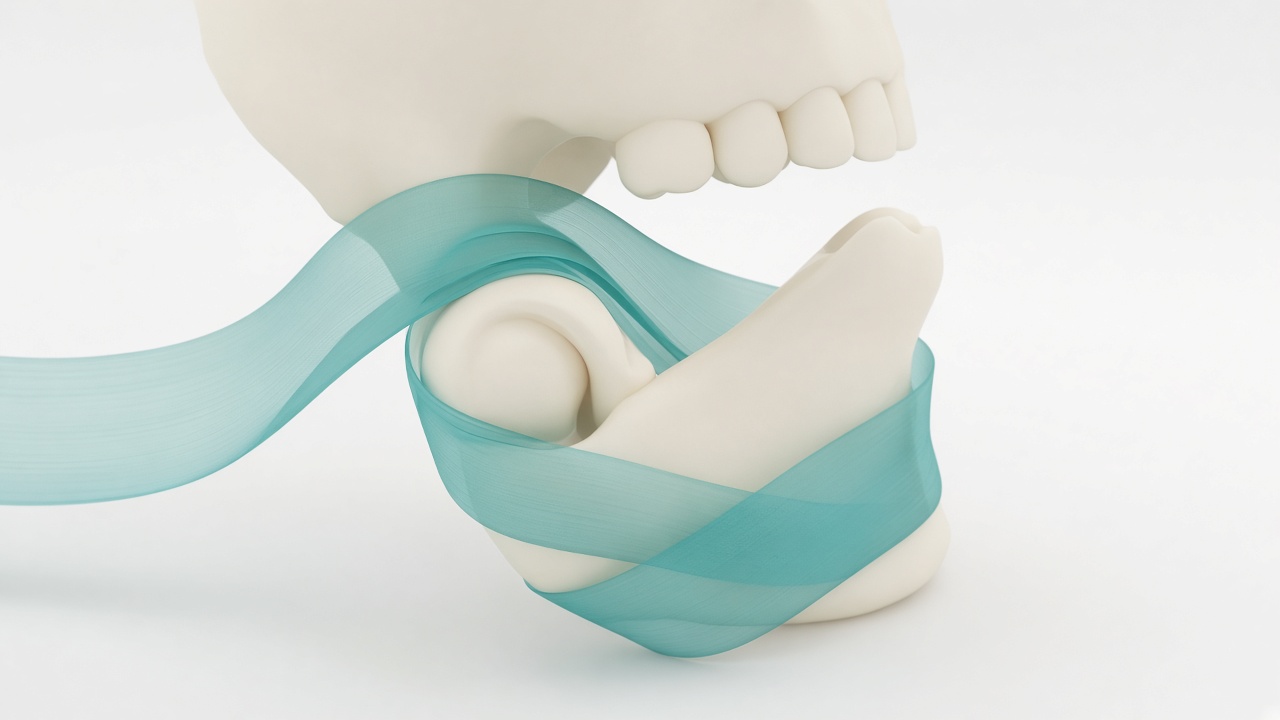
In TMJ dysfunction a splint helps hold an agreed therapeutic position where symptoms are lower and muscles work calmer for that case. I do not promise to “seat the disc with plastic magic.” I promise measurable comfort and diagnostic clarity: which jaw position is a fair target for the next stage — orthodontics, prosthodontics, or long protection.
Who I offer splint therapy to — and when I start elsewhere
Not every pain by the ear means a splint tomorrow. Acute trauma, infection, systemic pain, undiagnosed severe apnea — other routes. Splints fit muscle–joint overload, bruxism with tissue damage, and testing jaw position before orthodontics or prosthodontics. If you will not wear and will not attend adjustments, I say plainly the tool will not fly.
In Dubai some people want “a film and braces tomorrow.” With active TMJ pain I hold force. The splint stage is a fuse, not an upsell. People who accept the logic reach a stable plan sooner. People who demand a forever cure get a refusal of empty promises and a clear three-month goal list.
Another plot: months of osteopathy and massage without lasting effect. Soft methods can help as background. Without occlusion and night-load control the effect is often short-lived. After joint surgery or major facial trauma I align with the maxillofacial surgeon.
Red flags against immediate start: fever and swelling like infection, sudden facial asymmetry, neurologic deficit. Threat pathways first. The splint can wait. Enamel can wait. Life cannot.
Wanting a splint “just in case” with no complaints and no wear is fear prophylaxis poorly treated with plastic. I offer exam and watch, not calm sold as acrylic.
Stages: from exam to first adjustments
The path from first complaint to stable wear looks longer than same-day tray ads. I break it into steps so you see what time buys. Timing depends on the lab, swelling, flights, and how clean the scan or impression was. Below — how that usually runs in my practice without promising one calendar to everyone. I write the same frame in the chart so month-later memory arguments shrink. You leave with a short phone note, not a slogan. That split helps tell normal adaptation from a reason to come in early. Borderline cases get a short review sooner than a chat debate. Dubai flight calendars sit on these steps from day one. When expectations drift, wear fails before acrylic does.
Exam, films, design decision
I collect complaints, palpate muscles and joint, read bite and wear, order films when indicated. I choose accent: protection, muscle relaxation, TMJ positioning, or a mix. We discuss upper versus lower, night versus day hours, overlap with a retainer. You leave knowing why this design, not “a tray like my friend’s.”
Scan or impressions and the lab
Digital scans move fast; classic impressions still work. The lab builds a base; the clinician adds clinical meaning at delivery and adjustments. “Done in the lab” is not “done in the mouth.” A lab delay beats delivering “almost ready” under wedding or audit pressure.
Delivery, seating, symptom diary
At delivery I check fit, speech, saliva swallow, early contacts. You get a short diary: morning pain score, click, wear hours. First adjustment often comes in a few days or one to two weeks — not when pain becomes unbearable. Home filing with pliers is forbidden: that births a high spot on the neighbour tooth.
How long it takes — and what changes the timeline
How long does splint therapy take is a question I hear on every TMJ consult. The answer lives in a range, not a magic number. The active phase of symptom relief and stabilisation often runs about three to six months with regular visits. Then we review: shorter wear, hold, or move to orthodontics and prosthodontics. Below — what changes the timeline and what to expect by weeks. I write the same frame in the chart so month-later memory arguments shrink. You leave with a short phone note, not a slogan. That split helps tell normal adaptation from a reason to come in early. Borderline cases get a short review sooner than a chat debate. Dubai flight calendars sit on these steps from day one.
The first two weeks
Adaptation to height and speech, possible salivation and mild muscle fatigue, first correction. If pain rises sharply or opening worsens — an unscheduled visit, not heroics. Partners may hear less grinding early; I welcome that without closing the stage.
Active months
Surface adjustments, symptom checks, reading grind traces on acrylic. Inconsistent wear lengthens the stage. Vanishing on a work trip without a plan returns you closer to the start line. Ramadan, school holidays, and corporate audit peaks go on the adjustment calendar early.
After stabilisation
The splint may stay as night protection in bruxism. Or it becomes a bridge to braces or aligners that hold the found position with teeth. The decision follows goals, not a fourteen-day ad calendar. Success criteria are spoken at the start: less morning pain, steadier opening, fewer new chips.
Life with a splint: hygiene, food, flights
Daily life with a splint decides more than acrylic colour. I cover hygiene, food, speech, whether to remove it for a meeting, flights, and storage. Adult shame about wear is common; I translate it into a routine that fits a Downtown office and a shared bedroom. Below — three life blocks, then a table of typical horizons. I write the same frame in the chart so month-later memory arguments shrink. You leave with a short phone note, not a slogan. That split helps tell normal adaptation from a reason to come in early. Borderline cases get a short review sooner than a chat debate. Dubai flight calendars sit on these steps from day one. When expectations drift, wear fails before acrylic does.
Hygiene and storage
Clean with a brush without abrasive paste or per clinic instructions; store in a hard case, not a napkin in a pocket. Hot water warps acrylic. Plaque smells and irritates gums — a cleaning cue, not a reason to quit therapy. Bring the splint to agreed checks even when “all is quiet”: quiet in a pocket is not quiet on the acrylic surface.
Food and speech
A hard splint is not for steak chewing: you eat without it when that was the delivery rule. Early speech can lisp for some people; Zoom colleagues notice less than your own head does. Daytime wear for clench is agreed separately. Hard nuts on the run and bottle-cap chewing leave the active stage — one chip of your own tooth undoes careful splint work.
Flights and loss
Dubai is a hub. Splint in cabin baggage. A scan copy in the clinic saves a hotel loss. After long flights, night wear matters more if grinding rises with sleep debt. Leaving the UAE, take the splint, the scan file, and a short English note for the next clinician.
| Stage / situation | Typical horizon | What we do on the visit | What you do at home | Common mistake | When to raise alarm |
|---|---|---|---|---|---|
| Scan/impression → delivery | days–2 weeks | Fit, early contacts | Wear per scheme, diary | Wear “when I remember” | Strong pain, swelling |
| First seating | 3–14 days after delivery | Remove high spots | Honest hour count | File at home with pliers | Lock, sharp new click |
| Active splint therapy | often 3–6 months | Adjustments, muscle/joint read | Night ± day per plan | Skip adjustments 2+ months | Pain rises despite wear |
| Bruxism protection, quiet TMJ | months–years as needed | Check acrylic wear | Stable nights | Quit after “it went quiet” | New ceramic chips |
| Bridge to orthodontics | after stabilisation | Lock target position | Wear until force starts | Start braces on peak pain | Acute lock |
| Flight / jet lag | 1–7 days around travel | Cabin-bag scheme | Nights after the flight matter | Appliance in checked bag | Loss or break abroad |
| Parallel retainer | individual | Separate devices by time | Not both at once without a scheme | “I’ll wear everything” | Pressure, gum pain |
| Children / teens | by growth and risk | Closer review | Parent-backed hours | Adult hard tray “borrowed” | Refusing to eat/speak from pain |
After splint therapy: orthodontics, prosthodontics, watch
A splint answers which jaw position feels calmer and lowers symptoms. It is not always a forever wearable. If the goal is to hold position with teeth, we plan orthodontics. If the goal is to rebuild worn canines, we call the prosthodontist after load control. If the goal is protection with stable symptoms, we keep a night shield and rare reviews.
I oppose “pain gone with a splint → thin veneers tomorrow with no night-grind talk.” The chip carousel is predictable. I also oppose “a year of splint with no exam.” Plastic without eyes ages against your joint.
Inside TMJ treatment, a splint is often chapter one. Chapters two and three are written after facts, not in a brochure in advance.
A practical readiness marker for orthodontics: you wear per scheme, pain sits in a daily range, opening is steady, reviews lack “locked after adjustment” surprises. Then we discuss braces or aligners as geometry holders. Moving to aligners needs a written alternation scheme with a night splint; the bedside table is a poor orthodontist.
Prosthodontics after a splint likes stable height. Building canines in composite or ceramic while night impact still hits without a shield is a way to pay twice. Temporary protection during lab stages belongs in the talk.
Expectations, risks, and an honest success talk
A first design may miss — we change it. The first week may heighten joint awareness — we monitor. Wrong height can raise symptoms — that is why adjustments are mandatory. I do not guarantee “never click again.” I give a protocol and success criteria: less pain, better opening in your range, less tissue damage, a clear next step.
AED fees depend on design and visit count; numbers belong to the consultation date. Insurance is the patient’s policy check. Marketplace burs used at home break splints and bites.
The “forever crutch” risk: sometimes a crutch is honest in central bruxism; sometimes it hides refusal of the next stage. I name that fork by month three. Clinics that deliver and disappear raise pain odds; ask how often they adjust and what they call success when you choose splint therapy.
I draw a simple graph: symptoms down, understanding of jaw position up. Wear plus visits move both axes. Wear without visits moves the first only briefly. No wear means the lab never changes the night.
I warn about week-one salivation, a daytime bite that feels different after night wear, and the urge to quit after the first good morning. A good morning means continue the scheme. Medical tourism for one week fits adjustment stages poorly: either a realistic fragment with data handoff, or a start when you live in Dubai long enough for visits.
Teens with loud grinding get a different tone: growth, school, screens, ENT when needed. I do not copy an adult tray “like Dad’s.” After orthognathic surgery, height changes coordinate with the surgeon more tightly than a routine bruxism case.
Splint therapy rarely lives in a vacuum. Sleep clinicians join for snore, pauses, and daytime sleepiness beside grinding. Neurology joins when headache leaves muscle and joint logic. Prosthodontics joins when worn canines need volume. Surgery joins after trauma or structural joint disease. I build a team by plot, not by invoice prestige.
A Dubai week often means early calls, air-conditioning, Sheikh Zayed Road traffic, late dinner, short sleep. The splint competes with forgetfulness. I ask you to park the case beside the phone charger — where the day ends. Calendar reminders without a physical anchor work worse.
English, Russian, and Turkish in the room help name pain more precisely. “It clicks” and “it sticks” lead to different exam accents. The splint does not speak languages; the clinician must understand the complaint before choosing height.
Between scan and delivery I ask you not to start whitening and not to change restoration height sharply: the splint calibrates to the present mouth. An urgent filling is fine if you message before delivery — sometimes we rebase early. Expats often fix a tooth between flights; calendar buffer exists for that.
On each review I compare the pain diary with acrylic wear. Three decisions follow: add daytime hours for clench, adjust canine guidance, or hold the scheme. A fourth path looks at sleep or medicines when acrylic is worn, wear is honest, and pain still rises. That keeps the method alive instead of dogmatic.
Lab timing in Dubai depends on load and on digital versus classic flow. I quote a realistic day window, not a same-evening ad. If a wedding is five days away and the joint has hurt for a month, honesty may say: a simpler protective tray can land in time; a full positioning splint waits until after the event. That honesty keeps trust.
At delivery I teach two-handed placement and removal at a mirror. Half of early cracks come from one-sided fingernail leverage. A photo of correct seating saves midnight WhatsApp threads.
Bring the splint to every visit even when you think nothing needs changing; a micron tweak can drop morning pain.
Face photos at rest and with a slight open mouth help compare muscle symmetry after a month.
Mask and glasses seasons can raise daytime clench; note it in the diary.
Wind players schedule daytime wear around rehearsal blocks.
Long-shift drivers often need daytime hours more than perfect nights.
A home whitening tray is not a therapeutic splint.
Curry stain on acrylic is aesthetics; fit and contacts still rule function.
A cracked rim after a dropped case needs repair, not night tape.
Keep parents’ splints above curious toddlers.
I record chewing-side preference; it often matches the tireder muscle and guides adjustments.
If you already bought a pharmacy tray that sits in a drawer, bring it to the consult. Sometimes we see why it rubbed; sometimes we see the job was wrong. Throwing it away without a look is optional; wearing through pain is not. Russian-speaking and English-speaking patients in Dubai ask the same clinical questions with different metaphors; acrylic wear marks answer in one language.
I end many first visits with a contract image: the clinician promises a tunable surface and adjustments; you promise hours and an honest diary; the clinic promises access when lock appears. Without one side of the contract the stage collapses, and people blame “the method” they did not wear. Naming the contract lowers drama and raises nights of use.
Naming the fork early also helps budgeting talks: long protection has a different visit rhythm than a bridge into braces. I would rather redraw the calendar than pretend one fee covers every possible next chapter. Dubai expats who relocate mid-stage get a scan file and English summary so the next clinician does not restart from zero. A clear next fork after stabilisation — long protection, orthodontics, or prosthodontics — should be named out loud so the appliance does not feel like an endless subscription.
FAQ: splint therapy
How many hours a day should I wear the splint?
The clinician writes hours for the job: often nights, sometimes plus daytime hours for clench and pain. “Whenever I remember” lengthens the stage. I put the scheme in the chart and in a handout.
Can I wear it only when it hurts?
For bruxism protection, skipped nights return enamel impact. For a TMJ stage, chaotic wear blurs position diagnosis. Agree a pause rather than random wear.
Does a splint cure bruxism forever?
It lowers damage and helps muscles. A central night pattern may remain. Long protection while grinding continues is a normal strategy, not treatment failure.
When do braces start after a splint?
When symptoms are stable and the target position is clear. I do not start force on peak pain. Transition timing is individual: weeks or months after splint start.
How is a splint different from a pharmacy tray?
Custom surface, clinician control, adjustable contacts, a job matched to diagnosis. Pharmacy blanks cost less at the start and often lose on accuracy in long wear.
What if the splint rubs or cracks?
Remove it, contact the clinic, do not file it at home. Gum rubs and acrylic cracks are ordinary visit reasons.
Do children need splints?
Sometimes, in growth-aware designs with clear indication. The decision follows exam of growth, wear, and joint — not parental fear in a chat.
Can I play sport with a therapeutic splint?
It does not replace a contact sports mouthguard. Combat sports need a sports protector. Confirm the sport at delivery.