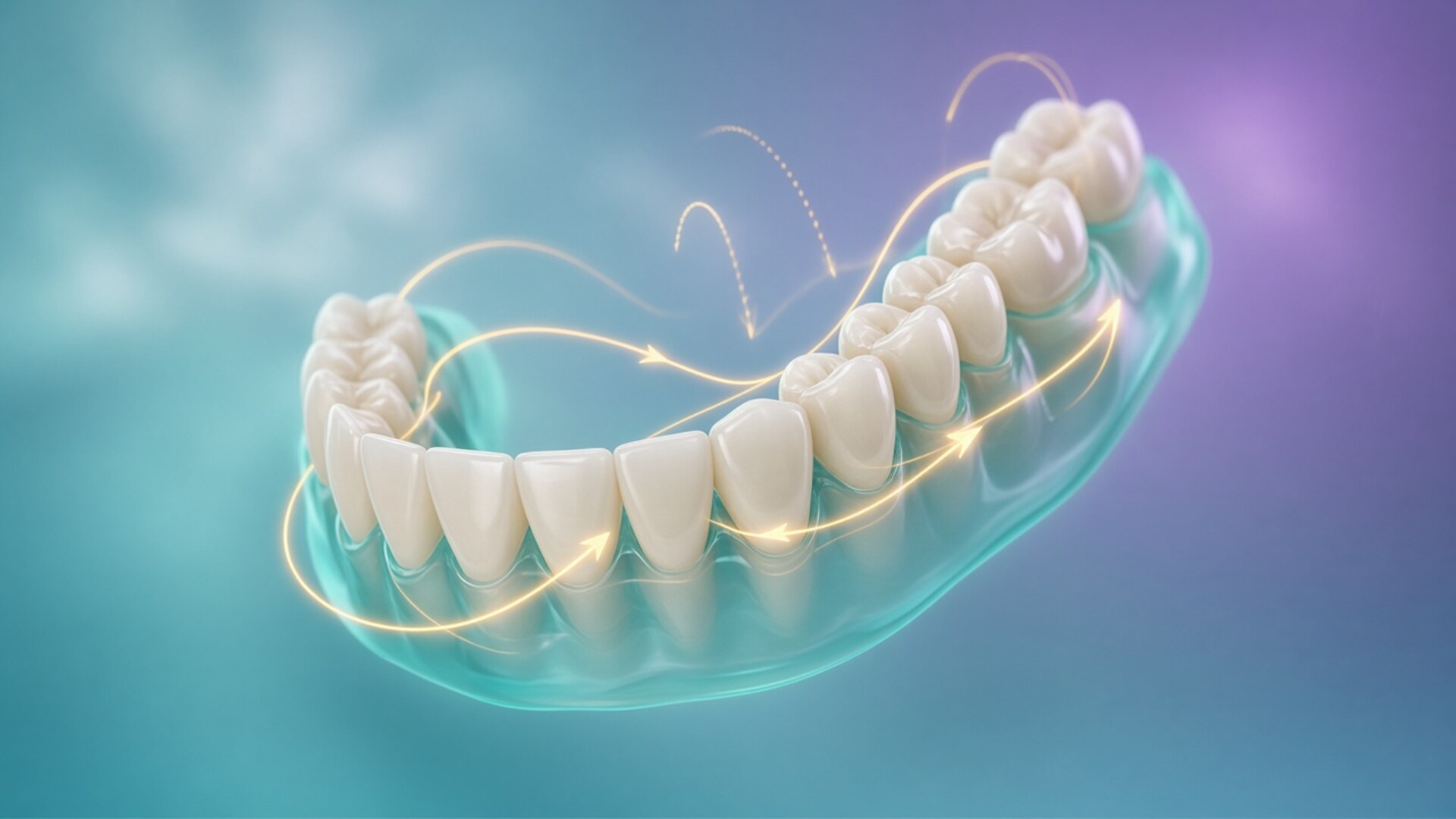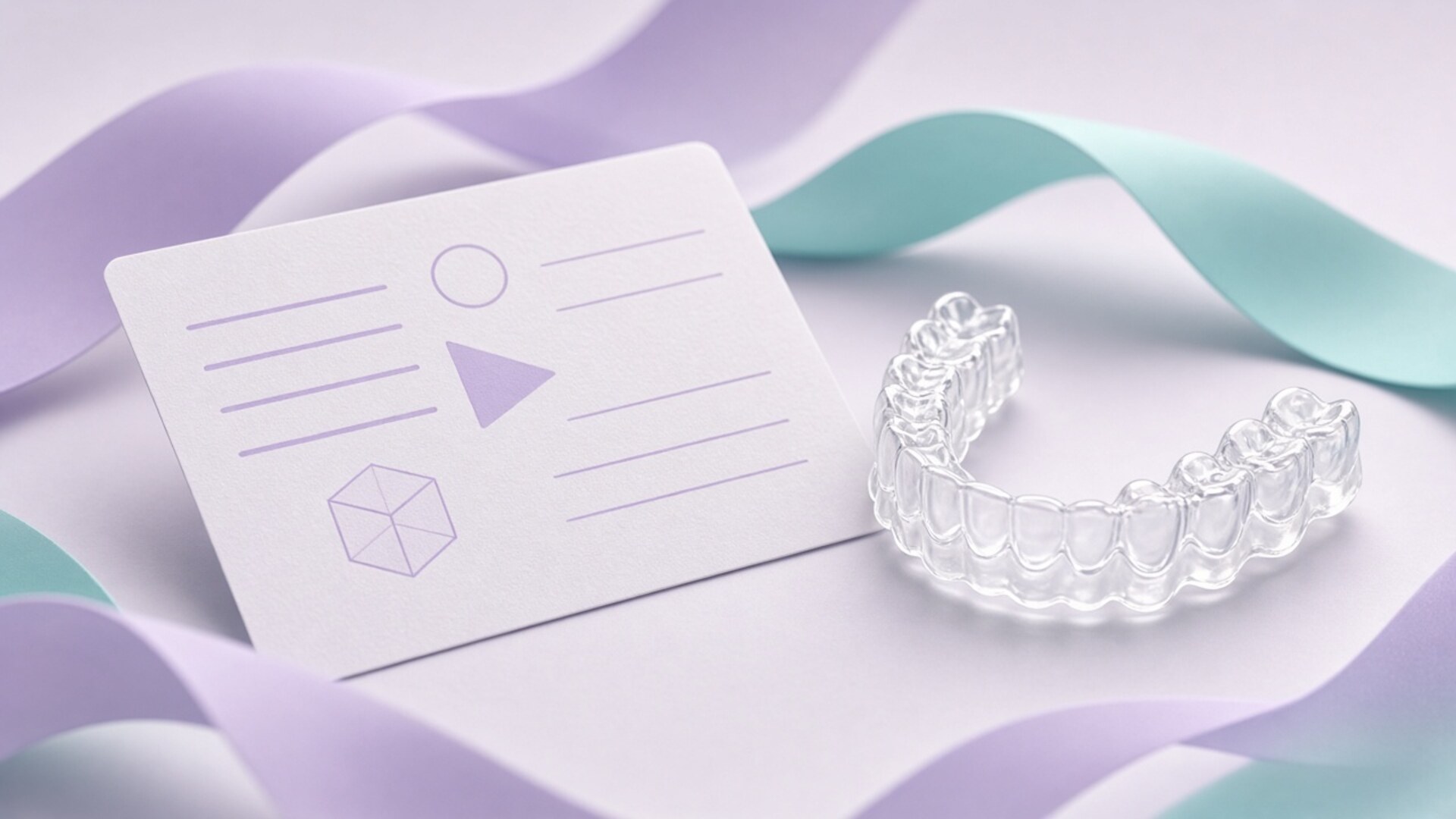
Most clear-aligner protocols aim for 20–22 hours of wear each day. That range is a clinical frame, not a magic promise: a tray moves a tooth while it seats and delivers force through plastic and composite attachments. If the tray sits in its case four to six “extra” hours beyond meals, teeth lag the digital plan, fit drifts, timelines stretch, and extra tray series show up more often. I treat adult aligners and Invisalign in Dubai, and on almost every review I watch tracking — does the tray seat, do contacts match the plan, are wear hours honest — more than a mirror selfie. Below: where 20–22 comes from, what breaks when you under-wear, how to fit food and hygiene into the remaining two to four hours, and when I rewrite the aligner treatment plan instead of saying “try harder.” Numbers here are protocol and chairside experience, not a guaranteed finish date for your mouth.
Where the 20–22 hour figure comes from
The figure comes from manufacturer guidance and removable-appliance biomechanics. Aligners are thin trays, each for a small step. On the teeth, force runs continuously; trays out — force stops. Braces stay on through coffee; with trays, you own the “on” switch. Makers, including Invisalign, describe 20–22 hours a day as full-time wear. A doctor may tune wear by stage; “nights only” is not the default engine of a full active course.
At the chair I turn 20–22 into a daily budget: meals, drinks other than water, and hygiene usually take 2–4 hours. Long dinners, coffee without trays, and meetings spend the reserve. Snacks, tea, shisha, and tray-free calls land at 16–18 hours instead of twenty. At consultation I explain the frame before start and ask for a week-one wear log — numbers, no shame.
Why force disappears without the tray
A tooth moves when load through the periodontal ligament lasts long enough. The aligner creates that load through plastic springiness and attachment purchase. Remove the tray — the ligament rests. A short lunch break is built in. Four hours of “freedom” every day give the tooth a window to drift toward its old place. The next tray expects a position the mouth has not reached. Cue tight fit, gaps at the incisors, a tray that rocks on a canine. That is not “lab failure” by default. It is often accumulated under-wear.
The research picture is honest too. Objective wear sensors in studies of removable appliances often show that people overestimate hours. Mean wear in some trials sits well below the recommended 20–22. Knowing you are monitored can raise compliance, yet it does not turn everyone into an ideal wearer. If you “feel” you wear a lot, check a timer before arguing with the plan on screen.
I show patients on a model or on 3D frames: here is the step tray 12 should close; here is what happens if tray 11 lived at 14 hours. Software assumes discipline. Software does not know your DIFC meeting grid. So I tie hours to tracking at every fit check, not once every six months.
How 20 hours differs from 22
Two hours sound small. Over a long course they stack. Twenty hours is the lower working zone of full protocols for many clinicians. Twenty-two is the upper target when removal is only for food and hygiene, with no “social” pauses. If you hold about 21–22, I have fewer reasons to slow tray changes. If you honestly live at 18–19, I more often lengthen the current number or shift the change schedule. That is not punishment. It protects you from sitting on tray 20 while the teeth are still on stage 16.
I do not promise: “at 22 hours everything finishes perfectly.” Biology, movement type, periodontium, attachments, and plan accuracy still matter. Hours are the main lever you control. The rest sits with the doctor and the lab.
What the brand FAQ says and what I decide
A brand patient FAQ and my written plan may share a number and still differ on detail. The brand writes “typically 20–22.” I write: how many hours for your stage, how often to change trays now, whether water stays in, what to do with elastics, when to message if a tray will not seat. If you bought a package elsewhere and come to me for review, I still rebuild the regimen around today’s tracking. A sticker on the box does not replace an exam.
Dubai adds city rhythm: late dinners, flight hub days, working breakfasts. I assume “perfect 22” will not land for everyone in week one. I also refuse to sign a plan where someone says upfront: “nights only — daytime trays bother me.” Then we discuss braces or another format before we sell trays into a known fail.
What happens to the teeth when trays stay out too long
Under-wear rarely kills a course in a single day. It blurs the path. Teeth collect less total force, lag the virtual sequence, and the tray stops matching the mouth. The patient feels the next tray go on with pain and gaps. The doctor sees poor tracking. Next fork: wear the current number longer, step back one tray, or rescan for an extra series. All three cost time; the last two often cost money beyond “I already paid.”
I separate a one-off slip from a system. One-off: wedding, delayed bag, sick day. System: trays out from noon to evening for calls. A one-off needs a longer current tray. A system needs habit change or appliance change. Fewer hours mean lower odds that the digital plan meets biology. Below are chart patterns — not a vow each will happen to you.
Lag behind the digital plan
The 3D plan draws teeth where tray N should place them. If N was under-worn, that place was never reached. Tray N+1 already expects the next step. Changing “by the box calendar” instead of by fit is a common error. I teach a simple test: the tray should seat fully with a clear bite on the attachments, without a stubborn gum-line gap on key teeth. If a gap lasts days despite honest hours — message me. If a gap sits beside 14-hour days — fix hours before blaming the scan.
On review I compare the mouth to the plan on screen. A one-tooth lag early can sometimes close with extra wear days. A segment lag after three months of under-wear almost always pulls toward a plan revision and a new tray series. That is not the doctor “punishing” you. It is form physics: plastic cannot catch what you did not give it in time.
A tight next tray and a “floating” fit
Patients say: “tray ten felt fine; eleven will not go on.” Sometimes the step is large. Often the previous tray was under-worn. The tooth never arrived; the next shell already waits in a new coordinate. Forcing the tray risks attachments and motivation. I prefer returning to the previous number for a few days or extending the current one when fit is almost there. I write the decision down: which number, how many hours, when we reconnect.
A “floating” fit means the tray goes on but wobbles in speech or under light tongue pressure. That shows up with worn attachments, chipped composite, and under-wear. At aligner fitting I check tray–attachment contact. Without contact, force leaks away.
Extra tray series and a sliding timeline
An extra tray series means a new set of trays when the main set did not close goals. Causes vary: hard movements, biology, scan error, lost attachments, under-wear. In my practice under-wear sits near the top of causes the patient controls. Full packages often bake one extra series into the tariff logic; short packages cap rounds tightly. So “I’ll save effort at 16 hours” can become “I’ll pay for a new series and lose three months.” At the start of the treatment plan I say that link out loud.
A contract timeline is a guide when the regimen holds. I do not guarantee a calendar finish date under chronic under-wear. Better to move the expectation early than argue at the end.
How much time food, drinks, and hygiene really get
The maths is simple; the habit is not. At a 22-hour target, two hours stay outside the mouth. At 20 hours, four remain. Those windows must cover breakfast, lunch, dinner, snacks, coffee, brushing, and tray cleaning. In Dubai, where dinner easily runs 90 minutes, a two-hour budget needs discipline: trays out with the first bite, back in right after cleaning, no long “sit without plastic.”
Water without sugar or heavy colour usually stays in — confirm in your plan; protocols differ. Tea, coffee, juice, soft drinks — trays out. Otherwise plastic stains and caries risk under the shell rise. Smoking and shisha with trays in wreck material and smell; I ask you to remove them and accept that each pause spends hours. Sport with trays in is often easier than without: less chance to forget them in a locker. Contact sports needing a mouthguard get a separate talk on protection and tray storage.
A practical fix that works for my patients: one case always in the bag, a second on the desk or in the car. A tray without a case ends in a napkin and the bin. Losing a tray is separate stress and separate cost. Another fix: set a 20-minute timer at the start of lunch. When it rings, you either finish eating or knowingly spend the hour budget. Awareness beats self-deception.
Hygiene should not steal an hour. Two to three minutes on teeth, a minute on trays, plastic back in. Long “soak three times a day for half an hour” rituals I shorten to a working minimum when cleaning eats wear time. Clean trays matter. Hours matter more than a perfect shine.
How to tell you are short on hours
Self-checks help before a visit; they do not replace an exam. I give a short list. Three or more matches — message or come before the planned review. Catch under-wear on tray 6, not tray 24. The list: fit worse than last week; a gap at one tooth; worn or chipped attachments; daily removals “for calls”; a log under 19 hours several days running; the next tray will not seat; skipped numbers. Either of the last two — contact me now.
At the chair I read the mouth and the day, not a sermon. With constant work snacks we hunt a realistic hour budget. Sometimes the honest ceiling is 18–19: then I change the tray-change rhythm or ask whether trays still fit the life. A hard talk in week two beats a pretty plan and a fail at month six.
What I see on review
On review I seat the current tray with you watching. I check the gum-line edge, attachment contact, occlusion in trays, hygiene, soft tissue. I match the tray number to the chart. I ask about elastics: how many hours you really pulled. Elastics without trays, or trays without elastics, break different parts of the plan. Photo records track change. If cloud case access is open, I compare to 3D. If not, I lean on the clinical picture and your “before” photos.
Poor tracking at honest 21–22 hours pushes me toward biomechanics: movement type, attachments, IPR, stage error. Poor tracking at 15 hours pushes me toward the regimen first. Mixing those branches wastes money on an unneeded rescan or a lecture that misses the point. Clear trays win on removability; the same removability remains the main risk of the course, and I name that at the review.
Wear logs and apps
A simple phone note works. Write: out 13:10, in 14:05. Sum at day’s end. One honest week usually clears the fog. Aligner timer apps help some people and annoy others. Some systems embed sensors that measure wear objectively. I use what the chosen package supports and do not turn a sensor into a police tool. The goal is a shared map for doctor and patient.
If you know yesterday was 12 hours, say so before I plan a tray change. Then we lengthen the current number without drama. Hidden under-wear hurts more than admitted under-wear.
When “almost 20” is already thin for your stage
During large canine moves or space closure I hold the lower bar harder. In finishing detail, exact fit and elastics sometimes matter more than a fight over thirty minutes. The regimen is not static. I rewrite hours in the plan when the stage changes. Read the current handout, not the first sheet from a year ago.
Teens are a separate case. Parents hear “22 hours”; the teenager wears 14. Without home structure, trays become an expensive case in a backpack. At family visits I name who owns the log. If discipline will not hold, we discuss braces before lag piles up.
Common failure scenes: office, travel, “nights only”
Discipline fails in familiar patterns. Three show up every week in Dubai.
Office and calls. Someone removes trays “for one important presentation” and forgets them until evening. Speech does change in week one; most people adapt in a few days. I suggest rehearsing key lines at home with trays in before a big meeting. If the job is radio, stage, or daily on-camera court work, we build adaptation into the start calendar or choose another appliance.
Travel and the hub. Dubai breeds short hops and long connections. Trays stay in a hotel safe, a jacket pocket, a lounge cup. Rule: case in carry-on, spare tray per travel plan, photo of the tray number in the phone. Water in trays on a flight is usually finer than coloured drinks without removal — follow your plan. Airline food and drinks spend hours the same way a restaurant does.
“Nights only.” A friend says: “I finished nights-only — fine.” Sometimes the friend was in retention, not active treatment. Retainer wear and active aligner wear are different jobs. Night-only active trays almost always undershoot 20–22. If someone promises a full active result on 8–10 hours without a written doctor protocol, I stay sceptical and ask to see the plan. In my practice I do not run a full active course as “sleep only” when biomechanics need full-time wear.
One more scene: “social weekends.” Friday and Saturday without trays “because of dinner with friends.” Two days at 10 hours already drop the weekly mean. Teeth count total time, not your office calendar. The table below is a conversation map about hours — not a guarantee calculator and not a substitute for exam. Your stage, attachments, and movement type can shift the thresholds.
| Real wear (guide) | What I often see | Typical next step | Timeline risk | Extra-series risk | What I ask of you |
|---|---|---|---|---|---|
| 21–22 h/day | Tracking near plan if attachments intact | Change trays on stage schedule | Low if other habits hold | Baseline | Optional log |
| 19–20 h/day | Usually workable; sensitive on hard moves | Sometimes extend current tray | Moderate | Moderate | Log 7–14 days |
| 16–18 h/day | Gaps, tight next trays | Extend / step back / early review | High | High | Honest regimen + short visit |
| 12–15 h/day | Plan and mouth diverge fast | Revisit appliance or pause activation | Very high | Expect it | Decide: trays or braces |
| “Nights only” (~8–10 h) | Active course rarely hits goals | Do not pretend it equals 22 | Critical | Critical | Change strategy |
| One-day miss | Tightness on return | Wear current tray longer | Local | Low if back fast | Seat current, message me |
| 2–3 days out | Drift toward relapse | Exam / maybe prior tray | High | Rising | Do not jump ahead alone |
How I manage patients when discipline slips
I do not lecture for sport. I rebuild the plan around facts. The sequence: measure real wear, judge tracking, choose an action, write it down, set a short review. If the person can raise hours — we give two to three weeks to reset. If the honest ceiling sits below protocol — we discuss changing systems or pausing.
At the start of adult aligners I ask about work, children, sport, smoking, flight frequency. If the calendar fights trays, better to know before the scan. After start, the first fit check and first review are early discipline tests. A late surprise costs more than an early honest talk about hours and whether life can carry a full protocol.
A talk without shame
Shame pushes people to lie about hours. Lies break my plan harder than the truth of 17 hours. I say that on the first consult. The chair is for facts. If a wedding wiped a day — write. If calls steal every afternoon — we fix speech-in-trays or change method. I would rather adjust the schedule than find a tray that “almost seats” a month later.
When I extend tray wear
Extension is a simple tool. Instead of seven days on a number, we run ten to fourteen when fit is nearly there and hours wobbled. That costs less than a new scan and often closes a small lag. Extension does not cure chronic 14-hour days. It treats a short slip and buys time to rebuild discipline.
I put the new change date in the chart and in a patient message. The box calendar without that edit confuses people. Family chats get a copy only with the adult patient’s consent.
When I suggest changing the appliance
If two reviews in a row show poor tracking and the log honestly sits at 14–16 hours with no path up, I raise braces or a pause. Taking fees for trays that are not worn is unethical. Sometimes the patient returns to trays a month later when life opens. Sometimes they choose fixed appliances and finish calmer. Both paths are fine. The bad path is pretending 14 equals 22.
When fewer hours mean rewrite the plan, not “try harder”
“Try harder” helps when the hour ceiling is real and the person wants structure. It fails when work, family, or speech anxiety make 22 hours feel like a sentence. Willpower then dies by week three. I look for a structural fix: another tray-change rhythm, a simpler stage, elastics with clear timing, a switch to braces, a delayed start until a work project ends.
Rewriting the aligner treatment plan includes rechecking goals. Sometimes “textbook occlusion” with weak discipline will not land in trays. Then we narrow the goal or change method. I explain time and money trade-offs against service-page floors; the invoice always follows exam and a written estimate. Floors such as consultation from AED 500 or a plan from AED 600 are not a full Invisalign package (from AED 22,000 on the service page) — different lines.
Another rewrite signal is pain followed by silent removal. Soreness for a day or two after a tray change is common. Pain that keeps trays out for weeks means an unplanned visit, not silence. I would rather smooth an edge or check an attachment than lose a month of wear.
Bottom line for this block: hours are the patient’s main lever. The plan is the doctor’s. When the levers miss each other, the course squeaks. Our job is to meet early.
FAQ: aligner wear hours
How many hours a day should I wear aligners?
Most full protocols aim for 20–22 hours a day. I write your stage number in the plan after an exam. The frame assumes trays out only for food, drinks other than water, and hygiene. It is not a timeline guarantee and not a substitute for reviews.
Is 12 hours a day enough?
Twelve hours sits far from standard full-time active wear. In studies and at the chair that pattern often lags the plan. Some experimental protocols discuss shorter wear; that is not how I build a usual full package without special conditions. If twelve hours is your real ceiling, we discuss another method before you pay for a tray series.
What if I go a full day without trays?
One day rarely ruins a course. Seat the current tray as soon as you can and wear it longer if fit feels tighter. Message me if it will not seat or if several days passed. Do not jump to the next number “to catch the calendar.”
Is 20 hours enough instead of 22?
Twenty hours often sits inside the working frame of full protocols. Twenty-two is the target when out-of-mouth time stays short. Stable twenties with good tracking worry me less than honest seventeens. The call still follows fit and stage, not one number in a vacuum.
Do I wear aligners while eating?
No. Food and most drinks other than water — trays out. After eating, brush and seat the tray at once. Long tray-free lunches spend the daily hour budget. Confirm water-in-trays rules in your own plan.
How do I know I under-wear if it feels like I wear a lot?
Log removals for a week. Sum hours without rounding up. Check fit: gaps, a tight next tray, worn attachments. On review I compare mouth to plan. The feeling “I’m in them almost always” often disagrees with timers and sensors in published work.
What if the next aligner will not seat?
Do not force it. Return to the previous number if you still have it and it seats, then contact me. Often you need a step back or an extension after under-wear or a lagging tooth. Sometimes an attachment needs a look. Skipping ahead without the doctor widens the gap from the plan.
Are wear hours the same for Invisalign and other systems?
Most clear systems in a full protocol follow the same full-time logic around 20–22 hours. Tray-change detail, attachments, and review rhythm differ. I follow the written plan for your system and your tracking, not a chat-group tip. The brand on the box does not cancel hour biomechanics.