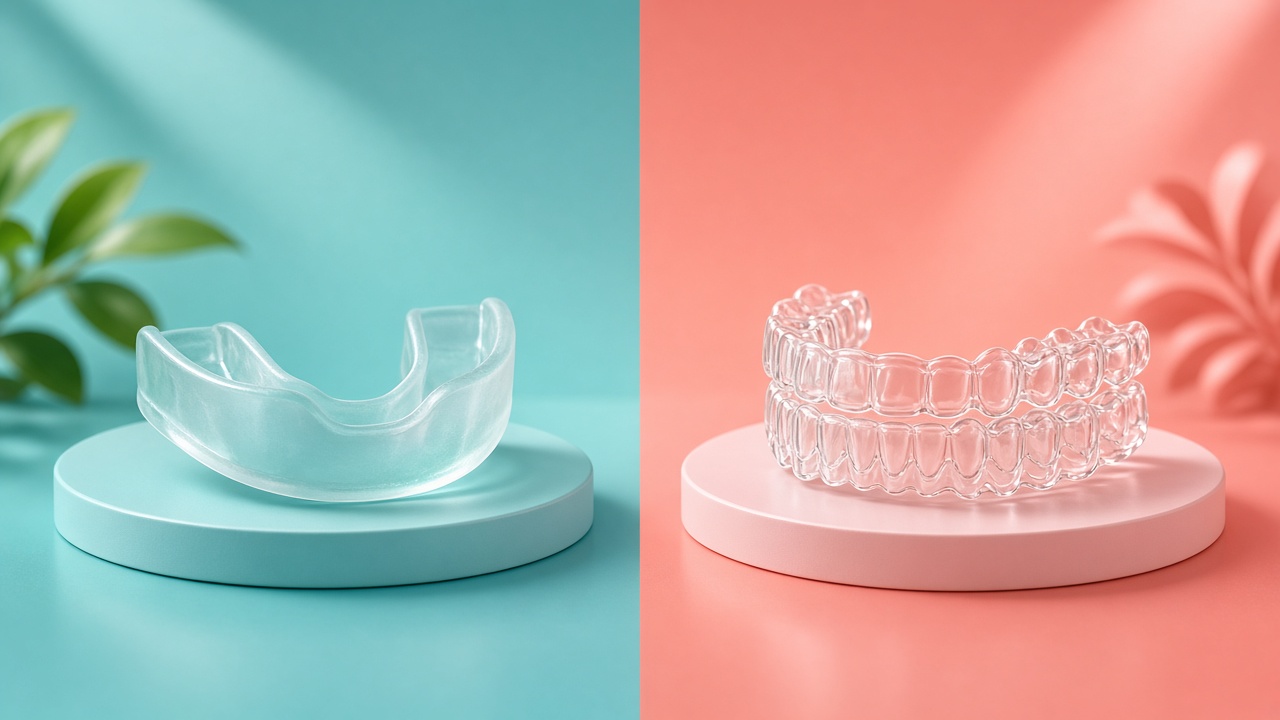
The three systems on my service pages — Invisalign, ClearCorrect and StarSmile — are three labs and three case protocols, not three “smile quality tiers.” In my Dubai practice the package floors on those pages are Invisalign from AED 22,000, ClearCorrect from AED 20,000, StarSmile from AED 15,000; adult aligners list from AED 16,000; an aligner treatment plan lists from AED 600. These are service-page floors, not a fixed invoice: after examination a complex case may land higher. I do not rank brands as better or worse. The real differences sit in tray manufacturing, the digital platform, package-level lines, plan revision rules, and case access if you change doctors or move cities. Below is how to read those differences without brand ads and without a brand war.
What all three systems share
A clear tray moves a tooth by the same principle: staged plastic force along an approved digital plan. The doctor captures a scan or impressions, builds a 3D sequence, the lab prints a series of trays, you wear each tray on schedule, and reviews check tracking. Composite attachments, interproximal reduction (IPR), elastics and buttons are plan tools — not a single brand’s trick. If you wear trays fewer hours than required, a tooth lags the simulation on any platform. If the gums are inflamed, you must not push movement on any platform.
Patients often want a verdict on “which system is cooler.” That verdict is clinically empty. The same bite can run on different labs with a sound plan and disciplined wear. The reverse is also true: a famous logo on the box does not rescue a weak plan, rare visits, or broken wear hours. Compare systems by lab, protocol and package level for your task — after diagnostics, not after someone else’s promo story.
At an orthodontist consultation I fix diagnosis and goals first: crowding, open bite, molar distalization, pre-prosthetic setup, smile aesthetics. Only then do we pick a platform that is available in Dubai for that volume and for your flight schedule. A brand without a diagnosis is buying a logo.
Lab and manufacturing: where trays are physically made
Each system lives in its own production loop. Invisalign sits with Align Technology: the digital case enters their planning and factory network, and trays arrive in series under the approved plan. ClearCorrect is a Straumann Group line: its own material stack and lab flow, with the case held in their digital contour. StarSmile in my practice links to the Angel Aligner line and vetted analogues in that class: another production loop, different UAE logistics, a different entry floor on the service page (from AED 15,000).
For the patient it looks similar: a box of numbered trays. For the doctor the difference is concrete — shipping lead times, rules for reordering a lost tray, file formats for plan revisions, and the window in which the lab accepts a rescan without a full new order. When you compare two estimates, ask not “whose plastic is better,” but “how many days to replace tray 12” and “who approves plan edits — the chairside doctor or a technician in chat.” Answers differ by brand and by the clinic that runs that brand.
Tray materials vary: thickness, layered construction, stain resistance, first-day stiffness. Patients describe that as “softer / denser.” I note comfort, yet clinical decisions rest on fit, tracking and biomechanics — not on a polymer’s marketing name. If a tray rubs the gum edge, we trim or change the stage; if a tooth will not seat, we adjust wear or rescan. Those are working steps on any system.
Dubai logistics add another layer. International shipping, customs windows and local distributor stock affect the pause between plan approval and first-series delivery. A useful contract shows a production lead-time for the first batch and a rule for urgent reorder. Without those lines, “start in a week” stays marketing.
Digital protocol: scan, plan, approval, plan revision
Protocol is the path from chair to tray and back. Scan or impressions → upload → draft 3D plan → doctor edits → approval → manufacture → fitting → reviews → if needed, rescan and a new series. All three brands live this scheme. Interfaces, lab response speed, planner options and how many plan revision rounds sit inside the chosen package level differ.
On an aligner treatment plan (from AED 600) I show the simulation as a movement hypothesis, not a guaranteed final smile. The screen looks clean; the mouth answers with tissues, habits and wear hours. So the contract should state: how many free plan edits before start, who signs the final, whether one mid-course plan revision is included, and whether a rescan is tied to that round. The brand shapes the platform; the clinic shapes how it sells levels of that platform.
Patients who already started abroad meet Invisalign most often: a cloud case and doctor certification make access talks easier when both doctors are in the system and consents are signed. ClearCorrect and StarSmile also run digital cases; I check access and local representation for the specific Dubai clinic, not for a forum thread. If the old case is closed or locked, we build a new plan from a fresh scan — whatever logo sits on the old box.
An extra tray series is a separate budget line. Full package levels often include one or two rounds. Short levels (short / mid packages and analogues) tighten tray limits and plan revision limits, so a “cheap entry” can grow at the finish. My site has no separate “plan revision” line: beyond the package limit we bill by estimate. Ask for the round count and the time window in writing before the deposit — for any of the three systems.
Package levels: not “premium vs budget,” but movement volume
Manufacturers cut lines into levels: a short protocol for small volume, a mid tier, a full tier. Brand names differ; the logic rhymes. A short level caps tray count and movement types. A full level covers larger volume and usually widens extra tray series. The shelf price reflects level and clinic policy — not a mystical “brand quality.”
A patient with mild front crowding and a patient needing molar distalization buy different products, even if both say “I want Invisalign.” If a doctor packs a complex task into a short tariff, tracking fails and over-limit fees appear mid-course. If a simple task is sold as full Comprehensive without need, you pay for spare capacity the plan never uses. On diagnostics my job is to match movement volume to package level — not to sell the most famous logo.
Service-page floors help orientation: StarSmile from AED 15,000, adult aligners from AED 16,000, ClearCorrect from AED 20,000, Invisalign from AED 22,000. The gap in “from” does not mean one system is “weaker.” It reflects different entry levels and different lab contours in my practice. After examination the estimate for your task may pull figures closer or push them further apart — depending on tray count, IPR, elastics and included reviews.
Read package level as a specification: tray limit, one arch or both, whether attachments and their removal are included, plan revision rounds, month window, lost-tray replacement rule, retainer at the end. Without that list, comparing Invisalign and ClearCorrect becomes comparing two ad images.
Comparison table: what to put on paper
| Parameter | Invisalign | ClearCorrect | StarSmile |
|---|---|---|---|
| Lab contour | Align Technology | Straumann Group | Angel Aligner / class analogues in my practice |
| Floor on service pages | from AED 22,000 | from AED 20,000 | from AED 15,000 |
| What actually changes | Platform, production, package levels | Material and lab flow | Entry price of the line and logistics |
| What does not change | Biomechanics, wear hours, doctor role | Same | Same |
| Typical contract question | Tray limit and plan revision rounds | Tray limit and bite task | Package level and inclusions |
| Relocation / doctor change | Digital transfer more often worked when certified | Digital case; check local access | Digital case; check local access |
The table is a conversation map, not a ranking. The “floor” row describes entry on my service pages. The “typical question” row reminds you what to read in the PDF before a deposit. If a clinic sells the same brand with a different mix, trust that clinic’s contract — not this table.
Keep nearby the shared floors for adult aligners (from AED 16,000) and the aligner treatment plan (from AED 600): they describe the adult pathway and the clarity step before logo choice. Sometimes at consultation we lock the plan first and name the brand second — once movement volume is clear.
Three clinical scenarios without a brand war
Mild crowding in an adult
You want the front teeth aligned, the bite is largely compensated, periodontium is stable, and you will wear trays 20–22 hours. Movement volume is moderate. A package level that covers the needed tray count and one plan revision round is often enough. A StarSmile floor from AED 15,000 or adult aligners from AED 16,000 can be a working frame if the lab and protocol cover the task. Invisalign or ClearCorrect can fit too: choice then rests on a contour you already know, travel access, and what the clinic wrote in the estimate. I do not “downgrade” you to a cheaper brand or “upgrade” you to a dearer one for status. I match volume to level.
At aligner fitting and early reviews we watch the same facts: the tray seats, attachments are intact, the tooth follows the plan. If a gap appears on tray three, the box logo does not fix the gap — wear hours, chewies or a rescan do.
Complex bite and the short-tariff trap
Distalization, heavy crowding, space for an implant, open bite — different volume. A short Lite/Express under that task often breaks the budget on add-ons instead of saving money. Here I more often discuss full levels in ClearCorrect (from AED 20,000) or Invisalign (from AED 22,000) contours — again without a “best brand” verdict. Sometimes StarSmile at a full package level covers the same volume if the line and lab allow it. The test: tray and plan revision limits in the contract match the on-screen plan. If the simulation shows 40+ stages and the tariff cuts at 14 trays, it is too early to sign.
A complex case almost always needs fresh films, a root check and a frank fork: trays are predictable, or fixed appliances / a combined path are wiser. Brand does not cancel that fork.
A patient who flies often
A Dubai contract, trips every six weeks, family in another city. Transfer protocol and case access then weigh more than a few thousand dirhams at the start. If you already live in the Invisalign ecosystem and certified doctors are easy to find on your route, staying is a practical argument. If the case has not started, we compare where you can actually continue ClearCorrect or StarSmile without losing file access. Sometimes a slightly higher floor with clear cloud transfer beats a cheap entry that later forces a full restart (from AED 15,000–22,000 by system) because the case locked.
At consultation I ask for cities over the next year and visit frequency. Flight schedule is part of the orthodontic plan, not a private detail.
Attachments, IPR and elastics: shared tools
Patients ask whether “ClearCorrect uses attachments” or “only Invisalign does.” Composite attachments are part of clear-aligner biomechanics when the plan needs rotations, extrusion or root control. They appear in 3D plans on all three systems. Visibility depends on shape, composite shade and the smile zone — not on the lab logo. Removal at finish usually sits inside a normal package; per-piece billing is a reason to ask for a price list before start.
IPR creates space without extractions when the plan calls for it. The amount is measured and recorded; it is not “filing teeth for prettier trays.” Elastics and buttons join when inter-arch pull is needed. All three tools live in Invisalign, ClearCorrect and StarSmile plans. Refusing them “to stay invisible” can break tracking and pull a plan revision — already beyond the package limit.
I show on the model where attachments and IPR will sit before we approve production. You then compare a concrete plan for your mouth, not brands in the abstract.
Reviews, fitting and daily life: what sounds the same on all three
The first aligner fitting checks seat, teaches removal and cleaning, issues a series or part of a series, and sets the change calendar. Then planned visits: photos or scan, match to plan, decide “continue / hold / rescan.” Rhythm is often six to ten weeks, sometimes tighter at start or finish. Brand does not cancel discipline: tray out for meals and coffee is normal; tray in a pocket for half a day breaks the stage.
A lost or cracked tray means a lab reorder plus shipping. While you wait, you usually wear the previous tray; jumping to the next number without today’s fit is unsafe. Replacement cost is by estimate; budget a reserve if you travel often. Those rules are shared; lead times and order channels differ.
Retention after any system is mandatory if you want to keep the result. Night removable tray, bonded wire or both — per plan. Retainers on my site list from AED 2,500 if the first set is not inside the aligner contract. The course brand does not make retention “automatically free.”
Doctor certification and who actually runs the plan
A system needs the doctor connected to the platform: training, portal access, rights to submit cases. That is a technical condition for lab work. It does not replace orthodontic specialty and clinic privileges in the Dubai Health Authority contour. An assistant can scan; the doctor who holds your contract approves movements and answers for occlusion.
At the chair I ask myself and explain to you: who personally edits the 3D plan, who bonds attachments, who checks tracking at six to eight weeks, what happens if you leave for three months. The box logo does not answer those questions. The clinic model does. In network centres one doctor may approve the plan while another runs reviews. In a specialist chair the chain is shorter. Both models exist in Dubai; you need to know which one you entered before you pay for a full series.
A second opinion helps when you already saw a simulation and a brand name, and you want the volume and package level checked. I read diagnosis and whether trays can deliver — I do not “beat” someone else’s logo with mine. Sometimes I confirm the system choice and ask you to clarify the contract. Sometimes I suggest another platform available in my practice because logistics or package level fit your schedule and budget better. We lock the decision after records, not from messenger photos.
Relocation, changing doctors and case access
Dubai is a city of contracts and flights. Patients start in Moscow, Istanbul, London or India and continue here — or the reverse. Brand shapes transfer protocol: whether a cloud case exists, which consents unlock access, whether the receiving doctor works the same lab. Invisalign more often has a worked digital transfer between certified doctors. ClearCorrect and StarSmile are digital too; access depends on representation and clinic policies. Local sets without an international cloud lean on the doctor’s letter and physical trays — a new scan is then more common.
If you are mid-course and want to switch brands, you almost always need a new plan and a new series. You cannot glue a “continuation” from another lab onto foreign trays: tray geometry and stage numbering belong to that lab’s 3D file. A platform change means a new contract and a new estimate with floors such as Invisalign from AED 22,000, ClearCorrect from AED 20,000, StarSmile from AED 15,000, or adult aligners from AED 16,000. Sometimes finishing the current set under supervision is cleaner than changing logos for habit.
When you relocate, bring: a letter with diagnosis and goals, stage list, plan access or export, before and progress photos, last visit date, remaining trays. Without that packet the new doctor rebuilds a zero point — and that is normal. The box logo does not cancel a fit exam.
How I choose a system in practice
Choice starts from the task. Mild adult correction with predictable volume can sit on a StarSmile or adult-aligner package level with a clear floor from AED 15,000–16,000, if the lab and protocol cover the movements. Mid and full volumes more often land in ClearCorrect or Invisalign contours — again by biomechanics and availability of oversight, not by Instagram rank. If you already live in the Invisalign ecosystem and fly between cities where certified doctors are easy to find, that is an argument to stay. If budget is tight and the task is moderate, an honest lower entry floor beats a “premium” label with a thin tray limit.
I explain the choice on the model: here is movement volume, here is the chosen level’s limit, here is plan revision risk, here is production lead time. You hear protocol trade-offs, not a brand hymn. If the task exceeds predictable tray biomechanics, we discuss fixed appliances or a combined path. Aligners are a tool. You match the tool to the mouth, not the reverse.
Hygiene, periodontium, caries and the prosthetic plan sit above logo choice. While gums bleed and cavities stay open, producing any series wastes money. Sanitation and clarity with the prosthodontist come first if crowns or veneers are ahead. Orthodontics prepares tooth positions; the tray brand does not reorder that queue.
Price: how to read three “from” figures side by side
Three numbers sit next to each other on the site, and the eye hunts for the “best deal.” Read them as floors for different lab contours and entry levels — not as a league table. Invisalign from AED 22,000, ClearCorrect from AED 20,000, StarSmile from AED 15,000, adult aligners from AED 16,000, plan from AED 600. Someone else’s “from AED 2,999” ad usually sells a short entry, a promo or a deposit — do not lay it next to a full-package floor.
Compare two estimates line by line: diagnostics and whether they credit into the course, 3D plan, package level, tray limit, extra tray series, attachments, reviews, tray replacement, shipping, retainers (from AED 2,500 if not included). A dirty total with one likely plan revision and a retainer beats a pretty “from.” The deeper package-composition breakdown lives in the aligner-price article; here the point is simpler: brand changes lab and protocol; the rules for reading a contract stay shared.
Installments do not change composition. They stretch the same specification. Ask who the creditor is and what happens to the balance on early termination. A verbal discount without an updated PDF is gone a month later.
Common mistakes when choosing “by brand”
First mistake: pick a logo before diagnosis. Second: buy a short level for a complex task because the ad number is lower. Third: refuse attachments “so there are no bumps,” then watch tracking fail. Fourth: compare only lab price without doctor oversight. Fifth: switch brands mid-course without a new plan, hoping to “glue on” foreign trays.
Another trap is messenger offers of “like Invisalign, only cheaper” with no certification for your case. You lose the lab link and the doctor accountable for biomechanics. If budget presses, discuss on exam a legitimate level with a clear floor — StarSmile from AED 15,000 or adult aligners from AED 16,000 — instead of anonymous plastic.
Patients who started at home often want “the same brand as my dentist there.” The habit is understandable. Clinically, Dubai oversight, a clear contract and the doctor who approves the plan matter more. If the home brand is unavailable here or the case is locked, a new plan on an available system is a working path — not a demotion.
FAQ
How does Invisalign differ from ClearCorrect and StarSmile?
Lab, digital protocol, package-level line, plan revision rules and shipping logistics. Tooth movement follows the same idea: staged trays under an approved plan. I do not rank brands better or worse; we pick a system for the task after diagnostics. Floors in my practice: Invisalign from AED 22,000, ClearCorrect from AED 20,000, StarSmile from AED 15,000.
Which system is better for adults?
The one whose package level covers your movement volume and whose protocol you can run in Dubai. The adult aligners page (from AED 16,000) describes the adult pathway; we lock a brand after examination and an aligner treatment plan (from AED 600).
Why is StarSmile’s floor lower than Invisalign’s?
A different lab contour and a different entry price in my practice — not a verdict that the system is “weak.” Compare package level, tray limit and inclusions in the contract. After examination a complex case on any brand can rise above the floor.
Can I switch systems mid-treatment?
Yes, through a new scan, a new plan and a new series. You cannot continue foreign trays with another lab. A brand change almost always means a new contract with the matching package floor.
Does brand change treatment duration?
Duration follows movement volume, biology, wear hours and tracking quality. Brand affects production speed and plan revision rules; it does not by itself promise “three months faster.” I give a time corridor after the plan, not from the logo.
Do all three systems need attachments?
Often yes, when the plan needs complex movements. Refusing attachments for early aesthetics raises the risk that a tooth lags. Bonding and removal usually sit inside a normal package — confirm in writing for any brand.
What matters more: tray brand or doctor?
The doctor who diagnoses, approves the plan, bonds attachments, checks tracking and owns the finish. The brand sets lab and protocol. Without sound oversight any logo is plastic in a box.
Where should I start if I am comparing three Dubai quotes?
Book an exam, gather two or three written estimates with package level and plan revision limits, and take a second opinion if needed. At consultation I map the task to the contours I run — Invisalign, ClearCorrect, StarSmile — without an ad war. Only an exam and a written estimate settle the bill.
Does wear time depend on the brand?
No. The working corridor for most plans is about 20–22 hours a day, trays out for meals and cleaning. Fewer hours means a tooth lags the simulation on any platform. Brand does not compensate for “nights only” with a material promise.
Is the 3D plan included in Invisalign, ClearCorrect or StarSmile packages?
It depends on the clinic contract. My aligner treatment plan lists from AED 600 as a separate floor; when a course starts, clinics often credit diagnostics and plan into the package — that must appear in the PDF. You should see and understand the simulation before paying for a full series: what is realistic, what is a screen filter.
Can any of the three systems treat one arch only?
Sometimes, if the opposite arch is stable and the goal is limited. A one-arch plan often breaks occlusion. The decision follows diagnostics, not a wish to “save half.” A short one-arch tariff in ads is a common disappointment source.
What happens to the deposit if I cancel before trays arrive?
Read the refund and quote-validity paragraphs before the first payment. Rules differ more by clinic than by brand. The lab may already have started production — then refunds are partial or zero. Confirm in writing for Invisalign, ClearCorrect and StarSmile alike.