In UAE policies, orthodontics often sits on its own line: lifetime limit, lifetime maximum, or lifetime orthodontic benefit. That ceiling covers the whole history of that benefit, beside the annual dental limit. A braces or aligner course lasts 12–24 months and longer; the insurer counts invoices, not your treatment calendar. Diagnostics, bonding, activations, refinements, retainers, and repeat imaging can all draw from one orthodontic pot. Co-pay, waiting period, and a “cosmetic” refusal cut the payout further. I do not paste Daman, Cigna, Bupa, or other network tariffs here: booklet figures change, and your product is only your booklet plus a written TPA answer. Below I explain how a lifetime limit works, how it differs from an annual dental limit, why it often empties before the course ends, and which questions to send the insurer before an orthodontist consultation and before the appliance goes on.
What an orthodontic lifetime limit means
A lifetime limit (lifetime maximum, lifetime orthodontic benefit) is the upper sum the insurer will pay for orthodontics under that benefit line. Once the ceiling is spent, new orthodontic invoices fall outside cover, even if months remain in the year and you still wear the appliance. That rule lives in the contract. In the chair I see patients who planned cover through debond, then found the pot closed after OPG, bonding, and early activations.
Search phrases this as “orthodontics lifetime limit,” “lifetime orthodontic maximum,” “does insurance cover braces dubai,” and “braces insurance dubai.” The worry is whether insurance lasts until the course ends. Without your booklet that answer does not exist; you verify mechanics in writing. On many basic UAE plans orthodontics is excluded; where present it usually sits on enhanced cover with age rules, waiting, and co-insurance.
Lifetime, annual, and overall dental: three different counters
A benefit booklet can show three figures side by side. Annual dental limit: how much money dentistry may use in a policy year (cleanings, fillings, sometimes imaging). Overall annual policy limit: the ceiling for the whole medical plan. Orthodontic lifetime maximum: a separate ceiling for braces, aligners, and related services that does not refill each January. If you mix those lines, you build a false sum: “I have AED 10,000 dental a year, so braces will fit.” Often that annual pot funds hygiene and restorative work only, while orthodontics is excluded or locked in its own lifetime box.
In practice I ask patients to bring a screenshot or PDF with three blocks: dental annual, orthodontics / braces / aligners, and any footnotes on waiting, age, co-insurance, and network. Without those three pieces, talk of “braces cover” stays guesswork. A clinic administrator can help with pre-authorization forms. Reading the policy for you is not their duty, and they cannot promise a payout.
Who orthodontic lifetime usually covers
In UAE corporate packages, orthodontics (when included) often targets children and teenagers under a stated age (products may say under 16, under 18, or under 21; check your booklet). Adult cover appears less often and usually on dearer international plans. Insurers often file a cosmetic motive (“I want a straighter smile for a wedding”) under exclusion. Functional indications such as crowding that damages enamel, a crossbite that loads the joints, or prep for prosthetics need the doctor’s file: diagnosis, plan, images, and sometimes a medical-necessity narrative.
I do not tick “cosmetic” or “functional” from a WhatsApp photo. On examination I gather complaints, history, occlusion, periodontium, and the treatment goal. For the insurer, the report wording must match the clinic record: if the chart says “aesthetics at patient request” and the claim says “severe malocclusion,” the TPA will notice.
Why “lifetime” sounds generous and still misleads
The word lifetime paints a picture of cover for a lifetime of treatment. On the page it is a sum ceiling, not a promise to finish the course. Orthodontics runs long: diagnostics, bonding, dozens of visits, possible refinements, retention. A lifetime maximum often sits below the full fee for a complete Dubai course, especially once you add the patient co-pay. Public UAE market guides describe orthodontic ceilings as narrow next to full braces or aligner fees. I do not copy other people’s tariff tables into your policy. Your figure lives only in your contract.
Patients hear “orthodontics is on the plan,” book bonding, then learn six months later that diagnostics and start already emptied the pot, the waiting period had not ended on the first invoice date, the clinic sat out of network, or the retainer sits in exclusion. By then the lifetime line had already ended before treatment ended.
Lifetime versus annual: two wallets in one policy
An annual dental limit and an orthodontic lifetime limit follow different rules. Annual dental refreshes with a new policy year: cleanings and fillings can draw again within the yearly sum. Orthodontic lifetime is a pot for the whole life of that benefit: spend it, and January does not refill it. After a job change, carry-over depends on the new contract and on whether the insurer treats the plan as a continuation. Settle that with HR and the new insurer in writing.
Apps often show one number labelled “Dental remaining.” People read it as “left for braces.” Remaining dental and remaining orthodontic are different balances. Before bonding I ask patients to untangle how each wallet refreshes, how co-pay cuts the insurer’s share, and how waiting plus network can zero the payout while the lifetime line still looks “alive.”
How each wallet refreshes
Some policies nest orthodontics inside dental annual as a sub-limit without the word lifetime. Some products run a separate lifetime line plus annual dental. Some plans exclude orthodontics while dental annual looks generous; then you fund braces yourself. Align three booklet lines: dental annual, orthodontics / braces / aligners, footnotes. Until those lines sit apart, any “I have enough” sum rests on someone else’s figure.
Co-pay before you hit the ceiling
Co-insurance or co-pay cuts the payout before you reach the lifetime wall. An illustrative example for mechanics only (not your policy tariff): lifetime orthodontic = AED 8,000, patient co-pay 50%. The insurer, at most, pays up to AED 4,000 of its share on AED 8,000 of approved base, and only if the service sits in benefit, the network rule holds, and pre-approval exists. Your plan may use other percentages, an excess, or a per-visit cap. Match the booklet before the first large invoice.
Waiting period and clinic network
Market descriptions often put orthodontic waiting near 12 months; your term may differ. Even with a live benefit line, early-policy orthodontic invoices can be refused. If braces go on in month three of the contract, the lifetime pot may still show a balance while no payout arrives, because of waiting. Network or panel status decides direct billing versus reimbursement. Out of network, the percentage drops or vanishes. Check network before you choose a doctor and before the first wire goes on.
Why the limit ends before treatment ends
In a patient’s head, an orthodontic course is one story: place braces, wear them, remove them. In the insurer’s ledger it is a stack of separate codes and dates. Each approved invoice shrinks the lifetime pot. If the benefit includes diagnostics, control films, refinement sets, retainers, and hygiene visits labelled “within ortho,” the pot melts faster than biology moves teeth. Biology does not read the booklet. Invoices do.
I plan from the clinic: occlusion, periodontium, growth in teenagers, wear discipline. The insurance ceiling is an external budget constraint, not a medical criterion. If the limit sits thin against the full plan, we name early which stages go self-pay. Otherwise a year later the patient blames the doctor for “cost” when the pot burned out. Three expense groups most often empty lifetime before debond; clarify them with insurers.
Diagnostics and start: OPG, cephalometric film, scans, bonding
Before the first wire or first aligner tray, clinics usually run exam, photo protocol, panoramic radiograph, often cephalometric film, sometimes CBCT when indicated, impressions or intraoral scan, and a written plan. The insurer may park some of those lines under dental annual, some under orthodontic benefit, some under exclusion. If every start invoice hits orthodontic lifetime, you spend the ceiling before teeth move a millimetre.
Braces installation is a large one-time invoice. On aligners, the large hit is often the tray package plus an aligner treatment plan. If the insurer pays a percentage of that sum against lifetime, the remainder for one or two years of reviews can look thin. Before bonding I ask for written pre-approval with amount and covered codes, and I ask patients to keep that letter next to the clinic plan.
Refinements and a “second round” of trays
On aligners, refinement is ordinary clinic work: teeth lag the tracker, the lab issues another series. For the patient this is “the same treatment continuing.” For the insurer it may look like a new orthodontic episode or as extra spend inside the same lifetime. If refinement draws from the same ceiling, you can hit zero with months of active movement still ahead.
On braces the analogue is a mechanics change, extra wires beyond the expected set, or rebonding after breakage from hygiene slips or trauma. Emergency visits may also hit the ortho benefit when the booklet says so. Hygiene discipline and care with the appliance save enamel and, where the policy bills those visits, they also protect the remaining balance.
Retainers: finish for the doctor, more draw for the policy
After appliances come off, retention begins. Fixed wire, removable trays, replacement of a lost tray, a six-month review: for stability this stage is required, not a beauty add-on. Insurers treat retainers differently: some fold them into orthodontic lifetime, some park them under dental, some write exclusion after active treatment. If retention sits in the same lifetime, you risk spending the last of the ceiling on holding the result, or paying retention yourself once bonding and activations already emptied the pot.
I discuss retention at the start, before the plan is signed. Patients need to know that “braces off” is not the end of cost or responsibility. For insurance planning that is a direct TPA question: “Retainers included in orthodontic lifetime maximum? After debond?”
Illustrative math: how stages drain one ceiling
The figures below are a teaching model for the order of draws. They are not a clinic tariff, not a Daman/Cigna/Bupa tariff, and not your policy. Substitute your own sums from pre-approval and the clinic estimate. The table exists to show why lifetime can close before a biological finish.
Model assumptions: lifetime orthodontic benefit = AED 8,000; patient co-pay 50% of approved base; the TPA assigns every listed line to ortho lifetime (in real life some lines may go to dental annual or to refusal). A full clinical course in Dubai often costs more than one such ceiling. Market orientirs for braces and aligners sit in wide AED ranges of thousands; your exam and written plan name the corridor for your mouth.
| Stage (illustrative example only) | Clinic invoice, AED | Insurer share at 50%, AED | Lifetime left after stage, AED | Check with TPA |
|---|---|---|---|---|
| Consultation + photos | 400 | 200 | 7,800 | Sometimes dental annual, not ortho |
| OPG + cephalometric film | 900 | 450 | 7,350 | Often a separate code; confirm bucket |
| Scan / impressions + plan | 1,200 | 600 | 6,750 | On aligners may sit inside a package |
| Braces bonding / first aligner series | 6,000 | 3,000 | 3,750 | Large draw; needs pre-approval |
| Activations / reviews × 8 visits | 2,400 | 1,200 | 2,550 | Small invoices drain quietly |
| Refinement / extra mechanics | 2,000 | 1,000 | 1,550 | Common budget surprise |
| Debond + fixed retainer + tray | 2,500 | 1,250 | 300 | Retention may be exclusion |
| Replacement lost retention tray | 800 | 0* | 300 | *if limit exhausted or exclusion |
In this model, by retention the lifetime pot is almost empty, while “treatment” for the patient is not finished: trays worn for years, reviews still on the calendar. If refinement arrives earlier, zero hits during the active phase. Change the 8,000, the 50%, and the rows, and you get your picture. Without a TPA letter the table stays a classroom exercise.
Budget self-pay separately for anything the policy labels cosmetic, out of network, within waiting period, above lifetime, or a non-listed code. Orthodontics in Dubai is rarely “fully on insurance from the first radiograph to the last tray.” An honest clinic payment plan splits stages into “we wait for approval” and “you pay.”
What to ask the insurer before treatment starts
Before the appliance goes on you have a window where questions cost little and mistakes cost much. Write to TPA / member services / the insurer portal with a short English list that matches booklet wording. Keep call-centre answers as a ticket screenshot: date, case number, verbatim quote on remaining balance. The clinic can submit pre-authorization, yet you may ask about lifetime, waiting, and age yourself before bonding. Without a written reply, “we usually get cover” from reception stays rumour.
Gather policy number, member ID, intended start date, clinic and doctor names, and a short method note (braces / aligners). Then the portal answers your case, not an abstract FAQ. Copy the blocks below, insert your policy number, and attach the answers to the treatment plan. If the insurer stays silent, hold the wire until the paper arrives.
Wording on the lifetime line itself
Ask in plain English: Is orthodontics covered under my plan? Is there a separate orthodontic lifetime maximum? What is the remaining balance today? Does the limit reset if I change employers but keep the same insurer product? Are diagnostic records (OPG, cephalometric, CBCT, scans) deducted from the orthodontic lifetime or from annual dental? Are retainers and refinement aligners included? Those questions close half the mid-course surprises I see.
Ask for a sum and a date on the remaining balance. “Yes, orthodontics covered” without a remaining figure is an empty answer. “Covered at 50%” without a lifetime ceiling is empty too. You need both: percentage and ceiling, plus current remaining.
Age, waiting period, cosmetic exclusion
Confirm the age limit for orthodontics on the intended start date (not on the date you bought the policy). Confirm waiting period in days or months and which date starts the clock (inception, join date, endorsement). Ask how the TPA separates cosmetic orthodontics from medically necessary care: which documents they want, whether a specialist orthodontist letter is enough, whether they ask for indices or only narrative. If your motive mixes aesthetics and function, describe both honestly; dressing up a claim later invites refusal.
Adult patients should accept early that many plans cut adult orthodontics. Then the talk shifts to self-pay, clinic instalments, and stage priority, without the illusion that insurance will carry the whole course.
Network, direct billing, and reimbursement
Ask: Is the clinic / doctor in network for orthodontics? What co-insurance applies in network versus out of network? Is pre-approval required before bonding? How long does review take? If treatment already started in another country and you continue in Dubai, does the TPA treat that as a new case under the same lifetime? Relocators hit this often: part of lifetime may already have burned elsewhere, or the new TPA may not “see” the old balance. A written breakdown saves paying the same stages twice.
On consultation I help build the clinical pack for the claim: diagnosis, plan, images, timeline. The insurer decides payment. I do not promise approval and I do not underwrite another company’s booklet.
Pre-approval, codes, and the doctor’s documents
Pre-approval (pre-authorization) is the TPA’s written agreement to pay listed services within set frames before you receive them. For orthodontics the pack usually includes a doctor letter, plan, procedure codes, images, sometimes photos. Without pre-approval the clinic may take full payment from you, then reimbursement fails later. With approval in hand you see how much of the start insurance will close and how much lifetime will leave at once.
I build the clinical part in the chair; clinic administration helps with the TPA form. The patient owns booklet checks and the decision not to bond “on luck” before the letter arrives. Payout expectations most often break on codes on the approval versus the invoice, the wording of the doctor’s justification, and refusal plus extra imaging the TPA requests.
Codes on the approval and on the invoice
Codes and service names on the claim must match what the clinic later invoices. If approval lists “comprehensive orthodontic treatment” as one line and the clinic later splits ten visits under other codes, the TPA may pay differently from what you expected. I ask administration to align codes before submission. Patients benefit from saving the approval PDF and matching each new invoice against remaining lifetime.
What the doctor writes in the justification
I write the clinical justification in specialist language: type of malocclusion, risks without treatment, chosen method (braces or aligners), duration orientir, need for retention. The letter carries no guarantee of timeline or result; orthodontics depends on biology and discipline. For the insurer, medical necessity and policy fit matter. For you, honesty in the clinic plan matters: what the course includes, what will be extra, what insurance is unlikely to take.
Refusal, extra imaging, and the next step
If the TPA asks for more radiographs “for the file,” ask which limit those images will draw from. Extra diagnostics for a checkbox can cost money and dose. Sometimes the existing OPG and cephalometric film suffice; sometimes the claim will not close without a new image. We decide together: clinical value against the insurer’s request. A pre-approval refusal is also a result. Read the reason code: waiting period, age, cosmetic exclusion, benefit exhausted, out of network, incomplete documents. Some refusals fix with more papers, some with self-pay, some with waiting out the period when start is not clinically urgent. Urgency comes from the exam.
Changing jobs, policies, and TPAs mid-course
Dubai is a city of contracts. People change employers every few years, while orthodontics outlasts one employment cycle. If the policy changes, the lifetime history may reset, transfer in part, or close for “already started” treatment as pre-existing or ongoing. No single rule covers every insurer. Before you resign and before you sign a new offer, ask HR whether the orthodontic benefit continues, what waiting applies on the new plan, and whether the new TPA can see any remaining balance from the old lifetime.
If you already wear braces, the new insurer may demand a fresh pre-approval “for continuation,” new images, and a letter describing current mechanics. That means more cost, and another question about which limit those lines draw from. Sometimes a clinically sound stage should finish before the policy switch; sometimes a two-to-four-week pause in activations clears a document handoff. I take those calls only after examination: biology and appliance stability sit above the insurance calendar, yet the calendar still shapes the family budget.
Changing clinics mid-course for network reasons carries its own risk. The new doctor rebuilds the plan, sometimes changes the bracket system or restarts aligners. For the policy that can look like a new orthodontic case with a new lifetime draw. Before you move, ask the current doctor for a pack: photos, description of wires or trays, forecast, and what insurance already paid. In the new chair we read that pack first, then decide whether to continue the logic or change mechanics.
If a company downgrade drops orthodontics from the plan, the course does not break by itself. The budget breaks. Then we fix the remaining plan as self-pay, set stage priority, and protect retention. Stopping appliances without a retention plan is poor saving: relapse later costs a new course and a new talk with an insurer whose lifetime may already be spent.
How to plan treatment when the limit is tight
A tight lifetime still leaves room for orthodontics once you split the course early into insurance-funded and self-funded parts. On consultation I show the clinical minimum of diagnostics, appliance options, a duration orientir, and the points where top-ups most often appear: refinements, retainer replacement, unscheduled visits, imaging the TPA requests. You bring the insurer’s answer on lifetime remaining in parallel. We fold both truths into one payment schedule.
Sometimes a sound strategy is to fund full diagnostics and the plan yourself or from dental annual, obtain pre-approval for the active phase, and only then place the appliance. Sometimes the reverse makes sense: catch a window before a generous policy ends, if the mouth is already ready clinically. I do not bend biology to an HR calendar at the expense of periodontium and hygiene. I do name financial corridors without promising that “insurance will cover everything.”
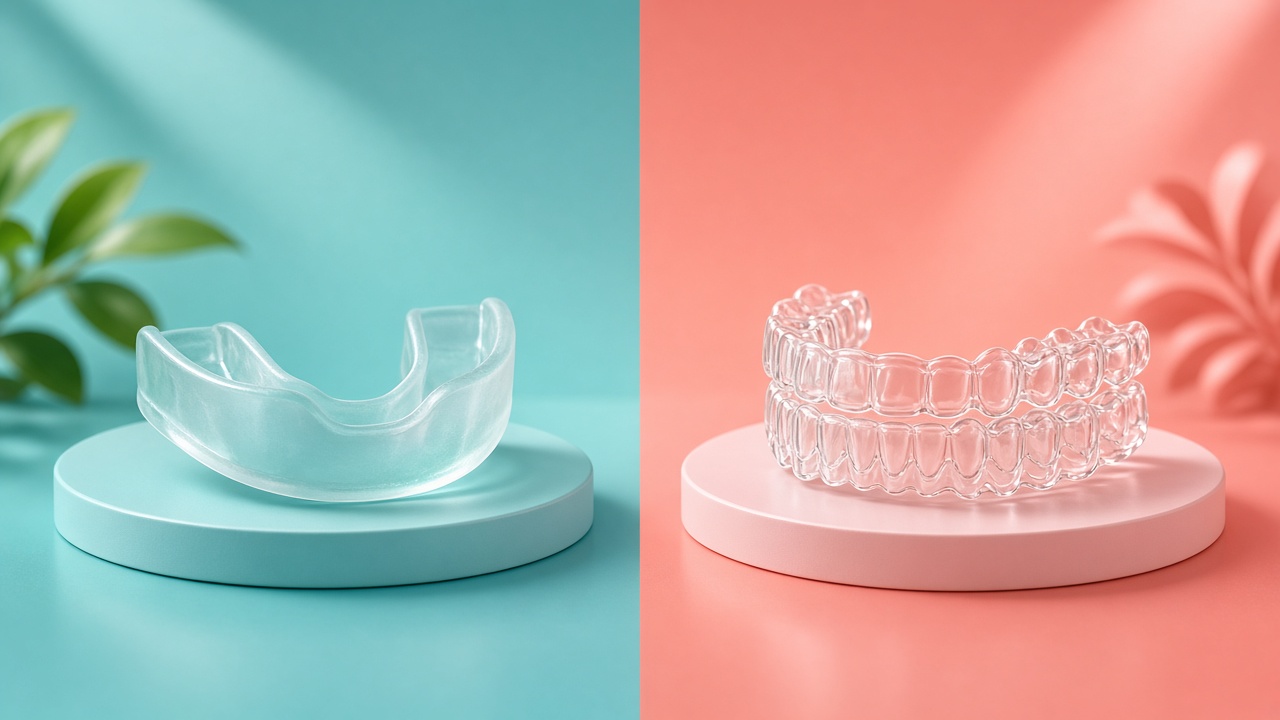
For aligners, read early what the clinic includes in the package: how many refinements, how many retention trays, what bills on top. For braces, read what sits in the fee through debond, how breakages are priced, whether a retainer is included. You then lay those clinic lines over the TPA answer. Gaps between those lines become self-pay.
If the policy has no orthodontics at all, that is also clarity. Then you choose doctor and method from clinic fit and family budget, without waiting for an insurer letter. I work both scenarios. The difference is only how many papers we gather before braces installation or before the first aligner series goes home.
A lifetime limit ends before treatment when the patient counts a “course” and the policy counts invoices. Match the booklet, get remaining balance, close pre-approval, budget retention and refinements. Orthodontics then stays a medical task, and insurance takes its place: a useful, limited payment tool.
Frequently asked questions
Below are answers I give most often when someone sees “Orthodontics” in an app and starts counting on lifetime to carry the course through retention. The questions stay short: that is how people type them into search and into TPA chat. The answers describe lifetime versus annual mechanics, pre-approval, and mid-treatment policy changes, without other companies’ tariff tables. Only your insurer or network administrator confirms remaining balance and which codes draw from the orthodontic ceiling. If this article and your booklet disagree, the booklet and written eligibility win. I build clinical justification and help with the claim pack; limit figures and refusals stay with the policy. Keep a screenshot of remaining balance and the pre-approval letter next to the clinic plan before braces installation or before you order the first aligner series.
How does an orthodontic lifetime limit differ from an annual dental limit?
An annual dental limit usually refreshes each policy year and funds cleanings, fillings, and other dental services under the plan rules. An orthodontic lifetime maximum is a ceiling on orthodontics that does not refill with a new January. After it is spent, new orthodontic invoices stay uncovered even if the year continues. Read exact definitions in your booklet: insurers name the lines differently.
Can the limit run out before braces come off?
Yes. If diagnostics, bonding, activations, and refinements all draw from one lifetime pot, the ceiling can close during the active phase. Retention then often moves to self-pay. Before start, ask for remaining balance and the list of services the TPA assigns to orthodontic benefit. Without that check, a mid-course surprise is ordinary, not a rare glitch.
Do retainers and refinements sit under the same limit?
It depends on the policy. Some products park retainers and refinement aligners inside orthodontic lifetime; others put them under dental annual or under exclusion after active treatment. Ask the TPA directly before debond and before you order a refinement. In the chair I explain why retention is clinically required; only the insurer confirms how the policy pays it.
Do I need pre-approval if the app says “orthodontics covered”?
Yes. For a long course, written pre-approval with amount and codes is the safer path in most scenarios. A marketing line that says “covered” is not an approved invoice. Waiting period, age, network, and cosmetic exclusion can cut payout after bonding. Keep the TPA letter with the clinic plan.
Do UAE plans cover braces for adults?
On many corporate plans, adult orthodontics is excluded or tightly limited; child and teen benefits with an age frame appear more often. Some international premium products give adults more room, again only under your contract. I do not confirm cover from an insurer brand name: you need the booklet and member-services reply on your member ID.
What should I do if I change jobs mid-treatment?
Before you switch, ask HR and the new insurer about ongoing orthodontics, waiting period, and transfer of lifetime history. Ask your current doctor for images, a mechanics description, and a list of invoices already submitted. The new place may need fresh pre-approval. Do not remove the appliance yourself because paperwork paused: book an exam and a retention or continuation plan first.
Does the orthodontist set the limit figures for the insurer?
No. I prepare clinical justification and help with the claim pack. Lifetime sums, co-pay percentages, and refusals belong to the insurer and TPA. Treat any numbers in this article, outside your personal verification, as mechanics illustrations. Before start, match the policy yourself or through a broker or HR.
How do I book, and what should I bring to consultation?
Book an orthodontist consultation. Bring existing images, prior notes, a screenshot of the dental and orthodontics lines in your policy, and (if you already have it) the TPA letter with remaining lifetime. At the visit we review the clinic picture and the next step; method and timeline wait for in-person diagnostics, without result promises and without a guarantee of approval.