I am Dr. Maksut Behruzoglu, a specialist orthodontist with a PhD. I see patients in Dubai and previously practised in Istanbul. Expats ask me the same question in English search terms: orthodontist vs dentist, difference between orthodontist and dentist, who puts braces on. Short answer: a general dentist keeps your mouth healthy: caries, fillings, cleanings, early spotting of crowding. Moving teeth and rebuilding how the jaws meet is planned and led by an orthodontist. According to the American Association of Orthodontists, after dental school an orthodontist completes another 24–36 months of full-time specialty training, about 3,700 scheduled hours focused on tooth movement, jaw growth, and biomechanics. Dubai Health Authority licences list general dentist and specialist orthodontist as separate categories. I do not rank one licence above the other as “better people.” They work as a team. This article covers how scopes of practice split, who places braces and aligners, how an orthodontist differs from a prosthodontist or endodontist, and what to check before you pay for a full bite-correction package in Dubai.
How orthodontist training differs from general dentistry
Confusion starts with everyday language. People say “dentist” for anyone who works on teeth. On a licence and in specialty training, a general dentist and a specialist orthodontist follow different paths after the same basic dental degree. Both finish dental school. One stays in broad practice. The other enters a residency in orthodontics and dentofacial orthopedics. I walked that path myself and see how patients benefit when roles are clear up front. In Dubai the mix gets louder on English cards: dentist, orthodontist, specialist dentist sit together, and many people read the price list before the licence category.
This section covers how a general dentist licence is built, what 24–36 months of orthodontic residency add under AAO and CODA standards, and how to read a card or site before you book: clinic-question vocabulary, without a fight between specialties.
Dental school and general practice
A general dentist is the primary doctor for the whole mouth. They diagnose caries, place fillings, remove calculus, treat pulpitis within their competence, place crowns when a tooth is broken down, and refer to a surgeon for complex extractions. They often notice crowding, a deep bite, wear facets, or a shifted midline first. Their job is to keep teeth healthy and to send you to the right place when the bite itself needs system-level care.
After dental school, the clinician earns the right to practise general dentistry under the rules of their jurisdiction. In Dubai, Dubai Health Authority typically expects a recognised degree (BDS / DDS / DMD or equivalent), internship and clinical experience, plus the exam track for the general dentist category. Document lists and exam names change. Before you relocate or switch clinics, check Sheryan and the current DHA pages rather than recycled blog checklists.
In a busy day a general dentist handles dozens of different tasks, from hygiene to temporary crowns. They may know orthodontic basics from dental school and short courses. That is enough to spot a bite problem and explain why specialty care helps. It is thin ground for leading a complex skeletal Class II or III, an adult open bite, or preparation for orthognathic surgery on your own.
I ask patients to skip ranking a doctor by the “braces fitting” line on a clinic menu. Start with licence category and plan content: occlusion analysis, cephalometric or CBCT imaging when indicated, a retention forecast. If the offer collapses to “ten weeks of trays and the smile is done,” ask questions before you pay for a full package.
Orthodontic residency: what two to three years add
An orthodontist builds treatment around occlusion: how upper and lower teeth meet, how muscles and joints work, how growth shapes the face. Braces, aligners, plates, and retainers are tools. The product is controlled tooth movement in bone with calculated forces, anchorage, and root-resorption risk. Under CODA accreditation standards and AAO materials, an orthodontics programme lasts at least 24 months and includes about 3,700 scheduled hours. Orthodontics Australia uses the same logic in plain language: a dentist is like a family GP for the mouth; an orthodontist specialises in aligning teeth and jaws.
Specialty training goes far past a weekend aligner certification. Residency loads biomechanics, facial growth, cephalometrics, care for children and adults, retention, complications, and interdisciplinary cases. You learn to read jaw compensation, where incisors sit in bone, fenestration risk, and how habits or breathing patterns sit next to “crooked teeth.”
AAO states the point directly: even when a general dentist may legally place appliances in some states or countries, that does not make them an orthodontist. Their analogy: a doctor may extract a tooth without becoming an oral surgeon; they may do endodontics without becoming an endodontist. Bonding a bracket and running a full orthodontic case are different volumes of responsibility.
In practice after Istanbul and Dubai I see the same pattern in adult expats: someone already wore trays “for straight teeth,” left and right bites still mismatched, incisors pushed forward, no retainer prescribed. Retreatment costs more time and money than a specialist plan done first. That is why I treat the first orthodontist consultation with the same seriousness as bonding day.
How to read a doctor’s card and website
Look for wording such as specialist orthodontist. Phrases like “dentist offering braces” prove little on their own. In the UAE, check the category on the DHA licence (or DOH / MOHAP if the clinic sits in another emirate). A PhD or research degree strengthens an academic background; it does not replace recognised post-graduate orthodontics. The useful bundle is basic dentistry plus recognised orthodontic specialty training plus an active specialist licence.
Ask how many orthodontic cases the doctor runs each week, which systems they use, and how often they revise the plan. A clinician who spends the day on bite work spots early loss of anchorage, incomplete space closure, or midline drift sooner. A strong general dentist in a multi-specialty clinic can be an excellent partner for sanitation, and still hand tooth movement to an orthodontist when the case exceeds their training.
Who places braces and clear aligners
English searches such as “who puts braces on,” “orthodontist vs dentist for braces,” and “orthodontist vs dentist Invisalign” ask a practical question. A clinician with the right licence and clinic privileges may fix an appliance. Full tooth movement under an orthodontic protocol belongs with someone who can diagnose malocclusion and hold the result. Braces and aligners are biomechanics over months and years.
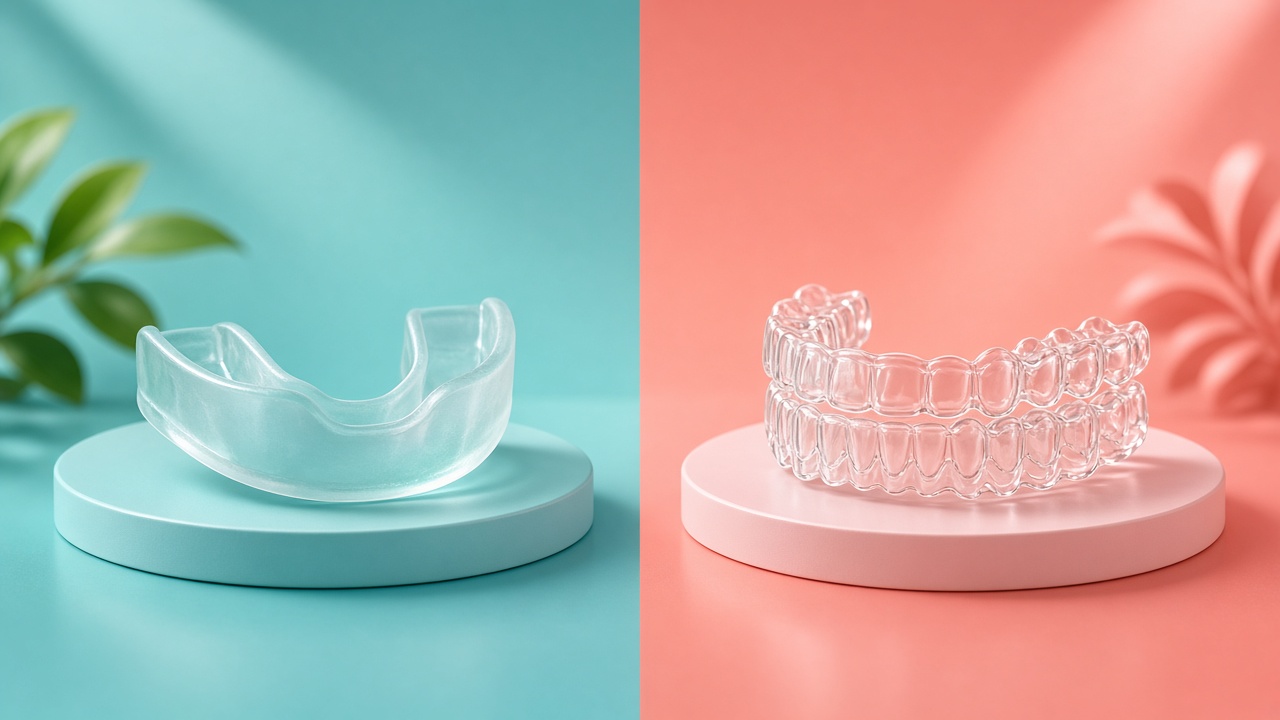
I treat with both braces and aligners. Tool choice follows the problem: crowding, Class II or III bite, open bite, space for prosthetics, flared incisors, asymmetry. Marketing that says invisible trays solve every case does not replace a diagnosis. Aligners work well in correctly selected cases; braces often give more predictable torque and vertical control in others. The clinician decides after diagnostics. The price list comes second.
Braces: who plans and who bonds
Bonding brackets is a technical step. Before it come examination, photo records, impressions or a 3D scan, model analysis, cephalometrics when indicated, sometimes CBCT, and agreed goals (function, aesthetics, space for crowns or implants). After bonding come activations, hygiene checks, plan updates, debond, and retention. The orthodontist owns that chain.
A general dentist still plays a role: treat caries before start, strengthen enamel, extract a tooth on orthodontic indication, place a temporary crown. A surgeon removes impacted teeth. A periodontist stabilises gums in an adult with recession. I assemble that team when the case needs it. Archwire vectors and final occlusion stay inside the orthodontic plan.
Parents sometimes ask whether a teenager can “just get braces” from the family dentist in a network clinic. Whether that is allowed depends on the licence and clinic rules. Whether it is wise depends on growth complexity, skeletal pattern, and relapse risk. AAO recommends a first orthodontic check by age 7 because some problems are easier to catch while the face is still growing. Waiting until “all permanent teeth are in and it is time to glue” often closes the window for simpler growth appliances.
Aligners and the myth that software treats you
Clear trays sell as a product “run by software.” Software stages tooth positions. The clinician sets goals, limits, IPR, attachments, elastics, overcorrection, and retention. Wrong goals produce trays that move teeth exactly where they were sent, including into an unstable place.
I see patients after remote schemes: send impressions, receive trays by post. Some finish with a neat front and no working contacts on the molars. Some develop recession because a root leaves bone. Some relapse within months without a retainer. The trays are not the villain; treatment without specialist clinical control is.
In Dubai, aligners suit many adults who care about aesthetics at work. I offer them when the biomechanics fit, and I say no when braces or a combined approach give safer control. Details on systems and stages live on the aligners page; start still means an in-person diagnosis.
Shared care: sanitation and orthodontics
The clean sequence is simple. First the general dentist brings the mouth to a state where teeth can move safely: caries closed, gum inflammation under control, infection sources cleared. Then the orthodontist leads movement. During treatment you keep professional cleanings with your dentist or hygienist. Braces raise plaque risk; that is clinic fact, not a label against the method.
After debond the orthodontist places retention. A prosthodontist, when needed, finishes aesthetics with veneers or crowns on an already aligned arch. Mixing “orthodontist” with “prosthodontist” is a common English search confusion among expats. Different doors. The next section maps them.
Orthodontist, prosthodontist, endodontist: reading the door signs
UAE English search mixes orthodontist vs endodontist, endodontist meaning, and orthodontist vs prosthodontist. People need a calm map of roles. No “better / worse” ranking between legitimate specialties.
| Specialty | Common licence title | Main focus | Typical procedures | When to book | Link to bite |
|---|---|---|---|---|---|
| General dentist | General dentist | Whole-mouth health | Exams, fillings, hygiene, simple extractions, referrals | Pain, caries, bleeding gums, check-up | Spots malocclusion; sanitises before and during ortho |
| Orthodontist | Specialist orthodontist | Tooth and jaw position, occlusion | Braces, aligners, plates, retainers, growth appliances | Crowding, spaces, Class II/III, open/deep/crossbite, asymmetry | Leads bite correction |
| Prosthodontist | Prosthodontist | Crowns and prosthetic rebuild | Crowns, bridges, veneers, dentures, implant prosthetics | Broken teeth, missing teeth, shape aesthetics | Often after ortho when the arch is aligned |
| Endodontist | Endodontist | Pulp and root canals | Complex canals, retreats, apical surgery | Night pain, apical lesion, failed primary RCT | May treat a tooth before ortho movement |
| Periodontist | Periodontist | Gums and bone around teeth | Scaling under flaps, recession care, implants within scope | Periodontitis, mobility, recession | Judges whether bone allows safe movement |
| Oral surgeon / OMFS | Oral surgeon / OMFS | Surgery of mouth and jaws | Complex extractions, implants, orthognathic surgery | Impacted teeth, skeletal jaw discrepancy | Partner to the orthodontist in skeletal cases |
An orthodontist does not outrank a prosthodontist. A prosthodontist does not sit below an orthodontist. Each owns a different object. A destroyed molar needs a prosthodontist or an experienced general dentist. Flared teeth that do not meet need an orthodontist. Night pain with a canal problem on the radiograph needs an endodontist. Packing all of that into “make me a nice smile” invites veneers on crowded teeth: thicker prep, harder hygiene, compromised long-term care.
I keep the “link to bite” column because adults in Dubai often arrive asking for veneers first. Sometimes limited orthodontics lets the prosthodontist work more conservatively. Sometimes orthodontics is the main path and veneers never enter the plan. That decision comes from a joint discussion among specialists, not a one-week smile package.
When to see a dentist first, when to book an orthodontist
A simple filter helps: does the problem today involve pain, caries, and gums, or tooth position and how the jaws meet? Block one starts with a general dentist. Block two starts with an orthodontist. Many cases need both, in sequence. I do not start active movement in a mouth with acute infection: sanitation first, then biomechanics. Dubai patients often keep a check-up with their own dentist and book a separate orthodontic assessment; that keeps emergency pain apart from a year-long plan.
This section maps where the general dentist leads, where a specialist orthodontist is needed, and where I suggest a second opinion before you pay for a full course. Route markers, not online diagnoses. Exact order comes from exam and images. If you hesitate between two rooms, start with a short orthodontic assessment; it does not cancel dentistry.
Situations where the dentist leads first
Acute pain, swelling, caries, bleeding on brushing, mobility with inflammation, a broken filling, pericoronitis around a wisdom tooth: start with a general dentist or the specialist for that pain. The orthodontist is not the hero of that day. I can look at the bite and say we should return to alignment after inflammation settles, but health risk comes first.
Planned hygiene every three to six months stays with the dentist even in braces. During orthodontics, enamel and gums need closer watch. Patients who vanish from hygiene for a year of treatment more often show demineralisation around brackets. That is a hygiene complication; the fix is the orthodontist plus dentist or hygienist working together.
If you want whitening, schedule it after orthodontics and colour stabilisation, with your dentist. Whitening during active movement follows a agreed protocol when used at all; waiting until the finish is often cleaner.
Situations that need an orthodontist
Crowding, diastemas, deep overbite, open bite, crossbite, midline shift, a lower jaw that sits back in profile, mouth breathing with a narrow upper jaw in a child, space for an implant, alignment before prosthetics: that is orthodontic ground. AAO and Orthodontics Australia agree: aligning teeth and working with jaws is specialty territory.
Adults past 30 or 40 often assume it is “too late.” Age alone is not a stop factor for orthodontics. Stop factors are periodontal support, bone, medical status, and expectations. Adult orthodontics covers those cases: less textbook ideal, more balance of function, aesthetics, and realistic timelines.
A child with early loss of baby teeth, a thumb habit, clear asymmetry, or hard chewing should not wait until “all permanent teeth erupt.” A growth assessment opens windows for appliances that no longer work the same way in adult bone.
Grey zones and second opinions
Sometimes a general dentist offers limited aligners (five to eight trays) to “level two teeth.” In simple dental shifts with a healthy occlusion that can be appropriate if the clinician knows the boundary and will stop. In the grey zone I suggest an orthodontist second opinion before you pay for a full course: thirty to sixty minutes of consultation costs less than retreatment.
Another grey zone is “braces on the upper only” because the patient asked for it. Sometimes that is planned on purpose. Often it breaks occlusion because the lower arch never adapted. An orthodontist explains the cost of that compromise before start. If someone promises “upper only, fast, no diagnostics,” pause and recheck the plan.
Dubai makes second opinions practical: many clinics, many expats mid-treatment from another country. Bring radiographs and photos. I review what is already done and say what can continue, what needs adjustment, and what needs a new strategy.
How Dubai practice works: licences and clinic formats
Dubai’s dental market is dense. Solo specialist rooms, multi-specialty centres, and large networks sit side by side. What matters to you is the name of the clinician in the chair and their licence category. A “dental & smile” fascia explains little. DHA distinguishes general dentist from specialist categories; orthodontists need recognised post-graduate specialty training and the matching exam or registration track. Exact requirements update; verify them on the regulator’s official pages. Salary tables and agency blogs are the wrong source for licensing facts.
Searches for orthodontist Dubai run hot in paid ads: many promises, little time for fine print. I recommend three checks: (1) the clinician’s name on a specialist orthodontist licence, (2) in-person diagnostics before you pay an all-inclusive package, (3) a clear retention plan in the written treatment plan or agreement.
A multi-specialty clinic is a normal format. You can finish sanitation, canals, and orthodontics in one building. Risk appears when marketing sells a “full spectrum” while a general dentist without specialty training runs the bite work. I do not name networks or build anti-ratings. Look at the person in the chair: who diagnoses the bite, who adjusts the wire, who answers when a bracket fails on a Friday evening before a flight.
Fees in Dubai depend on system, complexity, diagnostics volume, and which visits are included. Market guides put a primary orthodontist consultation often around AED 500 as of the publication date; braces and aligner courses follow the ranges you confirm after exam. Insurance covers orthodontics selectively: read your policy and ask the insurer. I do not promise “any card will cover it.”
Personal specialist brands in Dubai work differently from clinic-as-brand. Patients book a named doctor, especially expats who want the plan explained in clear English. My model: you book me as the orthodontist, receive a plan, understand timelines and risks, then decide. If you need a prosthodontist or surgeon, I refer by task. I do not sell “everything in one package” as a default.
What happens at a consultation and how to choose a doctor
The first visit covers the complaint, examination, photographs, imaging decisions, and draft goals. I do not sell braces in the first fifteen minutes. A consultation usually takes 30–60 minutes. You leave knowing which problems exist, which methods are realistic, what order of steps makes sense, and which questions stay open until full diagnostics. For Dubai expats that matters: many already started treatment abroad and need to know whether to continue the old plan.
I keep a separate consultation page so you can bring images from another clinic. The first visit should not force treatment. If someone rushes you to pay for a full course the same hour without radiographs, treat that as a process red flag, badge title aside. Next: questions, records, and signs of a workable plan.
Questions worth asking the clinician
Ask directly: are you a specialist orthodontist on a DHA licence? How many years have you practised orthodontics full-time? Which cases do you refer to colleagues? How often are visits needed on the system you propose? What happens with retention after debond? Who answers emergencies with a wire or a tray?
Ask about alternatives. If you hear only one tool “because it is the most modern,” ask for a comparison. Modern means fit for the case. A manufacturer’s campaign year for trays decides nothing by itself.
Clarify whether the plan includes working molars and bite height, or only the front “for photos.” A photogenic smile without working occlusion often ends in chipped restorations and tired muscles.
Records and images to bring
Useful items: panoramic radiograph, cephalometric film if you have one, CBCT when already indicated, recent face and smile photos, medication list, periodontal notes, summaries from previous orthodontic treatment. If you were treated abroad, bring at least final photos and the date of debond.
No images yet is fine. We order the needed minimum. Starting tooth movement “by eye” without basic diagnostics in skeletal or periodontal cases is the problem.
For children, bring ENT history and habit notes (sucking, mouth breathing, bruxism). Sometimes the orthodontic plan runs alongside ENT follow-up; I say that to parents without drama.
What a solid treatment plan should name
A good plan names the diagnosis in plain terms (upper crowding, Class II occlusion, anterior open bite), goals, method, time range, stages, risks, retention, and cost blocks. “Trays for six months: dream smile” without diagnostics is advertising.
Timelines are ranges. Adult bone often moves slower than adolescent bone; hygiene, smoking, and missed visits shift the calendar. I give a range and explain what moves it. I refuse to guarantee “exactly ready for a wedding in three months” on a skeletal task: that protects you from false expectations and leaves room for safe biology.
If the clinic offers instalments, read what is included: hardware only, or all activations and retainers. Hidden add-ons damage trust faster than a high but transparent estimate.
Risks when bite treatment sits outside specialty focus
I describe risks so you know which questions to ask before start. Orthodontic movement changes root position in bone. Wrong vectors can bring recession, mobility, root resorption, unstable occlusion, TMJ pain, and need for retreatment. These complications appear in experienced teams too; frequency rises when the plan skips full diagnostics or ignores the periodontium.
Adults with thin gingival biotype, patients after periodontitis, cases with marked skeletal jaw mismatch, bruxism, and people who already wore appliances and relapsed need careful force planning and sometimes a joint discussion with a periodontist or surgeon. Copying a blogger’s smile is a poor compass.
Another risk is treating only front aesthetics without canine and molar occlusion. Teeth look straighter on a selfie while chewing load lands on the wrong contacts. Over time you see chipped restorations, wedge-shaped defects, muscle fatigue. An orthodontist looks at the smile and at how teeth work in chewing. If the plan never mentions posterior occlusion, ask for that section.
Remote trays without examination raise the chance of missing caries, periodontitis, or an impacted tooth that blocks movement. A good staging algorithm does not replace a mirror and probe. I use digital plans and still insist on clinical control: scans, photos, periodic in-person visits, readiness to change tactics.
If treatment already runs with a general dentist and the plan feels adrift (trays that will not seat, a wire that injures, timelines doubled without explanation), an orthodontic second opinion is reasonable. Transferring a case to a specialist is normal professional practice, the same way a complex canal goes to an endodontist. You have a right to a safer route without feeling you “betrayed” the first clinician.
At the end of almost every path sits retention: fixed retainer, night tray, or both. Teeth hold memory. Arguments about “who caused the relapse” often start where retention was never discussed up front. I put that block into the consultation before you choose between braces and aligners. Night bruxism is a related topic: sometimes a retention tray also protects against wear, and that belongs in the conversation before finish.
Frequently asked questions: orthodontist or dentist
These are questions I hear in the Dubai chair and see in English search: referrals, whether a general dentist may place appliances, confusion with prosthodontists, children’s routes, canals and wisdom teeth, fees, and network clinic formats. Answers stay short and skip advertising promises. If your case sits outside a typical answer, that is a reason for an in-person review with images. Forum comments save a day and often cost months of retreatment. You can start with a consultation while keeping your general dentist for sanitation and hygiene. I keep this FAQ next to the risks section because that is when people ask the sharpest questions about DHA licence category, the full content of a working plan, and retention after the system comes off.
Do I need a referral from a dentist to see an orthodontist?
In most private Dubai practices you can book an orthodontist directly. A referral helps when your dentist has already started sanitation and can share radiographs, but it is not required for a first visit. Acute pain still belongs with a dentist or urgent dental care first; return to the bite plan after that.
Can a general dentist place braces or aligners?
In some jurisdictions a general dentist licence allows certain orthodontic procedures. That does not erase the difference in training volume: a specialist has years of residency and thousands of hours focused on the bite. For simple situations the clinician and patient decide after an honest boundary talk. For complex bites, a specialist orthodontist is the safer route.
How does an orthodontist differ from a prosthodontist?
An orthodontist moves teeth and changes how the arches relate. A prosthodontist restores tooth form with prostheses, crowns, and veneers. Prosthetic work often follows orthodontics once the arch is aligned and spaces are distributed. If someone offers veneers on crowding without discussing alignment, ask about long-term hygiene and how much enamel prep that plan needs.
Who places braces for a child: a paediatric dentist or an orthodontist?
A paediatric dentist leads caries care and hygiene habits. An orthodontist assesses growth, eruption, and bite; when needed they place appliances or braces. AAO advises a first orthodontic check by age 7. Visit frequency after that depends on findings: observation, early therapy, or waiting for more permanent teeth.
Does an orthodontist treat root canals and remove wisdom teeth?
In the orthodontist role I focus on the bite. Canals belong with endodontics or a general dentist; complex extractions and wisdom teeth usually go to a surgeon. An orthodontist may recommend extraction for space in the plan; another specialist usually performs it. That split is safer for you and clearer on competence.
How much does it cost to start with an orthodontist in Dubai?
A primary orthodontist consultation in Dubai often sits around AED 500 as of the publication date; full braces and aligner courses are calculated after diagnostics and depend on system and complexity. Advertised “from …” figures without an exam are almost always incomplete. Ask what is included: images, activations, retainers, emergency visits. Check orthodontic cover in your own insurance policy.
Can I correct my bite only with a dentist in a network clinic, without a separate orthodontist?
Sometimes the network employs an orthodontist on staff; then the format is convenient. Sometimes a general dentist runs the orthodontic work. Look at the licence and plan of the specific clinician inside the network. I work calmly alongside large clinics; I care about transparent specialist roles. If the website says “full spectrum,” ask for the orthodontist’s name and licence category.
What if aligner treatment has already started and the result feels wrong?
Gather the trays, radiographs, software plan, and book an in-person review. Sometimes attachments need redesign and elastics need adding. Sometimes the system must change or a braces stage is required. The earlier you show a stuck case, the fewer hard compromises you face. Chat with an aligner brand does not replace a clinical exam.