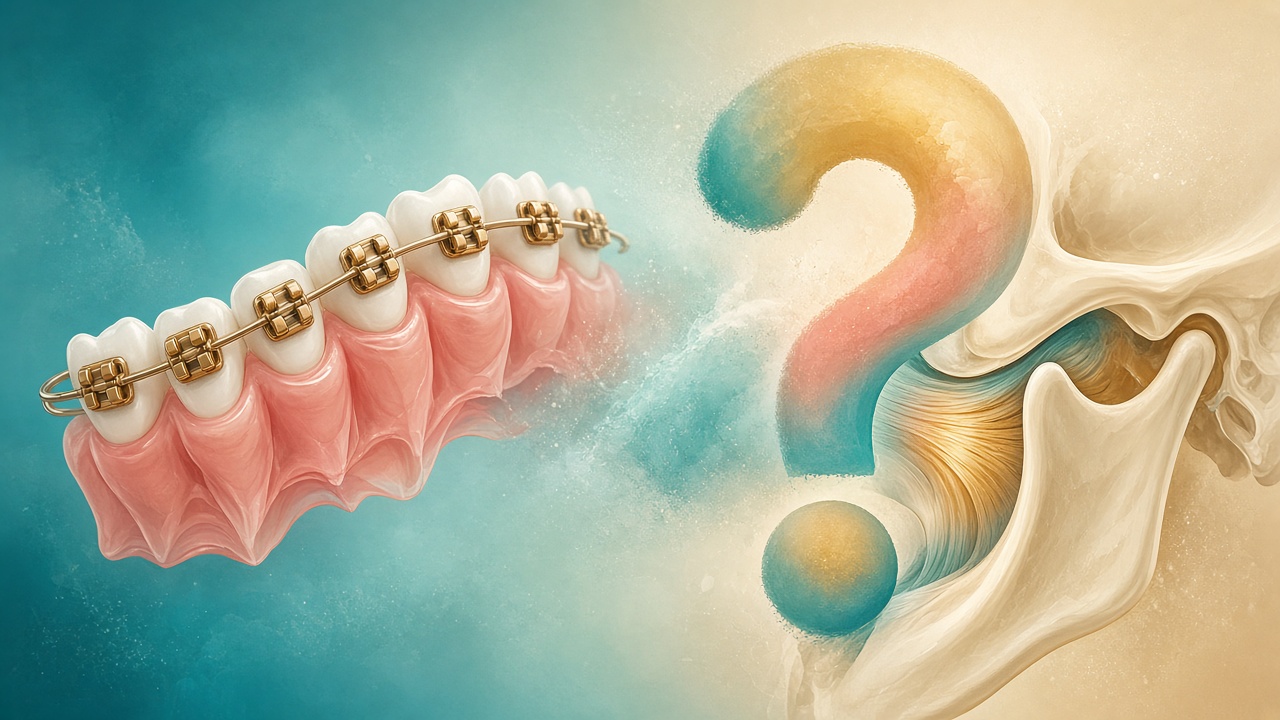
Root resorption during orthodontics means shortening of the root tip while a tooth moves under appliance force. Mild changes on radiographs are common; severe shortening that threatens tooth stability is less common, yet it cannot be ignored. I provide braces treatment in Dubai after years in Istanbul, and on consultation I name this risk before start as plainly as enamel white spots and relapse without retention. Below is what happens at the root, which factors raise probability, how we monitor with imaging, when we pause force, and how an honest consent talk sounds. There is no guarantee of “zero resorption”; decisions for your case follow exam and radiographs only.
Patients arrive anxious after online photos of “thread-like roots.” My job is to remove panic without sanding down facts. Most courses finish with roots adequate for function; some patients show measurable shortening without symptoms; a minority need a plan change or a stop. Review figures describe populations, not your personal forecast.
What happens to a root when a tooth moves
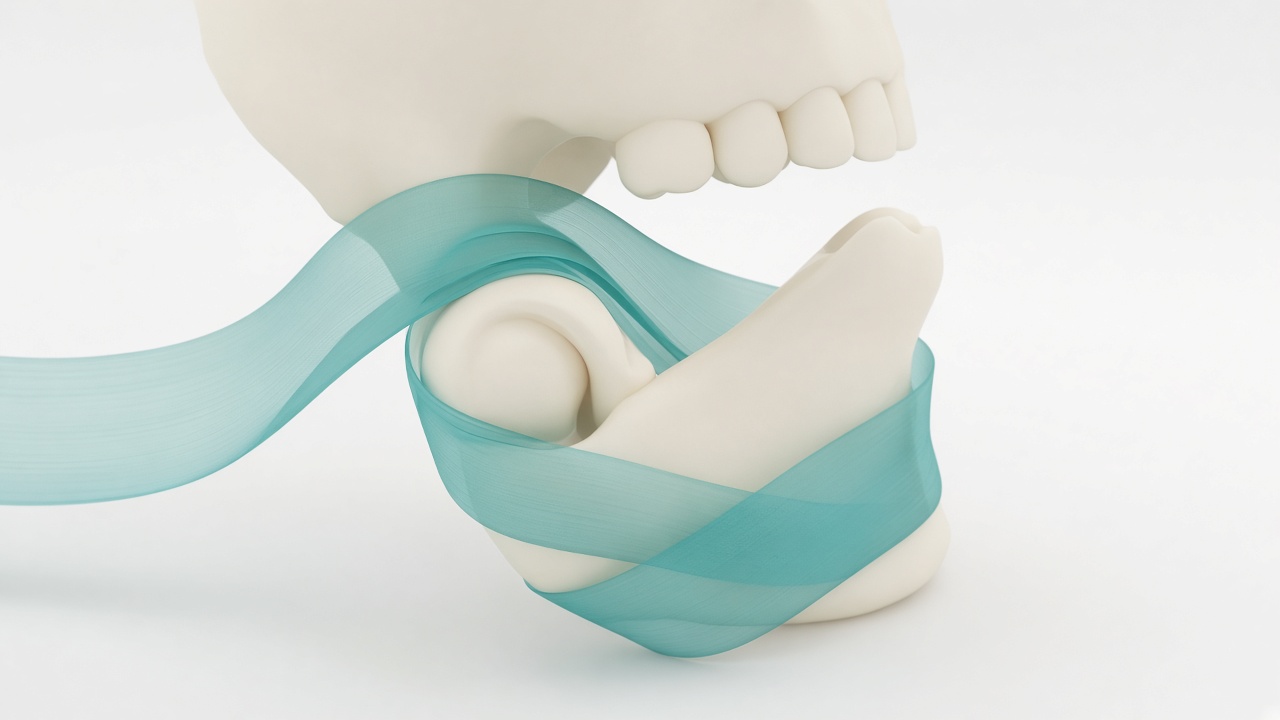
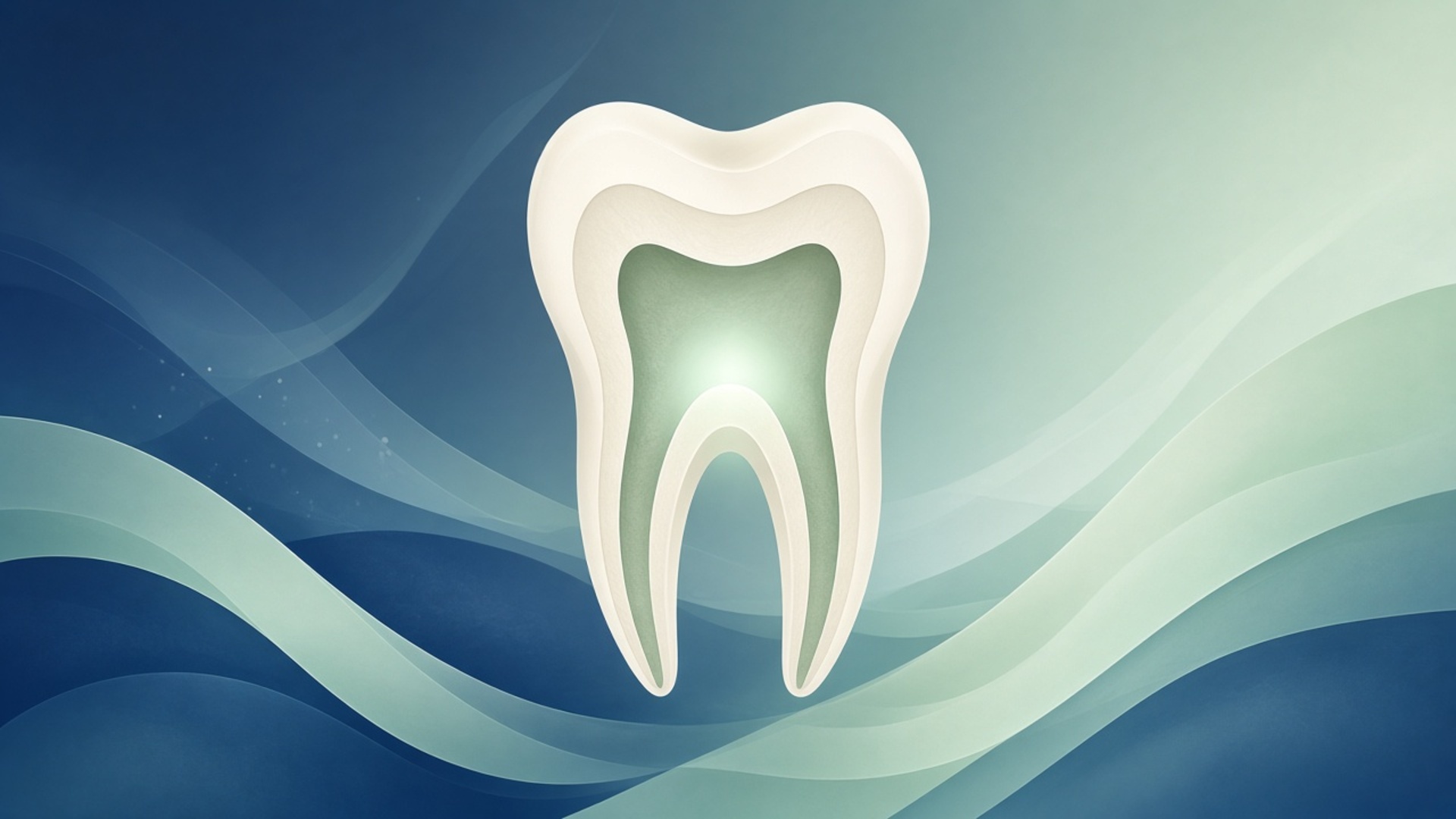
Orthodontic force creates compression and tension zones in the periodontal ligament. In compression, bone remodels; root cementum and dentin near the apex can also lose volume — that is external apical root resorption linked to orthodontics. After force drops, some lacunae may partly repair with new cementum; a root cannot fully “grow back” lost length. We speak of control and minimization, not magic reversal.
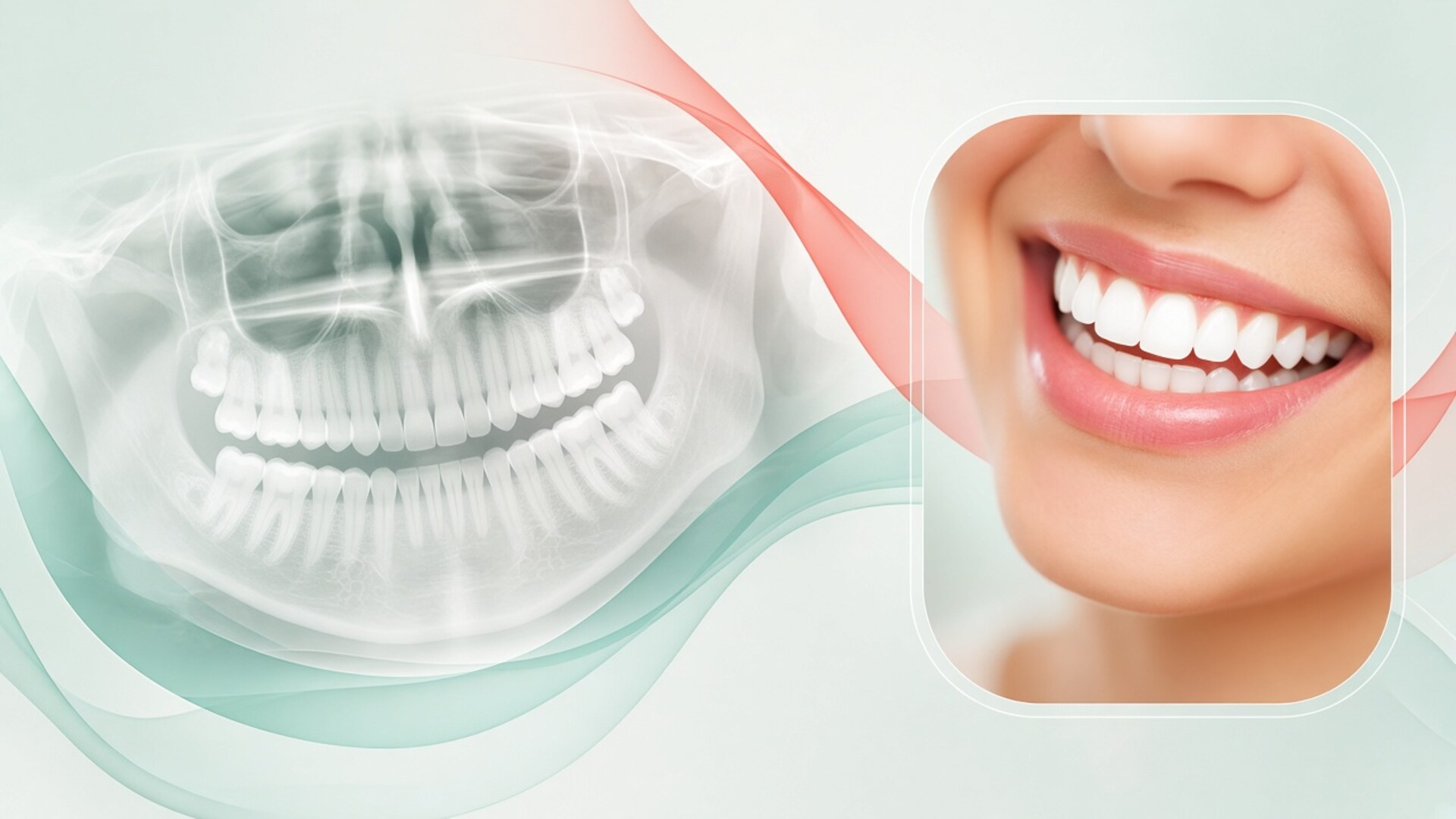
On a radiograph, resorption looks like shortening or blunting of the apex compared with the baseline frame. Upper incisors are involved more often: a long apex path, root torque (root inclination), intrusion, and space closure after extractions. Lower incisors and molars enter the watch list under matching mechanics. Internal canal resorption and post-trauma resorption are neighboring but different diagnoses; they must not be mixed. On consultation I read baseline root shape: short, dilacerated, or “bottle-shaped” roots change the risk talk before bonding. If shape is concerning, I write a denser X-ray schedule into the plan, not “I’ll remember next year.”
Pain after an archwire change is not itself resorption. Most aching phases are a normal ligament response. Red flags are prolonged mobility off plan, crown color change, a sinus tract, or bite pain without an occlusal explanation — then we take a periapical earlier than the calendar. Orthodontics is not the only cause of short roots: chronic inflammation, trauma, some systemic conditions, and endodontics also sit in the differential. So “braces are automatically guilty” is a false label without a baseline comparison.
I separately explain physiologic resorption of primary tooth roots in children versus pathologic change on permanent teeth in teens and adults. Parents sometimes confuse terms after a school search. Here we mean permanent teeth under orthodontic force — different biology, different decisions. Adults in Dubai who forgot a decade-old ball impact or scooter fall often recall it only when the intake form asks directly.
Dubai patients often bring films from different clinics and countries at uneven quality. I ask for a baseline panoramic or periapicals before braces start when they exist: without a baseline we cannot honestly say what changed during the course. If no baseline exists, we record current length and monitor from that point with a chart note. Film quality matters too: blur and steep head tilt can mimic shortening, so disputed comparisons get a periapical retake in our clinic before we declare a hard pause.
How common and how serious is the risk
Root resorption with braces is a known side effect of orthodontics that professional associations place on the standard informed-consent list. Reviews and clinical guidelines on external apical root resorption agree: some degree of apical change on a subset of teeth is not rare; severe length loss that threatens tooth survival is relatively uncommon. “Uncommon” does not mean “impossible for you.” I calibrate the talk to your baseline film, movement plan, and trauma history, not to a scary feed screenshot. Dubai adults often compare themselves with a teen relative who finished “perfectly” — different roots, forces, and timelines. Below is how I separate mild, moderate, and marked pictures on film, what patients usually feel or do not feel, and why someone else’s nightmare case travels poorly onto your mouth without chairside diagnostics.
Mild, moderate, and marked pictures on film
Mild resorption is blunting or slight shortening relative to baseline; the tooth is stable, the canal is traceable, complaints are absent. Moderate means clear length loss on one or several teeth, often incisors; we revise the plan, lighten force, or pause. Marked shortening can threaten the tooth’s outlook; we limit or stop aggressive movement of that tooth and involve an endodontist when indicated. Millimeter cut-offs on guideline paper help clinicians; for patients I show side-by-side films on screen, not an abstract scale.
The same millimeter on a long root and on an already short root reads differently. “Everyone gets this” is a poor argument for calm or for panic. Decisions follow your frames and clinic findings. I prefer two dates on one screen: baseline and control. Families see millimeters, not a search-term abstraction. If films came from different machines, I name comparison error before we choose a pause.
What you feel — and often do not feel
Most patients with mild resorption on a control film feel nothing special. A tooth may be slightly more mobile in an active movement phase — expected in orthodontics. Symptoms appear with pulp inflammation, trauma, infection, or strong mobility. Lack of pain does not cancel scheduled radiographic monitoring. Pain does not automatically prove resorption: we first hunt occlusal interferences, a loose bracket, or a wire end.
I ask you to report pain lasting more than five to seven days after activation, a tooth that seems to “grow” out of the arch, or unexplained night pain. Those are reasons for an unscheduled film, not for internet self-diagnosis. Do not wait a full month if one tooth suddenly becomes far more mobile than its neighbors without a wire explanation. A message with an occlusion photo and the last activation date helps decide whether you need an urgent Dubai slot.
Why other people’s photos travel poorly to your case
The web shows extremes: perfect roots and disasters. Without a baseline, treatment time, force history, and trauma background, a photo is useless for your forecast. Genetics and root morphology explain part of the variation; evidence for specific gene tests is still limited, and I do not promise a genetic screen as a mandatory Dubai step. The practical path is information before start, light forces, a realistic timeline, films during care, and a pause if progression appears. That path lowers the chance of a severe outcome; it does not issue a certificate that “this cannot happen to me.” If a previous orthodontist abroad never took mid-treatment films, we cannot reconstruct dynamics after the fact — we start monitoring from a new baseline with higher attention.
Risk factors: what raises probability
Resorption risk mixes traits of your mouth with how the braces plan is built. Evidence grades for single factors in guidelines are often low or very low — honestly, we lean on patterns of observation and caution, not one magic predictor. Clinic still recognizes repeating signals: long treatment, large apex movements, extraction with long space closure, heavy continuous force, short or anomalous roots at baseline, and a history of trauma to the incisors. On consultation I gather those rows into one risk map before bonding and say them aloud without soft focus. Below is what I check on the patient side, what I change in mechanics when risk is high, and how retreatment relates to risk in modern reviews without false guarantees.
Patient side: roots, trauma, history
Short, curved, forked, or pipette-shaped roots at start raise monitoring attention. Trauma to front teeth in childhood or sport gets its own note: even “healed long ago” can leave a vulnerable apex. Endodontically treated teeth can move; prognosis is discussed with canal fill quality in view. Systemic disease and drugs that affect bone metabolism go on the intake form — orthodontics does not replace your physician’s advice on general health.
Age alone is not a ban. Adults and teens both sit in the risk zone; adults more often bring periodontal and restorative background. Sex and “family tendency” come up in conversation, yet without a clear clinical test I do not build the main forecast on them. The intake asks about facial trauma, gym impacts, old incisor injuries, and endodontics — short answers that change film frequency more than the age on an Emirates ID.
Plan side: time, force, extractions, elastics
Long courses and long use of stiff rectangular wires are linked with higher risk in reviews — evidence is often low, yet the clinical sense is clear: do not stretch treatment without a goal. Heavy continuous force and large apex travel of upper incisors deserve caution. Premolar extraction with long space closure and marked incisor torque raises film attention; I say that before extraction consent. Anterior vertical elastics and Class II elastics also appear among possible contributors in the literature — I dose and monitor them.
“Faster at any cost” through aggressive activations is a poor strategy here. I would rather add a month of control than force a wedding date with apex aggression. If you insist on maximum speed despite a short root on baseline, I document refusal of a gentle protocol in writing or decline to run that plan. Speed without apex respect is not service; it is risk.
Retreatment and myths about appliances
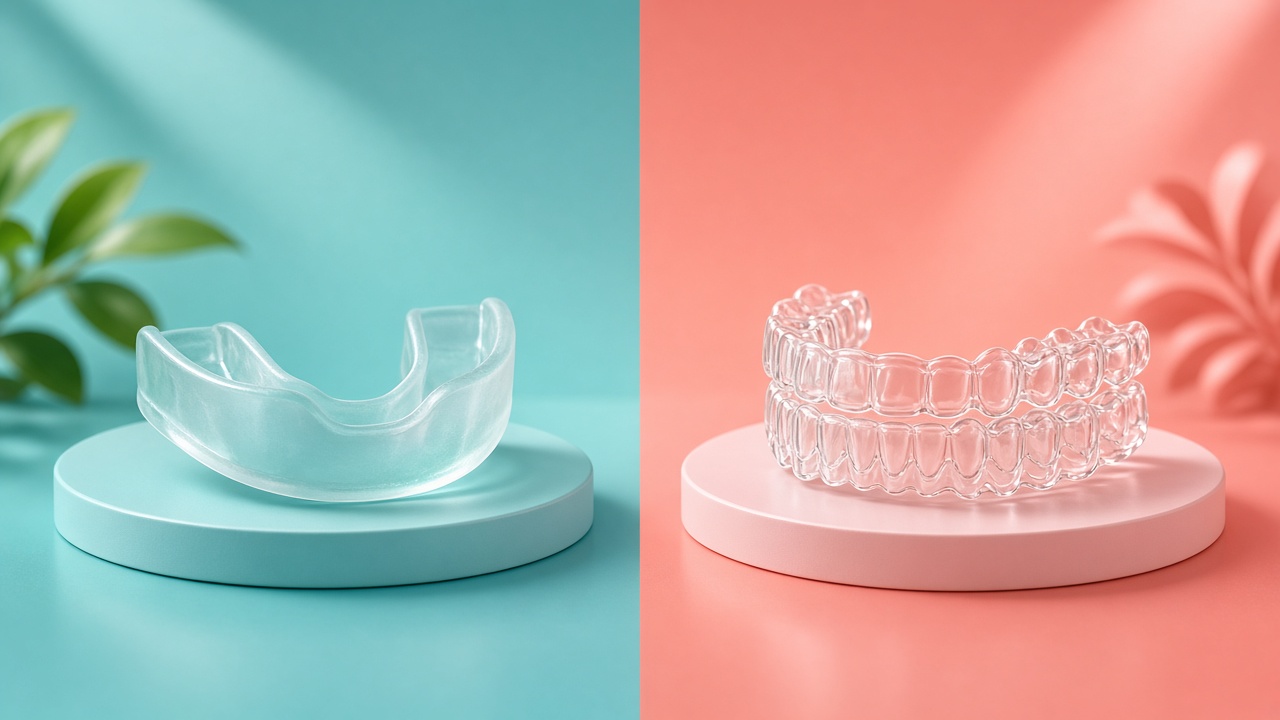
A second orthodontic course does not automatically “double” resorption in several datasets: tissues after the first course partly repair lacunae. That is not an invitation to endless retreatments without indication. The myth that “aligners are fully safe for roots and metal is always dangerous” does not hold: resorption tracks movement and force, not the marketing name of the appliance. The myth that self-ligating brackets cancel risk is not proven as universal protection. Appliance choice on the braces page is about biomechanics and hygiene for your case, not an indulgence from resorption. The same applies to aligners: wear hours and step size load the apex. Invisibility does not repeal remodeling laws at the root tip.
How we monitor roots during treatment
Monitoring is the practical core of reducing severe outcomes. European clinical guidance on orthodontically induced external apical root resorption and reviews of periodontal complications stress that periodic films let us see a problem while the plan can still change. A common practice range is control imaging about six to twelve months after active force starts, earlier with high risk or symptoms; after a finding, another film about six months later during a pause or plan change. Your exact schedule is written in the chart: it depends on extractions, incisor movement volume, and baseline root morphology. Refusing films “because of dose” without an alternative leaves us blind — we weigh dose and need together in the chair. Below are which films we use, how we compare with baseline, and what visits change once resorption is already visible on the frame.
Which films and why
A panoramic overview shows arches and roots; periapicals refine incisors with less projection error. CBCT (3D) helps in complex questions but is not ordered for everyone without indication: dose and need are clinical decisions. In Dubai, insurers cover repeat films unevenly — verify with your policy administrator; medical need for monitoring does not vanish with a denial letter. I keep the baseline in the chart and show comparison on screen so the talk is about millimeters, not fear of the word “resorption.” If the policy refuses to pay for a control film, we discuss self-pay as part of safe course management — cheaper than blind acceleration.
Baseline comparison and chart notes
Without a starting film, “shortening” is arguable: the root may have looked that way before braces. Baseline before bonding is standard. If you change doctors mid-course, bring digital files, not only a poor paper print. I record date, film type, teeth with change, and the decision: continue, lighten force, pause, endodontic review. Transparent notes protect you and continuity if you leave the UAE. I ask you to keep a copy of control films on your phone: when clinics change, that cuts arguments about whether shortening existed.
What visits change after a finding
A mild finding often means closer recalls and gentler activations, sometimes a pause on selected teeth. Moderate and marked pictures trigger a talk about pausing active force for about two to three months with a passive wire, as described in clinical reviews: the aim is to give cementum a window for partial lacuna repair. Then a control film. If progression continues after restart — we simplify the plan, narrow goals, and exclude some teeth from aggressive movement. That is not punishment; it protects the tooth’s outlook. I warn early that a pause can shift the finish date: better heard before bonding than as a mid-course surprise. Families with a hard relocation calendar get that talk in the first planning visits.
When we pause force
A pause of active orthodontic force is a working tool, not a treatment failure. When a film shows meaningful or progressive resorption, I explain why movement stops: lower load on the apex, give the periodontium a window for cementum repair, rebuild goals. A classic literature range is about two to three months of a passive period followed by a control film; exact timing and form (passive arch, removal of some elastics, temporary stop of Class II pull) depend on your picture. During a pause, hygiene and visits do not freeze: caries and gums still need attention.
Dubai patients worry that a pause will break a visa timeline or a move date. I draw the fork plainly: a short pause now versus deeper root shortening for a calendar. The choice is yours after facts; I do not sign a plan that knowingly ignores progressive resorption for speed. If resorption grows again after restart — we change mechanics, shrink volume, sometimes finish active care earlier than ideal aesthetics with stronger retention. A compromise finish with living roots beats a perfect smile on weakened apices.
Sometimes a pause pairs with an endodontic assessment: sensitivity, color, pulp tests. Not every shortened apex needs canal treatment; the decision is shared. Orthodontics does not “fix” lost root length by filling a canal — endodontics serves other goals. Internet confusion of those roles scares more than the facts. Patients ask whether the tooth will “die” after shortening on a film. The answer depends on residual length, periodontium, load, and hygiene; there is no automatic sentence. I name a forecast range after the control film, not before it.
After any pause we renew informed consent for the new scope: what still moves, what stays, what monitoring follows. Written clarity reduces the feeling that “treatment broke.” Treatment adapted to tissues — that is how responsible braces care should run.
I discuss sport separately: an impact to the incisors during the course is a reason for an unscheduled film even without strong pain. A gym mouthguard lowers trauma risk but does not cancel orthodontic monitoring. If trauma predates treatment, it enters the start risk map, and I do not promise the same reserve as for an uninjured incisor. The chart also notes which teeth are excluded from aggressive root torque or intrusion after a finding: the next doctor abroad should see both the resorption fact and the mechanical limit we chose. During a pause I still ask for hygiene at active-course level: plaque at brackets does not wait while we protect the apex.
Risk levels and typical clinic actions
The table below is a conversation map for consultation and recalls. It is not selfie self-diagnosis and not an outcome promise. Rows help explain why I request a film or call a pause. Your plan may differ after exam. I ask patients to keep a photo of this table from the handout: under stress after a control film it is easier to recall what “pause” means than to reread a long text at night.
| Situation | What we see / expect | Typical monitoring | Force change | When attention rises | Patient note |
|---|---|---|---|---|---|
| Start, usual risk | Normal roots, moderate volume | Baseline + control ~6–12 mo | Standard light forces | Symptoms earlier | Risk named before bonding |
| Start, high risk | Short/anomalous roots, trauma, large incisor moves | Earlier control, periapicals | Gentle mechanics, realistic goals | Extractions + space closure | Consent more detailed |
| Mild resorption on control | Slight shortening, stability | Closer films per plan | Less aggressive activations | Pain / mobility | Often continue carefully |
| Moderate resorption | Clear length loss | Pause + film ~2–3 mo later | Passive period, revise goals | Progression after pause | Honest compromise talk |
| Marked / progressive | Substantial shortening | Individual schedule, specialists | Stop aggressive move of that tooth | Threat to tooth outlook | Priority: keep the tooth |
| Doctor change, no baseline | No starting film | New baseline immediately | Do not accelerate until assessed | Any symptoms | Chart caveat |
| Trauma during course | Impact, mobility | Urgent film | Local pause | Color change | Do not wait a month |
| Finish with prior finding | Stabilization after course | Retention + films as indicated | No new force on risk tooth | Late symptoms | Retention still required |
AED fees for films and pauses depend on clinic and policy; I quote figures in the plan with a price-list date. Do not copy a neighbor’s invoice: diagnostic volume differs. UAE insurance coverage for orthodontics and radiographs must be verified with your insurer — rules change, and I do not replace a third-party administrator (TPA). The table also separates search anxiety from clinical action. In a usual-risk start zone, the job is baseline and planned control, not daily fear. In a high root-vulnerability zone, the job is to accept denser films and possible goal compromise without treating that as defeat.
Consent before start: calm facts, no guarantees
Before braces bonding I include root resorption in the risk list beside enamel demineralization, gingivitis, and relapse. The American Association of Orthodontists (AAO) consent materials expect discussion of possible adverse effects; UK consensus work also places apical resorption among topics named before treatment. My wording is simple: tooth movement carries a non-zero risk of root shortening; we reduce it with force, time, and films; we change the plan if progression appears; there is no full guarantee.
I show your baseline film and mark teeth of higher attention. If the plan includes extractions and large incisor travel — I say that as a separate sentence, because literature links those scenarios with greater attention to orthodontically induced external apical root resorption. You may decline volume, choose a compromise, or delay start — normal answers to an honest risk, not weakness. Refusal of part of an aesthetic goal to spare root reserve is recorded as calmly as consent to a full course.
During the course I do not hide control films “to avoid scaring you.” Fear from a hidden finding two years later is worse than a calm talk today. If you leave Dubai for months, we plan who takes the control radiograph and how the file reaches the chart. Changing doctors without films creates a blind zone; better not to invent one.
Parents of teens hear the same risk list as adult patients. I speak to the teen directly, without reducing it to “nothing serious.” Fear is better met with questions on consultation than with silence until the control film. If a family refuses any radiograph on principle, I document the monitoring limit and related boundaries in the plan in writing.
After treatment, retention remains necessary even if resorption appeared during the course: arch stability and root health are different jobs. Ten-year forecasts for a single tooth I answer carefully: residual length, periodontium, load, and hygiene decide more than one word in an old note. I do not give online forecasts from a root photo. If a control film shows stability after a pause, we restart with small steps and film again on a new schedule. If progression returns — we narrow goals and strengthen retention earlier. I name that priority before start so an event calendar does not overrule apex biology mid-course.
FAQ: root resorption and braces
Will I definitely get root resorption if I get braces?
No. Risk is non-zero and outcomes are individual. Mild changes are more common than severe ones. Forecasts follow your films and plan, not a stranger’s case online. I do not promise “perfect roots for everyone,” and I do not paint catastrophe without your frames.
Can the risk be avoided completely?
Not completely. It can be reduced: information, light forces, realistic time, monitoring, pause on progression. A promise of “zero risk” would be dishonest. Declining orthodontics is also a choice — we discuss it when roots are already very short.
How often are films taken during treatment?
A common range is about six to twelve months from start, earlier with high risk or symptoms. Your exact schedule sits in the chart after consultation. An unscheduled film can follow trauma, sudden mobility, or unexplained pain.
Does root shortening hurt?
Often there is no special sensation in mild forms. Pain needs a cause search: occlusion, inflammation, trauma, pulp. Pain neither replaces a film nor cancels one. Do not endure night pain for weeks because “everyone with braces feels that.”
What does a treatment pause for resorption mean?
We temporarily reduce or stop active force, give tissues a window, then take a control film and decide on continuation. Timing is often about two to three months — case-specific. Hygiene and visits continue during the pause.
Are braces more dangerous for roots than aligners?
Resorption tracks movement and apex load. The appliance brand alone is not an indulgence. Choice follows biomechanics and daily life, with the same monitoring principle. “Invisible trays without risk” is marketing, not a clinical fact for every plan.
Do I need root canal treatment if a film shows resorption?
Not always. Endodontics follows its own criteria (pulp, infection), not every apical shortening. Decision after assessment, sometimes with an endodontist. Do not book canals only because of a frightening post without your own film.
Should I refuse orthodontics out of fear of resorption?
The choice is yours after facts about your mouth. For many people, alignment and bite benefit outweigh a managed risk. For already short roots and huge movement volume, a talk about compromise or declining part of the goals is ordinary medicine, not weakness. We fix the plan on consultation before braces start. Bring a written question list — it helps keep the risk talk calm and complete.