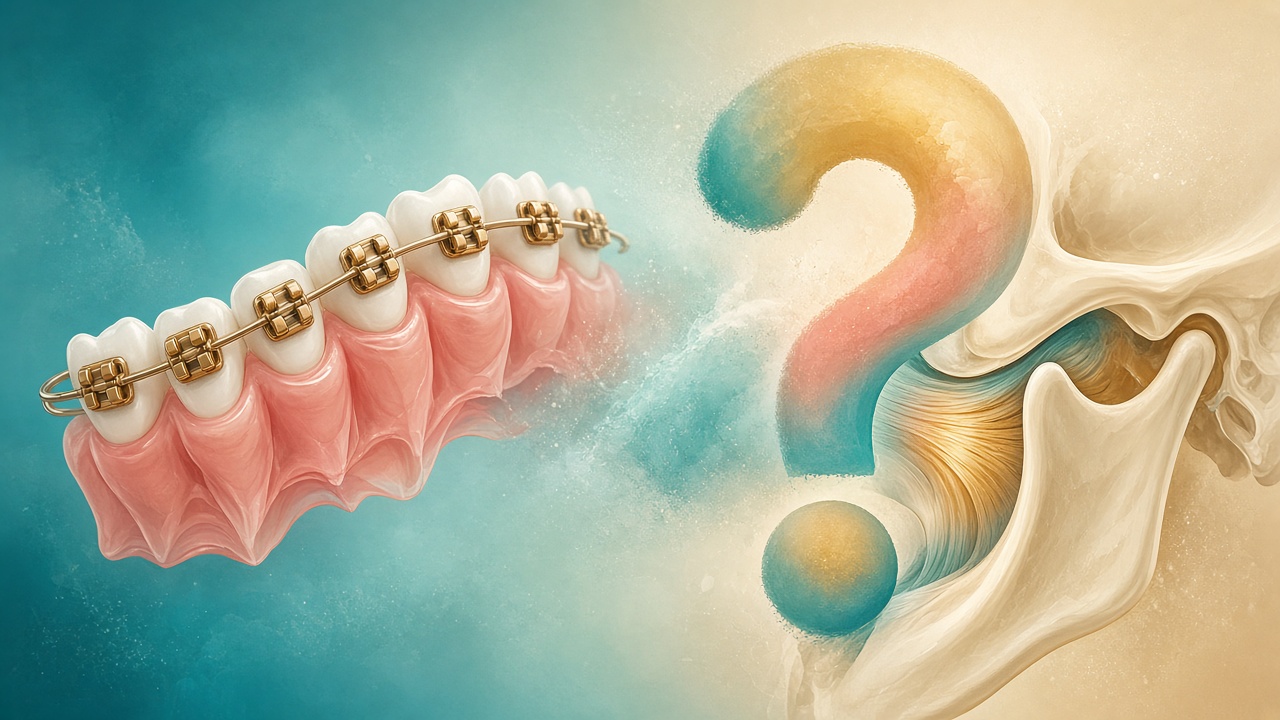
You book an orthodontic visit because you see crowding or a bite that worries you. At home your teenager says a flat no. Braces for teenagers then turn into a household fight: threats, bargains over a phone, tears before bonding day. I provide braces treatment in Dubai after years in Istanbul. Refusal usually sits on three pillars: fear of pain, fear of metal on photos at school, and the feeling that adults decided for their body. The American Association of Orthodontists (AAO) advises a first orthodontic check by age seven — a screen, not an automatic start. In the teen years we decide whether to begin a full course now or watch and wait. Below I cover negotiation without force, Dubai school and social life, when clear aligners fit a teen who rejects the metal look, and when delay is safe versus harmful. Diagnosis and timing come from an orthodontist consultation and records. I do not prescribe braces from a single chat photo.
Why teenagers refuse braces
A short “I won’t” rarely means “I don’t care about my teeth.” Behind it sit concrete fears: pain, food, speech, class photos, chat comments, another adult decision about the body. In the chair I hear one story; at home parents hear another. A teen may nod at the consult and melt down that evening. That is control defending itself when control already slips. Force (“we’re bonding Friday, end of discussion”) often buys a bonded arch and weak cooperation: no wax, skipped elastics, poor brushing. Research on removable appliances in adolescents links wear to trust, clear instructions, and family support. Fixed braces remove the “forgot to put them in” risk, yet not hygiene sabotage or missed visits. I map the refusal reason before I talk systems. Here are three layers I hear often in Dubai expat and mixed-language families.
Fear of pain, food, and “metal in my mouth”
Teens borrow horror stories: two days without eating, cheeks cut, a wire that stabbed. The real picture is narrower. The first 48–72 hours after placement and after an arch change bring dull pressure. Hard food goes soft and cut small. Wax covers sharp edges. I describe day-by-day expectations before any decision, without promising zero sensation. Food fear often outruns pain fear: school lunch, a class restaurant outing, training after lessons. Metal feels foreign; the tongue hunts brackets; speech can shift for a day or two. Wind-instrument players and debate kids get a separate adaptation talk from me, not a shrug of “you’ll get used to it.” A first-day fridge stocked with yoghurt, soup, soft rice, and cut fruit calms panic more than “just tough it out.” Parents help by buying wax early and showing how to press a piece on a sharp edge so the teen is not helpless in a school bathroom.
School photos, chats, and peers
Dubai schools mix cultures and shared photo threads. One comment under a selfie outweighs a lecture on bite. Teens fear a metal smile on sports day, graduation shots, Stories. If half the year group already wears braces, metal normalises. If peers wear clear trays, metal feels “old.” I ask what exactly the camera shows that hurts: front smile, side view, coloured ties? The answer steers ceramic, lower-profile brackets, or aligners. Hiding shame wastes the visit; shame drives refusal in many families who arrive saying the child is “absolutely against it.” One practical note helps: at two metres, small brackets read softer than on an arm’s-length selfie — and the teen can choose which shots to post in the first months.
Adult control and loss of choice
Announce treatment over dinner (“Friday we bond”) and refusal is almost guaranteed. The teen hears: this body is not mine. Even when braces are clinically indicated, I ask parents to leave the teen a voice — tie colour, sports questions, timing around exams. Studies on removable wear link poor adherence to feeling that treatment is done to them. Fixed appliances still suffer when start day feels like punishment. My first-visit job is to put the teen in the room as a participant: they hear the diagnosis, ask questions, see the images, and picture six and eighteen months ahead. A one-page mini-plan — “decide today / decide after records / choose yourself” — cuts the ambush feeling.
How to negotiate without forcing treatment
Home talks work when you separate medical fact from emotion. Fact: crowding, a protruding incisor at risk of trauma, crossbite, wear on enamel. Emotion: shame, fear, anger at control. Mixing them in one line (“you’ll look terrible without braces”) can freeze dialogue for months. I suggest a short cycle: one calm home conversation, one orthodontic visit with no same-day bonding promise, then a family decision with a start date or a monitored watch plan. Dubai families often live under IB calendars, A-levels, and relocation windows — calendar pressure tempts force. Force fills a slot and empties hygiene three months later. Two extra weeks of negotiation often costs less than half a year of quiet sabotage. Below: roles at home, words that help, and when the clinician’s voice should lead.
Roles at home: parent and teenager
Parents own health decisions and payment. Teens own daily course life: brushing, wax, elastics, aligner hours, messaging the clinic after a break. At home I ask parents to speak from their own worry (“I fear a front-tooth injury in football”) rather than diagnose (“your bite is awful”). Give the teen time to name three fears out loud or on paper. Bring that list to the consult; I answer each point with a fact or an appliance option. If a parent promises “zero pain,” I look like a liar later. An honest sensation range travels better. Keep the talk off-stage — no younger siblings as audience, no WhatsApp replay for relatives. Public shame hardens refusal.
What to say — and what to park for later
Useful frames: “First exam and records only; we will not bond that day if you’re not ready.” Useful school questions: “Which month is calmer — after midterms or during break?” Ultimatums tied to gifts (“braces for a new phone”) backfire. Sibling comparisons backfire. Public scolding at family dinners backfire. Park price talk until after a clinical plan; a number without a diagnosis turns the fight into bargaining. Dubai fees vary by system and scope; I quote after examination, with a price-list date, without a one-price-for-all promise. If the teen asks “can we do nothing,” I coach parents to answer “delay is safe in some diagnoses and unsafe in others — the exam decides,” not “we already decided.”
When the orthodontist should speak first
Some homes are stuck in shout–silence–shout loops. Then a visit where the clinician talks and the parent stays quiet for the first fifteen minutes helps. I show models, a panoramic image, bite photos. The teen sees trauma risk or enamel wear, not “mum’s vanity project.” If school counselling or family therapy is already in play, I do not shame that path; chronic fights about the mouth often sit deeper than orthodontics. In those cases I may offer a monitored window when the clinic picture allows delay without harm. The third voice works when the parent agrees in advance not to interrupt or “translate” the teen into adult language over their words.
Dubai school life, sport, and social pressure
School days run long: bus, lessons, after-school sport, event photos, class chats. Teens count minutes to lunch and fear they “won’t chew” or that food will stick on brackets. Bathroom hygiene is real life — a compact brush, interdental brushes, water after eating. I pack a short checklist for the backpack, without lectures. Contact sports — football, rugby, hockey — need a mouthguard over braces; that talk belongs before start day, not after a lip injury. Wind instruments and oral exams: the first days adapt speech and embouchure; lingual appliances bring a different speech load and do not suit every student. Social media: some teens claim coloured ties as style; others want maximum low visibility. Both work if hygiene holds. I never promise classmates will not notice — they will. The job is to make visibility bearable and tied to a clear finish line. In two-parent homes one adult may push “invisible at any cost” while the other pushes “just bond metal.” The clinic picks by diagnosis and the teen’s real discipline, not by ad preference.
Dubai school calendars after a relocation often feel denser than families expect. Midterms, mocks, inter-house events, class trips to another emirate sit higher in a teen’s head than “a few millimetres of crowding.” I ask for a three-month calendar with weeks when the mouth should stay calm: oral exams, concerts, season finals. We avoid bonding and major wire steps in those windows when we can. Small activations usually land softer. If the student is on a British or American track with a heavy oral block, the first days after bonding fit holidays or a weekend better than a Monday before a presentation.
Cross-border summers, grandparents abroad, and mid-year school moves across Dubai are common. I ask families to name absence windows before we start so we can choose an appliance and visit rhythm that survives travel. Fixed braces tolerate a month without activation differently by stage; removable trays demand wear discipline on the road. The suitcase needs spare wax, interdental brushes, an aligner case, and clinic contacts if a bracket fails in another city. That lifestyle layer sits next to the bite on the consult agenda. Families who ignore logistics and chase only the smile in an ad return more often with a broken schedule and an angry teenager.
Metal, ceramic, or aligners when “no metal smile” is the hard line
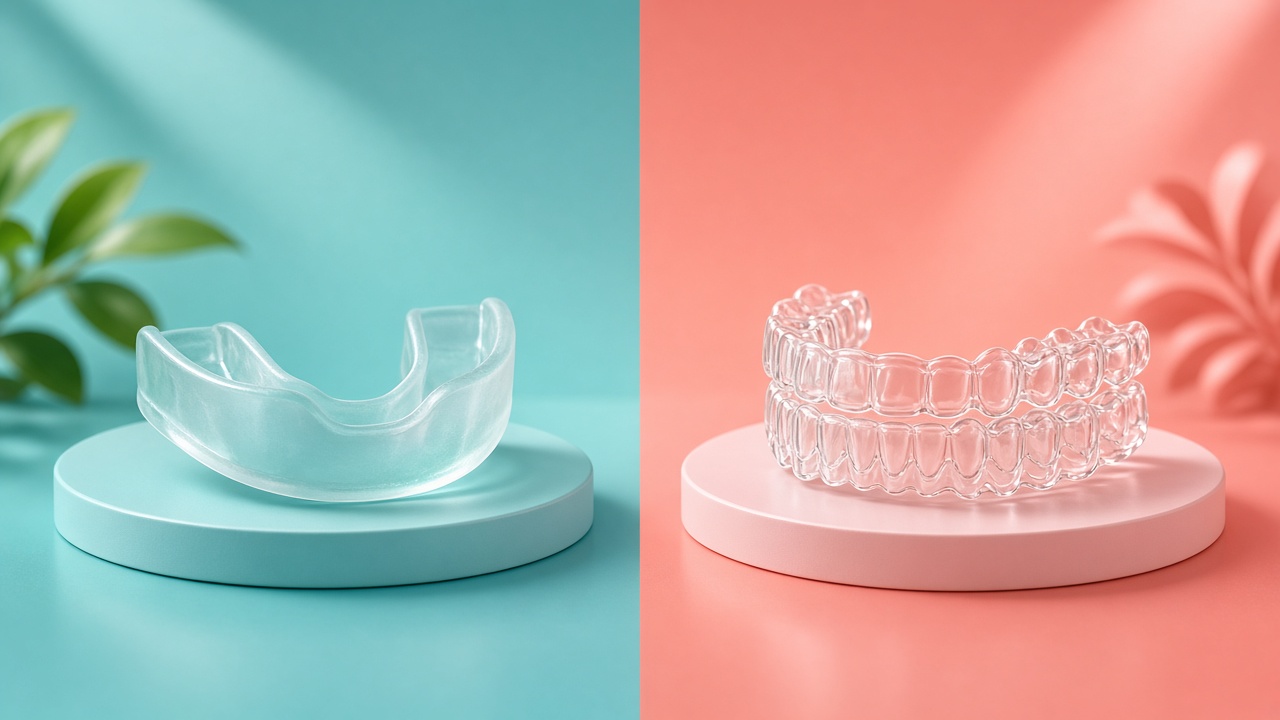
When a teen says “anything but metal,” I do not argue taste. I unpack what they see in the mirror and what the case allows. Metal braces remain a workhorse for many adolescent plans: predictable mechanics, less dependence on night-time tray wear. Ceramic and sapphire reduce bracket show on lighter enamel; coloured ties and some foods still need care. Clear aligners barely show on photos, come out for meals, and need about 20–22 hours each day. A teen who leaves trays out for the whole school day stretches the timeline and stacks extra aligner series. Reviews of removable wear in adolescents repeat one theme: self-reports inflate hours; real wear often runs lower. “Invisible” without readiness for the clock traps the family later. Below is how I lay out options in the chair without promising trays for every metal refuser.
Metal and aesthetic fixed braces
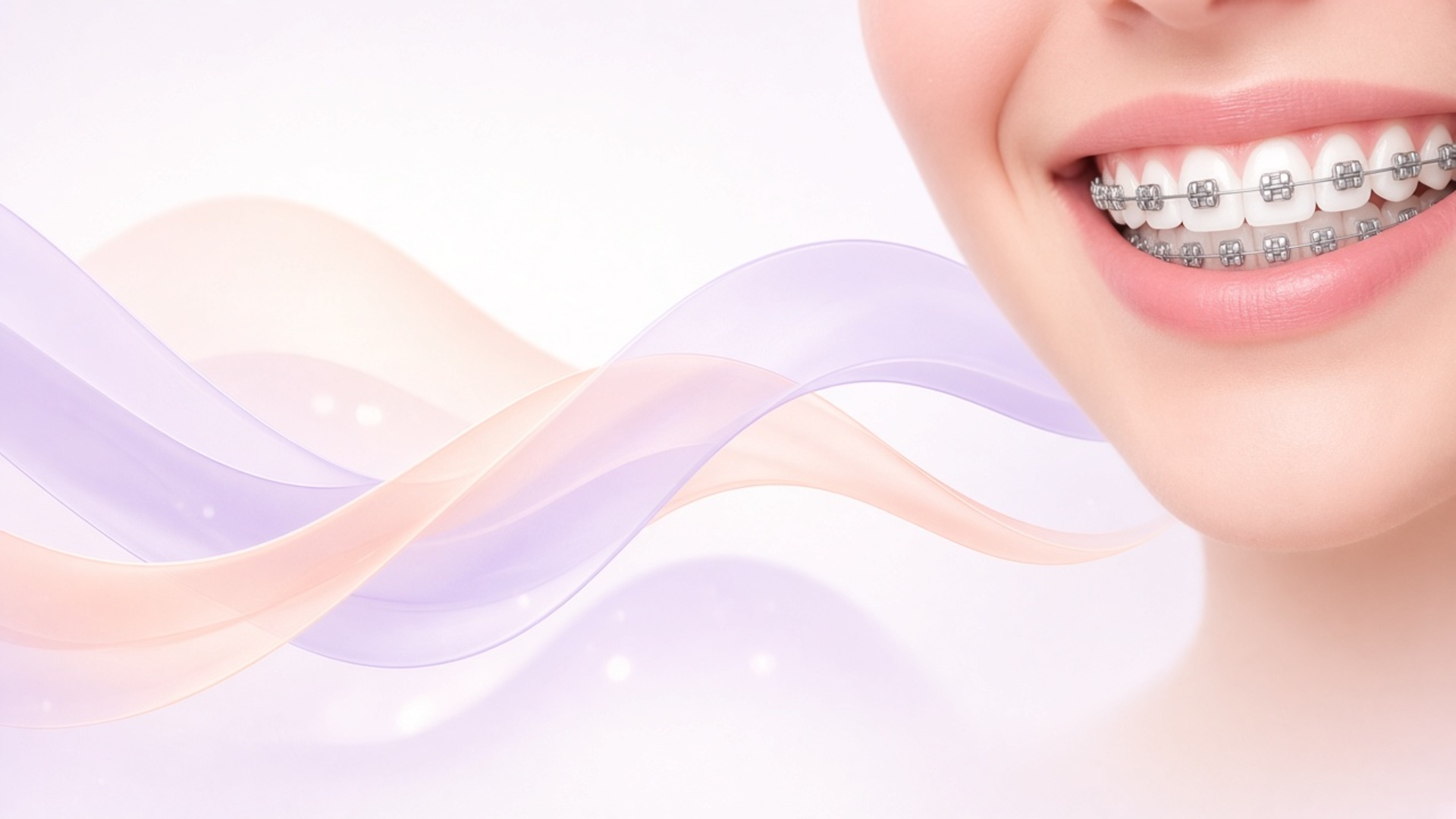
Metal: durable brackets, simpler sports repairs, optional coloured ties. For some teens colour is ownership (“my blue ties,” not “mum forced this”). Ceramic: tooth-shade brackets; the wire still catches light. Sapphire: higher translucency in some systems, with its own care and fee band. Lingual braces sit on the tongue side and stay quiet on front photos, with a speech and tongue adaptation cost; school presentations need an early trial conversation. I do not call a legitimate method “worse.” I say which mechanics close your diagnosis and which daily life your teen will carry.
Clear aligners for teens: freedom with a clock
Trays suit teens who dread metal on camera and want normal brushing without weaving floss around brackets. Freedom costs hours. A Dubai timetable makes it easy to “forget” after PE or after a food-court stop. Some teen aligner systems include wear indicators that change colour — an honest mid-course conversation, not a trap. If a teen already sabotaged a sibling’s retainer or an old plate, I stay cautious on trays. Fixed braces often finish more reliably in that profile, even when start day feels heavier. Motivation in younger teens often begins external and turns more internal once the arch looks different — a pattern noted in appliance-wear reviews.
Choosing a compromise at the consultation
At an orthodontist consultation I put three questions on the table: what the bite needs, what discipline will hold, what the family can fund without hidden expectations. The teen chooses among options the clinic marks safe for the case — not the full advertising menu. Compromise can mean ceramic on upper front teeth and metal on molars. It can mean braces with photo check-ins the teen cares about. It can mean aligners for a mild-to-moderate case plus a written plan to switch to fixed appliances if indicators and fit show weak wear. A written plan ends repeat kitchen wars about “you promised invisible.”
When waiting is reasonable — and when delay harms
“Let’s wait until sixteen” is a common ask after refusal. Sometimes I agree to watch. Sometimes I say waiting is unsafe. The split sits in diagnosis, growth, enamel and joint risk. AAO stresses early screening value; comprehensive care in the permanent dentition often lands in the teen years once permanent teeth are in and jaws still grow. Timing reviews in orthodontics show early intervention is not always shorter or cheaper than a later full course — it is reserved for specific jobs (crossbite, habits, psychosocial load, reducing later severity). For parents that means delay is a clinical call. Stubbornness does not earn a free pass, and cooperation does not get punished with delay. I write return-to-treat criteria so six months later nobody claims the doctor said “wait forever.” Below: when monitoring fits, red flags, and how growth sets a window.
When monitoring is reasonable
Mild crowding without trauma-prone tips, stable hygiene, no progressive open bite from a habit, no strong functional complaint. The teen is at peak conflict, and a few months of dialogue may cut sabotage risk. I set review visits, photos, and sometimes a repeat radiograph when indicated. The family gets written triggers for returning to start. Monitoring is structured waiting with written return triggers.
Red flags: do not wait it out
A flared incisor that catches balls or cutlery — chip and lip injury risk. Deep traumatic bite damaging the palate. Clear crossbite with jaw shift. Crowding so tight that cleaning fails and decay climbs between teeth. Progressive wear. Joint pain linked to bite needs workup, not a “after graduation” park. In these scenes I show risk on a model and image. Refusal can still happen; I document informed discussion and offer the lowest-visibility option among those indicated.
Growth, erupting teeth, and treatment windows
While teeth exchange, some appliances work with growth. Missing a skeletal window can mean harder mechanics later or adult surgical discussion for some patterns — without scaring every family with theatre talk. I show where growth helps now. When permanent teeth are in and growth is slowing, a one-year delay often moves the same workload into a busier senior year or a university move. Dubai relocation plans are a reason to start in a stable school year, not “when mood improves.”
| Refusal scene | What usually sits under “no” | What helps negotiation | Appliance we often discuss | Delay | Next step |
|---|---|---|---|---|---|
| “No metal on photos” | Chat shame, graduation shots | Ceramic/aligners if indicated; photo milestones | Aesthetic braces or aligners with real wear | Rare if only aesthetics, no risk | Consult + smile examples by system |
| “Pain / I can’t eat at school” | Lunch and first-week fear | Honest 48–72 h map, soft menu, wax | Metal or ceramic; trays only if hours are real | Short shift to holidays | Lifestyle talk + bonding date |
| “Mum decided for me” | Loss of control | Tie choice, teen speaks first, no ultimatum | Any indicated; ownership beats brand | 4–12 weeks if no red flags | Visit where teen leads questions |
| “I’ll take trays out at school anyway” | Honest weak discipline | Fixed appliances instead of trays | Metal/ceramic braces | Delay does not fix tray hours | Braces plan without “invisible at any cost” fantasy |
| “Wait until 16” | Hope it “grows out” | Records, red flags, growth window | Per plan; sometimes observe first | Only without flags, with reviews | Written return-to-treat criteria |
| Contact sport season | Fear of impact and breakages | Mouthguard, breakage protocol | Often metal; trays need a sport plan | Not a reason to cancel care | Align season and protection before start |
| IB exams / relocation | Calendar overload | Holiday window, visit spacing | Per diagnosis | 1–3 month start shift if stable | Family calendar + clinic slots |
The table guides conversation. It is not a prescription. Your case needs exam and records.
Preparing the first visit so the teen stays in the room
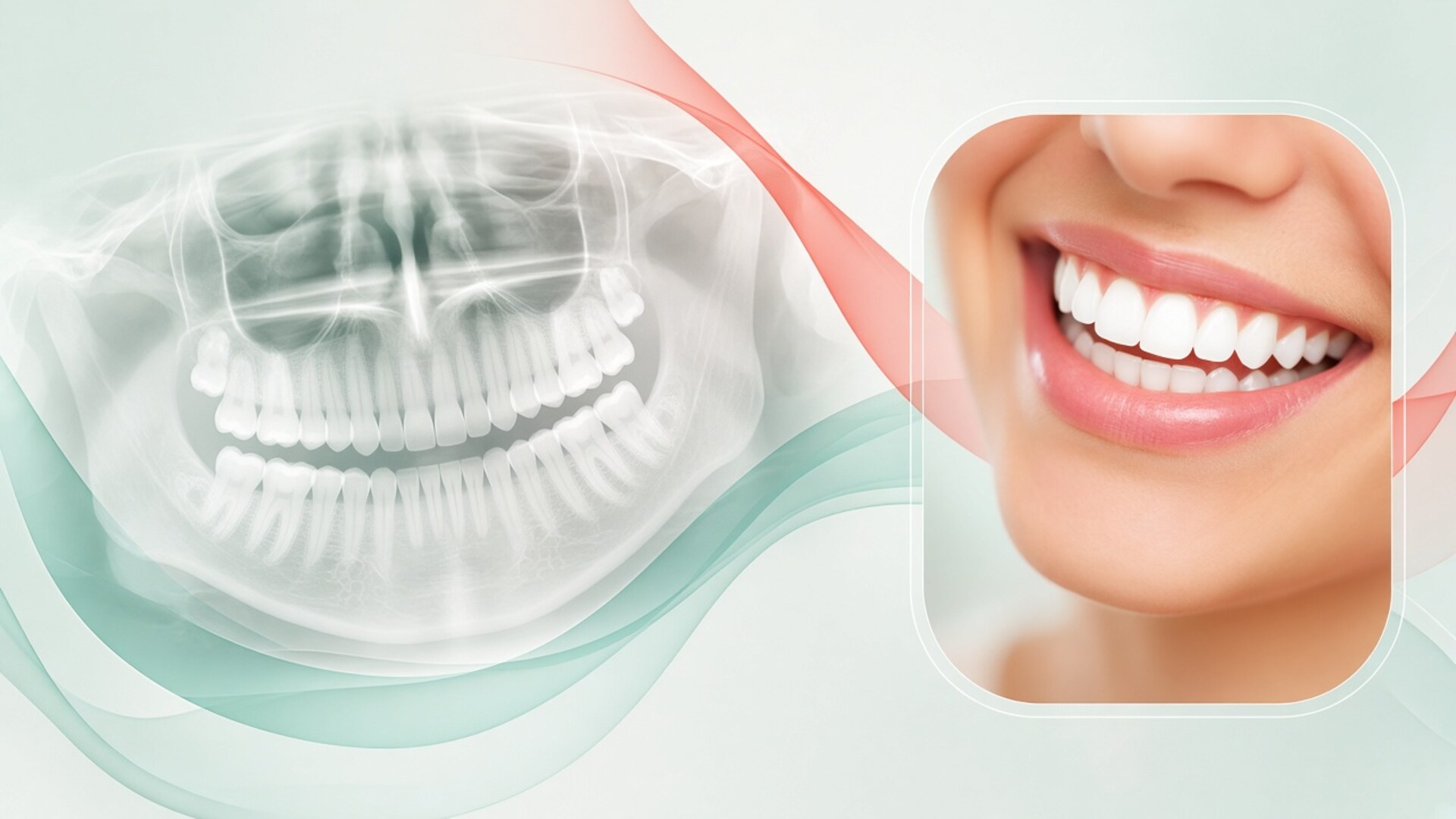
I ask parents to bring the teenager, not to book alone and “convince later.” At the consultation the teen is the patient: I greet them first. Short exam, photos, panoramic or 3D imaging when indicated. We cover whether a problem exists, options, time range, and fee orientation with a price-list date. AAO patient materials list a similar first-visit question set — families should leave with a clear map of next steps. Before the visit: the teen’s fear list, the parent’s questions, an honest sport and hygiene story. Do not surprise-bond the same day. Do not cancel a holiday as leverage. After the visit, give one or two days for an answer if the clinic sees no urgent risk. For teen braces I spell out activation rhythm, food rules, sport, and what to do if a bracket fails on a school trip.
If another clinic already took records, I review quality and decide whether to reuse or refresh. I avoid repeat imaging without need. If the teen stays silent, I leave pauses and ask simple closed questions about lunch and football — daily life arrives faster that way than through a parent’s summary.
Teens often fear hidden fees and endless visits. I spell out what the starting plan includes: bonding, activations, removal, retention — and which lines sit separate. Dubai market figures move; I quote after the plan, with a price-list date, without promising the neighbour’s number. If a UAE policy might contribute, the family checks cover with the insurer before signing; I do not promise approval without their answer. Honest money talk cuts kitchen fights after the first invoice and shows the teen that adults are not hiding the rules of the game.
Keeping motivation across months of visits
Agreement before bonding is half the work. The other half is 12–24 months of routine. Fixed braces work around the clock, yet plaque around brackets can leave white spots after removal — teens read those marks as a betrayal of the whole course. I tie hygiene to the final photo they care about, not to abstract “discipline.” Missed visits stack; treat activation slots like exam slots. Elastics by scheme: without them the bite may stay open even when the arch looks straighter. Sport: mouthguard, quick contact after a break, wax in the bag. Aligners: wear hours, a case, never a cafeteria napkin — trays vanish into bins. When mid-course motivation drops, start-versus-now photos pull many teens back better than lectures. A short evening check that the interdental brush happened beats a daily “don’t you want to look good” interrogation.
Mid-course is a common trough. Early months show front-tooth change; later work shifts into bite details that barely show on a selfie. The teen decides “it’s already fine” and drops elastics or wears trays only at night. I warn about that phase early and set interim photo goals: profile, smile line, molar contact. A calm “did you put the elastics on after school” works better than a character lecture at dinner. If conflict flares again, a short joint visit with photos and talk — no wire change — often cools the house better than a message thread.
Dubai heat and AC do not cancel ordinary care; constant sweet sips between lessons do. I ask teens to cut all-day sugary drinks through brackets and to rinse with water when a brush is out of reach. Those are course rules, not character judgments. After removal comes retention: without retainers the arch drifts faster than families expect. I name that ending at the start so “we agreed to bond” does not die as “we agreed to remove and forget.”
FAQ for parents
What if my teenager refuses even the consultation?
Offer a short contract: one visit with no same-day bonding, the right to ask the doctor directly, and the right to leave with a watch plan if no red flags appear. Forcing bonding day in the chair usually collapses hygiene later. Heavy conflict may need school counselling or family support beside orthodontics.
Can we jump straight to clear aligners because they hate the metal look?
Only if the case fits and they will wear trays about 20–22 hours a day. Hating metal does not make aligners indicated. I assess the bite and speak plainly about wear risk; weak discipline often points to aesthetic fixed braces instead.
How long do teenagers usually wear braces?
A common full-course range is about 12–24 months, longer with complex bites and missed visits. Time depends on diagnosis, growth, cooperation, and appliance. I give a personal range after exam and records, not a single age-based slogan.
Can we wait until after graduation?
Sometimes — mild picture, structured reviews. Trauma-prone incisors, progressive tissue damage, or growth-dependent jobs make waiting until graduation a poor bet. Exam decides, not the school calendar alone.
How do we persuade without gifts or threats?
Records on screen, teen voice among safe options, honest first-week logistics, a start date that respects exams. Gifts as payment for the body break trust. Threats (“no phone”) buy bonding day and quiet sabotage.
Will braces hurt speech for presentations and orals?
Mild lisp and tongue adaptation are common in the first days. Most school students settle within days to a few weeks. Lingual systems and bulkier appliances need a clearer pre-exam plan if a big oral sits on the calendar.
What about cost in Dubai and insurance?
I quote after the plan; market figures move, so the fee sheet carries a date. UAE policies cover orthodontics unevenly — many families self-pay; some need insurer pre-approval. Check your policy and administrator; I do not promise cover without their answer.
Must a parent attend every adjustment?
Bonding and key reviews — yes. Routine wire changes for a responsible 15–17-year-old often work with the teen alone if the family stays reachable and knows the plan. Younger teens benefit from a parent in the waiting area for logistics and hygiene follow-through.