Parents split thumb sucking and long pacifier use into “cute” and “already embarrassing.” Orthodontists split them into frequency, intensity, and hours per day. A short, light habit in early childhood often leaves little lasting mark. When a thumb or pacifier stays for years — especially after ages three to four — upper incisors tip forward, lower incisors tip back, a front open bite appears, and the upper arch can narrow. The American Academy of Pediatric Dentistry (AAPD) links long non-nutritive sucking with anterior open bite and posterior crossbite and urges early guidance so families plan habit fading. I run a pediatric consultation in Dubai after practice in Istanbul: below is how a thumb differs from a pacifier, when watching is enough, when removable plates or other early intervention belong in the plan, and why bitter nail polish without a map often fails. I do not diagnose from a chat photo; habit hours and an exam beat the label “bad habit.”
What non-nutritive sucking is — and why I ask for numbers
Non-nutritive sucking means thumb, fingers, pacifier, blanket edge, collar — comfort without feeding. In infants it is normal self-soothing. The orthodontic problem starts when the object keeps contact with the palate and teeth for hours each day at ages when arches respond to constant force. The force is modest in newtons and long in time. Teeth and growth sites “hear” hours more than one hard push. I tell parents a simple picture: a light finger on a piano key all evening still changes how the music feels — modest, constant thumb pressure still marks the arch.
In the chair I want numbers. Daytime hours? Sleep only, or also screens, car rides, school? Which thumb? One side or both? Pacifier all day or only for sleep? Does the child want to stop, or only the adults are tired of watching? “Sometimes when stressed” without hours is useless for planning. A seven-day diary is homework before visit two. Dubai families often find that “sometimes” is three evening hours plus a full night with the thumb in. Night hours are sneaky: adults sleep and stop counting while force on the incisors runs until morning.
I sort three habit outcomes for the bite. First — almost no marks; we watch and support fading. Second — open bite or narrowing with an active habit: cut hours first, appliance when indicated. Third — habit already gone, gap or crossbite left: decide whether to wait on growth and tooth exchange or start orthodontic correction. Mixing the second and third paths is expensive: “straighten” hardware while a thumb returns every night often rebounds. Honest hour talk saves money better than another boxed trainer.
I do not ignore psychology and I do not treat it myself. A thumb after a move, a new sibling, a school change, or a divorce can be a stress signal. Orthodontics can offer a barrier and structure. Deeper anxiety belongs with a child psychologist. I say so when home war over the thumb already damages relationships more than millimetres on a model. Then we lower conflict before we glue metal. In Dubai international schools that post-move pattern is common: new language, new nursery, old thumb as anchor. Teeth are second on the help calendar, yet arch marks still need measuring so a year is not lost.
How thumbs and pacifiers change bite mechanics
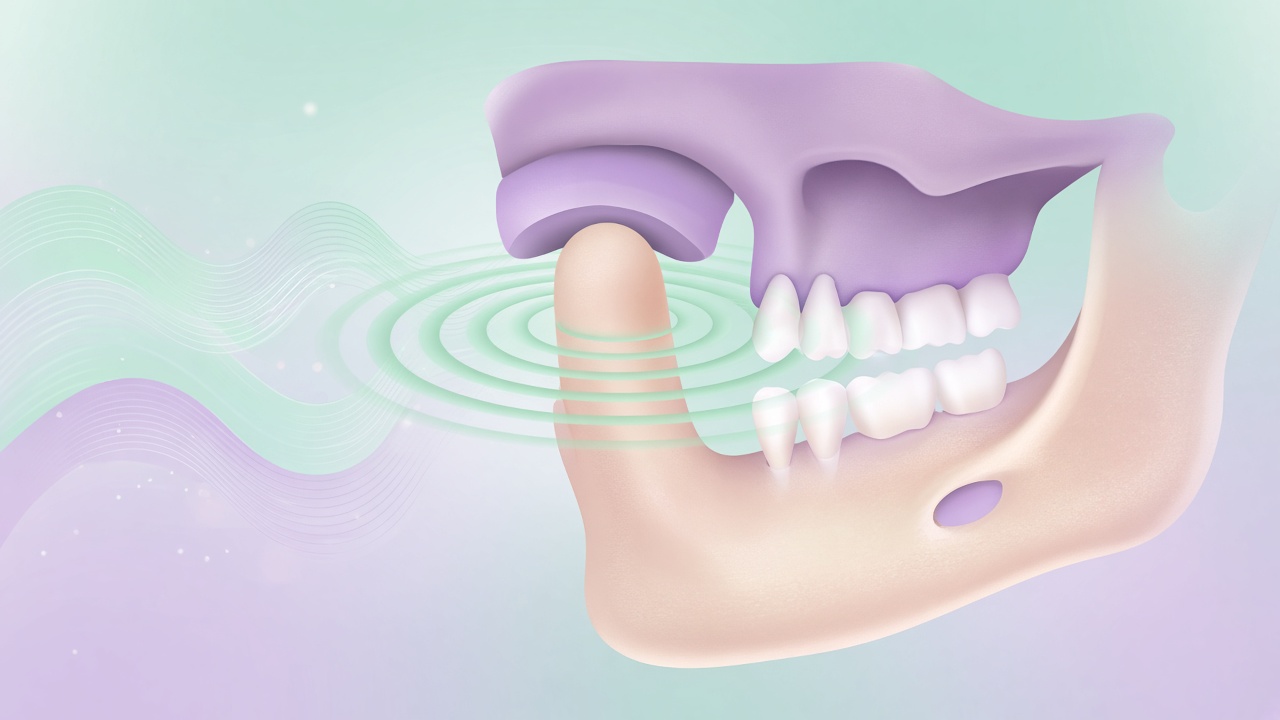
The mechanics rhyme: the object sits between teeth or against the palate, blocks front contact, pushes upper incisors forward, holds or tips lowers back, and narrows the upper arch as cheeks press while the mouth stays open around the object. Control differs. Adults can remove every pacifier from the house in a chosen week. A thumb travels to school and under the duvet. So “just take the pacifier” and “just stop the thumb” are different jobs with similar dental footprints.
I look past the front gap. I check upper width, side crossbite, incisor tip, speech, swallow, and mouth breathing beside the habit. Sometimes the thumb is the main driver. Sometimes tongue and airway sit next to it. A plan without that split becomes an appliance race. Three marks below often lead to early intervention. Week-long hour notes clarify timing.
Anterior open bite
Front teeth do not meet. A gap shows tongue or thumb on older photos. Some children lisp on sibilants. Parents notice biting salad leaves at the front is awkward. If the habit is active, I count hours and plan fading first. If the habit has been gone for a month or two and the gap remains, we weigh self-correction with growth. Not every gap closes alone; not every gap needs hardware tomorrow. The exam and review photos decide — not a parent-chat rule.
Upper narrowing and posterior crossbite
Long sucking often pairs with an open mouth around the thumb or pacifier. Cheeks press the upper teeth; the tongue fails to brace the palate from inside. The upper arch narrows; side teeth meet past each other. Sometimes the lower jaw slides on closing — a functional shift. I prefer to address that early before muscles lock asymmetry for years. Habit and width are one story: stopping the thumb while leaving a shifting crossbite solves only half the job.
Flared incisors, lips, and trauma risk
Upper incisors can flare. Lips may not meet at rest. Chip risk in falls and sport rises. Dubai playgrounds and clubs deliver impacts more often than “quiet neighbourhood” stories suggest. Early overjet reduction is discussed for tooth and lip protection when the habit is controlled or fading in parallel — not for a Hollywood smile at six. A full permanent-dentition finish is a later chapter.
Age windows: when to wait, when to act
AAPD notes that non-nutritive sucking is normal in young children; long habits link to open bite and posterior crossbite; families get guidance early so habits fade around age three or a plan exists. That is a guide, not a courtroom timer. A two-and-a-half-year-old with a rare sleep pacifier and even arches is not a candidate for a metal barrier. A five-year-old with all-night thumb time and a front gap is a candidate for a serious talk and, often, an ortho plan.
I do not prescribe appliances “by price-list age.” I weigh bite marks, habit hours, the child’s wish to stop, hygiene, and cooperation. Adult war against a thumb without the child’s agreement yields failed wear and new fights. A short behaviour phase with clear rules often comes before any removable plate. “Before September” helps behaviour timing, not diagnosis alone.
Under age three
Focus on guidance and gentle limits. Pacifiers do not travel all day “just in case.” Thumbs do not get harsh chemicals without a pediatric talk. An orthodontist can show on a model where force will land if the habit stays. Appliances at this age are uncommon and only for strong indications after exam. The aim is not to strip every comfort in one night; it is to stop a round-the-clock pattern.
Ages three to six or seven
The window where I most often act on bite marks. Habits are still plastic, growth helps, and school has not fully frozen shame around the topic. Hour diaries, sleep-ritual swaps, removable or fixed barriers, and expansion for crossbite all belong here when indicated. If the child is not ready, waiting one or two months for preparation beats crashing a course in week one. Preparation is not a multi-year excuse.
After seven or eight with an active thumb
The habit is woven into self-regulation. Class shame can help or drive secret desk sucking. Fixed palatal barriers come up more often when removable plans already failed on discipline. We also check whether tongue posture or breathing still holds an open bite. A later teen course may still be needed; early work here interrupts the habit and limits deformation — it does not finish adult aesthetics forever.
Pacifier versus thumb in Dubai household life
Mixed Dubai families argue timelines: some relatives demand pacifier exit at one, others allow it toward school age. I move the argument to hours and bite marks. Pacifiers are easier for adult control: out of the house means out of the mouth. Thumbs need the child’s agreement and often a barrier appliance. “Orthodontic” pacifier shapes lower risk; they do not zero it. Hours beat packaging claims. Long night contact of any shape still loads the arch.
Nurseries and nannies in the Emirates sometimes keep pacifiers longer than a working parent realises. A clear rule with the nanny — “pacifier only in bed” — beats a new pharmacy model. The same for thumbs: if nursery allows thumb time during cartoons, a home ban leaks. The family plan must be one plan in two addresses — home and nursery.
How to retire a pacifier without a week-long war
Pick a date away from illness, a move, and school start. Cut daytime hours over one to two weeks. Keep sleep, then remove sleep too, swapping the ritual: a book, a soft toy that cannot be sucked, adult presence. Throwing the pacifier “in the bin with the child watching” works as a goodbye for some temperaments and triggers a three-day meltdown for others. I do not force one script. I ask families not to return the pacifier a month later “just in case” after a gap already closed: habit relapse returns force to the teeth.
Thumb habits: what beats bitter polish more often
Bitter polishes and gloves help some children and fail others who lick until taste fades or peel gloves off at night. Clear rules, praise for thumb-free hours, ritual swaps, and a short calendar contract with the child work more often. A barrier appliance joins when behaviour stalls and bite marks exist. A fixed palatal crib blocks suction completion and removes the habit’s reward; removable designs need discipline. Reviews of habit-breaking appliances lean toward fixed designs when cooperation is weak.
When the habit is anxiety, not only teeth
If thumb time rose after stress, orthodontics can still protect the bite with a barrier, but I say plainly: without work on the driver, the appliance becomes another control fight. I refer to pediatrics or psychology when signs leave my lane. That is a competence border, not a soft plan.
Behaviour first, hardware when indicated
I rarely start the hardest design on day one if the child does not understand the job. Exceptions include a clear jaw shift, trauma-prone flare, or a habit the family has failed to fade for a year and now asks for a barrier. Even then I explain in the child’s words: “the plate/wire stops the thumb so teeth can meet.” Fear of “punishment metal” breaks cooperation. A child who hears only threats will pocket a removable plate in the school bathroom and stay quiet.
The behaviour block lasts weeks, not years of empty promises. If hours do not fall and bite marks grow by the agreed date, we move to an appliance. If hours fall and the gap is stable or shrinking — photo observation. If hours fall and a shifting crossbite remains — width and shift work are still needed. Habit and occlusion are linked, not identical. I chart two columns: habit hours and gap millimetres / shift present, so reviews are not memory fights.
Hygiene and cavities gate appliances. Active holes and bleeding gums mean sanitize first. A palatal barrier with poor cleaning breeds inflammation and white spots. Parents who want “the gap closed for a photoshoot” hear a mouth-ready date from me, not a party date. Dubai school photos and family events often hijack timelines; I separate the family’s aesthetic deadline from the medical window. Hygiene prep can speed up. A guaranteed perfect smile by a named Friday cannot.
Another behaviour layer is one rule for every adult. If one parent bans the thumb and the other “allows it only for cartoons,” the child finds the hole. I ask for a written fridge-door rule before any appliance purchase. A short line beats a long lecture in the chair. Nannies and grandparents on video get the same wording. Without that, orthodontics becomes a third party in a family dispute. I sometimes ask the child to say the rule aloud: if they cannot state “thumb only until sleep / no thumb,” a removable plan is still raw.
Appliances used for thumb and pacifier bite problems
Choice depends on age, cooperation, arch width, and whether the habit has already stopped. Removable plates with a fence or similar features work for motivated children and fail when the plate lives in a uniform pocket. Fixed palatal barriers (cribs and variants) work twenty-four hours and are chosen more often for night thumbs. Expanders enter when narrowing and crossbite exist. Designs can combine. Limited front braces are an option once the habit is controlled and tip and gap need precise movement. I do not pick the “strictest” appliance for clinic status; I pick what the family can carry to the goal.
I explain timing: barriers usually stay months after the last habit episode to cut relapse. Removal the day after a “win” often brings the thumb back. Retention and checks as permanent incisors erupt belong in the chart. I do not promise “perfect forever without phase 2.” An early barrier solves habit and part of the deformation; teen care may finish occlusion. Families who hear that before payment handle a second stage with less anger.
Speech changes in the first days after a fixed barrier. I warn school and child in advance. Most adapt in weeks. If diction still breaks classwork at a month, we check wire ends, hygiene, and inflammation instead of endless “wait it out.” Sport and swimming usually fit; contact clubs with flared incisors still need tooth protection. Wind instruments and bulky palate hardware fight in week one — better to start in a school break or time around a concert.
Fees in Dubai depend on design and review length; I quote after a plan with a price-list date. UAE insurance covers children’s orthodontics unevenly — families confirm with the policy administrator before signing. I do not invent approvals. If the policy is silent on pediatric appliances, an honest full-pay talk beats a surprise at reception a month later.
| Situation | Behaviour / wait | Appliance more often discussed | Goal | Review | Risk of “home ban only” |
|---|---|---|---|---|---|
| Pacifier under 2–3, arches even | Cut hours; set exit date | Rarely | Habit fade | Photos 6–12 months | Low if hours short |
| Pacifier after 4 + front gap | Remove object by plan | Sometimes plate after exit | Close gap / watch | Hours = 0, photos | Gap persists |
| Night thumb, ages 4–6, open bite | Diary + contract | Often barrier ± plate | Stop sucking; guide growth | Episodes per week | Secret thumb under duvet |
| Thumb + posterior crossbite with shift | Parallel to fading | Expansion / interception | Clear shift and narrowing | Midline, width | Asymmetry locks in |
| Habit gone, gap stable 6+ months | Watch or ortho | By marks, not “for habit” | Close residual gap | Growth, speech | Extra appliance too early |
| Removable plate failed twice | Honest discipline review | Fixed barrier | Stable interruption | Palate hygiene | Another “trust” removable |
| Heavy stress, thumb as anchor | Psychology / pediatrics | Barrier if bite marks | Protect arches without war | Sleep, behaviour | Punishment only at home |
The table frames talk. The exam decides.
Relapse, self-correction, and honest timelines
After pacifier or thumb exit, some children’s open bites shrink over months. Parents expect a full miracle in two weeks and feel cheated. I set review photos at six to twelve weeks and define what counts as improvement. If the gap stands or grows with zero habit, we move to tooth mechanics. If the habit returns on holiday at grandparents’ — hours first, then hardware. Travel is a common relapse trigger: different house rules, more screens, less daytime structure. Families should decide before the trip whether the thumb rule travels with them.
Relapse after barrier removal happens. So I state post-episode wear time before cementing. Families who ask to “remove for a wedding next week” hear the return risk. Celebration calendars are poor ortho criteria. Better to plan removal after a stable no-episode window and a review visit.
In the permanent dentition leftover habit marks need a different volume: braces, aligners, sometimes tongue function work. Early care need not cancel that stage; it should simplify entry and stop a shift from locking in. I draw two phases on one page when I see that forecast. Without the page every new appliance feels like a trick. With it, families see the logic: interrupt habit and rough deformation now; finish occlusion later.
Self-correction after pacifiers deserves a line. Many preschoolers show a clear gap shrink in the first months without thumb or pacifier. That is not a licence to skip orthodontics. It is a reason to attend, baseline the start, and decide hardware versus photo watch. A missed year of review turns a simple question into a harder course. Speech is similar: some lisps fade with the gap; some need a speech clinician even after contacts improve. I do not promise “teeth meet, speech is perfect”; I promise a function recheck on review.
A Dubai consult: what to bring and what to expect
On a pediatric consultation I listen to the child first, then habit hours from the adult. Facial and oral exam, photos, films when indicated. Three exits: a behaviour plan with a date; referral for breathing or anxiety when needed; appliance start under early intervention or a removable plate plan. I name the exit aloud so the drive home is not an argument about “whether something will be fitted.”
Questions I answer with numbers after exam: How long can we wait? Do we need a fixed barrier now? What if we travel all summer without an appliance? How do swimming and wind instruments fit? Can bitter polish replace a visit? Polish as a diagnosis substitute gets a no. Polish is a behaviour tool, not an exam. If a family already kept a diary for two months and hours are falling, I may offer one more watch interval without metal — with written criteria for when an appliance still belongs.
Moving families should bring older smile photos in habitual bite and an honest list of where thumb or pacifier appears — home, nursery, night, tablet. Without the list the plan has holes. Buying “anti-thumb” gadgets before exam often wastes money. Map habit and bite first, then buy. If anxiety remains after the consult, a second opinion is fair; a good plan survives checks. Pressure to sign on day one without films and without habit hours is a red flag. I do not rush a signature when the child still does not understand the job or the mouth is not hygiene-ready.
After the visit I ask for a short message in two weeks: remaining thumb hours, whether the nanny rule held, any sore spots if an appliance is already in. That message costs less than a 3 a.m. panic and clarifies “just tough it out.” If hours are not falling, we do not wait six polite months — we revise design or behaviour at the next slot.
FAQ
Does thumb sucking always ruin the bite?
No. Short early episodes often leave no lasting mark. Risk rises with hours, force, and age past about three to four, especially when a gap or narrowing already shows. An exam and an hour diary answer better than “harmful for everyone.”
Until what age is a pacifier safe for teeth?
The shorter the daytime contact after early childhood, the calmer for the arches. AAPD guidance pushes families to plan fading of long habits around age three. Safety for a given pacifier depends on hours and visible bite marks as much as on birthday age. An exam beats the box label.
Will the gap close by itself if the thumb stops?
Sometimes it shrinks or closes with growth if the habit is truly gone. Sometimes it stays and needs orthodontics. Waiting without review photos is a lottery. I set comparison dates and criteria for when waiting must end.
Do bitter polish and gloves help?
For some children yes, for others no. If the child is motivated, aids strengthen the plan. If war is ongoing, polish gets bypassed. With bite marks and failed behaviour, a barrier appliance enters the talk. Polish does not replace a pediatric consultation.
When do you use a plate or a palatal barrier?
When the habit persists, bite effects exist, and behaviour alone does not cut hours — or when a night thumb needs round-the-clock interruption. Removable designs need discipline; fixed designs remove part of that trap and demand hygiene. Choice follows exam, not ads.
Is a speech clinician needed?
If speech, swallow, or tongue between the teeth holds an open bite beside the habit — yes, when indicated. Not every pacifier child needs speech therapy. Specialist teamwork is shorter than a fight over “whose patient” the child is.
Can we wait for all permanent teeth?
With an active thumb and a progressing gap or shift, waiting for “all permanents” often accepts harder deformation. With a faded habit and mild stable marks, watching until a cleaner window can be reasonable. The clinician writes criteria — not a neighbour.
What should we bring to a Dubai visit?
A week of habit hours, side and front smile photos, a list of places where thumb or pacifier appears, prior films. Be honest about stress and past stop attempts. Booking before random barrier shopping is wiser. If interception is indicated, we set a one-sentence goal before any design. An anxious child may leave visit one with talk and photos only — a normal trust start, not a wasted day.