In Dubai and across the UAE, “does insurance cover braces” rarely answers yes or no until you open your own Schedule of Benefits. The mandatory floor (Dubai’s Essential Benefits Plan and similar minimums in other emirates) puts a thin dental limit on consults, X-rays, scaling, fillings, extractions, and root canal treatment among the basic codes listed in the EBP dental line. Orthodontics sits outside that floor. On enhanced and international tiers, orthodontics sometimes appears as its own line: co-pay often near half the eligible cost, a waiting period near a year, an age cap, and a lifetime maximum in the open-market corridor of about AED 3,000–10,000 for the whole course, only if your booklet states it. Brand names such as Daman, Cigna, AXA, BUPA, Aetna, or administrators Nextcare and Neuron describe a fragmented market, not your tariff. Below is how to read an orthodontic policy line: co-pay, annual versus lifetime, waiting period, age cap, pre-approval, medical necessity, without invented percentages for named plans.
What UAE policies usually include, and what they leave out on orthodontics
Patients mix three layers. First is the emirate’s mandatory cover: in Dubai, the DHA Essential Benefits Plan (EBP) frame. Second is the employer’s enhanced corporate package. Third is an international or family plan you bought yourself. Dental and orthodontics follow different rules on each layer. Market reviews for 2025–2026 show one pattern: routine dental at the base either missing or squeezed into a small annual limit; braces and aligners stay outside the minimum and appear only on upgraded tiers. In clinic I often hear “I have dental insurance,” while the booklet lists orthodontics under exclusions.
At an orthodontist consultation I assess bite, timeline, and method. Only the insurer or TPA can confirm the money side against the Schedule of Benefits and eligibility. Separate those layers before you pay for an appliance.
Base plans and mandatory dental: orthodontics is not in the basket
Dubai EBP tables of benefits list orthodontic treatment among excluded healthcare services, together with dental prostheses and other non-basic items. From June 2025, Dubai’s mandatory package added a narrow dental benefit: public briefings and typical EBP Table of Benefits point to about AED 500 per person per year, with patient coinsurance (often near 30% per visit) for dental consultation, extractions, fillings, root canal treatment, scaling, X-rays, antibiotics, and prophylaxis as listed. Verify the exact wording in your current policy-year EBP booklet. That money helps with caries and hygiene. It is not a braces budget. When a clinic says it “works with insurance,” the front desk usually means network access and direct billing for covered codes, not automatic orthodontic cover.
Abu Dhabi and other emirates phrase their minima differently, yet the logic holds: a compliance plan shields you from large medical bills; it does not fund bite correction. If you hold only a visa-linked policy without an enhanced dental rider, budget orthodontics as self-pay and check whether your employer opened an upgrade you have not seen.
Dental benefit and orthodontic benefit are different lines
On enhanced policies, dentistry almost always sits as a dental sub-limit: a separate annual ceiling, often in market orientirs of AED 2,000–10,000 depending on tier. Cleaning, fillings, sometimes root canals and crowns draw from that pot at their own coverage percentage. Orthodontics, when included at all, sits on a separate row: Orthodontics / Orthodontic treatment / Braces. That row carries its own rules: lifetime maximum, waiting period, age limit, medical-necessity language.
The patient error sounds like this: “I have AED 5,000 dental a year, so braces are covered.” Annual dental and lifetime orthodontic are different baskets. You can exhaust dental on cleanings and canals and still have zero dirhams for aligners. The reverse also appears: a rare premium plan may hold an orthodontic lifetime with a modest annual dental. Read both lines and ask the TPA which basket will take the installation invoice.
Cosmetic wording as the policy red line
Almost every public UAE dental-insurance review for 2025–2026 flags one exclusion: cosmetic dentistry. Whitening, “smile” veneers, smile design, and cosmetic orthodontics sit outside cover. For an insurer, “I want straight teeth for a wedding” reads as aesthetics. A clinician’s note (skeletal Class II, traumatic occlusion, crowding with periodontal risk) sits closer to medical necessity, and only if the product allows orthodontics and the file supports it.
On consultation I separate aesthetic goals from functional indications. Insurance uses different language for each. Strong indications still meet a denial if your product excludes orthodontics. Then the talk moves to a clinic payment plan, not a call-centre argument.
How to read the Schedule of Benefits: the words that decide money
The Schedule of Benefits is a short PDF from HR or the insurer app; most people stop on the inpatient page. For orthodontics you need three to five lines plus Exclusions. I ask patients to bring the booklet to consultation or send a Dental / Orthodontics screenshot before we set an appliance date: that shows whether to prepare pre-approval or price the full self-pay cheque. The market is fragmented: one employer holds Cigna with an orthodontics rider, a neighbour holds Daman Enhanced without that line, a third holds BUPA Global with a lifetime cap. Brand names mark fragmentation, not identical terms.
Below is a short glossary. Open-review figures are market orientirs; match your schedule. A precise percentage for “plan X at insurer Y” cannot sit here: group contracts change every policy year.
Co-pay, coinsurance, and deductible
Patients say “co-pay” for “my share.” UAE booklets more often use coinsurance: you pay a percentage of the agreed eligible amount; the insurer pays the rest until you hit the limit. Orthodontics reviews on premium tiers often cite an orientir near 50% patient share: the company pays half of the eligible amount up to the lifetime maximum. That is not a universal rule and not your plan’s number.
A deductible is the sum you pay first before cover starts. On dental or ortho it may be separate or shared with outpatient. Ask the TPA whether the orthodontist consult and diagnostics (imaging, scan) draw from the dental sub-limit before any braces claim. Sometimes diagnostics attract partial cover while the appliance does not. You save at the start and still fund the course yourself.
Do the arithmetic on paper. If the booklet shows a lifetime orthodontic maximum of, say, AED 8,000 at 50% coinsurance, the insurer pays no more than that sum for the whole course, and only after waiting period and approval. With a full braces or aligner course in Dubai in typical 2025–2026 market corridors of about AED 8,000–25,000 depending on method and complexity (confirm current clinic figures on the plan date), your share stays the larger part. Insurance here is a partial buffer, not free braces.
Annual limit and lifetime limit
An annual dental limit resets once per policy year (often on the policy anniversary, not 1 January). A lifetime orthodontic maximum is a ceiling for the member on that product or for the whole course: after you use it, there is no yearly reset. Consumer Dubai reviews for 2025–2026 often place lifetime, where orthodontics exists at all, near AED 3,000–10,000 (some international tiers higher). Your figure lives only in the booklet.
Practical meaning: if a course runs 18–24 months and the limit is lifetime, the company may pay its share at the start (after pre-approval) or in tranches against invoices, as the rules state. If the limit is annual and orthodontics somehow sits inside the dental year-cap, other dental codes can eat the pot. Ask the TPA the mechanism: one-time course benefit or yearly sub-limit. Those two modes produce different cashflow on a long course.
Waiting period: why “right after enrolment” usually fails
Waiting period / qualifying period for orthodontics in market descriptions most often lasts 12 months, sometimes up to 24. The clock runs from the member’s cover start on that product, not from Emirates ID issue and not from the first cleaning. If you change employers and the policy is new, waiting may restart, unless continuity of cover applies under the new contract.
Families hear a hard line: the child needs braces now, yet the product asks for a year. That is a product rule, not a clinical rule. I can start treatment when diagnosis and hygiene are ready. Money-wise you choose: self-pay now, or wait out the period and then file claim or pre-approval. Mixing the clocks fails: bonding during waiting usually draws a denial even if waiting ends a month later.
Age caps, medical necessity, and pre-approval
Even when Orthodontics = Covered, a policy can narrow eligibility until an adult course falls out. Enhanced-plan reviews for 2025–2026 often say cover targets children and teens, sometimes with a ceiling under 16 / under 18 / under 21; the exact age lives only in your schedule. Adult orthodontics on corporate packages is rarer; international tiers sometimes widen age and tighten medical necessity and paperwork. I treat adults every week: their insurance path more often reads “partial diagnostics / appliance self-pay.” That is a budget frame, not a clinic verdict.
At the visit I record age on the start date and member status: employee, spouse, or child dependant. Mistakes here cost money. Below are three filters on almost every approved orthodontic case in the UAE. Miss one and you meet a denial after impressions or a scan.
Age cap: whose policy and whose birthday
Check who holds the benefit: employee only, employee + spouse, employee + children. A child’s orthodontics may sit in the package while your own course sits in exclusions. Age is counted on treatment start or on pre-approval date; confirm the rule. If a teen hits the age ceiling in two months, file while eligibility on age remains open.
Corporate HR sometimes answers in broad strokes: “Dental is covered.” Ask for a written answer on orthodontics and age. A green tick in the app that says “Dental covered” is thin: it often means annual dental, not braces.
Medical necessity: documents insurers usually request
If the policy demands medical necessity, the TPA expects a pack: referral or specialist orthodontist report, panoramic radiograph and/or cephalogram, photo protocol, a treatment plan with diagnosis (Angle class, crowding, open or deep bite, asymmetry), and sometimes a need index such as IOTN if the rules name it. The phrase “patient wants Invisalign” in a letter works against you. Clinical justification gives a chance where the product allows orthodontics at all.
I prepare that pack when you say in advance that you will seek pre-approval. Without that request I still record diagnosis in the chart, yet the insurance letter may need a separate template. Indications belong on examination: I do not write an insurance diagnosis from photos alone online.
Pre-approval / pre-authorization: order before bonding
In the UAE, when an orthodontic line exists, pre-authorization is almost always required. Network logic: the clinic or you file a form before braces installation or before an aligner treatment plan goes to production, wait for an approval reference, then treat inside the approved sum and network (in-network / out-of-network). Starting without a reference number risks full out-of-pocket even on a “covering” policy.
TPA reply times range from a few working days to weeks. Build that lag into wedding dates, relocation, and school holidays. Ask whether approval covers the whole course or one stage; whether retainers are in; whether aligner refinements are in. Those details decide surprises in month twelve.
Why Daman, Cigna, AXA, and BUPA give different answers to one question
The UAE market works so that the brand on the card is not yet the product. Daman, Cigna, AXA (and linked local brands), BUPA, Aetna, Sukoon, MetLife and others sell dozens of group contracts. Administration often runs through a TPA such as Nextcare, Neuron, Mednet, or NAS: they take pre-approval and calculate the eligible amount. Two staff with “Cigna” cards can hold different orthodontic riders because employers bought different tiers.
An article that states “Cigna covers Invisalign at N percent” almost always misleads someone. The honest format: large names illustrate spread; your schedule is the only source of figures. Public 2026 comparisons more often name premium and global lines as carriers of an orthodontic benefit with co-insurance and a lifetime cap; basic and many mid-tier corporate plans exclude orthodontics. Daman Enhanced and similar local products include an orthodontic sub-limit in some versions and omit it in others. One check works: booklet PDF plus a written eligibility note from the TPA with your member ID.
Watch the network separately. An in-network clinic with direct billing lowers cash out at the visit. Out-of-network can mean you pay in full and claim reimbursement at the insurer’s tariff, often below the clinic invoice. On a long orthodontic course that gap stacks visit by visit. Before you start, ask whether the clinic bills your TPA on orthodontic codes, not only on general dental.
I do not pick an insurer for a patient and I do not promise approval. My role is a clear treatment plan and documents. Your role is to bring the policy rules. Together that saves weeks of email after braces are already on.
Braces and aligners in insurance logic: one basket or separate?
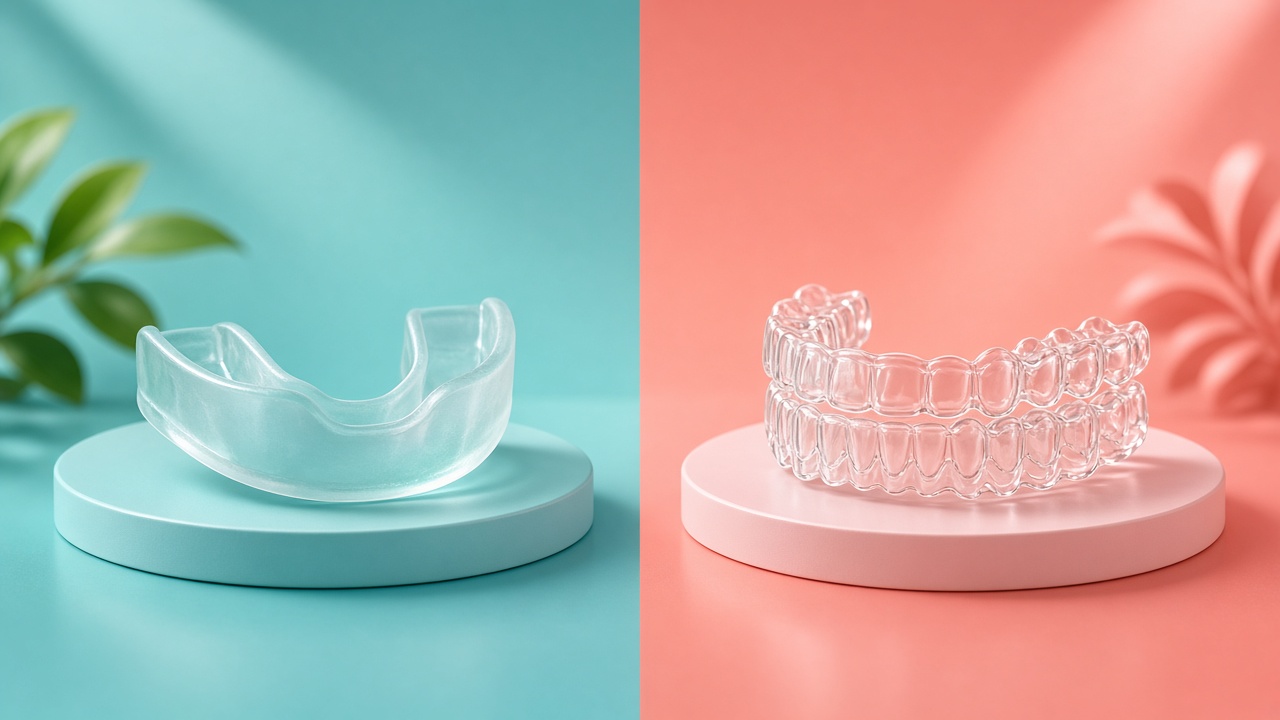
For a clinician, metal, ceramic, lingual systems, and aligners are different tools for different cases. For an insurer there is often one Orthodontics basket. If the lifetime maximum is AED X, it is shared: spend part on braces and little may remain for aligners. Some products name removable appliances or clear aligners; others silently fold aligners into orthodontics; others push “cosmetic aligners” into exclusions even when fixed braces are covered. That is booklet text again, not clinic marketing.
In practice I see three paths. First: no orthodontics line: choose method on clinical fit and self-pay budget. Second: orthodontics covered with a lifetime cap: test whether the insurer’s share funds a useful start, and say plainly that retention, breakages, and refinements may stay with you. Third: only fixed appliances / only for minors: adult clear aligners meet a denial while teen braces on the same policy pass. Families with several members should read age and appliance clauses per person.
Aligners add insurance detail: lab fees, tray count, refinements, attachments, retainers after the course. Even with an approved “aligner treatment,” a TPA may fund only a base package up to the limit and refuse an extra tray set. So I break the aligner treatment plan into payment stages before the case leaves for the lab. Braces installation should also align with the approval date, not with the next free slot this week.
Retainers are a separate trap. After debond, retention is clinically required; a policy may treat retainers as part of an already spent orthodontic lifetime or exclude them as aftercare. The retainers service page covers the medical side; the schedule covers the insurance side. Put retention in the family budget early: it is not an optional souvenir.
Market orientirs for coverage mechanics (not your tariff)
The table below draws from open UAE dental and orthodontic insurance reviews for 2025–2026 and from typical EBP wording. It is a question map for your booklet, not a Daman / Cigna / AXA / BUPA price sheet. Any cell with a figure is an orientir of “what appears on the market”; your row may be empty (Not covered) or different. Before treatment, match it to the Schedule of Benefits and a written TPA answer.
| Topic in the policy | What to look for in the Schedule of Benefits | Market orientir 2025–2026 (verify yours) | Typical patient risk | What to do before you start |
|---|---|---|---|---|
| Mandatory / EBP dental | Dental benefit, annual limit, coinsurance | Narrow annual limit near AED 500 for basic services; orthodontics in exclusions | Expecting “mandatory dental” to mean braces | Read exclusions; do not plan ortho on EBP |
| Annual dental sub-limit | Dental overall / outpatient dental | Often AED 2,000–10,000/year on enhanced | Limit spent on fillings and canals | Ask remaining dental and renewal dates |
| Orthodontics covered? | Orthodontics / braces / appliances | Many mid-tier: No; some premium/global: Yes | Verbal HR answer without PDF | Request eligibility letter by member ID |
| Coinsurance / co-pay | % payable by insured | Ortho reviews often ~50% up to the cap | Mixing “50% of the whole bill” with “50% up to lifetime” | Calculate your share with the cap |
| Lifetime maximum | Lifetime orthodontic limit | Orientirs AED 3,000–10,000+ where benefit exists | Assuming the limit resets yearly | Confirm lifetime vs annual |
| Waiting period | Qualifying period for orthodontics | Often 12 months, sometimes up to 24 | Bonding during waiting → denial | Match cover start date |
| Age limit | Age eligibility | Often minors (under 16/18/21; your text only) | Adult course on a child benefit | Check age on pre-approval date |
| Medical necessity | Clinical criteria / cosmetic exclusions | Cosmetic ortho excluded almost everywhere | Aesthetic wording in the claim | Imaging pack + specialist report |
| Pre-authorization | Pre-approval required | Yes for ortho where cover exists | Treatment without reference number | File the pack before installation |
| Aligners vs braces | Clear aligners / removable / fixed | Sometimes one basket; sometimes aligners separate or excluded | Method change after approval | Lock the method in pre-approval |
| Retainers | Retention / aftercare | Often outside the cap or from remaining lifetime | Surprise after debond | Budget self-pay for retention |
| Network / TPA | In-network providers, TPA name | Direct billing vs reimbursement | Out-of-network tariff below clinic bill | Confirm clinic in the TPA network |
If after the table your booklet is silent on Orthodontics, budget planning is simple: full self-pay. If the line exists, use the algorithm below and do not skip pre-approval.
Practical checklist before appliance day
I ask Dubai patients to clear the insurance path before we book installation or send an aligner case to production. Clinically you can run both tracks: on the first consultation we set diagnosis and a document list; in parallel you open the booklet and a TPA chat. That way you avoid paying for a lab stage blind.
Step 1. Download the Schedule of Benefits and Table of Exclusions for the current policy year. Find Dental and Orthodontics. No Orthodontics word: lock self-pay and discuss a payment plan. Word present: write down co-pay %, limits, waiting, age, pre-auth.
Step 2. Send HR and the TPA the same question: “Is orthodontic treatment covered for member [ID], age [X], for braces/clear aligners? Please confirm coinsurance, lifetime/annual limit, waiting period remaining, pre-authorization rules, and network requirement.” Ask for a written reply. A chatbot screenshot is thin.
Step 3. At the visit we gather the diagnostics insurers usually want: exam, photos, imaging as indicated, a plan with justification. If the policy requires a network clinic, decide whether you stay or change route.
Step 4. The clinic or you file pre-approval and wait for a reference. Only then book bonding or aligner production if you intend to use cover. If approval is refused, read the reason: waiting, age, cosmetic exclusion, missing documents, benefit exhausted. Extra documents sometimes help; sometimes the product is closed and dispute changes nothing.
Step 5. Before start, agree what happens with retention and unplanned visits. Retainers, a broken archwire, a lost tray, a refinement: ask the TPA in writing first. I put those lines into the full-course cost talk so an “insurance discount” does not become a zero-price illusion.
One note for relocators: if treatment began in another country, a UAE policy rarely “continues” that course by default. The new product applies its own waiting and exclusions. Clinically, continuation is often possible; insurance status must be checked again. Do not assume foreign invoices credit into a UAE lifetime; they usually do not.
Frequently asked questions
Below are answers I give most often in clinic and in follow-up once someone has opened the booklet. Questions stay short because that is how people search and how they write to a TPA. Answers follow general UAE market rules for 2025–2026 and the DHA Essential Benefits Plan frame; your group contract can differ on every Schedule of Benefits line. If the article and the PDF conflict, the PDF and a written eligibility note from the insurer or network administrator win. I am not an insurance broker and I do not promise approval: my lane is diagnosis, treatment plan, and a document pack for pre-authorization when the product allows it. Keep TPA reply screenshots next to the clinic payment plan and the waiting-period start date in your policy.
Does Dubai’s mandatory insurance (EBP) cover braces or aligners?
No. Under the Essential Benefits Plan frame, orthodontic treatment sits among excluded services. The narrow mandatory dental limit targets basic codes on the EBP dental line (consultation, imaging, scaling, fillings, extractions, root canal treatment, and related items as listed), with a separate annual ceiling and coinsurance. Plan braces and aligners as self-pay, or look for a separate Orthodontics line on an employer enhanced package.
If my policy lists “dental,” does that mean Invisalign is covered?
Usually no. Dental sub-limit and orthodontic benefit are different baskets. Annual dental funds preventive and restorative codes; clear aligners, when allowed at all, travel through Orthodontics with a lifetime cap, waiting, and pre-approval. Ask the TPA plainly about clear aligners / removable appliances.
Which co-pay and limit figures count as “normal” on the market?
Open reviews for 2025–2026 on plans that include orthodontics often cite orientirs near 50% coinsurance and a lifetime maximum around AED 3,000–10,000 (some global tiers higher), with waiting near 12 months. That is not your tariff and not a payment promise. The only working figures are the Schedule of Benefits and the approval letter. Any article with an exact percentage “for Daman / Cigna / AXA / BUPA plan N” without your booklet describes someone else’s contract.
Do I need pre-approval if the clinic “accepts my insurance”?
Yes, for orthodontics almost always. Accepting insurance means the clinic can bill your TPA for covered services. Orthodontics needs a separate approval of sum and period. Bonding without a reference number often ends as a full patient invoice; file before production or bonding day and keep the approval number.
Do policies cover adults or only children?
It depends on the product. Many corporate enhanced plans that include orthodontics at all narrow the benefit by age (reviews cite under 16 / 18 / 21; match your text). International packages sometimes widen age and tighten medical necessity. For adults I more often prepare a self-pay plan and separately check whether the policy funds at least diagnostics.
What happens to retainers and refinements under insurance?
They often sit outside the main approval or draw from an already thin lifetime. Retention after the course is clinically required; a product may label retainers as aftercare and refuse. Aligner refinements and replacement of broken parts also need written clarification. Put those lines in the family budget and discuss them on the treatment plan so the finish of the course does not meet an unexpected invoice.
Can I switch method (braces ↔ aligners) after pre-approval?
You often need a new approval. Approval ties to codes, sum, and appliance type. Changing method without telling the TPA invites a reimbursement denial. If we change the clinical plan, we update insurer documents first, then start the lab or rebond the system.
The insurer refused. Is a dispute worth it?
Yes when the refusal rests on an incomplete pack, a member-ID error, waiting that has not yet ended, or a wrong clinic code: then extra documents and resubmission make sense. When exclusions name Orthodontic treatment outright or the lifetime is spent, a dispute rarely rewrites the product. Then a clear self-pay plan and timeline beat months of call-centre hope. I help with clinical letters; only the insurer decides payment.