Clear aligners are a solid tool for many adult cases, yet not for every mouth and not for every goal. I write this as a specialist orthodontist in Dubai: declining trays in some situations is not a pitch for braces. It is a choice of mechanics I can steer with a clear forecast. The American Association of Orthodontists links options and fees to a full evaluation, not to a smile photo in Stories. Below is an honest list of limits: where trays stall in biomechanics, where wear discipline breaks the plan, where other dental care must come first, and when metal braces or a hybrid path is clearer. Service-page floors in my practice: adult aligners from AED 16,000, Invisalign from AED 22,000, aligner treatment plan from AED 600, consultation from AED 500, metal braces from AED 15,000. Those are floors, not your invoice. Fit versus no-fit is locked only after exam and images.
What “aligners are not right for you” actually means
Search language sounds absolute. In the chair I split it into three meanings. First, biomechanics: the move you need transfers weakly or unpredictably through a removable plastic shell. Second, tissue health: while gum, bone, or roots are unstable, I pause any orthodontic appliance, trays included. Third, daily life: if you will not keep trays in about 20–22 hours a day, the screen plan stays a video. Each meaning needs a different answer. Sometimes we change the appliance. Sometimes we treat the periodontium and return to aligners. Sometimes we keep trays and narrow the goal: textbook occlusion yields to a healthy, stable, aesthetically enough finish.
I do not keep a list of “forbidden people.” I keep a list of situations where naming the limit before a deposit beats naming it after the tenth poorly tracking tray. Patients who book a second opinion after someone else’s “Invisalign will definitely work” often hear not “you were mis-sold,” but “the goal is wider than a removable appliance can carry in your mouth.” The tone stays calm. The job is to match method to mouth, not to defend a tray brand or a bracket brand.
Appliance limit versus plan limit
A tray moves a tooth through elastic plastic and through anchorage on neighbours and attachments. A bracket and wire control angulation and torque in a different way. That is not a “better / worse” ranking. Those are different levers. If the job is moderate crowding in an adult with sound hygiene and real wear discipline, aligners often land on target. If the job is to erupt an impacted canine on a complex path, close large extraction spaces with tight root control, or combine orthodontics with jaw surgery on a skeletal plan — I more often choose fixed mechanics or a combined protocol.
The plan can be the wrong object too. Trays can technically move teeth while the patient’s real wish is to change facial profile with a marked skeletal Class II or III. Orthodontics alone will not close that request. I say so before we order a series. Otherwise a year of neat arches still fails the expected profile, and disappointment lands on “aligners” when the miss was the goal.
Skeletal and heavy occlusion cases
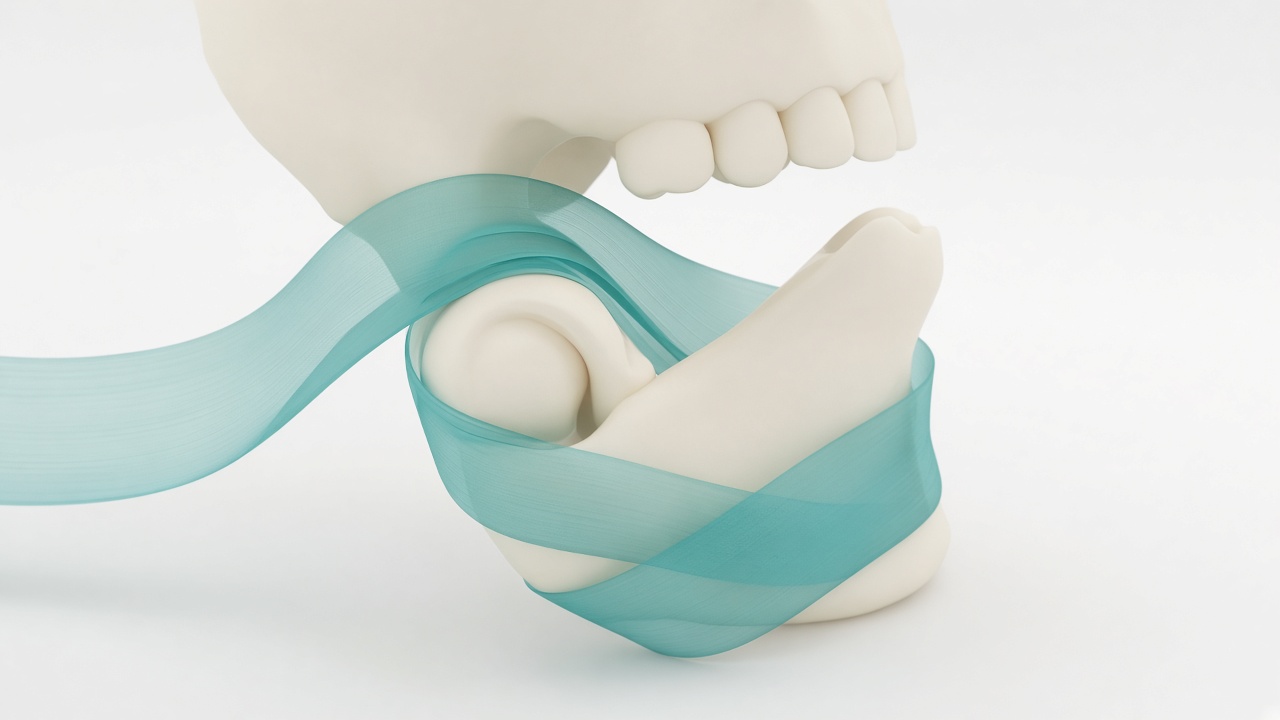
Jaw imbalance is the most common gap between “invisible trays for any bite” ads and the clinic. If the lower jaw sits clearly behind or ahead of the upper, if face height is “open” or “compressed” in bone rather than only in tooth tip, one tray does not rebuild an adult skeleton. It can compensate with teeth inside a safe range. Compensation has a ceiling. Past that ceiling we discuss surgery, braces under a surgical protocol, or an open compromise on profile aesthetics.
At consultation I read the face in profile, the smile line, jaw relations on films, then the teeth. If you came to “only straighten the front” and the cephalogram shows a clear skeletal shift, I name the fork without drama: trays can close the smile zone inside compensation; a full skeletal request needs another path. The choice stays yours. My job is not to sell trays “just in case.”
Open bite, deep bite, crossbite
Vertical tasks treat trays unevenly. A mild dental open bite in an adult with a tongue habit can run on aligners with tight control and habit work. A skeletal open bite with a long face and almost no chewing contacts is a zone where I rarely promise a full finish on trays alone. A deep bite with heavy overlap also needs clear mechanics; some of those cases track more stably on braces or on a hybrid. A one-sided crossbite with a narrow upper arch in an adult hits bone volume and the limits of expansion: a tray tips teeth outward; it does not “break the palate” the way a growth appliance can in a child.
I do not frighten you with “you must not.” I show on a model or on screen: here is the missing contact; here are the millimetres needed; here is what a tray can do in adult bone. If the numbers disagree with an ad promise, we lock that before you pay for a series.
Impacted teeth and directed traction
An impacted canine, a horizontal wisdom tooth, a unit under mucosa — these often need surgical access and directed pull. Fixed appliances with wire and chain give me more direct vector control in those scenes. Aligners sometimes join later, once the tooth has erupted into a stage we can refine. I do not start with “trays now, the canine will sort itself out.” If a simulation already ignored canine impaction, bring the files to a second opinion: we compare the screen path with anatomy on the film.
Movements where trays more often yield to fixed mechanics
Even in a dental case without surgery, some moves run slower on removable plastic, need more plan revisions, or risk a tooth lagging the plan. A large rotation on a cylindrical tooth, marked root tip, extrusion of a molar over a noticeable height, heavy torque control on incisors after compensation, closure of a large extraction space with parallel roots — zones where I discuss braces early, or a braces stage before trays.
That is not a verdict on a brand. Platforms such as Invisalign and other certified systems widen protocols year by year: attachments, buttons, elastics, miniscrews paired with trays. A wider protocol does not cancel physics: force still arrives through plastic you can take out. If a tooth chronically fails to seat into the tray, we either strengthen the protocol, change the appliance on that segment, or narrow the goal in writing.
Heavy crowding and extractions
Heavy crowding alone does not ban aligners. A naive plan “without space and without a strategy” does. Space comes from expansion, distalisation, enamel reduction (IPR), extractions, or a mix. Each path has a cost for profile, gum, and time. Closing extraction spaces on braces is, in many cases, a more familiar control story. Trays can do it too — with wear discipline and a plan that does not draw “perfect smile in six months” on a four-premolar extraction case. If someone sold a short Lite package against clear lack of space on both arches, the risk of upgrade and disappointment is high. I lock package level after diagnostics, not by eye from a phone photo.
One “stubborn” tooth and miracle expectations
A separate ask is “fix one tooth with trays.” Sometimes yes: mild relapse after old braces, a light twist on an incisor. Sometimes no: the tooth sits in a tight contact, the root sits in thin bone, neighbours already sit in compensation. Then a short tray course either misses the goal or moves neighbours more than you accept. On an aligner treatment plan you see that before order: the simulation shows who else will travel. If nobody showed you the simulation, that is a process red flag, not a “clinic quirk.”
Tissues, hygiene, and general health: when orthodontics waits
Orthodontics does not treat decay and does not replace a periodontist. If gums bleed on brushing, pockets are active, teeth are mobile on inflammation, or calculus covers the necks — tissue stability comes first. That rule covers trays and braces. Trays can feel “gentler” because you remove them to clean. Inflammation does not leave for that reason. I do not start tooth movement in active periodontitis: the risk of speeding support loss outweighs any aesthetic rush.
Decay, cracks, teeth under a “save or extract” question, missing units without a prosthetic plan — also stop-lines until clarity. Orthodontics changes positions. The prosthodontist and surgeon must know where the tooth will arrive. Otherwise trays build an arch under a gap that later refuses a crown.
Bruxism, occlusal trauma, joints
Strong night clenching and wear do not auto-close the door on aligners. A night tray can act partly as a barrier. If the joint clicks with pain, opening is limited, or muscles sit in spasm — we sort function first, sometimes with a jaw-focused colleague under the clinic protocol. I do not “speed beauty trays” through acute joint pain. Calm order: pain and function under control, then movement.
Systemic factors without scare lists
Some medicines and conditions change bone turnover and healing. I ask about them on the form and, when needed, align the plan with your physician. That is not a list of “you cannot have a healthy smile.” It is a change of force, timing, and expectation. Pregnancy, recent surgery, past radiation in the head-and-neck field — reasons for an individual calendar, not for an internet diagnosis. I keep frightening catalogues off this page: a chair conversation beats any paragraph.
Wear discipline: the limit you choose yourself
Aligners work when the tray sits on the teeth. Most protocols aim near 20–22 hours a day, out for meals and hygiene. If you remove trays “for the meeting, for coffee, for photos, for the ride home” and forget to replace them, tracking drifts. A tooth lags. The next tray will not seat. Extra tray series stack, irritation rises, and it feels as if “aligners do not work.” Discipline works. The plastic is not the villain.
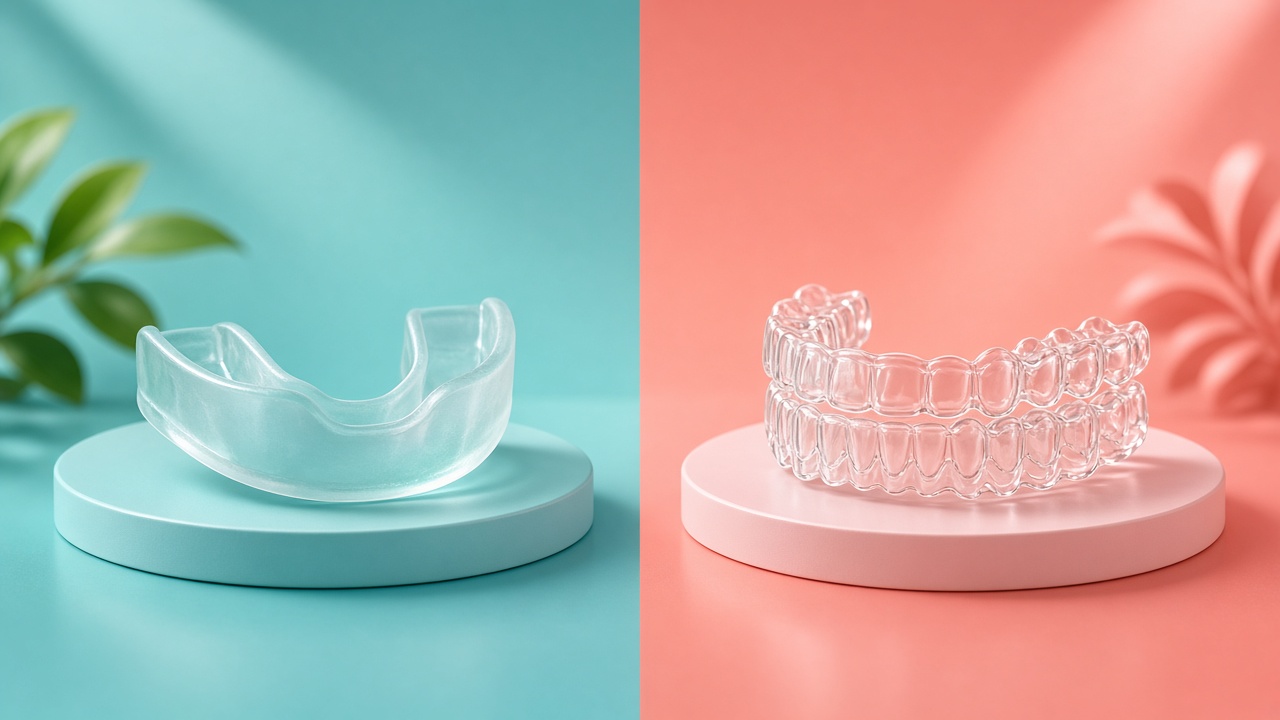
I ask at the start: can you live with the case, the timer, cleaning after every meal. For some people that is easier than braces: dinner without hardware. For others it is a trap: trays off, half a day free. If the honest answer is “I will not wear them,” I offer a fixed system. Metal braces in that scene are not a punishment. They remove the variable “forgot to put them back.”
Teens and young adults with weak wear control follow the same logic. Some protocols add wear indicators. An indicator does not replace a family talk about motive. If motive is only “mum booked it,” the break risk sits higher than for an adult who chose trays for camera-facing work.
Travel, Ramadan, a wedding in four weeks
Dubai life breaks ideal calendars. Long flights, deal weeks, time zones, Ramadan with a different eating rhythm — all manageable if we build them into the plan. Unmanageable if trays start two weeks before a wedding “to catch a smile” when the movement volume needs eighteen months. Timeline and life calendar are also a “right for you now” test. Sometimes I delay the start. Sometimes we begin on braces with clear activations. Sometimes we run a short aesthetic stage with an honest ceiling before the event and a full course after.
When braces are a calm alternative, not an “outdated method”
I place and run both trays and braces. Patients need to hear that metal in 2026 is a normal adult choice, not a loss in an aesthetics lottery. A fixed wire holds control twenty-four hours. Complex vectors, a pre-surgical stage, set-up for prosthetics, cases with doubtful wear discipline — zones where braces installation often means fewer surprises. Aesthetics can mean ceramic, sapphire, lingual technique, or metal if you accept visible brackets.
A hybrid is also a working path: braces for hard moves, trays for finish; or trays on one arch with braces on the other in uncommon schemes. I do not sell hybrid as premium for its own sake. I offer it when one mechanic covers the weak spot of the other.
Soft floors on the site: metal from AED 15,000, adult aligners from AED 16,000, Invisalign from AED 22,000. Comparing numbers without comparing tasks is empty: the cheaper plan is the one that reaches the agreed goal without endless reorders.
What changes in daily life if we choose a fixed system
Patients fear the mirror and the meeting room more than the biomechanics. I talk through daily life early: cleaning takes longer in the first weeks, softer food after activations, wax for rub spots, a sports mouthguard over braces for contact loads. In return, the ritual “tray out — box — eat — brush — tray in” disappears. For people with dense deal weeks and frequent snacks, a fixed appliance is sometimes easier on discipline even when it shows more on photos. Aligners win for people who can keep the ritual and who need removability on stage or on camera.
Emergency breaks are another daily filter. A debonded bracket is repaired at a visit. A lost tray needs replacement or a rollback to the previous stage under the doctor’s protocol. In Dubai, with frequent flights, I ask how many weeks you can realistically return for an unplanned slot. If the answer is “once every three months at best,” a long tray series with thin tracking needs either very strict self-discipline or another method.
Limits table: a quick map before the visit
The table does not replace an exam. It helps you frame questions for consultation and see why a doctor may offer something other than trays.
| Situation | Why trays are often debated | What we usually discuss instead or beside | What to ask the doctor |
|---|---|---|---|
| Marked skeletal Class II/III, profile request | Trays compensate with teeth; they do not move adult jaw bone | Braces, surgery, open compromise on profile | “Which part of the goal is dental, which is skeletal?” |
| Impacted canine / complex traction | Needs vector control after access | Surgery + fixed traction, trays later | “Where is the path on the film and in the simulation?” |
| Active periodontitis, bleeding | Moving on inflammation raises support risk | Cleaning, periodontist, then appliance choice | “When are tissues stable enough to start?” |
| Will not wear 20–22 h/day | Tracking drifts, extra tray series stack | Metal braces or another fixed system | “What extra-series reserve sits in the contract?” |
| Large post-extraction closures | Roots and parallelism need tight control | Braces, hybrid, trays with elastics/anchorage | “Why this space strategy for my case?” |
| Short package against clear lack of space | Upgrade risk and disappointment | Full package level or change of mechanics | “Tray count and movement ceiling in the estimate?” |
| Simulation without IPR and attachment talk | Screen goal may miss the mouth | Re-review of the plan, second opinion | “Show the hard teeth and IPR volume” |
If two or three rows feel familiar, that is not a diagnosis of “never.” It is a reason to bring films and hear the fork before you pay for a series.
Money and expectations if we change method after someone else’s trays
People frustrate over biomechanics and over a deposit already paid elsewhere. I separate the money dispute with the old contract from the clinical choice here. If trays were already worn and tracking is weak, we sometimes finish the series with tighter control. Sometimes we rescan and change the appliance. Sometimes we pause orthodontics for periodontal care. Each path has its own estimate. Site floors (adult aligners, Invisalign, metal braces) start the talk; they do not refund another clinic’s invoice.
In practice I ask patients not to add “paid there + full course here = cheated twice” in their head. Correct logic: what the mouth already achieved; what remains for the agreed goal; which appliance reaches it with fewer surprises. Sometimes paying for clear braces on the remainder costs less than a third plan revision round on trays worn fourteen hours a day. I name figures only after exam, with a dated offer.
UAE insurance may code trays and braces differently. If the policy matters for budget, confirm cover in writing with your TPA before you lock a method: I help with the clinical packet; payment decisions stay with the insurer. That talk sits beside biomechanics, yet it shapes which path you can carry through to retention.
How I decide fit in Dubai
The sequence is simple and repeatable. First, complaint and goal in your words: “straight front teeth,” “close a gap,” “prepare for veneers,” “reduce deep bite,” “profile like my sister.” Then exam: hygiene, gums, mucosa, mobility, occlusion, joints, breathing and habit if visible. Then images and a scan as indicated. Then life: wear, travel, event dates, budget frame without bargaining for an ad result. Only then I say: aligners as the main path; aligners with caveats and extra-series reserve; braces; hybrid; periodontics or restorative first; or the goal is not orthodontic.
On the 3D plan screen I pause on teeth that lag in the simulation, IPR volume, elastics, need for miniscrews. If the film looks beautiful only at perfect 22-hour wear and at movements on the edge of protocol — I say that aloud. A pretty clip is not a guarantee. AAO ties option and fee talks to a full evaluation; in Dubai you add the DHA frame: the specialist works inside specialty and facility privileges. I do not sign a plan I will not accompany.
Language at the visit matters too. In English or Russian we pin daily details: elastics in meetings, sport, Ramadan, weddings, flights to Europe or Asia. Those details change appliance choice more than people expect at the start. A patient who “almost never removes trays” at home and “almost always removes them” on trips is two risk profiles for me. I ask for a real week, not an ideal one.
Diagnostics without which I will not issue a verdict
Minimum for an honest fit answer: exam, current panoramic film, photo protocol, lateral cephalogram when skeletal questions sit on the table, CBCT when roots or impaction need it, digital scan for the plan. Older films from another country help comparison. A three-year-old OPG without today’s status does not replace diagnostics. I do not issue WhatsApp verdicts: camera angle lies, and the chair bite has no substitute.
If you already paid for a “free scan” elsewhere in the city and received a series invoice without periodontal or skeletal review — pause and build a full packet. A scan is an entry to technology. It is not an orthodontic diagnosis. On the aligner treatment plan page I lock biomechanics before full-course money.
What to bring if trays were already “sold” elsewhere
Packet: contract, simulation (PDF or access), OPG and cephalogram, photos before, attachment list, how many trays worn, how many hours a day you really managed. On a second opinion I compare mouth and file. Sometimes the plan is sound and anxiety grew from “perfect for you” marketing. Sometimes the file promises a skeletal shift with teeth alone. Then options: narrow the goal, change mechanics, continue with tighter control. I will not attack the previous office. Mouth facts outrank brand fights.
Practical checklist before the visit: 1) simulation with a date; 2) tray count in the series and current number; 3) side and front photos of current tray seat; 4) list of teeth with attachments; 5) elastics used and the scheme; 6) IPR done and on which contacts; 7) fresh complaints — pain, mobility, joint click; 8) a real wear diary for one week. Even half of that list keeps the first talk from starting at zero and separates “trays are wrong for this mouth” from “trays are wrong for this lifestyle.”
What this article does not do
It does not replace an exam. It does not issue an online ban from a selfie. It does not claim aligners are “bad” or that braces are “always stronger.” It does not scare with complications to push a dearer package. It maps questions worth asking before a deposit: skeletal versus dental goal, which moves sit on the edge, which wear rhythm is real, what happens if tracking lags, where the braces fallback sits.
If you recognised yourself in the wear block or the skeletal block, book a consultation with those questions ready. If a tray plan already exists and doubt remains, a second opinion is usually clearer than a third ad simulation. For adult aesthetic and orthodontic goals, the adult aligners page describes when the path fits; this article covers the other side of the same honesty.
FAQ: who clear aligners are not right for
Below are questions I hear at the visit and that people type into search: can you know without an exam, does a skeletal bite always exclude trays, what to do with gum disease, whether trays help heavy crowding, what replaces the method honestly, what it costs to sort this in Dubai. Answers stay short. A personal verdict follows exam and images only.
Can a photo show that aligners are not right for me?
Not reliably. A photo shows the smile and part of the bite. It does not show roots, bone, joints, or your wear habits. A preliminary talk on existing films is possible. Method choice locks in the chair.
If I have skeletal Class II or III, are aligners excluded?
Not always. Mild dental compensation inside safe tip ranges can run on trays. A marked skeletal request, especially with a profile change as the success test, often needs another protocol: braces, surgery, or a written compromise on the goal. We draw the line on films and on what you call success.
Can I start aligners if my gums sometimes bleed?
If bleeding tracks active inflammation and plaque, hygiene and, when needed, a periodontist come first. When tissues are quiet, we return to appliance choice. Trays do not “heal gums” because you remove them to brush.
Are aligners a poor fit if I will not wear them well?
For a predictable result, yes — that is a strong limit. Then metal braces or another fixed system is the clearer path. I would rather hear “I will not do 22 hours” before we order a series than six months later with poor tracking.
Does heavy crowding auto-reject trays?
No. You need a space strategy: expansion, IPR, distalisation, extractions, or a mix. Refusal appears when a short package does not match the volume, or when edge-of-control moves run better on a wire. Decision after diagnostics, not from the word “crowding” in chat.
If trays are “not me,” should I go straight to metal?
Often yes, when you need continuous control and prefer life without a removable routine. Sometimes ceramic or another brace type covers the aesthetic ask. Sometimes a hybrid. At consultation we compare tasks, time, and your week — not an abstract ranking of methods.
Is a second opinion worth it if I already bought Invisalign?
Yes, if the goal is unclear, the simulation was not explained, or the mouth shows periodontal issues, impacted teeth, or a clear skeletal shift. A second opinion reads the same dataset without an obligation to treat with me. It is a calm way to test plan versus mouth.
What does it cost in your practice to learn which method fits?
Site orientation: consultation from AED 500, aligner treatment plan from AED 600, second opinion per the service page. Full tray and braces packages follow method choice. A dated written estimate locks the sum.
Can I start trays “on trial” and switch to braces later?
A switch is technically possible. In money and time it almost always costs more than an honest choice at the start. Each month of poor tracking is a month you later recover on another appliance. I agree to a “trial” only when the goal is narrow, lag risk is clear, and the contract already names the path to change method. Otherwise the trial becomes a double payment without a double result.
Are aligners wrong for children?
Skeletal growth and mixed dentition in children often need other appliances and other control. Teen protocols exist, including on certified systems, yet wear discipline and the type of problem decide more than a parent’s wish to “keep it invisible.” Age alone is not the only filter; the task and the wear readiness matter more. Child and teen pathways sit apart from the adult focus on the adult aligners page — this article stays on adult requests and on honest refusal where trays promise too much.