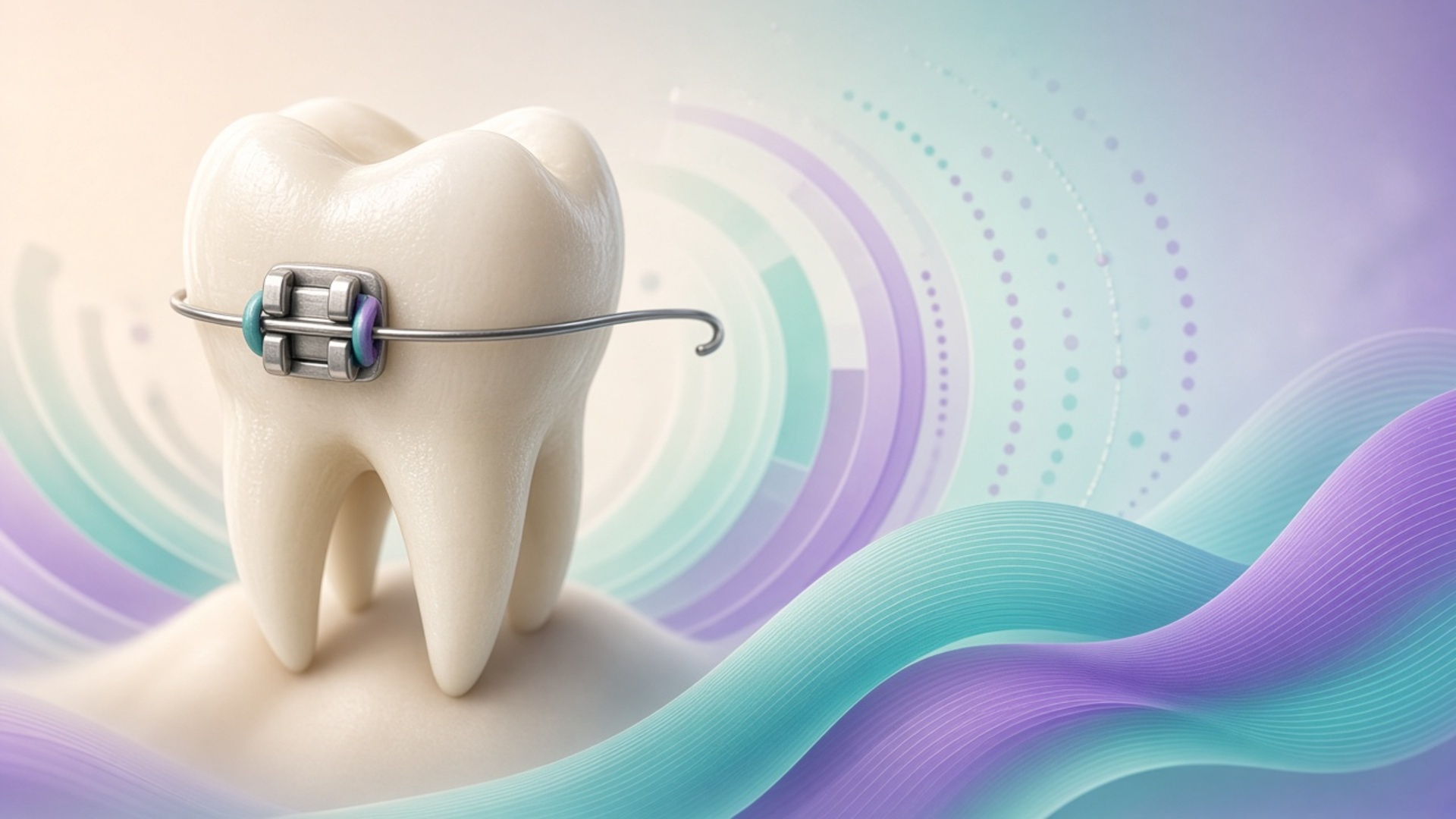
Patients ask how long do braces take before bonding day — and usually want one number that fits everyone. In the chair I give a corridor, not a promise. A full fixed-appliance course for teens and adults often sits around 12–24 months; lighter alignment can finish nearer a year, while heavy crowding, skeletal bite problems, and space closure after extractions often run 24–30 months or more. Reviews of fixed appliances cluster near two years on average, with wide spread between mouths. The American Association of Orthodontists (AAO) ties duration to the malocclusion, growth, cooperation, and the written plan — not to the brand printed on the bracket box. I run braces treatment in Dubai: below I focus on what actually stretches a course — missed arch-wire changes, elastics, breakages, hygiene pauses, case complexity, relocation, and doctor changes. I do not guarantee a wedding date from a chat photo; your corridor is fixed after consultation and records.
The duration range I quote on consultation
On the first conversation I separate three layers. First — a rough band from similar cases: months seen with similar crowding, similar bite, similar age. Second — your personal corridor after films and models: a lower and upper bound with room for the unexpected. Third — a calendar date for a wedding or move: logistics, not bone biology. If you ask for “exactly fourteen months,” I explain that bone and periodontal ligament do not read contracts. Metal, ceramic, sapphire, and self-ligating systems change visibility and visit rhythm; by themselves they rarely “cut six months” from the same bite. A short package that never finishes the bite is a different service and a different duration talk.
In Dubai your calendar often collides with leave, IB school breaks, and flights. I build that in: activations before a long trip, a soft re-entry after return, spare capacity for a breakage abroad. If you already wear braces and want to know why the course outran an earlier promise, I read the stage map — not only “how many months the metal has been on.” Sometimes the original timeline was optimistic. Sometimes the plan was honest and cooperation plus logistics ate months. Both happen; the fixes differ. Bring hard dates that matter to you: wedding, thesis defense, relocation, competition. We mark what is realistic before that date and what should not be promised.
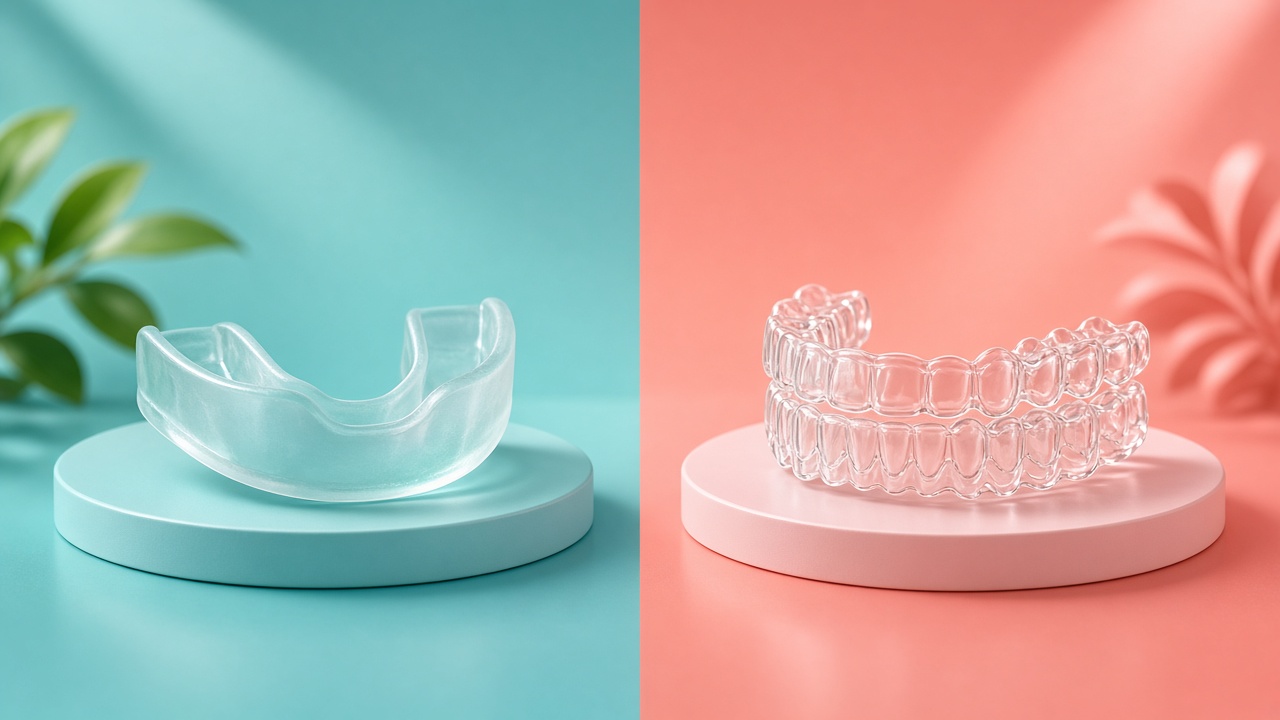
Ranges in this article are conversation tools, not a diagnosis from a selfie. Mild alignment without a complex inter-arch vector may land in 10–14 months. Moderate crowding with elastics often sits in 16–22. Space closure after extractions, open bite, marked Class II or Class III, asymmetry, and contact finishing sit nearer 20–30+ months. After braces come off, retainers are a separate chapter: retainer wear is not part of “how long do braces take,” yet without retention the result drifts. I discuss retention before bonding so the finish does not feel like a surprise. If retainers worry you more than braces, say so early — we pick a retention format that fits your life.
When someone promises a finished result in six months for heavy crowding and a skeletal jaw discrepancy, I ask for a written stage plan. Sometimes a short timeline means a narrow goal: straighten front teeth without full bite correction. That can be legitimate if you accept the limits. Confusion starts when a cosmetic short goal is sold as a full course. On consultation I ask what “done” means for you — photo smile, canine fit, no gum trauma, prep for prosthetics. That answer drives length more than ligature color.
I also separate “time until the smile looks even on camera” from “time until a stable bite with retention.” The first can arrive earlier. The second includes contact finishing and retainer habits. Patients who count only the mirror smile feel the course “dragged,” while the plan is still closing function. Write both markers in your phone notes after consultation — it is easier to argue with yourself a year later than with the doctor.
Biology: why teeth move slowly
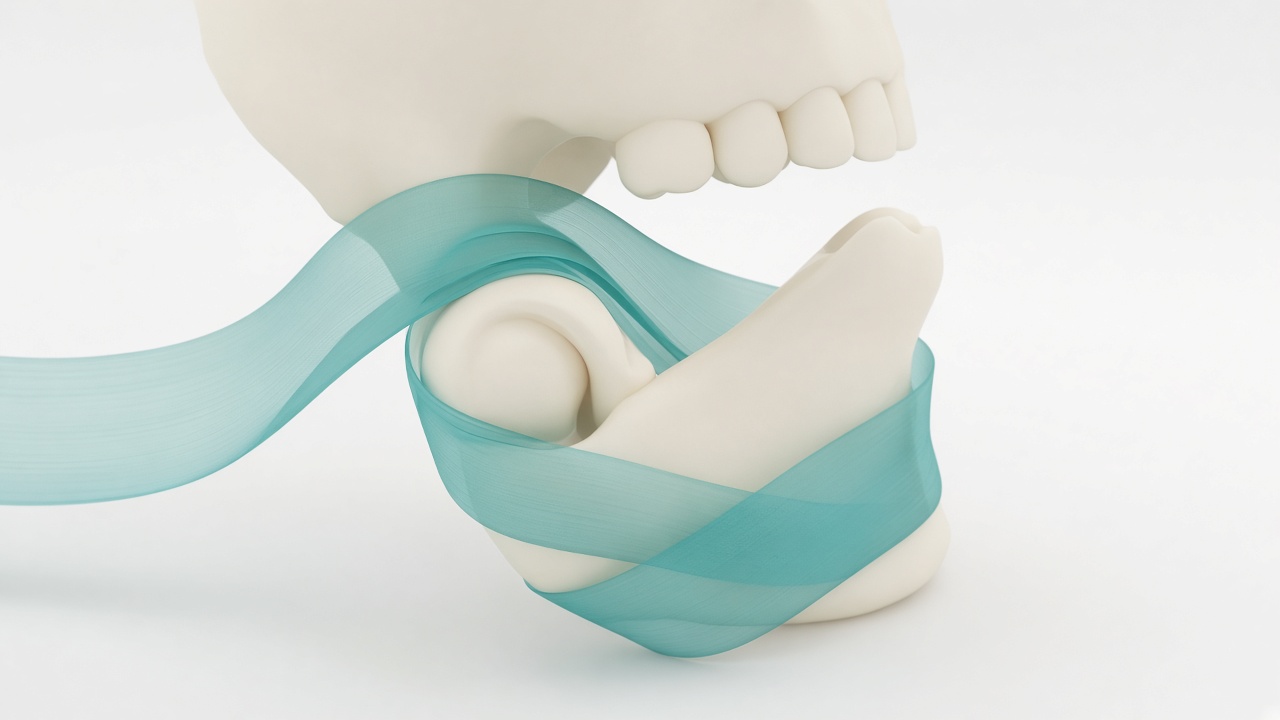
A tooth sits in bone inside a periodontal ligament. Orthodontic force travels through the ligament into bone: resorption on one side, formation on the other. That is a cellular process of weeks and months, not “tighten tonight, move a millimetre by morning.” Excess force does not safely speed you up; it raises risk of root resorption, ligament injury, and pain without calendar gain. So I dose activations and choose wires by stage — not “maximum from day one.”
Age changes some phases, yet meta-analyses of fixed treatment duration in adolescents versus adults often find no clinically meaningful difference in total time: adults may start slower, yet keep visits and elastics more reliably. Adult bone is denser, the periodontium needs care, and jaw growth will not help “catch up” a skeletal gap. A teen may gain from growth — and lose months to skipped elastics. I do not promise an adult “teen speed in one year” when the biomechanics match and cooperation does not.
Between visits, movement continues while the current wire still delivers force. When the wire has settled and force drops, the appliance occupies space, collects plaque, and scratches the cheek while the plan stalls. That is why planned arch-wire replacement matters: without it you wear metal without advancing the stage. Patients sometimes treat pain as a progress meter. Pain is a poor KPI. The ligament adapts, pressure fades, movement continues in micrometres per week. No pressure does not mean no movement; strong pressure does not mean a fast finish. If pressure vanishes a day after activation, that is not a reason to skip the next visit: the stage still needs a chair-side check and a decision on the next calibre.
Biology sets a floor: we do not go below a safe pace. It also sets a ceiling: we do not chase ad “accelerators” without proven benefit for your case. Vibration gadgets in reviews often fail to shorten total course length in a stable way. If someone sells a device as “six months guaranteed off,” I ask for independent data and compare it with your plan. Visit and elastic discipline usually beat a battery box.
Root resorption is a separate speed limit. We monitor with films when indicated and refuse to chase the calendar with aggressive force. If risk rises on review, I ease movement even if that costs weeks. I say it plainly: a slightly longer course beats weakened roots. “How long do braces take” always sits next to “at what cost to the tissues.” The same applies to periodontium: with bone loss and mobility I narrow goals and pace, sometimes delaying start until a periodontist stabilises the mouth.
Missed visits and skipped wire changes
Every missed control shifts not only a diary date but a biomechanical stage. A wire that should have changed keeps idling or holds an intermediate geometry. Ligatures fray, a wire end slips from a molar tube, small breakages stay unnoticed. Studies of fixed treatment length link missed appointments with longer courses; the correlation shows once skips repeat. In Dubai the usual reasons are travel, leave without rescheduling, exams, a forgotten clinic-app slot. I ask you to move visits early: 7–14 days beyond schedule with an intact appliance is often manageable; months of silence is another story. Below — how a skip looks in early alignment, space closure, and finishing, and what I change in the chair when you return after a pause. The aim of this section is to show where you lose weeks versus months.
Early alignment: flexible wires
Early months often use flexible nickel-titanium wires. They level and derotate. If you skip the step up to the next calibre, the arch can freeze half-ready: looks better on a selfie, stage not closed biomechanically. Patients see progress on camera and decide visits can thin out. That is the trap of mid early phase. At each visit I name the current wire’s job and the next step. Without that frame, a skip feels harmless. Before a long trip, ask briefly whether we keep a power chain and whether you need wax in the bag. Five minutes of messages can save a month of rollback.
Mid-course: space closure and stiffness
Once the arch is levelled, stiffness and auxiliaries matter more: springs, chains, elastics. A skip here most often rolls back space closure or the bite vector. Teeth may drift toward a smaller gap or reopen if force vanishes. Return after a long pause sometimes needs a thinner wire again — a step back, then forward. The calendar lengthens by a cycle you already paid. Logistics skips differ from medical pauses: gum inflammation or acute decay are reasons to ease force on purpose. A quiet pause of “later somehow” almost always costs more months; I log the reason so temporary does not become endless.
Late finishing: details and contacts
Before debond, work is precise: torque, steps, root positions, tiny spaces. A skip in finishing stings: “it already looks fine,” while contacts still float. Early removal without retention rebounds faster than people expect. I would rather shift debond a few weeks than remove “as is” under date pressure. If a date is hard, we negotiate realistic goal trade-offs before start — not in the last month. If you already dropped out for two or three months, book an exam even without pain: no pain does not mean the wire still drives the plan.
Elastics, hygiene, and broken brackets
Patient cooperation is one of the strongest levers on duration. Inter-arch elastics supply a vector a wire alone will not finish. Wear is by hours: day, night, “only off for meals.” Skip weekends for photos and you lose part of the week’s effect. Clinics and reviews link weak elastic discipline with months added; the exact figure depends on how critical the vector is for your bite. I issue a written or chat diagram and ask for an honest report: how many hours you really wore last week. Hygiene and breakages pull the same lever: inflammation blocks force, a missing bracket stops that tooth. Below — three daily scenarios that most often eat the calendar for braces patients in Dubai: elastic hours, cleaning around brackets, and urgent rebonding. You control these more than wire alloy.
Elastic hours without self-deception
Count hours the way you would count a medicine. “Almost all day” without a number is a weak report. If the plan is 20 hours and you wore 12, the vector is weaker. I do not scold honesty; I recalculate the forecast. Changing the scheme yourself (“every other day but harder”) breaks biomechanics. A snapped elastic needs a spare; an empty pack needs a message before the visit. Expired or stretched rings from a jacket pocket work worse than fresh stock. Before a photoshoot, better off for an hour and back on than erase a whole evening from the schedule.
Hygiene as brake or rhythm helper
Good hygiene does not magically speed bone. It removes inflammation pauses. Poor hygiene adds unplanned visits, force limits, and sometimes temporary removal of parts. I link professional cleans to the orthodontic calendar so you do not invent extra trips. If cleaning takes more than an hour and plaque remains, bring your brushes to the visit and we rework technique around wings. In a Dubai office, a desk kit of mini brushes after lunch cuts plaque more than one perfect late-night session. White spot demineralisation is a reason to slow orthodontics and raise fluoride — enamel rescue, not “treatment stalled.”
Breakage: what to do before the visit
Keep the bracket if it comes off whole. Cover a sharp edge with wax. Skip superglue. Message the clinic with a photo: which tooth, when it failed, whether it hurts. Sometimes I open a short urgent slot; sometimes it is safe to wait until the planned visit if neighbours still hold the wire. That call follows exam or at least a clear description — not a relative’s chat advice. Repeat failures on the same tooth call for a check of bite, habits, and enamel surface after an old filling. Three breakages in a quarter signal a lifestyle review: nuts, caramel, and crisp breads at Dubai buffets debond quietly more often than a ball to the face.
Case complexity: extractions, skeleton, finishing
“How long do braces take” starts with diagnosis. Mild crowding without an inter-arch vector is shorter than closing spaces after four premolar extractions. Extractions are not “bad”; they change workload. Space closure needs months of controlled root movement, not only crowns. A skeletal jaw discrepancy in an adult can hit orthodontic limits: some goals need surgery or a compromise. A growing teen may get another path. I name those branches before start so the timeline does not feel like a bait-and-switch a year later. Below — three blocks that most often explain why the corridor is long from day one rather than “suddenly delayed”: space closure after extractions, skeletal limits, and selfie-invisible contact finishing. That is planned course length, not a penalty for patient character or a “slow” doctor in the chair.
Extractions and space closure
After a premolar comes out, the gap closes gradually. Closing too fast risks tipping crowns and losing root control. I sequence wires, chains, and sometimes temporary anchorage. Patients see a gap for months and worry. That is an expected stage, not stalled care. Skips here are costly: a gap half-closed then reopened repeats the cycle. Temporary skeletal anchorage adds control and can remove wasted movements, yet it does not turn a heavy case into an ad “express.”
Skeletal bite and orthodontic limits
When jaws diverge strongly on the skeleton, braces alone move teeth within bone. Dental compensation is possible; growing a new adult jaw with metal is not. Duration then reflects the compromise: time for dental compensation and stabilisation. A surgical path has its own prep calendar. I do not label methods “worse”; I show goals, risks, and length for each branch. Asymmetry, impacted canines, and implants near the move zone also lengthen plans: implants do not travel, crowns may need remakes after orthodontics, and specialist slots in Dubai need booking early.
Finishing you cannot see on a selfie
Small rotations, incisor height, canine contacts, midline — that is finishing. It rarely explodes an Instagram feed, yet it holds function and stability. Patients who push “take them off already” sometimes return a year later with crowding relapse. I set debond by criteria, not by metal fatigue. If fatigue is high, we set a realistic checkpoint and progress photos — motivation without early removal. On review images I show what is closed and what remains so finishing does not feel like stalling. Before start, ask whether wisdom-tooth removal, periodontal care, or endodontics is needed — and put those visits on the shared timeline instead of discovering a pause in month six.
Relocation, changing doctors, and long pauses in Dubai
Dubai collects patients mid-transfer: treatment started elsewhere, continued here. Changing orthodontists almost always adds time for records, adapting to a new mechanic, and sometimes swapping parts not stocked locally. I do not promise “we continue from the exact same calendar day.” First films, periodontal check, understanding of the prior plan. Sometimes the old timeline was optimistic. Sometimes you lost months between clinics. An honest new corridor beats a pretty date from an old contract.
A long pause without a doctor is a separate risk. The wire fatigues, teeth drift to intermediate positions, hygiene slips. Return may need a stage rollback. If you leave for months, plan ahead: keep the current wire, remove force elements, issue a retainer for the pause, find a colleague where you stay. A one-off gap between activations is a neighbouring topic; here the issue is the pause’s effect on total course length. Bring to the first Dubai visit a panoramic film, laterals if you have them, smile photos from before treatment, and a list of what was done: extractions, miniscrews, elastics, bracket type. A fuller pack costs fewer weeks of guessing the prior stage.
Insurance pre-approvals in the UAE sometimes shift start by weeks. That is not biology, yet it enters the “when do we debond” calendar. Bring the policy and coverage questions to consultation early so the orthodontic plan does not wait on paper in silence. Exact coverage rules depend on the contract; I do not invent insurer tariffs in a blog. Switching systems mid-course (metal to aligners or the reverse) also lengthens the path: new records, new protocol, adaptation. Sometimes aesthetics or hygiene justify it. Sometimes it is an emotional impulse after a hard month. I weigh gain against months lost to rebuild and write the decision into the plan so six months later we are not arguing who suggested the switch.
What you control on the treatment calendar
You will not speed osteoclasts by willpower. You control visits, elastics, foods that break brackets, hygiene, breakage messages, and honesty about goals. The table below is the delay map I use when we unpack “why so long.” Figures are order-of-magnitude guides from practice and literature, not a verdict on your mouth. Save a screenshot and walk the rows on the next visit to mark what already applies to you.
| Delay factor | How it shows | Typical time cost* | What you do | What I do |
|---|---|---|---|---|
| Missed activations | Wire settled, stage stuck | +4–12 weeks with serial skips | Reschedule early, avoid month gaps | Restart stage, sometimes drop calibre |
| Weak elastics | Bite not closing as planned | +2–6 months if vector critical | Hours per scheme, spare elastics | Recast forecast, simplify scheme if needed |
| Frequent breakages | Tooth without bracket stalls | +1–3 months if repeats | Softer food, wax, fast photo report | Rebond, find cause |
| Inflammation / decay | Force cannot increase | +4–10 weeks for clean-up | Hygiene, hygienist visits | Pause load, coordinate care |
| Heavy plan (extractions, skeleton) | Many real stages | Built into 20–30+ month corridor | Accept length before start | Honest plan, progress photos |
| Doctor change / move | New records, stock | +1–4 months to reconnect | Bring films and notes | New written corridor |
| Early debond for a date | Relapse, rework | A mini-course later | Do not push “yesterday” removal | Readiness criteria |
| Narrow vs full goal | Fronts only vs full bite | Six months+ difference | Lock the goal in the plan | Separate cosmetic and full course |
*Talking ranges; your exam and stage map set the real numbers.
On consultation bring desired dates (wedding, move), a skip history if treatment is underway, medications, and habits (bruxism, sport). I answer with a corridor and delay-risk factors specific to you. A clinic average of “fourteen months” without your diagnosis says little about your mouth.
If the course already outran a promise, I start with facts: skipped activations, elastic hours, breakages, goal changes, doctor changes. Sometimes biology was oversold. Sometimes daily life stretched it. Those need different next steps — stronger cooperation or a rewrite of goals and mechanics. I do not finish that review from one messenger photo. After the talk I ask for one action that week: return elastics to scheme or book a rebond in the next slot — a small step restores calendar control and lowers the urge to quit near the finish.
Planned length versus true delay
Planned length means stages track the map, visits stay regular, and the calendar matches the corridor within a sensible buffer. Delay means a stage sits for months on the same appliance, elastics are “sort of worn,” breakages repeat, or the goal changed without a new plan. A warning sign: the doctor cannot name the current stage and next step. A healthy sign: “we are closing the left space, X remains, then Y weeks of finishing.”
Comparing yourself to a friend who “finished in a year” is almost useless. Different bite, age, discipline, and goal. Comparing yourself to your own written plan helps. If there was no plan, write one now even mid-course. For patients changing doctors I issue a short stage sheet: where we are, what slows us, what the new corridor is. Every few months ask for a spoken or written status: stage, share of goals closed, what depends on you for the next six weeks. That habit fights the feeling of endlessness better than a new coloured ligature.
Metal fatigue is real. We treat it with clear checkpoints, progress photos, ligature changes, and daily ease — not a promise to debond because you are tired. Rising pain, one tooth sharp to cold, or a pus gum is urgent contact, not a duration debate. Duration talks belong on a calm visit with films if needed. In Dubai I often see fatigue in hot season and dense work weeks: we break home rules into short checklists instead of cancelling biomechanics.
FAQ: braces treatment time and delays
How long do braces take on average?
A full course often lands around 12–24 months, with literature averages for fixed appliances nearer two years. Lighter cases run shorter; complex ones longer. Your post-diagnosis corridor matters more than an internet average.
Will switching to self-ligating braces speed me up?
Self-ligation changes visit rhythm and hygiene without coloured rings; reviews do not show a stable “six months off for everyone.” I choose a system for the case and logistics, not as a timer. Diagnosis and cooperation set duration more than a clip on the bracket.
How much do missed visits add?
One shift of a week or two with an intact appliance is often mild. Serial skips and multi-month silence move stages by weeks and months, sometimes with a wire calibre rollback. Better to reschedule arch-wire replacement early than vanish from the diary.
Do elastics really change the timeline?
Yes, when the bite vector will not close without them. Irregular wear stretches inter-arch correction. Honest hour counts let us recast the forecast without blame. DIY scheme changes confuse mechanics.
Why do adults take longer than teens?
Not always longer overall. Adults have denser bone and no growth help; teens more often break elastic discipline. Meta-analyses often find little total-duration difference in comparable cases. Decide from diagnosis, not from a passport.
What if I was promised one year and year two has started?
Unpack facts on consultation: skips, elastics, breakages, goal changes, doctor changes. Sometimes you need a new written corridor. Sometimes you need stronger cooperation. A messenger photo does not close that review.
Are retainers part of “how long do braces take”?
No. Braces are the active phase. Retainers hold the result after removal on a separate schedule. Without retention, crowding can return — and the duration question returns as retreatment.
Can weekly visits finish the course faster?
More often is not faster. Bone needs time to remodel between activations. Too-frequent force jumps raise pain and resorption risk without a better end date. Intervals of 4–8 weeks are common for many arch-wire stages; your plan after exam on consultation sets the real rhythm.