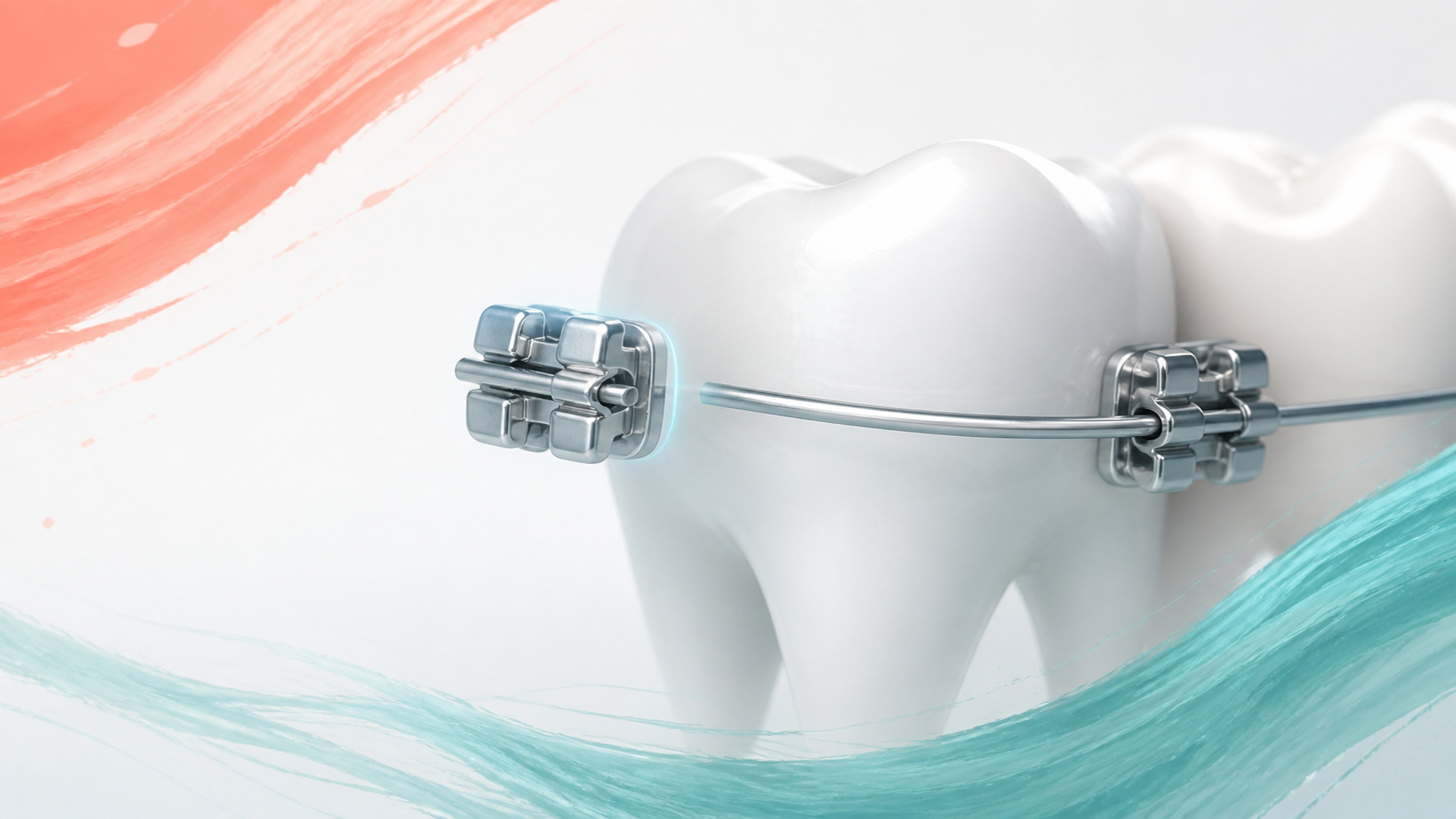
When a bracket comes off your braces, it ranks among the most common emergencies during active treatment. One phrase hides different failures: the bracket itself, the archwire, a ligature, or a molar band. What broke decides whether you can wait for your next scheduled visit or need a chair within a day. Below I walk through scenarios for patients in Dubai: a home wax minimum, red flags, what not to DIY, and how rebonding works in the chair. I do not diagnose from photos alone. Repair cost is fixed after exam; site floors are listed as from: arch-wire replacement from AED 700, braces installation from AED 3,500 for a full system restart. A single bracket rebond is a separate line item after exam, not a fixed price from chat.
What actually broke: bracket, wire, ligature, or band
Patients write "bracket came off braces" and the photo shows something else: wire stabbing the cheek, a colored elastic in the palm, a molar band rocking. I ask you to name the part first, then hunt for a slot. A bracket is the pad bonded to the tooth. The archwire runs between brackets. A ligature holds the wire in the slot. A molar band anchors the back of the arch, and without it mechanics drift faster than it feels on the first evening. The four scenarios below do not replace an exam. They help you pick the least action at home and the right message for reception: a comfort slot or a planned booking a week out. Take a photo in good light, note upper or lower and right or left, when you noticed the break, and what you ate in the last 24 hours. If the bracket sits in your hand, store it in a container and do not throw it away. That set saves back-and-forth and lowers the risk that reception books you for an activation when you need a short repair on one lock.
Bracket came off and hangs on the wire
The most common request: the lock lost its bond to enamel, yet the wire still runs through its slot. You feel movement under the tongue or lip. American Association of Orthodontists (AAO) home-care notes suggest sliding the bracket gently toward the center of the tooth with clean fingers, covering it with wax, and telling the clinic. Do not pull the bracket off the wire from memory, do not bite it free, and do not glue it with superglue or pharmacy denture cement. Homemade adhesive damages enamel and blocks a clean rebond later.
If the loose lock interferes with bite, eat soft food on the other side, keep a thick wax pad, and book repair at the first chance. One debond on a side tooth with quiet mucosa often waits several days for a planned window. A failure on a tooth that drives the current movement, or a third debond on the same tooth within a month, changes the calendar: force control slips, and waiting one more week can cost extra months of treatment.
Archwire slipped from the last bracket or pokes
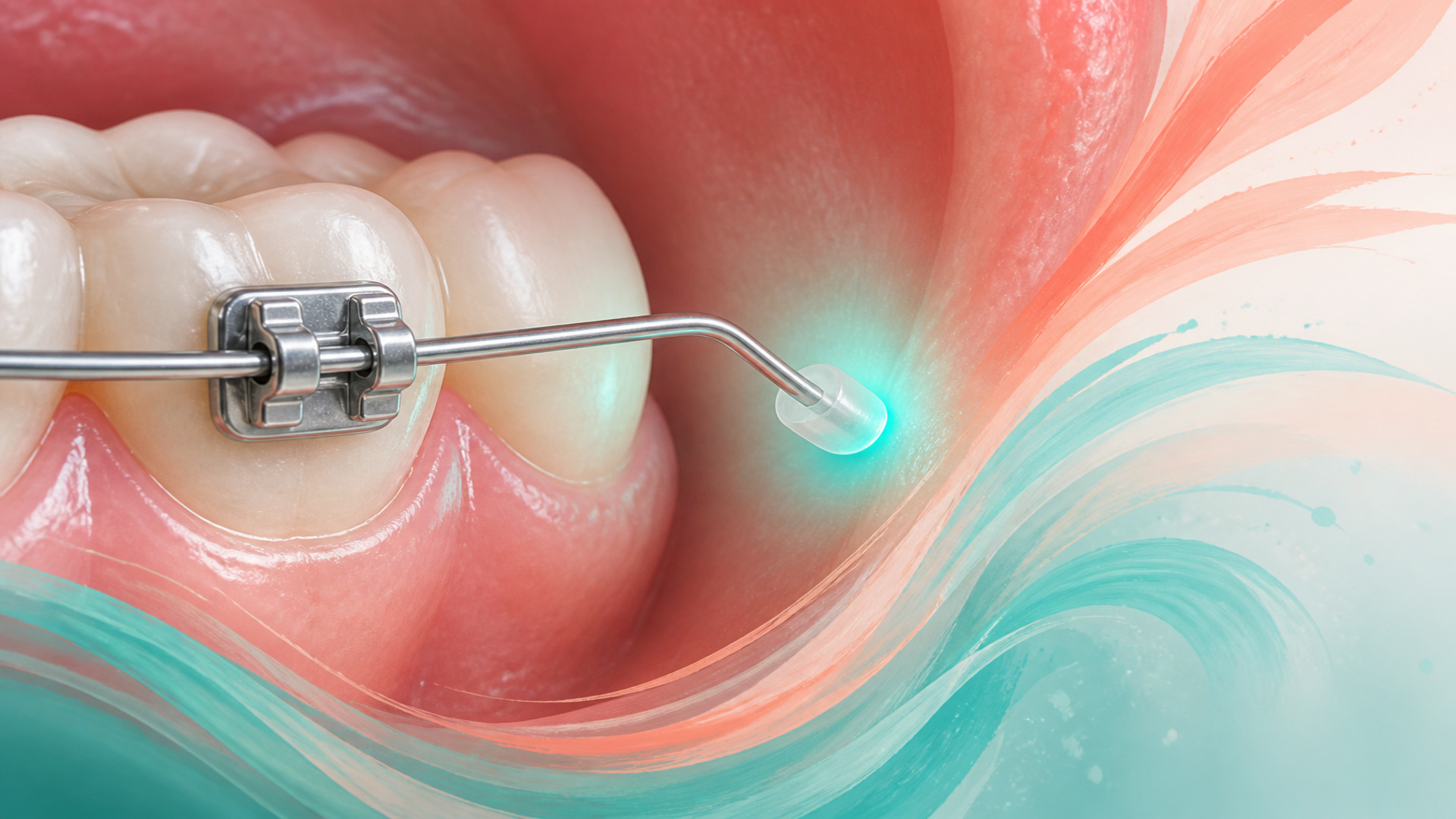
The wire end slides out of the last bracket, a classic problem in the chewing zone. The sharp tip scrapes the cheek every time you open your mouth. Wax grips worse here than on a flat lock: the pea rolls off a thin strand. First try a clean cotton applicator or pencil eraser to press the end toward the tooth so it re-enters the slot or at least lies along the arch. If that works, add wax on top and message your doctor. If it fails, wrap wax around the protruding segment, eat soft food, and seek a slot within 24–48 hours if pain blocks eating and sleep.
I do not recommend cutting on luck with nail clippers from a home kit. A trimmed tip can become shorter and sharper, harder to catch with proper instruments in the chair. If your treating doctor already gave written instructions and mini cutters for your system, follow that plan. Without instructions, stabilize and see a specialist.
Ligature came off
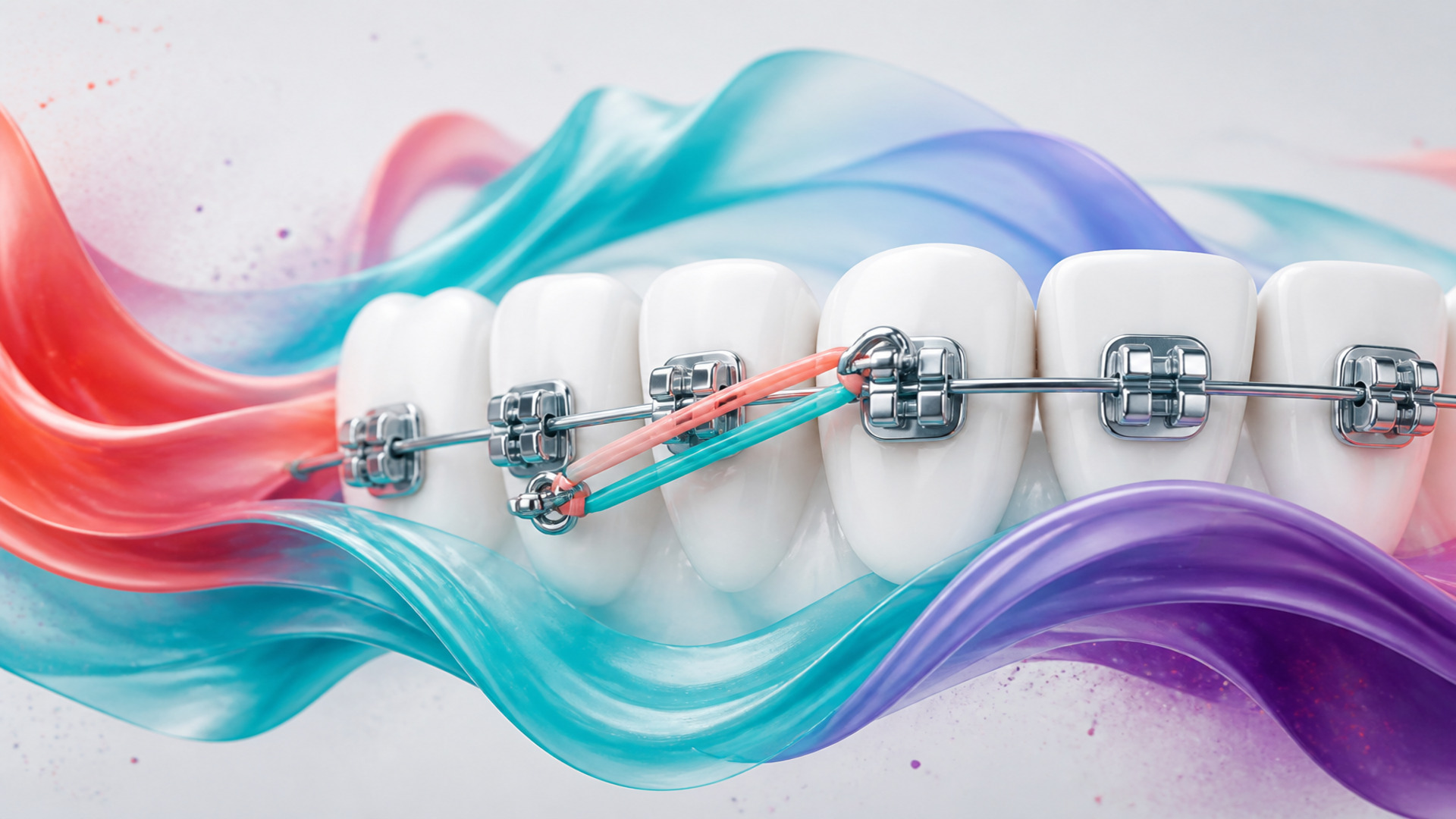
A colored elastic slipped off: discomfort and looks, rarely acute trauma. If neighboring ligatures still hold the wire in the slot, wax on any sharp corner and a next-business-day visit often suffice. A thin wire ligature that unwound and pokes sits closer to the poking-wire scenario: cover with wax, do not bite it off. Self-ligating clips sometimes fail to click fully after hard food. That still warrants a photo message to the clinic even if the lock stays on the tooth.
One lost ligature rarely breaks the plan overnight. A run of slipped elastics on one segment in a short window signals unstable wire seating or a shifted bracket. Then I do not postpone the visit until a convenient Thursday.
Molar band rocks or came off
A band on a chewing tooth that wobbles or fell out sits higher on my urgency list than one calm mid-row debond. Without a stable molar anchor the mechanics drift, and a sharp band edge cuts the gum. Do not chew on that side, take a photo, and look for a slot within 24–48 hours. Ignoring home in a week with a rocking band is a common path to wire shift and segment re-fit, closer to arch-wire replacement than to a minute rebond.
If the band is fully free, store it in a container and bring it to the visit. Do not swallow it on purpose and do not discard it: without the band the doctor has a harder time restoring geometry in one sitting.
When you can wait for a planned visit
Not every break needs a tomorrow-morning slot. Some scenarios live until your next visit if mucosa is not bleeding, you eat and sleep, and the appliance is otherwise intact. I group those into three buckets: one debond without a sharp edge, a slipped ligature with stable wire, and light rubbing that wax controls. Each bucket has conditions; without them wait turns into risk. The main condition is that you stay in touch with the clinic: photo, date of break, what you did at home. Silent endurance for two weeks with a debonded lock on a key tooth is not planned waiting in my book. In Dubai many patients stack treatment around school runs, metro commutes, and travel; pushing comfort until the weekend is sometimes reasonable, sometimes not. Below are windows that in my practice often pass without urgent comfort. They do not cancel an exam and do not give you permission to ignore rising pain or swelling.
One debond on a side tooth without a sharp edge
The lock came off, sits on the wire, does not cut the cheek, does not block bite: the classic can-wait case. Cover with wax if the lock catches the lip when you talk. Eat soft food on the opposite side. Book repair in the next planned window or move an existing visit a few days earlier if a slot exists. If the appointment is five to seven days out and mucosa stays calm, urgent comfort is often unnecessary.
Exceptions: debond on an incisor closing a space; repeat debond on the same tooth; a lock you shifted yourself and now blocks closure. I speed those up even when it feels tolerable overall.
One colored ligature off, wire still seated
One elastic in a pack of ten is not a reason for a midnight ER trip. Check that the wire did not leave the slot. If the slot is held by neighboring ligatures or a clip, a next-business-day booking often suffices. Wax is needed only if a wire ligature left a sharp corner.
If you wear elastics on a prescribed scheme, continue while traction does not snag the mobile segment. Remove an elastic that pulls a debonded lock and raises pain for 24 hours, then message your doctor. Do not add force yourself to catch up.
Light rubbing that wax holds
The cheek reddens at contact with a bracket, but no ulcer yet, wax stays for several hours, food and sleep are normal: that is comfort, not urgency. Refresh wax after meals, rinse with warm salt water. Book a routine adjustment or short comfort visit if the next appointment is more than a week away.
If wax slides off within minutes, the ulcer grows, a foul taste appears, or swelling moves onto the face, move to the 24–48 hour section. Light rubbing and chronic ulcer belong in different baskets.
When you need a visit within 24–48 hours
Some states worsen comfort and mechanics with each day without help. AAO patient guidance separates orthodontic discomfort from life-threatening situations: bleeding, facial trauma, breathing trouble, a tooth displaced after a blow. Between those poles lies comfort and control urgency: you can live, but eating and sleep are already hard, or the appliance is losing vector. In Dubai I ask you not to confuse an urgent dental visit with ER: a debonded lock without systemic symptoms goes to the orthodontist or a braces-experienced dentist, not the emergency room. If you waver between I will manage and I need a slot today, use sleep and food as guides. Two days without normal eating because of wire is an argument for in-person help. Friday evening with a cutting wire is not a reason to suffer until Monday. Three groups below are ones I ask you not to defer to a convenient Thursday.
Sharp edge wax will not cover
A wire end or twisted wire ligature cuts the cheek, wax slides off, the ulcer grows: you need a slot within a day. While you hunt time: soft food, a thick wax layer, warm salt rinse, photo to your doctor. Do not bend wire with your finger until it clicks; you can break the arch in the slot.
If pain blocks sleep two nights in a row, do not wait for it to maybe heal. A chronic ulcer over five days heals slower than it feels on the first evening. A short comfort visit is often cheaper in treatment time than a week without food.
Mobile bracket blocks bite or rolls free
A lock that blocks closure, catches the opposite tooth, or rolls on the wire without support gets accelerated care. If the lock is about to go down the throat, remove it from the wire with clean fingers, store it in a container, and bring it to the doctor rather than risk aspiration in sleep. Wax on a rolling lock is a hours-long bridge, not a week-long plan.
A cluster of debonds in a short window is also a 24–48 hour reason, even when each alone looks mild. Repeat on one tooth often points to bite, hygiene, or rebond technique, not a bad day.
Rocking band, tooth pain, gum swelling
A molar band that wobbles or fell off needs a slot within 48 hours. Strong pain under the lock, reaction to hot and cold, rising gum swelling, foul taste: exam now, not a debate over orthodontist or GP. Orthodontic force on active inflammation is harmful. In those cases I pause activations until we know what sits under the bracket.
Facial swelling, fever, breathing trouble: emergency route, not brace tightening. Stabilize general condition first under local protocol. Orthodontics joins after.
Home minimum until the appointment
Home care removes mucosal injury and holds the appliance until a doctor sees you. It is not DIY braces treatment. AAO patient notes repeat a short set: orthodontic wax, soft food, warm salt rinse, message to the clinic. Name the failure first, then act: wax without a photo and without a call plan turns a week into a chronic cheek ulcer. In Dubai wax and interdental brushes sit in pharmacies and supermarket pharmacy aisles along Sheikh Zayed Road and in mall clinics; keep stock at home and in your bag if you move between office and school. I show wax technique at bonding day, but by the first evening half of patients forget the steps, so I repeat them below. If wax is missing, clean cotton or medical ear silicone bridges hours until the pharmacy, not a substitute for the whole week. Three blocks below cover small breaks. Facial blow, strong swelling, or bleeding need a different route, not home minimum.
How to place wax correctly
Wash your hands. Dry teeth in the problem zone with a tissue: wax sticks poorly on wet enamel. Tear a pea-sized piece, warm it between fingers until soft, press over the sharp spot so the edge disappears. If the bracket is mobile, slide it to the tooth center first, then cover. Change wax after meals and brushing. At night check whether the lump slid off: the tongue removes it faster in sleep than by day.
Do not smear a thick coat across the whole arch just in case. Cover the trauma point. If an ulcer already exists, still place wax; it cuts repeat friction while mucosa heals. Warm salt rinse two or three times a day helps comfort; alcohol mouthwashes on an open ulcer often burn without benefit.
Food and hygiene until the visit
Soft, cut food. No biting a whole apple, no caramel, popcorn, nuts, hard crackers, or sugared chewing gum. Hard food is a frequent cause of a second debond the day after a temporary wax fix. Brush carefully around the broken site: plaque on a loose bracket and around it speeds gum inflammation. Keep interdental brushes and superfloss in the routine you already use; stopping cleaning from fear that something else will fall off is a poor trade for enamel.
If you wear elastics and your doctor did not stop them, continue the old scheme while traction does not snag the broken part. If the elastic catches a mobile bracket and raises pain, remove that elastic for a day and write your doctor.
What to send the clinic and what to attach
A short message beats a novel: upper right bracket debonded, hangs on wire, wax in place, eating soft, pain moderate. Attach a daylight photo, note date and time when you noticed. Ask whether you need a comfort slot or can wait for a planned visit. That lets reception book the right visit type, not a consult two weeks out.
If you are here for a second opinion or recently changed doctors, add system name and date of last activation. Without that we lose chair time rebuilding context.
What not to do with a debonded bracket
Over the years I have seen the same home repairs complicate rebonding and lengthen treatment. Patients glue a lock with superglue for one night, bend wire with pliers, remove neighboring brackets so they stop catching, start antibiotics for abscess on chat advice. None of those steps replaces a short visit. Some damage enamel and make professional bonding less predictable. I do not shame you for a break: it is a consumable risk of active treatment, not proof you ruined everything. Shame delays the call. The call speeds the slot. WhatsApp groups and forums sound confident; in the chair we then spend an hour removing temporary solution residue. One short visit beats a week with superglue on enamel. Below are three error groups I ask you not to repeat, even if my friend did it or the internet said so.
Glue, cement, and pharmacy temporary fix
Do not glue the bracket with superglue, nail glue, or over-the-counter crown cement without a prescription. Adhesive stays on enamel and in the slot; we remove it with a bur. The surface then accepts orthodontic composite less well. One night often stretches to three weeks while the patient cannot find time, and plaque builds under the homemade layer.
If someone sells a home braces kit with cement and no exam, that is not a visit substitute. Cement without bite control and dry field shifts the lock and debonds again within days.
Tools and force on the archwire
Do not bend the wire with hardware-store pliers. Do not trim wire with manicure cutters without your doctor's instruction. Do not remove neighboring brackets to free the mobile one. Sharp moves break the arch in slots, leave a sharper burr, and sometimes crack ceramic.
Travel nail clippers are acceptable only if your orthodontist already showed technique for your system. Without that, wax and a visit.
Medication, endurance, and wait until it fixes itself
Do not start an antibiotic for swelling on chat advice: facial swelling and fever belong in an in-person exam, not pharmacy self-treatment. Do not heat the cheek for inflammation without exam. Do not endure a cutting wire for a week on principle: ulcer and refusal to eat are already a medical comfort problem.
Do not ignore repeat debonds because last time we survived. Repeat is a signal to find cause, not a new endurance record.
How rebonding works in the chair
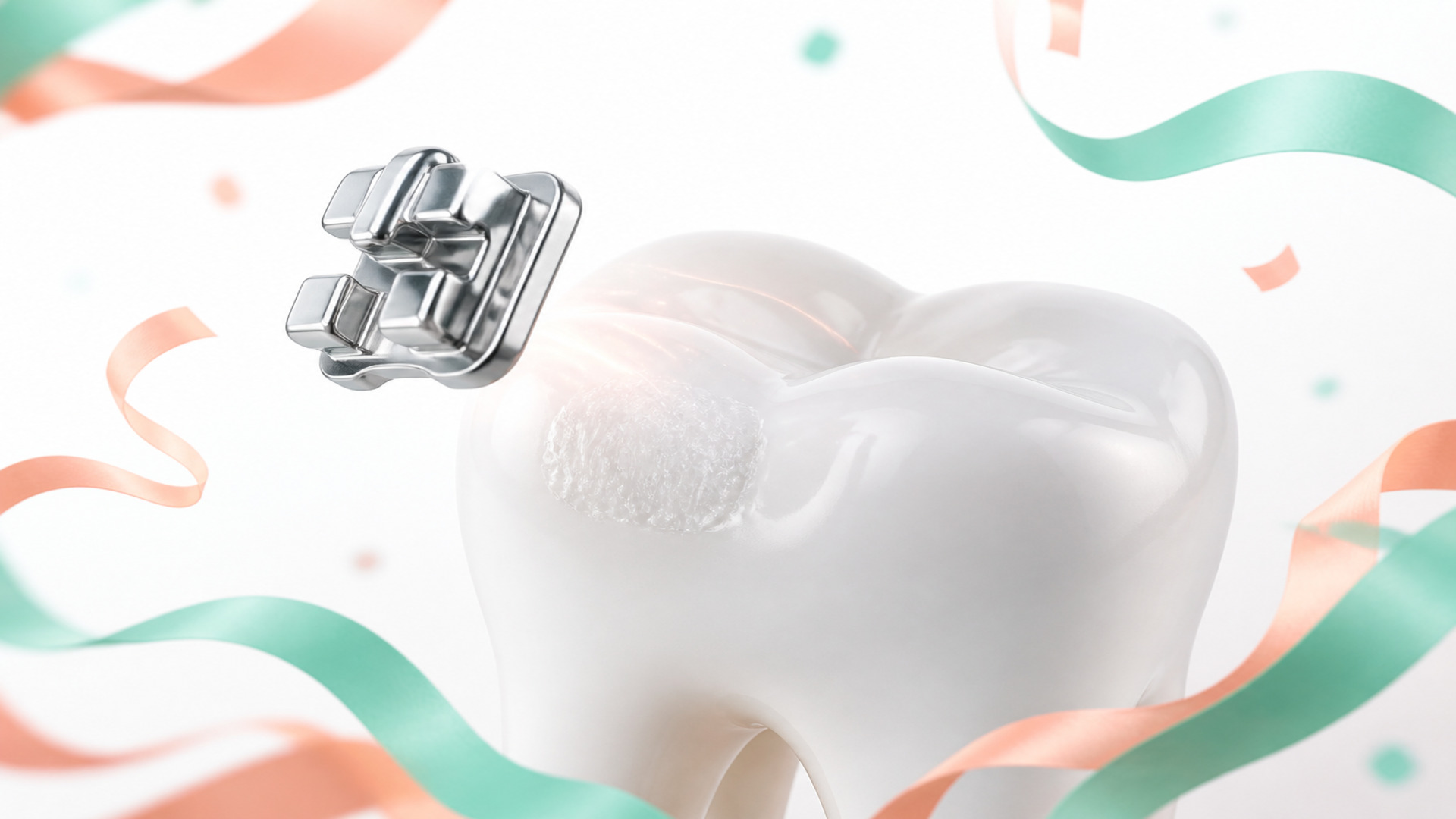
Rebonding one bracket is a short visit if enamel is dry, bite does not interfere, and no hidden decay sits under the lock. Patients sometimes fear they will take everything off. In most cases that does not happen. I first look at what changed since debond: tooth drift, wire damage, plaque, inflammation. Then I decide: rebond, replace ligature, trim wire, temporarily reduce force on a segment. Full system restart is needed only for systemic breaks or plan change, closer to braces installation from scratch. The visit usually fits in 20–40 minutes if there was no superglue and no decay. Bring a debonded bracket in a container if it came off the wire; matching the part to the tooth is simpler. Below is typical order in my operatory. Your visit may differ in details, but logic stays the same: safety, dry field, bite check.
Exam and preparation
I ask when it debonded, what you ate, what you did at home, whether repeats happened. I check bite, hygiene, mucosa, wire position. Decay or enamel crack under the lock means restorative care first; otherwise rebond fails again within weeks. Before photos sometimes compare to the last visit: important to see whether the tooth moved while the lock was free.
The mouth is dried, isolated if needed. Old composite pad and home glue traces come off carefully. That stage takes longer if you arrived after superglue.
Bonding the bracket and checking the wire
The lock goes on prepared enamel with orthodontic composite, wire returns to the slot, ligature or clip closes. I check that the lock does not block closure or create excess pressure on the tooth. Sometimes after rebond a light wire trim or ligature change on a neighbor takes minutes, not a new course.
After bonding I pause for biting and ask you to report new pressure points within 24 hours. Micro-adjustment on a short follow-up is cheaper than a third debond two weeks later.
What you leave with and how to book
You leave with a clear plan: when hard food is OK, whether elastics continue, when the next activation is. If there was arch-wire replacement or several rebonds, I explain why and what that means for treatment length. I fix the estimate in writing after exam: one rebond, wire, hygiene are separate lines. Site from prices are floors on the date of this article, not a messenger invoice.
Comfort booking in Dubai goes faster when you arrive with a photo and short description. Reception does not need a confession; symptoms and urgency are enough.
Why brackets debond and how to lower the risk
Debond rarely happens for no reason. Hard food, weak hygiene, a blow, pen-biting, dry mouth, bite that hits the lock while chewing: these stack. Sometimes technique or wet field at first bond is the cause; I review that at exam, not in chat. What matters more for you: what to change at home so you do not catch a third debond on the same tooth. I do not promise zero breaks for the whole course; metal in the mouth lives in real life. Risk still drops without heroics. After rebond I often ask you to note what you ate on debond day: a month later repeat on the same tooth almost always matches the same snack type. Three blocks below cover food, hygiene, habits, plus when to discuss bite adjustment or a composite pad with your doctor.
Food and load on brackets
Popcorn, nuts, hard crackers, caramel, biting a whole apple, tough crust, bones: the classic list. Sticky food pulls the lock on the bite. Ice from a glass breaks ceramic and metal alike. Cut fruit, chew on side teeth when sensitivity allows.
After rebond I usually ask for 24–48 hours of soft food on that segment: composite gains strength over time, not instantly. Breaking that rule in the first day is a frequent cause of it came off again.
Hygiene and dry mouth
Plaque around the lock weakens the bond edge and irritates gum. Cleaning after meals, brush under the wire, floss or superfloss: protection against repeat debond, not a perfectionist option. Dry mouth in office AC and on flights speeds rubbing and lowers saliva as buffer.
Drink water. If xerostomia is medical, discuss with your doctor, do not tough it out. Professional hygiene on schedule lowers inflammation risk under the lock.
Habits, sport, and repeat debonds
Chewing pens, opening packages with teeth, crunching ice, playing with locks with the tongue: direct routes to debond. Contact sport without a mouthguard adds blow risk plus soft-tissue injury. If one tooth debonds again and again, I look at bite: maybe a composite pad on the opposite tooth or a bracket position change is needed. That is solved in the chair, not more glue.
For teens I state the texture rule as plainly as for adults: one hard cracker after rebond can put you back on comfort in three days.
| Situation | Home minimum | Visit window | Urgency | Do not |
|---|---|---|---|---|
| Bracket debonded, on wire, not cutting | Slide to center, wax, photo to doctor | Planned slot or 3–7 days | Low if mucosa calm | Superglue, biting it off |
| Bracket rolls free, blocks bite | Wax / remove to container | 24–48 hours | Medium | Swallow, ignore |
| Wire pokes, wax holds | Press end, wax, soft food | 1–3 days | Medium | Cutters without instruction |
| Wire pokes, wax fails, cannot eat | Stabilize with wax | Within 24 hours | High | Endure a week |
| Molar band rocks / off | No chew that side, container | 24–48 hours | High | Wait for convenient day |
| One ligature off, wire seated | Wax if sharp corner | Next business day | Low | Panic, remove neighbors |
| Repeat debond same tooth | Soft food, contact doctor | 24–48 hours | High | Last time was fine |
| Tooth pain, swelling, foul taste | No self-medication | Urgent | Very high | Antibiotic without exam |
| Facial blow, bleeding, tooth shifted | Cold compress, ER | Immediate | ER | Wait for orthodontist morning |
FAQ
Can I wait a week if one side bracket came off?
Sometimes yes, if the lock stays on the wire, does not cut the cheek, you eat and sleep normally, and the tooth is not key to the current stage. Cover with wax, eat soft, message the clinic with a photo. If the planned visit is more than seven to ten days out or this tooth debonded before, move the slot earlier. I do not approve a week remotely without exam.
Bracket came off braces — is ER urgent?
Usually no. ER fits bleeding, facial trauma, breathing trouble, strong facial swelling with fever, a tooth shifted after a blow. A debonded lock without those symptoms goes to the orthodontist or a braces-experienced dentist within hours or days depending on discomfort. AAO patient guidance draws the same line.
What if the bracket came off and wobbles on the wire?
Slide the lock toward the tooth center with clean fingers, cover with wax, eat on the other side, photo and message the clinic. Do not use superglue. If the lock blocks closure or is about to detach, seek a slot within 24–48 hours. If fully free, remove from wire into a container and bring to the visit.
How much does bracket rebond cost in Dubai?
Exact sum is fixed after exam: one rebond, wire change, hygiene, or several locks are different lines. Site floors on the date of this article: arch-wire replacement from AED 700, braces installation from AED 3,500 for full restart. A treatment package may include minor repairs; check with your clinic.
Does wax help if a bracket came off?
Wax covers a sharp edge and lowers mucosal trauma while the lock is mobile. It does not bond the bracket to the tooth and does not replace rebond. Dry the tooth before placement, change wax after meals. If wax will not stay or the ulcer grows, you need a visit, not another layer.
Why did the bracket come off again on the same tooth?
Common causes: hard or sticky food in the first day after rebond, bite hitting the lock while chewing, weak hygiene, dry mouth, chewing foreign objects, decay under the lock, wet field at the last bond. Repeat is a reason for exam and tactic change, not a third round of the same glue.
Can I superglue the bracket at home?
No. Superglue and pharmacy cement without control damage enamel, complicate residue removal, and worsen professional bonding. One night often becomes weeks. The only safe home fix is wax as a mucosal shield until the visit.
Should I remove elastics if a bracket came off?
If the elastic pulls a mobile lock and raises pain, remove for 24 hours and message your doctor. If traction misses the broken segment and your doctor did not stop wear, continue the old scheme. I do not prescribe a new size or pattern from a pharmacy photo. We restore traction after rebond at the visit.