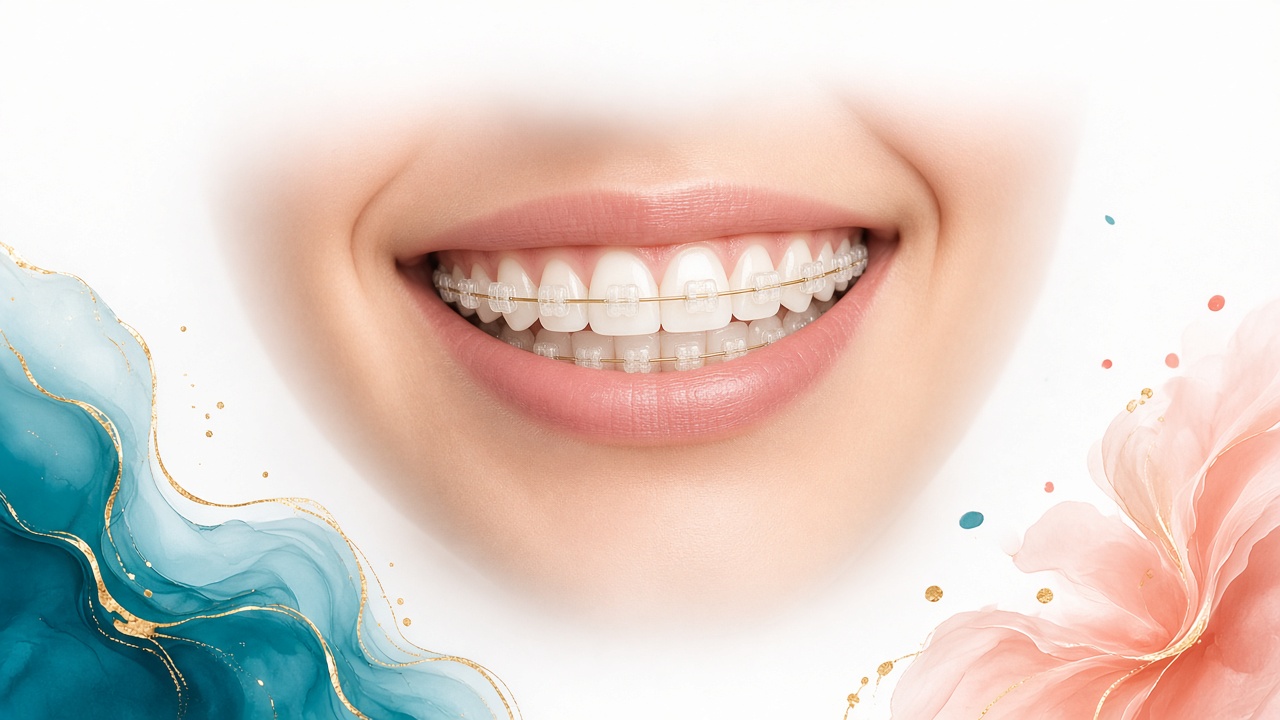
The first three days after braces installation are logistics, not a toughness test. Teeth answer the first wire with a dull load, lips and cheeks learn to clear the brackets, speech shifts for a day or two, dinner stretches because of soft food and cleaning. That is expected adaptation to a fixed appliance, not a sign the system is “wrong for you.” I treat braces in Dubai, including metal braces, and you leave bonding day with a written sheet: food, wax, hygiene, when to message. Below is a plain 72-hour map: what to do at home, at work, and at school, how to cover a sharp edge, what to keep in the fridge. I do not dig into “how painful is it” here — that is a separate topic; this piece is daily life with the appliance. Your timeline belongs to consultation and a written plan; I do not give a final call on mucosa or bite from a messenger photo alone.
A 72-hour map: what changes day by day
The first three days rarely feel like a flat line. Morning of installation you are still in the chair hearing instructions. By evening the tongue has mapped every bracket wing. On day two soft food feels like the only sane menu. By the end of day three many notice speech is easier, the cheek catches less, and the tooth load is familiar. The job of this window is to adapt without a debonded bracket and without silently enduring a cutting wire. I ask patients to split time into three blocks: installation day and first night, the next day, then return toward a normal schedule. Each block has a focus: wax and sleep, food and calls, a check on what settled. Below is what usually happens and what to do with your hands. Your system type refines the clinic picture.
Installation day and the first night
In the chair you already feel the bulk of the appliance: lips feel thicker, saliva increases, the tongue hits bracket wings. That is a foreign-body reflex. You go home with wax, interdental brushes, a sheet, and a contact number. In the first hours pressure from the wire builds as the periodontal ligament takes a sustained load. A hard steak that evening rarely helps. Warm soft food, water, and a short rest without heavy chewing make the evening calmer. Before sleep check for a poking wire end near the back teeth: if it stabs, a pea of wax — not scissors or DIY cutters from a first-aid kit. Side sleeping can press the cheek onto a bracket; if you wake with a rub, wax again and a warm salt rinse in the morning. The social-media “new braces smile” can wait: mucosa and cleaning habit first, photo later.
Hours 24–48: peak daily friction
On the second calendar day many people describe the same picture: teeth ache on biting, cheeks show contact points on brackets, speech on a call sounds slightly “metallic,” cleaning takes longer. This is the window when you want your old menu back and “tough it out without wax.” I ask for the opposite: soft food, wax on sharp points, a calmer diary without a make-or-break presentation if you can move it. If bonding was Sunday evening, the peak often lands on Monday at work — build a buffer in the calendar beforehand. If bonding was Thursday, Friday and the weekend give a softer entry to the office. Clinic contact in these hours is for red flags, not cheerleading: strong facial swelling, fever, a sharp edge wax will not hold, a loose bracket, bleeding that rinsing does not settle.
Hours 48–72: what usually settles
By the end of the third day short work phrases usually sound more familiar. Saliva levels out. The cheek learns to clear bracket wings, though spot rubs still happen. Tooth pressure may remain — that is background from the first wire, not the surprise of bonding day. You start to know how many minutes cleaning after a meal really takes. I ask for a short check-in on day three to five: food is manageable, wax needed how many times a day, speech blocking work or not, any sharp edge left. That check catches small problems before they become a loose bracket before a holiday. The next planned visit is usually weeks later for a wire change; the first 72 hours do not replace that rhythm and do not need an “activation for peace of mind.”
Soft food without a starvation diet: a three-day menu
Soft food in the first days protects brackets and eases the ligament. It is a texture rule, not a life sentence. The goal is simple: chew without pulling a bracket off and without biting dense pieces on the front teeth. The American Association of Orthodontists (AAO) home-care notes repeat the same idea: a careful diet while sensitivity is high, without sticky or hard foods that break the appliance. In Dubai that meets delivery apps, office lunches, and cracking nuts in the car. I do not hand every patient the same list. I give texture rules and a “pause” list. If you eat on the move and forget to cut an apple, the first three days are especially vulnerable. Below — what belongs on the plate, what stays in the cupboard, and how to order lunch calmly.
What you can actually chew
Warm soups without hard chunks, yogurt, soft cheese, porridge, omelettes, soft fish, fork-tender vegetables, ripe bananas, mash, soft rice, pasta that is not rubber-tough, hummus. Bread — soft crumb, not a hard crust. Meat — finely cut and stewed, not a whole edge steak. Cold smoothies without seeds and ice cubes you want to crunch. Temperature matters: very hot and very cold amplify tooth sensitivity under new load. Drink water. Sweet sticky snacks leave plaque around brackets and pull on ligatures — little upside in the first days. If you are in Ramadan or a heavy dinner season, stage soft dishes ahead of time: hunger plus a hard iftar is a common path to a debond.
What to leave on the shelf
Popcorn, nuts, hard crackers, chips, caramel, toffee, chewing gum, whole raw carrots, biting a whole apple, hard ice-cream cones, chicken-wing bones, tough pizza crust, jerky — the classic risk list for brackets and wire. Ice cubes from a glass count too: crushing them breaks ceramic and metal alike. A hard coffee biscuit with the morning office coffee is a frequent day-two culprit. I ask you to cut fruit into cubes and chew on the side teeth once sensitivity eases. In the first 72 hours even a “careful apple” is safer as thin slices or mash. Sticky foods (halva, thick chocolate spread, stretchy sweets) pack into bracket wings and make cleaning harder while the mouth is still learning the brush.
Eating out and on delivery
In Dubai lunch is often delivery or a food court. Read texture in the order card: risotto, soft pasta, stews, soup, a bowl without big raw hard vegetables. Ask for meat cut small. A shawarma as one giant bite is a poor idea these days; fork the filling apart. In the office kitchen keep yogurt, cup porridge, a truly soft bar without nut shards. For school snacks and kids’ parties agree a soft option early; otherwise the child follows the chip bag with the class. I tell parents: three days of soft menu is a short contract, not “no celebration for the whole course.” After eating, rinse with water if a full clean is impossible, then brush when you can. Rice stuck in a bracket all afternoon hurts both looks and gums.
Wax, sharp edges, and sore cheeks
A rub on the lip or cheek in the first days is common contact between mucosa and a new landscape. Brackets have corners. The wire has an end. Until the lip learns the route, white spots and small abrasions appear. Wax is a temporary shield, not a cure for inflammation and not a substitute for a visit if an edge truly cuts. AAO patient advice lists wax as a home tool until you contact the office. I teach wax in the chair: dry finger, dry spot, pea, press. Many forget the steps by evening — here they are again. If wax falls off in a minute, the surface is usually wet or the pea too small. If the same spot rubs two days despite wax, message: we may need to trim the wire or smooth a hook on a short visit.
How to place orthodontic wax
Wash your hands. Pinch a pea about the size of a rice grain or slightly larger. Warm it between fingers until soft. Dry the tooth and bracket at the rub with a cotton bud or clean tissue: wax holds poorly on wet metal. Press the pea onto the sharp bracket corner or the poking wire tip. Sit a minute with the mouth closed. Food and talking gradually shift the wax — expected; keep a spare in the bag. At night refresh the layer if the cheek is already red. Swallowing a small accidental piece is usually fine for a healthy gut; do not chew wax on purpose. Do not swap in craft putty or gum: they stick differently and dirty the slot.
When an edge means message, not “wait until morning”
A poking wire end after installation sometimes shows only at home, once lip swelling from the cheek retractor settles and the lip sits deeper. If wax will not stay and the tongue or cheek keeps getting cut, message the clinic with a photo and a short note on the side (upper/lower, right/left). I decide: advice only, a same-day or next-day trim, or wait for clinic morning. Do not cut the wire with nail clippers yourself: it is easy to shorten too much or leave a burr sharper than before. A sharp hook meant for elastics can scratch even before elastics start — that is chair-side work. A growing ulcer, strong mucosal pain, blood with every lip movement — contact sooner than “one more night.”
Salt rinse and mucosa care
Warm rinse: a glass of water and half a teaspoon of salt, 30–60 seconds after meals and before bed if the mucosa is red. That is hygiene and gentle cleansing, not a miracle ulcer cure. Pharmacy mouth gels — only what your general doctor allows or what the clinic sheet lists; I do not prescribe drug regimens in an article. Spicy food and strong alcohol usually irritate open abrasions. Smoking and shisha slow mucosal healing — especially obvious in the first three days. If an ulcer grows, a purulent coat appears, or you have a fever, that is beyond “usual early rub”: message and come for an exam.
Speech, saliva, and the feel of metal in the mouth
After installation the brain gets new sensory noise: metal on teeth, a different space for the tongue, more saliva. Speech on sibilants shifts for a day or three in many patients. That is articulation adapting, not permanent diction damage. Saliva often rises for 24–48 hours as a foreign-body response, then levels out. Lips feeling “thicker” and the smile looking different in the mirror is also common: bracket bulk plus mild lip swelling after a long retractor. I ask you not to judge the whole course by the bonding-night selfie. Below — how to train speech without removing the appliance (braces do not come off for a Zoom call) and when lingering lisp is worth raising at a visit. A public-facing job does not cancel start day; it changes when you book installation relative to a key broadcast.
Practice short phrases aloud at home the first evening: counting, introducing yourself, typical work lines. Read a paragraph at a calm pace. Whispering and very fast talk tire you more in the first day. On video calls one sentence — “new braces today” — often lowers your own tension. For teens at school I explain: one calm line to the class is sometimes easier than silent embarrassment all day. If after ten to fourteen days speech still breaks work or study harder than in week one, say so at review: we check bracket height on the incisors, hooks, tongue habits. In the 72-hour window “perfect diction” is a rare goal; workable clarity is reachable.
You do not need to spit saliva constantly: swallowing normalises. Carry water. If saliva foams and disturbs sleep, a slightly raised pillow and not lying down right after heavy drinking sometimes help. A metallic taste in some patients comes from the new alloy and saliva; it usually fades over a few days. A strong lasting metallic taste with pain in one tooth is a different signal — message. Mild tooth mobility within orthodontic norms can appear on an active wire; “my tooth will fall out” panic on day one is often overstated, but strong mobility of one tooth with pain on light tongue touch is a reason to contact, not to self-diagnose on a forum.
Work, school, and public days in the first three days
The calendar decides half the comfort of the first 72 hours. Ligament biology does not bend to a presentation deadline. At consultation before installation I ask about calls, shift work, exams, weddings, flights. If twenty-four hours after bonding you have an hour on camera, it is more honest to move installation by two or three days. If you cannot move it — soft menu ready, wax in the jacket pocket, buffer time to clean after lunch. Adults in Dubai often feel guilty about “dropping out” of the diary for teeth; I reframe it as logistics: a short home protocol, like after any planned dental visit that adds bulk in the mouth. Teens get the same principle, only the “broadcast” is a viva or assembly talk. Below — office, school, and sport: the mistakes differ, while wax and a soft lunch belong everywhere.
Office, calls, and client meetings
If you can, keep bonding day and the next day free of make-or-break negotiations. On calls speak a little slower for the first minutes while articulation catches up. Keep a small mirror and wax in the bag: a sharp edge mid-meeting is a one-minute bathroom fix, not a toughness contest. Plan a soft lunch, not chips from a shared bag on the move. If work means tastings, nuts, or caramel, warn the team early. Badge photos and corporate headshots pair poorly with bonding evening: lips may still be puffy from the retractor. Colleagues usually react more calmly than anxiety predicts; one short sentence cuts half the tension.
School, university, and parents
Teens often do better when installation lands Thursday–Friday: the weekend absorbs the peak without a full school load. In the backpack — wax, an interdental brush in a case, water, a soft snack. Tell PE about contact games for a few days if the face is still tender to a ball hit. Parents: skip the “celebration hard cake” on bonding night. Agree the home menu for three days. If the child is shy and stops smiling, avoid a public classroom roast; a calm tone at home works better. A big debond after “showed friends and chewed crackers” is a classic day-two story; texture rules beat lectures.
Gym, sport, and an active weekend
In the first 72 hours I usually ask you to lower facial contact risk: combat sports, hard contact football, a basketball elbow to the jaw. Non-contact training — by feel, without pushing through a sharp rub. A sports mouthguard is a separate talk by sport and stage; on bonding day it may not seat as usual on the new landscape — do not force it. Swimming is fine for the appliance, but pool water does not replace cleaning after. Chewing rock-hard protein bars after the gym these days is a path to a loose bracket; choose a soft protein option. If you coach or talk a lot on the pitch, plan water and pauses: dry mucosa holds wax poorly.
Hygiene in the first 72 hours: the minimum that works
Cleaning with braces takes longer than before. In the first three days sensitivity at the gum line and clumsy interdental brushes add friction. Skipping a clean “because brushing hurts” quickly leaves plaque at the brackets — white demineralisation spots start with early habits, not only after a year. At installation I show the order: clear plaque around each bracket, pass an interdental brush under the wire, floss or superfloss where you can, irrigator on low if the mucosa is not ulcerated. Fluoride toothpaste you already use with your dentist’s agreement usually stays; abrasive whitening is unnecessary these days. Brush — soft or orthodontic; hard bristles on a sore cheek only anger the mucosa.
After each meal at least rinse with water if a full clean is impossible (class, meeting). Full cycle — morning, evening, and after the main lunch when you can. Interdental brushes in two sizes: thin for tight spots, slightly thicker where the wire sits higher. Do not force the brush — you break bristles and traumatise gum. An irrigator does not replace a toothbrush; it adds. If gums bleed from plaque you have not cleaned, bleeding often falls with regular hygiene over a few days; rising gum pain, swelling, and pus need a clinician. Alcohol mouthrinses can sting open abrasions hard; use what the sheet allows. Night plaque works against you as much as day plaque: evening cleaning before sleep stays mandatory even when you feel drained after bonding.
Floss with a stiff end or a threader feels slow at first — it is a skill. Do not abandon it for a month. Start with two or three contacts in the evening and build. Food left between bracket and gum shows in the mirror: a white rim means it is not clean yet. For teens I set a two-minute minimum and a mirror; without a mirror braces cleaning is almost always patchy. I try not to plan travel on the first day after installation: airport air dryness and hygiene gaps stack on the adaptation peak. If a flight is fixed, carry-on holds wax, brush, interdental brushes, soft snacks, water after landing.
Home kit and logistics after installation
A good exit from installation is not only “brackets are on.” It is a bag that can cover seventy-two hours of daily life. I assemble the kit with the patient: wax, interdental brushes, toothbrush, red-flag sheet, next visit date, contact. At home buy soft food for three days, a small mirror, cotton buds to dry before wax, salt for rinses. Dubai pharmacies and markets close gaps fast, but at 1 a.m. after the first rub you will value wax in the bedside drawer more than “I’ll buy it tomorrow.” The table below is the checklist I walk through with patients: what to keep close, why, and when to restock or message.
| Item | Why in the first 72 hours | Where to keep it | When to restock / message |
|---|---|---|---|
| Orthodontic wax | Cover a sharp bracket or wire end | Bag + bedside | If it will not hold / edge cuts again — photo to clinic |
| Soft brush + interdental brushes | Clean around brackets without tearing mucosa | Bathroom + mini kit in bag | Replace broken brush; blood+gum swelling — contact |
| Pocket mirror | See food debris and the wax spot | Bag / pencil case | — |
| Soft food for 3 days | Chew without debonds and heavy load | Home fridge / office | Menu fail + loose bracket — message |
| Salt for rinses | Care for red mucosa | Kitchen | Growing ulcer / fever — exam |
| Water | Saliva, dryness, rinse after snacks | Bag | — |
| Clinic sheet + contact | Red flags without guessing | Phone (photo of sheet) | Facial swelling, debond, sharp edge, strong one-sided pain |
| Soft lunch containers | Avoid a hard food-court default | Work / school | — |
Booking logistics is part of the 72 hours too. If you fly in two weeks, say so before installation: we move bonding day or agree what to do if a bracket loosens on the trip. The first wire change does not happen in these three days — do not expect “easing” on an emergency visit without indications. Emergency visits cover edges, debonds, trauma, inflammation. Planned visits cover tooth movement on the plan. Mixing those two fills chats with panic. I ask one adult at home to know where the wax lives and where to write: at night a teen does not always recall chair instructions.
When to message the clinic vs wait for the planned visit
The first 72 hours create many “is this normal?” messages. Some are yes, some are not. I sort signals into three bins. Expected: dull tooth load, more saliva, mild lisp, a spot rub wax covers, longer cleaning. Message today: a sharp edge wax will not hold; a loose bracket; wire out of the slot; a growing ulcer; facial swelling; fever; strong pain in one tooth unrelated to soft chewing; trauma from a hit. Save for the planned visit: small aesthetic questions about ligature colour, wanting a firmer menu after sensitivity drops, questions about total treatment length. I do not diagnose from one blurry photo without side and without when it got worse.
When you write — send: side (upper/lower, right/left), what happened after eating or spontaneously, whether wax holds, swelling or fever, how much it blocks sleep and eating. That set is enough to choose “advice,” “come today,” or “clinic morning.” Do not take painkillers “from a chat tip” without your own contraindications; I do not set drug regimens in an article — that is your physician and the plan sheet. Do not file the wire with a nail file or bend a bracket with fingers: home mechanics break the geometry we set at installation.
The first 72 hours come down to a short list. Soft food protects brackets. Wax protects mucosa. Slower speech and water help at work and school. Hygiene does not take a holiday. The bonding date relative to a key broadcast is your decision before the chair. Message on red flags; do not stockpile. That is how a start on metal or other braces in Dubai becomes workable daily life, not chaos until the first review. If you are still choosing an installation date, book three quieter days without critical deadlines: adaptation costs less than moving meetings around a torn cheek and a loose bracket.
Frequently asked questions about the first 72 hours with braces
How long does getting used to braces take in daily life?
Speech and saliva often feel clearer in 2–5 days. Cheeks and wax needs can run from a few days to about two weeks in spots. Cleaning skill grows across the first weeks. These are chair frames, not a guarantee for your mouth. If daily life is still badly broken after two weeks, we unpack it at the visit.
Do I need only purée for all three days?
You need soft texture and a pause on hard/sticky risk foods. Purée is convenient, not the only option. Omelettes, soft fish, soups, pasta, yogurt work too. The main rule is not biting hard food on the front teeth and not stress-eating nuts.
Can I go to work the day after installation?
Often yes, if the job does not demand critical on-camera diction all day and you can manage a soft lunch and wax in the bag. If tomorrow is an hour-long broadcast or an oral exam, move the bonding date. Your calendar and how you feel the evening of fixation decide.
What if wax keeps falling off?
Dry the spot more thoroughly, use a larger pea, press for a minute. If it fails because an active tongue hits a poking wire, message: you need a trim, not endless wax. Do not replace it with gum.
Is a lisp normal in the first days?
Yes, a mild diction shift is common. Practice speech at home. Do not expect perfect diction overnight. If after two weeks speech still blocks work hard, raise it at review.
Can I train at the gym in the first 72 hours?
Non-contact loads — by feel. Hold back facial contact sport. Soften post-workout bars. Do not force a sports guard if it will not seat on the new landscape.
When is the first wire change after installation?
On the plan, usually after several weeks, at a wire replacement visit. There is no planned change in the first 72 hours. Emergency visits are only for breakage, sharp edges, inflammation, or a loose bracket.
Should I message if it only feels “weird and aches”?
Dull load and the sense of bulk are expected in the first days. Message if pain is sharp, rising, one-sided, with swelling or fever, or if sleep fails because of a cutting edge. When unsure, a short message with a photo beats a day of guessing — especially if an edge scrapes the mucosa.