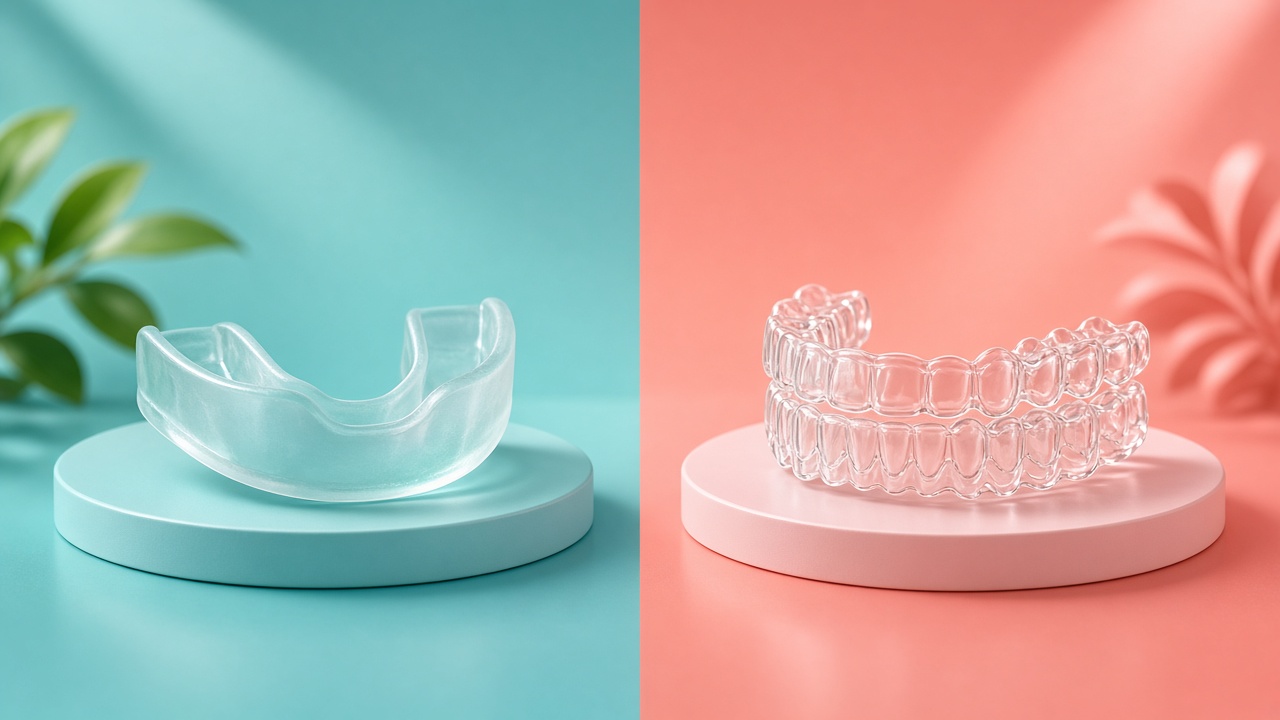
Orthodontic treatment in Dubai runs for months and often years, and the bill lands in the thousands of dirhams. Choosing well comes down to three checks: an active Dubai Health Authority (DHA) license with Specialty linked to Orthodontics, a full diagnostic set before any appliance plan, and clear written answers to nine practical questions, from who personally runs your case to retention and what happens if you relocate. The American Association of Orthodontists (AAO) advises patients to confirm specialty training, treatment options, and fees at the first visit; in the Emirates you add a Sheryan registry check for Specialty and License Status. The “orthodontist Dubai” market is loud: plenty of “best” ads, fewer verifiable details on the doctor’s card. Below is the checklist I use when a patient asks how to choose an orthodontist before signing a treatment contract.
Why Google Maps stars alone do not pick your orthodontist
I practise in Dubai after years in Istanbul, and every month I see the same pattern. Someone posts in a building WhatsApp or a Marina Facebook group: “Need an orthodontist. Any recommendations?” Three names arrive, two Google Maps screenshots, one Instagram reel. A week later they are in the chair. A month later the plan turns out to lack a lateral cephalogram, retention is “we’ll talk later,” and the doctor at each visit is a different face.
Orthodontics here is a long purchase. A braces or aligner course often lasts 12–24 months, longer for complex skeletal work. You pay for a series of decisions: diagnosis, biomechanics, hygiene control, finishing, retention. A wrong start costs money twice: retakes of imaging, a transfer of care, lost months. English search around phrases like “how to choose orthodontist Dubai,” “find orthodontist Dubai,” and “orthodontist Dubai reviews” shows the same worry: people want criteria, not another “TOP-10 best orthodontist Dubai” list.
The market mixes large networks, family dental suites, and narrow specialists. A general dentist may legally offer selected orthodontic procedures under license and privileges, but full orthodontic specialty under DHA is a separate track after dental school. DHA Scope of Practice (current General Dentist and Specialist Dentist editions, December 2024) describes what a specialist orthodontist owns: diagnosis of malocclusion and growth, planning with skeletal factors, fixed, removable and functional appliances, and work with other specialties.
Mobility is a local factor. Patients arrive mid-treatment from another country, leave for a three-month posting, or move emirates. A doctor who only “fit and forget” loses those cases. When I help someone choose an orthodontist in Dubai, I look for system: license, diagnostics, transparent estimate, personal ownership of the case, and a transfer plan if life moves. Geography matters too. A resident of Dubai Marina who books every activation in Deira without a strong reason will miss visits; parents who school in one corridor and treat in another will drop a teen course on logistics before biology fails.
Reviews answer “how did they talk to me.” They answer poorly whether the diagnosis was sound and whether the result holds two years after debond. A 4.9 rating on ten short lines is easy to farm and says little about biomechanics. Documents and consultation questions first; chat emotion second. I also ask patients to keep copies of their imaging on their own drive. If you change clinics or leave Dubai, you stay independent of someone else’s archive. Next I cover the DHA check, the nine questions, the diagnostic package, money ranges, and red flags, in the order I use them at the chair.
DHA license: Specialist Orthodontist versus general dentist
Legal practice in Dubai rests on a Dubai Health Authority license. Without an Active license, a clinician cannot treat patients in the emirate. The check takes minutes and removes half the anxiety before you book. I ask patients to run it themselves so they see Specialty with their own eyes, not from a receptionist’s summary.
DHA’s Manual for Licensing Healthcare Professionals (July 2025) describes the specialist path: qualification, experience, good standing, primary source verification, and exams under Professional Qualification Requirements. That paperwork protects the patient. If someone markets themselves as an “orthodontist” while the registry shows only General Dentist, you may ask about competence limits and when they refer to a specialist. Patient guides in Dubai repeat the same pattern: Active license and specialty Orthodontics.
Three practical steps sit between you and the first treatment payment.
Where to check status: Sheryan and what to read on the card
Open DHA Sheryan’s Verify Professional License / Registration Status. You need a license number or DHA Unique ID. The clinic must show the number on request; many post it at reception. On the card, read Professional Specialty, License Status (Active), Facility Name, and issue and expiry dates.
Look for Specialty tied to Orthodontics / Specialist Orthodontist, not a bare General Dentist line. Status must be Active. If the license is tied to another facility, confirm which chair you will sit in. For records before 2019, DHA asks you to email gsc@dha.gov.ae (rare, but useful to know).
I stay calm when a patient opens Sheryan in front of me. A specialist who refuses a regulator check has already answered a question you did not ask.
How Specialist Orthodontist training differs in scope
Per AAO guidance, an orthodontist is a dentist who completed a full specialty program in orthodontics and dentofacial orthopedics (usually two to three years after dental school). AAO membership is limited to those specialists. In many countries that status is both legal and professional.
Dubai follows a similar logic with its own DHA category names. A Specialist Orthodontist under Scope of Practice owns advanced diagnosis: skeletal discrepancies, cleft-related care, airway and speech factors, interdisciplinary plans. A General Dentist works within general dentistry; selected orthodontic acts may be allowed with privileges, but complex tooth movement, skeletal disproportion, and disputed plans belong with a specialist by clinical logic and AAO framing.
I do not attack colleagues in general practice. Mild crowding after a specialist consult sometimes needs only a short course. If someone promises “all on aligners in six months” without cephalometric films and without retention talk, the DHA Specialty line is your first brake.
What to check at the clinic, not only on the doctor
Doctor license and facility license are separate. The premises need DHA facility licensing too. Ask where your images live, who can access them, and how medical records move if you change doctors inside a network. In large clinics an orthodontist may attend two days a week; confirm your doctor’s schedule, not the “ortho department” poster.
If you hear “full treatment by video from another country” without an in-person exam, remember AAO caution on remote schemes: diagnosis without complete records and without live supervision raises risk. In Dubai, an in-person exam with a licensed specialist remains the safety baseline.
Nine questions to ask before treatment starts
On an orthodontist consultation I expect questions. Patients who stay silent and nod later resent surprises in the estimate. Below are nine formulations I treat as a minimum set. Print them. Answers should be concrete: months, a list of studies, names, AED figures with a date of validity.
These overlap the AAO patient checklist: who the specialist is, what the diagnosis is, which options exist, how often you visit, what treatment costs. I add Dubai-specific points on DHA, retention, and relocation. Without those, you land in “appliance fitted, you’re on your own.” Save answers in your phone notes; a month later you will compare promises with what happens at visits. If the doctor rushes a contract before answering, that is already an answer.
Questions 1–3: who you are, what you see, which options fit
1. What is your DHA status, and where can I verify it?
Ask for Specialty and license number. Open Sheryan while you sit there. If Specialty is Orthodontics / Specialist Orthodontist and status is Active, the base check is done. If a General Dentist offers a full course for a complex bite, ask which specialist they consult and when they hand the case over.
2. What diagnostics do you complete before a treatment plan?
For an adult comprehensive case the usual minimum includes exam, photo protocol, panoramic radiograph, lateral cephalogram, and digital models or a 3D scan. CBCT is by indication: impacted teeth, bone volume, surgery planning. AAO treats a plan without diagnostic records as a red flag. If the doctor is ready to “bond tomorrow” after a five-minute look in the mouth, stop.
3. Which treatment options fit me, and why?
Expect a fork of appliances, not one product for everyone: metal or ceramic braces, aligners, sometimes combinations, sometimes a surgical stage. AAO states that braces and aligners are not “better” in the abstract; choice depends on biology, goals, and your discipline. The doctor should explain limits of each option on your bite, not on a lobby screen.
Questions 4–6: who leads, how long, what the fee covers
4. Who personally runs my case at every visit?
Get a name. Ask whether an assistant or another network doctor covers, who decides when a wire breaks, who answers messages in clinic hours. In network models this matters: you chose Doctor A; a month later Doctor B arrives with a different plan.
5. How long will treatment take, and how often do I need appointments?
A Dubai market guide for many cases is 12–24 months; your timeline comes only from a plan after diagnostics. Ask activation intervals (often 4–8 weeks for braces; aligners have their own review cadence). Ask the miss policy: what happens if you leave for a month.
6. What is included in the fee, and what is billed separately?
Ask for a written estimate. List consultation, imaging, CBCT, placement, visits, removal, retainers, urgent visits, replacement of a lost aligner. Dubai clinic ranges for 2025–2026 swing widely: consultation often AED 150–600; metal braces commonly from several thousand to twelve thousand and above; ceramic higher; full aligner courses often AED 8,000–25,000+. Figures are market guides on the date of this article, not my clinic price list and not a promise of your total. Only your plan sets the number. Ask about instalments and what happens to payment if you pause mid-course: refund, credit, or fee must sit in the contract before the first bracket.
Questions 7–9: retention, relocation, second opinion
7. How does retention work after the appliance comes off?
Without retention, teeth drift toward their old positions. Ask retainer type (fixed, removable, combination), wear schedule, replacement cost, review visits. Our page on retainers covers this phase: you cannot “add it later”; put it in the contract.
8. What if I relocate or change clinics during treatment?
Ask for a transfer scenario: which files you receive (images, plan, wire prescription, aligner staging), in which format, within how many days, and whether the export carries a fee. For relocating expats this is often question one. A doctor who shrugs “you’ll figure it out” has saved you time. Leave.
9. May I take a second opinion on your plan before I sign?
A normal answer is yes, with help assembling the imaging packet. A second opinion helps when plans diverge, when extractions appear without alternatives, when skeletal disproportion is on the table, or when surgery feels uncertain. AAO allows consulting more than one orthodontist before you start.
Vague answers to all nine already chose something for you: a clinic that ranks transparency low.
Diagnostics and the written plan before you pay for appliances
A treatment plan is a document, not the spoken line “we’ll put aligners, it’ll look nice.” I do not start active tooth movement until records are complete and the patient understands the plan’s logic. Digital treatment planning and X-ray / CT imaging on our site follow that order: data first, appliance second.
Between exam and contract you should hold a clear packet. It protects both sides: you see what you pay for; the doctor locks the baseline. Dubai patients often change clinics after six months; without original films and photos the next doctor works blind. AAO links plan quality to full diagnostic records: photos, radiographs, digital models. Here is the packet, and how to read disagreements when two clinics propose different volumes.
Clinical exam and photo protocol
The exam covers dental arches, occlusion, soft tissues, function, joint and muscle complaints, hygiene. The photo protocol includes extra-oral and intra-oral views in standard angles. Without photos you struggle to judge progress and to discuss outcomes a year later. If the clinic “saves” on photos, you save on evidence of your own treatment.
Ask whether they photograph profile and smile at rest and in full smile. For adults with an aesthetic goal, that is diagnosis, not content for social media.
Imaging: panoramic, cephalometric, CBCT when indicated
A panoramic film shows teeth, unerupted teeth, gross bone picture. A lateral cephalogram assesses skeletal jaw relations and incisor position; without it, dental compensation is easy to mistake for “just crooked teeth.” I order CBCT for impacted canines, bone volume, mini-screw planning, and orthognathic preparation. “CBCT for everyone” is not quality; “never CBCT when indications are clear” is also a signal.
DHA Scope of Practice expects the orthodontist to gather factors that affect treatment: malocclusion, growth, craniofacial traits, related breathing and speech issues. That is no excuse for diagnoses by chat photo, but it is reason to expect a wide look, not only “straighten that six.”
Written plan: goals, stages, risks, alternatives
A solid plan names goals (occlusion, aesthetics, function), stages, expected duration, appliance type, need for extractions or surgery, risks (root resorption, recession, retention failure), alternatives, and what happens if you decline treatment. AAO warns against “one appliance for all.” If you hear only aligners and a refusal to discuss braces when biomechanics clearly need fixed control, you are hearing marketing.
Ask whether you will see a movement simulation and how often the plan is revised. A digital model helps you grasp the workload; the simulation is a forecast, not a millimetre guarantee. Only chairside review decides whether you stay on track.
Money and timelines: one table for the reception desk
Prices in Dubai vary by area, clinic model, and case difficulty. The table below is a market guide from open clinic materials and reviews for 2025–2026. It is not a price list and not a guarantee. Before you sign, match every row to your estimate and the date of the commercial offer. I put a table like this on the desk as a talk frame with reception: you ask column by column instead of arguing about a “expensive clinic” in the abstract.
| Item | Guide AED (Dubai market, 2025–2026) | Clarify in the estimate | Typical horizon | Common patient mistake |
|---|---|---|---|---|
| Initial consultation | 150–600 | Whether panorama and photos are included; whether fee credits toward treatment | 1 visit | Treating a “free consult” without imaging as a full diagnosis |
| Periapicals / panorama / cephalogram | Separate or in a package | Exact list of films and file validity window | 1 day | Starting on someone else’s year-old images |
| CBCT when indicated | Separate | Why for your case, not “for a prettier report” | 1 visit | Refusing CBCT for an impacted canine |
| Metal braces, full course | Often ~4,500–12,000+ | Visits, debond, urgent visits | 12–24 mo. | Comparing only “brace price” without retention |
| Ceramic / aesthetic braces | Usually above metal | Fragility, polishing, bracket replacement | 12–24 mo. | Expecting aligner-level invisibility |
| Aligners (Invisalign and peers) | Often ~8,000–25,000+ | Tray count, refinements, lost trays | 6–24 mo. | Buying a brand, not a plan |
| Fixed / removable retainer | Hundreds–thousands per wire/set | Night/day wear, replacement if broken | Years after debond | Calling treatment finished on removal day |
| Transfer / export if relocating | 0 or a separate fee | Lead time for files, format | 1–2 weeks | Leaving without copies of plan and imaging |
If two estimates differ by half, compare composition before you blame “greed.” A cheap offer without a cephalogram and without a retainer often costs more by year two. I have seen patients save two thousand at the start and spend five fixing the plan with another specialist.
UAE insurance covers orthodontics selectively: percentage, lifetime limit, age caps, provider lists. I do not name specific insurer tariffs; they change. Ask the clinic for pre-authorization and read exclusions yourself; “it usually goes through” is not a document. Keep the insurer’s approval letter with the approved amount before the appliance goes on.
Location, language, and reviews after the license check
After DHA and diagnostics, daily filters decide whether you finish the course. Orthodontics needs regular visits. If the chair sits across the emirate from home and school, missed appointments stack. I ask patients to open a map and test peak-hour travel, not only the view from the waiting room window.
Language is a clinical tool. I consult in English, Russian, Turkish, and other languages because Dubai patients often think in one language and sign in another. Confirm which language will carry the plan talk and the written hygiene and elastics instructions. A receptionist translator does not replace a doctor who answers the clinical question. If you follow medical terms best in English, book a doctor who speaks English without a middleman at every activation.
Read reviews by sampling. Look for mentions of timelines, breakage, retention follow-up, and continuation of unfinished treatment from abroad. Skip “best in the world” adjectives. On Reddit and local Dubai groups people argue more about booking friction than about biomechanics: useful for service expectations, weak for diagnosis quality. Three detailed reviews beat fifty one-line “amazing doctor” posts when you search “orthodontist Dubai reviews.”
Ask about urgent care: a bracket fails Friday evening. Who sees you, what it costs, whether wax and home measures buy time until the visit. Adults in public-facing jobs feel visible breakage; a known protocol lowers panic. Confirm whether there is an ortho emergency line or only a network call centre.
For parents: can the doctor speak with the teen, not only with the adult in the room. AAO recommends a first orthodontic evaluation around age seven for growth screening; that is screening, not automatic braces. Adults bring different bone and periodontium, different expectations, stricter retention. After thirty, many combine orthodontics with restorative work or implants; ask which allied specialists share the team.
Red flags on the first consultation
I collect this list from patients who arrive for a second opinion. One flag means ask more. Three flags in a row mean stand up and leave. Dubai advertising presses for speed: “promo seats,” “doctor only today,” “price rises on Monday.” Orthodontics rarely needs that haste unless trauma or urgent surgical logic is present.
Promise of an exact “like the picture” result with no biology caveat. Guarantee of “exactly six months” before diagnostics. Refusal to show a license. Plan from an intra-oral glance without imaging. Pressure to sign for a tomorrow-only promo. Estimate without retention. Ban on a second opinion. Silent swap of treating doctor. Fully remote treatment without in-person review. Mockery of your questions. Another marker: fine print that drops clinic responsibility for relapse while the retainer sits outside the fee.
A quiet flag is missing talk about hygiene and risks. Orthodontics on active periodontitis or untreated decay needs sanitation first. A doctor who bonds onto inflamed tissue “because the patient is in a hurry” shifts complications onto you. Ask about root resorption, gum recession, extraction need, and non-extraction alternatives. “Everything will be fine” without reading your film does not persuade me.
If doubt remains after the first meeting, book a second opinion with the same imaging set. Compare diagnosis, stages, and estimate; reception charm is secondary. Two matching independent plans are a strong signal. Two radical splits are a reason to ask both doctors “why does your colleague see this differently” and to listen to arguments, not volume. After you choose, put the treating doctor’s name in the contract and the notice rule if that doctor changes.
Frequently asked questions
Do I still need a DHA license check if the doctor is famous on Instagram?
Yes. In Dubai the right to practise comes from an Active regulator license, not from follower count. Verify Specialty and status in Sheryan before you pay for treatment. Visibility can help with service, but it does not replace specialty training or Scope of Practice duties. I welcome patients who open the registry on their phone in the consult room.
Can a general dentist place braces or aligners?
Within license and clinical privileges, selected orthodontic services may be allowed, but a specialist orthodontist completes separate training and sits in a distinct DHA category. For complex movement, skeletal disproportion, and disputed plans, I recommend a Specialist Orthodontist. When unsure, ask when the dentist refers to an orthodontist and how that referral is documented.
How many consultations do I need before starting?
One solid consultation with diagnostics often clarifies the plan. AAO allows visits to more than one orthodontist. A second visit makes sense when recommendations diverge, the fee is large, or extractions and surgery appear. I do not diagnose from online photos without an exam, and I advise against accepting that as a start. Bring the question list from this article to the return visit.
What matters more: the aligner brand or the doctor?
The doctor and the plan. The tray brand is a tool. The same brand in different hands yields different results because attachments, tracking control, and refinement decisions stay with the clinician. Choose the person who explains biomechanics for your case, not only the logo on the box. Ask what happens if teeth fail to track the simulation.
How do I know an estimate is complete?
It should cover diagnostics, appliance, visits, removal, retention, and rules for add-ons: lost trays, breakage, unscheduled visits. Ask about tax, deposit, and payment schedule. An estimate without a retainer is incomplete by definition. Match the estimate to the guide table above and mark empty cells before you sign.
What if treatment already started in another country?
Gather images, the plan, wire or staging lists, and prior doctor contacts. At a Dubai consult you will be assessed again: the foreign plan may continue, change, or stop. Do not remove the appliance yourself. File transfer and the Dubai doctor’s DHA status matter more than “continue exactly as before” at any cost. A fuller document pack means fewer retakes and less pause.
Is retention mandatory after braces and aligners?
Yes if the goal is to hold the result. Duration and format depend on the case; night removable wear often pairs with a fixed wire. Without retention, relapse is expected biology, not proof of a “bad clinic.” Budget for retainer replacement in the household plan from the start.
Can treatment start without a panorama and cephalogram?
For a full adult orthodontic plan I treat baseline films as required. Exceptions are rare and need explanation. AAO lists missing diagnostic records among risk factors. If someone offers a start “by eye,” change chairs instead of negotiating a discount. Ask for copies of files to your email on the day of imaging.