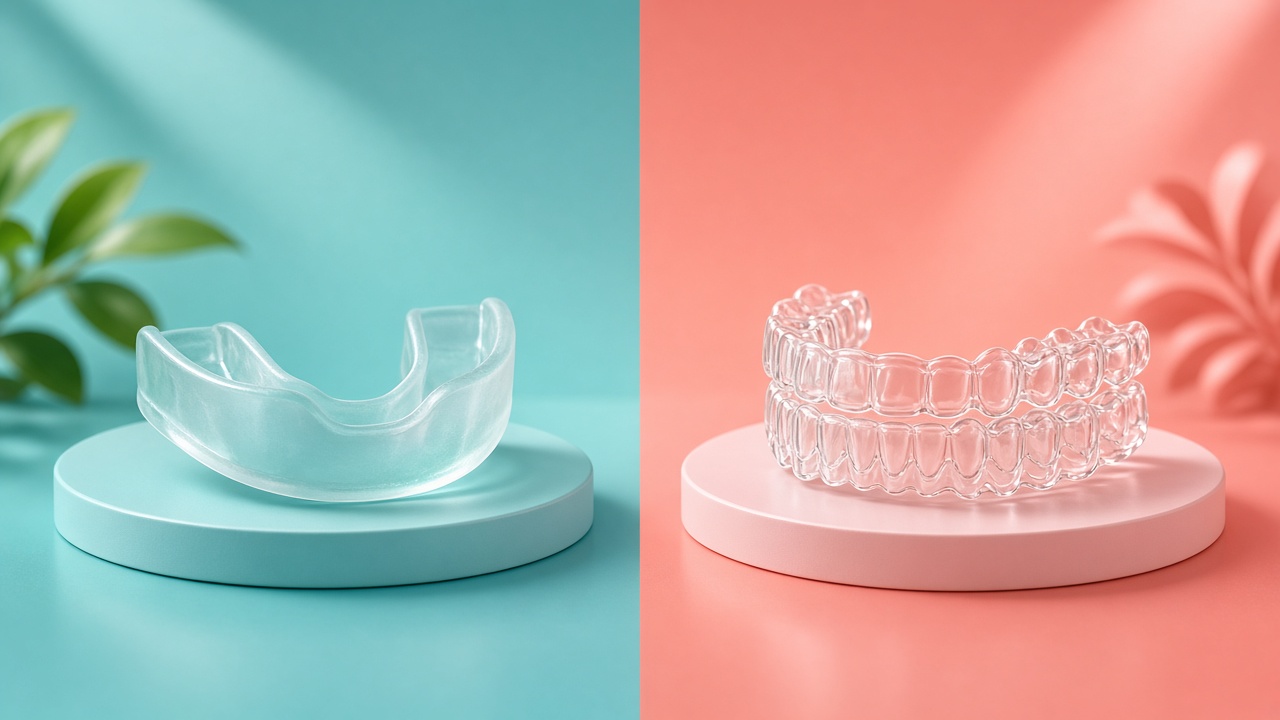
Your first month in Dubai fills the calendar: visa, medical fitness, Emirates ID, bank, school, office. Orthodontics rarely sits at the top of that list until a bracket breaks, a wire cuts the lip, or the last aligners from another country run out in two weeks. I practise as a specialist orthodontist in Dubai and each month I see new arrivals in three patterns: start from zero, land with someone else’s braces, or postpone the talk because “the policy says dental.” This first-month order skips clinic addresses and promised timelines: what to book earlier, which papers to bring, how Emirates ID shapes registration, what unfinished treatment abroad requires, and how a general dentist differs from an orthodontist. The market around orthodontist dubai is dense; English searches such as dentist dubai, dental insurance dubai, and find an orthodontist after a move usually want a route, not a price poster.
First week: urgent, deferred, and false alarms
A move breaks the visit rhythm you had at home. Reviews there ran every 4–8 weeks; here in the first days you have no clinic, no insurance card, and no habit of local roads. I sort week one into three baskets: urgent (pain, sharp wire, broken bracket, lost tray on an active stage), deferred for 2–4 weeks (planned check with no complaint), and false alarm (wanting braces bonded before imaging, policy clarity, and a stable address).
Pain and soft-tissue injury do not wait for Emirates ID. Passport plus visa or entry permit usually opens an emergency slot; confirm the list when you call. I delay a full elective course until you know where you sleep, how work hours fall, and what the policy covers. Gather case facts before you choose a clinic by map.
What counts as an orthodontic emergency
I treat as urgent anything that harms health or breaks the appliance so teeth move without control. A sharp archwire cutting the lip; a debonded bracket with a poking ligature; a broken fixed retainer with a sharp end; strong pain with swelling or fever (that route starts in general dentistry or endodontics, then the orthodontist joins); an aligner cracked in half on an active stage while the spare set sits in storage. Clinics open these on the next working slot. You call, name the appliance and the symptom, and bring a passport. That visit stabilises injury; it does not sell a full course.
If pain is mild and the appliance is intact, wax, soft food, and the next control often suffice. On the phone or in messages with reception I separate “sharp edge” from “sore after activation.” The first needs hours. The second needs days. Send a photo of the problem area before you arrive so the desk books the right slot instead of a generic “consultation” queue.
What can wait two or three weeks
A planned consultation with no pain, imaging “for later,” price shopping for adult braces and clear aligners, and an insurance talk without the policy PDF in hand can wait until medical fitness is done and you know where you will live next month. Dubai changes districts faster than newcomers expect: a short-term flat in Deira and a Marina contract are two different logistics maps for reviews every six weeks.
I also delay an “aesthetic start for LinkedIn photos” if the mouth is not cleared. Caries, acute periodontitis, and mobile teeth belong to therapy and hygiene first. Newcomers often confuse smile urgency with health urgency: elective alignment can wait for a calmer calendar; infection cannot.
Documents to gather before you book
Before the first clinic call, build a digital pack: passport, visa or entry-permit page, policy if issued, old OPG and cephalometric films in PDF or DICOM, smile and occlusion photos, a letter or extract from the previous orthodontist, brace system or aligner brand names, and the date of the last activation. The American Association of Orthodontists (AAO) advises patients in active treatment to transfer records and use transfer forms; without that pack the new doctor spends the first visit digging. Keep files in your own cloud. The clinic will ask for a copy; you stay independent of an archive in another country.
If documents are missing, the visit is still possible. Diagnostics take more time and money. Honesty on day one saves both: say “no films, treatment was elsewhere, I do not recall the plan.”
How to find a specialist orthodontist in a new city
Search volume for orthodontist dubai and orthodontics dubai sits in the high hundreds per month in the UAE English market; dentist dubai is larger and broader. Google’s local pack mixes chains, “best of” lists, and specialist pages. My map for a newcomer: DHA licence with Specialty Orthodontics, a plan talk with the treating doctor, diagnostics before a prepaid course, and logistics from home or office.
A general dentist treats caries, pulpitis, and hygiene. An orthodontist plans tooth movement, owns biomechanics, retention, and risks over months. In Dubai both roles often share one building; a “Dental Clinic” sign does not name who owns your bite. On an orthodontist consultation I write your goal in your words and turn it into clinical tasks. Before you pay, confirm Specialty on Sheryan.
Check the DHA licence before you prepay
Open the Sheryan Dubai Health Authority register and find the doctor by name. Look for Active status and Specialty. If the card shows General Dentist while the ad says “orthodontist,” ask about scope. DHA’s licensing manual describes a separate specialist path; for patients, Specialty on the screen is the fact that matters. Five minutes of checking removes half the noise of arrival.
I am fine when patients check me too. A newcomer has a right to scepticism: the market is loud and promises travel far.
Questions for the first meeting
Ask who personally runs the case at every visit. Ask which imaging set is required before a plan. Ask whether retention sits inside the estimate. Ask what happens if you change emirates or leave in a year. Ask whether the doctor, or only the desk, speaks your consultation language. Write the answers down. Comparing clinics by one “from AED” line is weak; comparing them by these answers is useful.
If you already hold another doctor’s plan and doubt it, bring the same file pack to a second opinion. Two readings of one data set beat two marketing packages.
District and calendar beat Instagram fame
Reviews every 4–8 weeks turn a distant clinic into a tax on time. A Marina resident rarely keeps Deira appointments every six weeks without a strong reason. A parent in JLT with a child at a Dubai Hills school counts routes differently from a Downtown resident on the metro. In month one write down: where you sleep now, where you plan to live in three months, where you work, who drives the child. Choose the doctor against that frame. A polished feed does not repay two hours of traffic before every visit.
I discuss logistics on the first meeting. If someone says “three months of Airbnbs across the city,” we build a flexible calendar and spare slots, not a rigid “Wednesdays at 9:00 only” package.
Emirates ID, passport, and what the front desk asks for
Emirates ID is the UAE resident card from ICP (Federal Authority for Identity, Citizenship, Customs & Port Security), tied to the residence visa. The path from entry permit to plastic often runs about 2–4 weeks with clean files; print and delivery after residency often land in roughly 5–10 working days. Check status in ICP/GDRFA and with your sponsor or PRO.
Clinics ask for identity. Residents show Emirates ID. Tourists or people on an entry permit show a passport. While plastic is pending, many desks accept passport plus visa status; some accept the Emirates ID number from SMS or UAE PASS. Ask when you book: “Which ID do you need if the card is still printing?” Confirm rules at your own desk before you travel.
What you can do before the card arrives
Emergency appliance stabilisation and acute-pain exams often open on a passport. Some clinics delay a full year-long treatment contract until Emirates ID or at least the ID number exists; check with reception. Orthodontic insurance cover almost always sits on a resident policy and pre-approval; without a policy you pay self-pay. Clinic payment plans often wait for residency too. Month one is a normal fork: treat the acute problem now, gather a full plan when papers are steady.
A digital Emirates ID number in UAE PASS sometimes appears before the plastic. If clinic and insurer accept the number, you gain days. If the desk scanner needs the physical card, you wait.
What sits in the folder for visit one
Passport, visa or entry permit or Emirates ID, policy and insurance card if you have them, medication and allergy list, previous orthodontist contacts, imaging on phone or USB, and one page of questions. For a child, bring parent or sponsor documents per clinic rules. Reception copies ID; the doctor looks at the mouth and the files. A fuller folder shortens the empty “hello” hour.
Keep copies for yourself. Store films and the treatment contract in your cloud. A later move inside the UAE or a clinic change should not depend on someone else’s archive.
Common admin blockers
The passport name does not match the transliteration on the policy. The visa ends in two weeks while the plan runs eighteen months. A spouse policy has not added you yet. A child sits on the father’s visa and only the mother arrives without consent paperwork; clinic rules differ, so ask early. These blockers close with document edits and a call to the TPA. In week one fix name spelling and policy status, then return to appliance choice.
Insurance and paperwork in the first 30 days
Orthodontics on UAE policies is patchy. Some plans give percentage cover with a ceiling (patients often mention 25–50% and a lifetime limit; your Schedule of Benefits decides). Some exclude orthodontics. Some cover children and skip adults. Insurers and TPAs such as Daman, Cigna, AXA, Bupa, Aetna, Nextcare, and Neuron each count differently. I open the Schedule of Benefits with the patient and mark dental / orthodontics lines.
In month one pull the policy and Table of Benefits, find dental / orthodontics / braces / exclude, learn pre-approval rules, and save insurer and TPA contacts. Until then, comparing clinics on “insurance prices” wastes time. An empty orthodontics line means self-pay or an HR talk about an upgrade. If cover exists, email the TPA before you book about aligners, braces, limits, and waiting periods.
How to read a policy without a law degree
Open the PDF and find dental. Check annual limit, lifetime orthodontic limit, co-pay or co-insurance, waiting period, age limit, and exclusions. If you see “cosmetic orthodontics excluded,” ask the insurer what they call cosmetic. Medical need and “I want a straighter smile” often diverge in their dictionary. Save a screenshot of the page and the policy number. On consultation I read those lines with you and say what the text suggests; final word stays with pre-approval.
Do not lean on an HR line that “we have good dental.” Good dental for fillings and a strong orthodontic rider are different products. Search interest for dental insurance dubai is smaller than orthodontist dubai, yet the paperwork decides whether month one ends in self-pay or a tracked claim.
Pre-approval and what the clinic needs from you
A typical approval pack holds a completed doctor form, OPG, sometimes cephalometric film or CBCT, photos, a plan with codes and sums, plus copies of Emirates ID and the policy. Without imaging there is nothing to submit. Month one’s logical chain is consultation → diagnostics → pre-approval filing → appliance start after the answer. Bonding braces today and “sorting insurance later” leaves you with the full invoice.
TPA reply times depend on season and file completeness. Ask the clinic for the claim tracking number and check status yourself. Newcomers lose weeks waiting for a message that “the clinic will write when there is news.”
Self-pay in month one is a normal path
Many patients pay consultation and imaging themselves in the first 30 days even when cover may arrive later. That costs less than a full prepaid package taken without reading the policy. Open-market benchmarks for consultation and basic imaging in Dubai usually sit in the hundreds of dirhams; a full course sits in thousands and tens of thousands. Exact ranges depend on clinic and case; I name an order of magnitude only after examination. These 2026 benchmarks move with the market.
If you arrive with unfinished treatment
This story is common after a move: braces with a foreign wire, three months of aligners while the plan was for a year, a loose retainer. AAO guidance for patients in active treatment recommends transfer of records and a standard transfer form: diagnosis, plan, appliance, completed work, remaining work. In practice some countries send three WhatsApp photos and “six months left.”
A new orthodontist owns what happens under their watch. They may decline to continue another doctor’s mechanics if they see risk to roots, periodontium, or joints. New films, a new scan, wire changes, or a switch from trays to braces each count as separate decisions. On a second opinion I often spend the first hour reconstructing the plan and give a written view without a promise to finish “exactly as abroad.”
Braces from another country
On exam I check hygiene, gingiva, mobility, occlusion, bracket integrity, system type (ligated, self-ligating, lingual), and skeletal anchorage if present. Without an OPG and current photo-protocol frames it is easy to miss caries under a bracket or resorption. A photo protocol and imaging at the Dubai start give a base for responsibility for your teeth. Year-old films help history; decisions for tomorrow often need fresh ones.
Sometimes we continue on the same system. Sometimes we change wire and protocol. Sometimes we propose removal and a rebuilt plan, especially when the previous goals and your goals after the move no longer match. If the previous doctor replies, ask for an AAO transfer form or a letter with activation dates and goals; that speeds the Dubai review.
Aligners and the suitcase of trays
Aligners need 20–22 hours of wear and clear tracking. If you bring ten trays and the gap between tooth and tray grows, continuing “on the old schedule” is unsafe. You need an exam, often a new scan, sometimes a restart of the series. Treatment runs on plan and control, not on brand name alone. The adult aligners page describes service logic; the decision on your set waits for the chair.
Lost trays during a move are a frequent story. Do not jump to the next number if the current tray no longer seats; that breaks tracking for weeks. Message the previous doctor or a new clinic before you invent a schedule. Bring the remaining box and a screenshot of the change calendar so we see where you stopped.
Retainers and “treatment already finished”
Debond abroad is not the end of observation. Teeth drift back for months and years. A loose fixed retainer in your first Dubai month is a reason for a quick booking, not a three-week wait for Emirates ID, if the wire injures the tongue. A cracked removable tray is replaced from a scan or impression. Keep the last tray and the previous clinic’s contacts: sometimes a duplicate can be ordered; more often we make a new one locally.
What to book first: a calm order of visits
Newcomers try to pack consultation, imaging, cleaning, and “braces today” into one afternoon. The result is expensive chaos: you pay for speed and still leave without a clear plan because films are pending and the policy is unread. Without acute pain I set three steps across the first month and leave space for therapy and a TPA reply.
Step 1 is an orthodontist consultation. Step 2 is diagnostics: exam, photo protocol, OPG / cephalometric film / CBCT when indicated, scan or impressions. Step 3 is a written plan and a money or insurance talk. Braces or aligners follow the plan and, when needed, pre-approval. Book three slots early.
What you leave the consultation with
Take home: preliminary options (braces / aligners / observation / second opinion), a list of needed films, a sense of timing until the next decision, clarity on self-pay versus insurance track, and unanswered questions written down. If you leave only with “we should start” and no written next steps, the consultation is unfinished. Between diagnostics and the written plan, therapy often appears: caries and inflamed gingiva delay the appliance more than waiting for Emirates ID. If an appliance is already on, the first visit merges with stabilisation and imaging orders.
I ask patients to restate the plan in their own words. If they cannot, we slow down. Language fatigue from a move pairs poorly with fast decisions. Bring a second adult from the household when you can: one follows the clinical talk, the other notes dates and sums. Dubai first visits often decide money and calendar together; two heads help.
Diagnostics before the appliance
Films and photos fix the start line. Without them, duration and risk talk stays guesswork. I order CBCT when clinical need is clear. Cephalometric film matters for skeletal questions and profile. OPG gives a base view of roots, impacted teeth, and bone. Photo protocol records aesthetics and occlusion in ways radiographs cannot. That set later travels to insurance and to a second opinion.
When to start “aesthetic” treatment
After mouth preparation, after you understand the policy, after a stable address for the coming months, and after you accept retention. If you leave for another emirate or country in two months, say so before you prepay. Orthodontics survives a move when doctor and patient build that scenario early. Courses stall when the exit plan appears in month six of unpaid visits.
First-month checklist and common mistakes
Use the table below as a route sheet. Dates are relative to arrival day; shift them around medical fitness and work. I omit sums here: order of actions matters more than a price list at this stage.
| Day / window | Action | Documents to bring | Orthodontic focus | Insurance / money | Done? |
|---|---|---|---|---|---|
| 0–3 | Assess pain/appliance; acute trauma → urgent visit | Passport, visa/entry | Stabilise, not a full plan | Usually self-pay | ☐ |
| 0–7 | Build cloud pack: films, photos, letter, system name | PDF/DICOM files | Treatment history | n/a | ☐ |
| 3–14 | Medical fitness / biometrics on residency track | ICP/GDRFA list | Elective start can wait | Ask HR about policy status | ☐ |
| 7–21 | Book orthodontist consult; check Specialty on Sheryan | Passport or Emirates ID/number | Goals, risks, route | Ask about insurance billing | ☐ |
| 10–25 | Read Table of Benefits: orthodontics, limits, waiting | Policy PDF | Cover clarity | Find TPA and pre-approval rules | ☐ |
| 14–30 | Diagnostics: photo protocol, films per plan | ID + policy | Base for written plan | Self-pay for imaging | ☐ |
| 20–30 | Written plan; if covered → file pre-approval | ID, policy, films | Decision on appliance start | Track TPA claim | ☐ |
| By month end | Therapy/hygiene as needed; review calendar vs district | n/a | Mouth ready for appliance | Budget for next 3 months | ☐ |
| Any day | Emergency kit: wax, clinic contact, spare tray | n/a | Stay reachable | n/a | ☐ |
| Any day | Copy every file to your cloud | n/a | Independence from archives | n/a | ☐ |
Three mistakes show up most. First: prepaying a full course in week one “while the discount lasts,” without films and without a policy read. Second: searching only for “dentist dubai” without checking Specialty Orthodontics. Third: continuing foreign aligners by guesswork because “trays remain.” Each mistake costs time and money. Month one pays better when you build order than when you chase speed.
Another quiet mistake is forgetting the child in the adult queue. School medical checks and a teen orthodontic screen after a move often reveal crowding, habits, or impacted canines. If you have children, book a separate consult slot; do not fuse it with your own emergency bracket repair in one exhausted midday visit.
Keep a short emergency note on your phone: appliance type, last activation date, clinic contact, current photo, pharmacy wax. In interviews, traffic, and airports that list cuts panic. If after a month you still live on temporary addresses, revisit control logistics before you start a new appliance: a course is easier to begin when the district is clear for the next half year.
Frequently asked questions for newcomers
Do I need Emirates ID just to speak with an orthodontist?
Often no: many clinics accept a passport for consultation while residency is in process. Some ask for Emirates ID for a full contract and insurance billing. Ask when you book. Acute help for appliance trauma usually opens on the identity document you hold now.
Can I start braces in the first week after landing?
Technically yes in some self-pay cases if the mouth is ready. For most newcomers it is a poor fit because district, policy, and calendar still shift in week one. I prefer consultation and diagnostics in month one, and appliance placement once logistics and money are clear. Exception: an appliance already on that needs urgent stabilisation.
What should I bring if I never had treatment abroad and want to start fresh?
Passport or Emirates ID, policy if issued, a list of complaints and goals, and smile photos that bother you. Films may not exist yet; we order them here. Do not buy a “braces package” before the exam. Start with an orthodontist consultation and a diagnostic plan.
Does dental cover on my policy include aligners?
Not automatically. Basic dental often means fillings and extractions. Orthodontics and clear aligners may be excluded, age-capped, or limited by a lifetime maximum. Open the Table of Benefits and find explicit lines; if lines are missing, write the TPA before you prepay a clinic.
I wear braces, have no films, and my old doctor does not reply. What now?
Book an exam marked transfer / continue treatment. Bring photos, receipts, and brand names of brackets. In Dubai we take current films and a photo protocol, assess risks, and propose continuation or a rebuild. Silence from the previous doctor does not block care.
How many visits should I plan in the first month?
For a calm path: one consultation, one diagnostic visit (sometimes combined), and if needed one restorative or hygiene visit. Appliance placement may move to month two while you wait for pre-approval. Emergency repairs sit outside that count; I cannot promise “everything in two visits” without an exam.
Does a child need an orthodontist in month one too?
Book sooner if there is pain, appliance trauma, crowding that injures soft tissue, or delayed tooth change with complaints. If there are no complaints but you plan a long stay in the UAE, book a screen in the first 1–3 months, especially in early mixed dentition and before a growth spurt. Dubai school calendars are tight, so pick a slot before holiday and home-country flight season.
What matters more in month one: package price or the doctor’s name?
Verified Specialty, clear diagnostics, an honest talk about continuing foreign treatment, and logistics from your home matter more. A package price without a contents list is advertising. A chat-group name without a licence is a lottery. Gather documents and policy first, choose a doctor for district and consent language second, then compare estimates on the same diagnostic set.