People search “teeth shifting after 30” when lower incisors stack again, a smile gap widens, or a chewing contact sits somewhere it did not at twenty-five. The passport number sounds like a verdict: bone has locked, the bite ruined itself, treatment is pointless. I am Dr. Maksut Behruzoglu, a specialist orthodontist in Dubai; in adult orthodontics visits I unpack drift as biology, wear, missing teeth, periodontium, and broken retention — not age mysticism. A tooth stays movable while a periodontal ligament lives; age changes the background and speed, not a stamp that says “do not touch.” Reviews on late crowding and adult arch drift agree: lower incisors move first most often; without retention after a prior course, relapse is expected; new crowding also appears in mouths that never wore braces. Below — why the adult bite changes, when watching is enough, and when you need crowding correction. I do not approve a plan from a messenger selfie. If you are thirty-five and tired of arguing with the mirror, start with an exam, not a sentence on your passport.
Why adults notice the shift after thirty
Thirty is a handy label in conversation and a poor sole diagnosis. By then many adults have a full permanent dentition, closed jaw growth, a habit of seeing themselves on video calls, and a ten-year-old photo for comparison. Teeth may have drifted a millimetre a year for a long time; the eye notices a threshold when incisors break the smile line or a lower tooth tips forward and cuts the tongue. I hear the same line in English, Russian, and Turkish: “it used to be straight, now it has shifted.” Some patients finished a youth course and dropped retention. Some never treated and see the first clear crowding only now. Both groups get one protocol: exam, films, and a split into relapse / new problem / periodontium / wear.
Dubai adds a relocation layer. A patient loses a tray when moving flats in Marina, pops a bonded retainer on dates, and delays a visit for six months for a visa. The arch reacts in that window. I do not litigate guilt for “I moved to the UAE and forgot the clinic.” I collect today’s geometry. Guilt does not restore a contact. A plan does. Expats often ask whether teeth also drift “back home after thirty.” They drift wherever the ligament is alive and retention has loosened; Dubai weather is irrelevant, move logistics are not.
Another layer is comparing yourself with a teen in the family. A daughter on trays “moves fast,” while a parent’s teeth “crook themselves.” Those are different processes: growth plus appliance force in the teen, slow drift without retention or with new support loss in the adult. I put both portraits side by side to remove the false moral that “everything breaks itself at thirty.” Adult shame — “I should have watched this” — I translate into a retainer and gum checklist, not a lecture.
At consultation I ask for one complaint in your words: “lower front ladder,” “gap after extraction,” “awkward chewing on the right,” “gums receded and the tooth drifted.” If there is no complaint, only anxiety from someone else’s Instagram, I slow the impulse to bond tomorrow. Anxiety needs mouth facts, not emergency brackets. If a complaint is real but your life horizon in the Emirates is three months, we discuss a short stage or a delayed full start — an honest pause beats a mid-course collapse.
Adult mouth biology: bone, ligament, and late drift
Tooth movement and retention follow one logic: force shifts the balance of bone resorption and deposition around the root through the periodontal ligament. In adults, skeletal growth is largely finished, alveolar bone is often denser than in teens, and the early vascular response of the ligament is slower. That explains why an adult alignment course is planned differently from a school course. It does not explain why a tooth is “walled in forever” and cannot drift without an appliance. Without retention, soft tissues, chewing, and micro-contacts keep delivering light forces. The ligament answers. The arch moves. Clinical observations of late lower-incisor crowding document drift even without an orthodontic history. Mechanisms are debated: residual growth, tongue and lip pressure, mesial tip, wear.
Growth closed — drift open
The jaw as a skeletal block in most adults no longer “catches” a teenage profile. Teeth inside the alveolus remain a living system. Patients confuse “growth finished” with “the arch froze.” I draw that fork on paper: a large skeletal disharmony needs an honest talk about compromise or surgery; local incisor crowding often solves with a dental plan without waiting for growth. Age here is a background for timelines and recession risk, not a ban on movement.
If a youth course closed a gap and aligned the arch, and fifteen years later the incisors ladder again with healthy gums, I more often see a retention story than “age ruined everything.” If there was never a shift, and after thirty gaps and a fan of upper incisors appear, I look for periodontium and lost posterior contacts before “just getting older.”
Forces without an appliance
Tongue on swallow, lips at rest, chewing a pen in a DIFC meeting, night bruxism — small forces over a long horizon. An orthodontic appliance delivers dosed force and visit control. Daily life delivers chaos. Years later the picture looks like “teeth moved by themselves.” I record habits in the plan when I see tongue scalloping, canine wear, or gaps that widen with active periodontitis. Myofunctional work sometimes sits beside orthodontics; I refer when I see a stable pattern, not as a checkbox.
Why the lower front fails first
Lower incisors sit in a narrow bone corridor, take constant tongue contact, and often carried heavier original crowding than the upper arch. Thin labial cortex limits safe amplitude. That is why adults photograph a “ladder below” and say the top still looks fine. On exam I check the lingual side and occlusal contacts, not only a phone smile from above. The camera from above lies politely.
Crowding after thirty: what it usually means
Crowding in an adult is not one diagnosis. It is a symptom: not enough space relative to tooth size in the arch, teeth drifted into a new geometry after neighbours were lost, or a return to an old pattern after a course. I separate a light aesthetic complaint from a functional one: tongue trauma, chipped edges, impossible interdental cleaning, overload on one canine. Aesthetics is a legitimate reason to treat — after an honest talk about time, retention, and gums. I do not give online promises of “three months without an exam” in an adult mouth with recession. Adults in Dubai often bring a photo from twenty and demand that exact frame back. I compare today’s tissues: gum thickness, bone level, crowns, implants. Sometimes the goal is close to the old frame.
Mild late lower-incisor crowding
Classic: upper relatively quiet, two or three lower incisors rotated, contact broken. Periodontium often healthy or mildly recessed. History — a school course without a tray for years, or “never treated, just noticed.” Volume may be a local segment or a short full arch — diagnosis decides, not an advert for “six teeth only.” Retention after any volume is mandatory; otherwise the same talk returns in two years.
I ask for control photos of the lower incisors from below with flash every few months if the patient is watching. A millimetre on the phone arrives before “suddenly a ladder” at a relative’s wedding. In Dubai a useful angle is morning bathroom light before coffee: the same camera angle cuts “I think / you think” fights in the family chat.
Crowding plus wear and chips
When crowded incisors also wear against antagonists, patients arrive with chipped edges and “short teeth.” Orthodontics here often prepares axes and contacts for future restoration, not a solo smile paint job. I align the plan with the restorative dentist before bonding, or the newly aligned arch will chip on the same chewing paths.
Crowding after tooth loss
An extracted molar without replacement lets neighbours tip and the antagonist extrude. Front teeth can crowd secondarily. The patient blames “age”; the mechanism is lost arch support. An adult orthodontics plan then includes space for a future implant or uprighting before a bridge. Drilling before orthodontics without a space talk is a sequencing error I stop at consultation.
Bite, wear, and contacts that “moved”
Bite is more than a straight line on a photo. It is how teeth meet in chewing and at rest. In adulthood enamel and dentine wear change cusp height, canine guidance softens, and heavy contacts appear. The arch can look “almost straight” while the patient reports muscle fatigue, a joint click, or a ceramic chip on a crown. I link the complaint to contacts on articulating paper and on a scan, not only to the mirror line of the incisors. Adults in Dubai often arrive after “align first” from a prosthodontist, or after veneers when function suddenly outshouts aesthetics. Sequence follows an exam. Wear accelerates with bruxism, acids, hard food on the run, night grinding under project stress. I open these three layers before any bonding talk.
Wear as a quiet driver
When cusps flatten, incisors load differently. Edges chip, the smile looks shorter, and the patient thinks teeth tipped forward. Part of the shift is real inclination; part is the illusion of a short crown after wear. At consultation I measure both. If the goal is length and colour, restorative care without orthodontics sometimes closes the request with a stable bite. If axes tip and cut the lip, force first, then porcelain.
Acid habits in Emirates heat — soft drinks, frequent citrus, sports drinks — thin enamel beside night grinding. I do not moralise the menu. I put the fact in the plan: without a night guard when bruxism is present, a newly aligned arch will chip again.
After veneers and crowns
Sometimes restorative work raised the edge without respecting function; sometimes the patient only noticed old asymmetry after white plates. I review models or scans before and after when they exist and do not blame prior work from afar. The goal is whether orthodontics is needed now or occlusal adjustment by the prosthodontist is enough. A crown on an implant next to a drifting neighbour changes mechanics further: the implant is an anchor, the neighbour a passenger. We draw the adult orthodontics plan with the prosthodontist before new impressions.
Flights, side sleeping, and daytime clench
Long-haul flights, sleeping with pressure on one jaw, and daytime clenching in meetings do not “break the bite overnight.” They are a background that raises fatigue and makes millimetres louder. The plan includes a night guard when bruxism is indicated and an honest line: orthodontics without control of the parafunction will chip the new arch again. I ask patients to note which project weeks the jaw tires more — that links the complaint to life, not only to the mirror. In Emirates heat, ice chewing and acidic drinks join the picture: thinner enamel, louder chips, a stronger illusion that “teeth shifted” at the same inclination.
Periodontium and migration: when “drift” is about gums
A fan of upper incisors, growing gaps, mobility, bleeding on brushing — red flags for periodontal migration. Orthodontics with wire force does not cure active periodontitis. Stabilise first: hygiene, periodontal care, inflammation control. Then force inside a safe bone envelope. Recent recession and orthodontics reviews link root exposure risk to moving a root outside the alveolus and to a thin biotype; careful uprighting into bone can reduce toothbrush trauma. Age raises the odds of existing recession; diagnosis comes from probing and film, not the passport.
In Dubai I often see adults with “hard horizontal brushing” on thin gingiva and calculus around an old retainer. The picture looks like “teeth drifted with age.” The mechanism is inflammation and support loss. Below — three stops I state before any bonding.
Active inflammation
Pus, deep pockets, grade III mobility in the smile zone — periodontium first. Moving such a tooth risks faster support loss. “I want a straight arch before Ramadan” does not cancel the stop. After stabilisation, supportive visits run parallel to orthodontics, not “when I remember.”
Recession already present
An exposed root is not an automatic ban. Sometimes the tooth sat outside bone; uprighting reduces trauma. Sometimes ambitious smile widening in thin adult bone draws new recession. I show bone reserve on film and name amplitude limits. I do not promise gums will lift themselves because of alignment.
Joint plan with a periodontist
Unstable diabetes numbers, smoking, tooth-loss history, thin smile-zone biotype — reasons for one team. Soft-tissue grafting may be needed before force; healing takes weeks. I build that pause into the calendar before start, or the adult expects a Monday miracle.
What I check when the complaint is “they shifted”
The complaint “teeth shifting after 30” at an adult orthodontics consultation is a checklist, not a moral. I collect course history, retention, extractions, periodontium, bruxism, restorations. I look at face, smile, occlusion, probing, hygiene. I order a panoramic film; CBCT when indicated, not for everyone. Scan or impressions give millimetres for a volume talk. The table below is conversation accents, not an online diagnosis. Your mouth can sit in two rows at once.
| Finding | Common mechanism | What I clarify | Chair checks | Honest limit without exam | Typical next step |
|---|---|---|---|---|---|
| Lower incisor ladder | Late crowding / relapse | Prior course, retainer status | Lingual view, contacts | “It will self-correct” — rare | Photo watch or crowding correction |
| Upper gaps | Periodontium / support loss | Bleeding, mobility | Probing, panoramic | “Just age” without gums — weak | Periodontium → then orthodontics |
| Shift after extraction | Neighbour tip | When removed, was it replaced | Space, axes, antagonist | Implant “tomorrow without space” | Orthodontics ± restorative |
| Chips and wear | Contacts / bruxism | Night grind, guard | Paper, muscles, TMJ symptoms | “Just bleach the edge” | Function + restorative plan |
| “Was straight after braces” | Retention break | Tray, wire, relocation | Retainer integrity | Patient guilt as diagnosis | Fix retention or retreatment |
| Mobility + fan | Active inflammation | Pain, pus, smoking, sugar | Pockets, bone film | Force “for beauty” | Stop force, periodontium |
| Uneven next to implant | Implant anchor | What can move | Which teeth are passengers | “We’ll move the implant too” | Plan with prosthodontist |
I give patients three reading rules. First: one row does not close a plan. Second: “age” in the complaint starts the talk; it is not a diagnosis code. Third: an implant or ankylosed tooth does not travel like a natural tooth under braces.
Same-light “before” photos help a year later when the eye adapts to a new arch. I ask for full-face smile and lower incisors from below before any force. In Dubai that set in chat before the visit prepares the slot; it does not replace an exam. If finish models or a scan from a prior course abroad still exist, bring the files: millimetre comparison saves “I thought it was perfect” arguments.
On urgency: night pain, mobility, pus, tongue trauma from a broken retainer edge — write before the routine slot. An aesthetic ladder without inflammation can wait for a diagnostic booking without a 3 a.m. panic. I prefer a calm full exam to a rushed “put something on today.”
Adults also ask whether waiting will let teeth “settle back.” In an adult without retention, the arch does not return to school straightness by itself. It may stabilise in a new crookedness while the eye adapts. Adaptation is not healthy contacts or cleanable spaces. I say that plainly without scare tactics.
What to do: watch, hold, treat
Not every millimetre needs immediate braces. The decision depends on complaint, dynamics, periodontium, and goal. I lay three roads aloud at consultation so the adult leaves with a map, not a slogan of “too late” or “strip everything yesterday.” In Dubai the life horizon in the Emirates matters: one year, three, unknown. That horizon decides whether we finish a full plan here or stage care and hand films to the next clinician without drama.
Photo-watch fits when shift is minimal, hygiene is possible, inflammation is absent, and the patient accepts further drift risk. We set the next frame date and angle: smile plus lower incisors from below. If the ladder grows in six months, we move to force. Watching is not “ignore it.” It is a contract to track.
Restoring retention fits when the arch is still near finish and a retainer debonded or a tray was lost. Sometimes a rebond and a new night tray are enough. Sometimes short alignment is needed before new retention. Stretching months of “I’ll book later” with a loose wire is an expensive habit for lower incisors. A spare tray in the case for flights prevents that story more often than motivational speeches.
Active treatment — adult orthodontics with braces or trays — when the goal is clear, tissues allow it, and volume is counted. System choice follows diagnosis: metal, ceramic, clear trays. I do not crown one method as the only adult option. I match mechanics, hygiene, and your flight calendar. After any force, retention is part of the course, not an optional leftover budget. For crowding correction volume may be a segment or a full arch; I do not sign “only what Zoom shows” without checking contacts.
Adult timelines depend on the task, attendance, hygiene, bone density, and careful force on a thin periodontium. I give a month corridor after the plan. Comparison with a teenage daughter in an advert goes aside. Comparison with your own course twenty years ago is weak too: growth and the mouth differed. Missed slots for children’s school holidays, Ramadan, and visa windows go into the calendar before bonding, not after the third missed activation.
AED figures come after a plan with a price-list date. UAE orthodontic insurance cover is checked by the policy administrator; I do not invent schedule numbers in an article. Second opinions are welcome: bring another plan, we discuss risk numbers, not clinic labels.
On “lower only”: sometimes segmental mechanics closes the complaint. Sometimes the upper arch is needed to gather contacts. Decision on models, not from a wish for “cheaper and invisible at any cost.” Tray discretion is a fair work-comfort criterion; it does not cancel a periodontal stop or replace retention. Adults with public roles in Dubai often start the talk with trays — a normal entry; diagnosis then decides whether trays pull your task or a fixed system is more honest.
Hygiene on course matters. White spots after an adult course hit self-image harder than in school: you aligned for the camera and got chalky zones at brackets. I show a minimal cleaning kit on bonding day. A water flosser helps some patients; it does not replace floss and brushes where the wire holds plaque. Debonds from dates and hard flatbread edges are Emirates life I name early. Coffee without rinsing and late-night taxi snacks after a long flight also leave plaque at brackets faster than patients expect.
If the night thought after consultation is “after thirty it will drift anyway,” answer with criteria: millimetre dynamics, gums, goal, willingness to wear retention. Choosing to leave a mild aesthetic complaint with healthy periodontium is legitimate. Choosing to leave growing gaps and bleeding is already a talk about keeping teeth, not only the mirror. Between those poles sits adult orthodontics in Dubai: without passport shame and without teenage timeline promises. Booking an exam costs less than a year of fights with an enlarged selfie.
FAQ
Do everyone’s teeth shift after 30?
No. Drift is common, especially in lower incisors, but not a law for every mouth. Risk rises with broken retention, thin periodontium, tooth loss, and strong original crowding. An exam and comparison with your old photos or models, if they survive, give your picture.
Can teeth shift if I never had braces?
Yes. Late crowding is described without an orthodontic history. Mechanisms mix residual growth in young adults, soft-tissue pressure, wear, and mesial drift. “Never treated” does not protect against millimetres on the lower front by forty.
Teeth shifted after an extraction — is that normal?
Neighbours often tip into a space; the antagonist may extrude. That is expected empty-space mechanics, not age mysticism. Timing and severity vary. At consultation we decide whether orthodontics is needed before restorative work or restorative care alone is enough.
Will a night tray fix this without treatment?
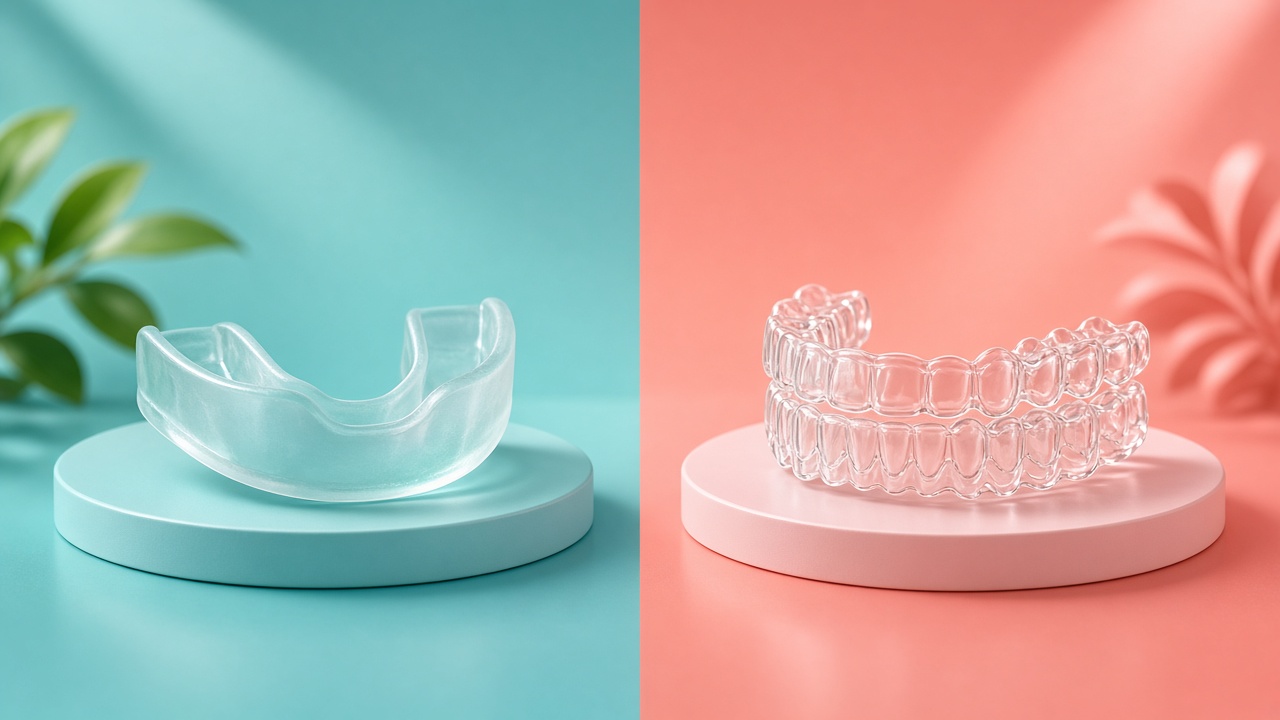
If the arch is already clearly crowded, a night tray from an old imprint may not seat or may traumatise. A tray holds a finished position; it rarely “treats” a new ladder. Sometimes short alignment comes first, then new retention. Exam decides.
Is this relapse or a new bite problem?
Relapse returns toward an old pattern after a course. A new problem is drift from periodontium, extractions, or wear on top of any past treatment. In the chair I separate those lines by history and films. That split sets volume and whether a periodontist or prosthodontist joins before force.
Do I need films if it is “just a little crooked”?
Yes — at least a panoramic when the clinic indicates it, plus probing. “A little crooked” on a phone can be a fan with bone loss. Force without a support picture is a bad deal. CBCT is targeted, not a ritual for every mild case.
How long does adult re-alignment take?
The corridor depends on millimetres, biology, attendance, and whether this is a full course or a segment. One number for everyone after thirty is not honest. After diagnosis I give a month range and the conditions that break it: debonds, missed visits, inflammation, flights without a plan.
Can we align only what shows in the smile?
Sometimes, if function and contacts allow a segment. Often lower incisors link to the rest of the arch and the upper. I show on the scan where a compromise is safe and where “six teeth only” leaves a heavy contact. We fix the choice before start, not mid-course from fatigue. If there is no pain or pus, diagnostic booking in the coming weeks is fine; waiting months with a growing ladder and a loose retainer already costs lower incisors more than a calm visit.