Crowded teeth treatment with braces or aligners moves teeth into a new map, yet that map does not freeze when the appliance comes off. Bone, periodontal ligament fibers, tongue and lip pressure, late mandibular growth, and gaps in retainer wear pull contacts back toward an older pattern — especially the lower incisors. I practice orthodontics in Dubai after years in Istanbul; on consultation I separate true relapse from new crowding driven by tooth loss, wear, or gum disease. Below is why alignment drifts, how retention works, when a local fix is enough, and when a full braces course is the honest tool. Diagnosis and treatment volume come only after exam and imaging; I do not approve a plan from one selfie in a chat app.
Patients often arrive saying “I already had braces; they are crooked again.” That sentence is not a verdict on orthodontics and not proof that the first doctor failed. More often I see broken retention, a debonded fixed wire, a tray left in a drawer after a move to the UAE, or age-related drift of the lower front teeth. We name the cause first, then pick the tool.
Why straightened teeth crowd again
Alignment places teeth in a new position, but ligament fibers and bone around the roots remodel for months after active force stops. While tissues still “remember” the old geometry, an unretained arch tends to drift back. Long-term clinical series and reviews agree on a hard population fact: ten years after treatment, far from everyone keeps satisfactory lower front alignment; by twenty years the share of stable arches falls further. Those figures describe groups, not your personal forecast. Your risk mixes original crowding severity, bite type, age, retainer hygiene, and tongue habits.
Relapse means teeth tend to return toward a previous position or slide into a new irregularity. Lower canines and incisors fail more often than upper ones: a narrower arch, thin labial bone, and constant tongue pressure in swallowing and speech. Adults in Dubai who finished treatment abroad sometimes wore retainers for years at home, then lost clinic access and the tray after relocation — six to twelve months later the front contacts look like a cascade. I ask not only “did you have braces” but “what held the result for the last two years.”
Other paths involve little patient “fault.” Late mandibular growth in teens and young adults changes how the arches meet. Wear on molars, loss of posterior teeth, and periodontitis with migration of incisors create new crowding on top of an old finish. On consultation I separate those lines: pure relapse after perfect retention is uncommon; mixed biology and daily life are the rule.
I also watch for “mirror relapse.” A patient compares today’s mouth with clinic finish photos under perfect light and panics over micrometers that no colleague notices in conversation. Then I place the scan beside old models when they exist, and we decide whether we are treating a mirror complaint or a functional problem. Treating for the mirror alone is still a valid choice — only after a clear talk about cost, time, and the next retention contract.
Another frequent UAE story is a doctor change mid-retention. A new orthodontist sees someone else’s wire and plan and sometimes proposes “remove everything and start over,” when rebonding two teeth and refreshing a tray would stabilize the arch. With your consent I request records from the previous clinic and do not dismantle a working retainer without cause. If the wire is already dead and the arch has drifted, we recalculate crowded teeth treatment from the current mouth.
Retention after treatment: what actually holds the arch
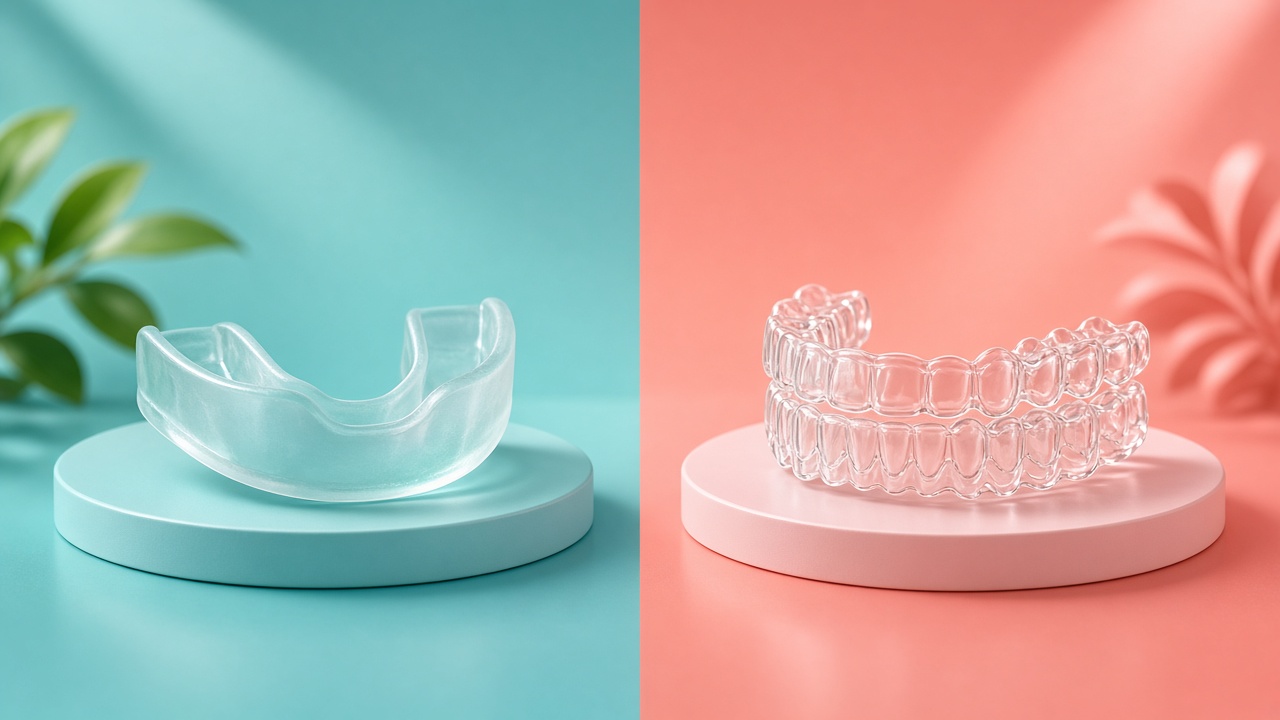
Retention is the phase when crowding correction results are held by appliances, not by wishful thinking about teeth. Without it, relapse risk stays high at every age. I explain the scheme on removal day and at the first retention check: a fixed retainer holds the segment that slips fastest; a removable tray holds arch width and the back teeth. Wear hours go into a handout matched to your bite, not a group chat. Dubai patients often ask how many months are enough — for many high-risk arches that means years of night wear. The American Association of Orthodontists (AAO) and European reviews agree: stability without retention is unreliable in the lower front. Below are the main retention types, why a loose wire is more dangerous than it looks, and what to do when the tray no longer seats.
Fixed retainers behind the front teeth
A thin wire or braided splint is bonded with composite on the lingual or palatal side of the front teeth — often canine to canine or with every incisor included. You cannot see that zone in a front bathroom mirror, so integrity checks get skipped. At recall I probe each tooth: one unbonded incisor lets neighbors drift at the contact. Hygiene around the wire is mandatory: floss threaders or superfloss, or calculus and gingivitis undermine both gum and bond. In Dubai I see composite fractures after sand sports, gym contact, and accidental bites more often than patients notice at home.
If the retainer debonds on holiday, message the clinic the same day. An old spare tray sometimes holds the arch until you return; sometimes you need urgent rebonding. Do not glue the wire with pharmacy adhesive and do not pry remaining bond points with force.
Every few months feel each tooth along the wire with your tongue: a step or a mobile composite edge is a reason to write before the planned visit. Warn the hygienist that a fixed retainer is present — aggressive polishing without protection can shear the bond. After rebonding I recheck tray fit; sometimes the plastic needs adjustment so night wear does not fight the new wire.
Removable trays and wear schedules
A tray made from a post-alignment scan or impression holds the whole arch. Early months often mean more than night wear; many later shift to nights only — your schedule is the one in writing. Skipping weeks in a mouth with heavy original lower crowding almost always buys millimeters of irregularity. The tray should seat with a light click on every tooth. If one incisor will not seat, the tooth has already moved; do not force through pain — book an exam.
Store the tray in a hard case, not in a napkin in a DIFC jacket pocket: heat and pressure warp plastic. Hot water and dishwashers ruin the fit. After loss, arrange a rescan quickly; weeks without retention in a high-risk mouth cost more than a new tray. A spare tray at home or with a partner is sensible insurance for weekly flyers.
Combining a wire and a night tray
A common plan after braces is a fixed lower anterior retainer plus a night tray on one or both arches. The upper arch sometimes relies on the tray alone when relapse risk there is lower. I do not promise lifelong perfect alignment with any scheme. I promise a clear control protocol: when to come, what to photograph at home, which symptoms mean calling early. Retainers are part of treatment, not an optional add-on if the budget stretches after removal.
Patients ask whether they can keep only the wire after a year and discard the tray. Sometimes yes, after stability checks; often no — especially with severe original crowding and thin gum biotype. That decision belongs on a measured recall visit, not on a calendar day when you are tired of plastic. If the wire sabotages hygiene and grows calculus, we discuss a design change or stronger removable retention instead of blind removal of everything.
Lower front teeth: why they drift first
Lower incisors and canines are the zone patients message about most: the top still looks fine; the bottom is a staircase again. Anatomy and function are harsher here than on the upper arch for many adults. Thin bone in front, limited space for roots, constant tongue contact in swallowing, and speech in two or three languages in Dubai load that segment differently from the upper incisors. Original lower crowding before the first course predicts higher relapse risk, even when finish photos looked perfect. Cochrane reviews note a shortage of strong head-to-head trials for lower front retreatment — so I measure millimeters, tissues, and daily life rather than selling one gadget. Below is what I examine in this zone, how growth and age enter the picture, and when mild crookedness already needs action rather than another six months at the mirror.
Arch anatomy and tongue pressure
The lower anterior perimeter is shorter than the upper one in many mouths. When incisors were aligned without enough space or with a compromise on inclination, ligament fibers pull back harder. The tongue at rest and in swallowing presses the lingual surfaces; if tongue thrusting between the teeth continues, the front segment breaks again. Orthodontics aligns teeth; myofunctional habits sometimes need speech therapy or conscious control — I write that into the plan when I see it.
Phone photos in a mirror understate lower crowding: the camera from above flatters the smile and hides a lingual rotation. On consultation we inspect occlusion from the lingual side and on models or a scan. I ask patients to send two photos before the visit: frontal smile and a flash shot of the lower incisors from below — chat triage becomes more honest.
Age, growth, and a second wave of mandibular change
In teens and young adults, residual mandibular growth changes how the arches relate even after a clean finish. Lower incisors can crowd again without “retainer guilt” if growth continues while retention weakens. After thirty, wear, loss of posterior support, and periodontal disease do more of the work. I do not blame “age alone for crooked teeth” — age changes the background; we still name the mechanism in your mouth.
Women after pregnancy sometimes notice tooth shift with gingival swelling and hygiene changes; men after long trips without a tray see the same visual result for another reason. Daily history matters as much as the radiograph. During active growth I schedule control photos every three to four months even when the tray “seems fine,” so we catch drift before a full retreatment is required.
When millimeters already matter
A mild rotation of one incisor with an intact wire and a well-fitting tray often means observation and a short follow-up. A debonded retainer plus a tray that will not seat means repair retention now, not waiting until it “gets really bad.” Crowding with gum trauma, plaque wedges, and bleeding is managed with tissue care first, then orthodontic force. Volume of crowding correction follows diagnosis, not a shame scale about meetings.
I also check canine wear and anterior guidance: sometimes “crookedness” compensates for a bite change after loss of posterior height. Aligning only the incisors without a restorative plan then gives a short cosmetic effect. An honest route may include a prosthodontist in Dubai before or after orthodontics.
How I assess returning crowding on consultation
On consultation I collect more than “crooked again.” I need the treatment passport: when braces or aligners came off, which retainer you used, when you last saw an orthodontist, debonds, lost trays, trauma, periodontitis, extractions. Without that timeline it is easy to confuse relapse with a new oral disease. Exam covers gums, mobility, contacts, occlusion, old restorations, and wire integrity. Imaging follows indications: panoramic, periapicals, sometimes CBCT when roots, bone, or resorption enter the question. In Dubai some patients arrive after years of “watching” with a general dentist who saw the drift but did not feel authorized to change retention — I welcome the referral and still start from a full picture. Below is how I read old records, what I photograph for the plan, and when I delay retreatment until a periodontist or restorative dentist clears the tissues.
History of the first course and retention
Bring discharge notes, finish photos, and before/after radiographs if you still have them. Dubai patients often treated in Europe, India, Russia, or Turkey — retention protocols differ. I do not judge the prior plan; I need facts: were premolars extracted, was surgery involved, was a fixed retainer placed. Fuller history means a sharper retreatment forecast. Without papers we start from today’s clinic findings and an honest account of tray wear.
I ask about insurance and visa timelines because retreatment takes months: a planned exit from the UAE can favor a local correction with tight retention over a full appliance course. If you change clinics inside the emirate, ask the previous side for the digital scan and the date of the last rebond — that saves a week of guesswork.
Clinic exam, scan, and photo protocol
A scan or impressions map contacts and rotations in millimeters. Photo protocol — face, profile, upper and lower occlusion, smile — separates aesthetic demand from function. Sometimes a patient wants “only two lower incisors,” while canine guidance and the bite demand more. I show that on screen before anyone pays for a full braces package. Partial scope is possible when limits are named and written.
When gums and decay come first
Bleeding, pockets, mobility, overhanging fillings, and caries at old bracket sites stop forceful retreatment. Orthodontics on inflamed tissue accelerates bone loss. Hygiene, periodontal or restorative care first, then force. A pause frustrates a wedding calendar; it protects the teeth you want aligned. I document clearance for orthodontics in writing after stabilization.
Smoking and vaping worsen gum response and recession risk when we move lower incisors again. I do not moralize — I fold that into risk and recall frequency. If a periodontist treats you in parallel, we sync dates: orthodontic activation after tissue support, not the reverse.
Retreatment options: braces, aligners, and local methods
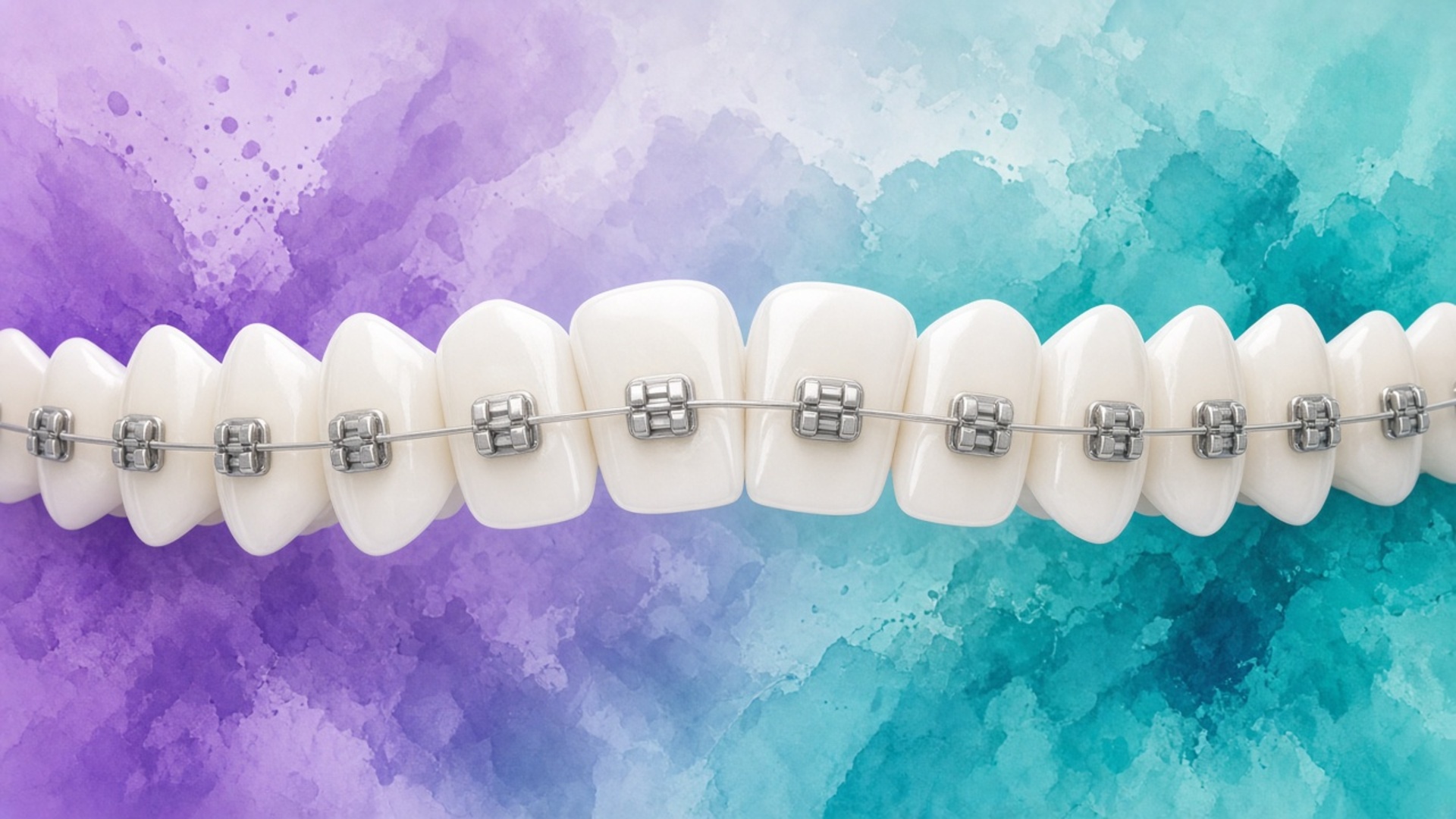
When crowding returns, I choose tools by volume, periodontal status, workplace aesthetics, and wear discipline. Full braces cover complex vectors, root rotations, and crossbite tasks. Aligners often suit office life if seating and hours are real. Local methods — an active bonded retainer, short segments, selective enamel reduction when indicated — work for small millimeters on healthy tissues. Cochrane reviews stress that high-quality comparative trials of “best method for lower incisor relapse” are scarce; clinic follows biomechanics, not one appliance for everyone. On the crowding correction page I outline routes without promising identical timelines.
Mild relapse with a living retainer sometimes avoids full brackets: replace the wire, add an elastic element, selectively reshape contacts, tighten night wear. Moderate and severe relapse with several rotated teeth usually needs a full course. Retreatment is not automatically faster than the first course: tissues differ, expectations differ, and crowns or recessions that did not exist at sixteen can slow the path.
Aligners for lower relapse demand honest hours on teeth. Night-only wear during active alignment is usually insufficient. If a past aligner course failed on discipline, we discuss fixed appliances without illusions. If metal is unacceptable at work — ceramic or lingual options by indication, with a separate talk on hygiene and speech.
Extractions for returning crowding are not the default. The decision follows space analysis, profile, periodontium, and roots. Sometimes we create space with enamel interproximal reduction; sometimes with expansion; sometimes with an inclination compromise. All of that sits on the plan paper before start, not “as we go if it does not fit.”
Adults often ask about an aesthetic compromise: keep mild irregularity and strengthen retention instead of a new course. That path is legitimate when tissues are uninjured, change is not progressing, and you accept the mirror limit. I record refusal of full alignment as carefully as consent for braces. Another frequent ask is a wedding or relocation deadline. An event date does not accelerate osteoclasts. We can narrow the goal to the smile zone and strengthen retention, or state plainly that the event sits before a reasonable finish. I will not promise “perfect by a Friday in six weeks” for marked relapse.
After any retreatment, retention is usually stricter than the first time. A new fixed retainer, a spare tray, and a year of recalls belong in the contract, not as a soft bonus. If you leave the UAE three months after finish, we decide in advance who rebonds abroad and how scans travel. Without that plan, the second result risks the fate of the first.
Relapse risk factors and what we do about them
The table below is a working map I use in conversation. It is not a self-diagnosis score and not a sentence. A “green” row does not cancel retention; a “red” row does not mean treatment is useless. After the exam we tick your rows and tighten retention and recall where risk is higher. I ask patients to keep a photo of this table from the handout: under the stress of a debond it is easier to remember the first step.
| Factor | What happens in the arch | What raises risk | What we usually do | When to contact us urgently |
|---|---|---|---|---|
| Severe original crowding | Strong ligament “memory” | Skipped trays, early retainer drop | Long combined retention, frequent recalls | Tray will not seat on front teeth |
| Debonded fixed retainer | Local drift of 1–3 teeth | Hard food impact, calculus at wire | Rebond, temporary tray | Sharp edge, mobile tooth at wire |
| Lost / warped tray | Arch width collapses | Car heat, hot-water cleaning | Rescan, intensified wear | Weeks without a tray after loss |
| Late growth / aging | Lower incisors crowd again | Weak retention in growth years | Observation + hold, sometimes limited retreatment | Fast shift in 1–2 months |
| Periodontitis | Migration and fan-shaped flare | Smoking, poor hygiene | Pause orthodontics, periodontist | Bleeding, mobility |
| Lost posterior teeth | Front segment collapses | Delayed prosthetics | Joint plan with prosthodontist | New space plus front crowding |
| Tongue habit | Constant pressure on incisors | Thrusting, sucking habits | Habit control, sometimes speech therapy | Open bite with the shift |
| Trauma / impact | Wire fracture, tooth displacement | Sport without a mouthguard | Exam, radiograph if indicated | Pain, mobility after impact |
Rows overlap. A patient with severe original crowding and a loose wire sits in two zones at once — retention is written tighter and recall comes sooner. UAE insurance may cover retreatment differently from a first course; verify limits before you start, because tariffs change. AED fee ranges for retreatment depend on volume and system: I quote only after diagnosis and with a date caveat that clinic prices update. Do not copy a neighbor’s invoice from a residents’ chat — that mouth may have had different gums and a different movement load.
What to do at home if the arch starts to drift
At home you do not diagnose and you do not bend the wire with pliers from a toolbox. At home you protect what still holds and you speed up the visit. If a fixed retainer is partly loose — wear the tray as instructed, avoid peeling the remnant with your teeth, skip hard food on that side. If the tray will not seat — do not click through pain; send occlusion photos and book. If gums bleed at the wire — clean gently with a soft brush and floss; do not abandon hygiene “to avoid touching it.”
Photo protocol for messages: teeth together from the front, lower incisors from the lingual with a mirror or underside selfie, a separate frame of the wire. Date plus a short note “debonded at lower left two” saves reply time. On GCC travel a temporary tray from a colleague orthodontist with a radiograph forwarded to me can bridge a week; full retreatment planning still belongs in your home clinic with complete diagnostics.
Do not start marketplace aligners without a doctor. Force without root and bone control builds a new crooked arch and periodontal risk. If you want faster booking for crowding correction, write that this is post-treatment relapse — front desk will reserve time for history review.
After we restabilize the result, retention returns — often stricter than before. I say this plainly: a second course without a new retention agreement is nearly pointless. Retainers and recall visits belong in the budget and calendar talk before you sign the plan.
While you wait, keep a soft diet on the debond side, wear an old tray at night if it seats without pain, and do not use toothpicks as levers at the wire. Cover a sharp composite edge with orthodontic wax so the tongue is not cut. Pain on biting, rising mobility, swelling, or fever means urgent review, not a planned slot in a month. Dubai heat warps trays left on a car dashboard in a day: a case in an air-conditioned bag protects shape better than any home “fixing” with a hairdryer.
If you are a parent of a teen with relapse, do not turn home into a courtroom. The teen already feels shame about “crooked again” — shame pressure breaks tray discipline further. Keep the talk short: the fact of drift, the visit date, who buys a travel case. In the chair I speak to the teen directly and clarify budget and calendar with the parent separately. That order cuts sabotage better than threats about phones.
FAQ: crowded teeth that return
Why did my teeth crowd again after two years in braces?
Active treatment time is not lifelong stability. After removal, tissues and habits keep working. Without retention or after retention failure, the arch shifts. Growth, gum disease, or tooth loss can add new crowding. Cause analysis needs an exam and your retention history.
Are retainers mandatory after crowded teeth treatment?
Yes in most plans. Wire, tray, or both depends on your risk. If you decline retention I document that with an explanation of relapse risk. Details on appliance types live on the retainers page.
Can you align only the lower incisors without a full course?
Sometimes yes, for small volume on healthy tissues. Sometimes no: bite, canines, and upper contacts demand more. The decision follows scan and occlusion analysis, not a wish to fix “only what shows in photos.”
Are aligners or braces better for relapse?
Better means what matches biomechanics and your day. Aligners need wear hours; braces are often more predictable for complex rotations. Indications are set on consultation, without ranking systems as generally inferior outside your mouth.
How long does retreatment of crowding take?
From a short local correction measured in months to a full course comparable to the first. The range comes after diagnosis. I cannot promise a wedding date without tissue response and hygiene in the equation.
A retainer debonded — is that urgent?
Yes if the tray no longer holds the arch or a sharp edge is unprotected. Message the clinic the day you notice. Waiting two months for a routine slot while incisors drift is poor economy.
Do wisdom teeth cause the new crowding?
Sometimes third molars enter the pressure discussion; more often lower incisor crowding progresses on its own path even without them. Extraction decisions follow radiographs and clinic findings, not the myth that removal alone will straighten the front.
What should I bring to a relapse consultation?
ID, medication list if relevant, old radiographs and notes, your current tray, and notes on wire debonds. If you treated abroad, any finish photos help. A fuller packet means a sharper crowded teeth treatment plan without repeating every diagnostic step.