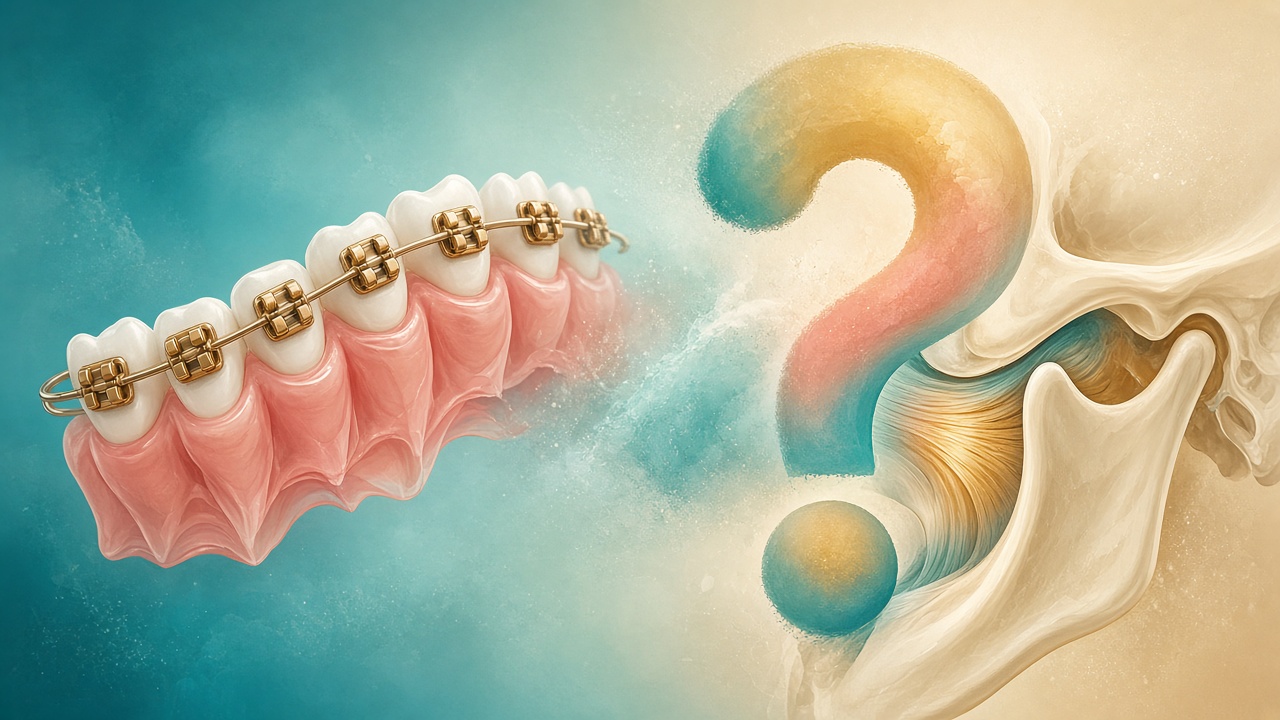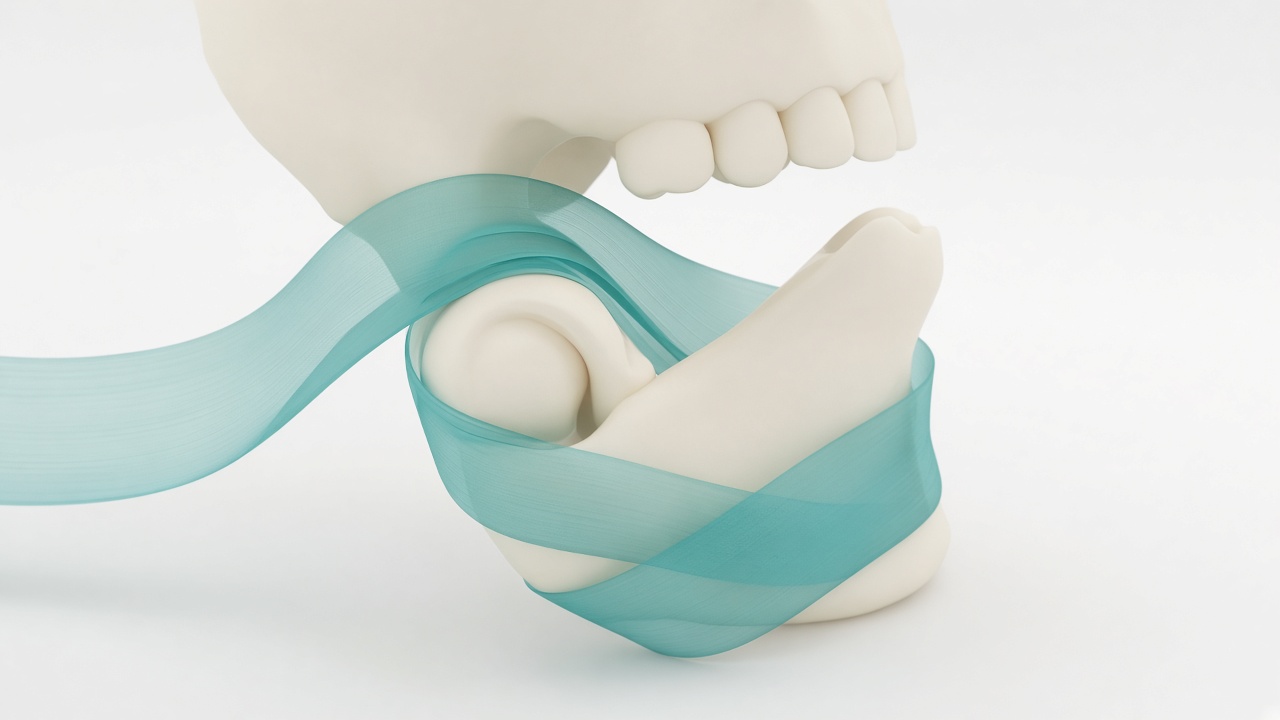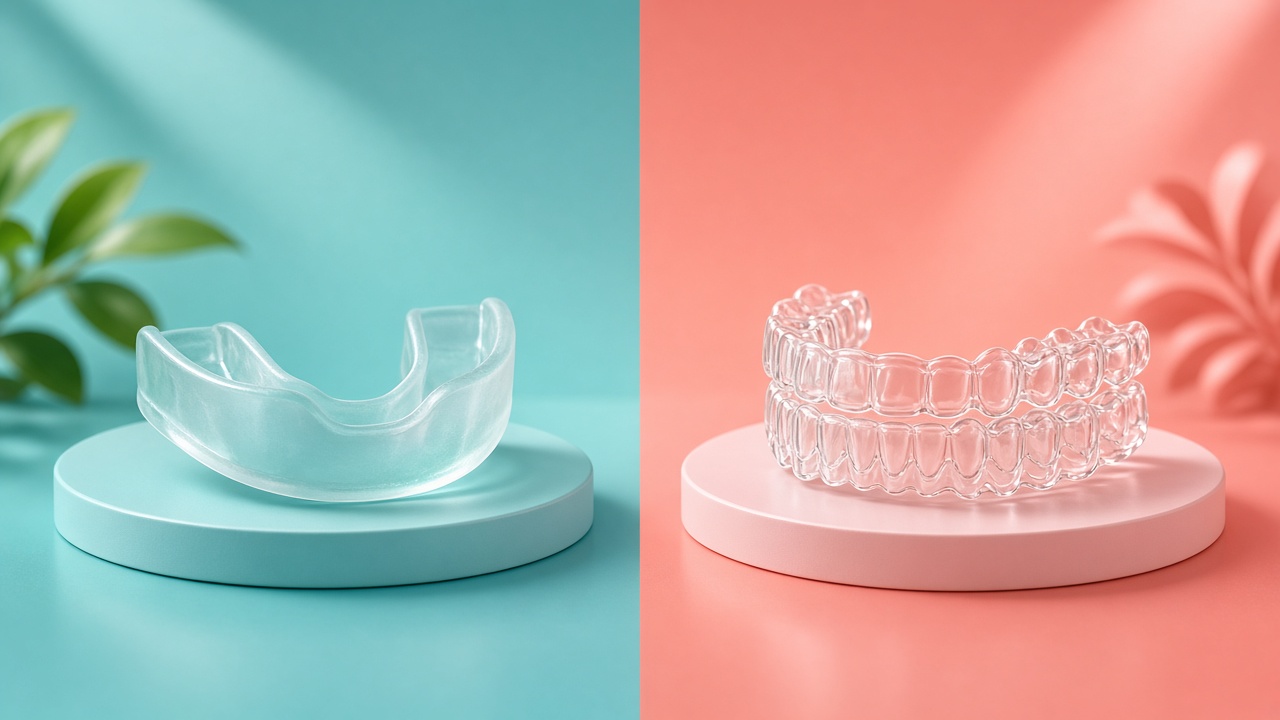
Parents notice a child mouth breathing during the day or sleeping with lips apart and often file it under “habit” or “just how they relax.” I read it as load on the bite. Long open-mouth breathing changes tongue posture, pressure on the upper jaw, and the shape of the dental arches. That is already an orthodontic problem, even when a short pediatric check once found the nose “fine.” I see children in Dubai after years in Istanbul, and on a pediatric consultation I spend many visits on the chain breathing–bite–growth. The American Association of Orthodontists (AAO) update on sleep-disordered breathing reminds clinicians: orthodontists screen and refer; they do not diagnose adenoids or apnea from a phone photo. Below is how mouth breathing reshapes bite mechanics, which signs mean book earlier, how ENT care links to early intervention, and how Dubai air-conditioning dryness can lock in an open-mouth pattern.
Why mouth breathing belongs on the orthodontic chart
The nose filters, warms, and directs air. The mouth is a backup route. When a child breathes through the mouth for months, the tongue often drops low and back, lips stop meeting at rest, the cheeks press harder on the upper teeth, and the palate loses the tongue’s gentle inner support. Orthodontics is about resting forces and function. Muscles and tongue shape arches more than parents expect after ads that treat braces as jewelry. So “child mouth breathing bite” questions sit next to crossbite, open bite, and a narrow palate on my list.
I do not argue about the child’s “personality.” I ask about snoring, open-mouth sleep, dry mouth on waking, daytime fatigue, frequent colds, allergy, congestion without obvious runny nose, speech, and lips apart during quiet classwork. Some children mouth-breathe only during a viral week — an episode. Some keep the mouth open for years after the nose has cleared. Between those poles sits joint work with ENT. A plate “to straighten teeth” while the mouth stays open all night often buys a short win: the arch narrows again, the tongue stays low, the front teeth drift apart again.
Mouth breathing alone is not a home diagnosis of “grade-three adenoids” and not a same-week surgery order. I do not grade adenoids online and I do not read tonsil size from a selfie. I record orthodontic effects: a narrow upper arch, a side crossbite, a front open bite, a longer face, cracked lips, a high palate, tongue between the teeth at rest. Those signs show in the chair. Then the family gets a referral to ENT or allergy care when the sleep and nose history justify it. An ortho plan that ignores breathing is incomplete. A breathing plan that ignores a collapsing arch is also a hole.
In Dubai I meet two extremes. One is “we’ll tape the lips at home.” The other is “everyone removes adenoids and the bite will become perfect by itself.” Both oversimplify. An open-mouth habit can remain after congestion improves. Adenoid surgery, when an ENT decides it is indicated, does not automatically widen a jaw that already narrowed. I walk families through the chain: air → tongue posture → force on the jaws → bite shape. Until that chain is spoken aloud, parents buy a trainer online and wait for a miracle without an exam.
I have seen the same model patterns in Istanbul and Dubai: narrow upper arch, tongue on the floor of the mouth, dry lips — across different languages and parenting styles. Personality is not the driver. Hours of mouth breathing are.
How open-mouth breathing changes jaws and teeth
Bite change from mouth breathing is hours of force: how long the tongue sits low, how long the cheeks squeeze the upper arch, how long the lips fail to support the front teeth. The longer the pattern, the deeper the marks. In preschool and mixed dentition the growth window is still open — so a review under early intervention matters when signs are already present. On models and photos I sort three layers: upper jaw width, front contact, face and lips. One child shows narrowing first; another shows a front gap. Before films I ask about sleep with an open mouth, snoring, dry mouth in the morning, mouth open on a tablet. “Sometimes” and “always” imply different urgency. Hygiene sits beside this: a dry mouth protects enamel less, so cavities travel with the ortho story.
Narrow upper jaw and crossbite
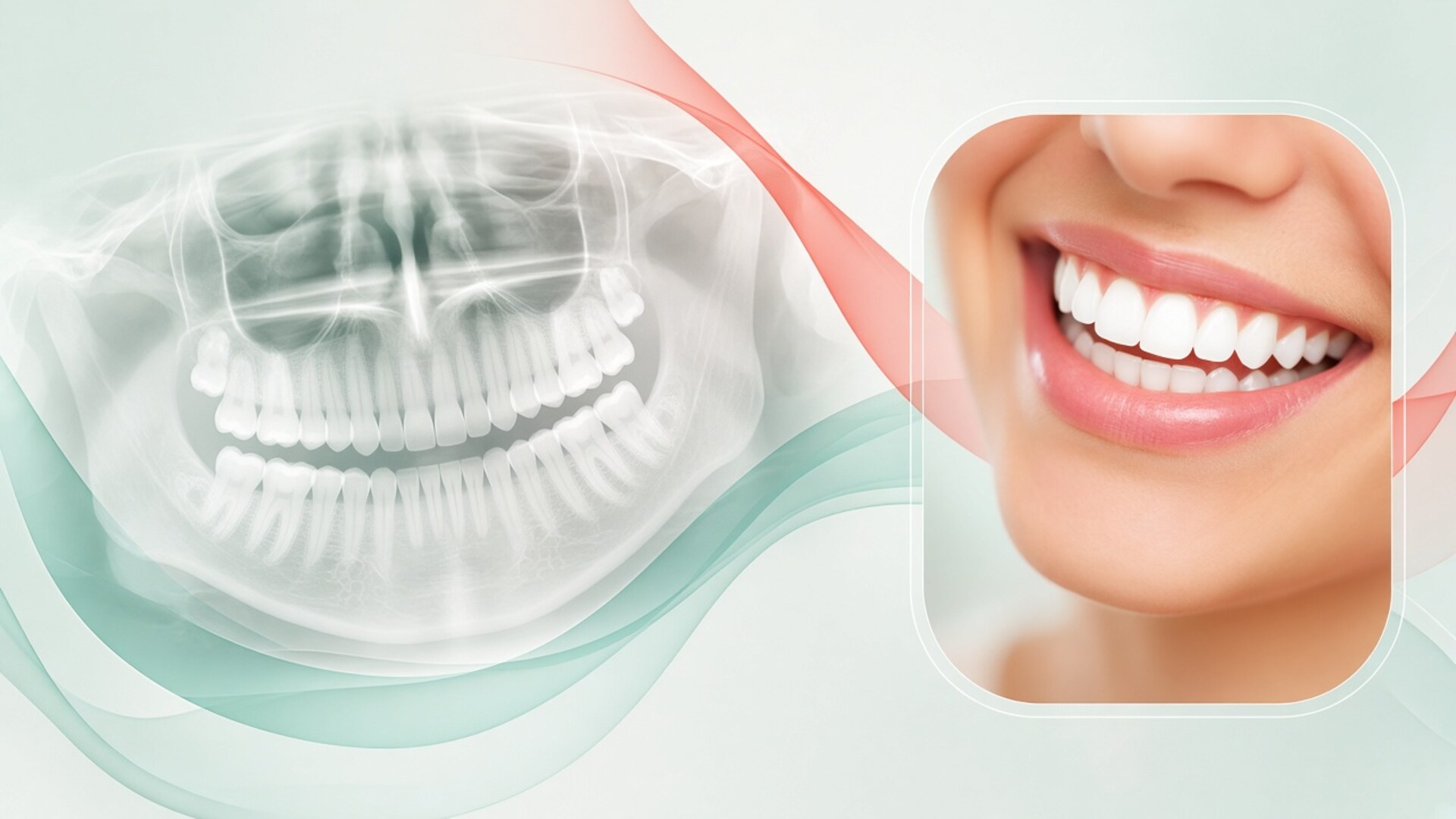
At rest the tongue should lightly brace the palate from inside. With mouth breathing it often lies on the floor of the mouth. Cheeks keep pressing from outside. The upper arch narrows; side teeth may meet past the lowers — a posterior crossbite. Sometimes the lower jaw slides to one side on closing: a functional shift. Muscles learn that shift. I catch it on exam: nearer midline at rest, off to the side on bite. Waiting “until every permanent tooth is in” while a progressive shift is clear is a plan I rarely accept without a written path. Expansion or other interception follows films and clarity on breathing: expanding while the nose barely works, without an ENT view, is a weak strategy.
Open bite and tongue between the teeth
Front teeth may fail to meet if the tongue rests between them or lips never give vertical support. Mouth breathing and tongue thrust often travel together. Parents see a gap and think only “crooked teeth.” I see function: without a change in breathing and tongue posture, hardware pulls teeth together and the tongue pushes them apart at night. So the plan may include a plate or limited braces and, when indicated, speech or myofunctional support. If tongue habit and nasal breathing recover, some open bites improve with growth; some stay skeletal. Only an exam can sort those paths.
Long face, dry lips, and the “adenoid face” label
Long-standing mouth breathing can lengthen facial proportions, leave lips apart at rest, and make the lower face look stretched. People call this an “adenoid face.” I use that label carefully: it scares families and sounds like an ENT verdict. Orthodontists see proportions and soft tissues; adenoid grade belongs to ENT after their own exam and tests when needed. My job is to record facial and dental signs, link them to the breathing history, and avoid promising that “surgery will shorten the face by itself.” Face growth has many drivers. Honest talk cuts miracle shopping and gets the right referral sooner.
Causes: nose, allergy, and habit after illness
Families hunt for one cause. The real layer is often mixed: congestion, allergic rhinitis, adenoids or tonsils when ENT decides so, habit after a string of colds, dry AC air, sport that forces mouth breathing at peak effort. I collect history; I do not pick a villain from one chat clip. I do not diagnose adenoids from a snoring video: snoring has more than one pathway, and surgery decisions sit with ENT. What matters for me is whether the child mouth-breathes most of the day, whether the arch is narrowing or the open bite is growing, and whether hygiene can support an appliance. If the nose barely works, airway evaluation comes first. If the nose is clear and the mouth stays open, habit and function sit next to orthodontics. Borderline pictures get dated observation; ENT letters carry specific complaints.
What I ask about sleep and daytime
The list is short. Nightly snoring or rare? Breathing pauses an adult noticed? Sweaty sleep, frequent waking, daytime sleepiness, attention trouble at school? Mouth open in quiet sitting? Congestion without clear mucus in spring or autumn? Family allergy? Prior ENT visits and what was said without panic language? Answers guide urgency of referral and ortho pace. I record the child’s words separate from the parent’s: sometimes the child says “nose is hard,” while the adult thinks “they’re just lazy.”
Where the orthodontist’s lane ends
I assess bite, growth, tongue and lip function, hygiene, and films when indicated. I do not schedule adenoidectomy, do not replace ENT sprays with my own scripts, and do not promise to cure apnea with an expander “instead of a physician.” The AAO sleep-disordered breathing update stresses screening and teamwork: orthodontics is not proven as a lifelong preventive cure for sleep-disordered breathing on its own. So I am plain: maxillary expansion is for orthodontic width and crossbite indications, not a priced “snoring fix.” If the family came only for snoring with no dental complaints, pediatrics and ENT often lead; orthodontics maps the face and bite beside them.
Habit after the nose already works
A common Dubai story: ENT says the airway is adequate, allergy is stable, and the child still walks with an open mouth. Muscles and brain kept the pattern. Shouting “close your mouth” rarely rebuilds it. Short daytime anchors help more: a sticker reminder on a pencil case, lip-seal games, speech support when indicated, sometimes a removable appliance that gently discourages a low tongue — only after exam. Without the child’s buy-in, the plate becomes pocket jewelry. I weigh readiness as seriously as palate width.
Dubai climate, AC, and a dry mouth
Dubai adds a lifestyle layer. Long school days under air-conditioning, dry home air, heat outdoors versus cold indoors, seasonal dust, chlorinated pools, pollen spikes in some months. A child who breathed through the nose most of the year in a milder climate may prefer the mouth here. That does not cancel a medical nose check. It adds dryness: mucosa dries, lips crack, open-mouth posture sticks faster. I sometimes see the same family before and after a European summer: the nose “rests,” lips meet more often, then two months of AC bring the pattern back. That seasonal swing argues for a photo diary, not waiting for a perfect dust-free week.
I ask families to check simple items before complex conclusions. Enough water in the day? AC blowing straight into the face in sleep? A humidifier in the driest months if the pediatrician agrees? Congestion after evening training in a dusty hall? Orthodontic care does not replace those fixes, but without them an appliance fights the room. Expat families often compare with “open the window in winter at home” and find Dubai air dries differently. I turn that surprise into a one-page checklist.
Sport in heat almost always includes mouth breathing at peak effort — normal for intensity. Trouble starts when the mouth stays open at rest after training and through an evening screen. I separate load from rest. On a pediatric consultation, two honest minutes about the evening ritual show where the pattern lives. Families who fly between emirates and countries each holiday should note snoring and open mouth in both places: sometimes “at grandparents’” the nose works better because of air and routine, and that is data too.
Signs that mean see an orthodontist sooner
Waiting silently until seven is weak if the mouth stays open and the bite is already changing. AAO’s first-check guide is no later than age seven; clear signs mean earlier. I ask for a visit when two or three signals cluster: open mouth at rest, snoring, a narrow upper smile, side teeth meeting past each other, a front gap, dry lips every morning, tongue between the teeth on photos. One rare viral week with no bite marks is not panic. A constant pattern means book.
Below are three sign groups where I ask you not to push the visit “to holidays in six months.” Groups overlap. The list gives parents language for booking; it does not replace an exam. I do not diagnose from a messenger gallery: camera angle lies, and a posed smile is not habitual bite.
Signs in the mouth and smile
Upper side teeth tip inward, the smile looks narrow, the palate is high like a dome, front teeth do not meet, lower incisors bruise the palate, or upper incisors flare with dry lips. Wear on one side can mark a shift. Parents compare a photo from a year ago: the arch looks narrower, the front gap larger. That trend beats one awkward frame. In clinic I take standard photos so six-month reviews match.
Sleep and daytime behaviour signs
Open-mouth breathing at night, snoring, restless sleep, morning headaches the child describes, dry mouth, frequent waking, daytime sluggishness. Many of these points lead first to pediatrics and ENT. Orthodontics still checks the bite in parallel so a year of arch growth is not lost while the medical loop runs. If medicine already cleared the airway and the mouth stays open, we return to function and an ortho plan.
When observation is enough
If the mouth opens only at the peak of a cold, the bite is stable on review photos, the nose works most of the year, snoring is absent, and the arch is not narrowing, I more often watch with a date. Observation means repeat photos and sleep questions. “We’ll watch” with no calendar slot is a hole. Dubai calendars break with moves; I book the next visit before the family leaves. New red flags in three months mean return early.
What orthodontics actually does with mouth breathing
Plans start from a goal. A goal can sound like: restore upper arch width and clear a crossbite; close a front gap as far as growth and function allow; stop a functional shift; hold space for permanent teeth. I do not write “cure breathing with metal.” Appliances move teeth and sometimes support a new tongue posture; nasal airflow is the job of the right medical clinician.
Typical sequence in my chair: history and facial/oral exam; photos; films when indicated — panoramic, sometimes lateral or 3D for skeleton or tooth buds; hygiene and caries check; then observation, ENT/allergy referral, short interception, or a full early phase. Before start I explain wear hours, adaptation, sport, and school. Removable plates work the hours they are worn; studies show children over-report wear. So I match design to family discipline as much as to diagnosis.
Myofunctional work and speech therapy are function tools, not mysticism. I do not send every child. I refer when tongue, swallow, or speech clearly hold an open bite. Parents may ask why another specialist. The answer is concrete: without a posture change, the ortho result is unstable in this case. If the problem is dental and nasal breathing already returned, the extra loop is unnecessary.
| Situation | ENT / pediatric lead first | Orthodontist in parallel | Typical ortho goal | Risk without a plan | Family next step |
|---|---|---|---|---|---|
| Nightly snoring, pauses noted by adults | Yes | Yes — do not skip bite exam | Record arches/shift; not “treat apnea” | Missed medical workup | Pediatrics/ENT + pediatric consultation |
| Mouth open, ENT says airway adequate | Less often | Yes | Habit, arch width, open bite | Narrowing and relapse after a plate | Function + ortho when indicated |
| Posterior crossbite with jaw shift | Per nose history | Yes | Remove forced shift; widen contact | Years of asymmetry | Early intervention after films |
| Open bite + tongue between teeth | If snoring/congestion | Yes | Interrupt function; guide growth | Gap lasts for years | Joint ortho + function plan |
| Dry lips in AC season, bite stable | Lifestyle + pediatrics as needed | Observation | — | Extra anxiety | Photo review 6–12 months |
| Seasonal allergic rhinitis | Yes | Yes if arch marks appear | Do not fight meds; correct bite on facts | “Plate only” against swelling | Allergy care + ortho if needed |
| Family wants a “snoring appliance” with no dental issues | Yes | Screening | Ortho goal only if arch discrepancy exists | False expectations | Clear decline of “snoring priced as ortho” |
The table is a conversation aid. The exam decides.
Early intervention and appliance discipline
When narrowing and crossbite are already present, early intervention in mixed dentition is selective. The goal is narrow and measurable. Expander, plate, limited braces — tools. Choice depends on skeleton, age, hygiene, and whether the child can nasal-breathe at least part of the day. I do not promise that an early phase cancels teen braces. I promise a twelve-month goal and success criteria.
Dubai school life stresses discipline. Long days, buses, clubs. A removable plate is easy to leave in another emirate for a weekend. A fixed expander removes part of that trap and adds palate cleaning load. Before start I check whether the child can clean around hardware, and I do not bond over active cavities. White spots after removal read as “treatment damage”; they are plaque and acid. Mouth breathing dries tissues and speeds that story — another reason to hold hygiene harder than usual.
Active phase length follows the goal. Habit and function may run months beside hardware. If a review date shows no move toward the goal, we do not silently add six months — we revisit breathing, wear, and diagnosis. Honest revision protects trust better than endless extension without explanation.
I also reset expectations after ENT care. If nose surgery or therapy is already done, the ortho appliance does not “finish breathing”; it works on arch form and tongue function. If ortho starts beside ENT care, I ask the family to report spray changes, allergy flares, and new surgical advice — otherwise we blame the plate while the nose failed for two weeks. One family chat that includes both clinicians saves months of argument.
A Dubai consult: questions, films, a written plan
On a pediatric consultation I speak with the child first. Short facial and oral exam, photos, films when indicated. Then three exits: observation with a date; ENT/allergy referral with ortho review; start of interception or an early phase. I name the exit aloud so the car ride is not fog about “breathing differently and maybe fitting something.”
Questions I expect: Does ENT come before a plate? What happens to the arch in a year without us? Can we start after holidays? How do we know nasal breathing is enough for ortho start? How many hours of wear? What if the child pockets the plate at school from embarrassment? Answers depend on the case. There is no universal discount on risk. Pressure to “sign today or you lose the airway forever” fits poorly with AAO caution on orthodontics as a sleep-breathing cure. Real urgency exists with a progressive shift or trauma risk to flared teeth; facts in the mouth prove it, not a slogan.
Moving families should bring prior films and ENT notes, even in another language. I judge date and quality. I do not repeat films without need. An anxious child may leave the first visit with photos only. Trust for years of care beats impressions on day one. Booking before buying “mouth-breathing trainers” online protects enamel and the budget: without a diagnosis that purchase is a lottery.
Sometimes a parent messages at night: “we fear missing breathing and the jaw.” Fear is human. The answer is criteria and a review date, not an 8 a.m. appliance start with no new facts. If overnight brought no pain, tooth injury, or new jaw shift, the evening plan still stands. Panic chooses hardware poorly. A sound plan survives a second ortho opinion and a calm ENT talk in the same family without a race for who is “in charge.”
FAQ
Does child mouth breathing already mean a bad bite?
Not in the first month. A long pattern raises the chance of upper narrowing, crossbite, and open bite. A short cold with no dental marks often needs no orthodontics. An exam shows whether resting forces already changed the arches. Open mouth alone is not a bite diagnosis.
Can a photo prove adenoids need surgery?
No. Orthodontists do not make ENT diagnoses from selfies and do not schedule surgery. Snoring and open mouth are reasons to see the right physician. I describe bite effects and write a referral with concrete complaints. Adenoid grade and treatment sit with ENT after their exam.
Will teeth fix themselves if the child starts nasal breathing?
Sometimes mild tip and a small front gap improve after function and growth change. An established crossbite with a shift and clear narrowing rarely fully “self-correct.” After breathing improves, ortho review still matters. Drift without photos and dates is a weak plan.
Should we fix the nose before seeing an orthodontist?
If the nose fails most of the day, airway evaluation usually leads or runs in strict parallel. If the nose is clear and the bite already changed, orthodontics does not wait for a perfect season. Dubai families often book both steps in the same month so less growth time is lost.
Does an expander cure snoring?
Expansion is discussed for orthodontic width and crossbite. The AAO sleep-disordered breathing update does not support orthodontics alone as lifelong prevention of sleep-disordered breathing. I do not sell expanders as ENT replacements. If snoring is the only goal, start with medical assessment.
From what age should mouth breathing be checked by an orthodontist?
With clear signs — earlier than the “no later than seven” screen. Age screening still helps even without complaints. A preschooler with a constant open mouth and a narrowing arch gets an exam without waiting for a birthday. Appliance start age depends on cooperation and diagnosis, not on “earlier is always better for everyone” ads.
What can we do at home while waiting for a visit?
Do not tape a child’s mouth shut at night without a clinician’s instruction. Keep water intake steady, reduce AC blowing into the face in sleep, and log a week of snoring, open mouth, and daytime congestion for the consult. Heavy breathing effort, pauses, or blue colour is urgent medical care — not a blog topic.
What should we bring to a Dubai visit?
Separate child and parent complaint lists, sleep video only if already recorded for ENT, prior notes, honest allergy and sport history. Book a pediatric consultation before buying “breathing appliances” online. If interception is indicated, we discuss early intervention with a one-sentence goal first, then the design.