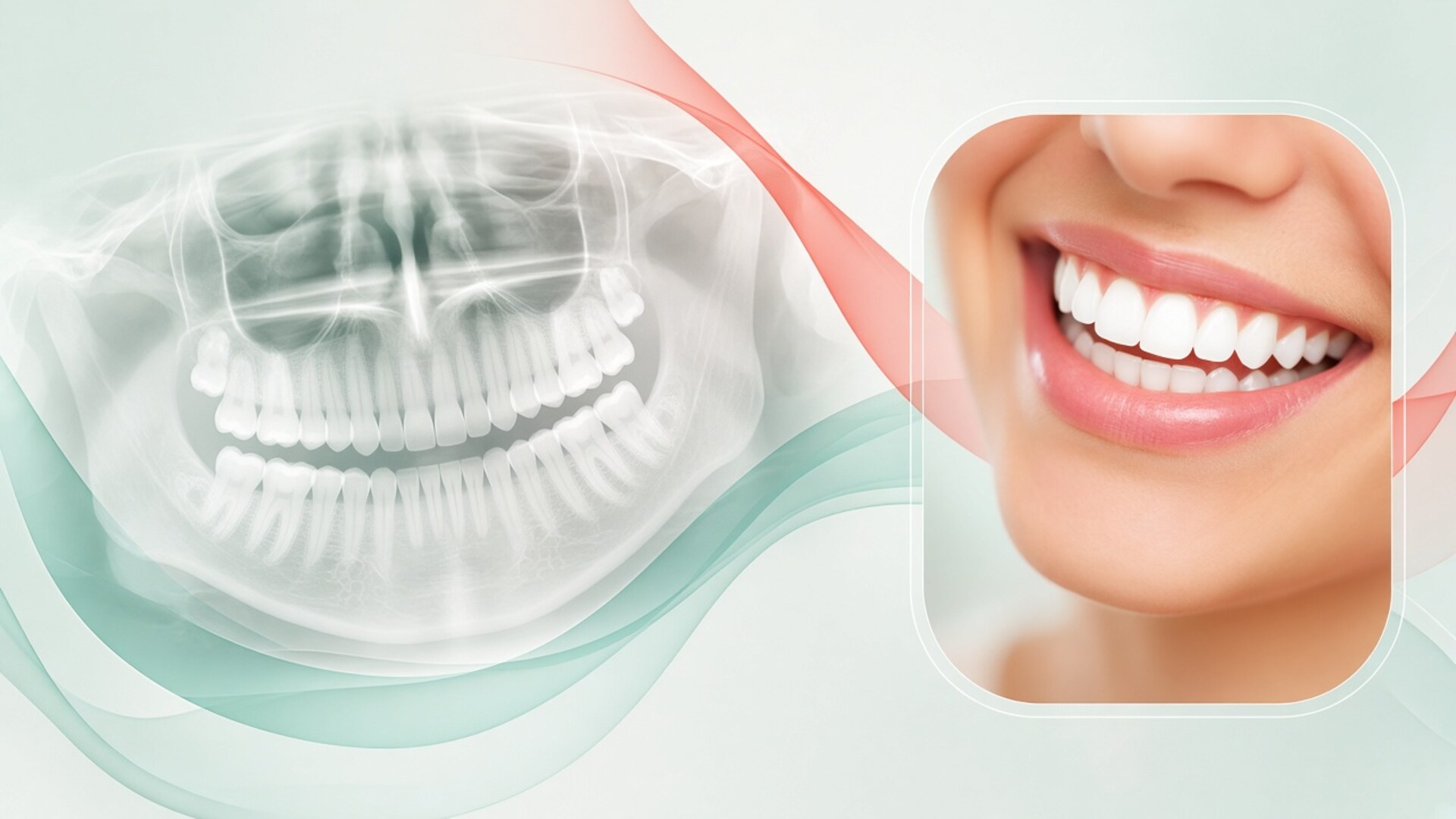
Parents search for signs a child needs an orthodontist when a party photo looks “crooked,” the child sleeps with an open mouth, or baby teeth fall out off the family’s expected timeline. A list of twelve signals helps you decide when to book a visit. It does not diagnose from a selfie. I am Dr. Maksut Behruzoglu, a specialist orthodontist in Dubai; I run pediatric consultation as a screen: jaw growth, habits, space for permanent teeth, and trauma risk. The American Association of Orthodontists (AAO) recommends a first orthodontic check no later than age 7 and lists reasons to come earlier. Below — twelve signs I unpack with families, which ones mean “soon,” which mean “in the next weeks,” and when watchful waiting fits before early intervention or teen braces. I do not set a plan from one messenger angle; exam and films when indicated decide.
Screening is not an online diagnosis
The sign list is a family-calendar filter. It answers “should we see an orthodontist,” not “which appliance should we buy.” That gap matters. Messenger threads hand out “urgent plate” or “wait until sixteen” without anyone looking in the mouth. Either tip can harm a specific child. Screening separates a worrying signal from a normal mixed-dentition stage.
I explain it this way: you notice a sign at home, on a photo, or from the child’s complaint. Next step — book an exam. At the exam I confirm or calm the worry, name a basket — observation / short phase / full course later — and set a review date. If the visit ends as “slight unevenness, quiet growth, no habits,” that is a result too. Clarity after a calm screen costs less than a year of chat-group anxiety.
In Dubai, families compare rules from different countries. Some grew up with “orthodontist only after every permanent tooth,” others with “a plate for every five-year-old.” I lean on this child’s growth, bite, indicated films, and hygiene — not on folk calendars. Signs a child needs an orthodontist read the same across borders; booking access and school diaries change. If the pediatric dentist never mentioned an orthodontist, that is not a ban: a referral is not required. You can bring the child yourself when bite, breathing, or habit questions appear.
One more list rule: one sign rarely equals one appliance. A crossbite may be dental or skeletal. Early baby-tooth loss may need a space maintainer or only review. Snoring may lead to ENT before orthodontics. The list calls for a doctor conversation, not a plate bought from an ad. I repeat this on every first visit because a phone feed promises “fix in a month without an exam” louder than clinical caution. A calm screen with a review date beats a fast appliance sale “while the offer lasts.” The parent leaves with clarity — even when clarity sounds like “we do not bond yet” and “see you in six months.”
How I read the twelve signs in the chair
At pediatric consultation I move from complaint to mechanism: I listen to parent and child, then check the face, breathing, habitual bite, contacts, and hygiene. If films are needed, I explain why before exposure. A panoramic shows buds; a lateral shows skeletal relationships; periapicals show selected roots. Not every visit needs a full imaging package the same day. I group the twelve signs into bite; space and eruption; habits and breathing; face, speech, and trauma. The groups overlap — thumb habits often travel with open bite, early molar loss with crowding — so I hunt a linked story rather than internet yes/no ticks. Below — three anchors for any sign on the list: what the parent sees at home and on photos, what I check in the chair, and what usually follows without a promise of “fixed in three months.”
What parents notice at home
The home eye catches a smile on a photo, a gap between front teeth, teeth that meet “past” each other, snoring through the wall, a thumb before sleep, “hard to chew,” or teasing at school. Those notes are valuable. They do not replace probing the bite or a film when indicated. I ask for two or three smile photos across a year if you have them: phone dynamics often beat memory. For snoring, a short sleep note helps: how often, side or back, mouth open in the morning.
What I check in the chair
I test whether the “crooked smile” matches real contact. Photos distort angles. Sometimes the chair bite is calm while at home the child shifts the jaw from habit. I ask for the habitual chewing bite and, when needed, guide toward centric relation to spot a forced shift. I watch hygiene: heavy plaque without an appliance changes priority — cleaning and decay care first, then orthodontics. I watch speech and tongue rest posture when lisp or tongue thrust shows.
What usually follows screening
Three baskets: timed observation, early intervention for a narrow goal, or a delayed full course — often teen braces. I name the basket aloud and write the next step. If the family flies for holidays, we decide early whether the current regime travels and whom to message on breakage. A screen without a review date vanishes between school and flights.
Bite and contact signs
The first group is what you see when teeth meet and when the child smiles: “teeth don’t meet,” “lowers in front,” “uppers stick out,” “chews the cheek.” These are classic AAO reasons to come before age 7. I read contact mechanics; heredity shapes jaw and tooth size, yet it does not cancel the exam. Below — four signs: crossbite, open bite, deep bite, and strong upper-incisor protrusion. Any of them is a reason to book, not a reason to buy an appliance from an ad. In Dubai, sport and pools make protrusion a trauma question, not only a school-photo look. Do not compare the child only to a sibling: eruption timing varies widely. “Teeth meet past each other” matters more than a millimetre of overlap on a party frame. Forty minutes in the chair beat a month of parent-group messaging.
1. Crossbite
Upper teeth meet inside the lowers in a side or front segment. The child may shift the lower jaw sideways to find a comfortable contact. I catch a functional shift: at rest the jaw sits nearer the midline; on biting it drifts. That pattern is often a reason not to wait silently for the teen years. After exam the path may be expansion, selective tooth correction, or watchful waiting for a mild dental crossbite without shift. I do not assign crossbite type from one photo online.
2. Open bite
Front teeth do not meet while back teeth do. A gap stays between the incisors. Frequent companions — thumb, tongue, long pacifier use, mouth breathing. I ask for honest habit hours: all day or only sleep. An appliance without habit change often loses. Sometimes ENT or tongue-function work runs in parallel. If the habit has already stopped and the gap remains, tactics change — sometimes closer to observation until the permanent dentition.
3. Deep bite
Lower incisors are almost hidden by the uppers and may trauma the palate. The child may report palate rubbing or “biting the roof of the mouth.” I assess wear, gums, and how much the deep contact already damages tissue. Not every deep bite in mixed dentition needs an appliance today; some soften with growth. Palate trauma and heavy wear push priority toward an earlier review.
4. Strong upper-incisor protrusion
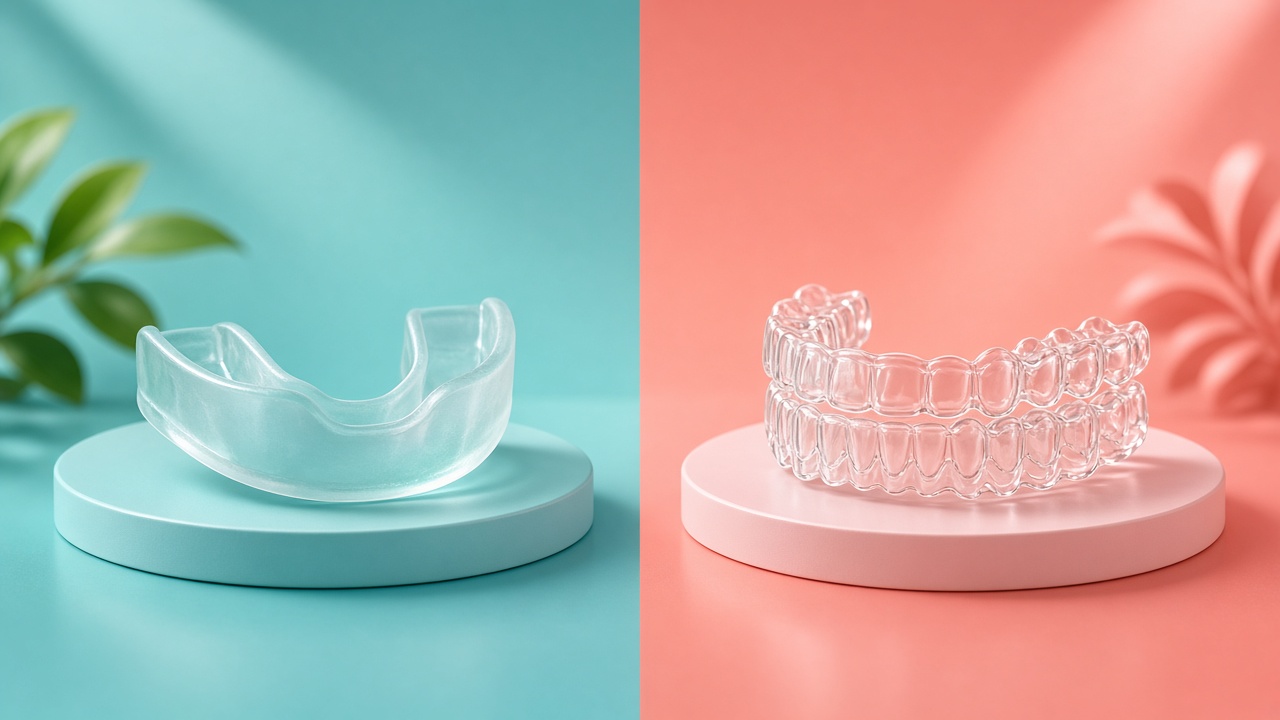
Increased overjet raises chip and trauma risk in falls, ball sports, and pools. Lips that do not cover the incisors at rest increase exposure. I discuss protection: a sports mouthguard, sometimes a short retraction phase, sometimes waiting with clear reviews. The early goal here is often safety, not “a perfect profile forever.” A teen course may still follow — I say that before any start.
Space, crowding, and eruption signs
The second group is the road for permanent teeth. Parents see baby teeth fanned, a tight row with no room, early loss with neighbour drift, or asymmetry: a canine on the left, empty space on the right for six months. These plots are signs a child needs an orthodontist as clearly as a crooked smile. Space rarely appears from waiting alone: sometimes growth helps, sometimes neighbours close the corridor. Below — early or late baby-tooth loss, crowding and blocking, delayed eruption. When history is unclear I almost always link this group to a panoramic film. In Dubai, decay and trauma often remove baby teeth early; after a move families may not remember a space maintainer. Bring notes and extraction dates: an empty socket without a plan is a common reason permanent teeth later have nowhere to erupt.
5. Early or late loss of baby teeth
Early loss of a molar without a maintainer lets neighbours drift. Late loss (a tooth “sitting” far past the average shedding age) may mean ankylosis, a missing bud, or a neighbour’s impaction. I compare sides and read the film. “Baby teeth fall out anyway” is a weak argument if the permanent tooth is already losing its path. A space maintainer is a simple tool families often underestimate.
6. Crowding, drift, and “nowhere to grow”
Baby teeth sit tight, permanent incisors erupt rotated, canines look short of space. Sometimes crowding is moderate and fits observation. Sometimes space is critical and needs a short phase or guided baby-tooth removal when indicated. I do not place full braces “because the row at seven is imperfect.” The decision follows space forecast and skeleton.
7. Delayed eruption and side-to-side asymmetry
A difference of six months or more between paired teeth warrants a film. An extra tooth, a cyst, or an impacted canine changes the plan. Parents often spot asymmetry on a school photo before a short dental check does. That is enough reason for an orthodontic screen without waiting for “a couple more teeth.”
Habit, breathing, and chewing signs
The third group is behaviour and function. Habits and breathing reshape arches slowly and firmly. Parents hear snoring, see an open mouth on the sofa, catch a thumb before sleep, notice one-sided chewing or cheek biting. These signs a child needs an orthodontist are easy to dismiss as “they’ll grow out of it.” Sometimes they do. Sometimes they lock in an open bite and a narrow upper jaw. I ask directly and without shame: real habit hours, sleep pattern, adenoid history, whether snoring worsens after a cold. Orthodontics here often sits beside ENT care, not instead of it. International schools in Dubai pack the day: the child tires, and the evening thumb “for calm” returns. Breaking a habit by shouting rarely works. Clear short rules, sometimes an appliance, sometimes a speech therapist — matched to the mechanism, not parental guilt.
8. Long thumb or pacifier habits
Past ages four to five, habits more often leave a bite mark. “Only for sleep” still counts as load hours. I build a stop plan before or with an appliance. If the habit is active, metal alone without home discipline helps little.
9. Mouth breathing and snoring
Habitual open mouth, dry lips in the morning, snoring, restless sleep — red flags. I steer toward airway review when the picture is clinical. Upper expansion for a narrow arch may be part of a plan, yet it does not replace treating the breathing cause. Ignoring snoring “until the teeth are straightened” is a weak strategy.
10. Chewing trouble, cheek or palate biting
The child avoids hard food, chews on one side, or reports cheek biting. Sometimes that is decay or a joint issue, sometimes the bite. I separate dental pain from orthodontic contact. If closure trauma soft tissue, do not park the exam “until holidays in six months.”
Face, speech, jaw sounds, and trauma
The fourth group closes the twelve. It covers facial asymmetry, speech issues, clicks or jaw shifts, and a history of incisor trauma. Parents sometimes feel shy about “cosmetic” worries and arrive only after a chip. I ask you not to wait for the chip: trauma-prone protrusion and facial imbalance are medical reasons, not vanity. Speech with tongue between the teeth often links to open bite; speech therapy and orthodontics work better together than in a one-year queue. In Dubai children spend long hours in pools, playgrounds, and martial-arts halls. A sports mouthguard with protruding incisors is practical protection even before a full orthodontic course starts. Below — how I read asymmetry, joints, and repeat trauma next to the other ten signs.
Sign 11 — facial imbalance and asymmetry: a clear chin shift, uneven mouth corners at rest, a “crooked” facial midline on a front photo. Not every mild asymmetry in childhood is disease; growth is not perfectly symmetric. Progressive shift with crossbite or a habitual jaw slide on biting is a reason to look before a “convenient” teen window. Compare front photos across a year: if the midline has drifted clearly, do not wait for graduation.
Sign 12 — clicks, jaw locking, frequent front-tooth injuries, and speech sound issues tied to tooth and tongue position. A click alone in a child does not always need an appliance; click plus pain, limited opening, or a strong shift warrants an exam without delay. Repeat incisor chips with large overjet move the talk from aesthetics to tissue protection. If a speech therapist already works on sounds and the bite is open, bring their notes — plans stitch faster.
These four groups make twelve signals. Hard rule of this article: the list calls for pediatric consultation; it does not replace it. A WhatsApp photo without an exam does not become a treatment plan. If you tick two or three items after reading and have worried for a year in a parent chat, that is enough to book — you need not collect a “full symptom set” like an insurance checklist.
What to do when you notice one or more signs
The family algorithm is simple. Write what you saw and when. Take two or three smile photos front and profile in soft closure, no filters. Write your questions on paper. Book the exam. Do not buy a plate “just in case” from a chat tip. Do not assume the sign will “dissolve” if it has been on photos for six months and is getting stronger. If the sign followed trauma or an extraction, note the date: that changes whether we hunt space loss or an acute functional shift.
At the visit I will say how urgent action is. Urgency in my mouth is concrete: trauma risk to an incisor, a progressive functional shift, space loss after early removal, snoring with suspected airway trouble. “Urgent” does not mean “bond full braces today for everyone.” Often urgent means a film and a plan within weeks, sometimes short early intervention, sometimes a parallel ENT booking. If the family flies in ten days, I say honestly what can start before departure and what is wiser after return so an appliance does not sit in a suitcase for a month.
When several signs appear, I set priority. The family should not decide alone whether open bite outranks crowding. Hygiene and decay enter the same list: an orthodontic appliance on sick enamel is a poor start. I often ask to finish acute dental care before bonding. The same with pain: find the pain source first, then discuss row aesthetics. Signs a child needs an orthodontist next to decay are not “more important” or “less important” — they are ordered by tissue safety.
For an anxious child, prepare a short honest line: “The doctor will look at how teeth are growing and say whether we need to do something now or wait.” No drill threats. Bring water and a light snack after. Hunger and poor sleep make the chair hostile even with a gentle clinician. If the child already heard school horror stories about braces, I explain separately that today’s visit is exam and talk; metal appears only after family consent and a clear goal. That order lowers resistance more than promising coloured elastics too early.
Observation, early phase, teen course, and the Dubai calendar
After screening I sort three baskets tied to your signs. Observation is an active strategy with dates and red flags. An early phase is a narrow goal for months — not “finish orthodontics forever at seven.” A full teen course fits when the permanent dentition is ready and there is a reason to detail the row and contacts. An honest talk includes the chance of a second phase: families who expect a plate to cancel future teen braces leave disappointed more often than families with a map of “phase 1 solves task A; we reassess phase 2 later.” I write that before payment. In Dubai, school and flights shape appliance discipline more than brand ads: a plate without wear hours does not treat; fixed work without cleaning leaves white spots. The child’s temperament enters the method choice.
Practically: notice a sign — book consultation. The AAO “no later than seven” marker does not ban a visit at five when signals are clear. A calm exam — put a review date in the family calendar. If an early phase is needed — discuss home discipline before placement. If a full course sits nearer the teen window — keep contact so two or three years do not vanish. Store films in one dated cloud folder. Before a long trip, ask whether you can fly on the current regime. For sport with protruding incisors, decide mouthguard use early. Signs are a language of observation, not a verdict: I use them to see the family in time and say plainly “we wait,” “we intervene briefly,” or “we prepare a teen plan.”
| Sign (of 12) | What parents often see | What I check | Typical urgency | Common next step | Bring |
|---|---|---|---|---|---|
| Crossbite | Teeth meet “past,” chin shift | Functional shift, width | High if shifting | Early phase or film | Front photos over a year |
| Open bite | Gap between front teeth | Habit, tongue, breathing | Medium–high | Habit ± appliance / ENT | Honest habit diary |
| Deep bite | “No lower teeth” on smile | Palate trauma, wear | Medium | Watch or phase | Palate complaints |
| Protruding incisors | Stick out; lips don’t close | Overjet, trauma risk | High with sport/chips | Protection / short phase | Trauma history, sport |
| Early/late baby-tooth loss | Socket “too early,” tooth “stuck” | Space, bud on OPG | High if space loss | Maintainer / film | Extraction date, films |
| Crowding / block | Fan, rotated incisors | Space forecast | Medium | Watch or phase | Smile photos |
| Delayed eruption | Present on one side, empty on other | Asymmetry, impaction | High if >6 months | Film, plan | Pair eruption timing |
| Thumb / pacifier | Habit past 4–5 | Load hours, open bite | Medium–high | Stop plan ± phase | Sleep routine |
| Mouth / snoring | Open mouth, snoring | Airway, arch width | High if snoring | ENT ± orthodontics | ENT notes |
| Chewing / cheek | One-sided chew | Contacts, pain, decay | Medium–high | Exam, treat cause | Complaint diary |
| Facial asymmetry | Crooked midline | Growth, crossbite | Medium–high | Screen + photo trend | Front photos |
| Clicks / trauma / speech | Click, chip, lisp | Joint, overjet, tongue | Case by case | Exam without delay | Chip history |
The table is a talk guide, not a remote diagnosis. Your child may combine rows; exam sets priority.
After the table I ask families to mark one “closest” row and one “fear” row. Fear of “too late” at fifteen is often overstated. Fear of “they will force treatment tomorrow” is also. Reality usually sits in the middle: screen, clear calendar, treatment when indicated. If you moved to Dubai mid-school-year, do not wait for September for convenience — convenience without an exam sometimes costs more in later course complexity. A phone reminder tagged “ortho + smile photo” helps you compare change at home before the visit. The decision always follows exam at pediatric consultation, not a vote in a parent chat.
Keep hygiene on the same calendar as orthodontics. Bite signs do not cancel decay: sweet school snacks without cleaning worsen any future appliance. I often ask a parent to watch one uncoached evening brushing — the picture differs from “we brush twice a day.” If plaque is already high, we strengthen cleaning first or early intervention starts with white-spot risk. For the teen window the same logic holds: readiness for braces includes motivation to clean around brackets, not only a wish for an even smile on graduation day.
One more Dubai layer — several homes and nannies. Who owns plate hours at night? Who messages the doctor if the case is lost at school? Name those roles aloud at consultation. An appliance without an adult “regime owner” at home becomes an expensive drawer souvenir. I prefer an honest refusal of a removable system in favour of another method over a contract the family cannot keep through Ramadan, IB exams, or frequent flights to relatives.
FAQ: warning signs and booking an orthodontist
Is one sign out of twelve enough to see an orthodontist?
Yes. Even one stable signal is a reason to screen. Several signs raise booking priority, yet you need not wait for a full set. An exam can calm a worry as readily as confirm it.
Can a messenger photo show whether an appliance is needed?
No. Photos help prepare questions; they do not replace exam and indicated films. I do not diagnose online or prescribe a plate from one smile angle.
If age 7 said “observe,” and a sign appears later?
Come before the planned date. Observation includes red flags: new trauma, snoring, sudden midline shift, pain, clear asymmetry. A review schedule is not a ban on early return.
Does early intervention cancel braces later?
It does not guarantee that. It often simplifies a second phase or removes a harmful factor. An honest plan states the chance of a teen course up front.
Do we need a referral from the pediatric dentist?
No. The family can book directly. The dentist remains a partner for decay and hygiene; the orthodontist reads growth and the bite as a system.
Which items on the list are most “urgent”?
Most often: progressive crossbite with jaw shift, trauma-prone protrusion with prior chips, snoring with breathing concern, and space loss after early baby-tooth removal. Exact urgency follows the exam.
From what age should we watch these signs?
Home watching can start with the baby dentition. AAO orthodontic screening is no later than age 7, earlier with clear signals. At three to four, a strong habit or crossbite still warrants a strategy talk — without automatic “metal.”
How do we prepare the child after finding a sign?
Short and honest: the doctor will look at tooth growth and say whether something is needed now. No threats. Bring a parent question list, prior films, and water. After the visit, give the child the outcome in plain words — that lowers fear of the next review. If the outcome is observation, say the return date aloud at home so “we’ll wait” does not dissolve between school and flights.