One orthodontist says start at seven. Another says wait until twelve. Both appointments can happen in the same Dubai week, sometimes for the same child. Early orthodontic treatment is not “braces for toddlers” and not “a plate for every smile that looks uneven on a school photo.” It is a short list of jobs in the mixed dentition: stop a functional jaw shift, lower trauma risk on flared incisors, interrupt a damaging habit, use a growth window when that window still matters. The American Association of Orthodontists (AAO) recommends a first check by age seven — screening, not automatic appliances. Timing reviews from 2017–2025 keep repeating the same limit: an early course is not always shorter or cheaper than later comprehensive care; without a clear goal it becomes extra months of hardware. I see children in Dubai after years in Istanbul, and on a pediatric consultation I spend much of the visit on this exact fork: treat now, or watch with dates and return criteria. Below is where waiting is unsafe, where waiting is the adult decision, and how overdiagnosis turns normal growth into a rushed contract.
What early orthodontic treatment actually means
Early treatment happens in the primary or mixed dentition, often from about six to nine or ten, while some permanent teeth are still missing and the jaws are still growing. The job is narrow: change the path of a problem. It is not “finish the perfect smile forever” in one round. Full braces or aligners in the permanent dentition are a different chapter — often called phase 2. Between phases many children have a holding period of a year or more. Families confuse screening with a prescription: at seven I must look at growth, habits, crossbites, and incisor display; I do not have to bond an appliance that same month. If the plan after a first visit sounds like “every child in the class needs a plate,” you are hearing a sales funnel, not growth medicine.
In the chair I sort three decisions. First — observation with photos and reviews at three, six, or twelve months. Second — short interceptive work: habit support, a local crossbite, space for a canine, selective disking, or a limited segmental appliance. Third — a full early phase with an expander, a face mask, a functional appliance, or limited braces on a few teeth. Each choice must answer one question: what harm do we prevent in the next few years if we start now? If the only answer is “the teeth look crooked on Instagram,” I usually watch.
Early care does not rewrite inherited skeletal pattern once and for all. It does not replace hygiene or cavity control. It does not promise that phase 2 will never be needed. Parents who pay for phase 1 hoping “never braces again” often feel cheated later — not because the doctor lied about every millimetre, but because the first expectation was wrong. An honest agreement sounds different: we solve problem A now; when the permanent teeth arrive, we reassess problem B.
Mixed dentition has its own physics. Permanent incisors erupt large on a still-childish arch. Canines wait for space. Primary molars hold vertical dimension until they leave. A parent sees a gap or a crowd on one Tuesday and projects ten years of disaster. I watch trajectory: what worsens in a year without us, what stays flat, what improves with growth alone. Without that trajectory, a normal stage of shedding teeth looks like disease. So the age-seven visit, for me, is a risk map — not appliance day.
Cases that should not wait
Some delays mean accepting trauma risk, asymmetry, or lost space. I do not sell urgency with a discount, and I do not use surgery as theatre. I show on models and radiographs which mechanism is working against the child right now. Pediatric dentistry guidance and interceptive reviews converge on selective early starts: functional crossbite, high trauma risk from increased overjet, heavy psychosocial load, and certain Class III growth windows. If a child already fractured a flared incisor or takes a football to the lip every week, the talk leaves “pretty smile” and moves to tissue protection. The same holds for a crossbite that pushes the lower jaw to one side: muscles learn the shift. Below are three groups where I rarely argue for delay. On early intervention, the goal comes first in one sentence, then the appliance.
Crossbite with a functional jaw shift
Posterior or anterior crossbite is a common Dubai parent search: “the teeth meet past each other.” Some cases are dental tip only. Some are a narrow upper jaw. Some are a forced lower-jaw slide into bite. I catch a functional shift on exam: at rest the jaw sits nearer the midline; on closing it drifts. That pattern is worth correcting early so muscles and joints do not lock the asymmetry for years. Expansion or selective tooth movement are tools; choice depends on skeleton and age. Waiting “until every permanent tooth is in” while a progressive shift is already clear is a plan I usually reject. A mild dental crossbite without shift and without wear can sometimes be watched — only after an exam, never from a WhatsApp photo alone.
Large overjet and trauma risk
Increased overjet — upper incisors well ahead — links in the literature to higher risk of front-tooth injury in falls and contact sport. Early overjet reduction does not always deliver a better long-term skeletal result than later Class II care; reviews on timing say that out loud. If lips cannot cover the incisors, the child plays contact sport without a mouthguard, or there was already a chip or bruise, I discuss early protection: limited braces, an appliance, habit work, and a sports guard. The aim is less tooth exposure to impact, not “winning ANB millimetres forever.” I tell families phase 2 may still be needed; safety is the job today.
Habits and developing open bite
Thumb, tongue between the teeth, a pacifier past the age when speech is forming, mouth breathing — different drivers, similar bite: front teeth fail to meet, the upper arch narrows, speech and swallow suffer. If the habit is active, hardware alone often loses. I link the plan to ENT or myofunctional support when airway or tongue posture is primary. Early work makes sense while growth helps and the habit can still be reshaped. If the habit has already stopped and a skeletal open bite remains, the tactic shifts — sometimes toward watching until the permanent dentition. Parents help when they report real daily hours of thumb time, not “only when stressed.”
When watchful waiting is the safer call
Most children brought in because “the classmate already has a plate” belong in observation. Mild crowding of baby teeth, spaces that still change with eruption, an imperfect class-photo smile — not an emergency by itself. Reviews from 2023–2025 show early care can improve short-term occlusion, yet a universal long-term edge over later start is not proven for every case. Waiting is not refusal of care. It saves a year of cooperation for work the clinic can finish later in a cleaner window. Dubai calendars — midterms, flights, a two-year posting — are a bad diagnosis. Without progressive asymmetry, trauma-prone flare, hygiene collapse, joint pain, or an active habit, I write observation with dates and return criteria. Without criteria, “we’ll wait” becomes panic and a second opinion.
Mild crowding and “crooked baby teeth”
Primary teeth often sit with spaces. Those spaces help permanent incisors. Crowded baby teeth alone do not equal a permanent-dentition disaster. On a panoramic film I show where space is already short and where physiology is still rearranging the arch. Early “make everything straight with a plate” for a school photo can buy a pretty quarter and still leave a full teen course ahead. If hygiene fails because of crowding, we treat cavities and cleaning first, then the ortho plan — not glue over active holes.
Stable Class II without trauma and without bullying
A Class II pattern with increased overjet, no injuries, competent lip seal, and no hard teasing at school often stays on watch until a growth peak. Classic early-versus-late Class II trials did not show durable skeletal superiority for routine two-phase care over one later course. Psychosocial load is separate: if a child is bullied for the teeth, early overjet reduction can be justified for quality of life even if we still finish the bite later. That is a joint call with a written goal. I do not start phase 1 “just in case it helps.”
Wait — without disappearing
Observation means visits, photos, sometimes a new radiograph when indicated, and a note of new complaints. “Wait until twelve” with no reviews is a hole in the plan. In three years a Dubai child can change school, sport, habit, even country. In the chart I write what we are waiting for: canine eruption, a growth spurt, habit extinction, stable hygiene. On a pediatric consultation the parent leaves with the next slot booked before they reach the car. If the family spends summer abroad, I ask for a simple set of bite photos — not a substitute for exam, but a bridge between visits.
Overdiagnosis: how families get pushed into phase 1 too soon
Overdiagnosis in children’s orthodontics is naming a normal or borderline growth variant as disease and treating it with an appliance that lacks a clear benefit. The engine is often commercial: an early phase sells easier than “we watch for a year.” Sometimes the engine is parental anxiety after a social-media case. Sometimes it is clinic language: “if we don’t start now, later only surgery.” Surgery belongs to a narrow adult skeletal group; using it as a threat for every seven-year-old with mild crowding is not diagnosis.
I look for overdiagnosis in my own wording and in stories families bring from elsewhere. No measurable twelve-month goal. Success defined only as “straighter on photos.” No talk of phase 2 as a likely next step. An appliance offered on day one without radiographs, or with films taken and never explained. A promise that braces will never be needed again. Any one of those is a reason for a second opinion.
Dubai parents can use a short question list before signing. What exact problem do we treat this year? What happens if we wait twelve months? How likely is a second course in the permanent teeth? How many hours a day must the child wear the appliance, and who owns that routine? What enamel and root risks come with an early course? Vague answers mean I would not sign that day. Early intervention makes sense when the goal is narrow and testable; it fails when the goal is calming an adult with “catch the baby teeth before they change.”
Another overdiagnosis layer is “AAO age equals appliance age.” AAO speaks to the age of first examination, not the age of mandatory hardware. Screening at seven catches crossbites, supernumerary teeth, delayed eruption, trauma-prone overjet. Most children leave screening on observation. If a clinic converts nearly every seven-year-old into a paid phase 1, the conversion rate argues with the literature on selectivity. I say that to parents without soft padding: the check is early; treatment is not automatic.
In mixed Dubai families, pressure sometimes arrives on a video call from relatives: “at home everyone got a plate at seven — why are you waiting?” Relatives do not see the films and do not own the child’s enamel or cooperation. I offer a one-line reply for that call: “we screened, no red flags, review on this date.” If flags exist, name the diagnosis in one sentence without a culture fight. Culture rarely moves a bite; a written plan does.
Phase 1, holding period, phase 2
When an early start is justified, I draw three segments on one page. Phase 1 — months of active appliances under a named goal. Holding period — growth, tooth exchange, retainer or a clear mouth by plan. Phase 2 — permanent-dentition alignment when the arch is ready. Without that map, every new appliance feels like endless extension. With it, the logic is visible. Timelines are individual; I give ranges after exam, never a brochure promise for every child. Fees in Dubai depend on appliance and duration; I quote after a plan with a price-list date. Two phases usually cost more than one later course if early care did not remove a heavy risk. Savings appear when we prevent trauma, hard asymmetry, or severe space loss — case by case. UAE insurance varies; families confirm cover before signing.
One-sentence goal for phase 1
Before scans or impressions I ask the family — and myself — to say the goal aloud: “stop the left functional shift,” “reduce incisor flare for rugby,” “break the thumb habit and close the front open bite as far as growth allows.” If the goal is “smile like the influencer,” we are not ready for phase 1. The written goal goes in the chart. At six to nine months we compare photos to that sentence, not to a vague “how do you feel about the result.”
The holding period between phases
A holding period is not a forgotten patient. The child returns; we check eruption, hygiene, habit relapse. Sometimes simple retention stays. Sometimes the mouth is free of hardware, and that is normal. Parents fear teeth will “waste” the phase 1 fee by drifting. Some change holds; some physiologic change with tooth exchange is expected. Saying that before start cuts the sense of betrayal mid-pause. If a new red flag appears during the hold, we do not wait for a ceremonial phase 2 date.
Phase 2 without “we already finished”
In the permanent dentition we still manage crowding, crown inclination, jaw relationships, smile aesthetics, and chewing contacts. Early care may have simplified entry, removed a shift, or held space. It rarely cancels all mechanics. Dubai teens choose among metal, ceramic, and aligners; diagnosis and cooperation matter more than brand ads. I reset expectations: phase 1 was about growth and risk; phase 2 is about final occlusion. Families who accept that on day one sign the second agreement with less anger.
| Situation at ages 6–10 | Early start more often discussed | Observation more often fits | Typical goal if we treat | What to check on review | Family next step |
|---|---|---|---|---|---|
| Functional crossbite with lower-jaw shift | Yes | Rare if shift is progressing | Remove forced shift; expand/align contact | Midline, facial asymmetry, wear | Exam + films; appliance plan |
| Large overjet, lips apart, contact sport | Often | If overjet mild and no trauma | Lower trauma exposure of incisors | Chips, mobility, thumb habit | Protection + ortho plan, not guard alone |
| Mild primary crowding, healthy enamel | Rarely | Yes | — | Hygiene, permanent eruption | Photo review in 6–12 months |
| Active thumb/pacifier + open bite | Yes, with habit work | If habit already gone and gap stable | Stop habit; guide growth | Daily habit hours, speech | Joint plan with function/ENT if needed |
| Class II without trauma or bullying | Selective | Often | Sometimes psychosocial relief | School teasing, lip seal | Written return criteria |
| Suspected skeletal Class III in growth window | Yes, carefully | If signs unclear — investigate first | Growth support when indicated | Serial bite records | Early consult; do not “blind-wait to 14” |
| “Neighbour said every 7-year-old needs a plate” | No as sole reason | Yes | — | Real red flags | Second opinion; no same-day contract |
The table is a conversation aid, not a prescription. Your child’s exam and films decide.
Appliances, habits, and school life in Dubai
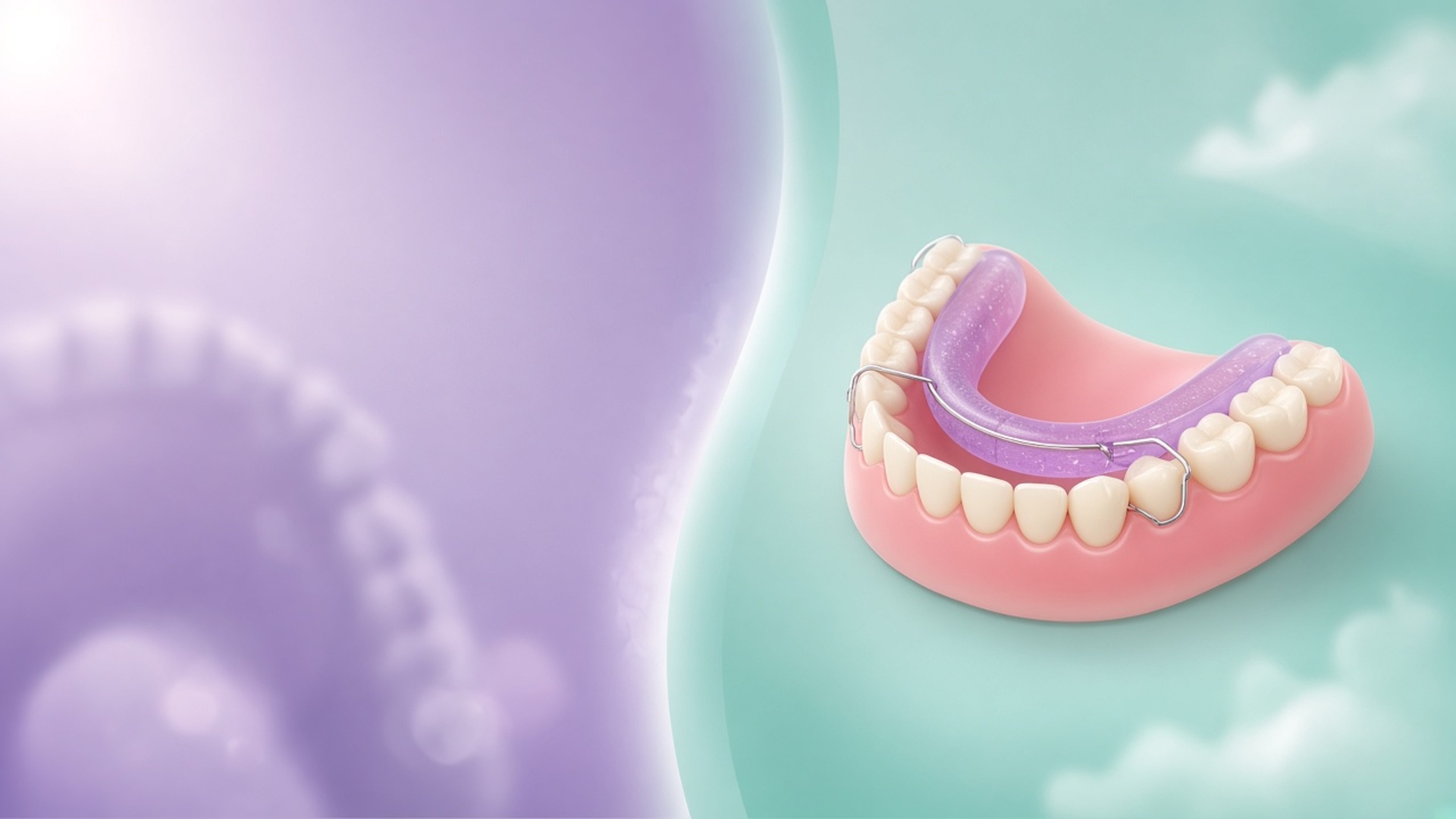
A removable plate works the hours it is worn. Studies on removable appliances in children show self-reports inflate wear time. If the child pockets the plate at school from embarrassment and forgets it after dinner, the paper plan and the mouth diverge. Fixed expanders remove part of that trap and add hygiene and speech load in the first weeks. I match the appliance to the clinical job and to family routine, not to a brochure photo.
Dubai school days run long: bus, PE, after-school clubs. Someone must own the 9 p.m. plate reminder. Someone must know what to do when the appliance stays in another emirate for a weekend. Someone must clean around expander screws. Without that household layer, orthodontics becomes nightly argument. I hand over a one-page routine: hours, food, sport, emergency contact for breakage. If a previous trainer course already failed on cooperation, I am careful with another removable “trust” plan and discuss fixed options when the clinic goal allows.
Hygiene is a separate contract for any early appliance. White spots after removal read as “treatment damage”; they are plaque and acid around hardware. Before start I check hygiene and caries. Active cavities and bleeding gums mean stabilize the mouth first, then bond. That is not bureaucracy: ortho on untreated decay accelerates enamel loss.
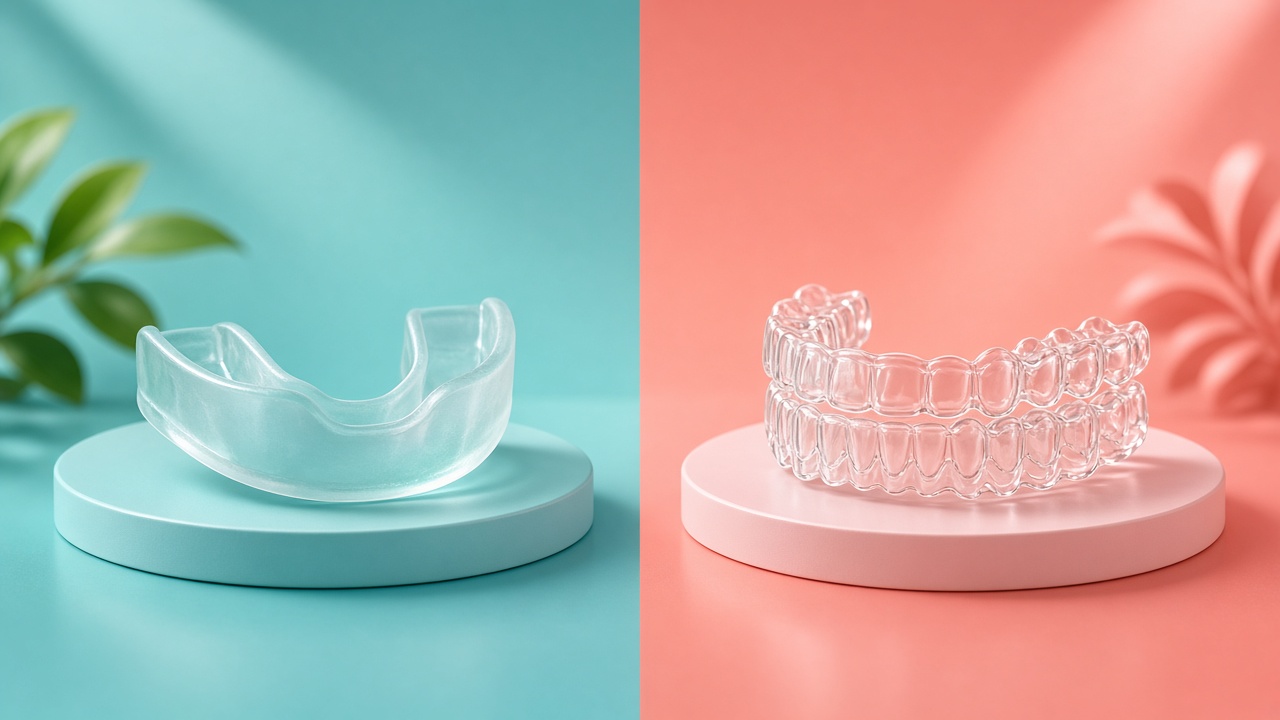
Sport and music need a line in the plan. Football and combat sports with flared incisors need a mouthguard even before a full course. A wind instrument and a palatal plate fight each other in week one — better to start in a school break or choose a design that fits the embouchure. A child who already hates “metal” after a classmate’s story will break a removable routine faster than a parent can nag. Then we discuss a fixed option for the same clinical goal, or we delay if waiting is still safe. Cooperation is part of diagnosis, not a footnote on the fee.
What a first pediatric consult in Dubai should decide
On a pediatric consultation I greet the child first, then the parents. Short facial and oral exam, photos, panoramic or 3D imaging when indicated. I do not repeat films without need. If the family brings an OPG from another country, I judge quality and date. Then three possible exits from the visit: observation with a date, narrow interception, or a full early phase. I name the exit out loud so the car ride home is not a fog of “they said something should be fitted.”
Questions I expect from parents: What happens in a year with no treatment? How often do similar cases still need phase 2? Can we start after holidays? Is ENT involved? How do we combine this with rugby, swimming, or a wind instrument? Answers depend on diagnosis; there is no universal discount on risk. An anxious child may leave the first visit with photos only — no impressions. Pressure to “sign today” fits poorly with years of trust.
Expat families compare home-country habits (“everyone got a plate at seven”) with Dubai watchful waiting. The truth sits in the child’s mouth, not in national folklore. I lean on exam, growth, habits, and the selectivity literature on early treatment. If after my observation plan you want a second opinion, I support that. A sound plan survives another orthodontist’s review.
Read the agreement language. In Dubai the plan should list phases, what the early fee includes, what phase 2 bills separately, and how often holding-period reviews happen. Families after a move compare the number with another country’s memory and call a plate “expensive plastic.” Here the plate is part of a supervised course, not a shelf product. I quote after diagnosis, with a price-list date, without promising the neighbour’s fee. If insurance may help, the policy administrator confirms cover before signature; I do not invent approval overnight.
Sometimes a parent messages at midnight: “we’re scared we will miss the window.” That fear is common. The answer is criteria and a review date — not an 8 a.m. start with no new clinical facts. If overnight brought no pain, trauma, or new jaw shift, yesterday’s plan still stands. Panic chooses appliances poorly.
FAQ
Does every child need bite treatment at age 7?
No. Age seven is for an orthodontic screening, not an automatic appliance. AAO recommends a check by then to catch crossbite, delayed eruption, trauma-prone overjet, and extra teeth. Most children leave on observation. Treatment follows exam and indicated imaging, not a birthday.
How is early orthodontic treatment different from teen braces?
Early care solves a narrow mixed-dentition job: shift, habit, trauma risk, growth window. Teen braces or aligners usually finish the permanent bite. A holding period can sit between them. An early course does not automatically replace phase 2 and does not have to cancel it.
Will crooked baby teeth straighten on their own?
Sometimes the bite improves with exchange of teeth; sometimes space shortage only shows later. “It will sort itself” without an exam is a gamble. Mild patterns are often watched; functional crossbite and trauma-prone flare are not left to chance. An in-person exam answers this — not a cousin’s photo.
Is it true that without an early plate the only option later is surgery?
For most children, no. Orthognathic surgery belongs to some adult skeletal discrepancies that growth and ortho did not resolve. Threatening surgery over mild crowding at seven is pressure, not diagnosis. Ask which skeletal finding needs an early window now and what changes after a year of observation.
How long does phase 1 last?
Often months, not years chasing a perfect smile. Duration follows the goal: habit, expansion, limited alignment. If phase 1 stretches without an end point or success criteria, reopen the plan. After the active phase comes a holding period through tooth exchange.
Can we choose observation if another doctor already prescribed an appliance?
You can ask for a written treatment goal and a “what if we wait a year” scenario. A second opinion fits when the goal is vague or a contract is demanded on day one without films. Do not remove an already fitted appliance yourself — see a clinician first. Observation instead of treatment is only safe when red flags are absent.
Which habits matter more than the appliance?
Active thumb sucking, a tongue thrust between the teeth, and mouth breathing from adenoids or allergy often hold an open bite harder than “bad genes” in ads. Hardware without habit and airway work gives short gains. Sometimes ENT or myofunctional work comes first — a joint exam decides.
What should we bring to a first pediatric visit in Dubai?
Separate lists of the child’s and the parent’s worries, the school and sport calendar for three months, prior films on a drive or cloud link, and an honest report on thumb, pacifier, and snoring. Do not promise the child “nothing happens today” while also promising “we fit a plate today.” Frame the visit as exam and plan first. Booking a pediatric consultation beats buying appliances “just in case” online.